Fred Duesenberg, the engineer behind the Model J, died of pneumonia from injuries suffered crashing one of his own cars — a Murphy-bodied SJ convertible.
Lead trim: Model J 420 cu in DOHC straight-eight (265 hp at 4250 rpm)
Duesenberg Model JJ · 1928–1937
- 0spots by members
- Unclaimednobody has spotted one yet
- 0sets it belongs to
Nobody in Burbles has spotted a Duesenberg Model J yet. See one on the street, point the app at it, and the first card is yours — with your @handle permanently credited on this page.
FactFred Duesenberg, the engineer behind the Model J, died of pneumonia from injuries suffered crashing one of his own cars — a Murphy-bodied SJ convertible.
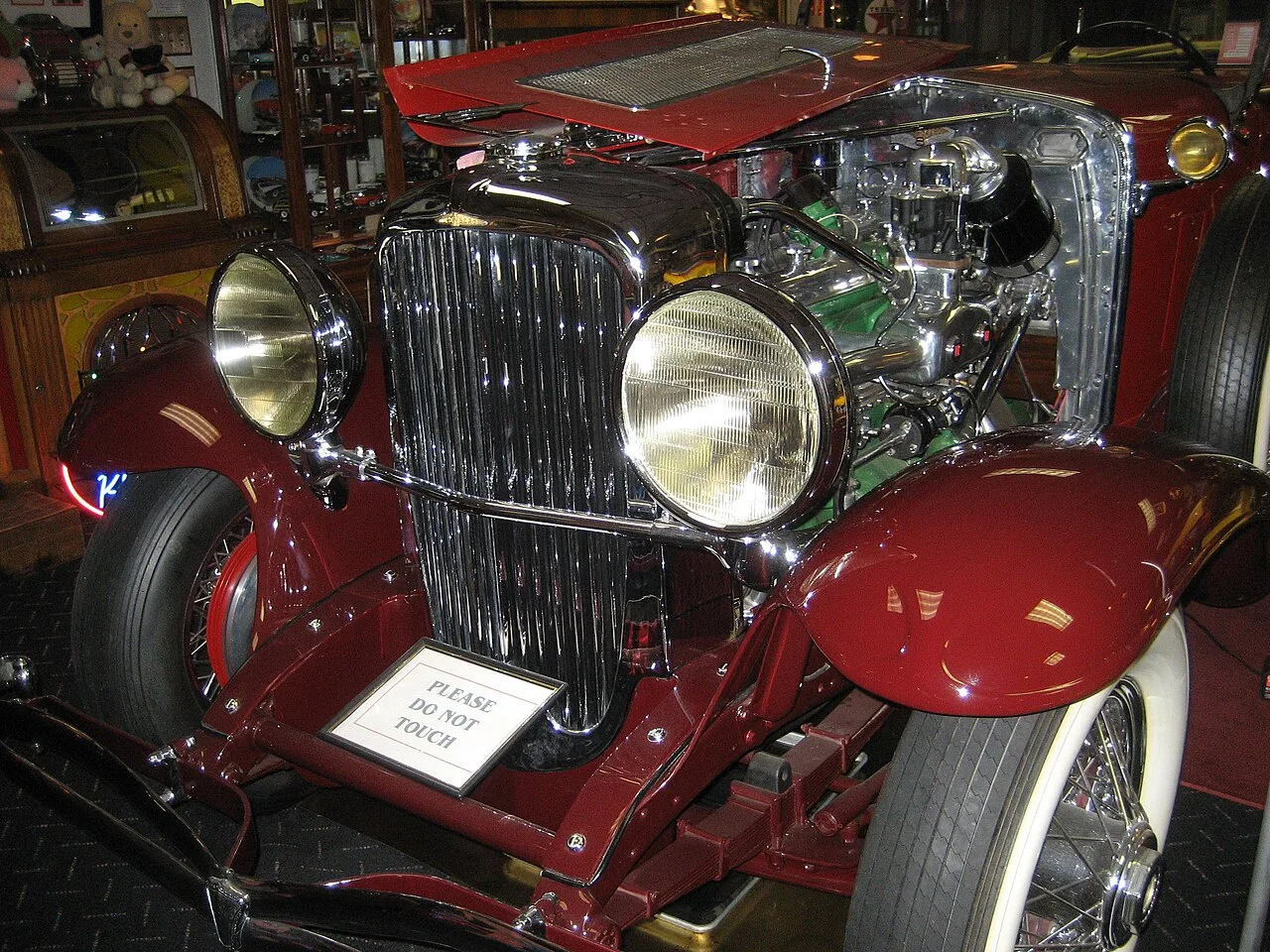
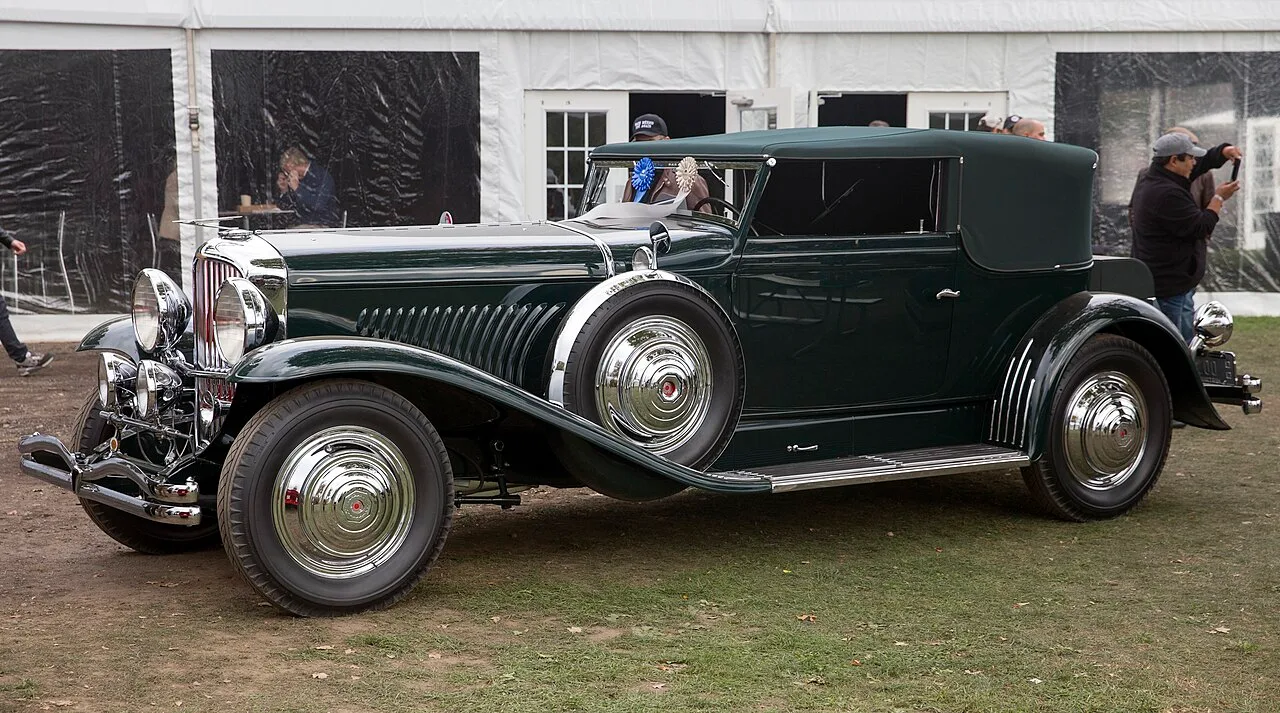
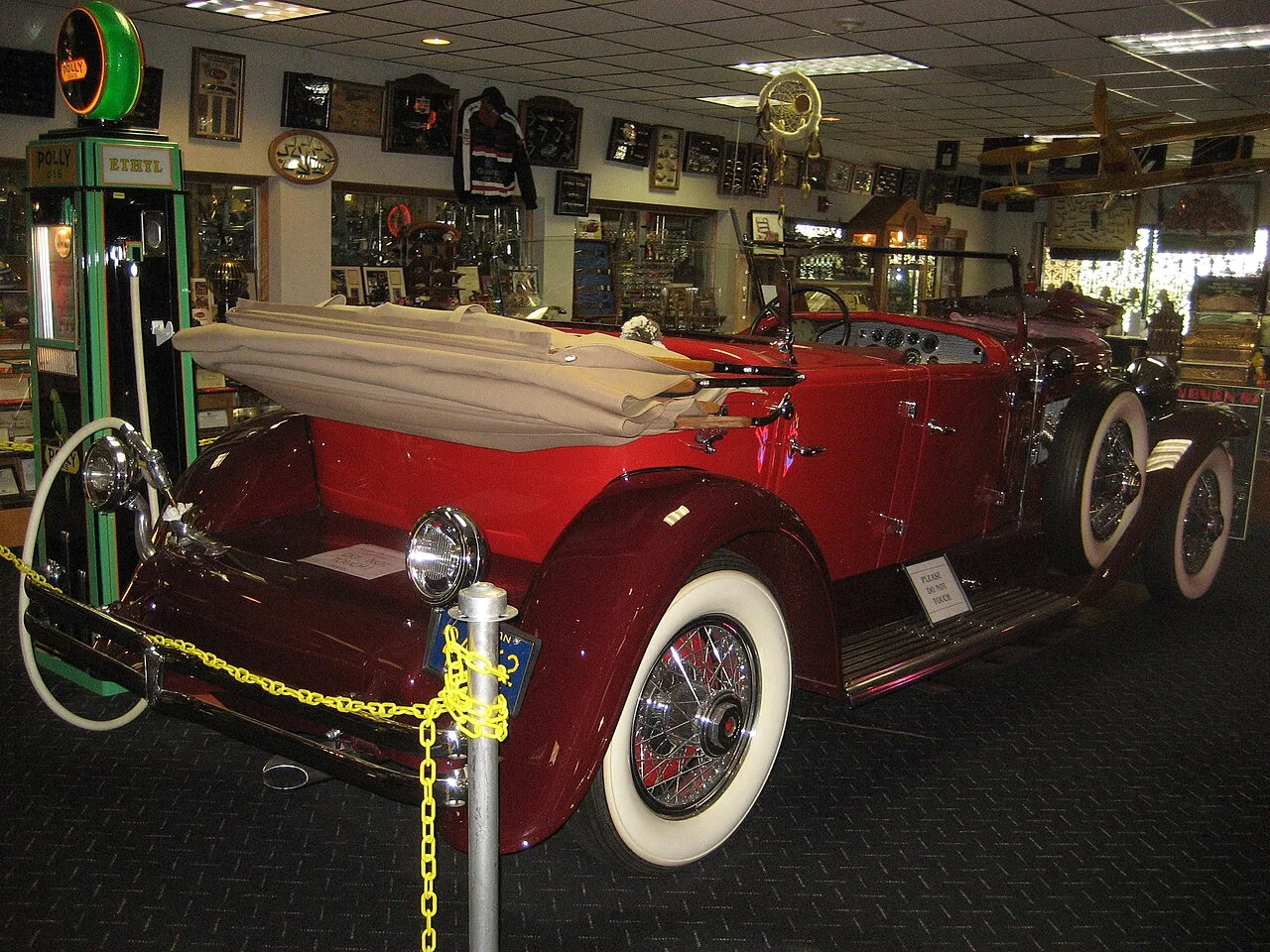
The Duesenberg Model J is a luxury automobile that debuted in 1928 and was offered for ten years, intended to compete with the most luxurious and powerful cars in the world (445 Model J built, 481 including 36 SJ; designer Gordon Buehrig). Only the chassis and engine were sold, with bodies to the owner's order from third-party coachbuilders. Its 420 cu in (6.9 L, 6,900 cc) DOHC straight-eight with four valves per cylinder (bore 3.74 x stroke 4.76 in, 5.7:1 compression, single updraft Schleber carburettor), designed by Duesenberg and built by Lycoming, produced 265 hp at 4250 rpm and a 116 mph top speed (89 mph in second), on a 142.5 in (standard) or 153.5 in (long) wheelbase; the four-speed gearbox that could not cope was replaced by an unsynchronised three-speed. It was both the fastest and most expensive American automobile on the market, generally weighing about two and a half tons.
Collectors Spotted in the Duesenberg Model J Lineage
No member has published a public street spot of the Duesenberg Model J yet — the First · Worldwide stamp is wide open.
Trims & Figures
One published trim in the catalogue. A blank is a figure not recorded, not zero.
| Trim | Years | Engine | Power | Torque | 0–60 | Drive | Gearbox | MSRP |
|---|---|---|---|---|---|---|---|---|
| Model J 420 cu in DOHC straight-eight (265 hp at 4250 rpm) | 1928–1937 | 6.9 L Inline-8 | 265 hp | — | — | RWD | manual | — |
Owning one
We don’t estimate running costs for a car like this. What it costs depends on its condition, its specialist and how it is driven, and an average would mislead.
Owners’ builds
Nobody has claimed one yet.
Photographs
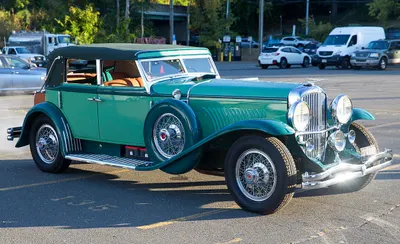
Only two SSJs were built — one for Gary Cooper, one lent to Clark Gable — and the two movie stars used to race each other through the Hollywood Hills in them.
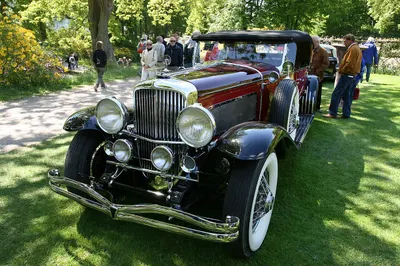
Duesenberg's slogan for the supercharged SJ was that the only car that could pass one was another Duesenberg - and only with the first owner's consent.
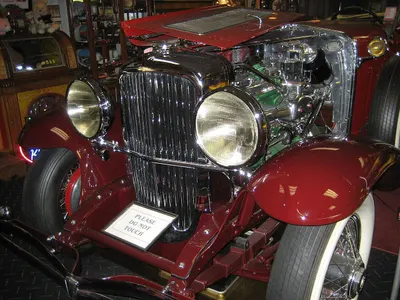
Fred Duesenberg, the engineer behind the Model J, died of pneumonia from injuries suffered crashing one of his own cars — a Murphy-bodied SJ convertible.
Rivals
Same body, same money, other badges — tap any card to flip.
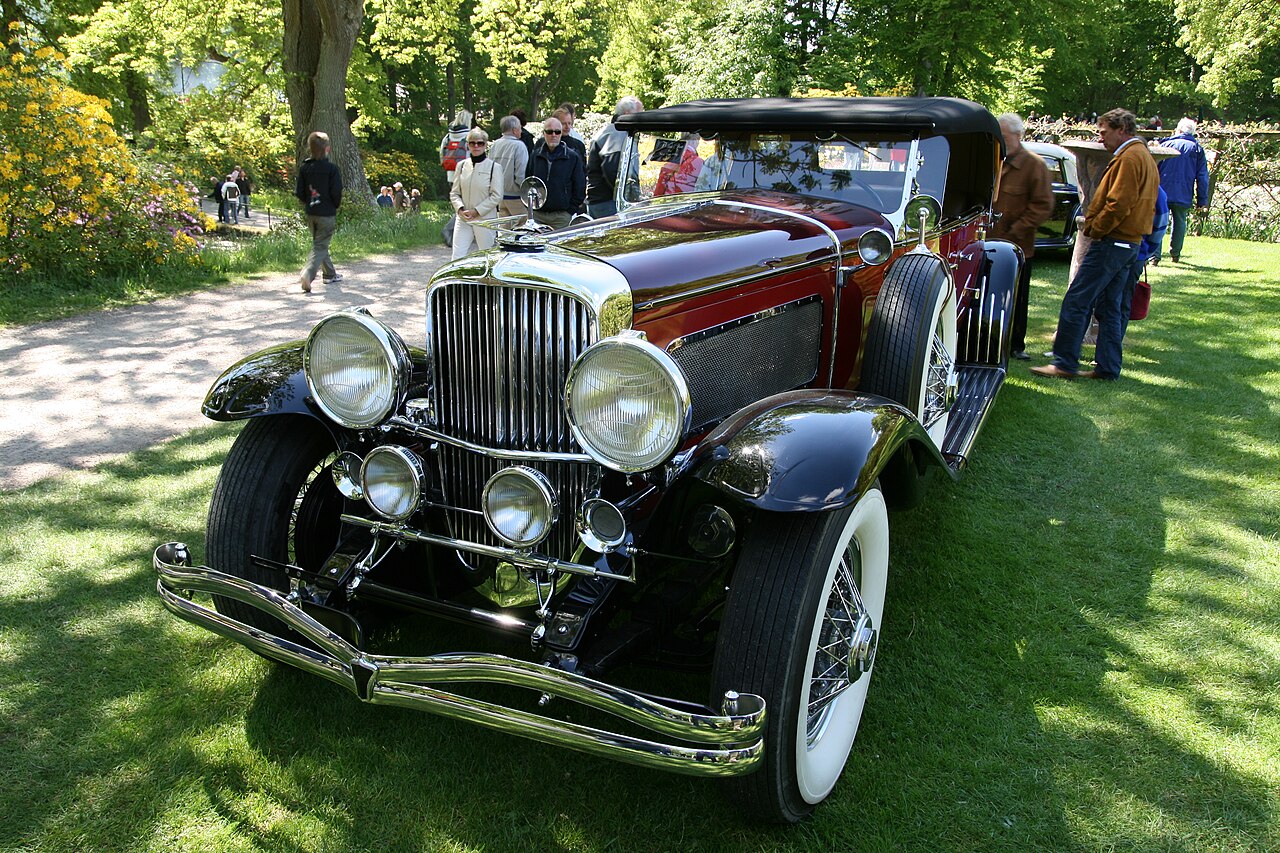
Duesenberg's slogan for the supercharged SJ was that the only car that could pass one was another Duesenberg - and only with the first owner's consent.
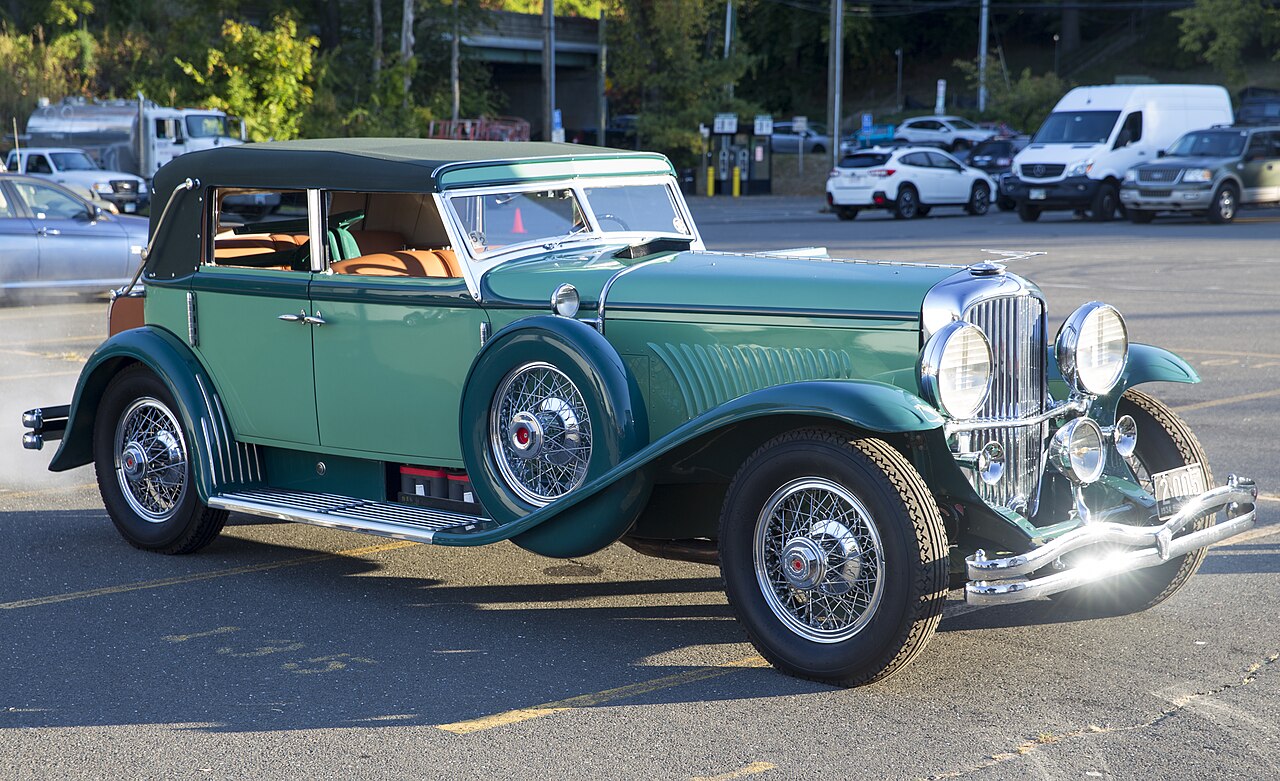
Only two SSJs were built — one for Gary Cooper, one lent to Clark Gable — and the two movie stars used to race each other through the Hollywood Hills in them.
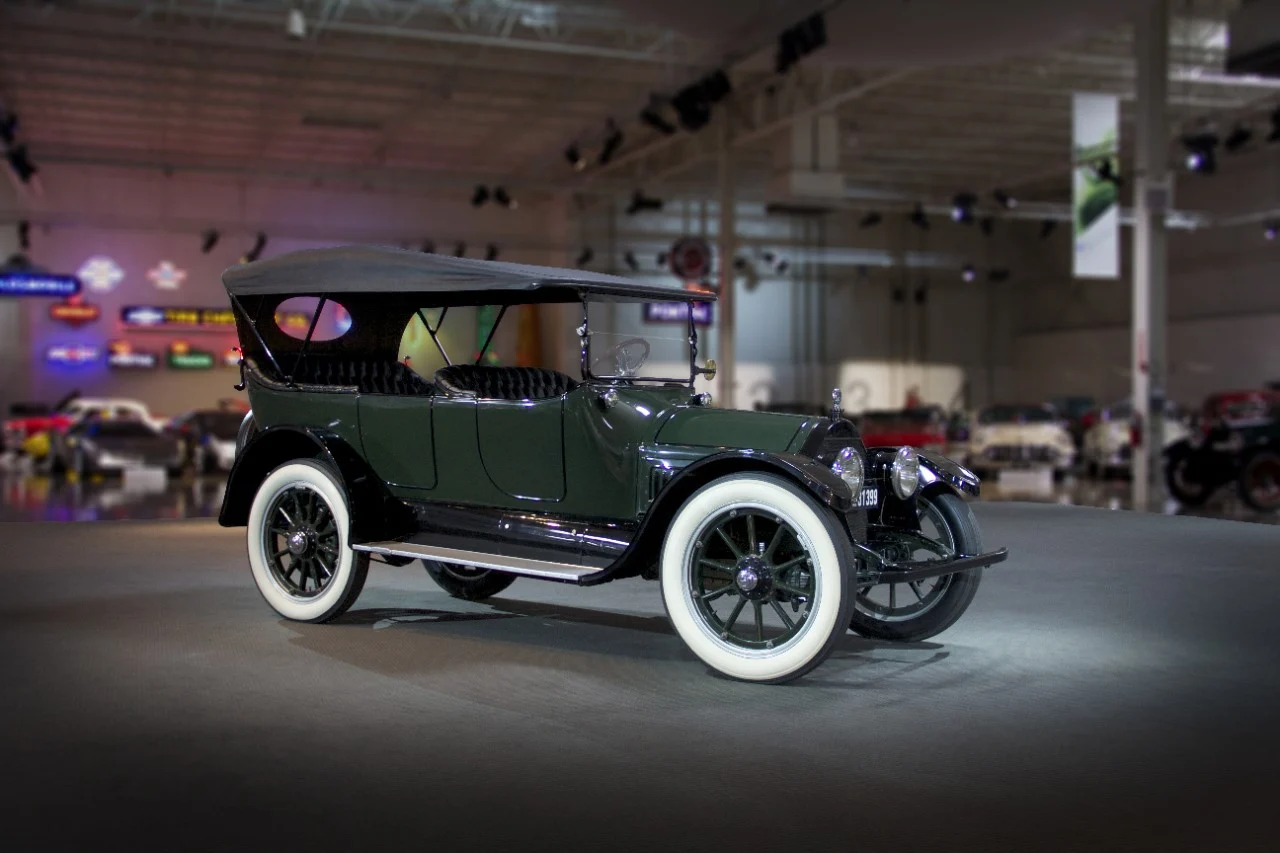
The 1916 Type 53 quietly invented the modern car's cockpit: center-mounted gear lever and handbrake, key-start ignition, and the clutch-brake-throttle pedal order every car still uses today.
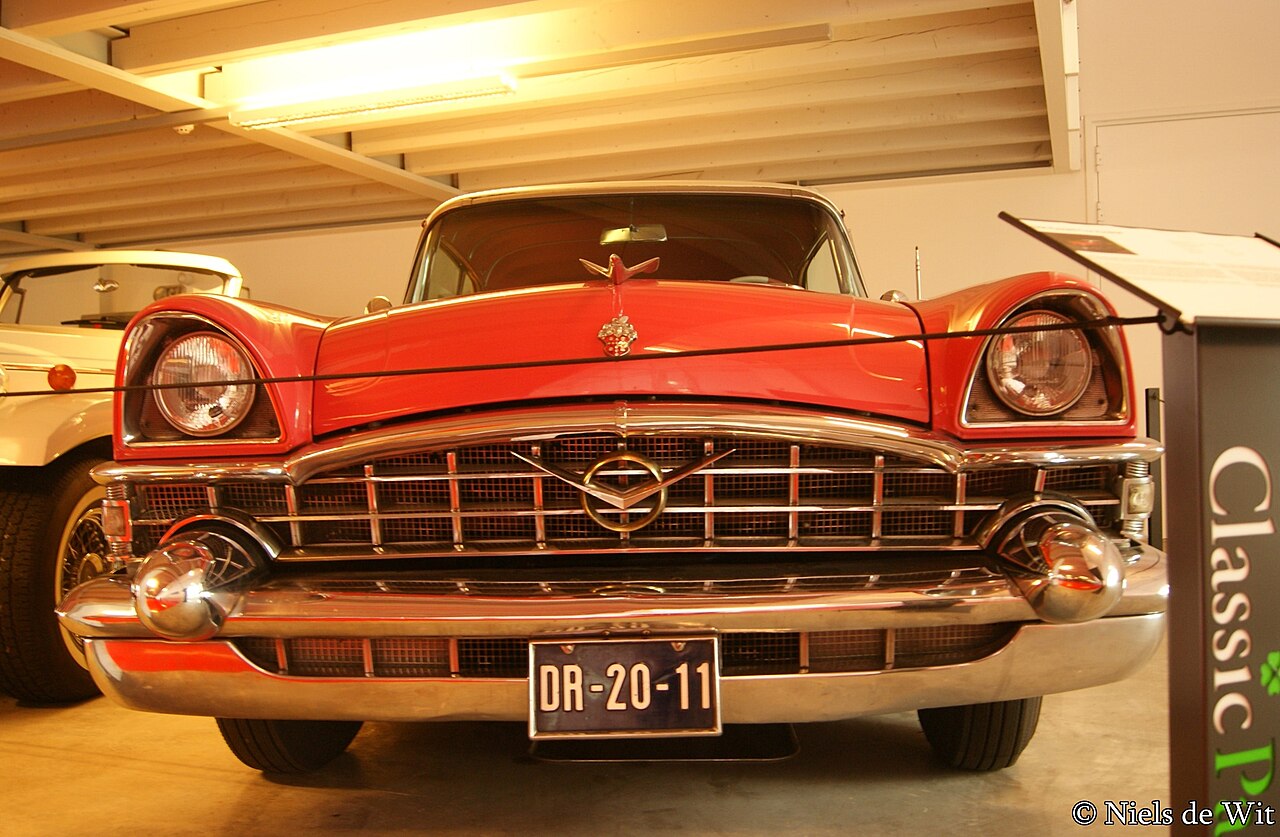
Packard's first four-cylinder car, the 1903 Model K, was so exclusive that only 34 were built — at $7,300 apiece, it's still the most expensive Packard the company ever made.
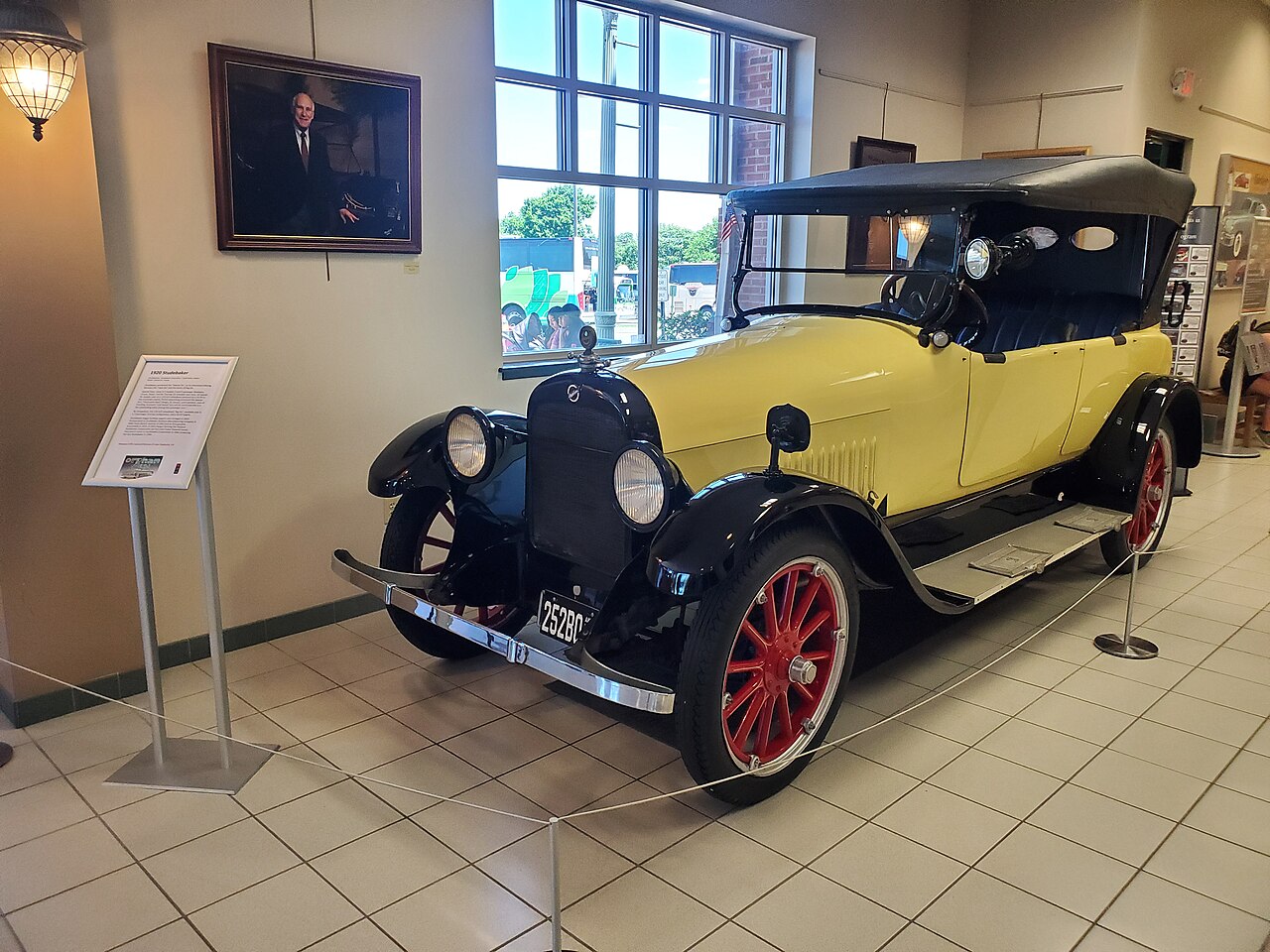
Studebaker charged extra for four-wheel hydraulic brakes on the 1926 Special Six, leaving disc wheels and stopping power both as options.
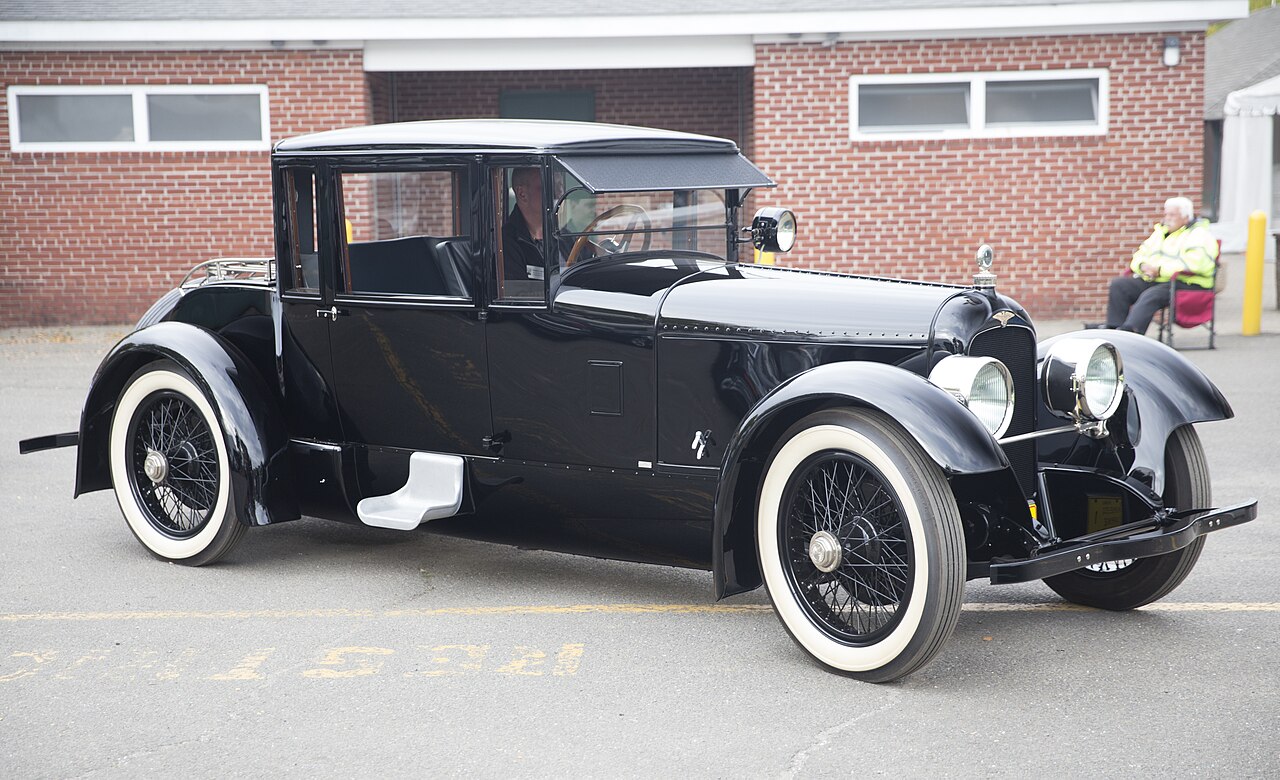
This Duesenberg beat every other production car to the punch: it was the first to put hydraulic brakes on all four wheels, years before the rest of the industry caught up.
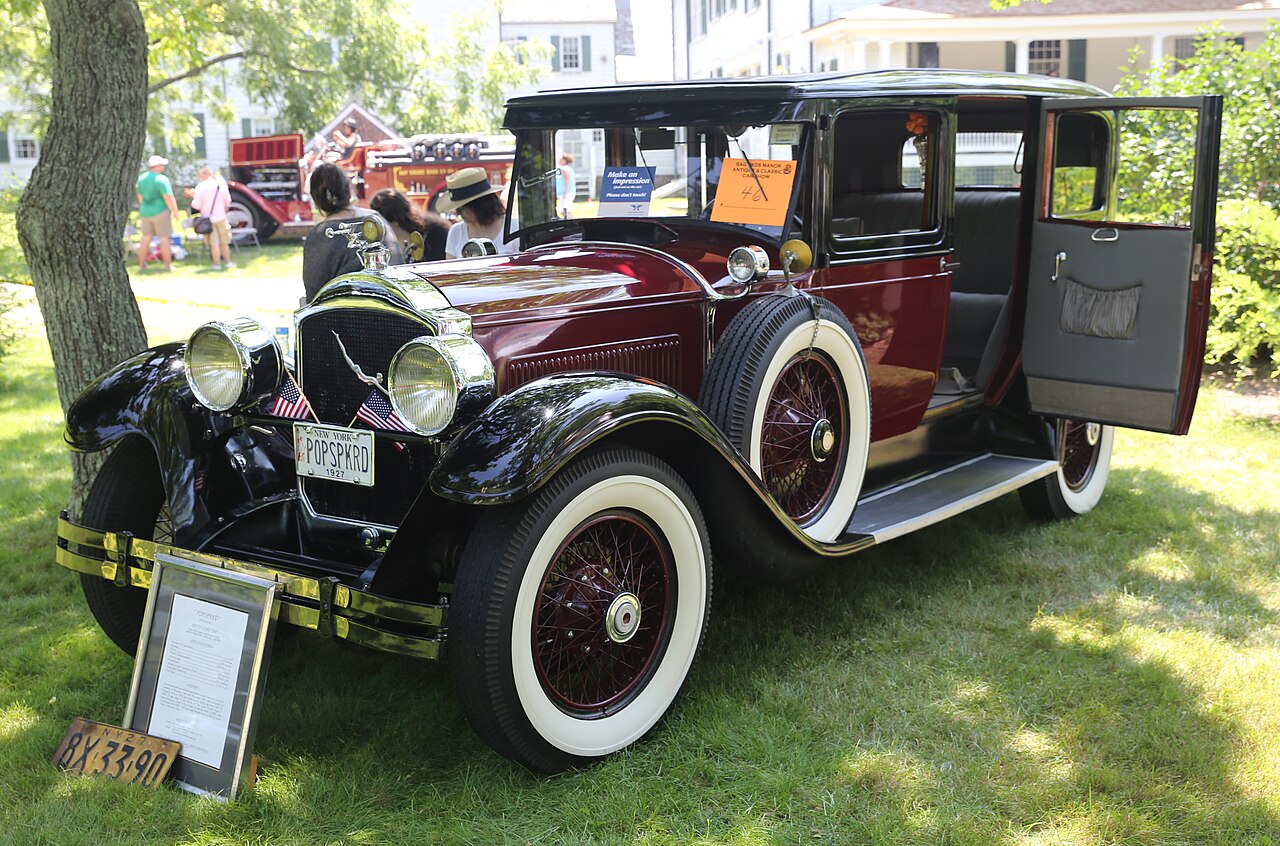
Once Packard's new straight-eight arrived in 1924, the once-flagship Six got bumped down market — repositioned to compete with the Buick Master Six and, later, the Chrysler Six.
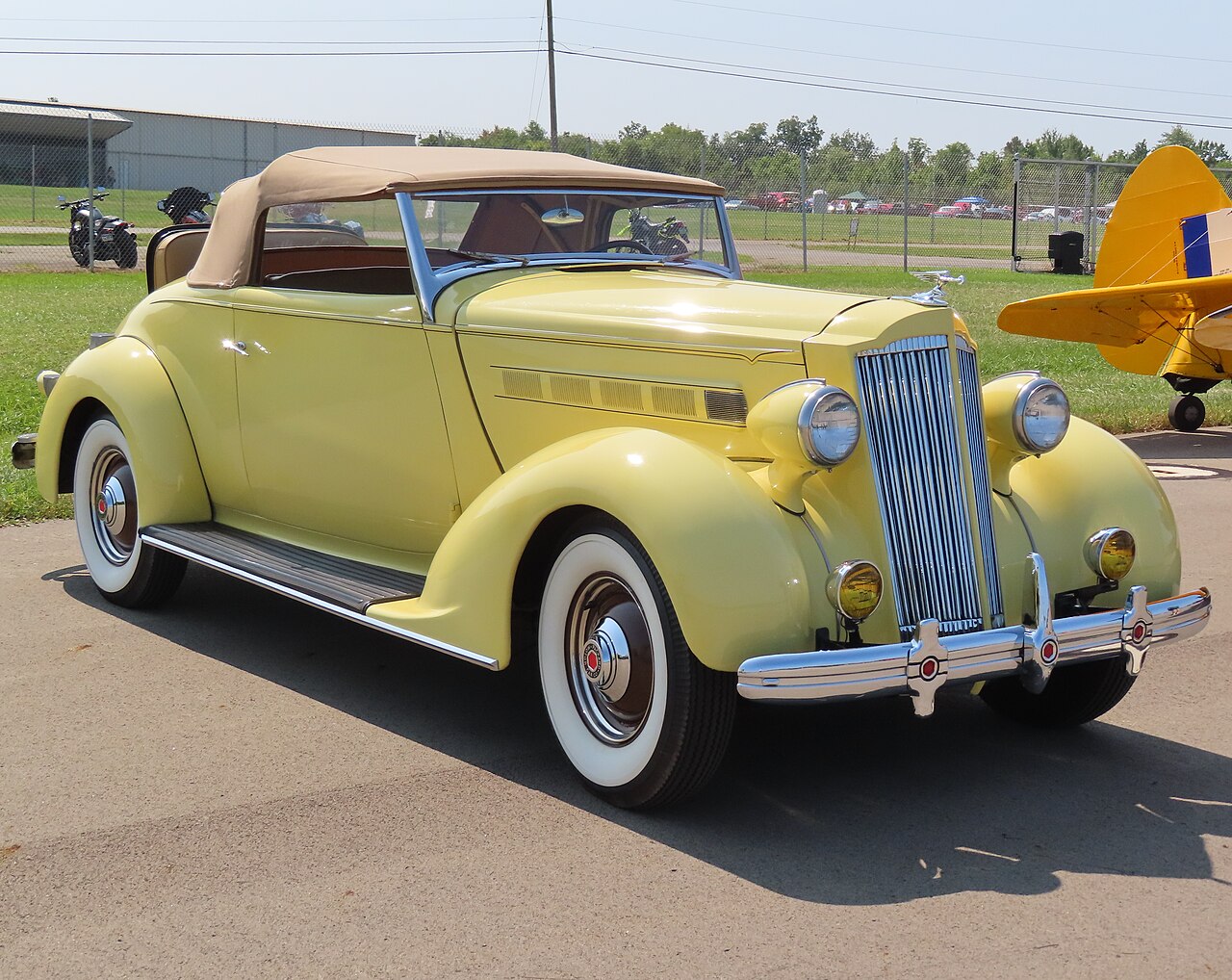
This Packard Six was the last Packard ever sold under the word "model" — after it, Packard switched to the series-based naming it used for the rest of its history.