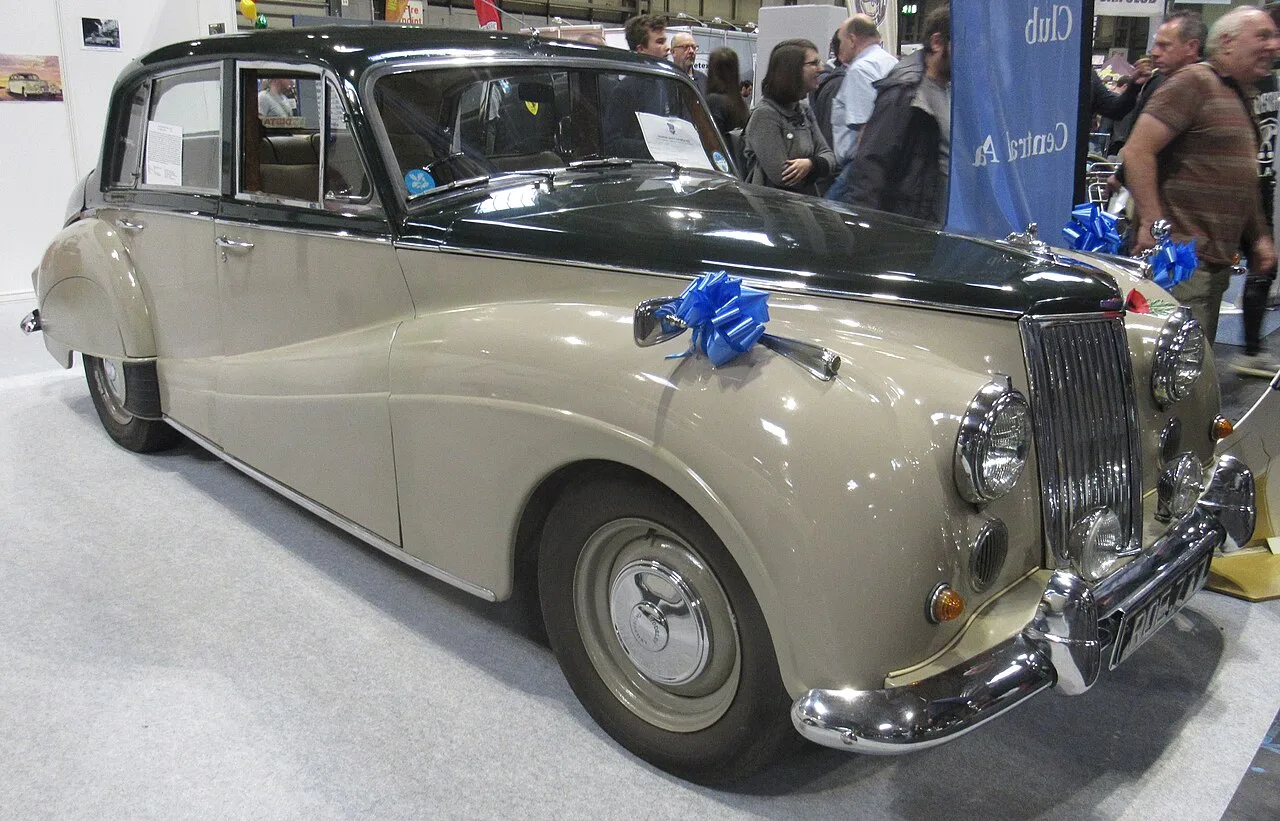
The Star Sapphire's doors hinged at the front with their hinges hidden entirely — styling that looks ordinary now but was genuinely ahead of its time on a 1958 luxury saloon.
Lead trim: Star Sapphire 3,990 cc twin-carburettor six
Armstrong Siddeley SapphireStar Sapphire · 1958–1960
- 0spots by members
- Unclaimednobody has spotted one yet
- 0sets it belongs to
Nobody in Burbles has spotted a Armstrong Siddeley Sapphire yet. See one on the street, point the app at it, and the first card is yours — with your @handle permanently credited on this page.
FactThe Star Sapphire's doors hinged at the front with their hinges hidden entirely — styling that looks ordinary now but was genuinely ahead of its time on a 1958 luxury saloon.
The Star Sapphire saloon (980 made) was announced on 17 October 1958 and made until summer 1960, retaining the previous model's commanding driving position and, though little changed externally (the radiator grille no longer rose to the top of the bonnet), incorporating many refinements: the six-cylinder engine was enlarged by more than 16% to 3,990 cc with twin Stromberg carburettors standard, power output rising to 165 bhp SAE (167 hp) or 145 bhp DIN (147 hp), with nearly 30% more torque at 50 mph, lead-indium bearings, a crankshaft vibration damper and a raised 7.5-to-1 compression ratio; the car could lap the Lindley high-speed track at 104 mph. It had servo-assisted 12 in Girling front discs, Burman recirculating-ball power steering, a Borg-Warner-type DG automatic gearbox with a fascia lever to hold an intermediate gear, concealed door hinges and an independent rear heater. 902 saloons were made plus 77 long-wheelbase cars (73 limousines, single-carburettor and mostly manual, made only in 1960; four chassis went to three hearses and an ambulance); the Mk II of 1960 remained a single prototype. It won the £4,000 four-door coachwork class at the 1958 Earls Court Motor Show, and a 1959 Motor test of an automatic saloon recorded 99.6 mph and 0-60 mph in 14.8 seconds (test-car price £2,498). The page gives both SAE and DIN power figures, so no horsepower is entered. Wheelbase 114 in (2,896 mm) (135 in limousine), length 194 in (4,928 mm) (212 in limousine), width 74 in (1,880 mm), height 63.5 in (1,613 mm).
Collectors Spotted in the Armstrong Siddeley Sapphire Lineage
No member has published a public street spot of the Armstrong Siddeley Sapphire yet — the First · Worldwide stamp is wide open.
Trims & Figures
One published trim in the catalogue. A blank is a figure not recorded, not zero.
| Trim | Years | Engine | Power | Torque | 0–60 | Drive | Gearbox | MSRP |
|---|---|---|---|---|---|---|---|---|
| Star Sapphire 3,990 cc twin-carburettor six | 1958–1960 | 4.0 L Inline-6 | — | — | — | RWD | — | — |
Owning one
We don’t estimate running costs for a car like this. What it costs depends on its condition, its specialist and how it is driven, and an average would mislead.
Owners’ builds
Nobody has claimed one yet.
Photographs
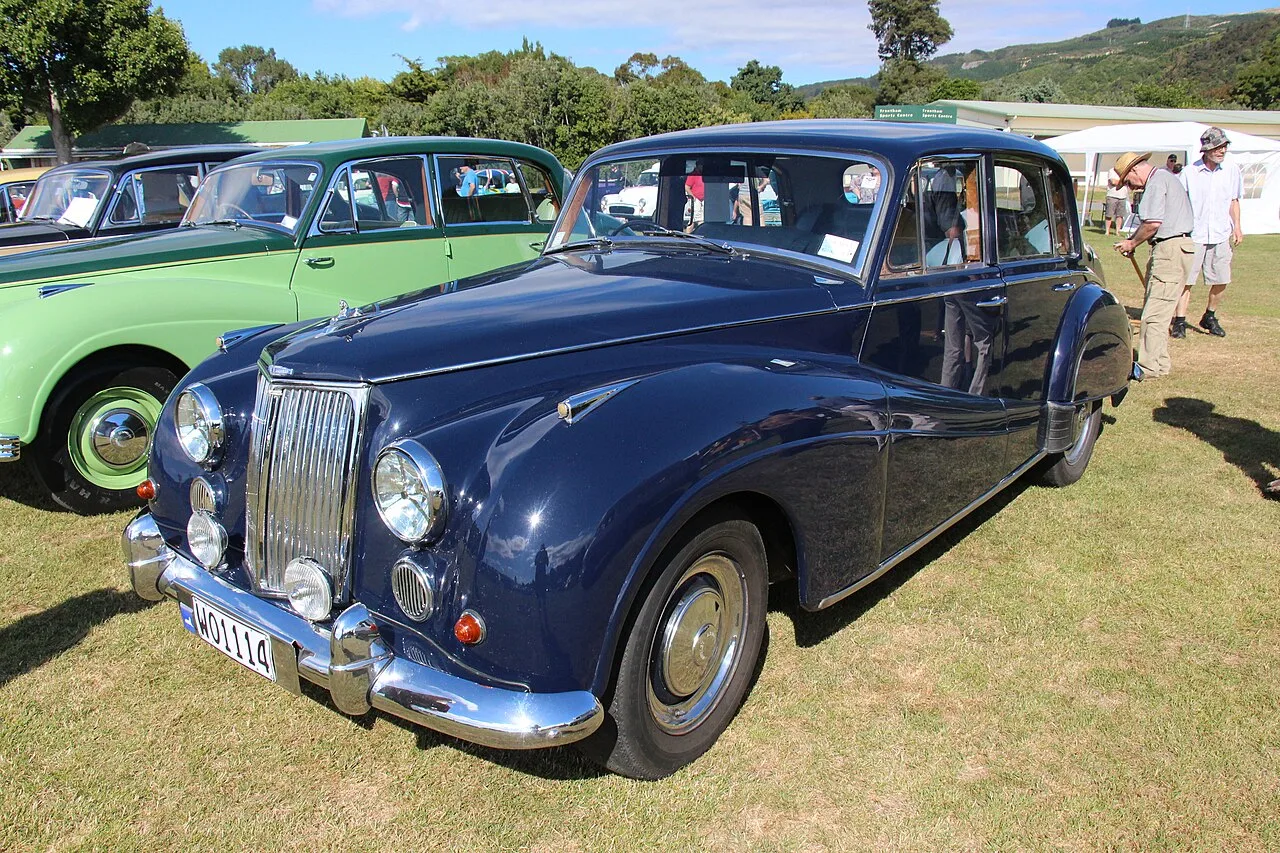
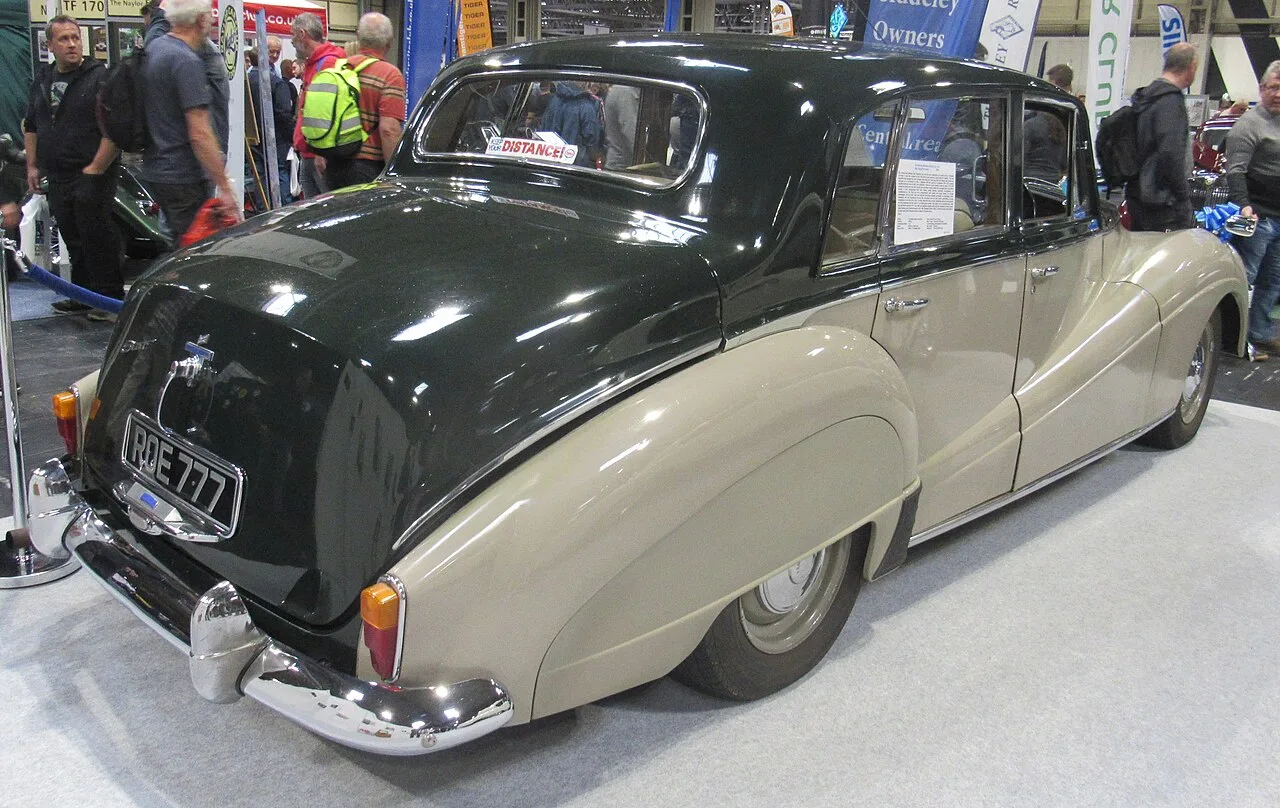
The Star Sapphire's doors hinged at the front with their hinges hidden entirely — styling that looks ordinary now but was genuinely ahead of its time on a 1958 luxury saloon.
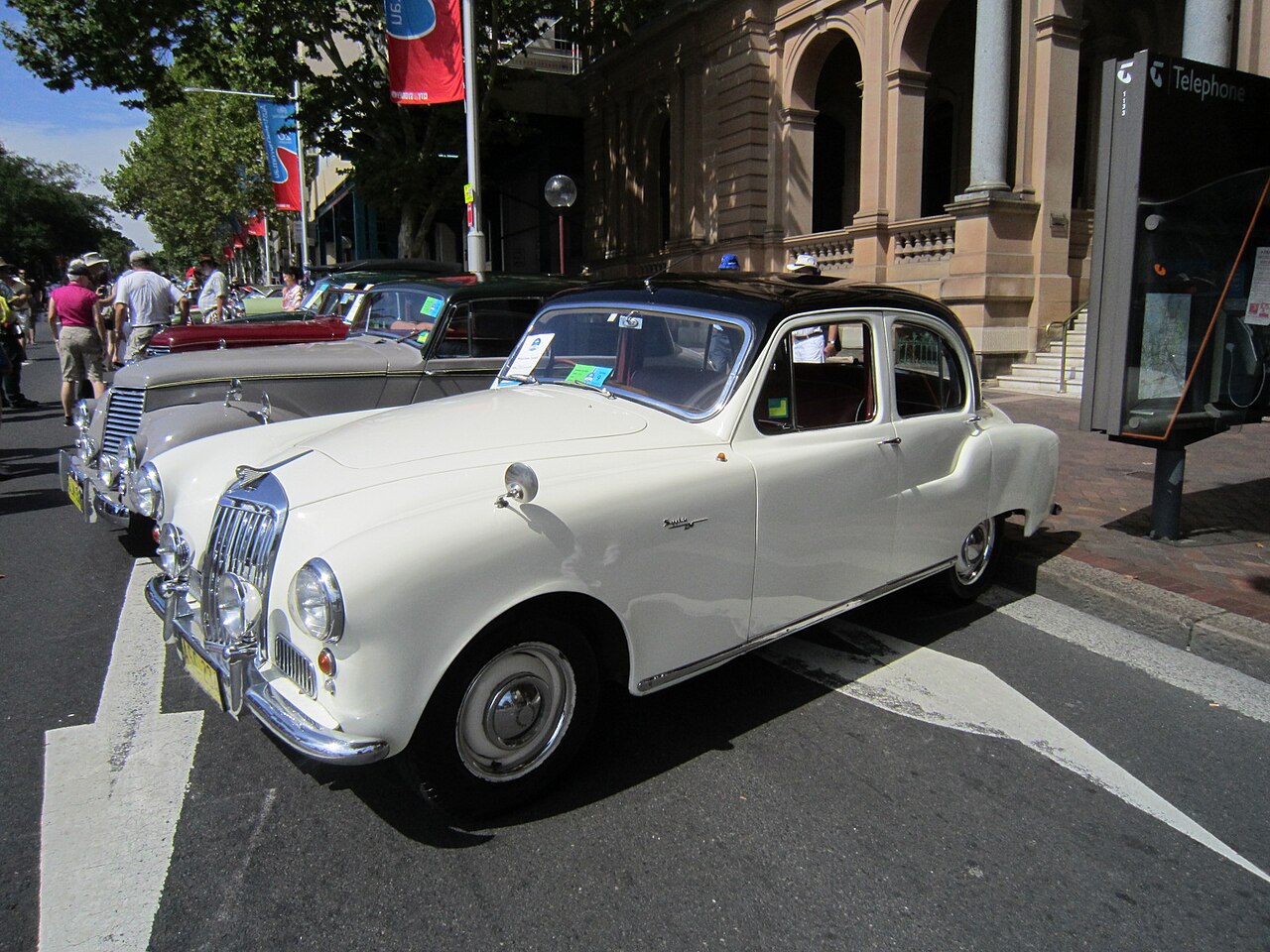
Armstrong Siddeley pitched the Sapphire 234 as a genuine 100 mph car for drivers who wanted real performance — only 803 were ever built.
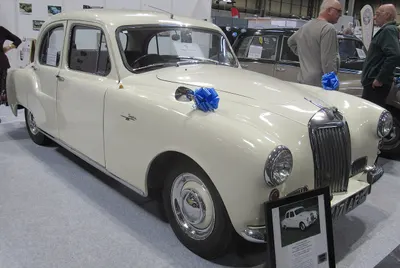
Most buyers of the "baby" Sapphire 236 skipped the clutch pedal entirely, opting for a clutchless Manumatic gearbox over the conventional manual.
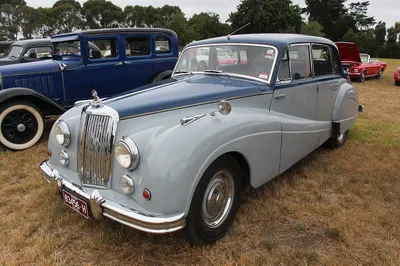
A twin-carburettor upgrade on the Armstrong Siddeley Sapphire 346 cost just £25 — and bumped output from 125 to 150 bhp, enough to clear 100 mph.
Rivals
Same body, same money, other badges — tap any card to flip.
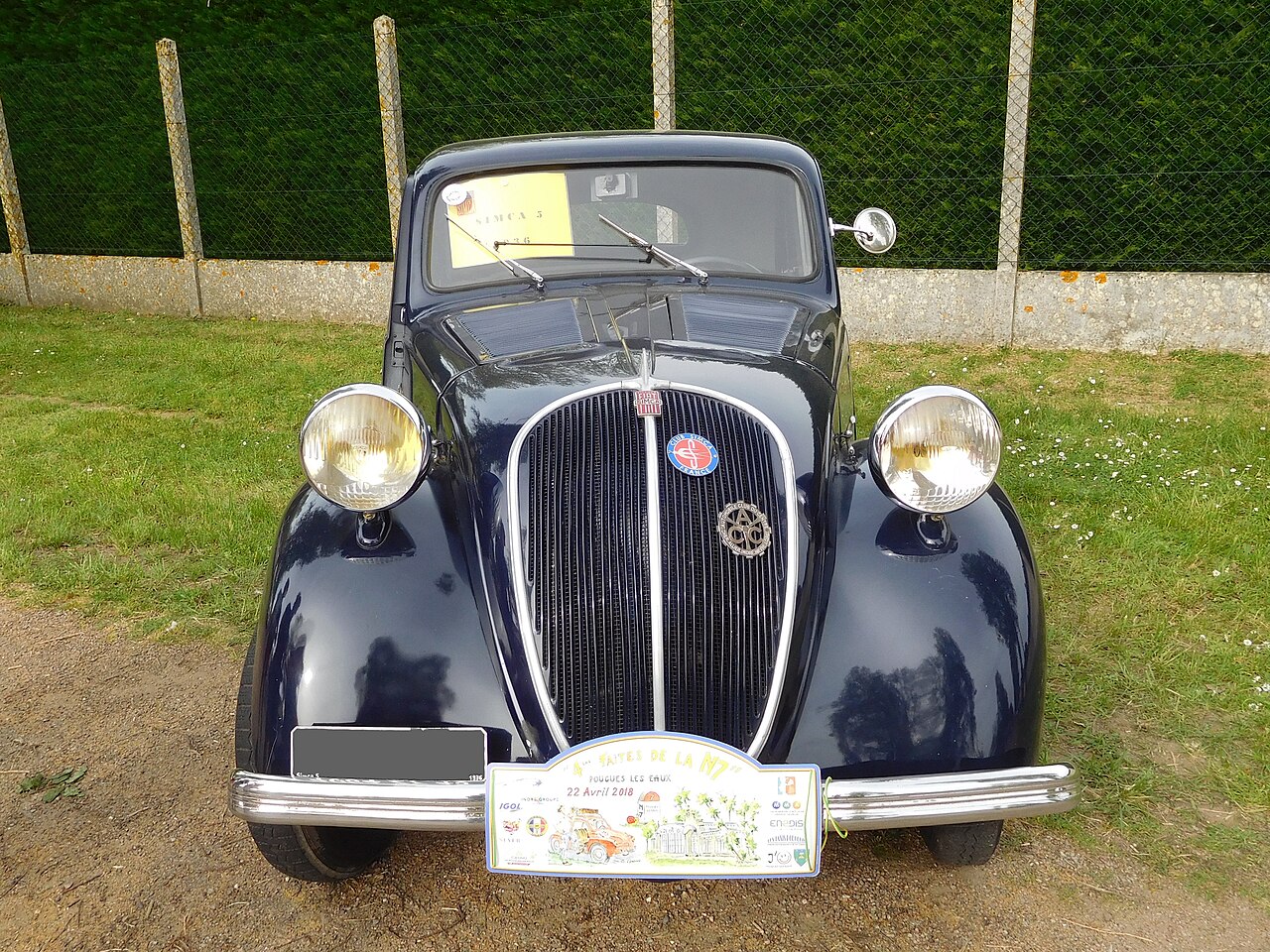
Simca beat Fiat to market by three months with what was essentially Fiat's own Topolino design.
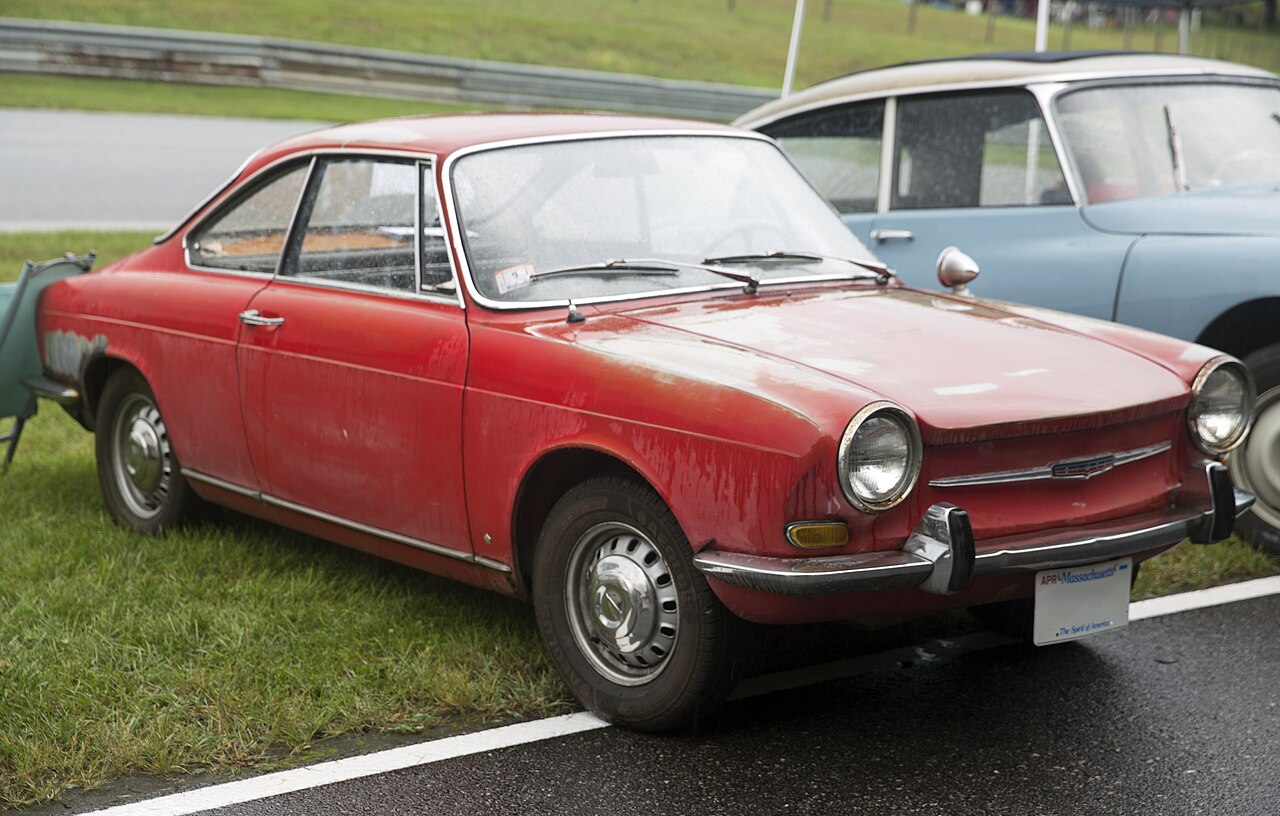
The Simca 1000 began at Fiat: Simca boss Henri Pigozzi picked one of six boxy clay models from Fiat's "Project 122".
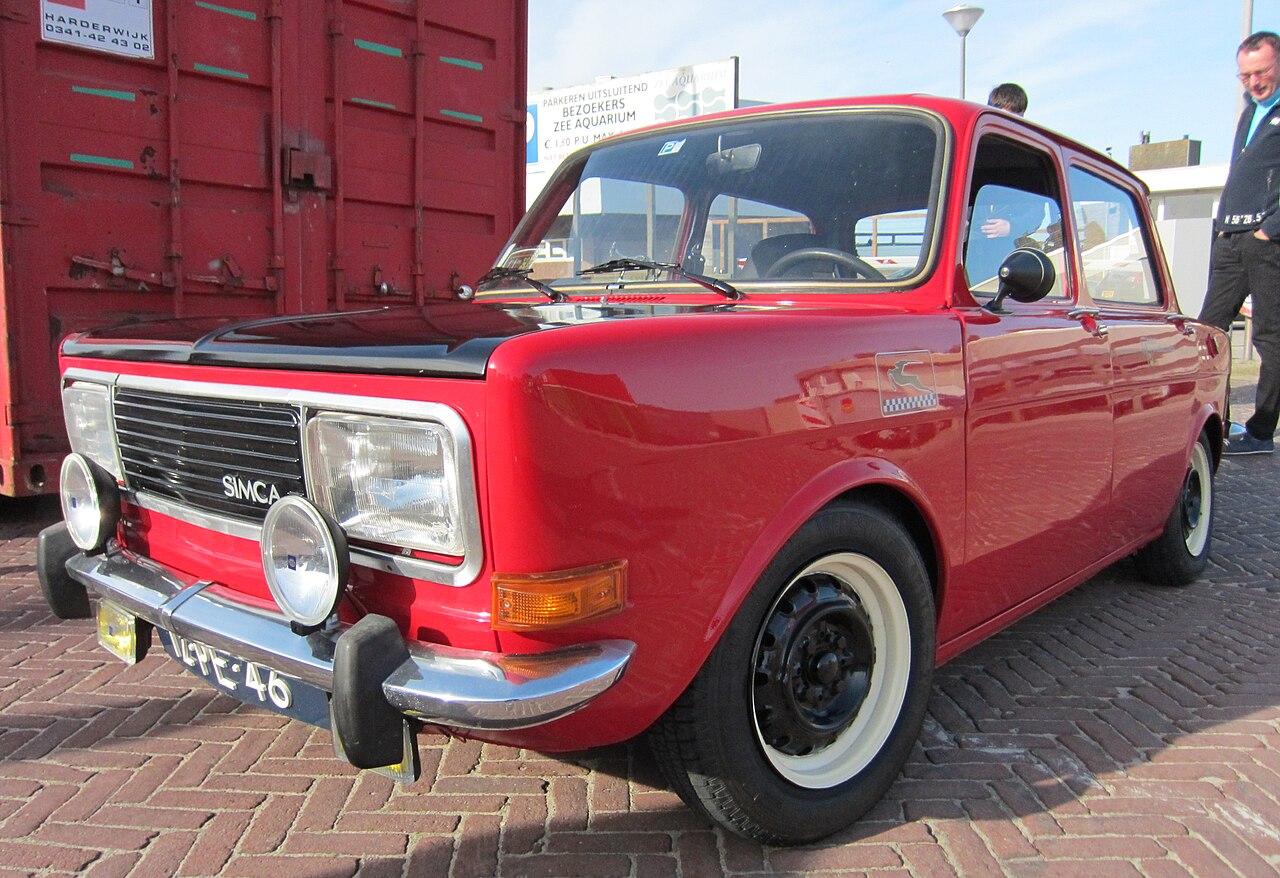
The last Simca 1000 ever built, the 1978 Rallye 3, was also the rarest — just 1,000 were made in the model's final year, a quiet send-off for a car that had sold nearly two million.
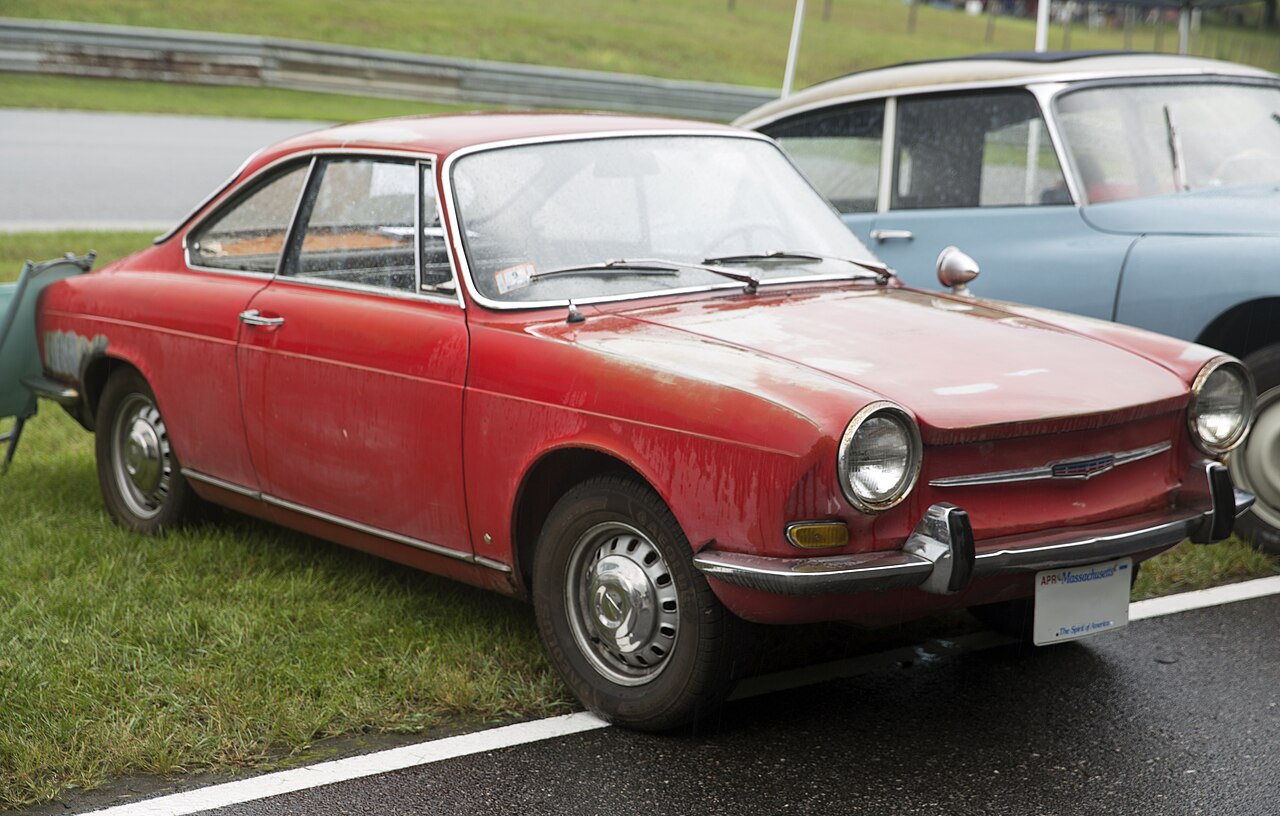
To drum up buzz at launch, Simca briefly swapped 50 of its Paris taxi fleet's Ariane sedans for tiny new 1000s, making the little car a familiar sight on the capital's streets.
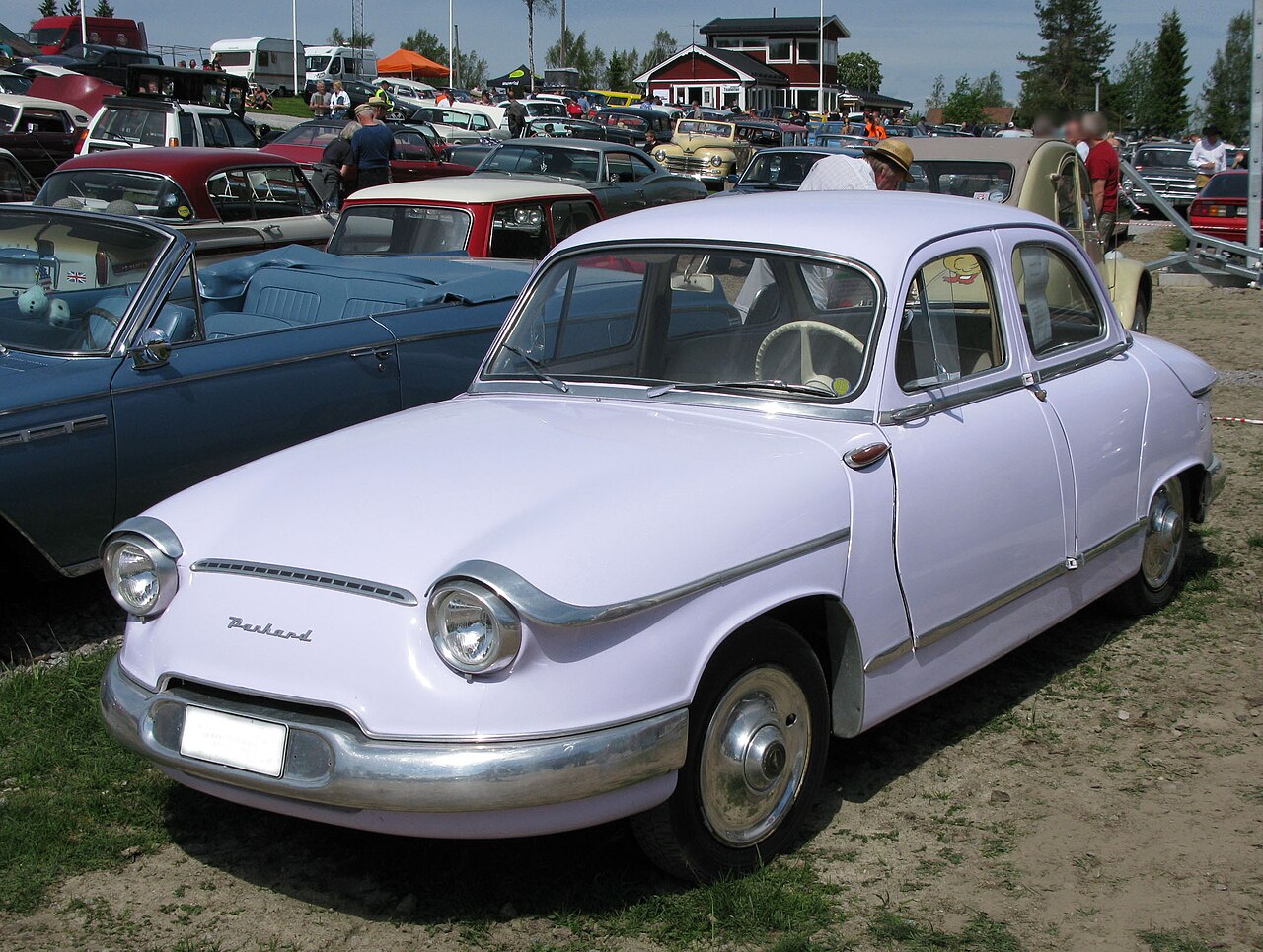
The PL 17's name is a sum: 5 fiscal horsepower, 6 seats, 6 litres per 100 km, kept a digit below the Citroën DS 19's.
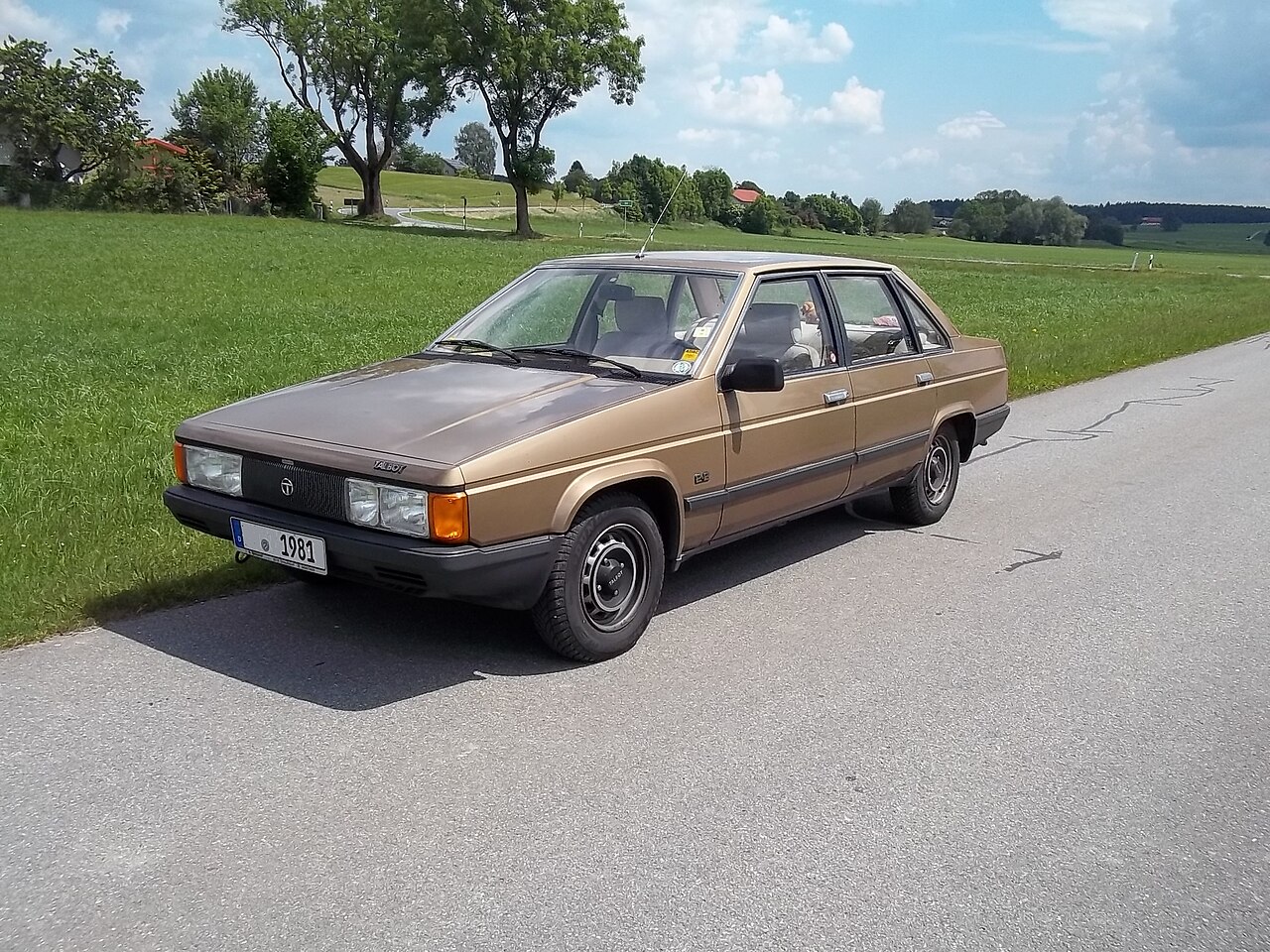
The humble Tagora spawned a one-off concept, the Présidence, decked out with Connolly leather and electronics way ahead of 1981 — a built-in telephone, dictaphone, text-message receiver and a TV with VCR.
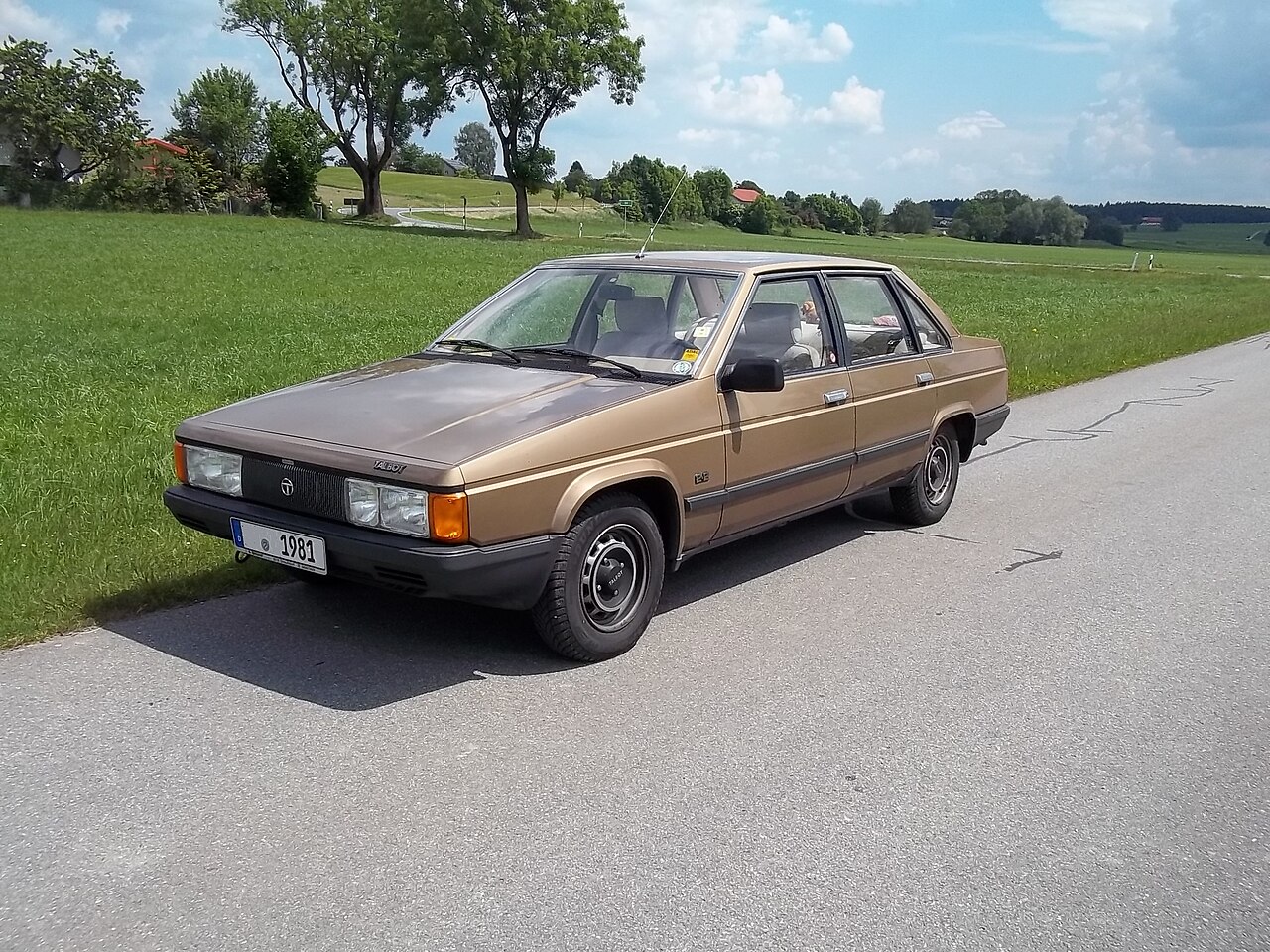
Talbot fed the Tagora's V6 old-fashioned triple carburettors instead of fuel injection — and the extra power briefly made it the most powerful French car on sale. Only 1,083 were ever built.
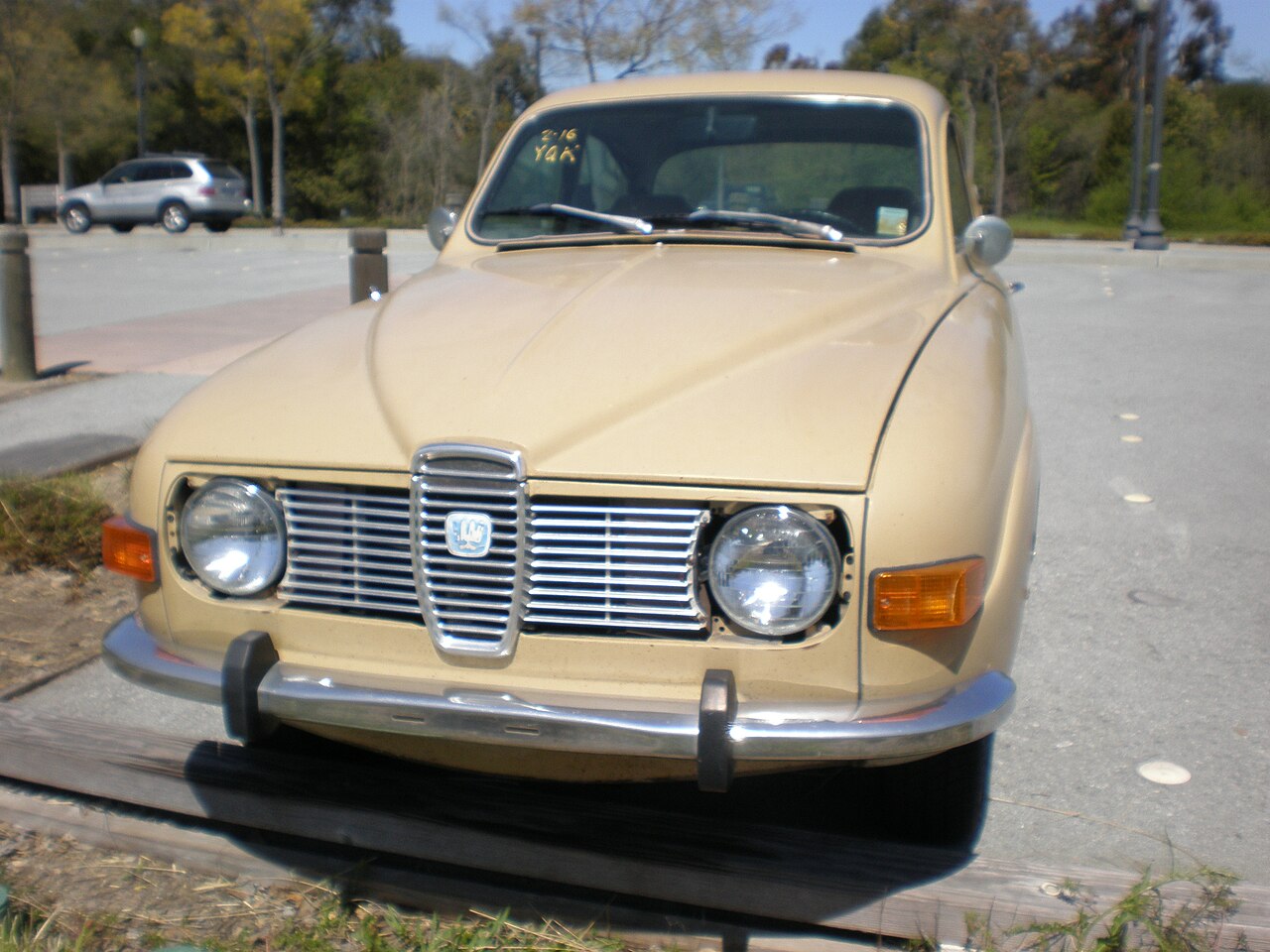
Switching the 96 from a two-stroke to a Ford V4 was such a closely guarded secret that Saab invented a fake company, Maskinverktyg AB, just to buy the new engine's parts without its own purchasing department finding out.