Named for Sydney Allard's own 1952 Monte Carlo Rally win, the P2 Monte Carlo rode on a wood frame with aluminium panels — and only 11 were ever built.
Lead trim: P2 Monte Carlo Ford Pilot V8, 3.6 L
Allard P2 Monte CarloP2 · 1952–1955
- 0spots by members
- Unclaimednobody has spotted one yet
- 0sets it belongs to
Nobody in Burbles has spotted a Allard P2 Monte Carlo yet. See one on the street, point the app at it, and the first card is yours — with your @handle permanently credited on this page.
FactNamed for Sydney Allard's own 1952 Monte Carlo Rally win, the P2 Monte Carlo rode on a wood frame with aluminium panels — and only 11 were ever built.
The Allard P2 Monte Carlo was a two-door saloon variant of the K3, produced from 1952 to 1955, using a wood frame with aluminium panels on a 112-inch wheelbase and offered with the 3.6-litre Ford Pilot V8 or the 4.4-litre Mercury V8; 11 were built.
Collectors Spotted in the Allard P2 Monte Carlo Lineage
No member has published a public street spot of the Allard P2 Monte Carlo yet — the First · Worldwide stamp is wide open.
Trims & Figures
2 published trims in the catalogue. A blank is a figure not recorded, not zero.
| Trim | Years | Engine | Power | Torque | 0–60 | Drive | Gearbox | MSRP |
|---|---|---|---|---|---|---|---|---|
| P2 Monte Carlo Ford Pilot V8, 3.6 L | 1952–1955 | 3.6 L V8 | 85 hp | — | — | — | — | — |
| P2 Monte Carlo Mercury V8, 4.4 L | 1952–1955 | 4.4 L V8 | — | — | — | — | — | — |
Owning one
We don’t estimate running costs for a car like this. What it costs depends on its condition, its specialist and how it is driven, and an average would mislead.
Owners’ builds
Nobody has claimed one yet.
Rivals
Same body, same money, other badges — tap any card to flip.
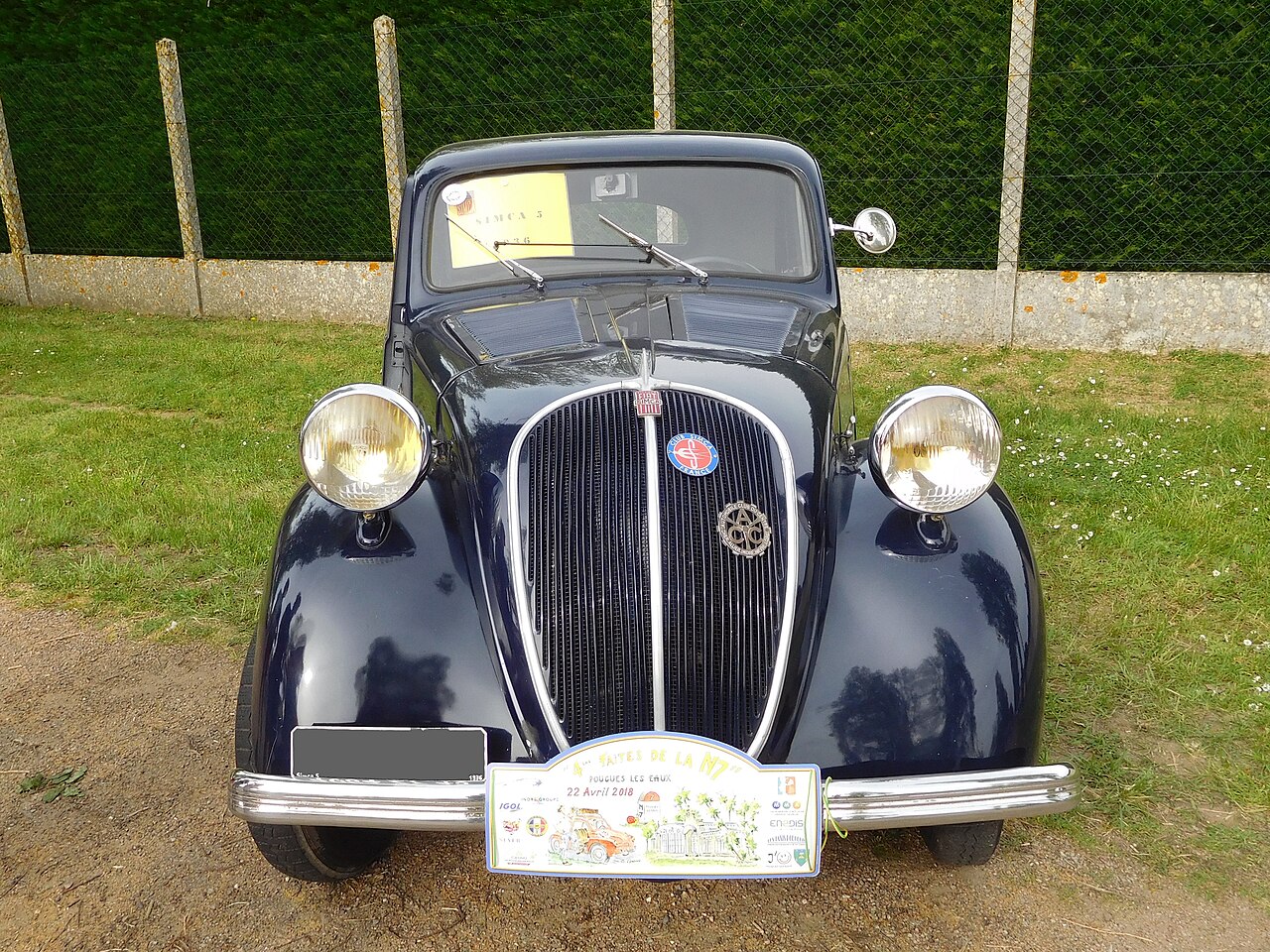
Simca beat Fiat to market by three months with what was essentially Fiat's own Topolino design.
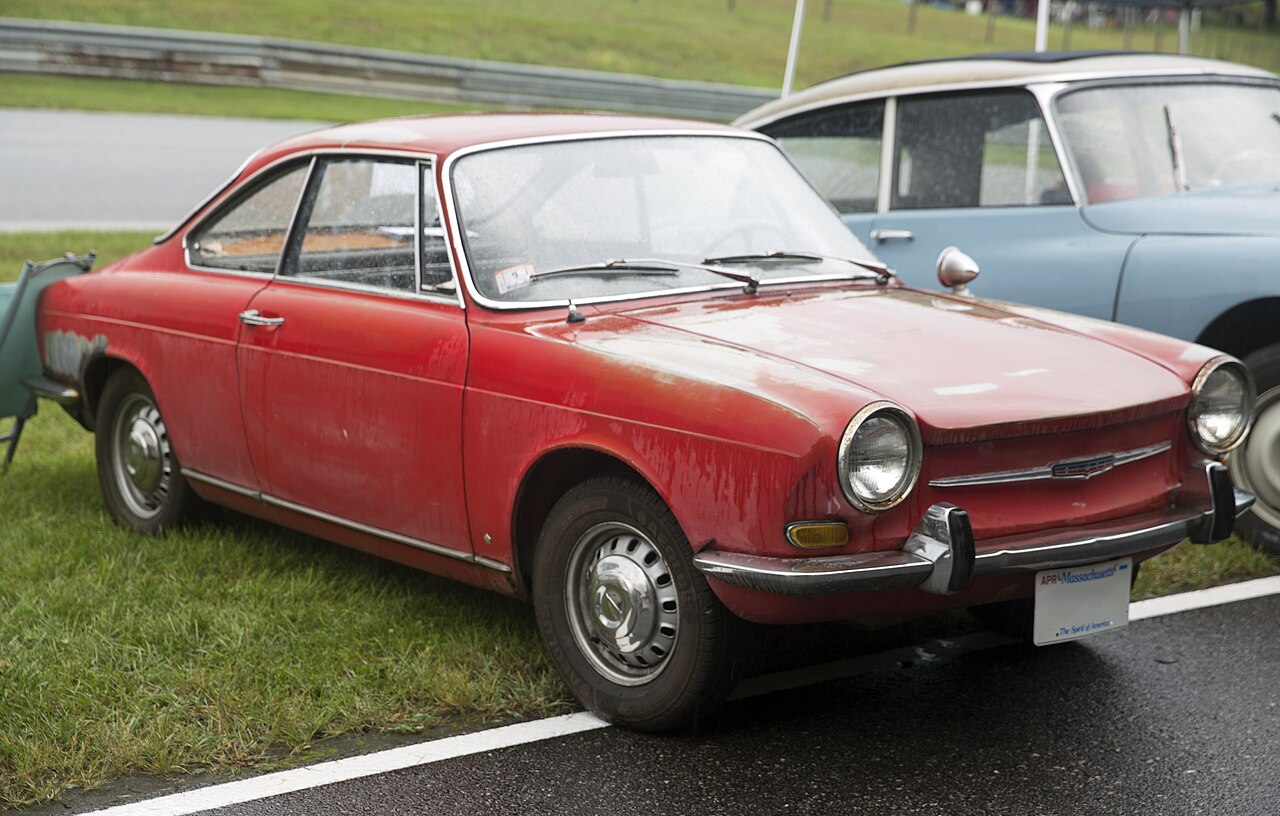
The Simca 1000 began at Fiat: Simca boss Henri Pigozzi picked one of six boxy clay models from Fiat's "Project 122".
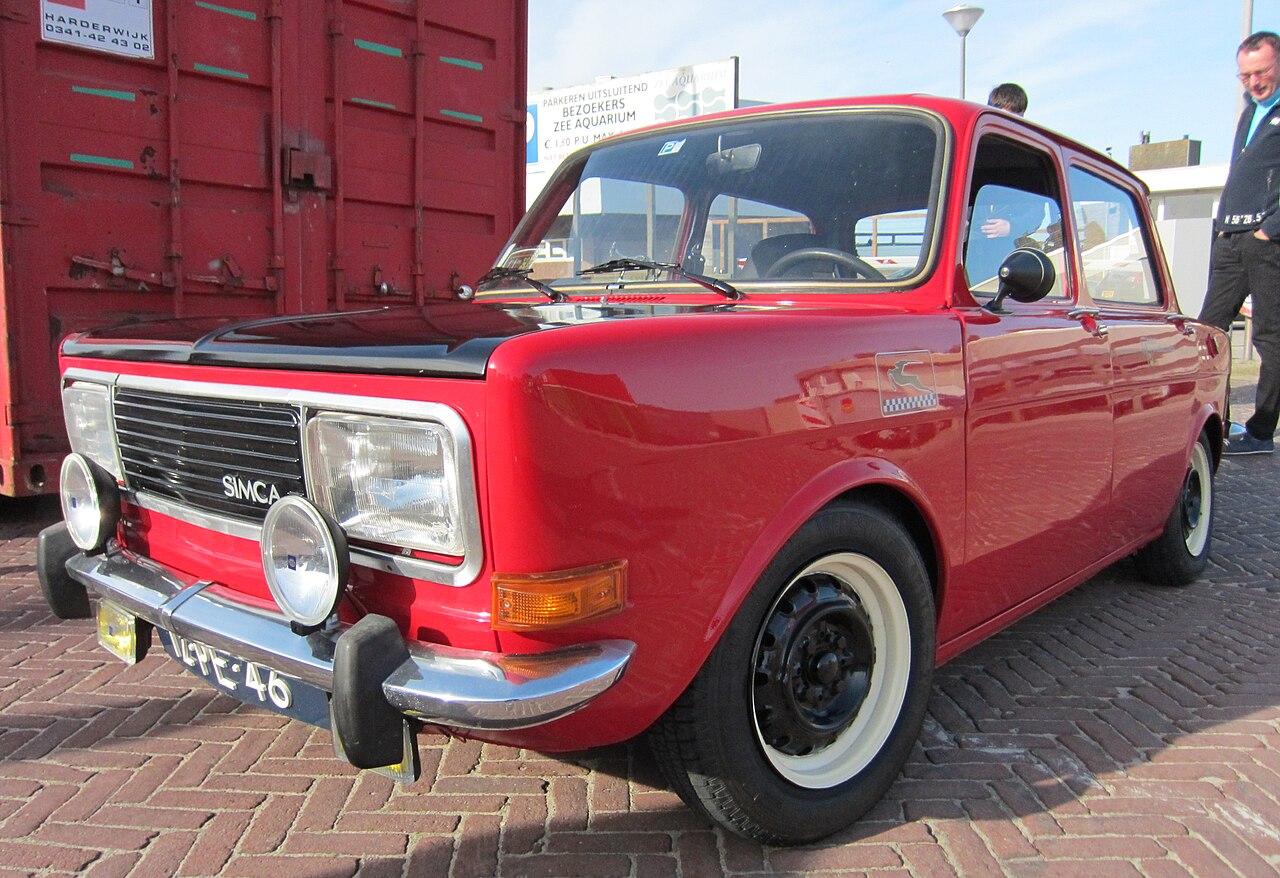
The last Simca 1000 ever built, the 1978 Rallye 3, was also the rarest — just 1,000 were made in the model's final year, a quiet send-off for a car that had sold nearly two million.
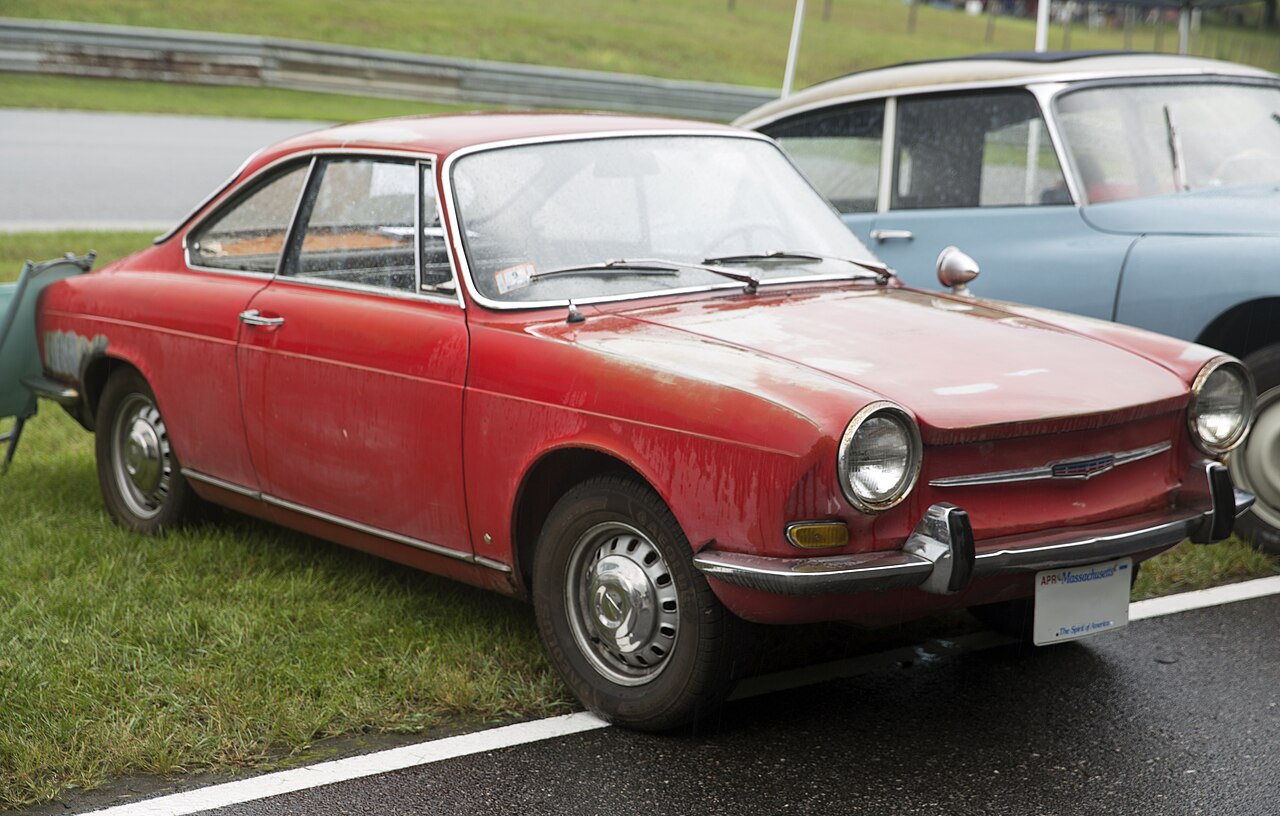
To drum up buzz at launch, Simca briefly swapped 50 of its Paris taxi fleet's Ariane sedans for tiny new 1000s, making the little car a familiar sight on the capital's streets.
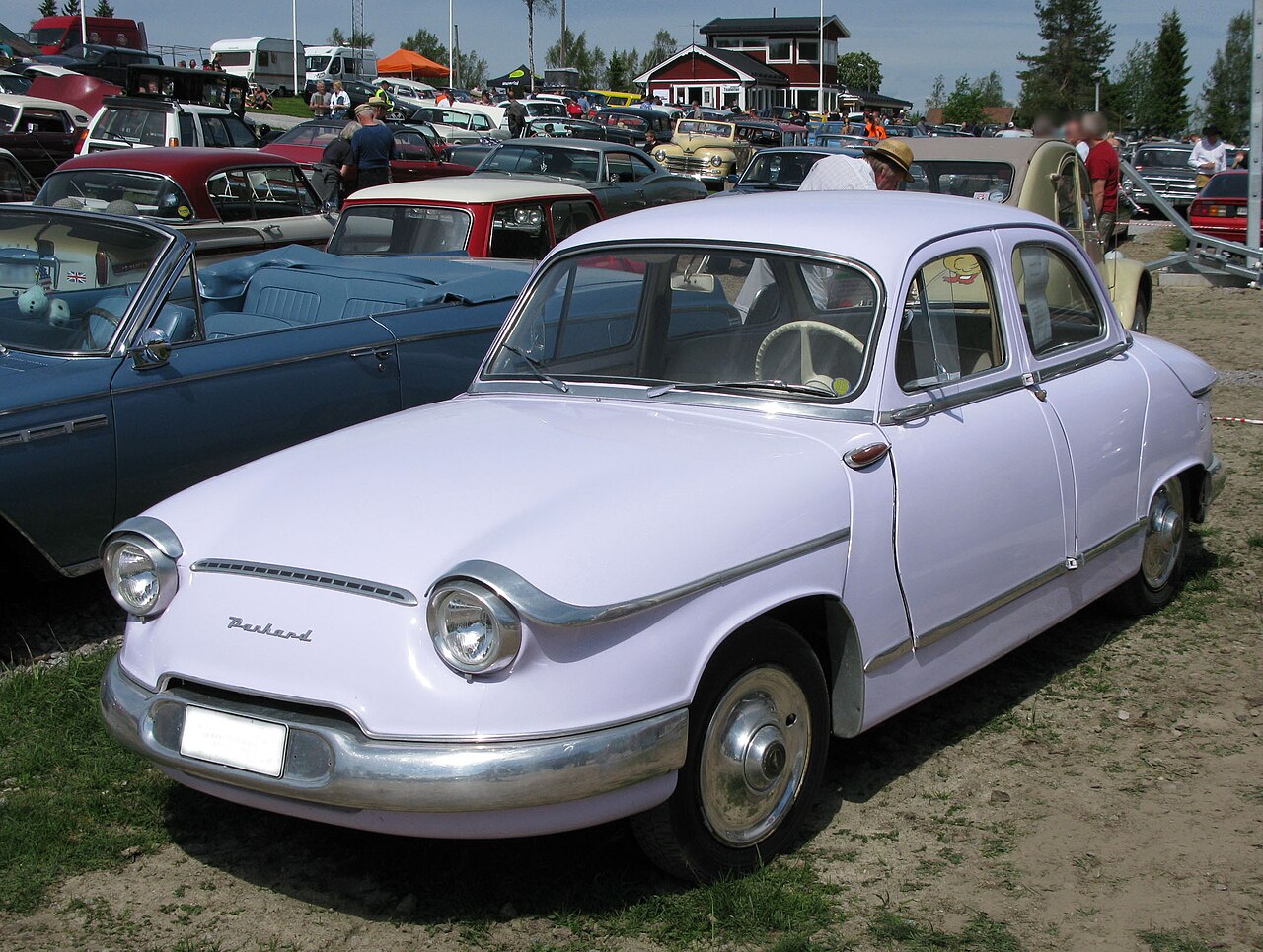
The PL 17's name is a sum: 5 fiscal horsepower, 6 seats, 6 litres per 100 km, kept a digit below the Citroën DS 19's.
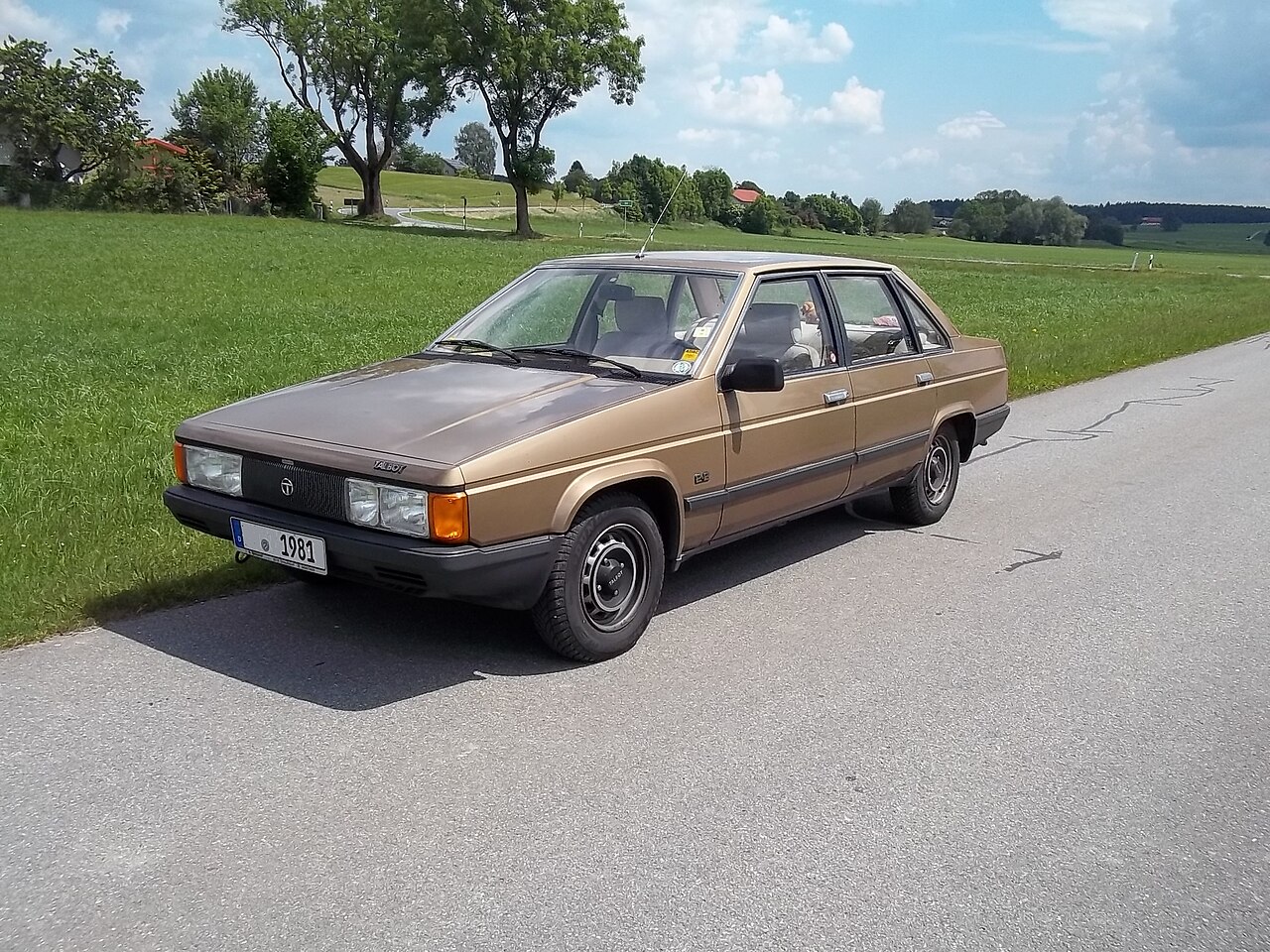
The humble Tagora spawned a one-off concept, the Présidence, decked out with Connolly leather and electronics way ahead of 1981 — a built-in telephone, dictaphone, text-message receiver and a TV with VCR.
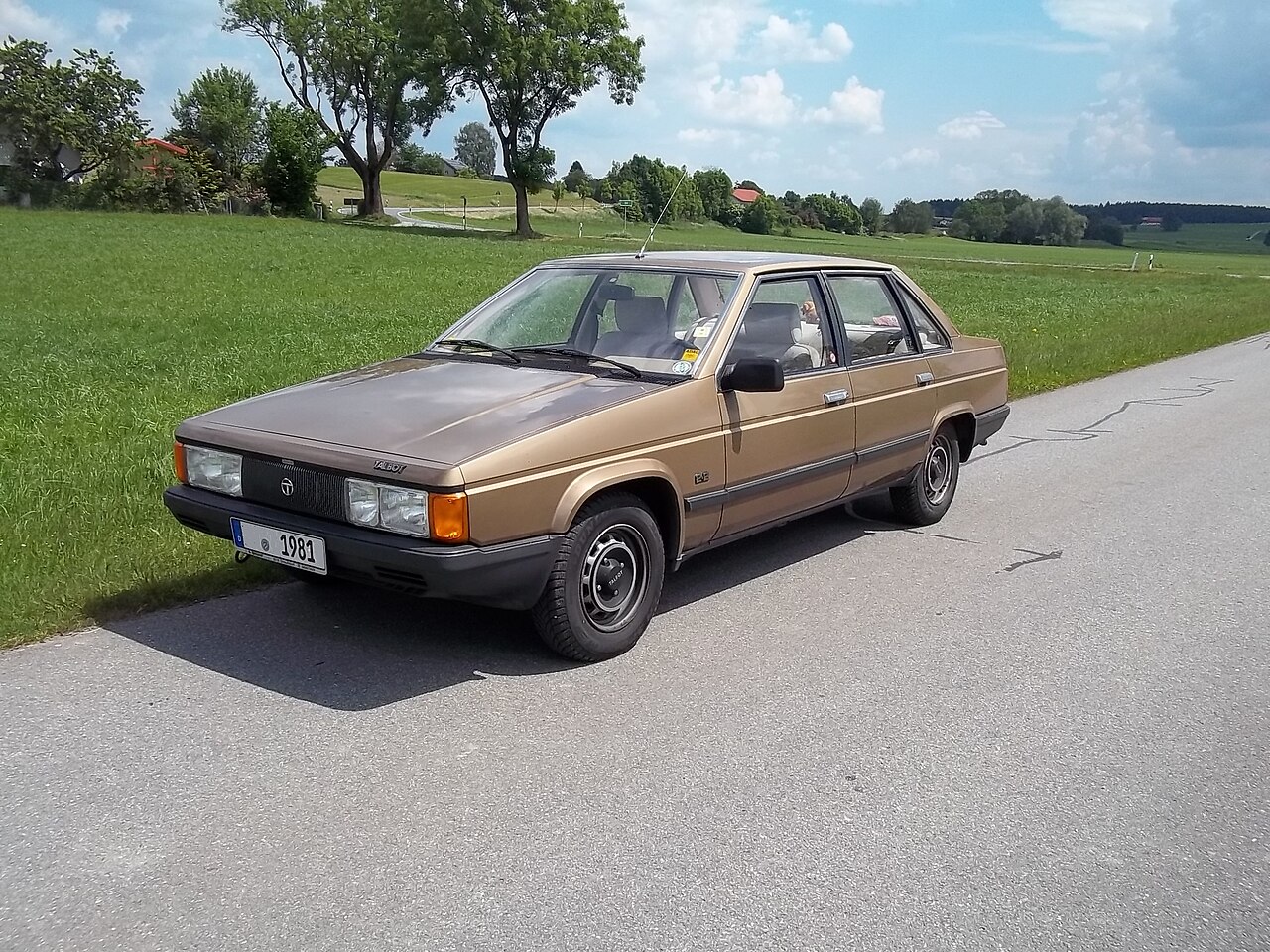
Talbot fed the Tagora's V6 old-fashioned triple carburettors instead of fuel injection — and the extra power briefly made it the most powerful French car on sale. Only 1,083 were ever built.
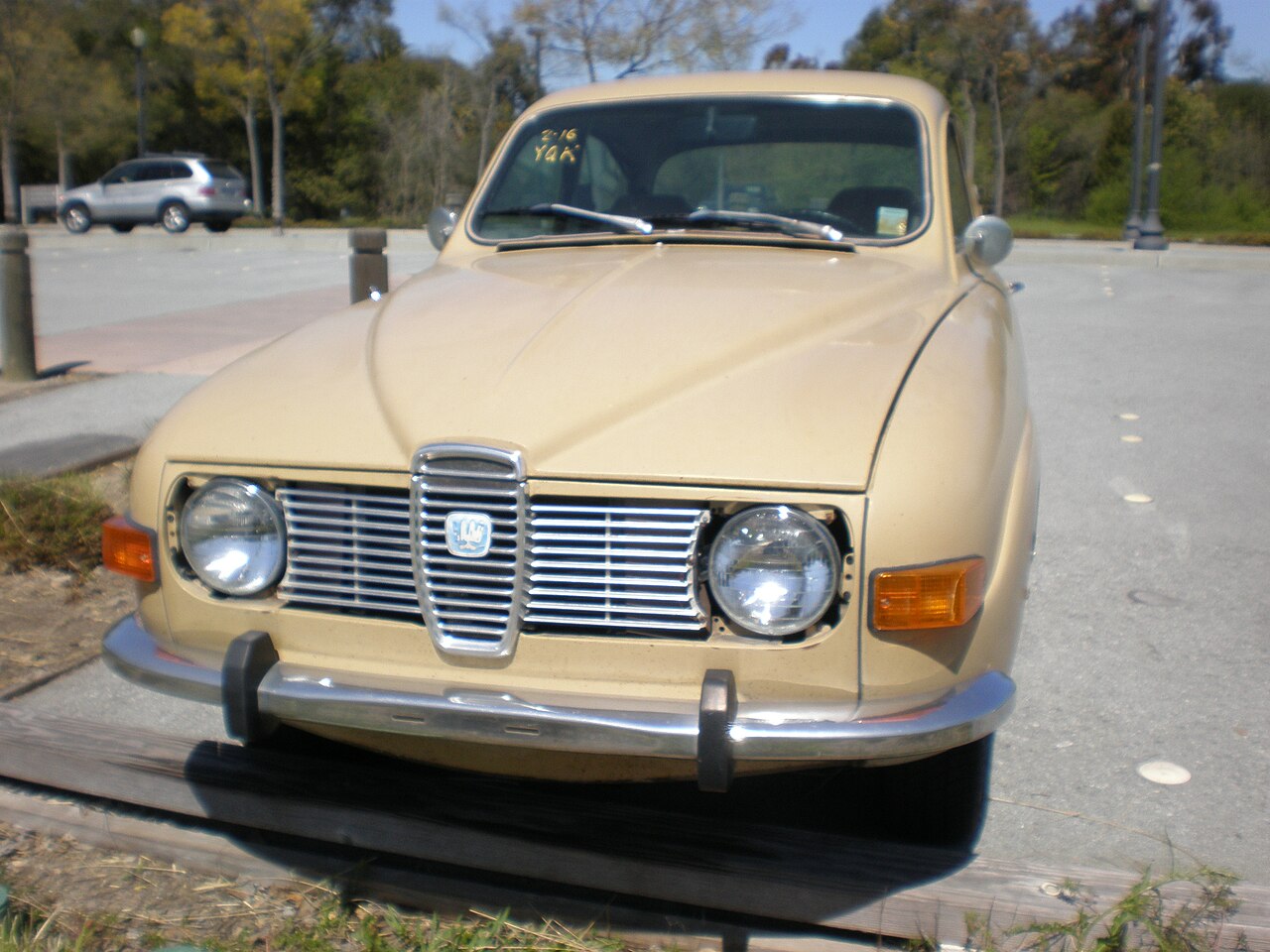
Switching the 96 from a two-stroke to a Ford V4 was such a closely guarded secret that Saab invented a fake company, Maskinverktyg AB, just to buy the new engine's parts without its own purchasing department finding out.