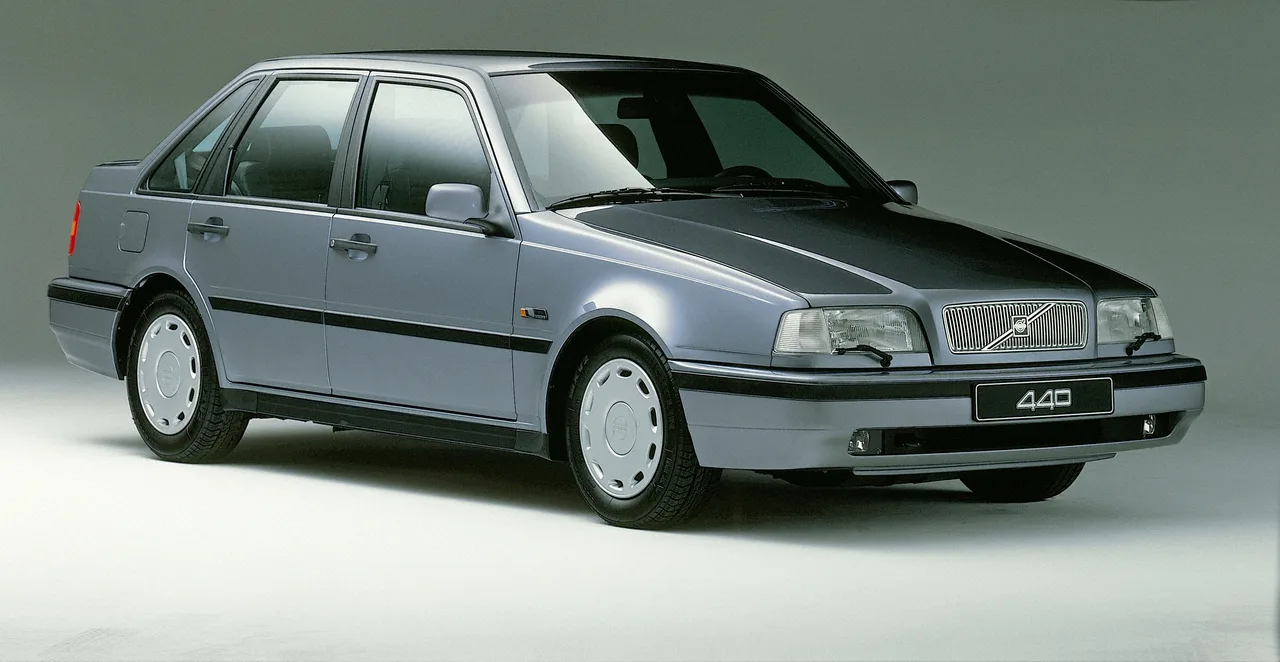
Volvo's original ad campaign for the 400 series showed a family of crash-test dummies driving through a plate-glass office window several storeys up and walking away unharmed — then reused the same "survivors" in further crash tests.
Lead trim: 440/460 1.7 carburettor (1988–1992; 79 PS) · up to 118 hp
Volvo 440/460440-460 · 1988–1993
- 0spots by members
- Unclaimednobody has spotted one yet
- 0sets it belongs to
Nobody in Burbles has spotted a Volvo 440/460 yet. See one on the street, point the app at it, and the first card is yours — with your @handle permanently credited on this page.
FactVolvo's original ad campaign for the 400 series showed a family of crash-test dummies driving through a plate-glass office window several storeys up and walking away unharmed — then reused the same "survivors" in further crash tests.
The Volvo 440 (five-door hatchback) and 460 (four-door saloon, following in 1989) are small family cars built by Volvo at the NedCar factory in Born, Netherlands, between June 1988 and September 1996, front-wheel drive only, sharing floorpan, suspensions, Renault engines, transmissions and brakes with the 480 coupé; designed by Peter van Kuilenburg (interiors by Peter Horbury) to replace the 340/360 and rival the Alfa Romeo 33, from the 1978 "Galaxy Project" (the G1 line, split into the G13 480, G14 460 and G15 440). Development was slowed when the project passed to Volvo Car B.V. in the Netherlands in 1982, so the 440 looked dated on release; no wagon was ever offered to avoid rivalling the 240 and 740 wagons. Airbags and seatbelt pre-tensioners were optional from early 1991 and SIPS side-impact protection arrived in 1993. Automatics were the 4-speed ZF (a steel-belt CVT "Transmatic", marketed HTA, came later). Both cars launched with the 1.7 Renault engine carried over from the 300 Series, from 1988 to 1992 in carburettor versions of 79 PS (78 hp, 94 lb·ft) and 87 PS (86 hp), multipoint injection versions of 95 PS (94 hp, 103 lb·ft) and 106 PS (105 hp) in the early GLT without a catalyst, the standard catalysed 1,721 cc at 102 PS (101 hp) with a claimed 185 km/h (115 mph), and the turbo at 120 PS (118 hp) with a claimed 200 km/h (124 mph); from August 1991 the DL had a 1,794 cc single-point 90 PS (89 hp), and from 1992 the range had a 1.6i (83 PS, 82 hp), the 1.8 and a 2.0i (110 PS, 108 hp), with the naturally aspirated 1.7 dropped. Wheelbase 98.5 in, width 66.4 in, height 54.7 in; length (169.8 in 440, 173.4 in 460) depends on the body. The page gives no torque for the 87 PS and the later engines.
Collectors Spotted in the Volvo 440/460 Lineage
No member has published a public street spot of the Volvo 440/460 yet — the First · Worldwide stamp is wide open.
Trims & Figures
9 published trims in the catalogue. A blank is a figure not recorded, not zero.
| Trim | Years | Engine | Power | Torque | 0–60 | Drive | Gearbox | MSRP |
|---|---|---|---|---|---|---|---|---|
| 440/460 1.6i B16F (1992–1993; 83 PS) | 1992–1993 | 1.6 L Inline-4 | 82 hp | 92 lb-ft | — | FWD | — | — |
| 440/460 1.7 carburettor (1988–1992; 79 PS) | 1988–1992 | 1.7 L Inline-4 | 78 hp | 94 lb-ft | — | FWD | — | — |
| 440/460 1.7 carburettor (1988–1992; 87 PS) | 1988–1992 | 1.7 L Inline-4 | 86 hp | 96 lb-ft | — | FWD | — | — |
| 440/460 1.7 catalysed (1988–1992; 102 PS) | 1988–1992 | 1.7 L Inline-4 | 101 hp | 105 lb-ft | — | FWD | — | — |
| 440/460 1.7 multipoint injection (1988–1992; 95 PS) | 1988–1992 | 1.7 L Inline-4 | 94 hp | 103 lb-ft | — | FWD | — | — |
| 440/460 1.7 multipoint injection, early GLT, no catalyst (1988–1992; 106 PS) | 1988–1992 | 1.7 L Inline-4 | 105 hp | 103 lb-ft | — | FWD | — | — |
| 440/460 1.7 turbo B18FT (1988–1993; 120 PS) | 1988–1993 | 1.7 L Inline-4 | 118 hp | 129 lb-ft | — | FWD | — | — |
| 440/460 1.8 single-point injection (1991–1993; 90 PS) | 1991–1993 | 1.8 L Inline-4 | 89 hp | 103 lb-ft | — | FWD | — | — |
| 440/460 2.0i F3R (1992–1993; 110 PS) | 1992–1993 | 2.0 L Inline-4 | 108 hp | 121 lb-ft | — | FWD | — | — |
Owning one
We don’t estimate running costs for a car like this. What it costs depends on its condition, its specialist and how it is driven, and an average would mislead.
Owners’ builds
Nobody has claimed one yet.
Photographs
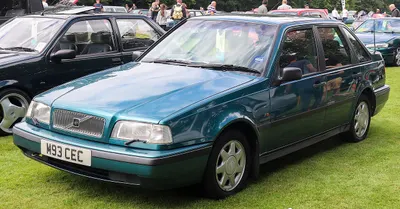
Volvo ran a UK deal where buyers could delete the standard sunroof on a late 440/460 and get air conditioning plus 15-inch alloys instead, for just £100.
Volvo's original ad campaign for the 400 series showed a family of crash-test dummies driving through a plate-glass office window several storeys up and walking away unharmed — then reused the same "survivors" in further crash tests.
Rivals
Same body, same money, other badges — tap any card to flip.
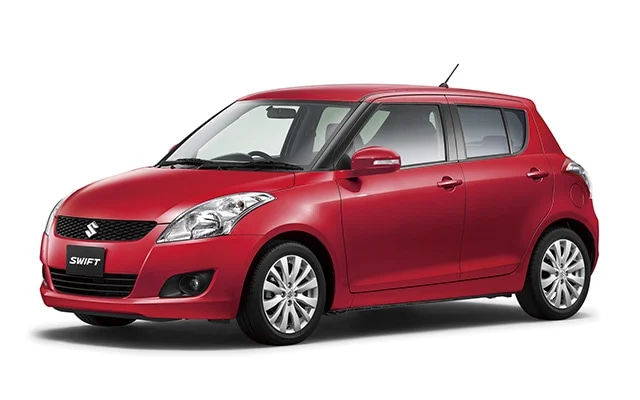
Japan was a minor market for the Swift: when it passed 2 million sales in 2011, about 39% were in India and 27% in Europe, against roughly 15% at home.
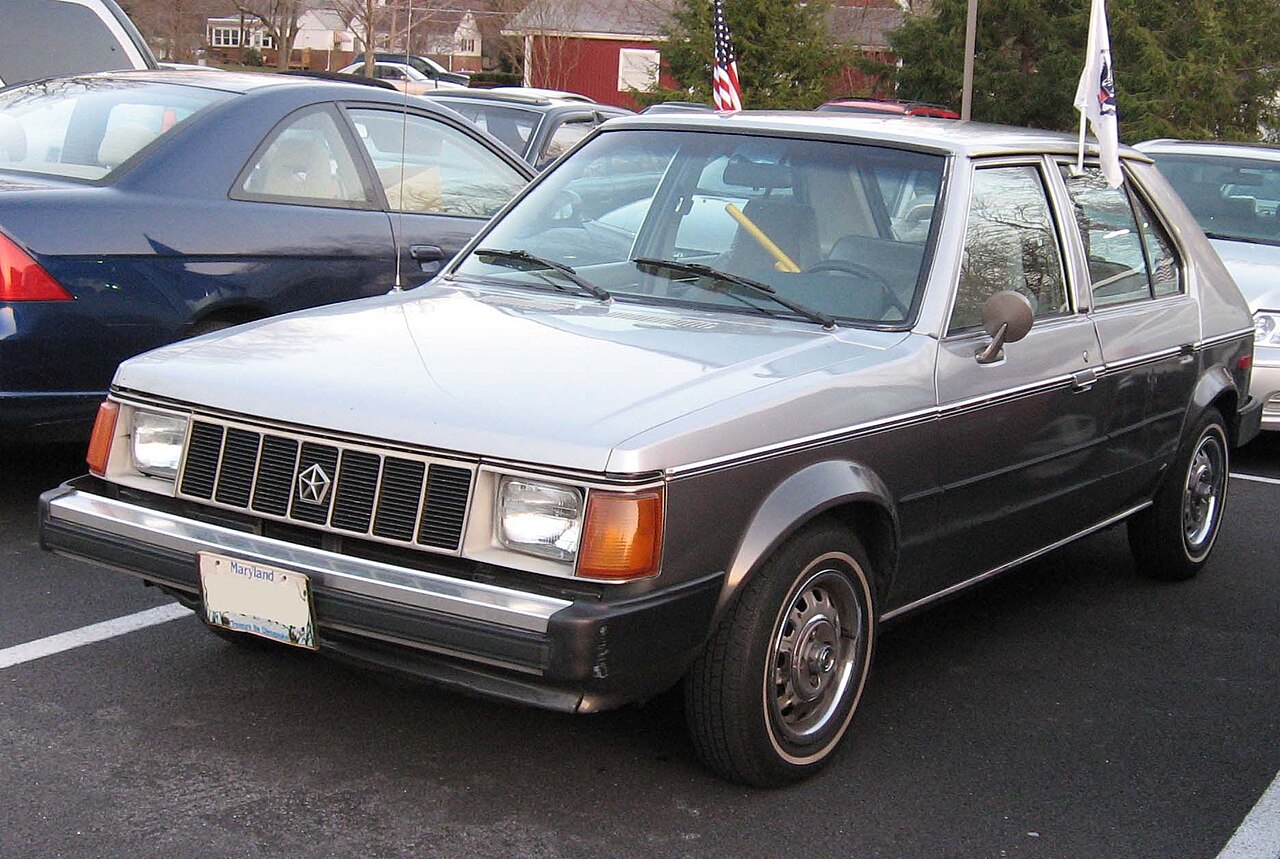
To adapt the Horizon for America, Chrysler bought nearly 100 Volkswagen Rabbits purely to reverse engineer them.
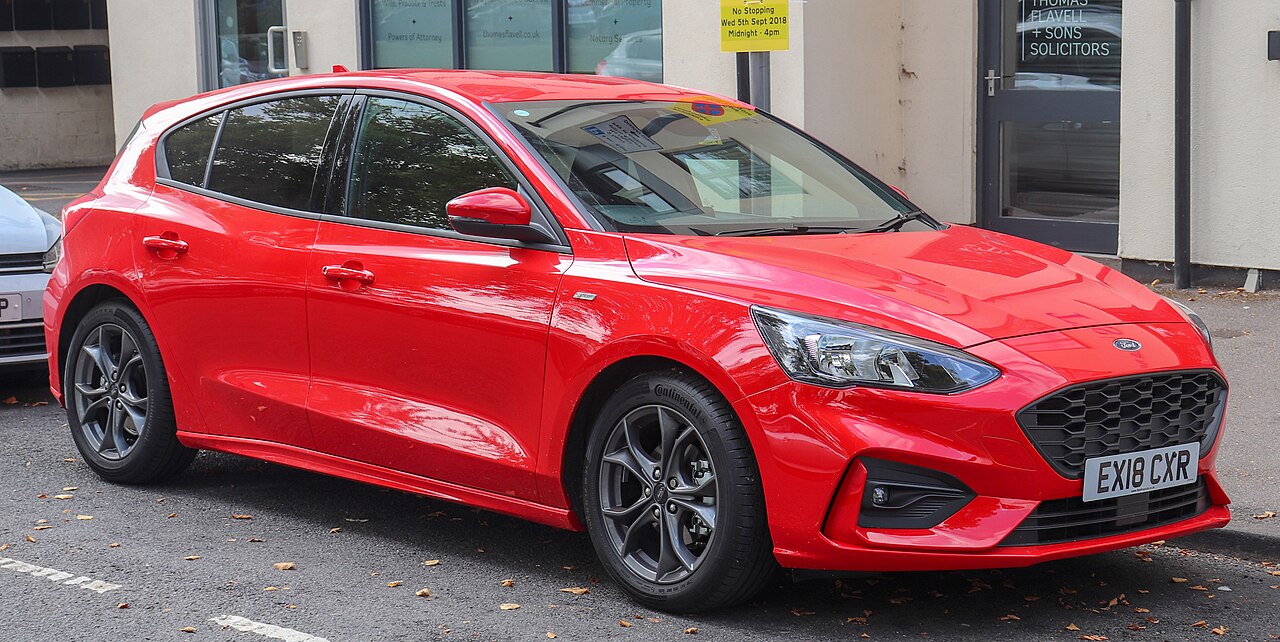
The Mk3 Focus RS's AWD system could send 100 percent of engine power to the rear wheels alone — built not in Ford's home country, but at the Saarlouis plant in Germany.
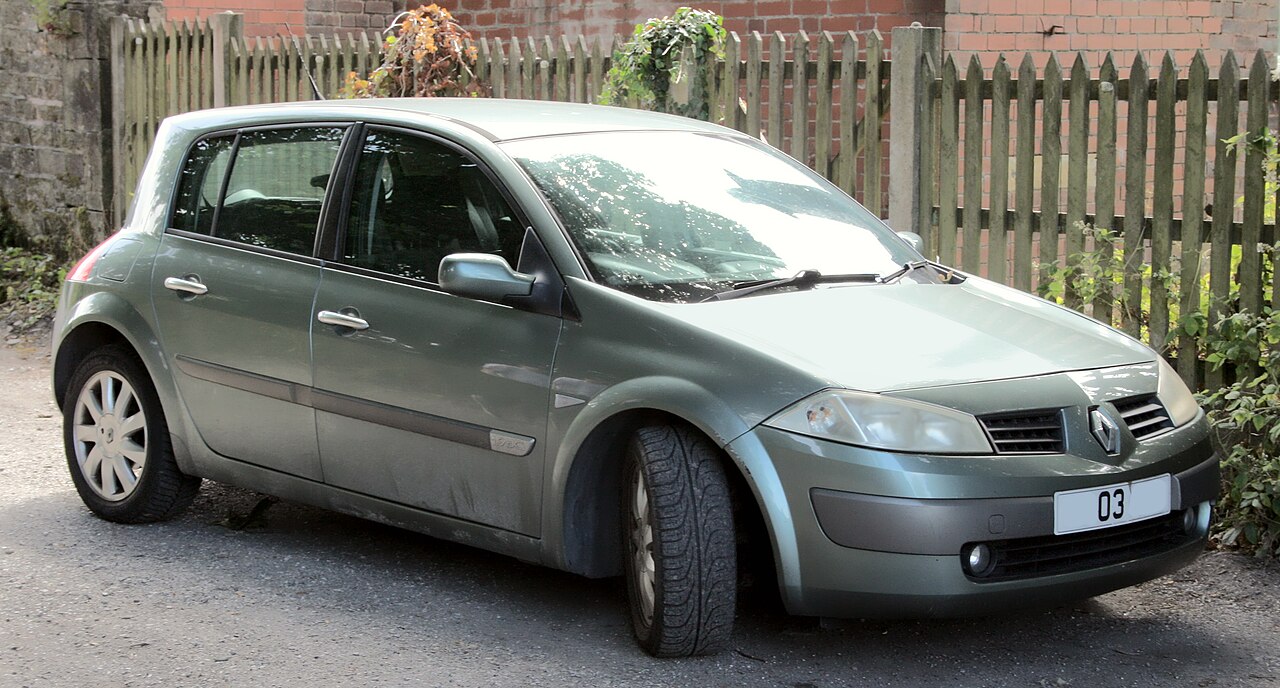
In June 2003, a Mégane II became the subject of the first ever live televised crash test with a real human driver at the wheel instead of a dummy — filmed by Top Gear.
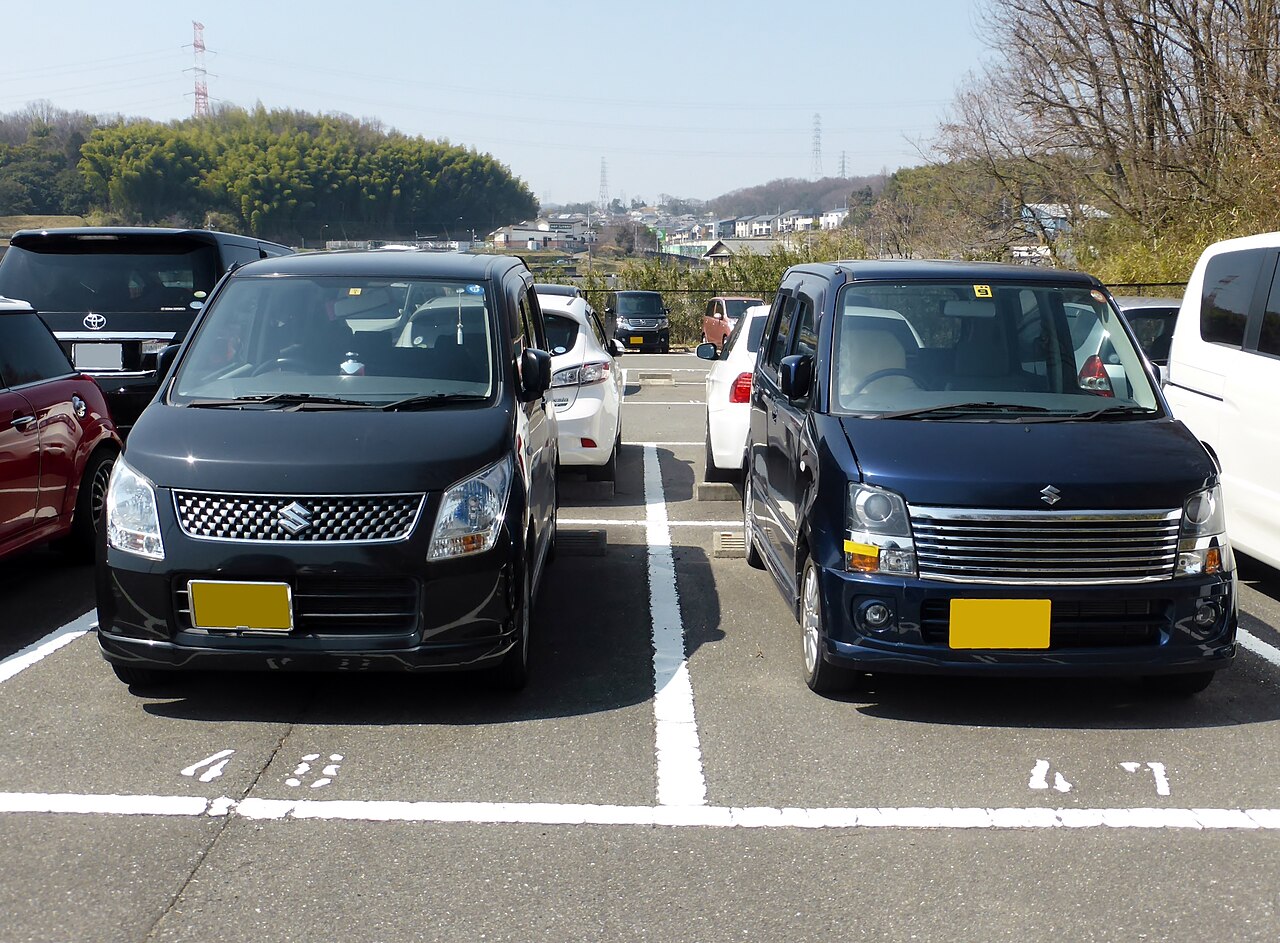
This Wagon R redesigned its rear doors specifically to kill off the D-pillar — bigger doors with built-in quarter glass solved what earlier generations needed a whole extra pillar for.
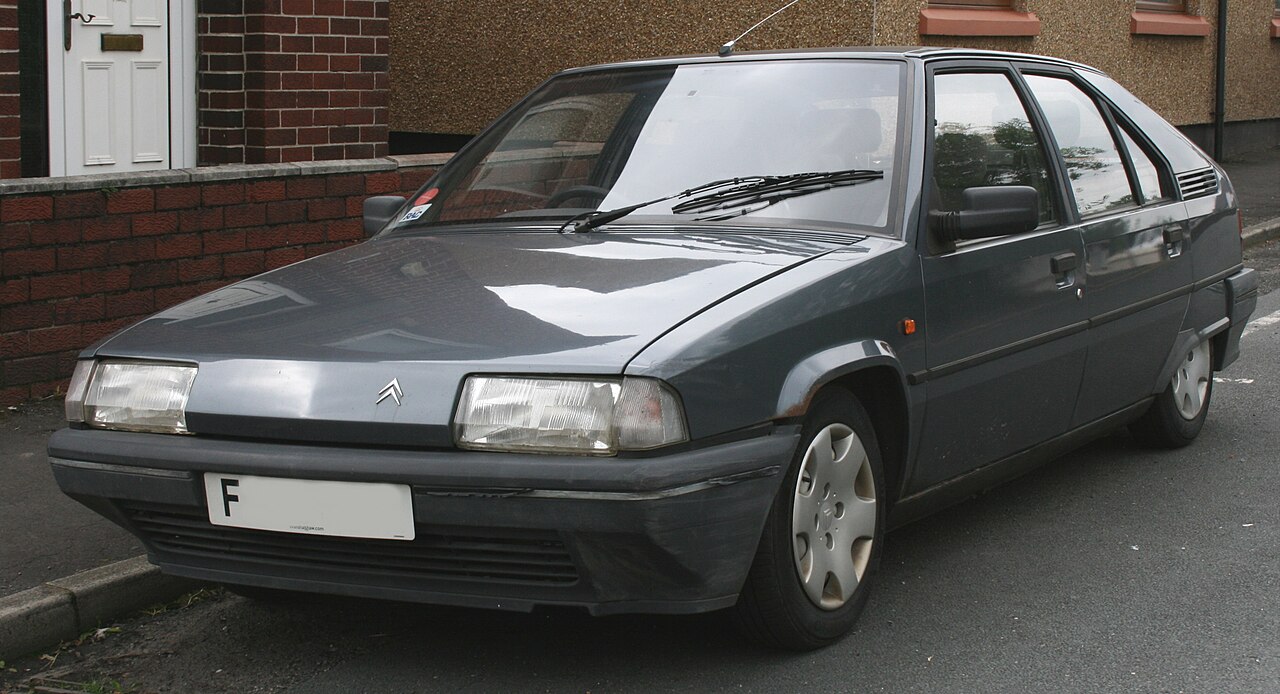
The BX was the UK's best-selling diesel car for four years from 1987, and 2,315,739 were built in all.
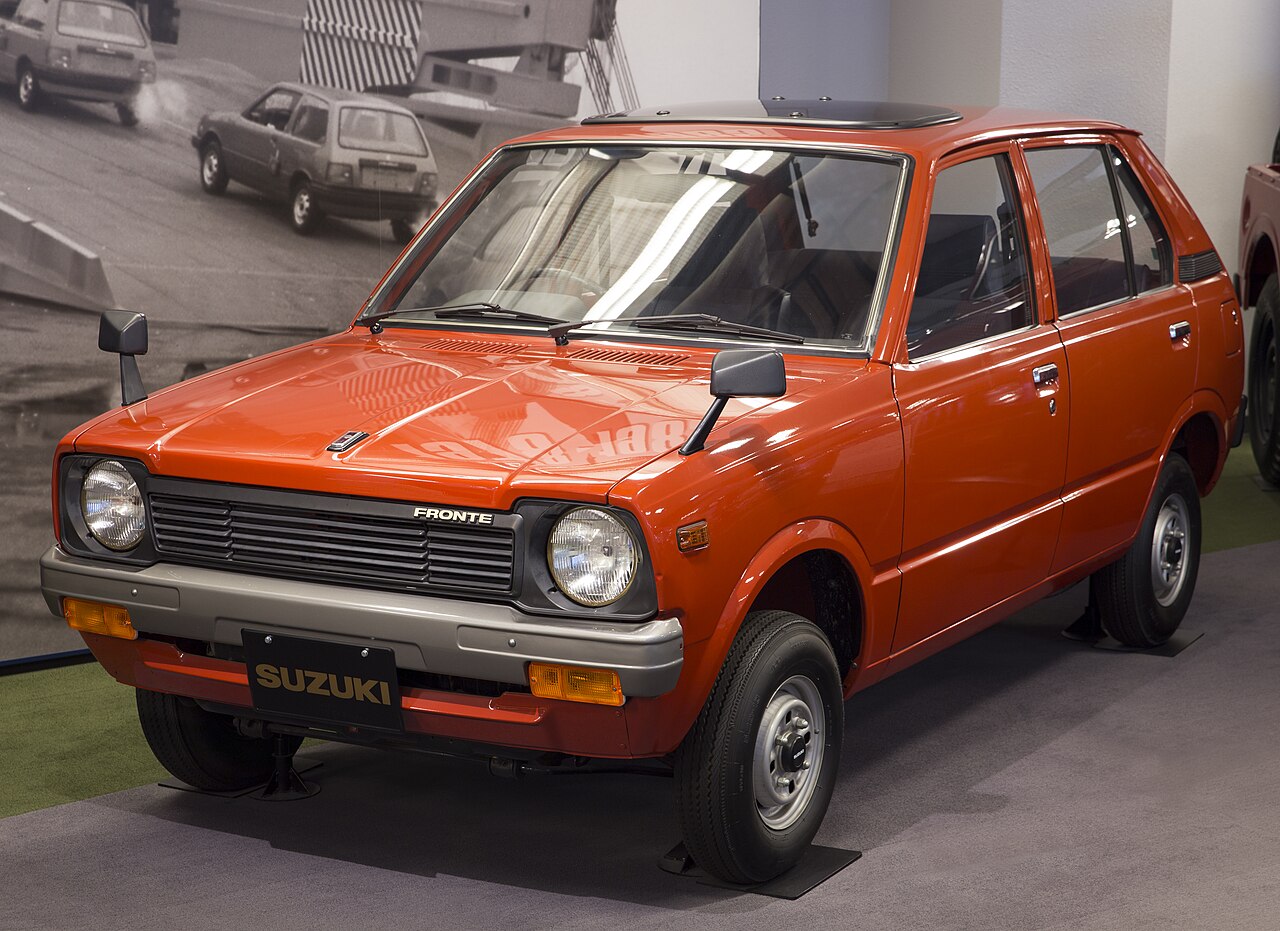
Six months before Suzuki retired the Fronte name for good, the CN11S's 796cc version was already being built in China under a completely different name: the Anchi 6330.
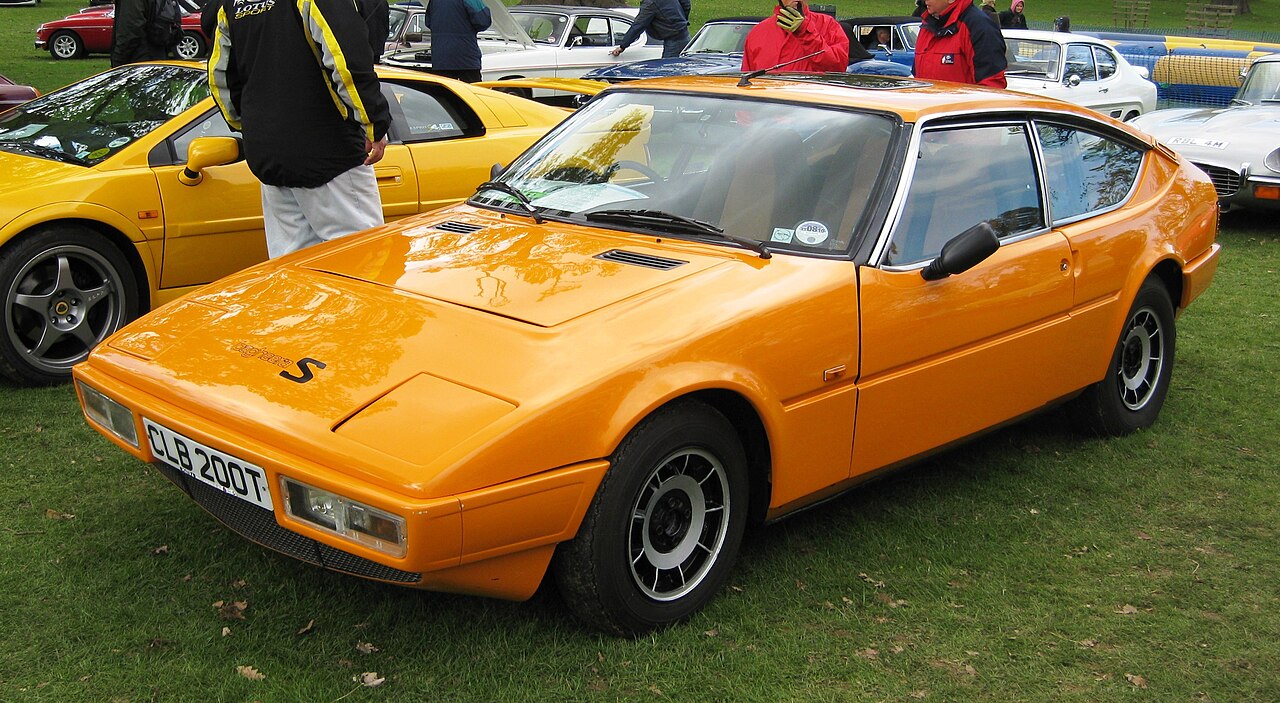
Built to use up Chrysler-Simca's parts bin, it took its engine and gearbox straight from the front-wheel-drive Simca 1100 but mounted them amidships instead.