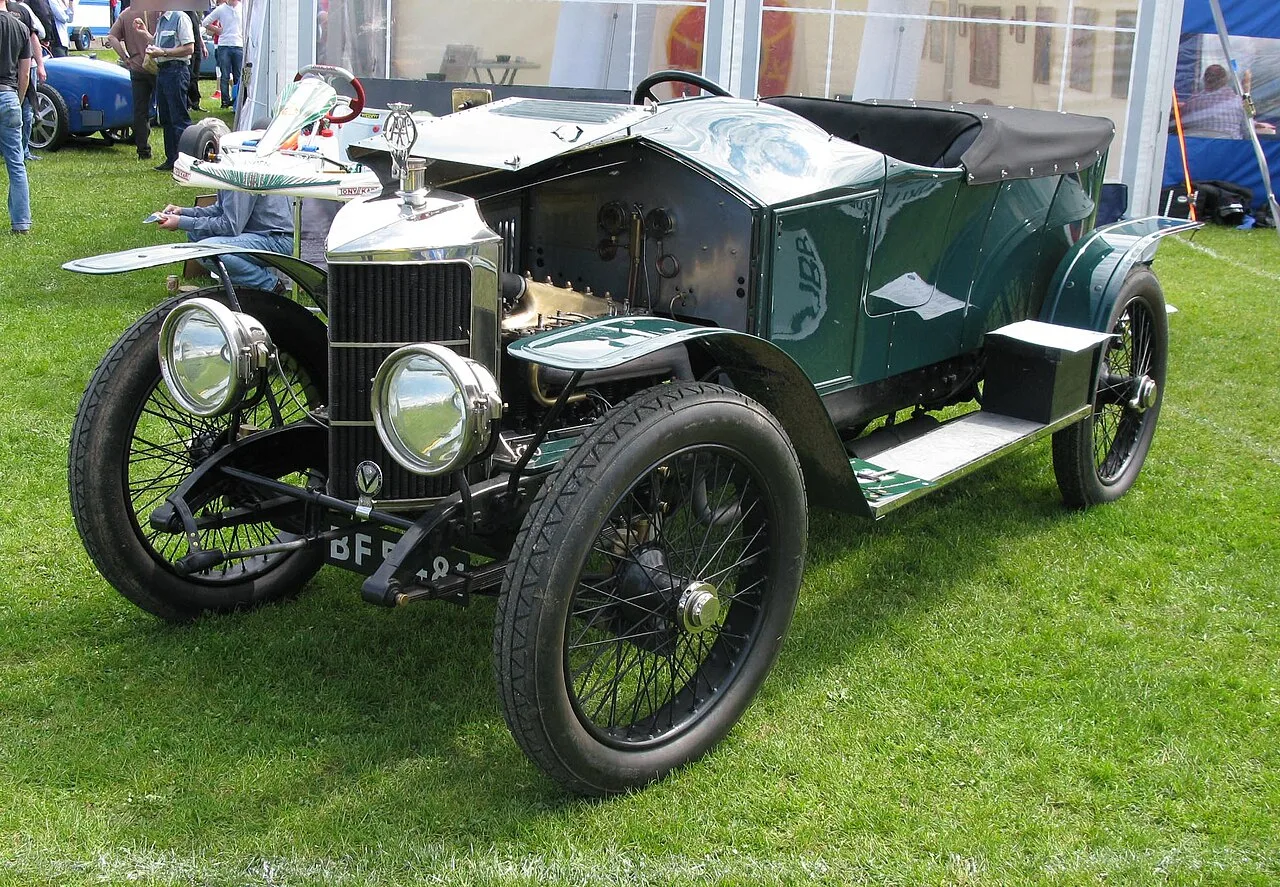
Named for a German prince's own road rally, this Vauxhall then went racing across Russia — and ended up in the hands of Tsar Nicholas II, who bought two after they competed there.
Lead trim: Prince Henry C10 3.0 side-valve four (60 bhp at 2,800 rpm)
Vauxhall Prince Henry C10 3-litreC10 · 1911–1912
- 0spots by members
- Unclaimednobody has spotted one yet
- 0sets it belongs to
Nobody in Burbles has spotted a Vauxhall Prince Henry C10 3-litre yet. See one on the street, point the app at it, and the first card is yours — with your @handle permanently credited on this page.
FactNamed for a German prince's own road rally, this Vauxhall then went racing across Russia — and ended up in the hands of Tsar Nicholas II, who bought two after they competed there.
The Vauxhall Prince Henry, built from 1911 to 1914, is often thought of as the first sports car in that its high performance depends less on brute strength than on overall excellence of design and sturdiness of construction. Known to Vauxhall as the C-10, three specially prepared cars were entered in the 1910 1,200-mile Prince Henry Motor Trials (named for Prince Henry of Prussia) and replicas sold quickly; the model was a higher-tuned Vauxhall 20 hp designed in the winter of 1907–08 by draughtsman Laurence Pomeroy, and the cars also ran the 1911 St Petersburg to Sebastopol Trial, two being sold to Tsar Nicholas II. Replicas went on sale at £580 as chassis code C10 and both Austro-Daimler and Vauxhall showed their Prince Henry replicas at the 1911 Olympia show. The 4-cylinder monobloc side-valve engine (bore 90 mm, stroke 120 mm) of 3,054 cc gave 40 bhp in the trial cars and 60 bhp at 2,800 rpm as sold; the four-speed sliding-pinion gearbox drove a live axle, on a wheelbase of 117 in and a length of about 159 in, with front-wheel brakes still the exception. Kerb weight is given as 1,250 kg (2,756 lb) depending on the body.
Collectors Spotted in the Vauxhall Prince Henry Lineage
No member has published a public street spot of the Vauxhall Prince Henry yet — the First · Worldwide stamp is wide open.
Trims & Figures
One published trim in the catalogue. A blank is a figure not recorded, not zero.
| Trim | Years | Engine | Power | Torque | 0–60 | Drive | Gearbox | MSRP |
|---|---|---|---|---|---|---|---|---|
| Prince Henry C10 3.0 side-valve four (60 bhp at 2,800 rpm) | 1911–1912 | 3.1 L Inline-4 | 60 hp | — | — | RWD | — | — |
Owning one
We don’t estimate running costs for a car like this. What it costs depends on its condition, its specialist and how it is driven, and an average would mislead.
Owners’ builds
Nobody has claimed one yet.
Photographs
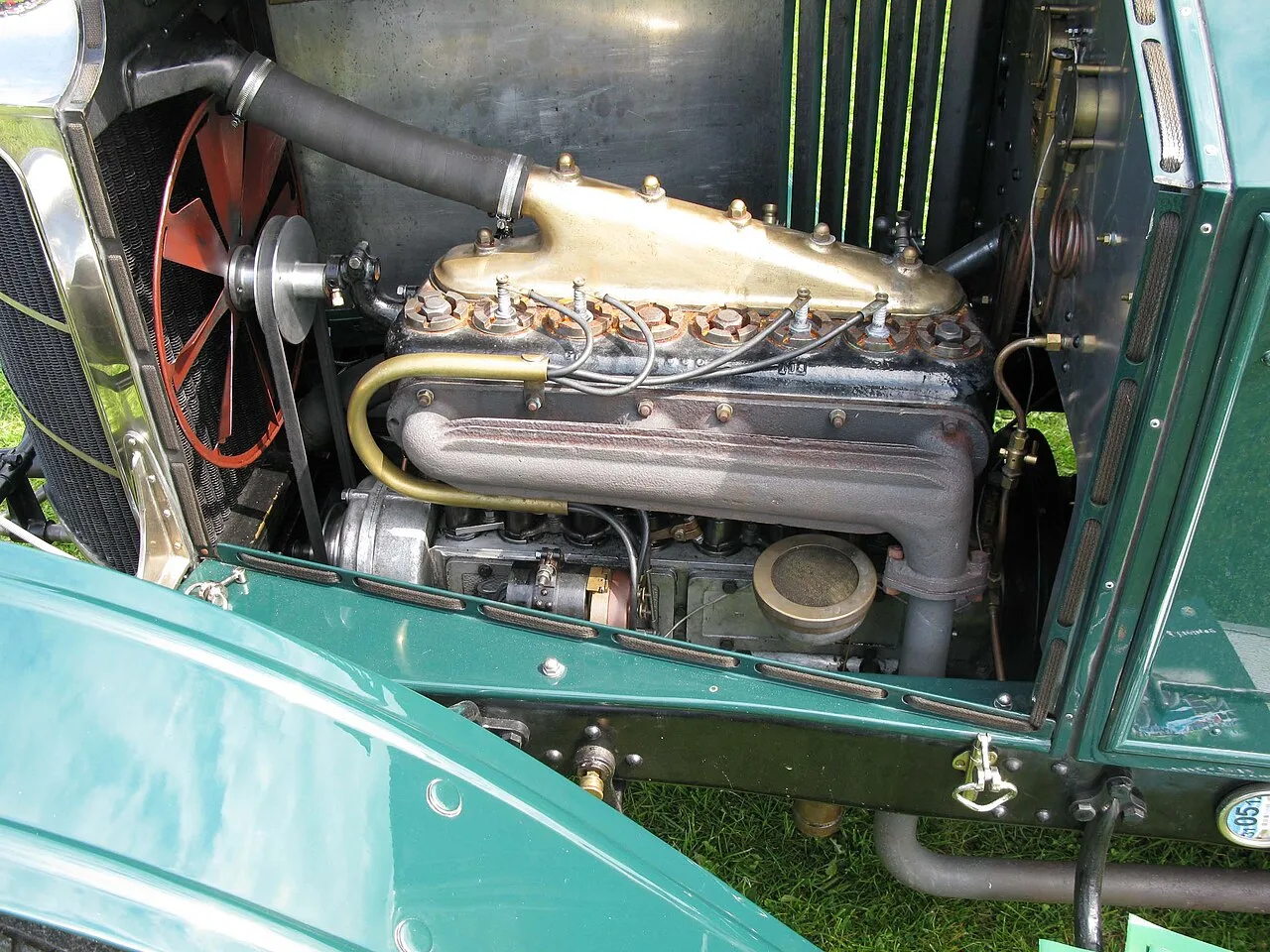
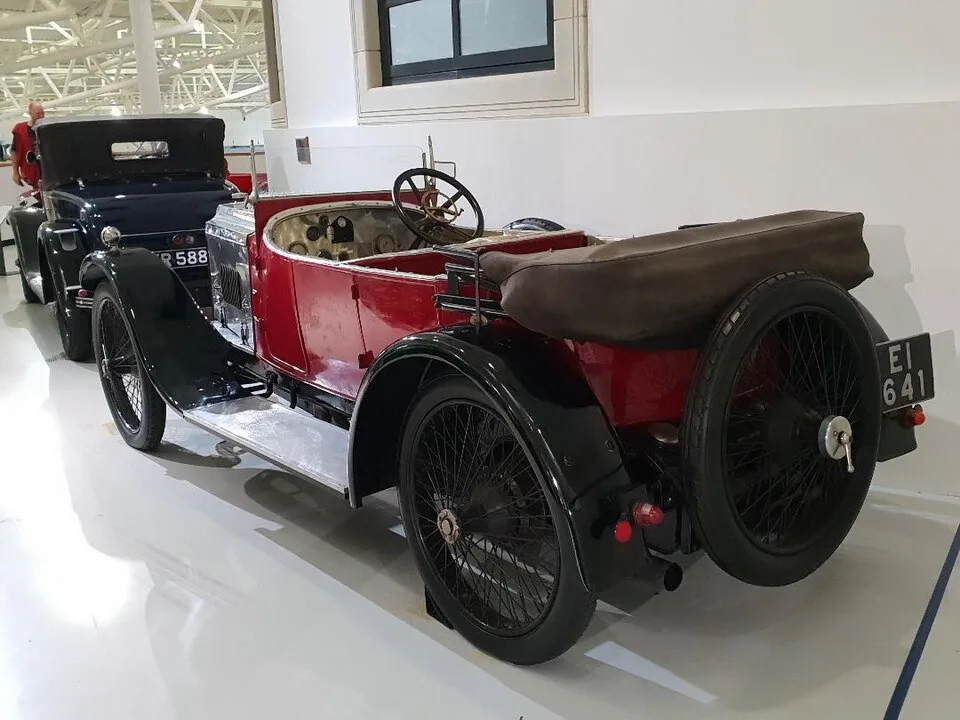
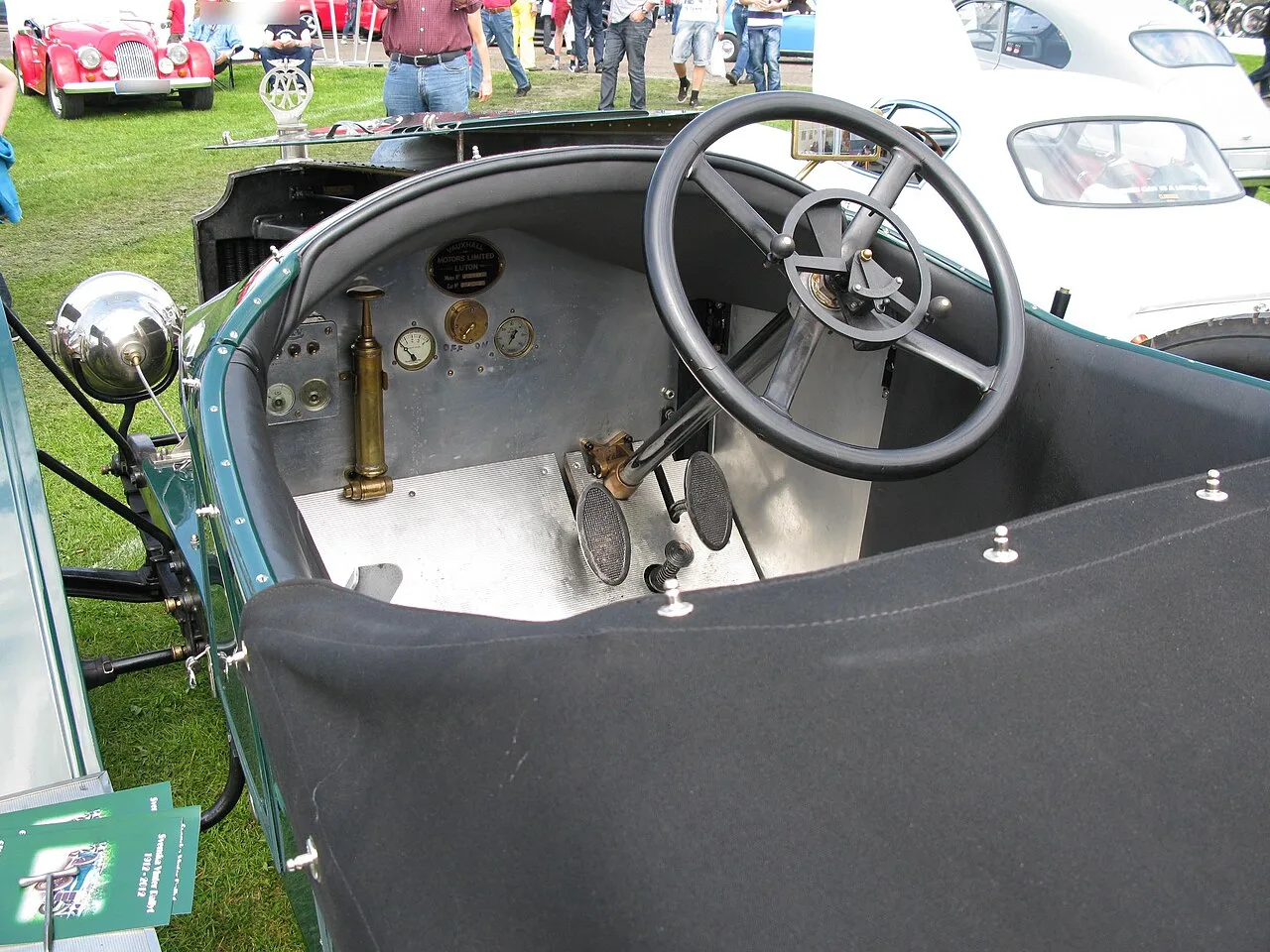
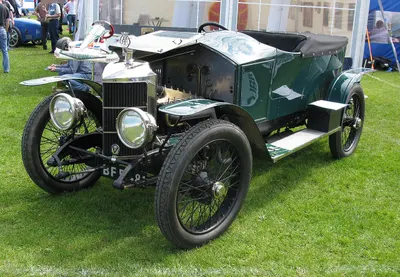
You can date a Prince Henry to its final year: only 1914 cars have bonnet flutes that fade out just behind the radiator.
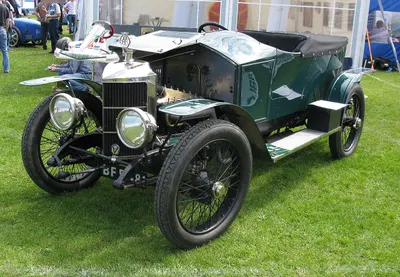
Named for a German prince's own road rally, this Vauxhall then went racing across Russia — and ended up in the hands of Tsar Nicholas II, who bought two after they competed there.
Rivals
Same body, same money, other badges — tap any card to flip.
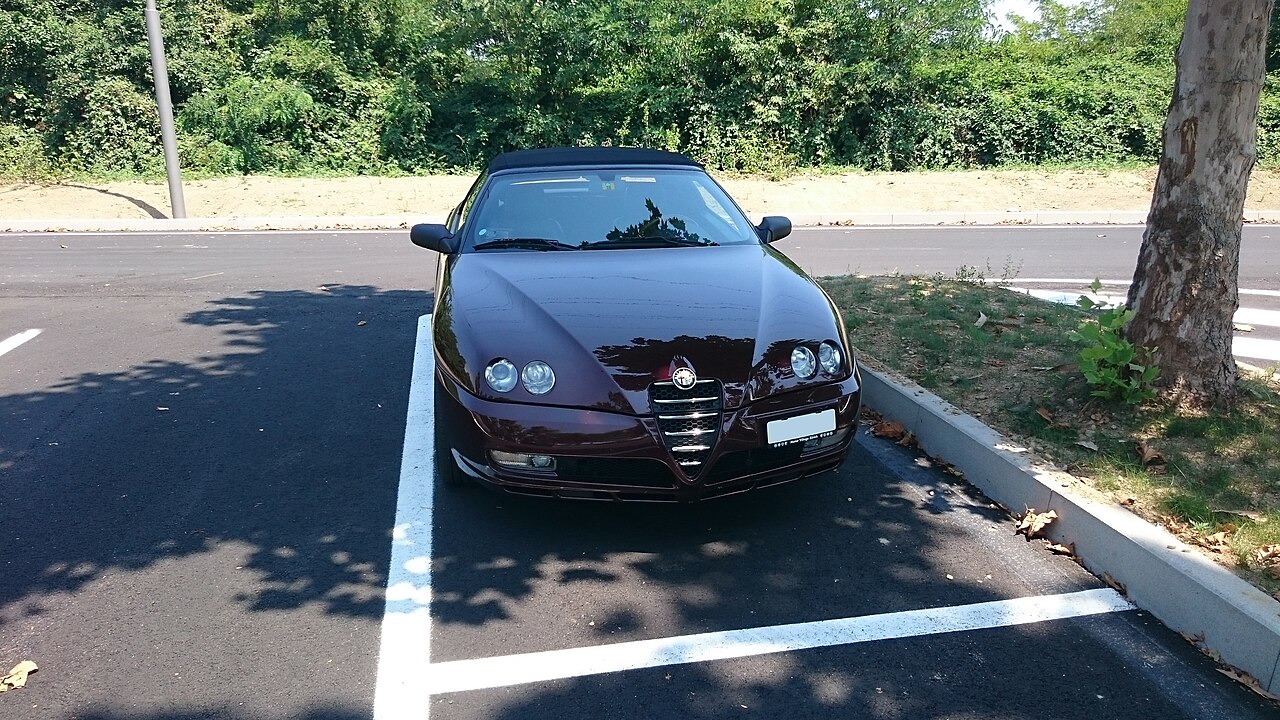
In 1974 Alfa built a one-off on this Spider: a Porsche-style solid rear window and lift-out roof panels, fewer than 2,000 made, the only Spider ever with a part-solid roof.
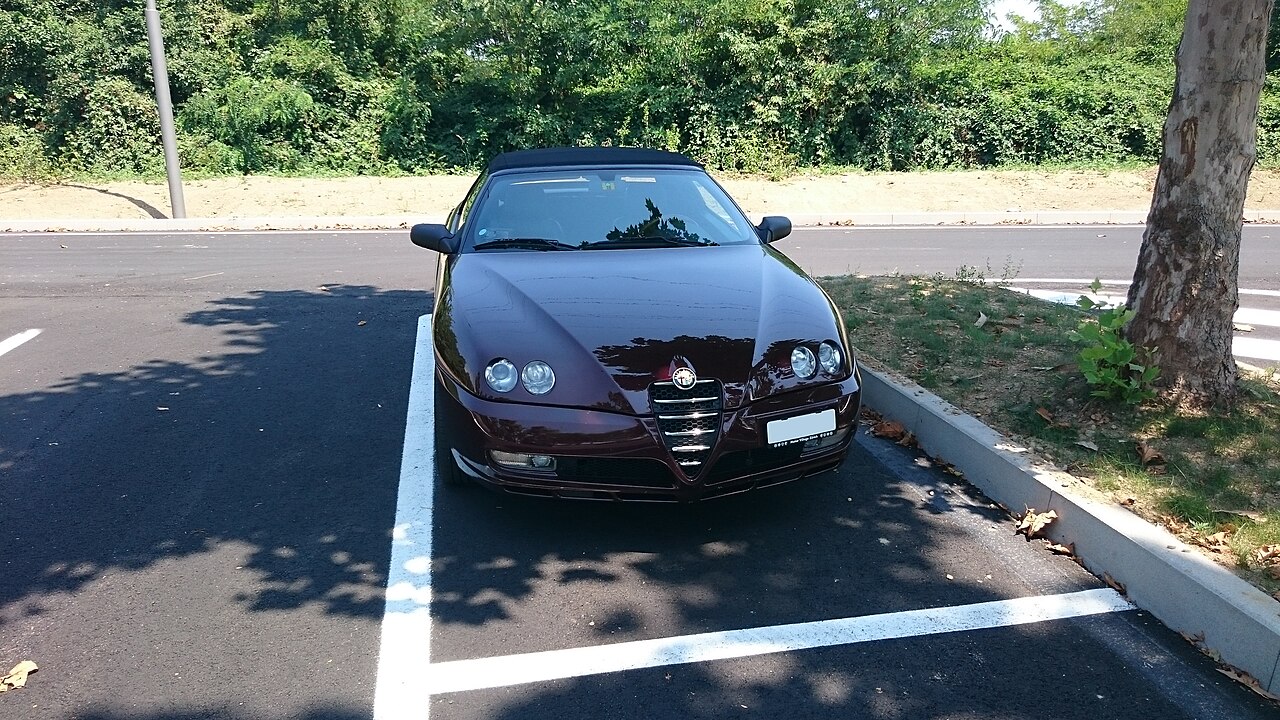
Over 100,000 people voted to name this car "Duetto" — but a chocolate-snack maker had already trademarked the word, and a Milan court ruling forced Alfa to sell it as the Spider 1600 instead.
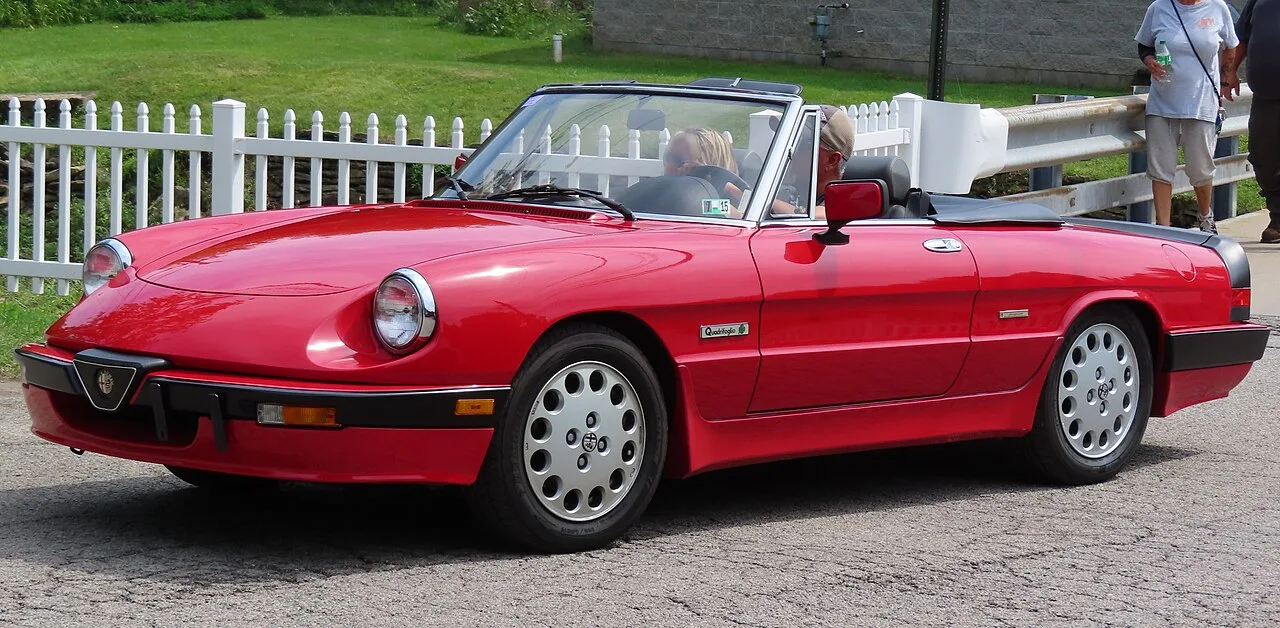
After nearly 25 years of manual-only Spiders, the final Series 4 cars quietly added something Alfa purists never expected: an optional automatic transmission.
The mid-80s Spider's Quadrifoglio Verde trim went all-in on a single look: blood-red carpets and grey leather with red stitching, and it only ever came in three exterior colors.
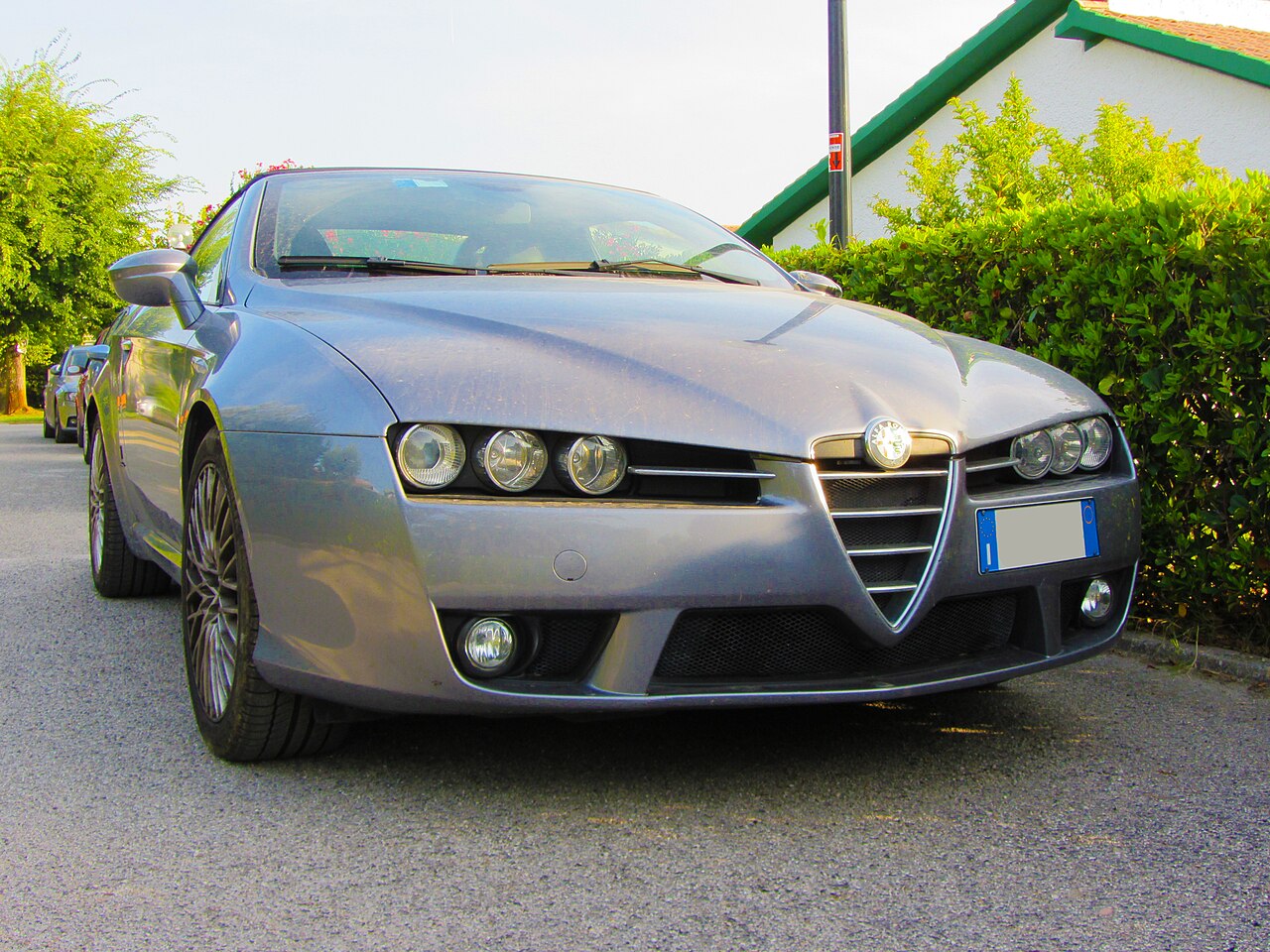
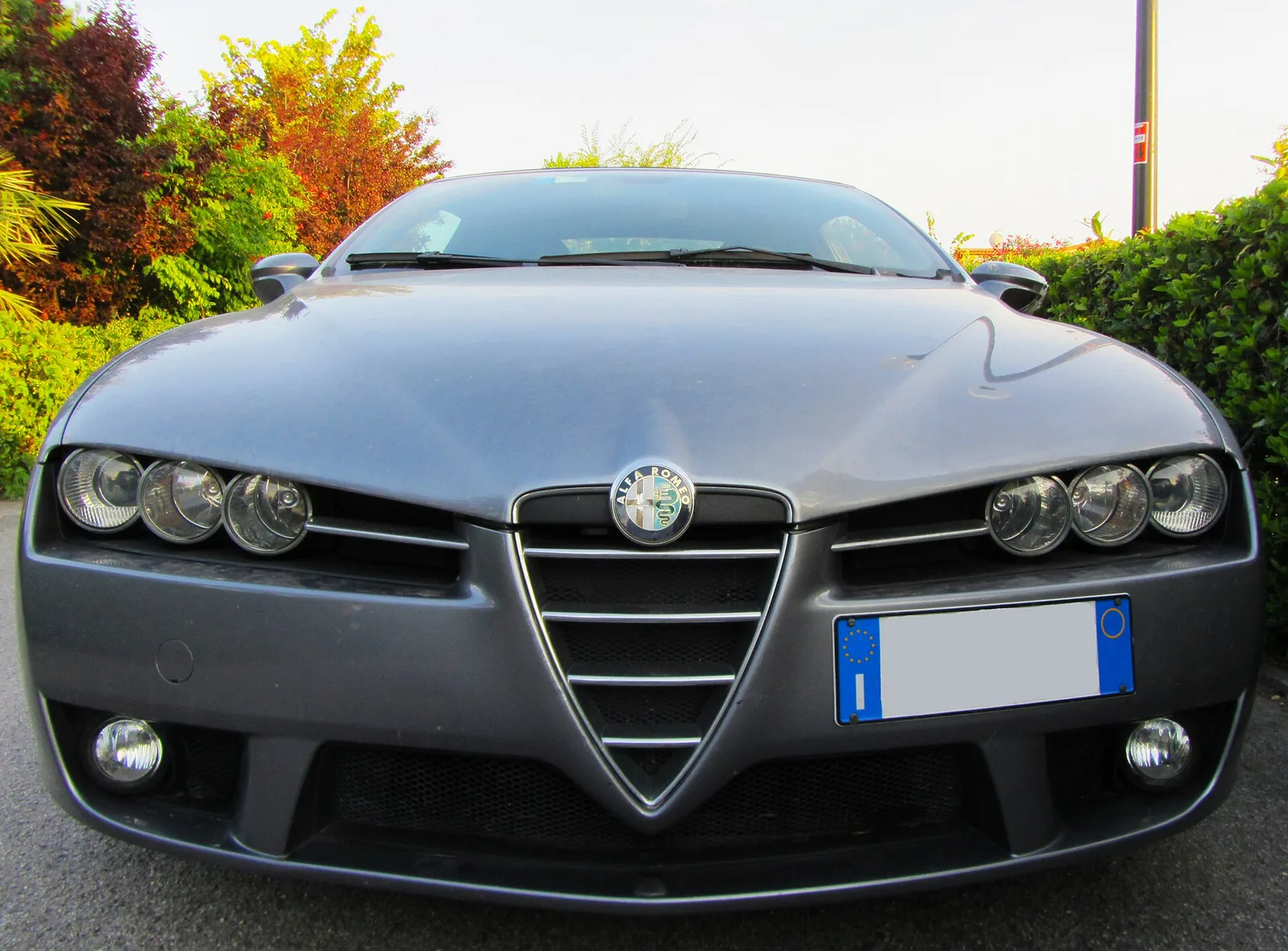
This Spider was built not by Alfa but by Pininfarina itself, on a platform shared with General Motors.
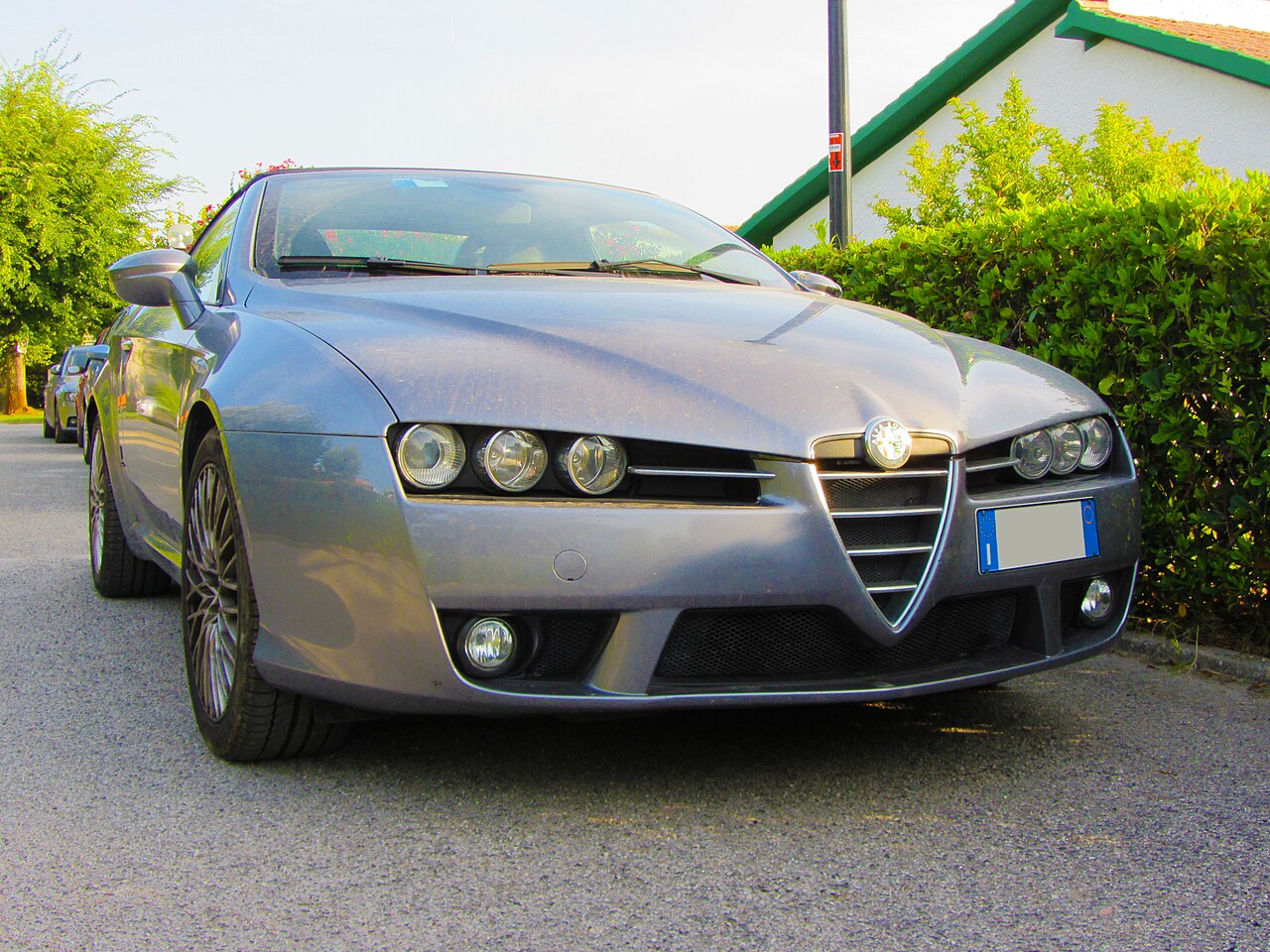
The 916 Spider's strongest naturally aspirated engine, the 192 PS 3.0 12V Busso V6, was never offered in its GTV coupe twin.
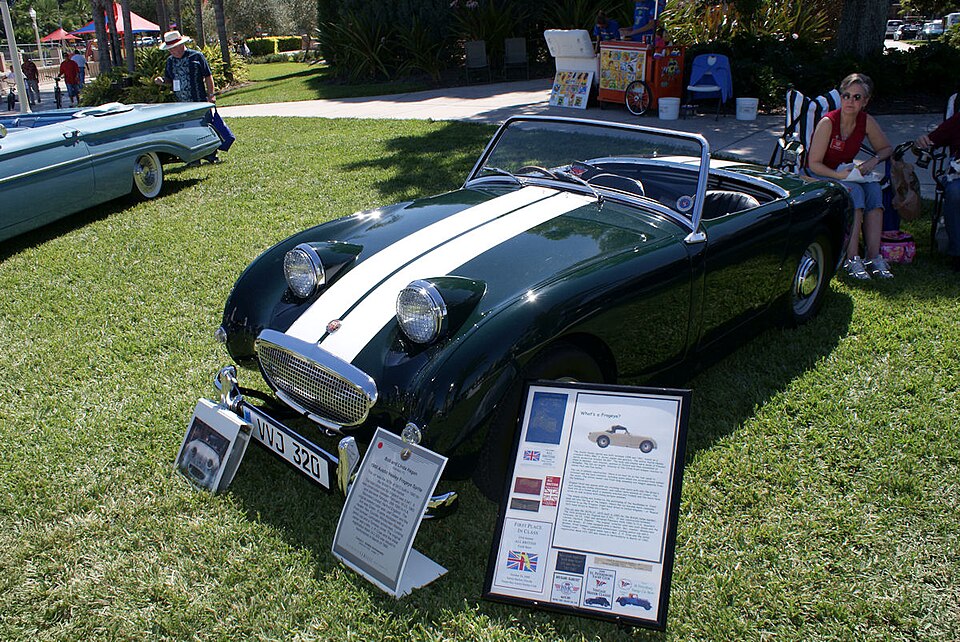
The Frogeye had no boot lid at all — owners reached the spare wheel by tilting the seats forward into the dark cavity behind, a ritual they likened to potholing.
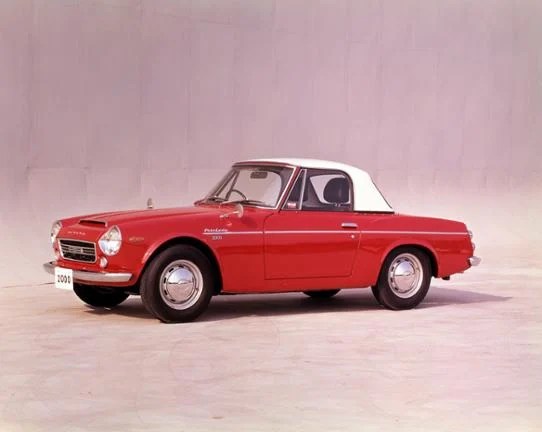
The Fairlady 2000's SR311 update came with a five-speed manual gearbox in 1967 — a genuinely unusual spec for any production car of that era.