At Brooklands on 26 October 1910 this became the first 20hp car ever to top 100mph.
Lead trim: A-Type 20 hp A09 3.0 four (Oct 1908–Oct 1910; 38 bhp) · up to 80 hp
Vauxhall A-Type 20/22/16-20 hpA-TYPE · 1908–1915
- 0spots by members
- Unclaimednobody has spotted one yet
- 0sets it belongs to
Nobody in Burbles has spotted a Vauxhall A-Type 20/22/16-20 hp yet. See one on the street, point the app at it, and the first card is yours — with your @handle permanently credited on this page.
FactAt Brooklands on 26 October 1910 this became the first 20hp car ever to top 100mph.
The Vauxhall A-type, a four-cylinder medium-sized car built from 1908 to 1914 (October 1908 to 1915 in the infobox, with one last car put together in 1920), was the first production Vauxhall designed by Laurence Pomeroy, who joined in 1907 as an assistant draughtsman aged 22 and made his mark at the 1908 RAC and Scottish Reliability Trial with a development of Vauxhall's 12-16 called Y1 (the design entering production in 1908 as the 20 hp). Production was mostly the 3-litre version, producing either 38 bhp in the earlier models or 60 bhp later, both rated "20hp" for tax, with a small number of 3.5-litre engines (22 tax horsepower); at Brooklands on 26 October 1910 it became the first 20 hp car to exceed 100 mph, and the model preceded the Prince Henry and the 30-98. Four distinct versions were built: the A09 (253 cars, Oct 1908–Oct 1910), A11 (359, Oct 1910–Jun 1912), A12 (36 as a 20 hp in 1912; 21 as a 22 hp 3½-litre, Nov 1912–1915) and the 16-20 (271, 1912–1915, redesigned engine and chassis, announced in November 1912 at £395 for the chassis); fewer than two dozen survive of the roughly 950 produced. The side-valve monobloc engine had forced lubrication, a gear-driven camshaft and magneto until the 16-20 moved to chain drive, a four-speed gearbox (three-speed on some earliest cars) and a cone or, later, multi-plate clutch; chassis lengths were 9 ft 7 in (115 in) or 10 ft 3 in (123 in). The page dates the 38 and 60 bhp outputs only as the earlier and later models, and gives an 80 bhp figure for 1913 without saying for which engine.
Collectors Spotted in the Vauxhall A-Type Lineage
No member has published a public street spot of the Vauxhall A-Type yet — the First · Worldwide stamp is wide open.
Trims & Figures
4 published trims in the catalogue. A blank is a figure not recorded, not zero.
| Trim | Years | Engine | Power | Torque | 0–60 | Drive | Gearbox | MSRP |
|---|---|---|---|---|---|---|---|---|
| A-Type 16-20 hp A12 3.0 four (1912–1915) | 1912–1915 | 3.1 L Inline-4 | 80 hp | — | — | — | — | — |
| A-Type 20 hp A09 3.0 four (Oct 1908–Oct 1910; 38 bhp) | 1908–1910 | 3.1 L Inline-4 | 38 hp | — | — | — | — | — |
| A-Type 20 hp A11 3.0 four (Oct 1910–Jun 1912; 60 bhp) | 1910–1912 | 3.1 L Inline-4 | 60 hp | — | — | — | — | — |
| A-Type 22 hp A12 3½-litre four (Nov 1912–1915) | 1912–1915 | 3.4 L Inline-4 | — | — | — | — | — | — |
Owning one
We don’t estimate running costs for a car like this. What it costs depends on its condition, its specialist and how it is driven, and an average would mislead.
Owners’ builds
Nobody has claimed one yet.
Rivals
Same body, same money, other badges — tap any card to flip.
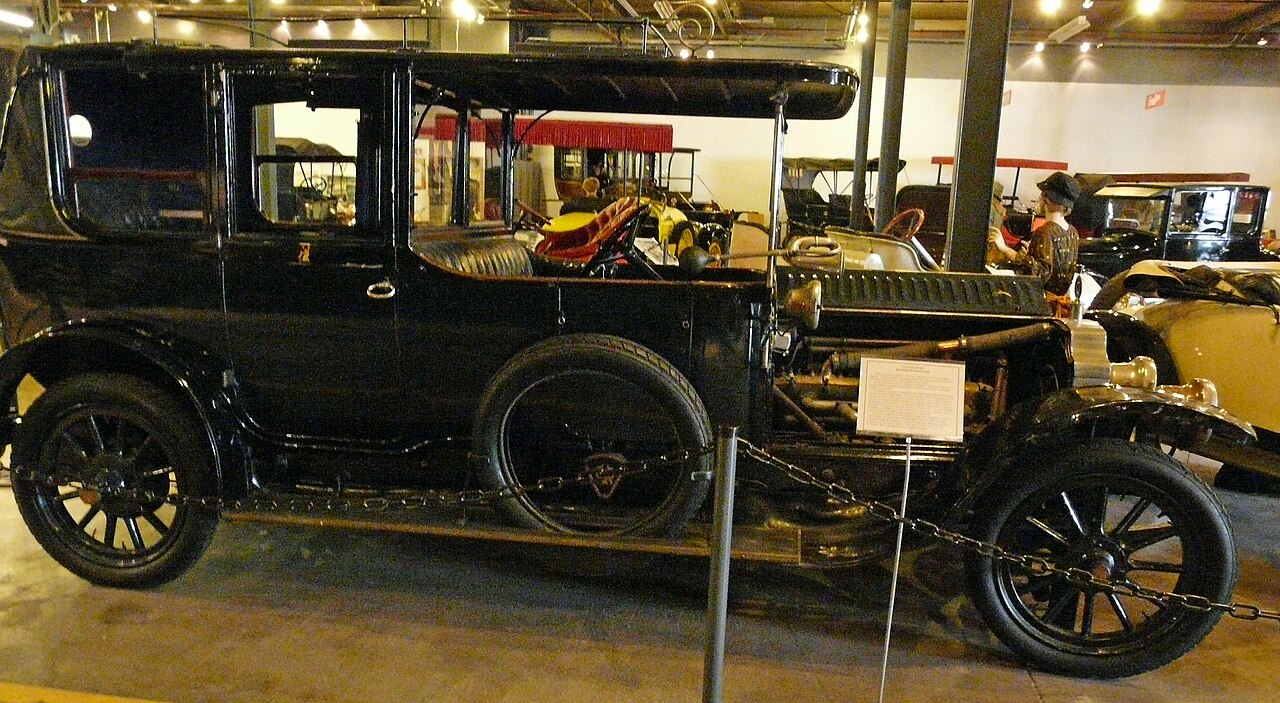
Vauxhall's first six-cylinder car started life as one prototype block, then production reverted to bolting two three-cylinder units together.
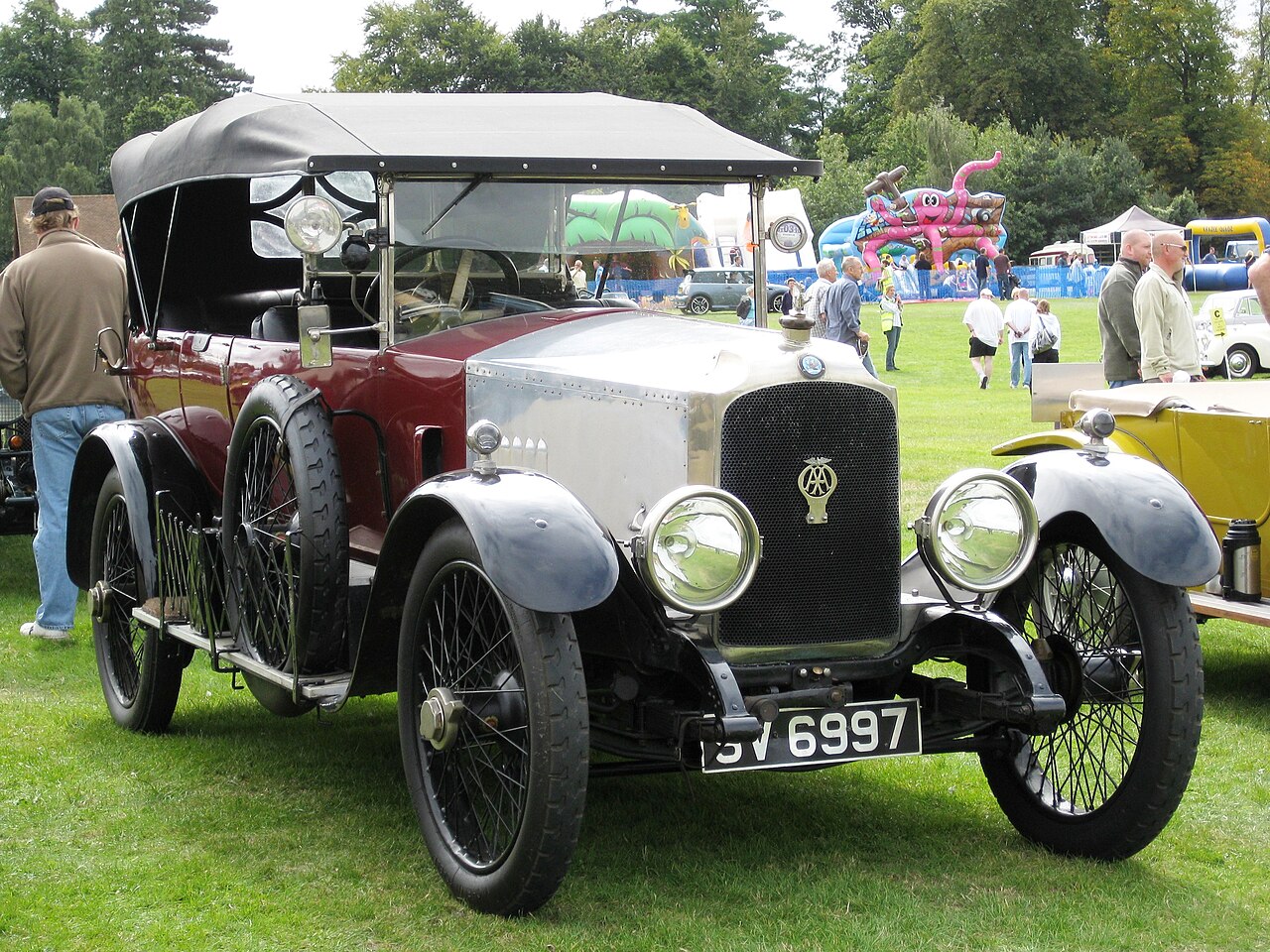
Of roughly 4,500 D-Types built, 1,556 went to the armed forces, most as British Army staff cars in the First World War.
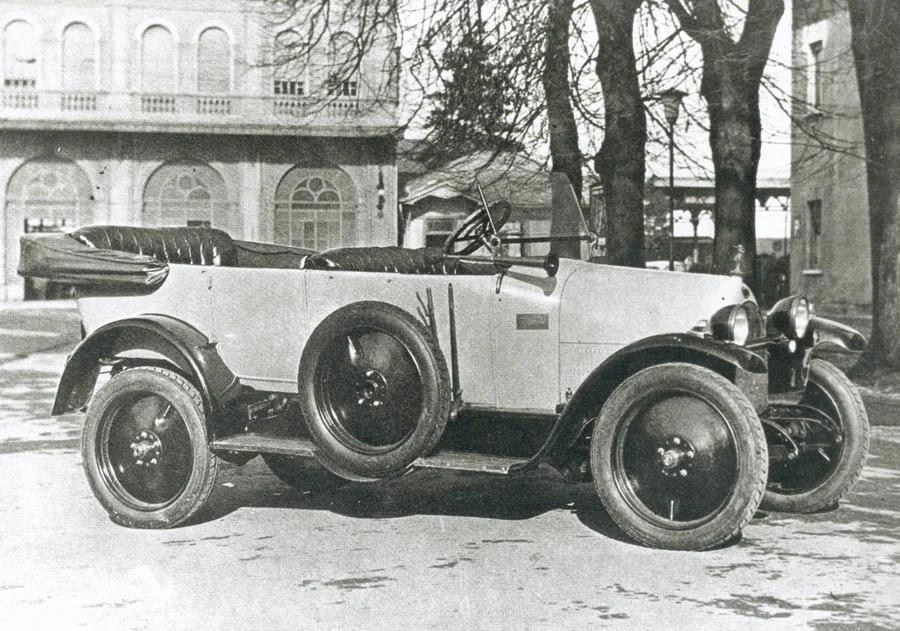
Fiat named this scaled-up Zero after its own engine's internal model number, 52B.
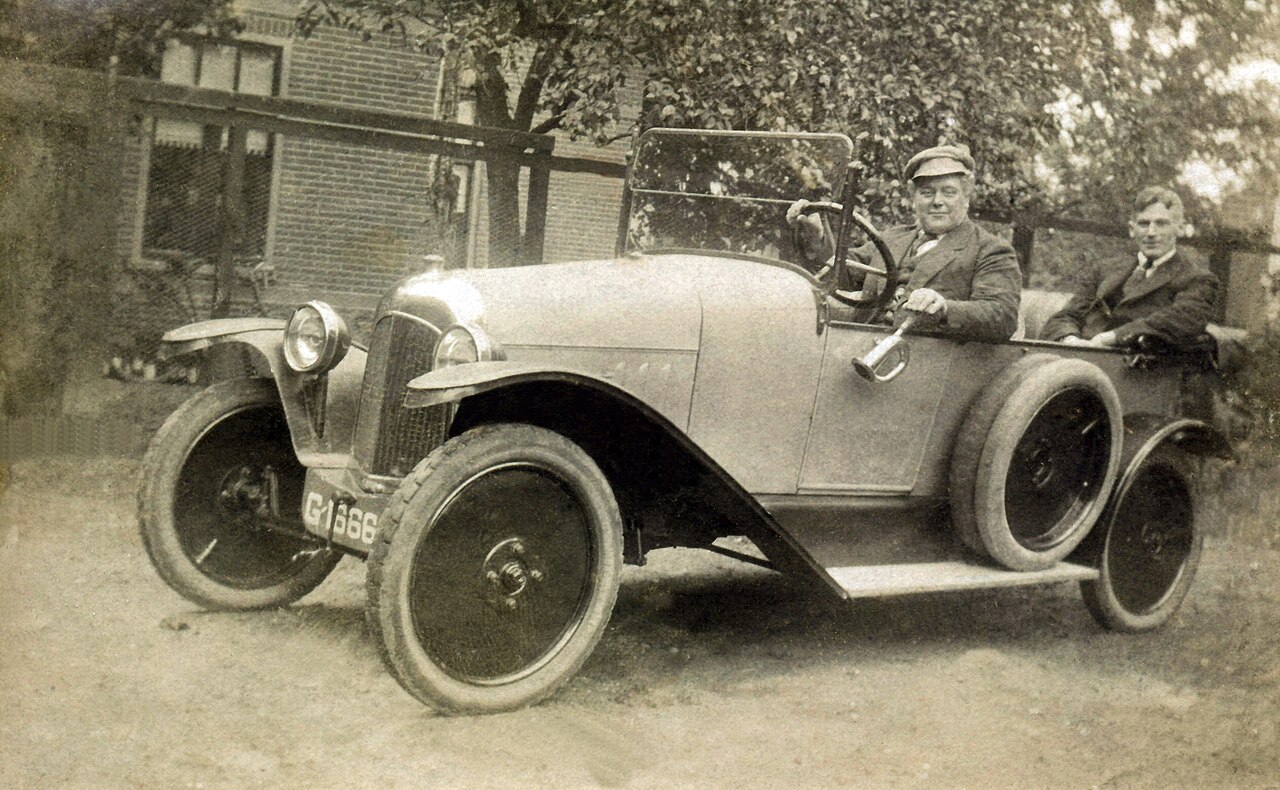
The Type A's herringbone bevel gears in the final drive gave Citroën its double-chevron badge, still worn today.
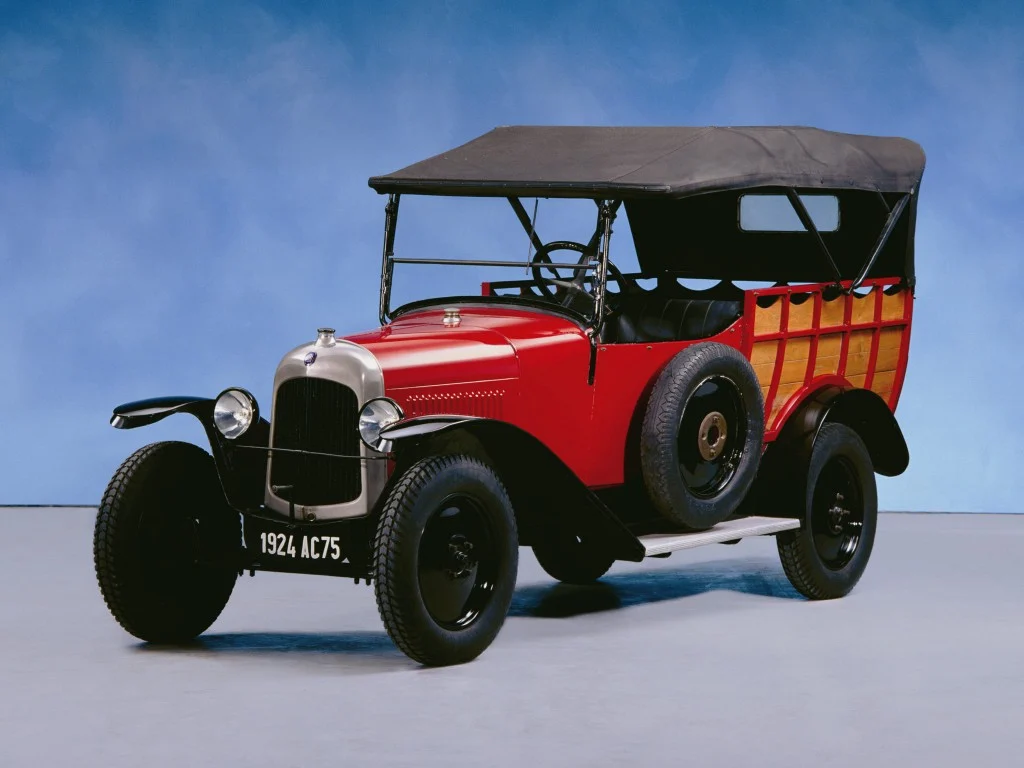
Eight half-track versions of the B2 crossed Africa west to east in the 1924 'Croisière Noire' expedition — a publicity stunt that proved a mass-produced French car could handle terrain nobody thought an automobile could cross.
Volvo's first car launched a day late because someone fitted the differential backwards and it drove in reverse.
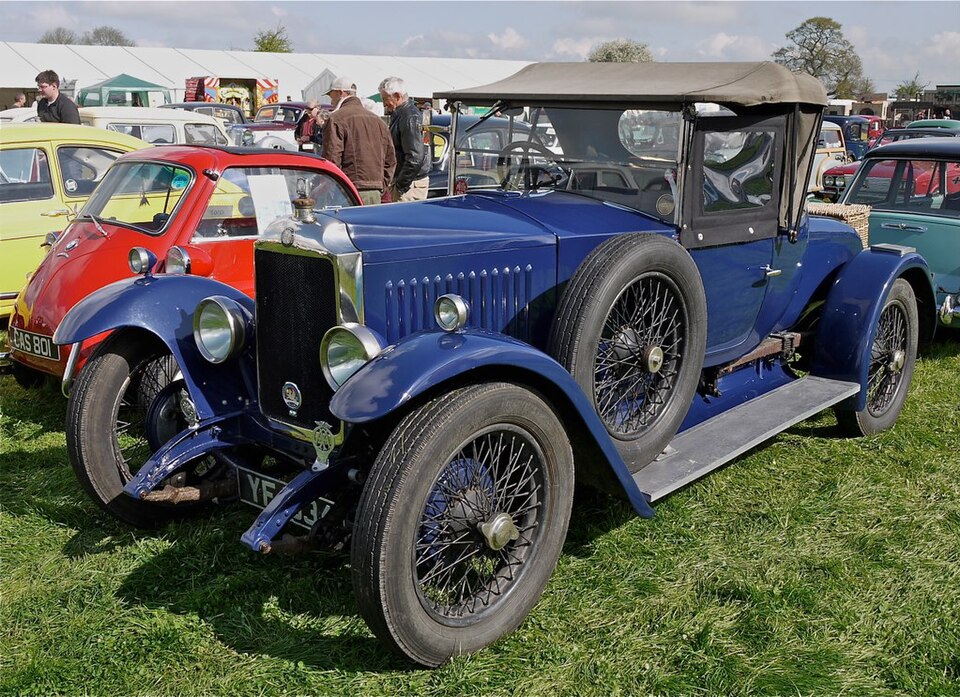
Vauxhall didn't just build the 14-40 at home — it shipped knock-down kits to Australia to be assembled there too.
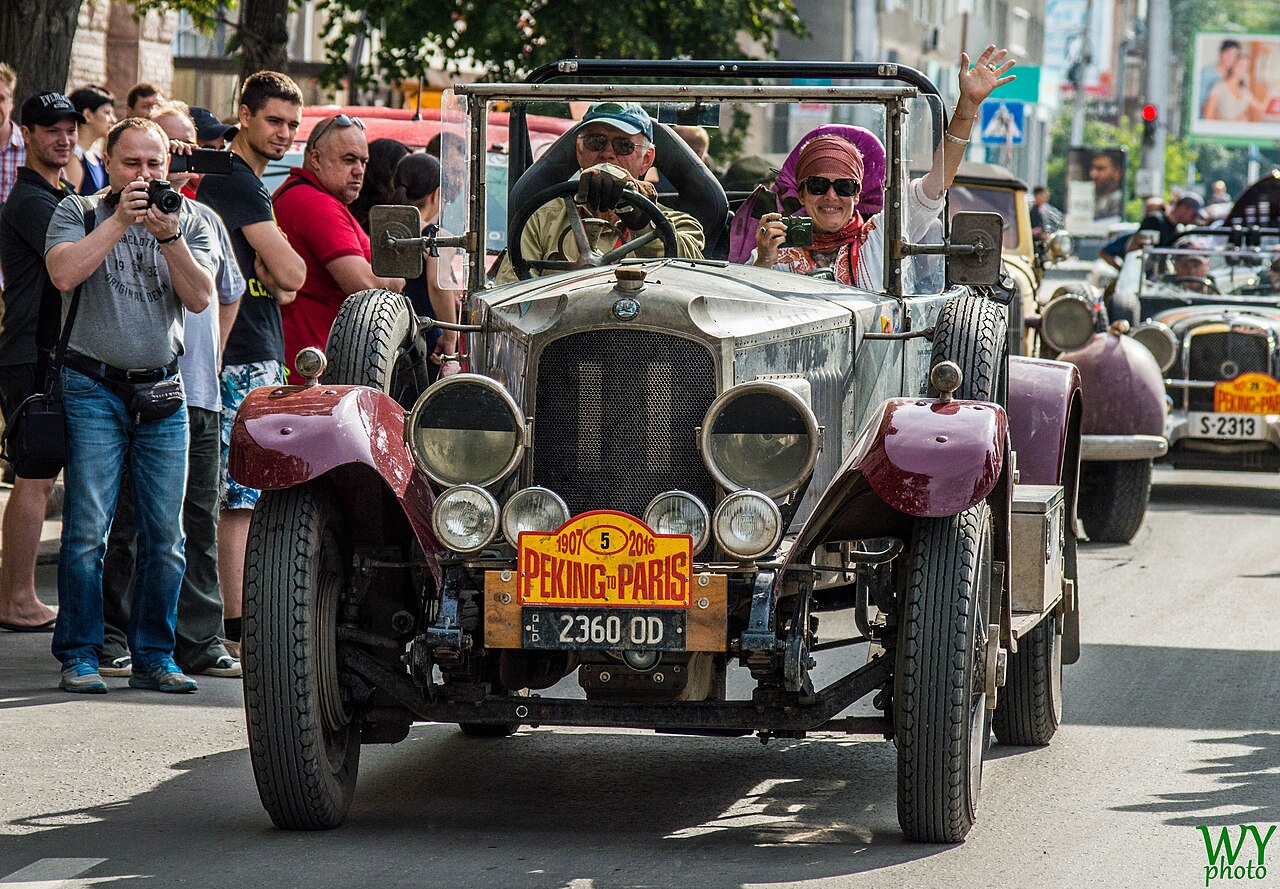
Four-wheel braking was still a novelty when the 23-60 launched — Vauxhall first sold front brakes as a pricey £55 option, then made them standard across the line in July 1924.