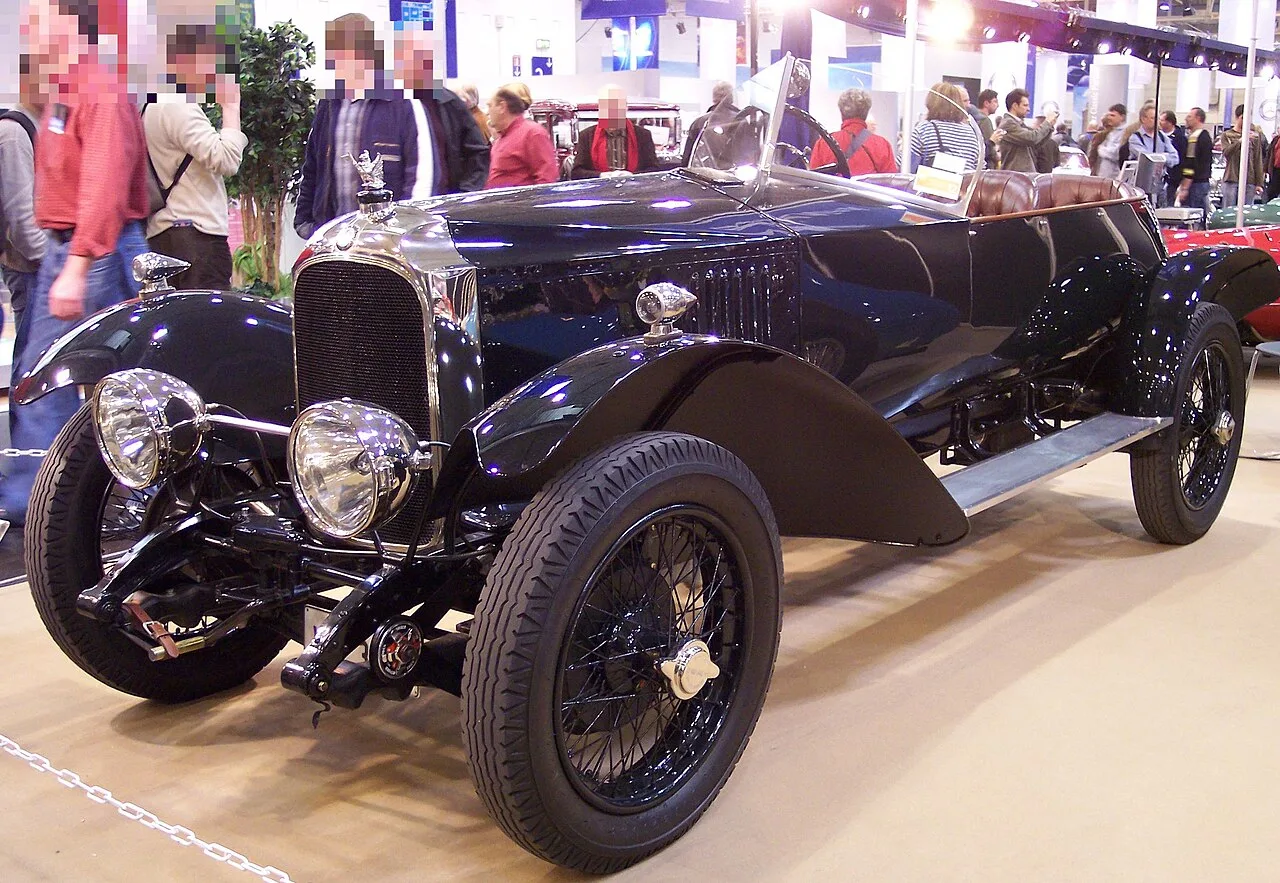
Vauxhall's 30-98 OE came with a factory guarantee: it could lap Brooklands at 100mph. Some buyers refused to hand over their money until they'd watched it happen.
Lead trim: 30-98 OE 4.2 overhead-valve four · up to 120 hp
Vauxhall 30-98 OE30-98-OE · 1922–1927
- 0spots by members
- Unclaimednobody has spotted one yet
- 0sets it belongs to
Nobody in Burbles has spotted a Vauxhall 30-98 OE yet. See one on the street, point the app at it, and the first card is yours — with your @handle permanently credited on this page.
FactVauxhall's 30-98 OE came with a factory guarantee: it could lap Brooklands at 100mph. Some buyers refused to hand over their money until they'd watched it happen.
In November 1922 the 30-98's engine was updated with overhead valves (operated by duralumin push-rods and rockers, with double valve springs and externally adjustable chain timing) and a detachable cylinder head and renamed OE (designer Clarence Evelyn King), with the stroke returned to its original length for a slightly smaller capacity of 4,225 cc (4,224 in the text) and power up nearly 30%; the page gives the output as 112 bhp at 3,300 rpm in the infobox and 115 bhp in the text, so no power is entered for the standard engine. The chassis and wheelbase were lengthened four inches (118 in) and widened three, with a spiral bevel rear axle of 3.3:1 replacing the straight-cut one and a banjo-shaped torque arm, mechanical front brakes from 1923 and a notoriously temperamental hydraulic system from 1927; 313 were built. Owners' road tests called it "amazingly swift and smooth", propelling the car at over 80 mph. The last cars, made in 1927, had a balanced crankshaft allowing them to be tuned to 120 bhp at 3,500 rpm and a closer-ratio gearbox, the final batch using 23-60 components with very large finned front drums. The 1924 price was £950 as a chassis and £1,220 with the Velox body, and the Wensum boat-tailed two- or three-seater was offered at extra cost from 1924.
Collectors Spotted in the Vauxhall 30-98 Lineage
No member has published a public street spot of the Vauxhall 30-98 yet — the First · Worldwide stamp is wide open.
Trims & Figures
2 published trims in the catalogue. A blank is a figure not recorded, not zero.
| Trim | Years | Engine | Power | Torque | 0–60 | Drive | Gearbox | MSRP |
|---|---|---|---|---|---|---|---|---|
| 30-98 OE 4.2 overhead-valve four | 1922–1927 | 4.2 L Inline-4 | 112 hp | — | — | RWD | — | — |
| 30-98 OE final batch (1927; 120 bhp at 3,500 rpm) | 1927–1927 | 4.2 L Inline-4 | 120 hp | — | — | RWD | — | — |
Owning one
We don’t estimate running costs for a car like this. What it costs depends on its condition, its specialist and how it is driven, and an average would mislead.
Owners’ builds
Nobody has claimed one yet.
Photographs
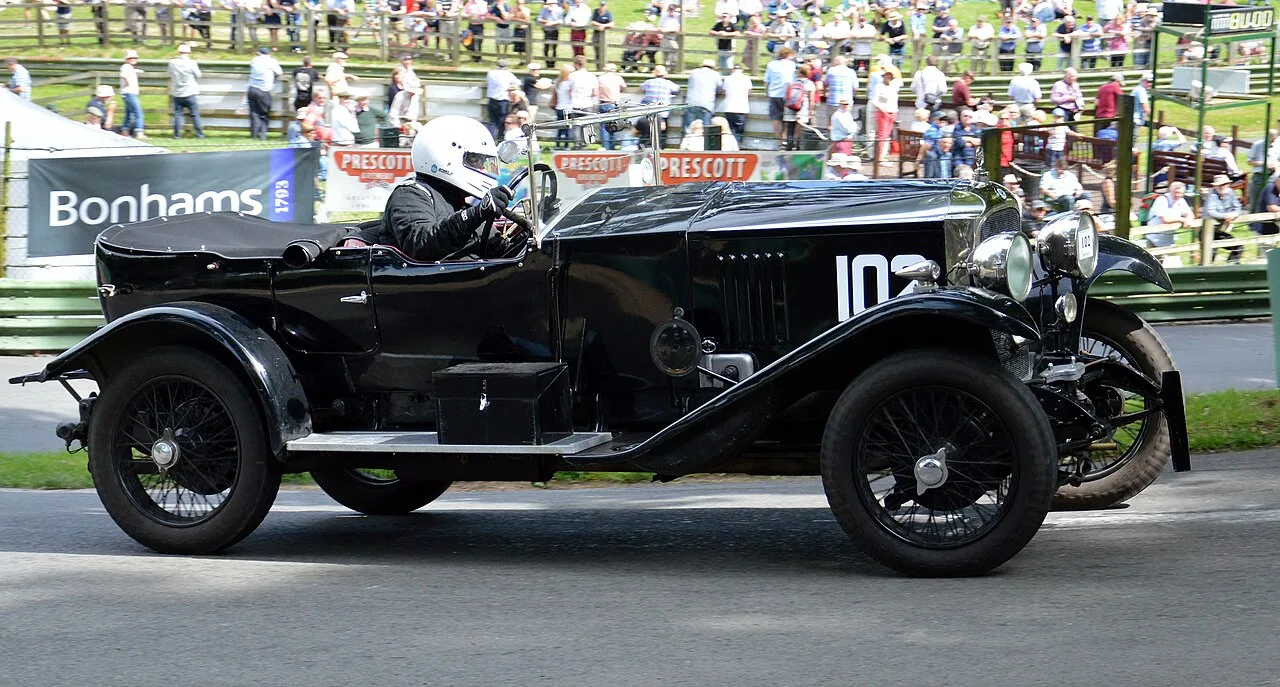
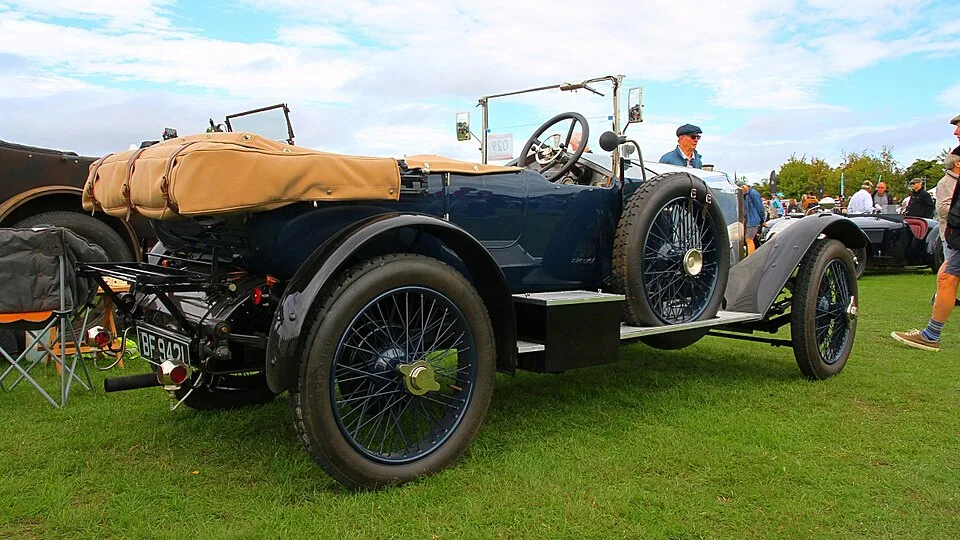
Vauxhall's 30-98 OE came with a factory guarantee: it could lap Brooklands at 100mph. Some buyers refused to hand over their money until they'd watched it happen.
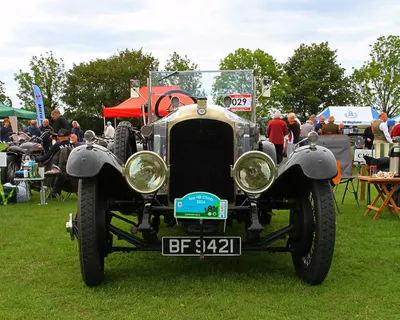
The E-type's engine was born from brute-force engineering — Laurence Pomeroy bored out the old Prince Henry engine and stretched its crankshaft with a steam power hammer to lengthen the stroke.
Rivals
Same body, same money, other badges — tap any card to flip.
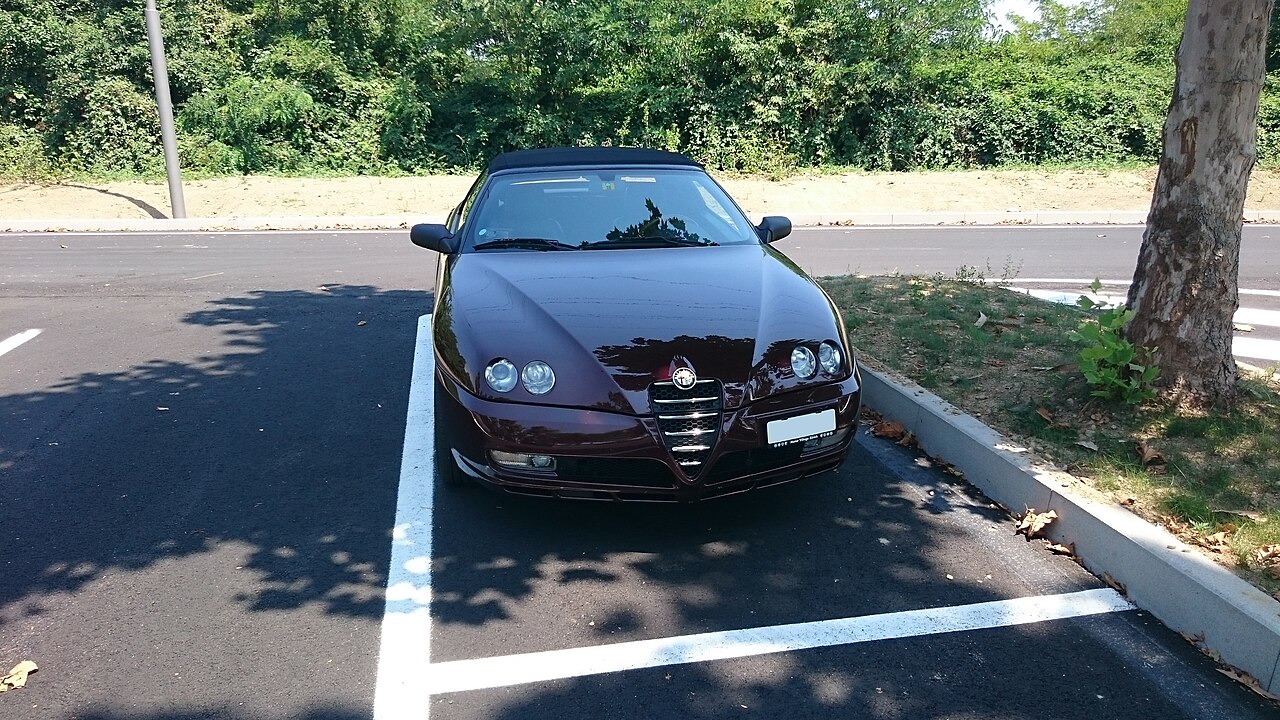
In 1974 Alfa built a one-off on this Spider: a Porsche-style solid rear window and lift-out roof panels, fewer than 2,000 made, the only Spider ever with a part-solid roof.
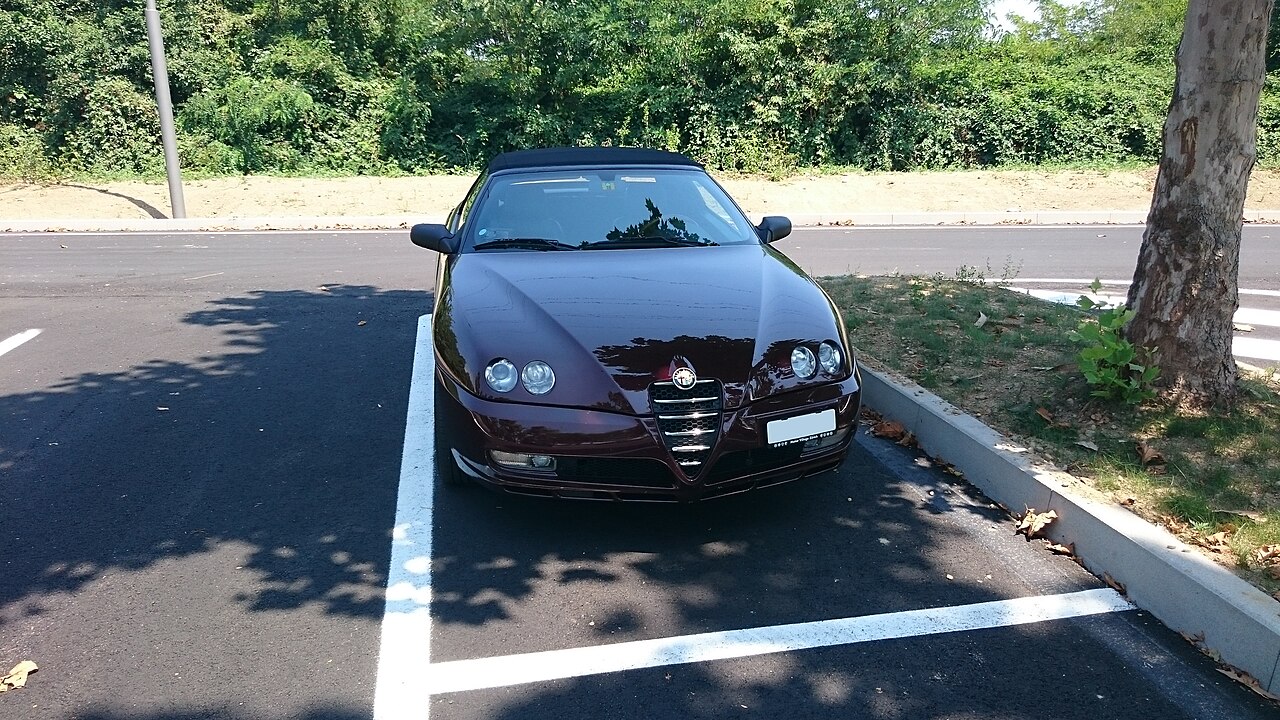
Over 100,000 people voted to name this car "Duetto" — but a chocolate-snack maker had already trademarked the word, and a Milan court ruling forced Alfa to sell it as the Spider 1600 instead.
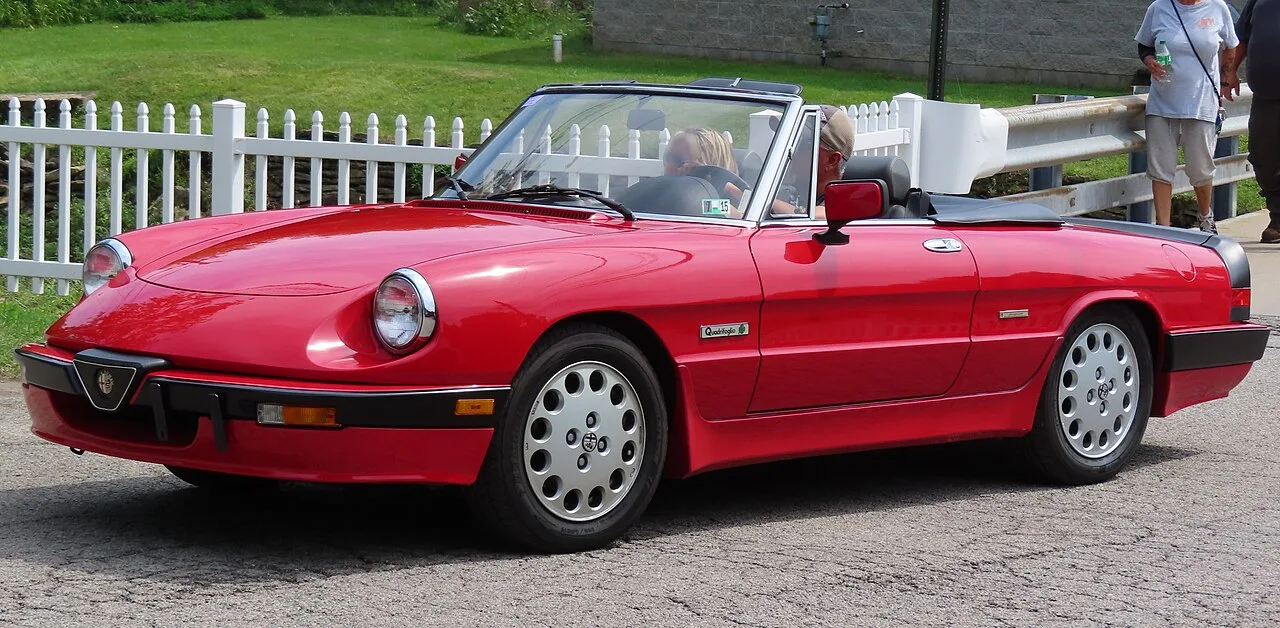
After nearly 25 years of manual-only Spiders, the final Series 4 cars quietly added something Alfa purists never expected: an optional automatic transmission.
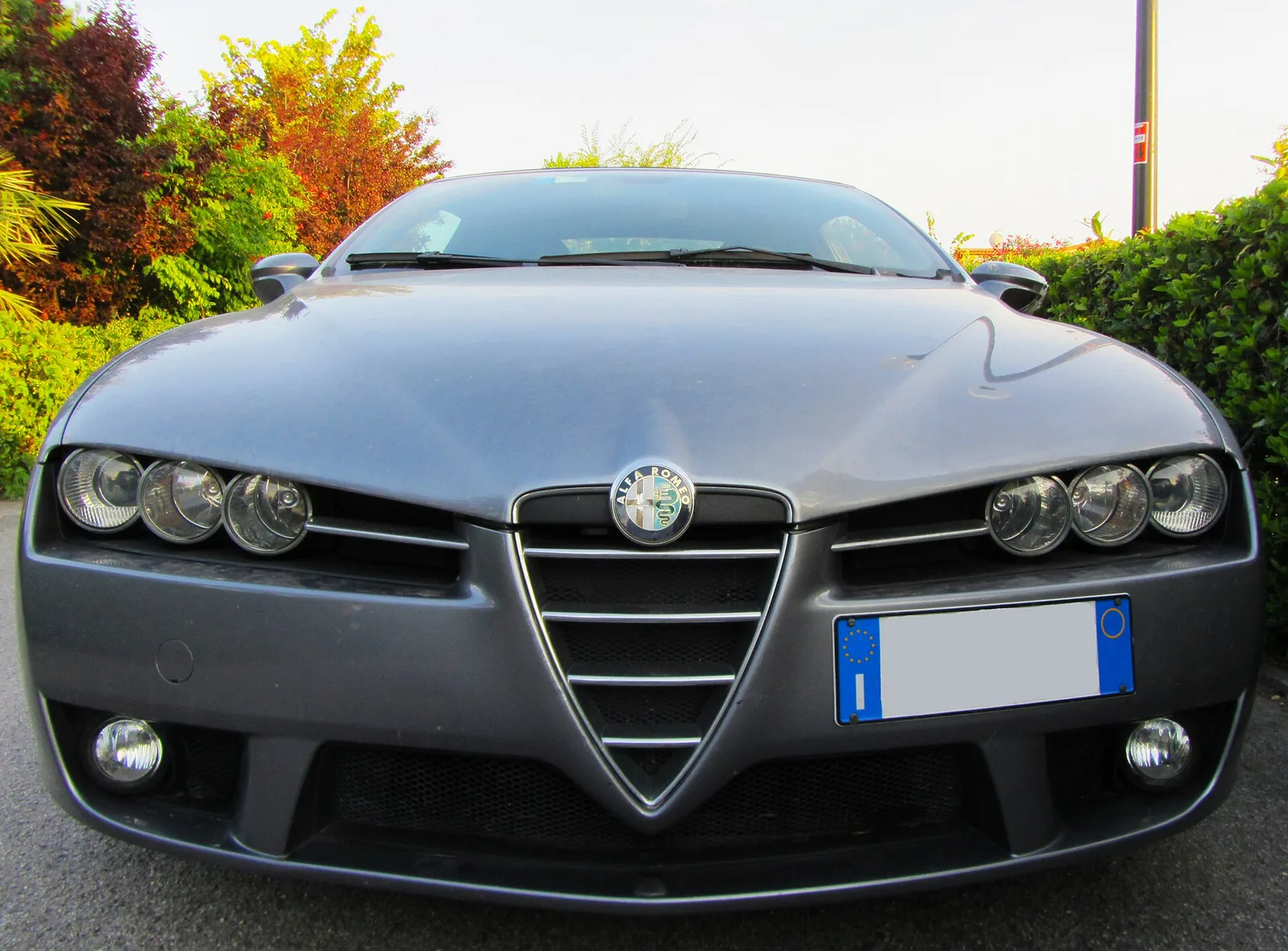
The mid-80s Spider's Quadrifoglio Verde trim went all-in on a single look: blood-red carpets and grey leather with red stitching, and it only ever came in three exterior colors.
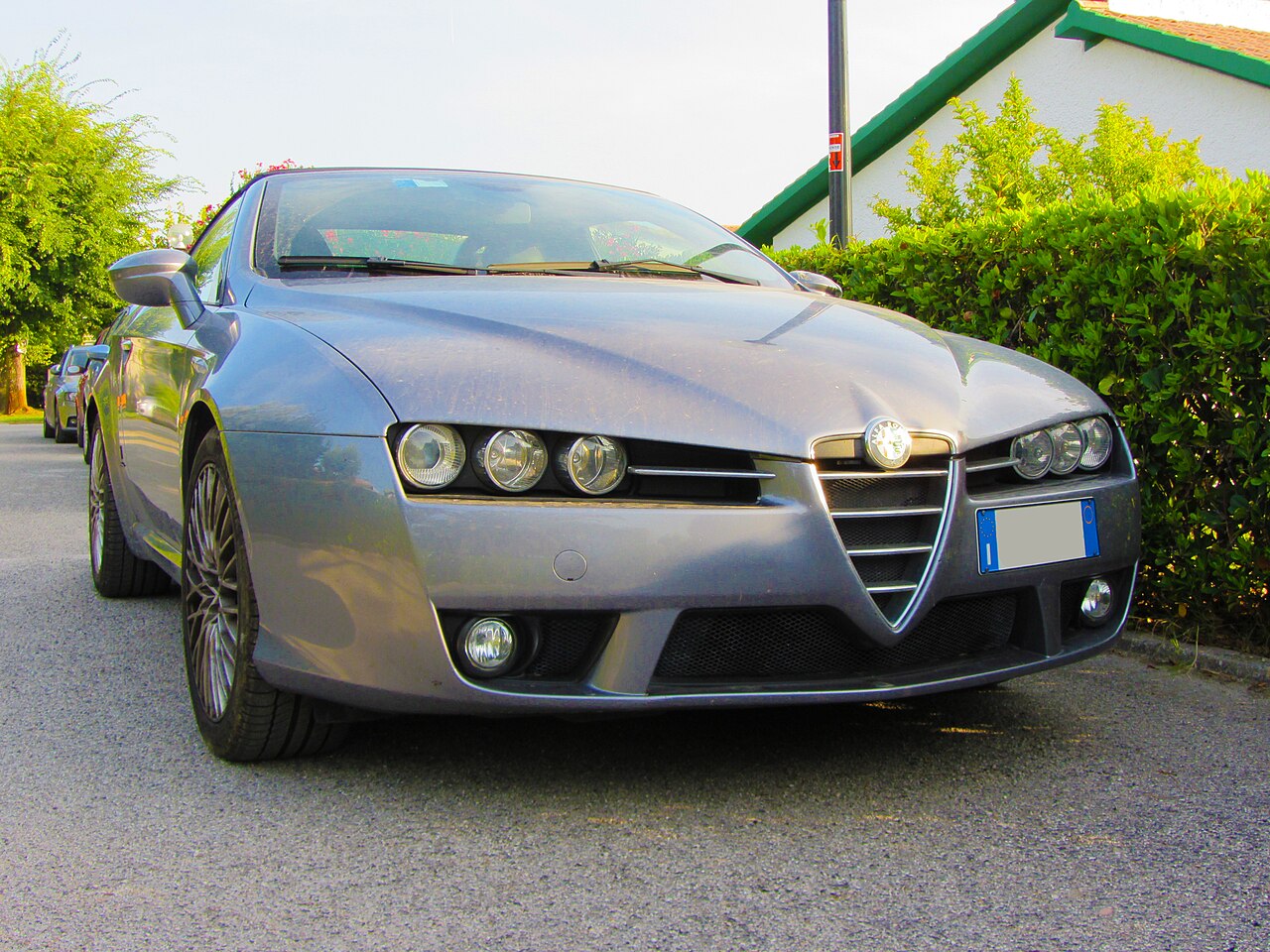
This Spider was built not by Alfa but by Pininfarina itself, on a platform shared with General Motors.
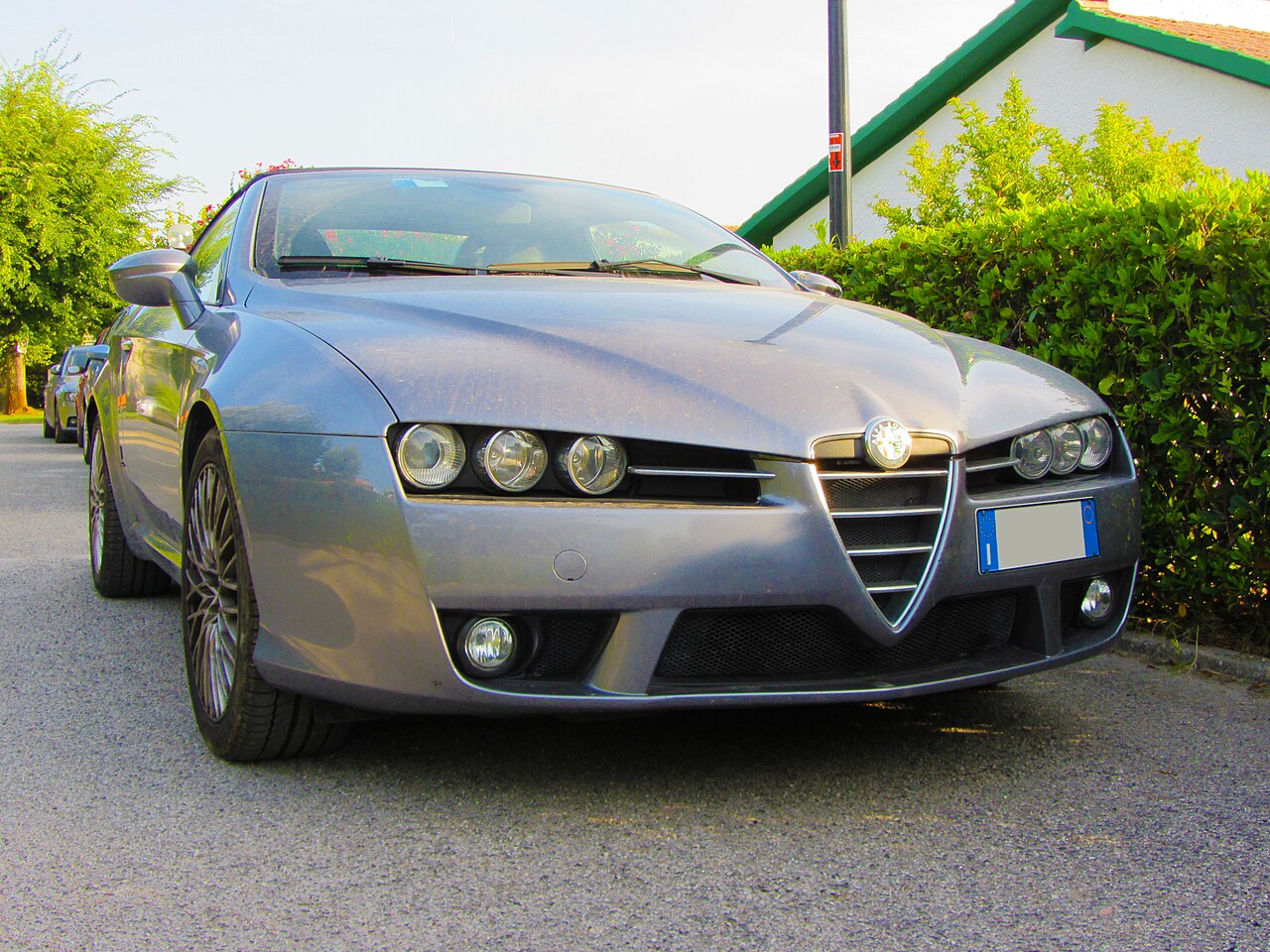
The 916 Spider's strongest naturally aspirated engine, the 192 PS 3.0 12V Busso V6, was never offered in its GTV coupe twin.
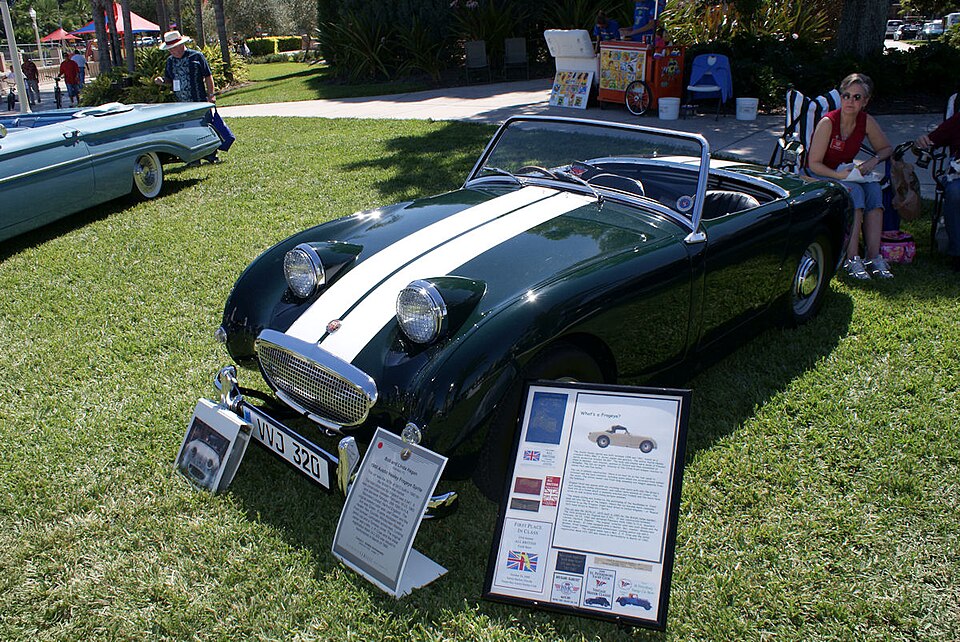
The Frogeye had no boot lid at all — owners reached the spare wheel by tilting the seats forward into the dark cavity behind, a ritual they likened to potholing.
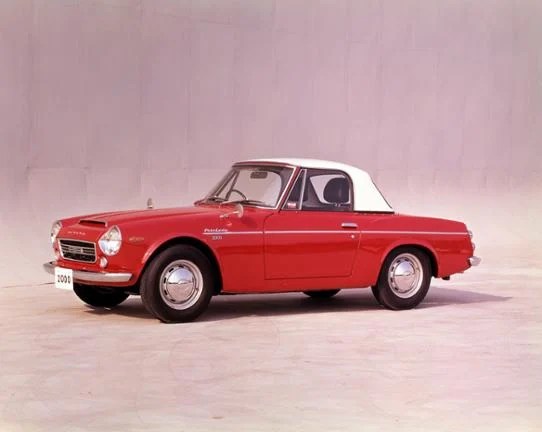
The Fairlady 2000's SR311 update came with a five-speed manual gearbox in 1967 — a genuinely unusual spec for any production car of that era.