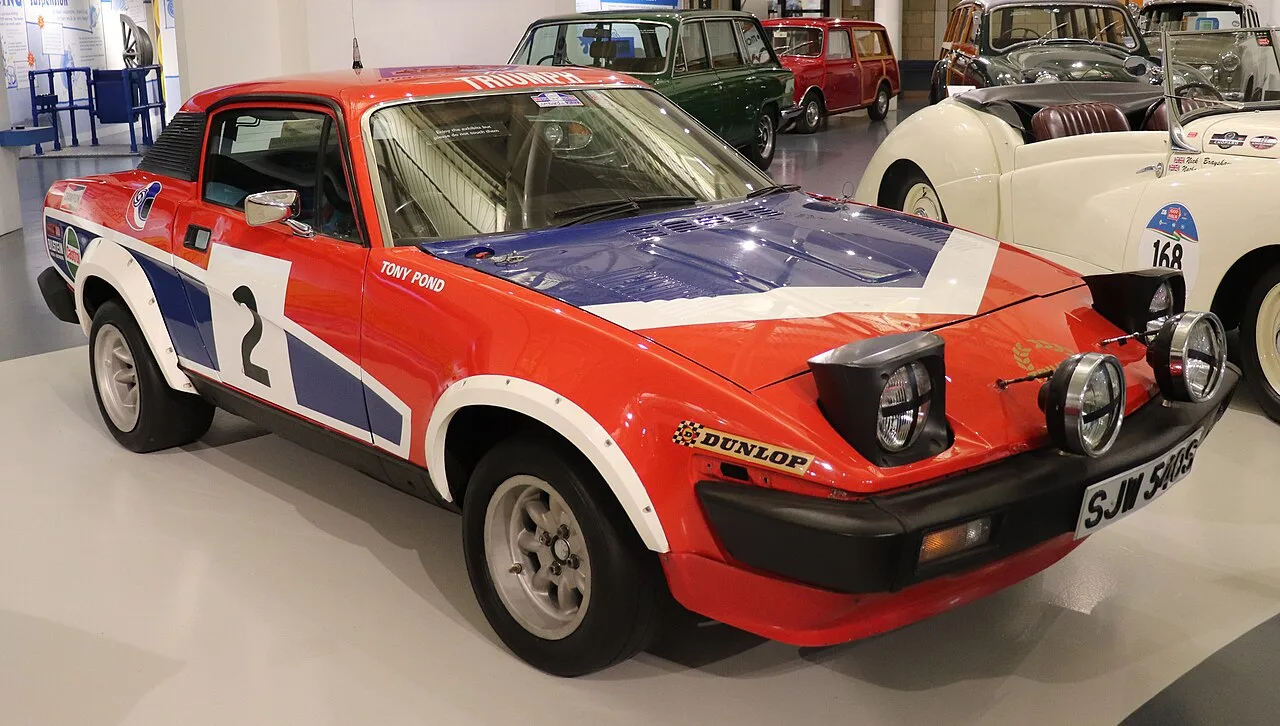
Triumph built the TR8 almost entirely for America. Genuine British-market TR8s exist, but they're so scarce they're exceedingly rare finds today.
Lead trim: TR8 3.5 Rover V8 carburettor (133 bhp) · up to 148 hp
Triumph TR7 / TR81978–1981
- 0spots by members
- Unclaimednobody has spotted one yet
- 0sets it belongs to
Nobody in Burbles has spotted a Triumph TR7 / TR8 yet. See one on the street, point the app at it, and the first card is yours — with your @handle permanently credited on this page.
FactTriumph built the TR8 almost entirely for America. Genuine British-market TR8s exist, but they're so scarce they're exceedingly rare finds today.
The Triumph TR8 is a sports car built by Triumph (British Leyland, through its Jaguar/Rover/Triumph division) from 1978 until 1981, the eight-cylinder version of the wedge-shaped TR7 designed by Harris Mann, with most sold in the United States and Canada. A V8 TR7 was planned early in the TR7's development (a prototype was produced in 1972) but delayed by British Leyland's finances, labour problems and lack of engines, as MG and Range Rover had first priority; by 1978 some 145 prototype cars had been built. It did not use Triumph's own single-overhead-cam Stag V8, because of its weight and service record, but shared the Rover SD1's 3,528 cc Rover V8, derived from an early-1960s Buick/Oldsmobile all-aluminium 215 cu in V8. TR8s were initially fitted with twin Zenith-Stromberg carburettors; about 400 1980 models sold in California, all 1981 models (only 352 produced, including twenty carbed cars for the UK) and all 1982 models (seventy, all to Canada) had Bosch L-Jetronic fuel injection. The 1980 carburettor model was rated 133 bhp at 5000 rpm and the fuel-injected California version 137 bhp; for 1981 all North American cars received a unified fuel-injected version with 148 bhp at 5100 rpm and 0–60 mph in the low 8 seconds. Other differences from the TR7 were upgraded brakes, a revised 3.08:1 axle ratio, a battery in the boot, alloy wheels and a leather steering wheel. Only about 400 TR8 coupés were built (a further 145–150 pre-production coupés, some sold in Canada as 1979 models, most held back and sold in the US as 1980 models), and after the Michelotti-refreshed TR7 Drophead arrived in 1979 almost all subsequent TR8s were convertibles; total production was around 2,750 (estimates 2,722–2,815). The UK launch was planned, with four prototypes and 18 pre-production cars, but British Leyland cancelled it, and the TR7 and TR8 were made until October 1981.
Collectors Spotted in the Triumph TR7 / TR8 Lineage
No member has published a public street spot of the Triumph TR7 / TR8 yet — the First · Worldwide stamp is wide open.
Trims & Figures
3 published trims in the catalogue. A blank is a figure not recorded, not zero.
| Trim | Years | Engine | Power | Torque | 0–60 | Drive | Gearbox | MSRP |
|---|---|---|---|---|---|---|---|---|
| TR8 3.5 Rover V8 carburettor (133 bhp) | 1980–1980 | 3.5 L V8 | 133 hp | — | — | RWD | — | — |
| TR8 3.5 Rover V8 fuel-injected (148 bhp, 1981 North America) | 1981–1981 | 3.5 L V8 | 148 hp | — | — | RWD | — | — |
| TR8 3.5 Rover V8 fuel-injected California (137 bhp) | 1980–1980 | 3.5 L V8 | 137 hp | — | — | RWD | — | — |
Owning one
We don’t estimate running costs for a car like this. What it costs depends on its condition, its specialist and how it is driven, and an average would mislead.
Owners’ builds
Nobody has claimed one yet.
Photographs
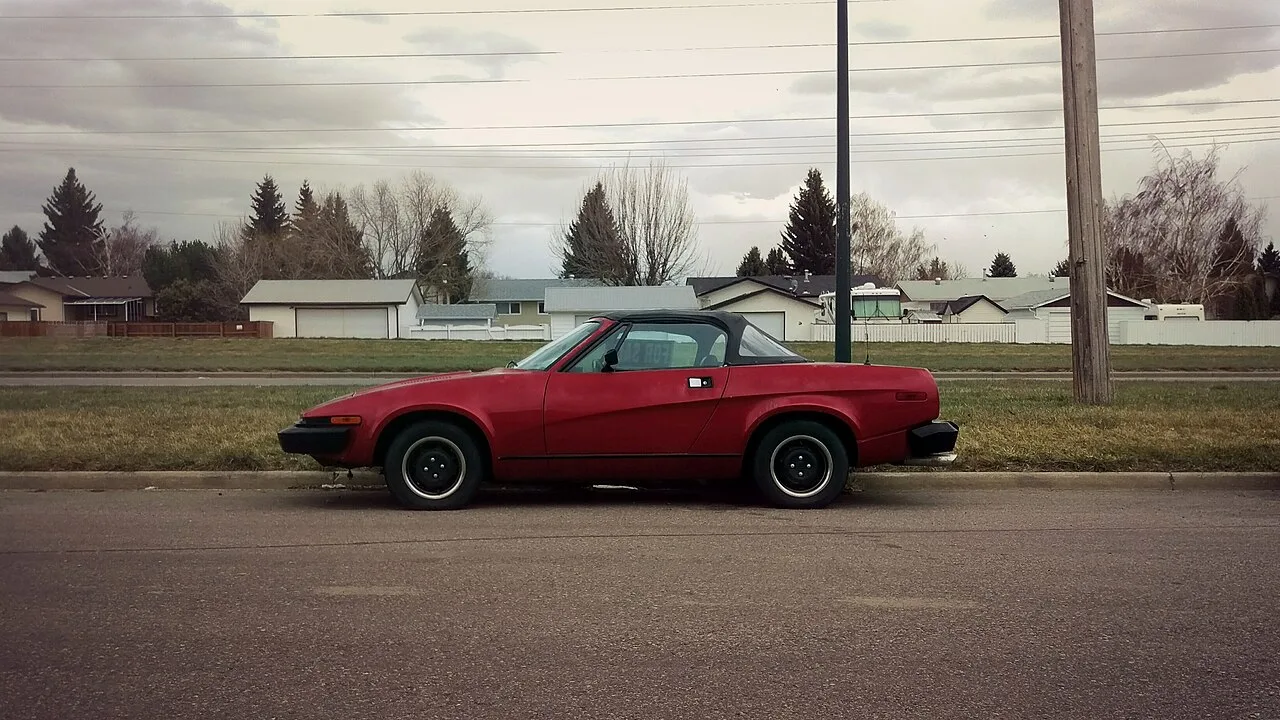
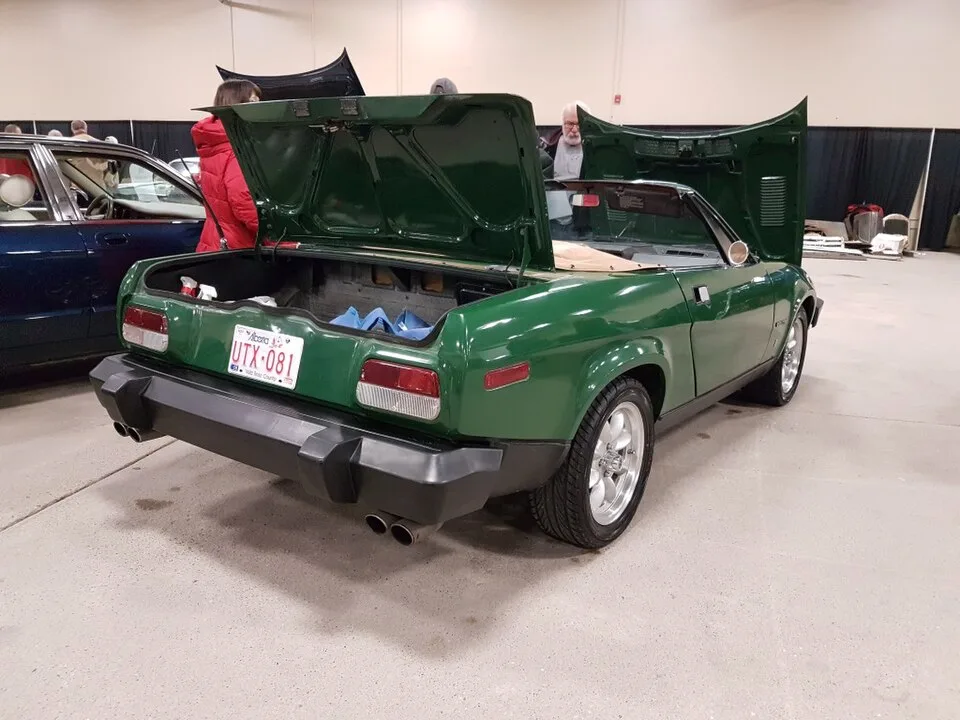
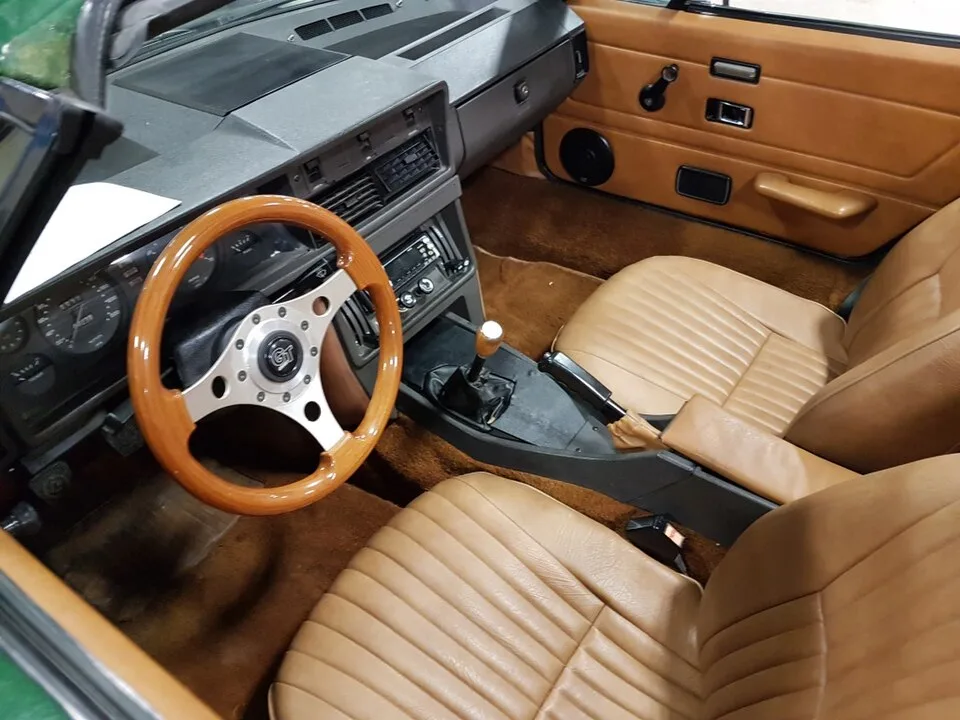
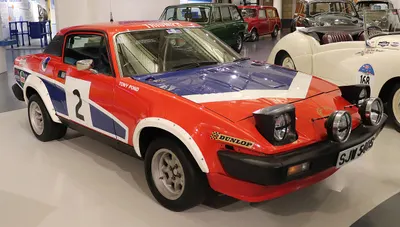
Triumph built the TR8 almost entirely for America. Genuine British-market TR8s exist, but they're so scarce they're exceedingly rare finds today.
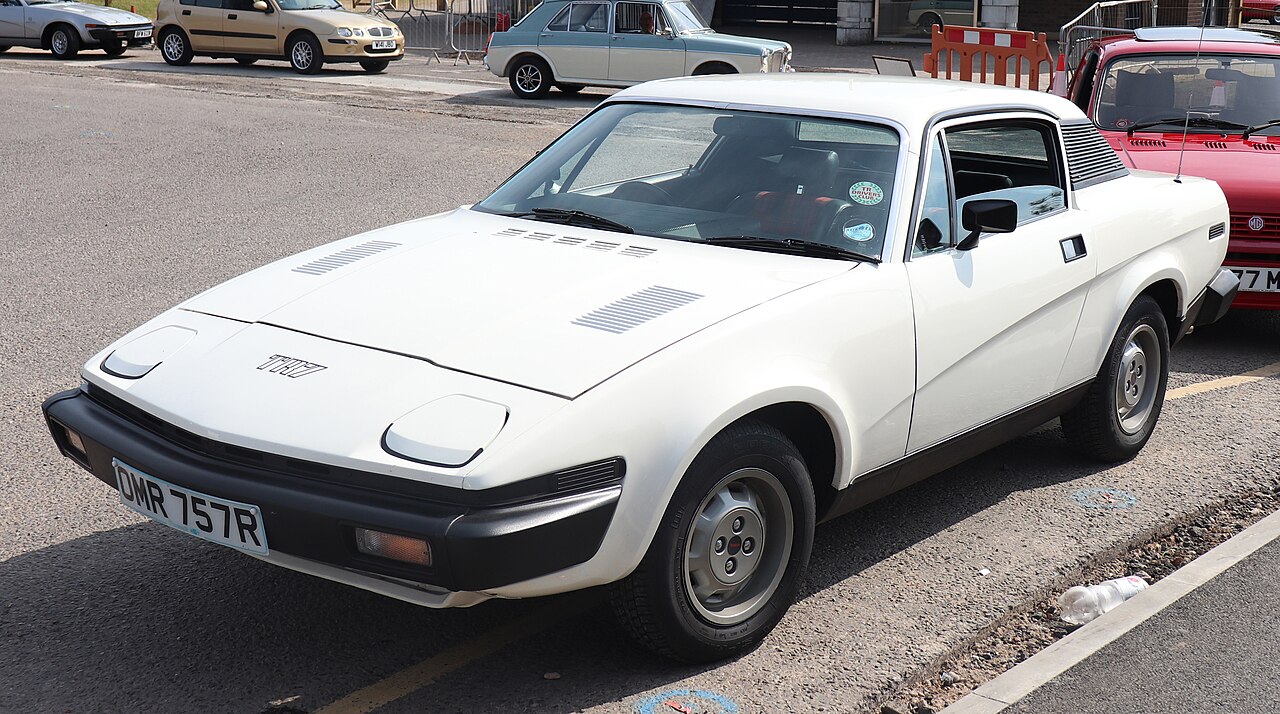
The TR7 broke Triumph's own tradition by launching as a fixed-roof coupe only — British Leyland was dodging a US convertible ban that was rumored to be coming. It never happened, and Triumph added a drophead version in 1979 anyway.
Rivals
Same body, same money, other badges — tap any card to flip.
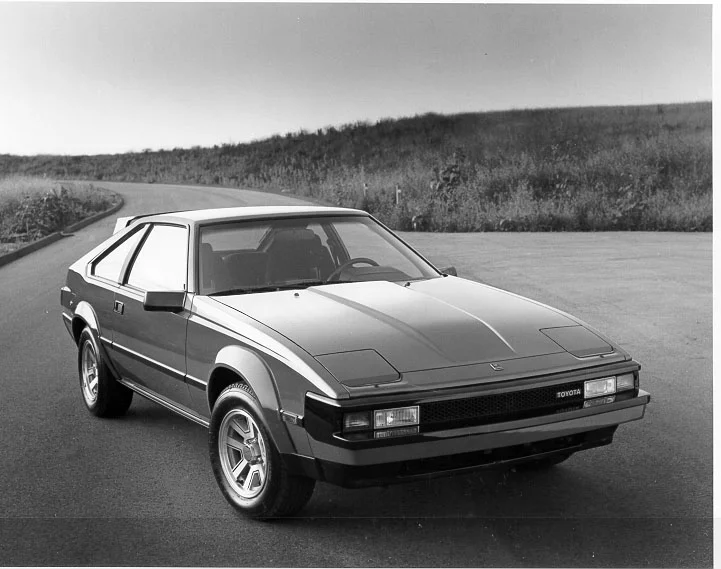
The Celica XX, Japan's name for the A60 Supra, introduced the world's first in-car navigation computer.
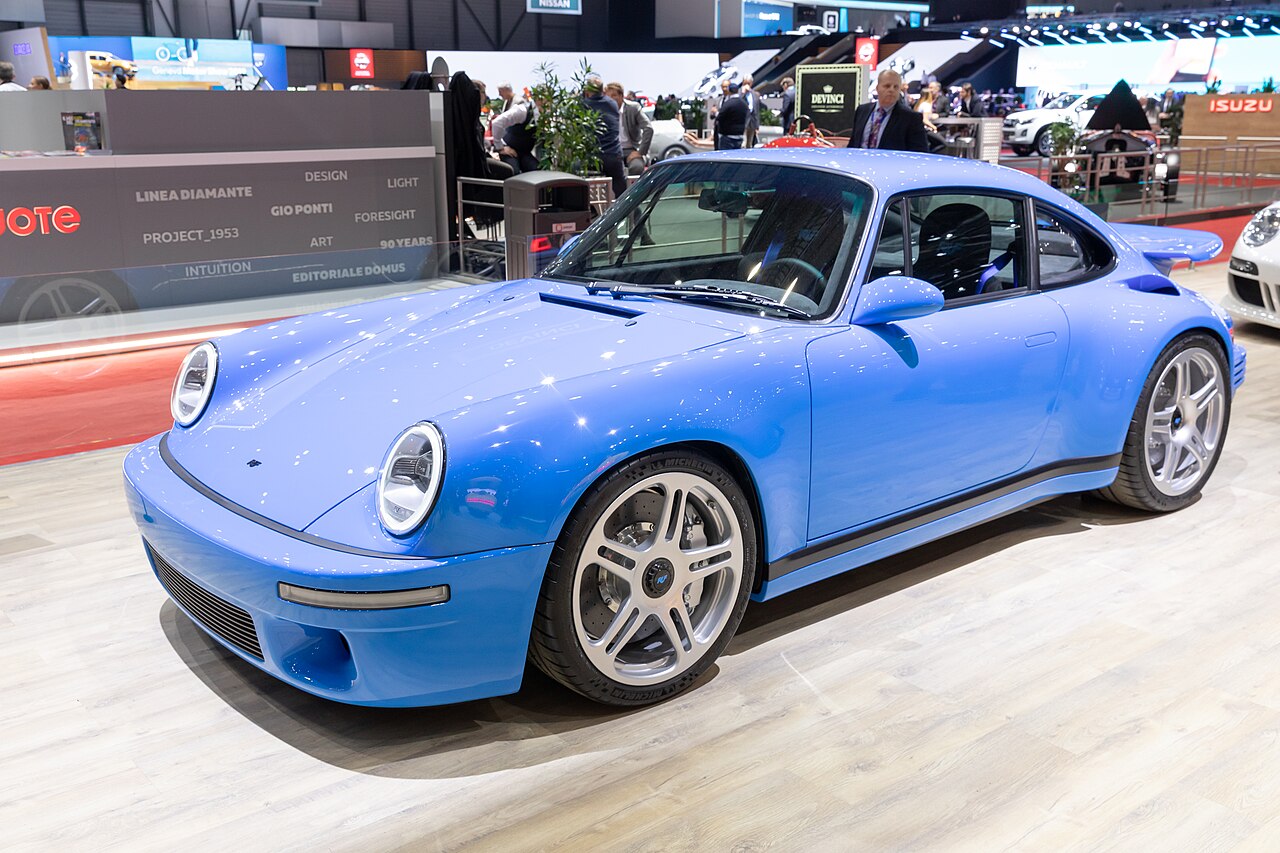
The CTR Anniversary looks like a 911 but Ruf built its carbon monocoque from scratch, no Porsche body underneath.
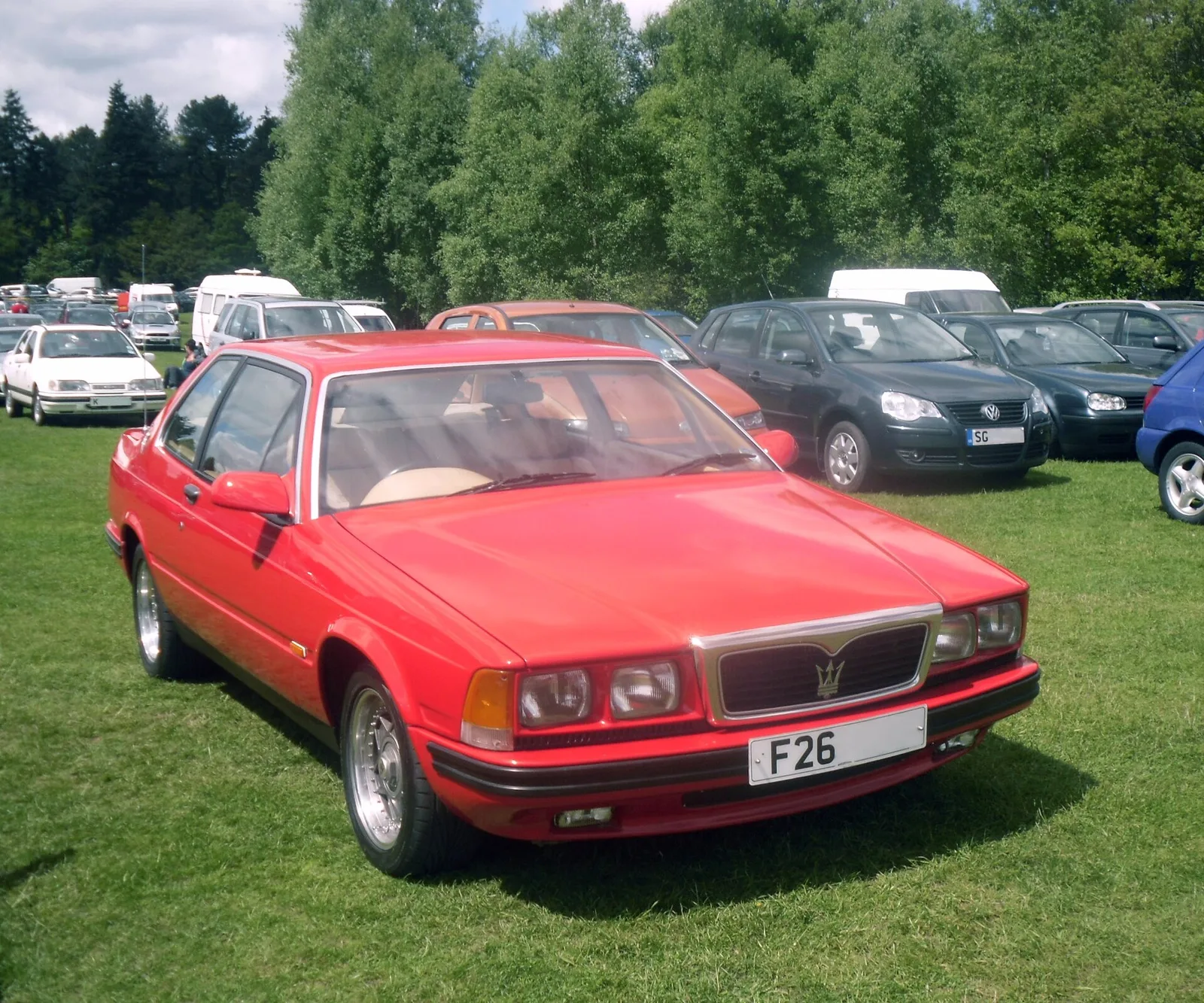
The 228's coupe styling hides a sedan underneath: Maserati stretched it onto the longer four-door Biturbo chassis to make room for its biggest V6, which is literally where the name comes from — 2-door, 2.8 litre.
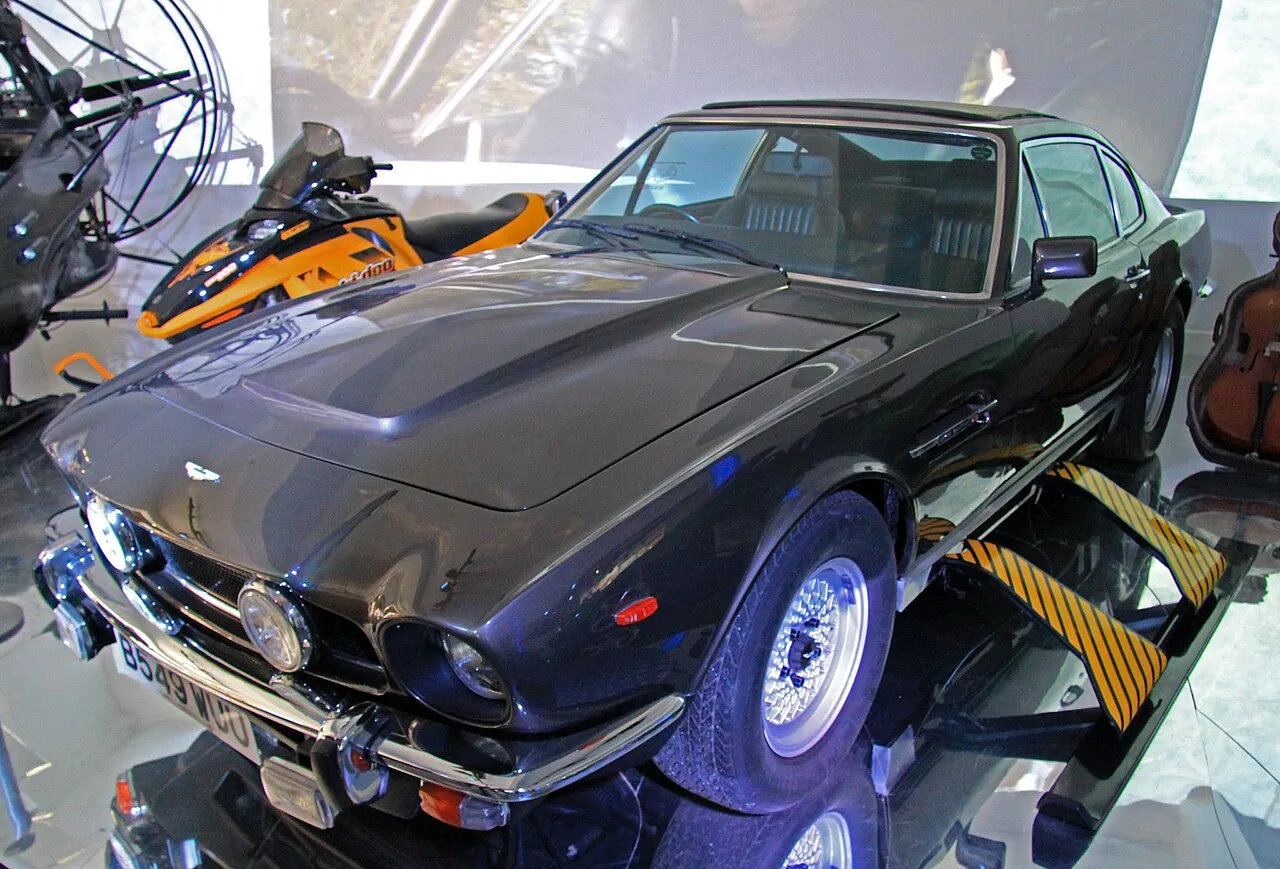
Switching to fuel injection let this V8 finally shed its trademark bonnet bulge — and only 405 of these flat-hooded Series 5 cars were built before the whole model retired in 1989.
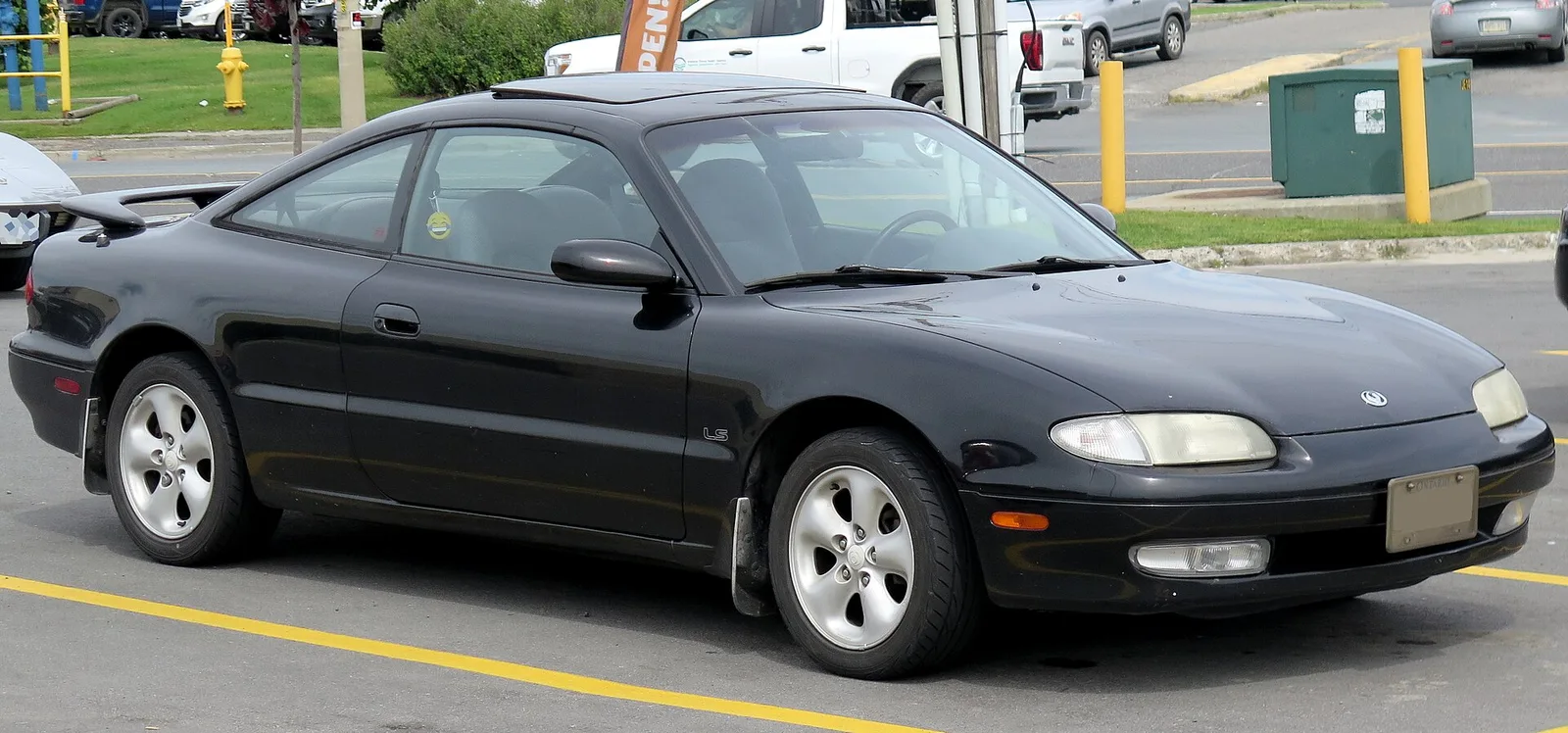
Japanese buyers got a secret weapon in their MX-6 — the JDM-only KL-ZE V6 made about 40 more horsepower than the engine sold in the exact same car in North America.
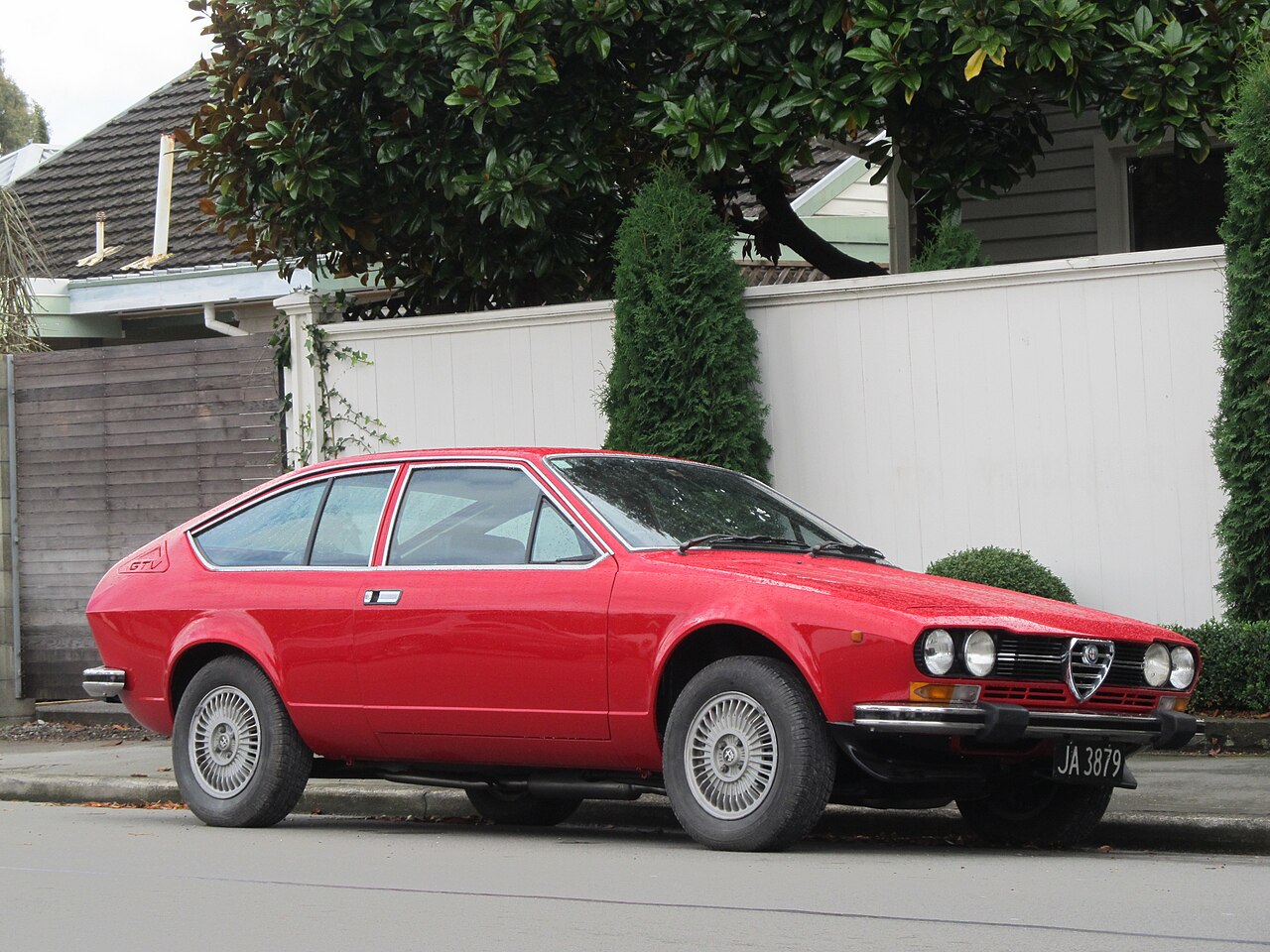
An American tuner, Callaway Cars, built twin-turbo conversions of the GTV6 that boosted its V6 by fifty percent to 230 hp — turning Alfa's grand tourer into something far quicker than the factory ever intended.
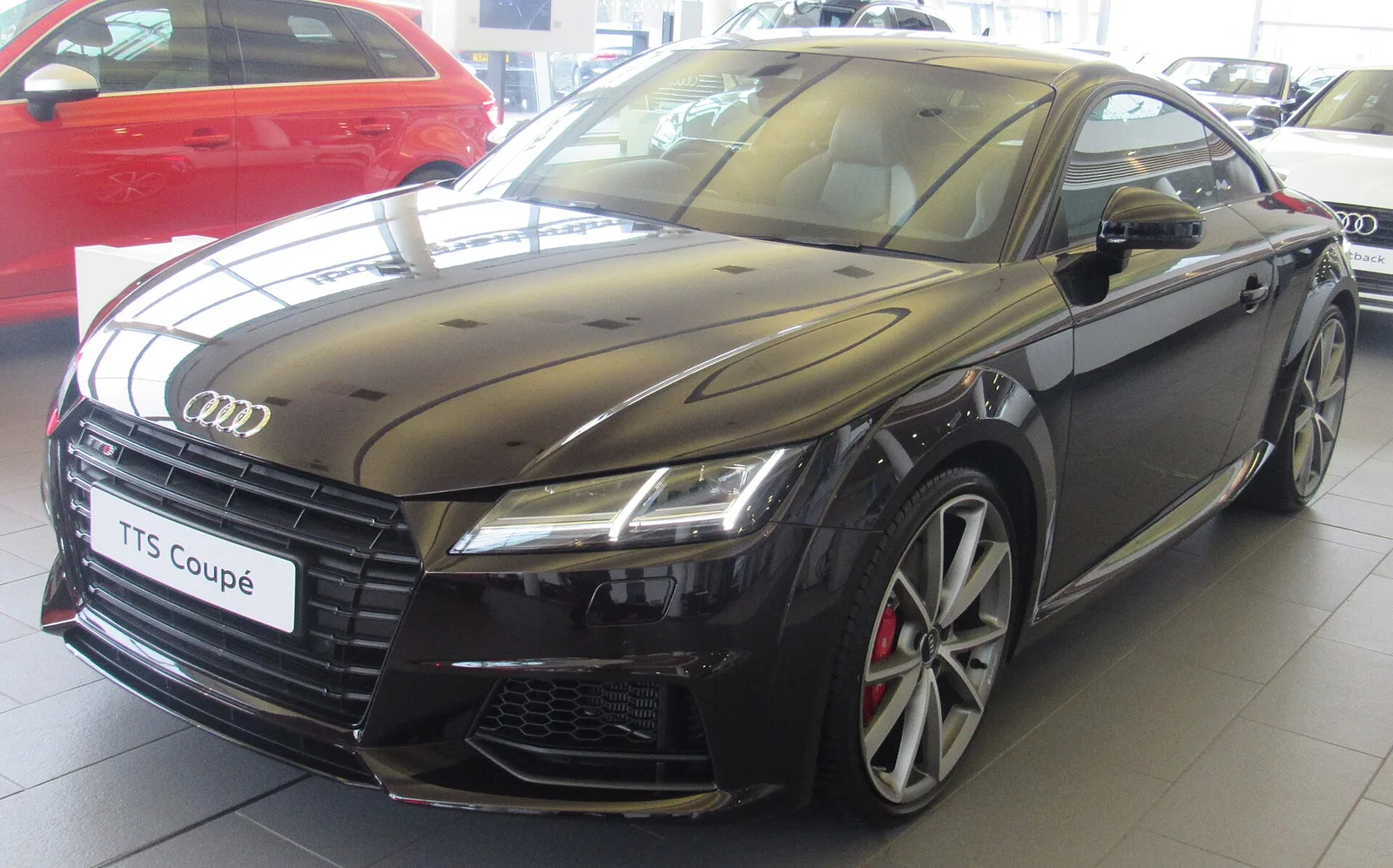
Audi TTS Coupe · TTS Coupe (2016–2023) · 2016–2023.
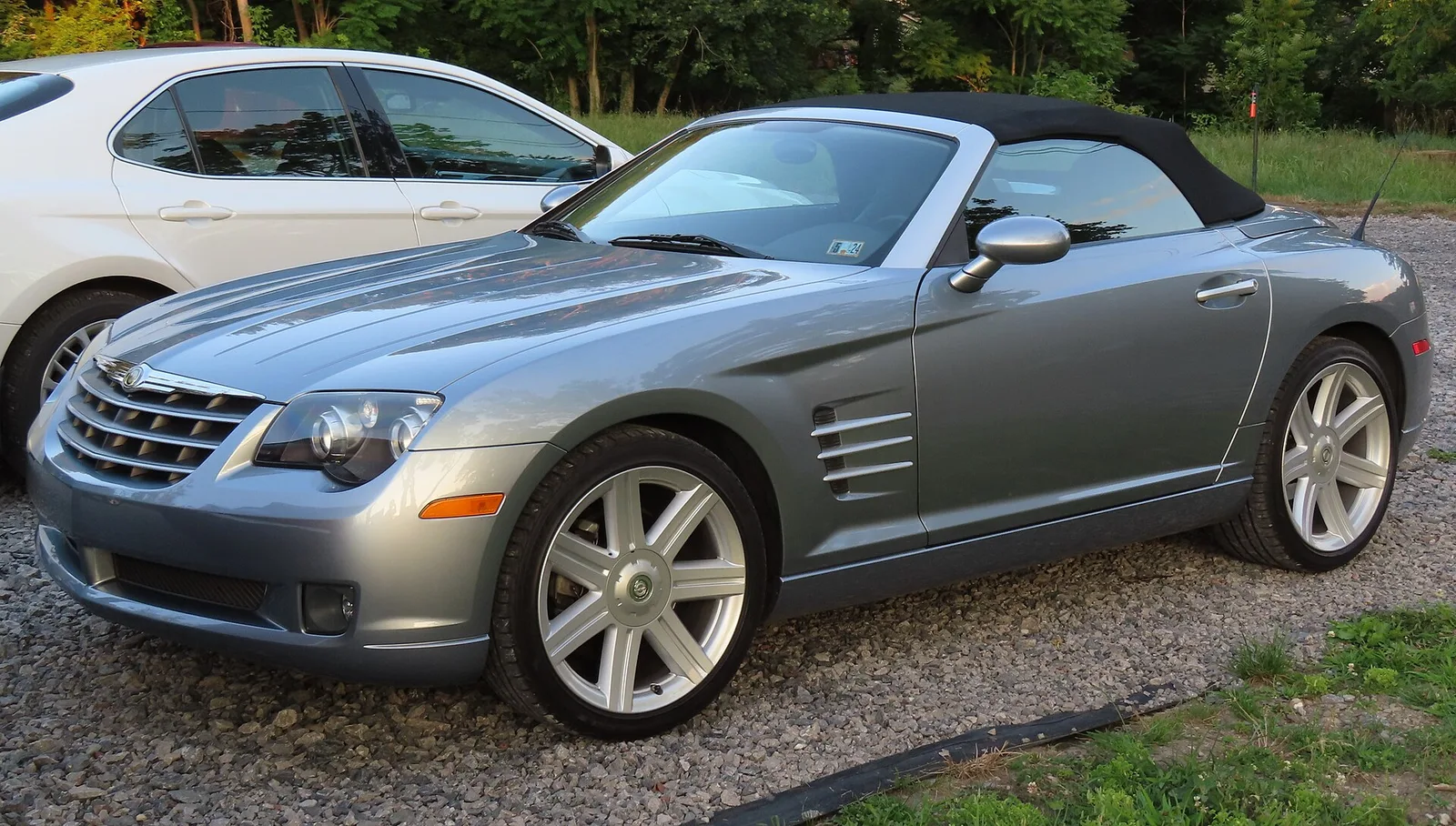
A product of the DaimlerChrysler merger, the Crossfire shares 80% of its parts with the Mercedes-Benz SLK — German bones under American badges.