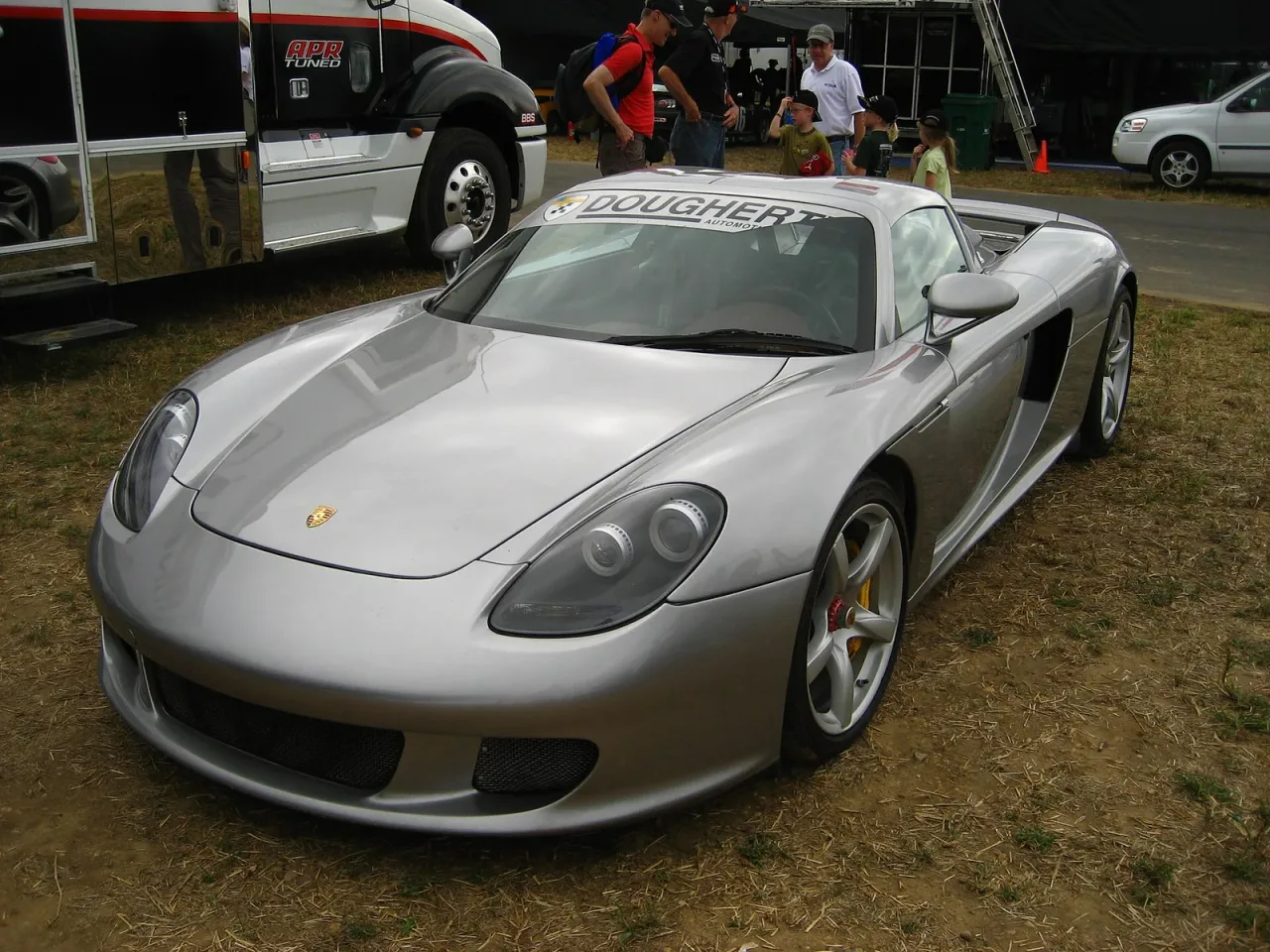
The Carrera GT's V10 engine originated from a canceled Le Mans prototype program Porsche shelved in 1999.
Lead trim: Base
Porsche Carrera GT2004–2005
- 0spots by members
- Unclaimednobody has spotted one yet
- 2sets it belongs to
Nobody in Burbles has spotted a Porsche Carrera GT yet. See one on the street, point the app at it, and the first card is yours — with your @handle permanently credited on this page.
FactThe Carrera GT's V10 engine originated from a canceled Le Mans prototype program Porsche shelved in 1999.
Collectors Spotted in the Porsche Carrera GT Lineage
No member has published a public street spot of the Porsche Carrera GT yet — the First · Worldwide stamp is wide open.
Trims & Figures
One published trim in the catalogue. A blank is a figure not recorded, not zero.
| Trim | Years | Engine | Power | Torque | 0–60 | Drive | Gearbox | MSRP |
|---|---|---|---|---|---|---|---|---|
| Base | 2004–2005 | 5.7 L V10 | 605 hp | 435 lb-ft | — | RWD | Manual 6-spd | — |
Owning one
We don’t estimate running costs for a car like this. What it costs depends on its condition, its specialist and how it is driven, and an average would mislead.
Owners’ builds
Nobody has claimed one yet.
Photographs
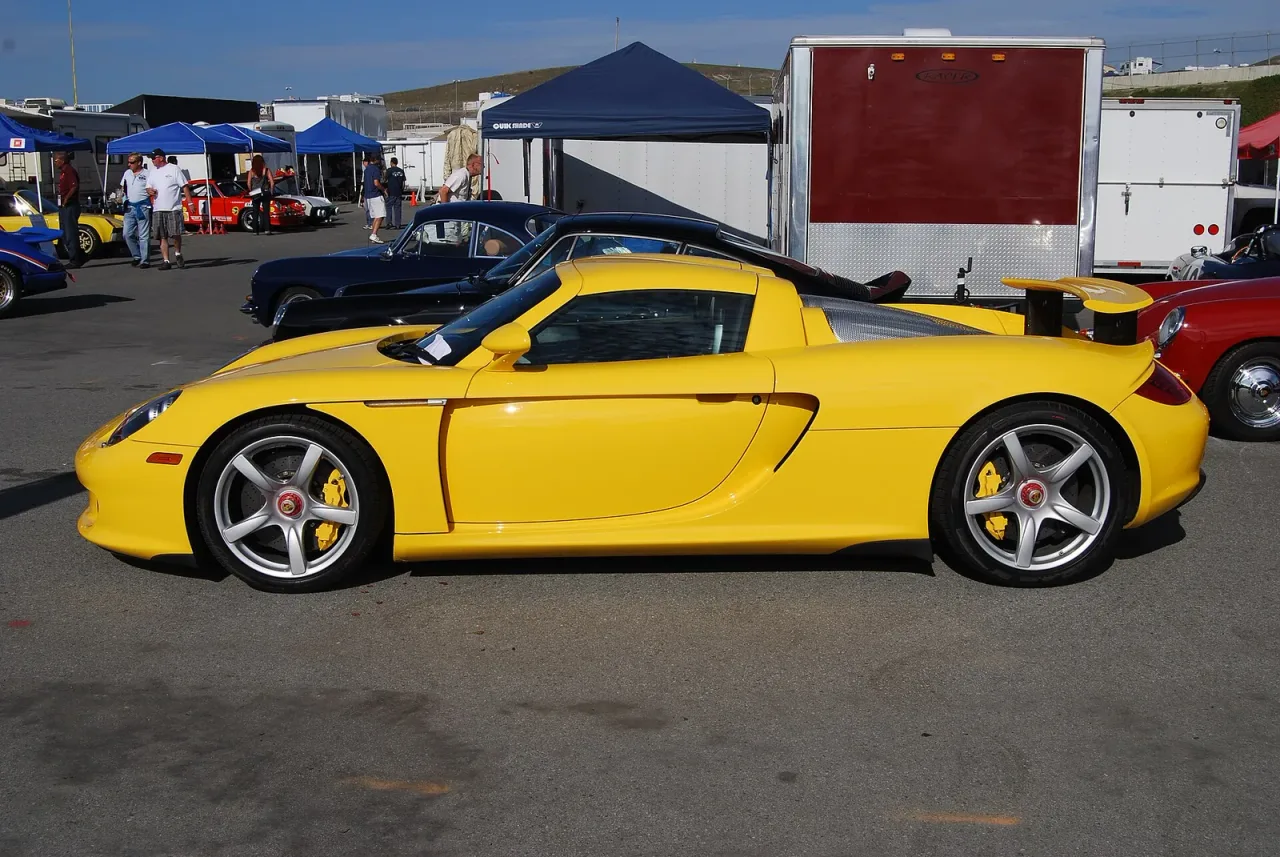
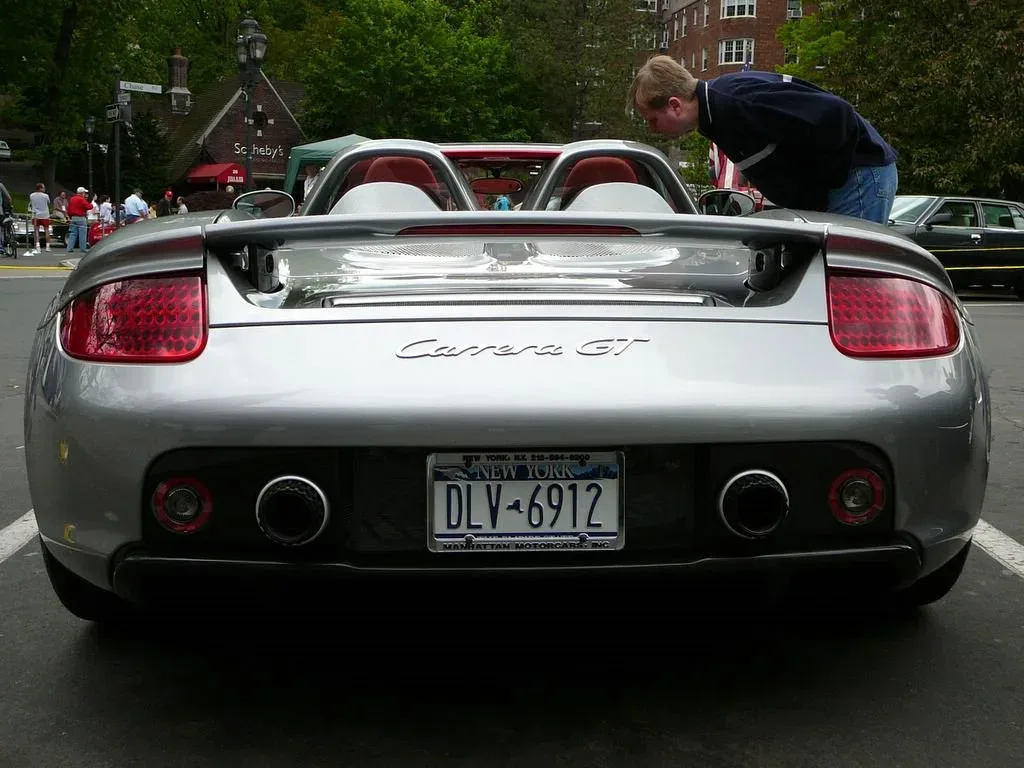
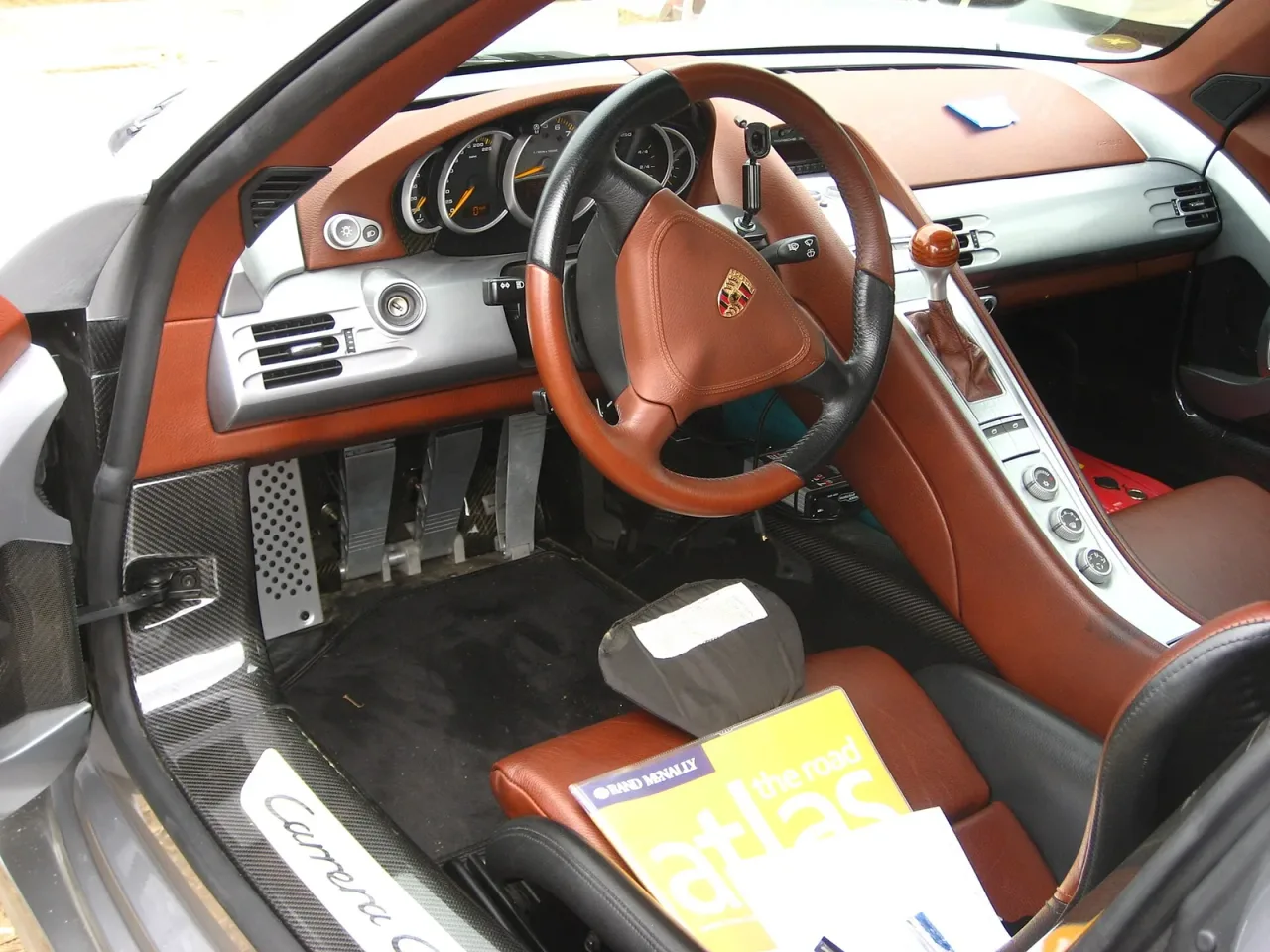
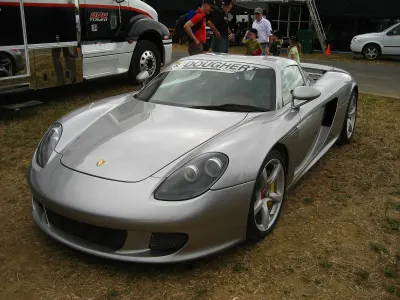
The Carrera GT's V10 engine originated from a canceled Le Mans prototype program Porsche shelved in 1999.
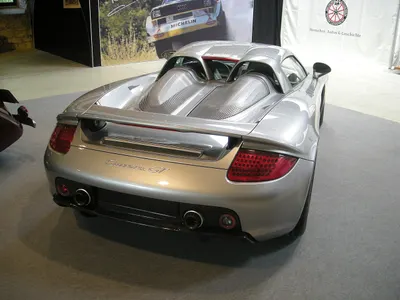
The Carrera GT's V10 traces back to a cancelled Le Mans prototype program, the LMP2000, which Porsche shelved before racing it once.
Rivals
Same body, same money, other badges — tap any card to flip.
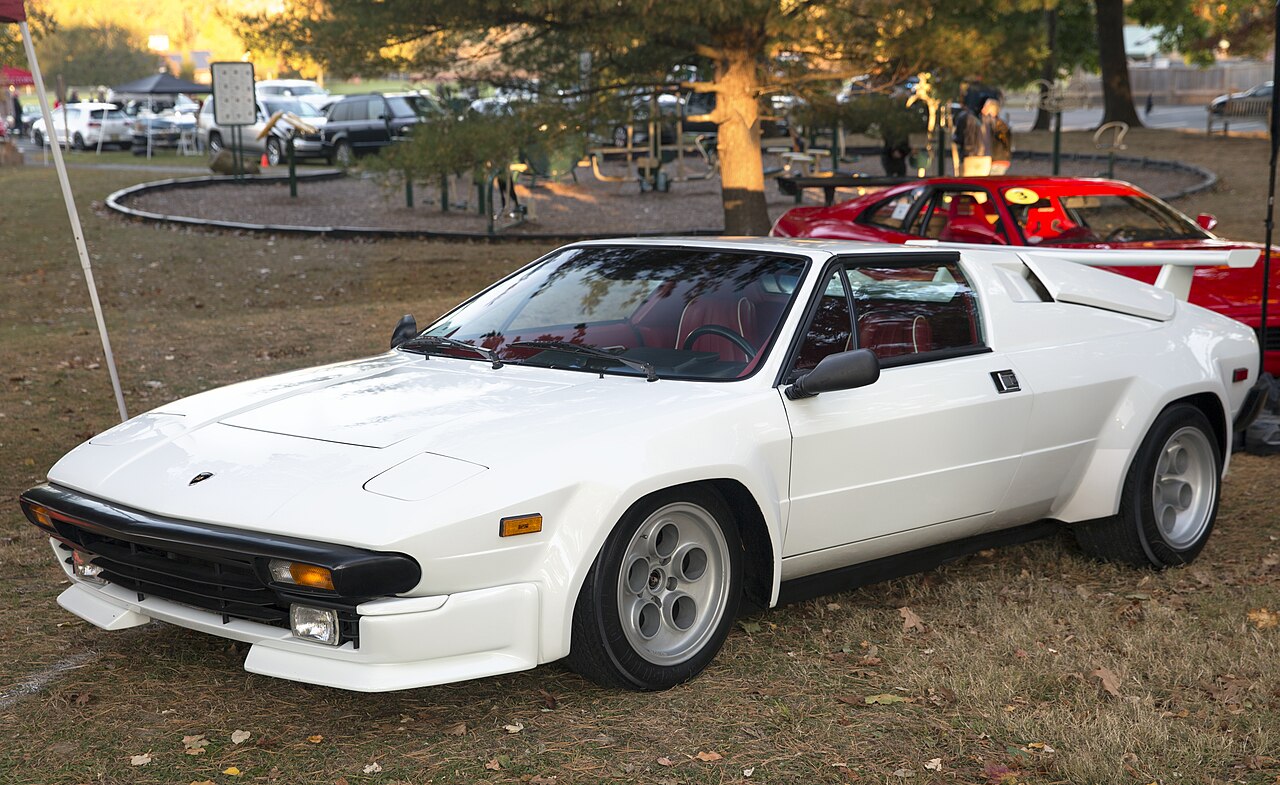
The Jalpa's name comes from a breed of fighting bull, continuing Lamborghini's tradition of naming models after bulls.
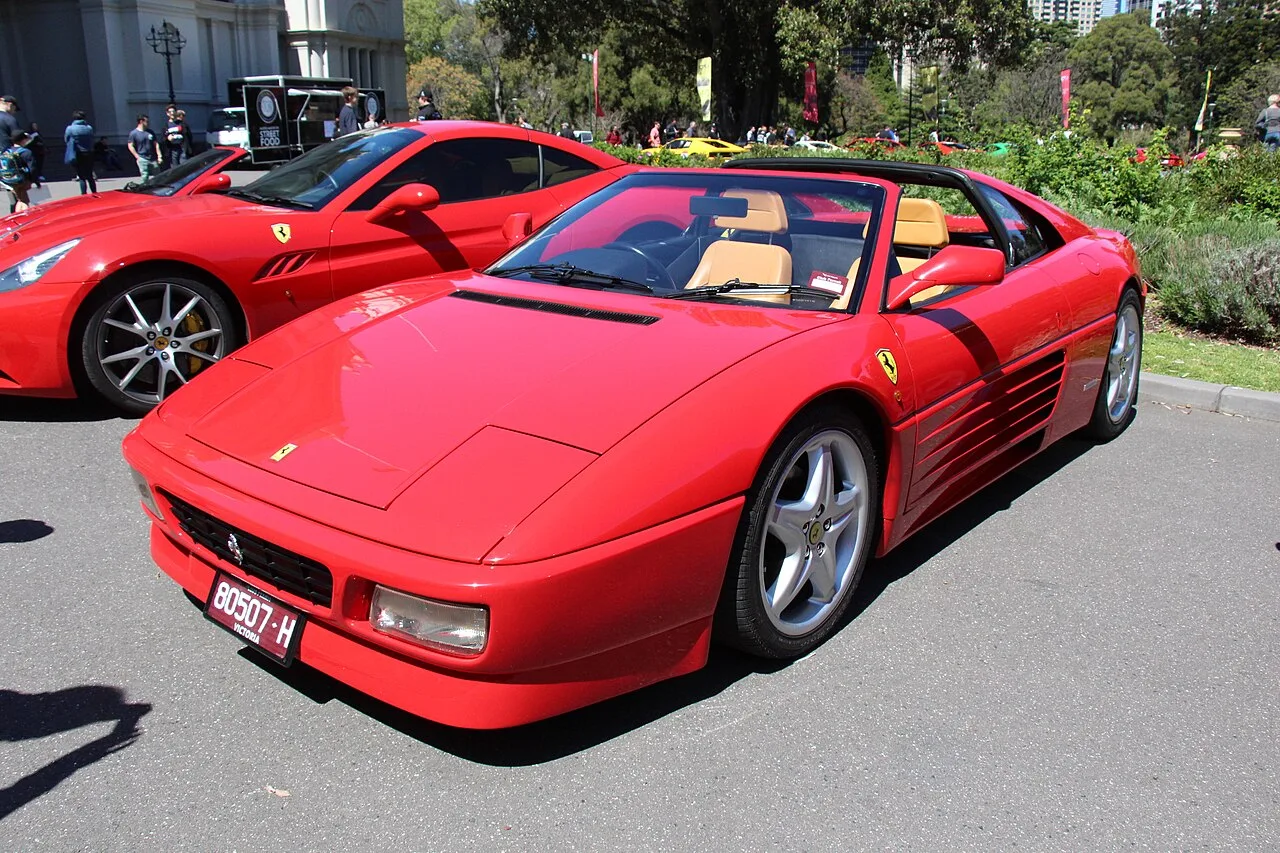
The 348 brought Formula 1 to the road: its transverse gearbox layout was adapted straight from Ferrari's 312T Grand Prix car.
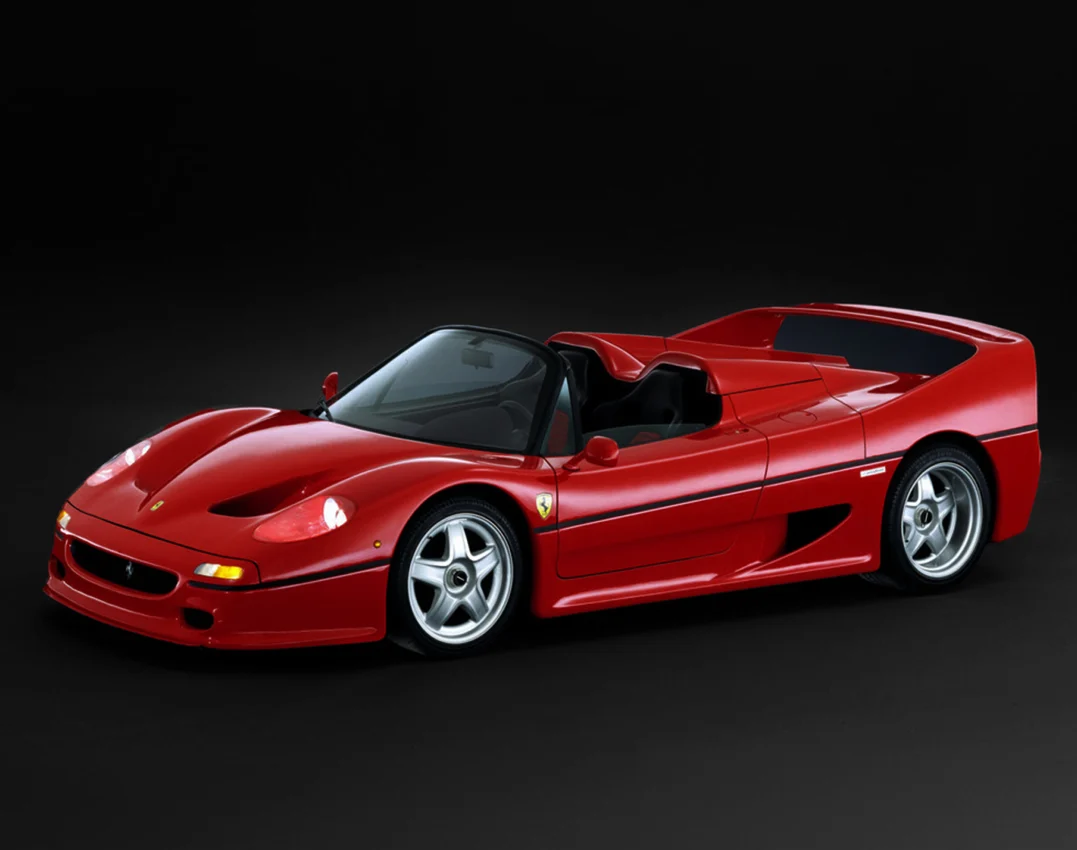
The F50's V12 traces its architecture directly to the 3.5-litre engine of Ferrari's 1990 641 Formula One car.
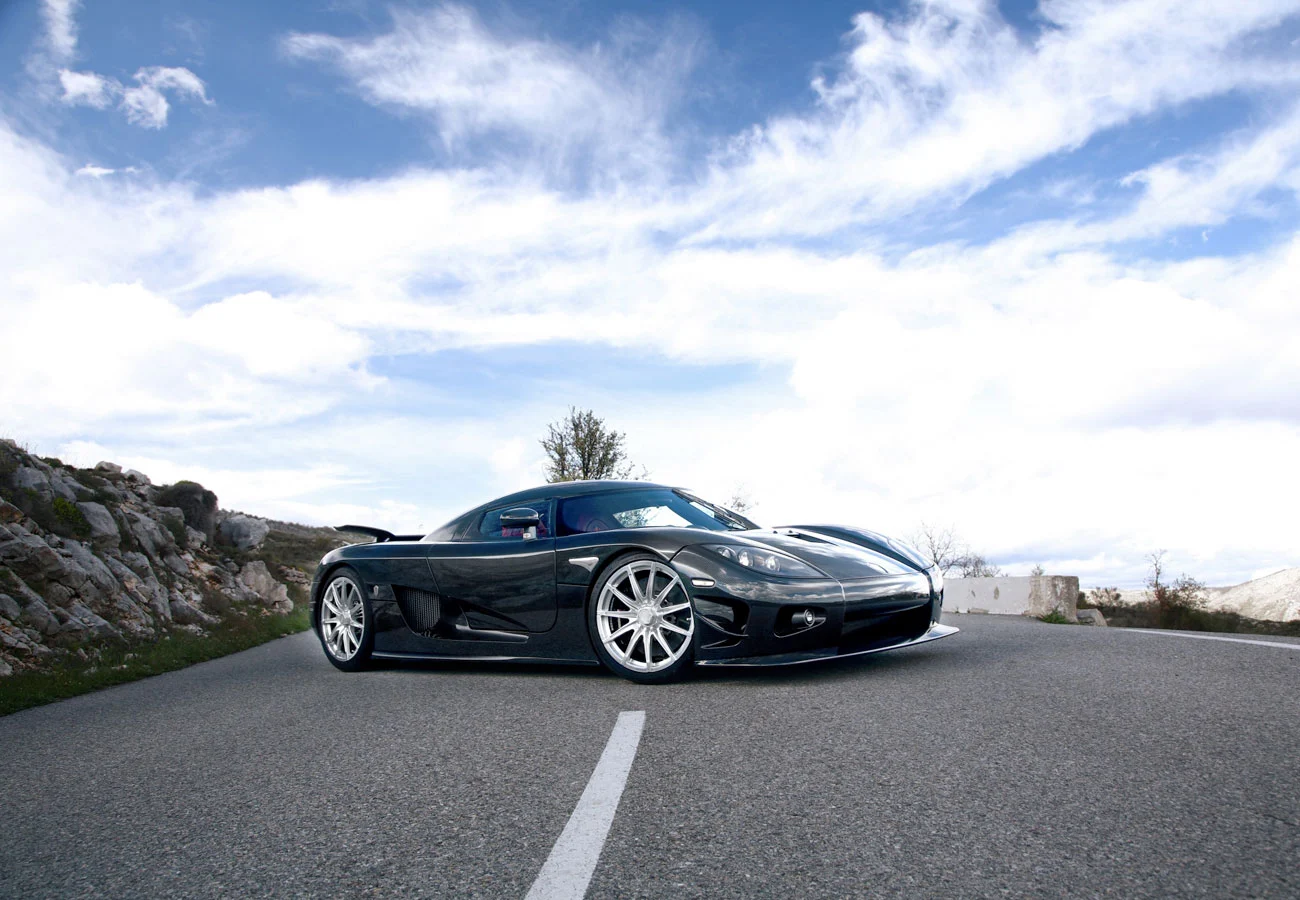
Koenigsegg built only two CCX Editions, a number so small it undercuts most limited runs by a factor of ten.
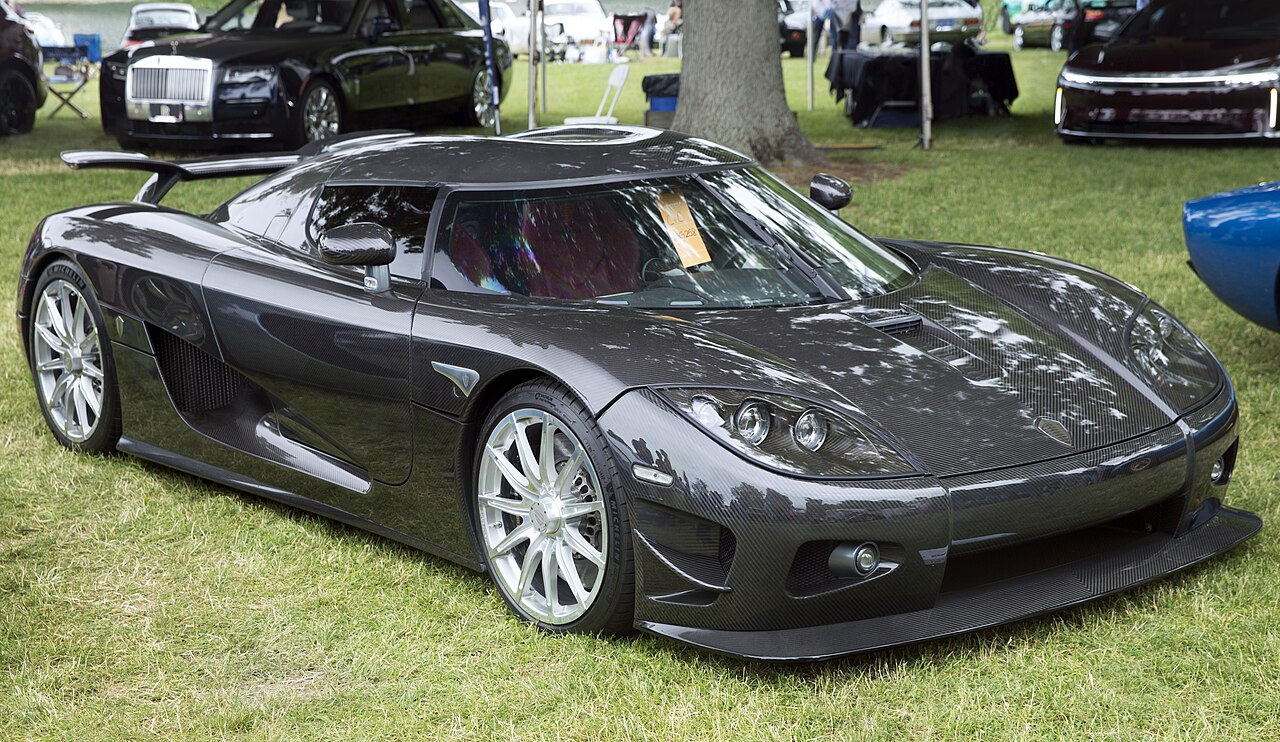
The CCX exists because Koenigsegg redesigned its entire hypercar around one goal: finally meeting US safety and emissions rules so Americans could legally buy one.
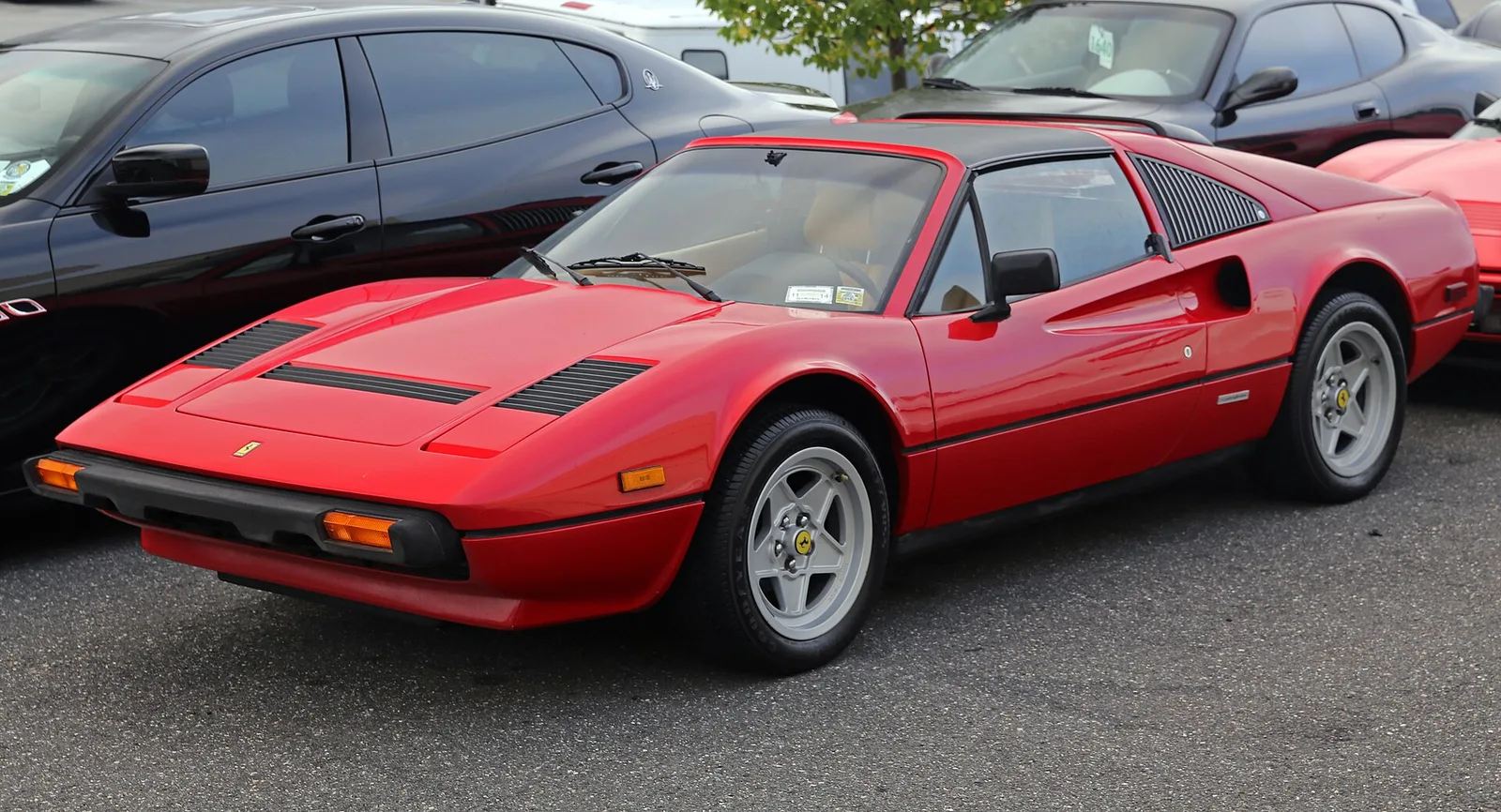
This 308's four-valve heads weren't only about more power — they solved a real problem: the earlier two-valve engine's sodium-filled valves were known to fail at the joint between head and stem.
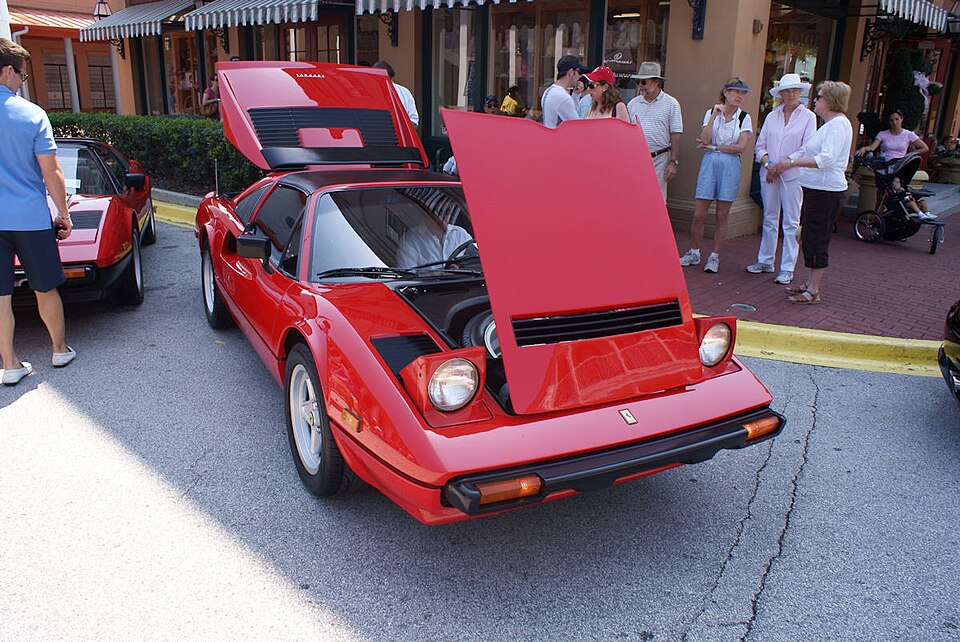
This 308 became a TV icon by accident of casting: Tom Selleck drove one around Oahu as Thomas Magnum for eight seasons of Magnum, P.I., burning its silhouette into 1980s pop culture.
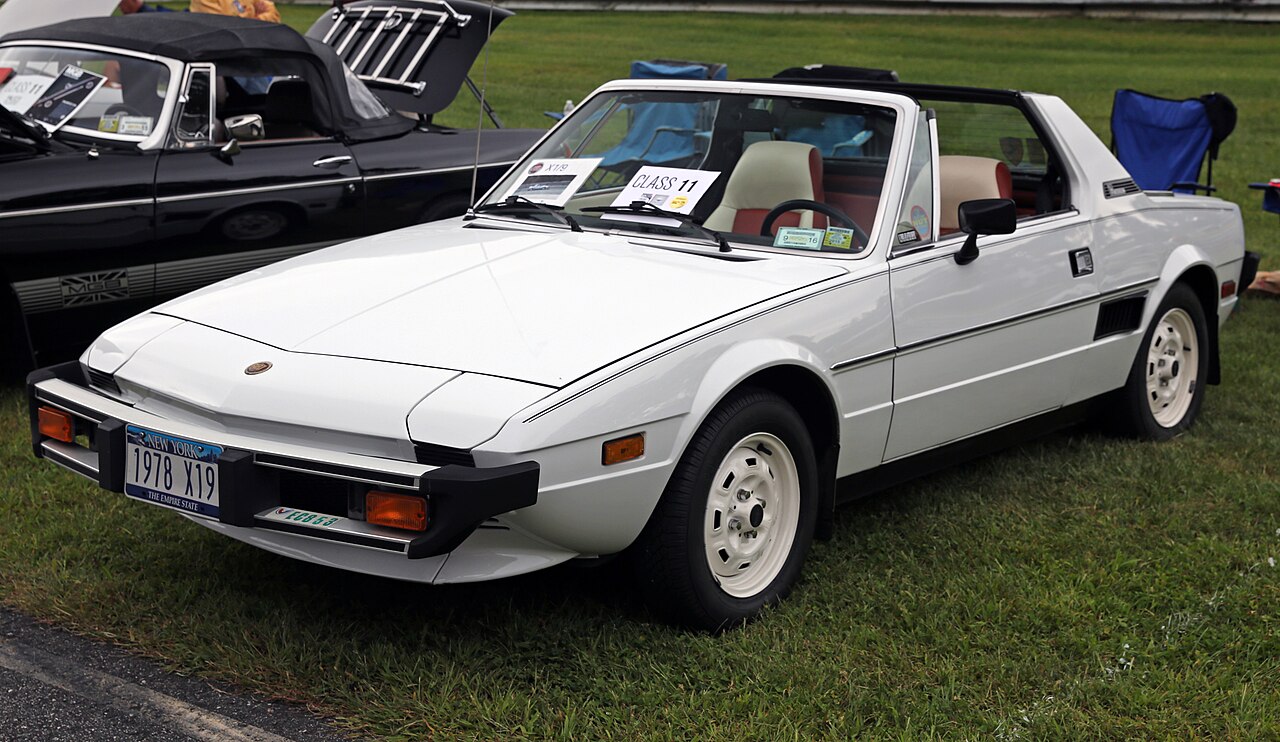
It kept its prototype code as its name: in Fiat's system X1 meant a passenger car, and this was the ninth one developed.