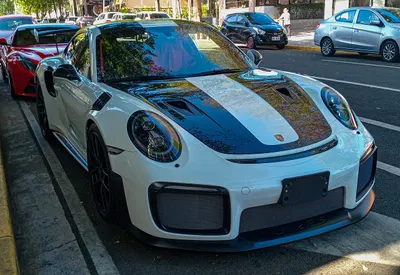
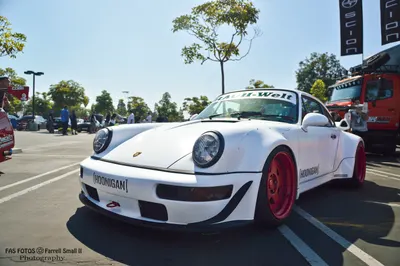
VerifiedFIRST · WORLDWIDEFIRST PRINTONLY ONE IN VANCOUVERAn RWB Porsche's widened stance isn't just visual flare -- Akira Nakai stretches the whole track before riveting on the fender flares.
The GTstreet RS name dates to 2008, when it beat three-time defending champion Cargraphic at the Tuner Grand Prix.
Median 612 hp across 202 similar cars
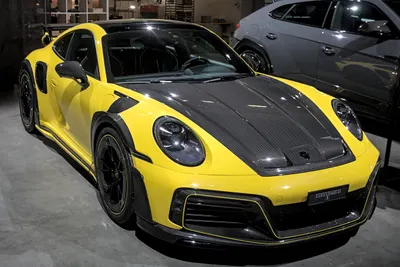
Lead trim: GTstreet RS
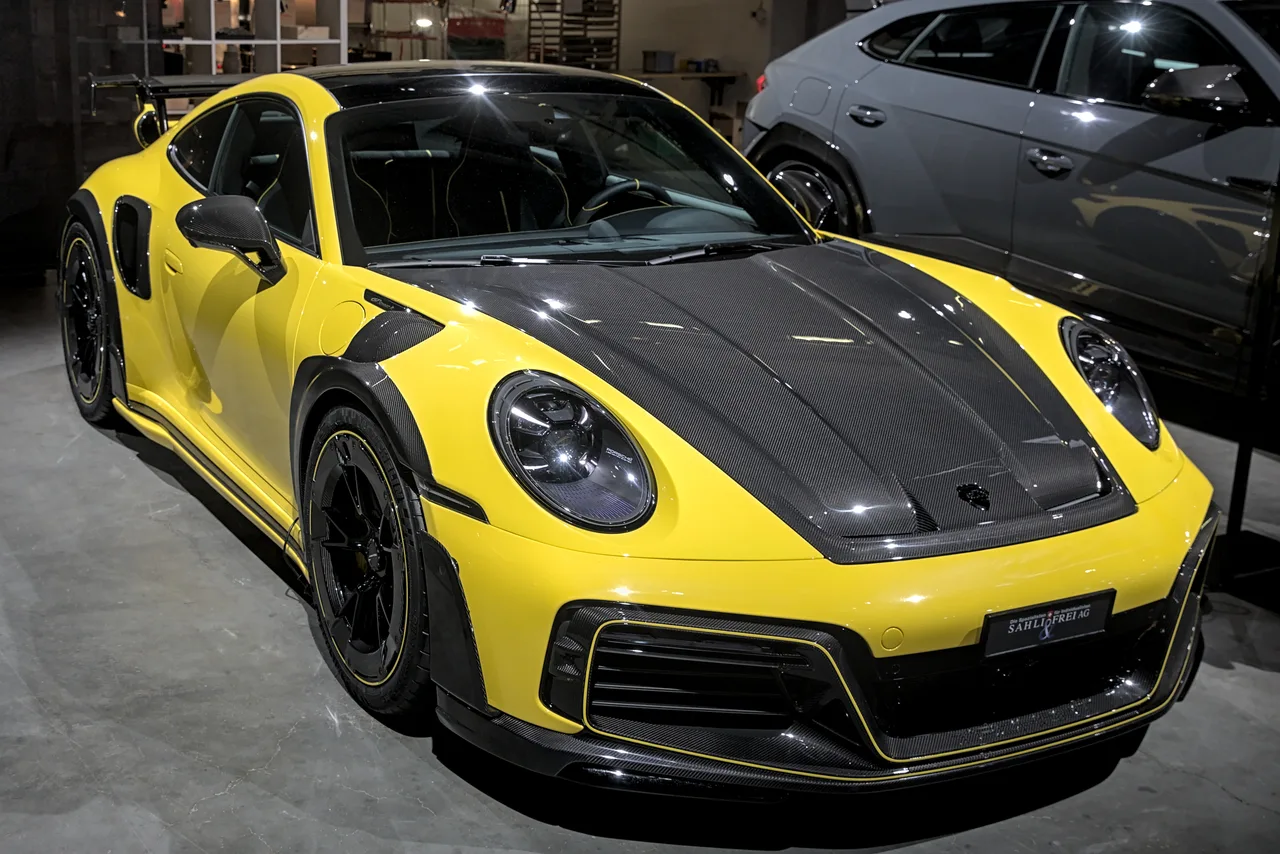
Nobody in Burbles has spotted a Porsche 911 Turbo S TechArt GTstreet RS yet. See one on the street, point the app at it, and the first card is yours — with your @handle permanently credited on this page.
FactThe GTstreet RS name dates to 2008, when it beat three-time defending champion Cargraphic at the Tuner Grand Prix.
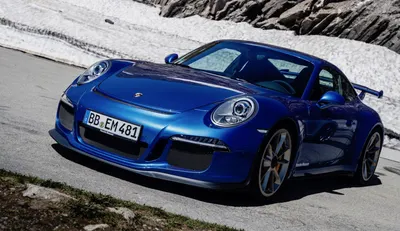
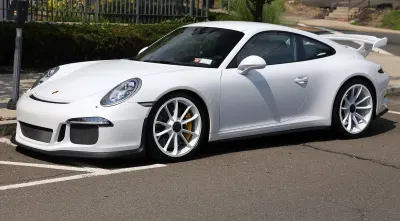
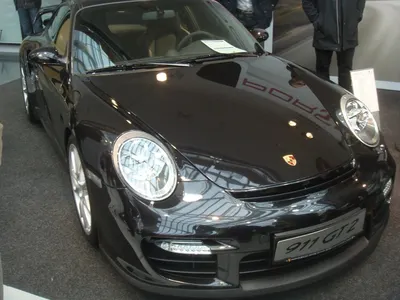
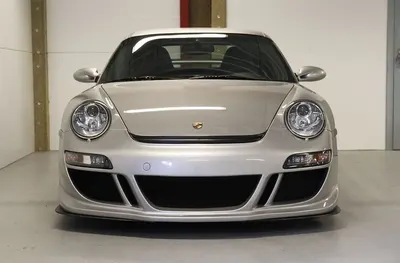
A 992-generation 911 Turbo S fitted with TechArt's GTstreet RS program -- a full carbon-fibre aero kit (45% more front downforce, 4x more rear) and TechArt's own variable-turbine-geometry turbocharger upgrade over the stock Turbo S. TechArt, founded 1987 in Fellbach and based in Leonberg since 1988, is one of Porsche's longest-running independent tuners. Limited to 87 cars.
Real Porsche 911 cards spotted on the street by Burbles collectors. Tap any card to flip it over, inspect the collector’s binder, or follow them.
VerifiedFIRST · WORLDWIDEFIRST PRINTONLY ONE IN VANCOUVERAn RWB Porsche's widened stance isn't just visual flare -- Akira Nakai stretches the whole track before riveting on the fender flares.
One published trim in the catalogue. A blank is a figure not recorded, not zero.
| Trim | Years | Engine | Power | Torque | 0–60 | Drive | Gearbox | MSRP |
|---|---|---|---|---|---|---|---|---|
| GTstreet RS | 2021–present | 3.8 L Flat-6 | 770 hp | 679 lb-ft | 2.5 s | AWD | dual-clutch | — |
We don’t estimate running costs for a car like this. What it costs depends on its condition, its specialist and how it is driven, and an average would mislead.
Nobody has claimed one yet.


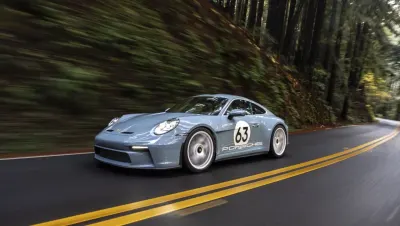
Porsche engineered a clutch only for the S/T; with a single-mass flywheel it takes 10.5 kg out of the rotating mass.

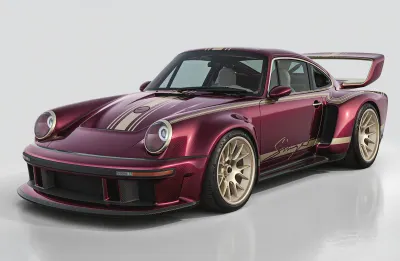
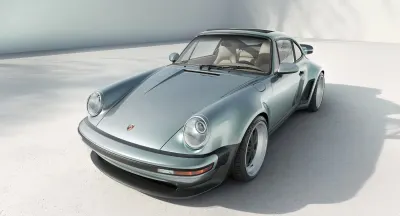
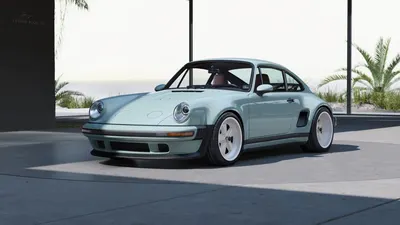
Singer's turbocharged DLS wears bodywork modeled on the Porsche 934/5 racer, not a street 911.

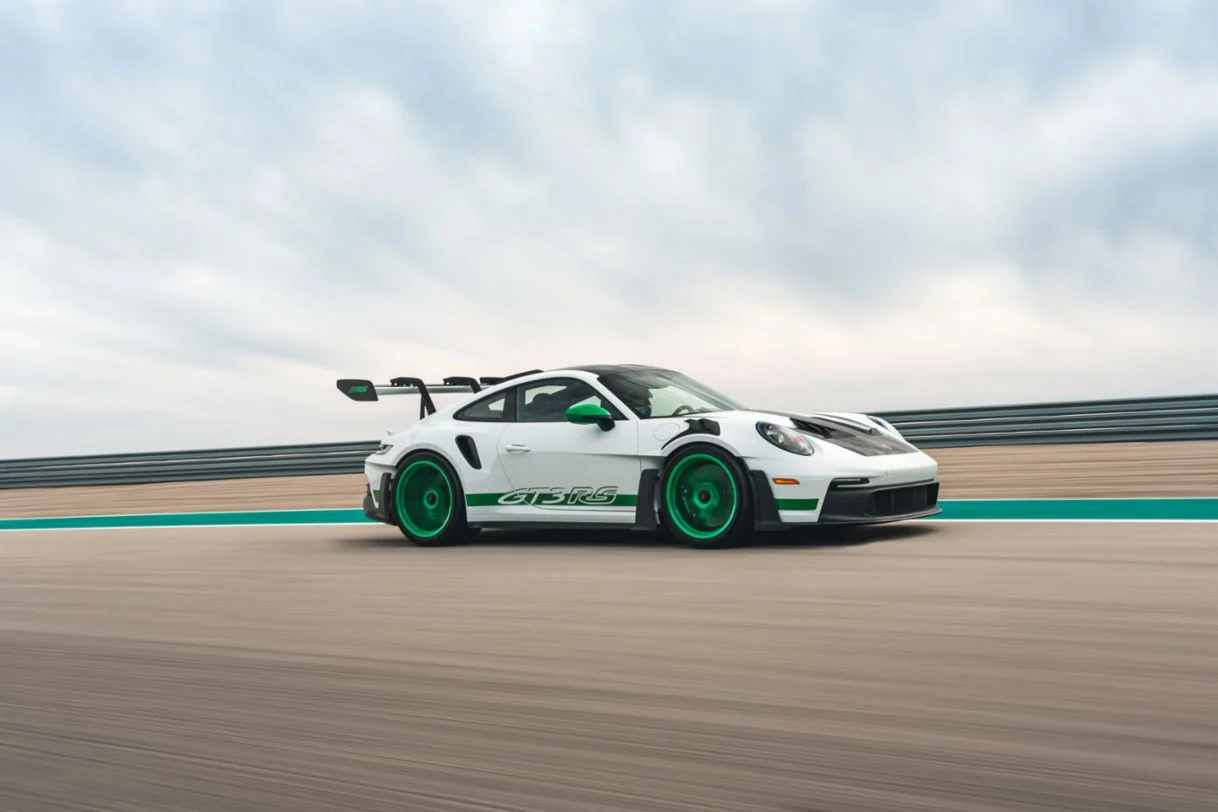
To make room for its active aero, the GT3 RS merges three radiators into one angled unit sitting where the front trunk used to be.

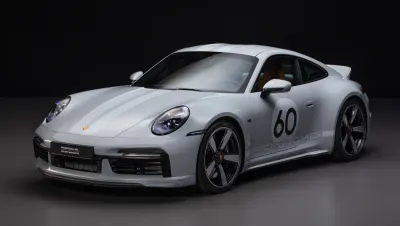
Porsche detuned the Sport Classic's engine below the Turbo's output because the manual gearbox could not survive the Turbo's torque.

The Turbo Study was Singer's first turbocharged build, honoring the 930 Turbo on a 964 chassis.

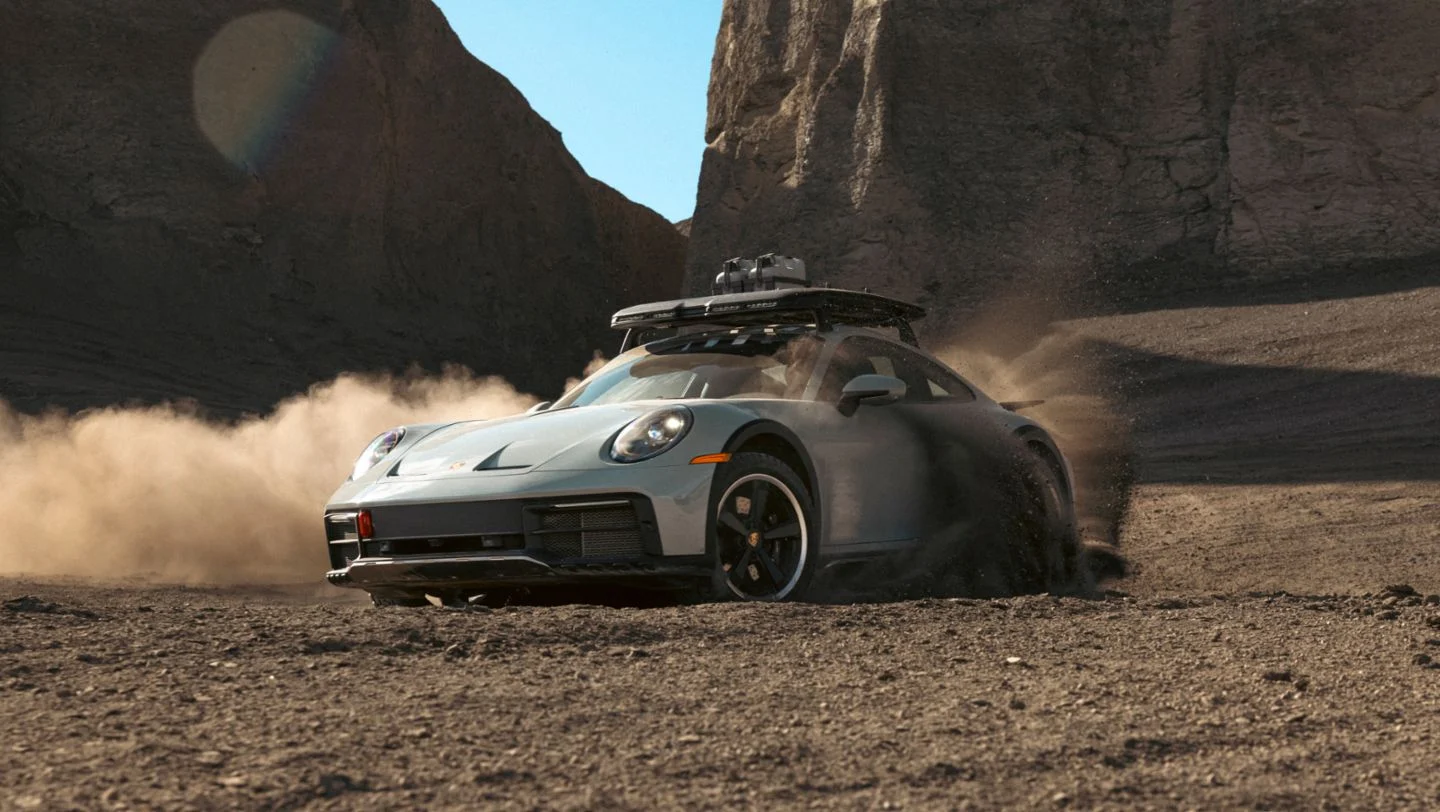
The Dakar holds its maximum ride height at up to 105 mph, and Porsche says its rooftop tent fits on the roof.

The 992 GT3's front suspension isn't shared-with-the-Carrera parts-bin stuff — it's an unequal-length control-arm setup lifted straight from Porsche's 911 RSR race car.

The GTstreet RS name dates to 2008, when it beat three-time defending champion Cargraphic at the Tuner Grand Prix.

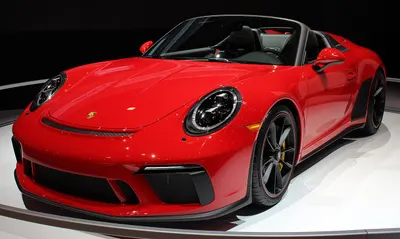
The very last 991 built, on 20 December 2019, rolled off the line as a Speedster, capping a run limited to 1,948 cars for 1948.

The 992 GT3 RS borrows a trick straight from Formula 1 — its rear wing has an active panel that opens and closes like an F1 car's DRS, controllable from a steering-wheel button.

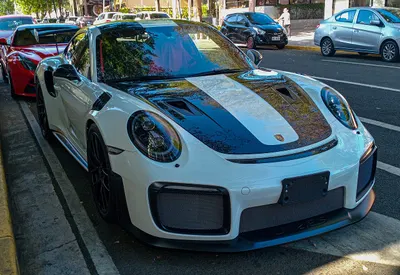
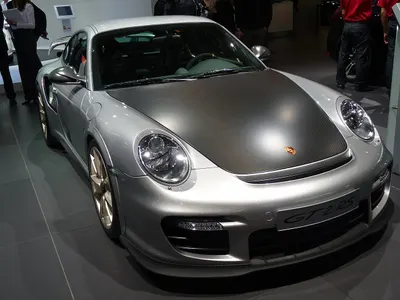
When Porsche unveiled this GT2 RS, its 700 PS twin-turbo flat-six made it the single most powerful 911 the company had ever built.

Hans Mezger signed off on the DLS head in his final engine project before his death in 2020.

The 991 GT2 RS set the bar for Porsche itself: a 6:47.3 Nürburgring lap in September 2017, the fastest ever by a Porsche road car at the time.

Porsche deleted the GT3 RS wing, cage and stereo to save 50 kg, then sold all 991 at a markup before most buyers ever drove one.

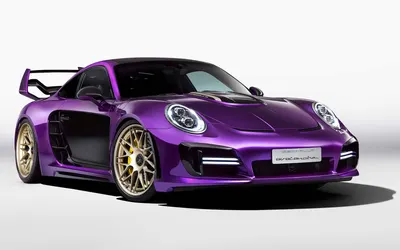
Extremely rare Gemballa tuner conversion with only a handful ever built. About 15 on North American roads today (estimate). Never sold new in North America. Unverified: about 25 built.

Porsche shaved weight everywhere it could on the 991 GT3 RS — right down to a roof panel made of magnesium instead of steel.

Every single 991 GT3 built in the model's first year had to be recalled and fitted with a brand-new engine — a supplier's bad batch of connecting-rod bolts put all 785 cars back on the truck.

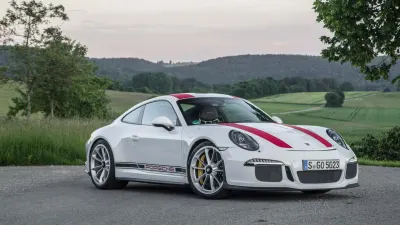
Porsche built exactly 991 examples of the 911 R — matching the car's own 991-generation chassis code, whether on purpose or as a very neat coincidence.

Porsche built 356 of these Speedsters, a number borrowed from the 1950s original, and offered two colours, one developed just for it.

Porsche code-named the 997 GT2 RS project '727' — a direct dig at a Nissan GT-R Nürburgring lap time. The finished car reportedly beat it by nine seconds.

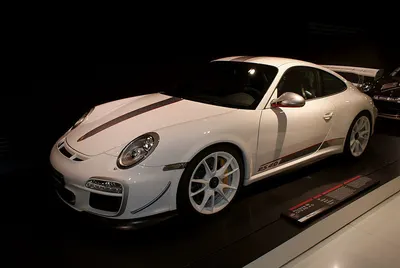
The 997.2 GT3 RS 4.0 carried the largest engine Porsche has ever offered in a street-legal 911: a 4.0-litre flat six, making it one of the most powerful naturally-aspirated six-cylinder engines in any production car of its day.

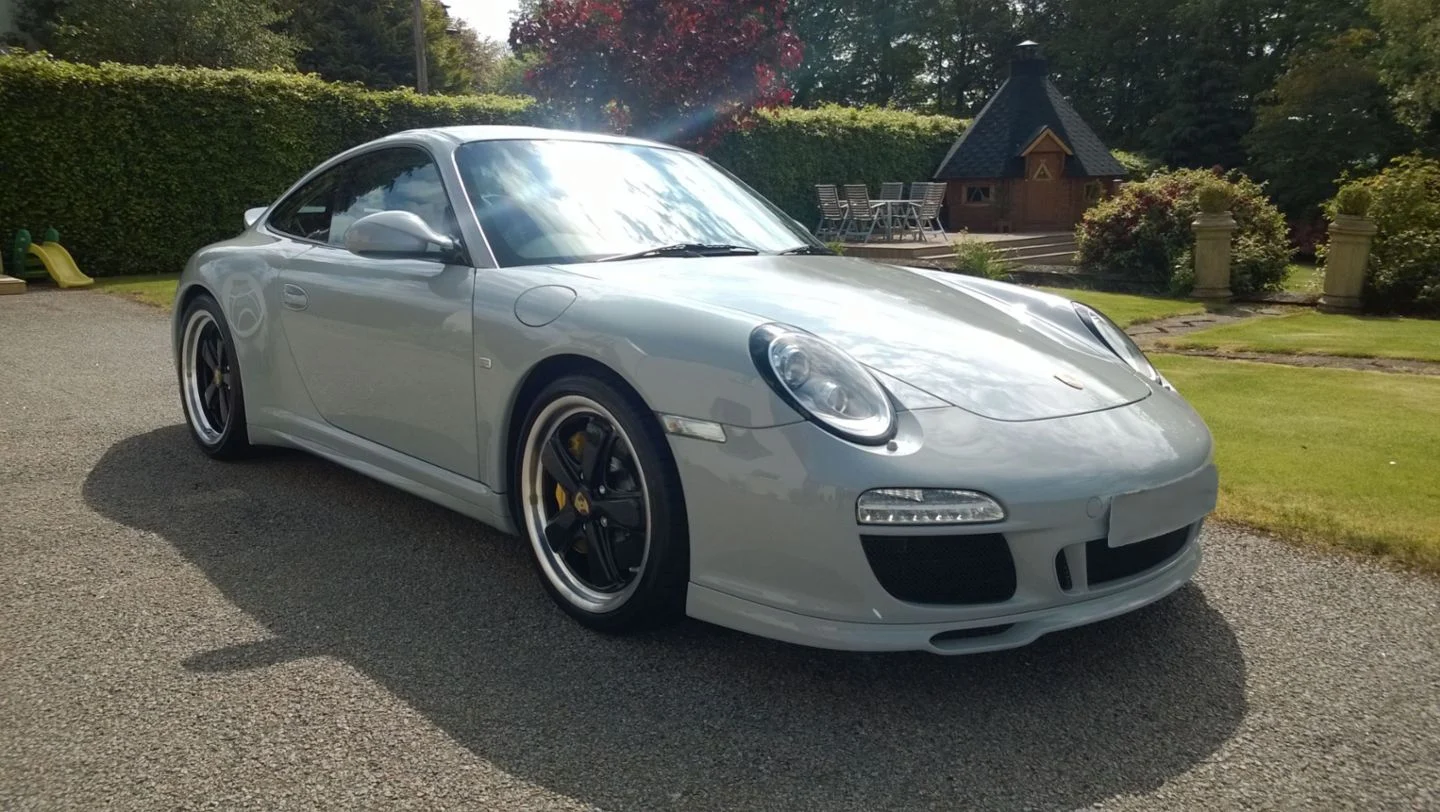
All 250 Sport Classics sold out in under 48 hours of the January 2010 order books opening, a ducktail and double-bubble roof away from new.

Singer founder Rob Dickinson was the frontman and guitarist of English rock band Catherine Wheel before he started rebuilding Porsches.

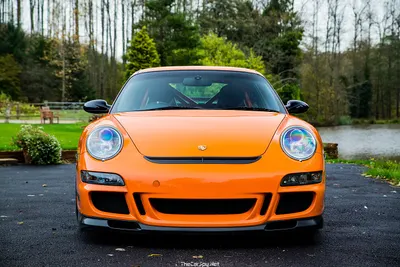
Wider bodywork usually means more weight, not here: this 997 GT3 RS, with its flared rear end and adjustable wing, is actually 44 pounds lighter than the standard GT3 it's based on.

The GT2 RS's internal code, 727, was a dig at Nissan — it referenced a GT-R Nürburgring lap time that Porsche's own test driver then beat by nine seconds.

Despite adding a retractable rear wing and more hardware, the 997 Turbo actually weighed less than the 996 Turbo it replaced, thanks to aluminum used throughout the body.

The 997-era GT3 went out on top: the 2011 GT3 RS 4.0 carried a 4.0-litre flat-six — at the time, the largest engine Porsche had ever put in a street-legal 911.

For the 997, Porsche flipped its usual process: the convertible was engineered first, on the logic that solving the cabriolet's chassis-stiffness problems would make the coupe stiffer still.

Porsche built only 140 right-hand-drive examples of this GT3 RS, and it was never sold new in the US or Canada at all.

When testers strapped this GT3 to a skidpad in 2004, it pulled 1.03g — the second-highest lateral grip ever recorded by a street-legal car at the time.

Unlike its predecessor, this 996-generation GT2 was developed primarily as a road car, built around a twin-turbo version of the GT3's 3.6-litre flat six.

The 996 was the first 911 with a water-cooled engine, replacing air cooling to meet noise and emissions regulations.

The first 911 GT3 didn't get a tuned Carrera engine — it got the 'Mezger' racing unit shared with the 962 Group C car and the 911 GT1, dropped into a road-legal 996.

Despite the 911 badge, the GT1's mid-mounted turbo flat-six and race-built chassis shared almost nothing with a real 911.

Porsche built 57 road-going 993 GT2 examples to meet the FIA's homologation requirement for the racing version.

The 993 was the last 911 generation with an air-cooled engine, ending a lineage that began with the original 1964 car.

The 964 was the first 911 with a fully galvanized body, which let Porsche extend its rust-through warranty to 10 years.

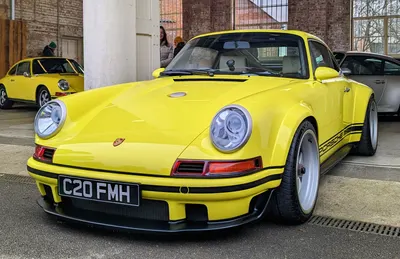
An RWB Porsche's widened stance isn't just visual flare -- Akira Nakai stretches the whole track before riveting on the fender flares.

The 930 Turbo's whale tail rear spoiler housed the intercooler for its turbocharged 3.3-liter engine, added for the 1978 model year.

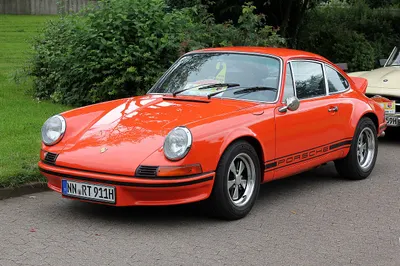
The 911's 2.7 RS Lightweight, built for homologation, used thinner steel body panels and lacked sound insulation to save weight, at Porsche's insistence over a planned run of just 500 cars that ended up selling out to 1,580.
Same body, same money, other badges — tap any card to flip.

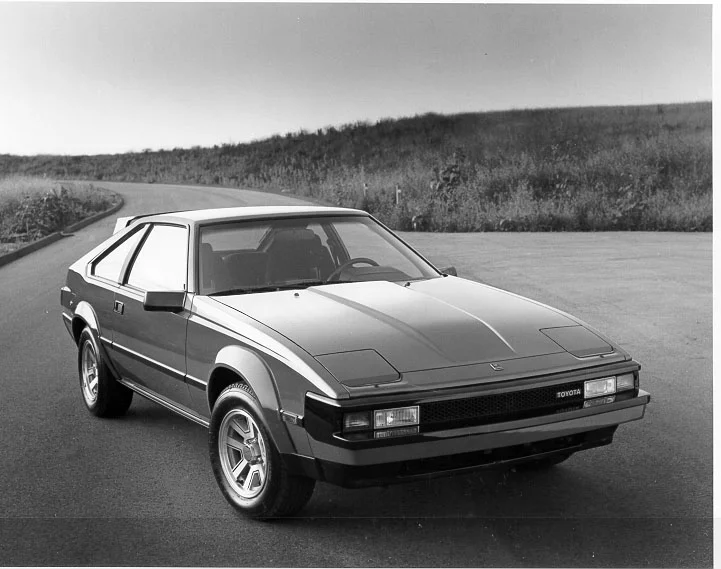
The Celica XX, Japan's name for the A60 Supra, introduced the world's first in-car navigation computer.

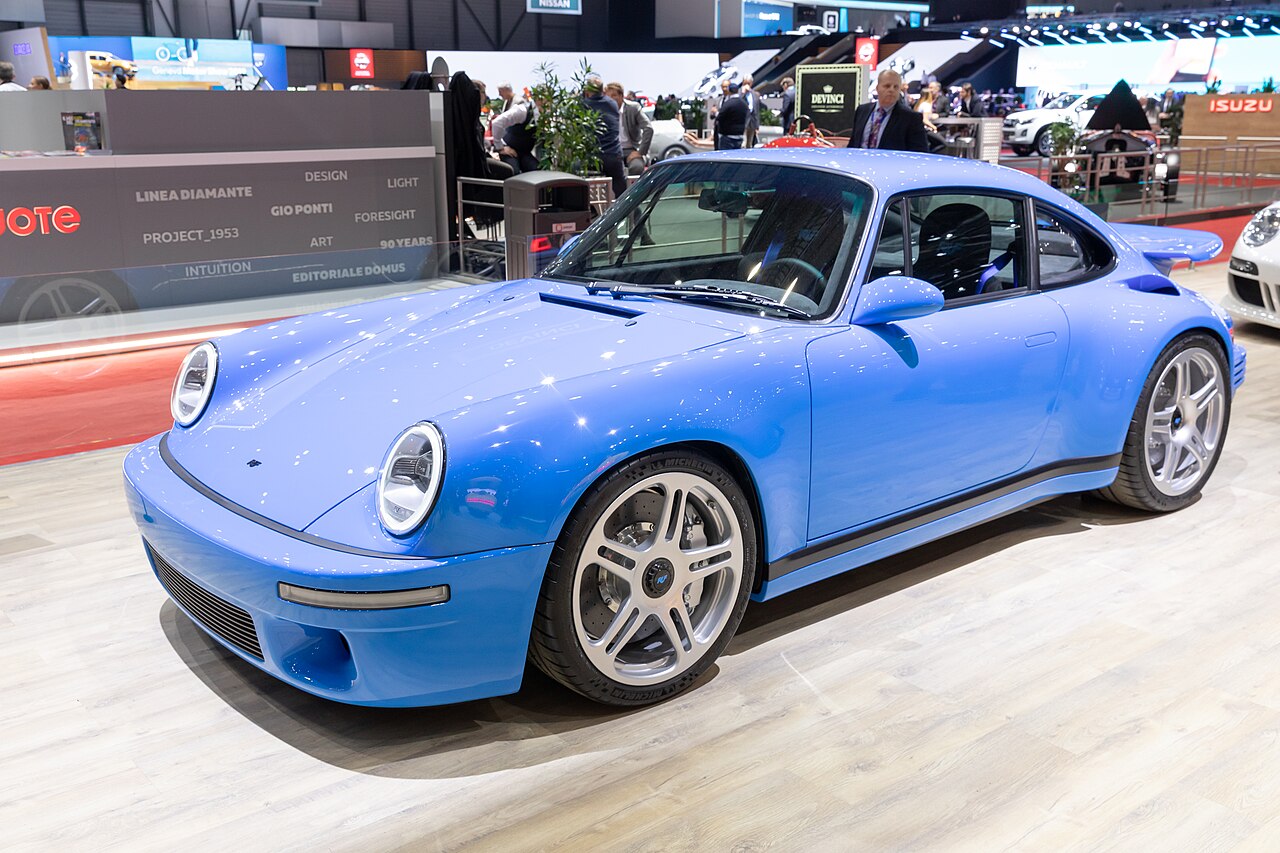
The CTR Anniversary looks like a 911 but Ruf built its carbon monocoque from scratch, no Porsche body underneath.

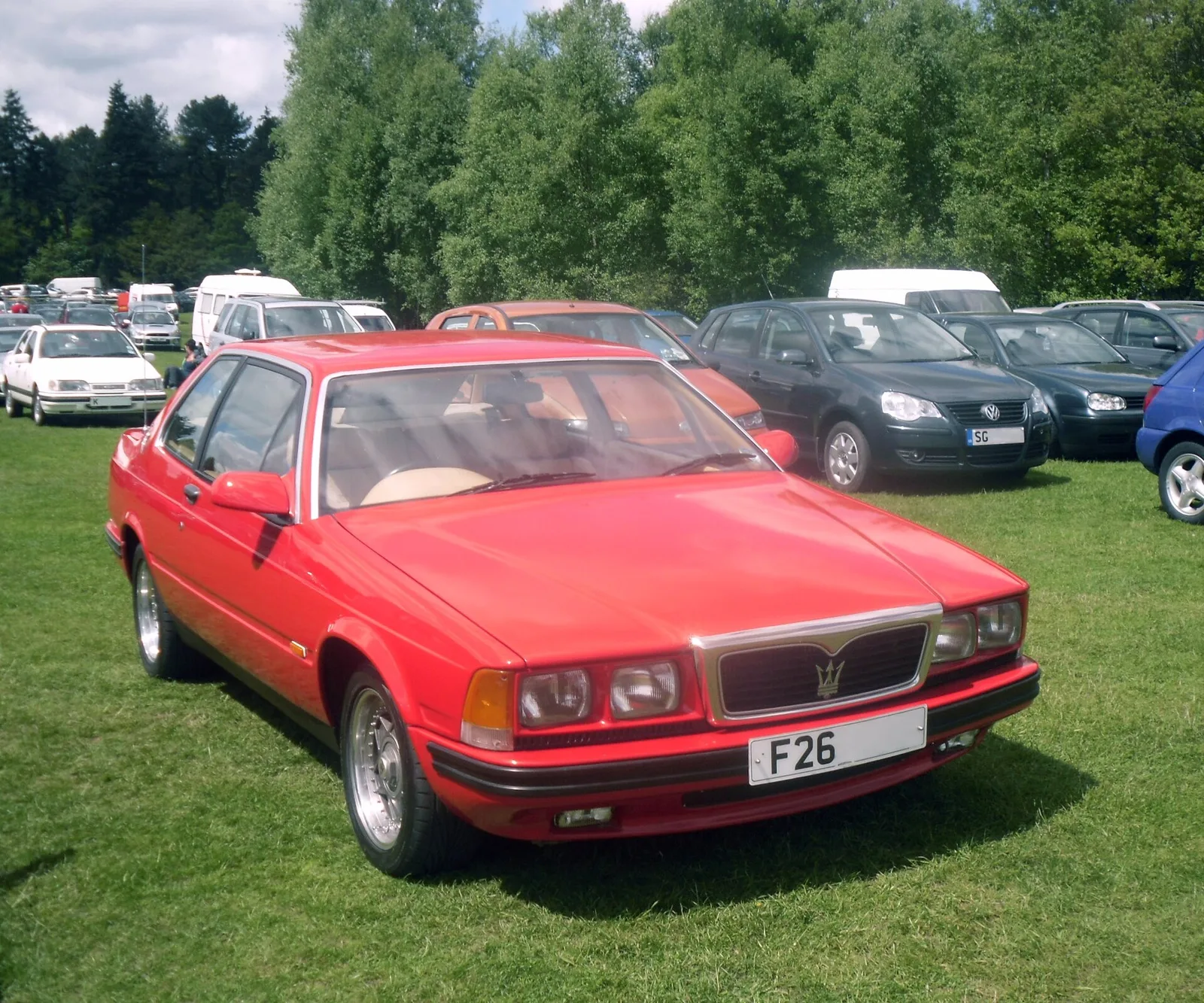
The 228's coupe styling hides a sedan underneath: Maserati stretched it onto the longer four-door Biturbo chassis to make room for its biggest V6, which is literally where the name comes from — 2-door, 2.8 litre.

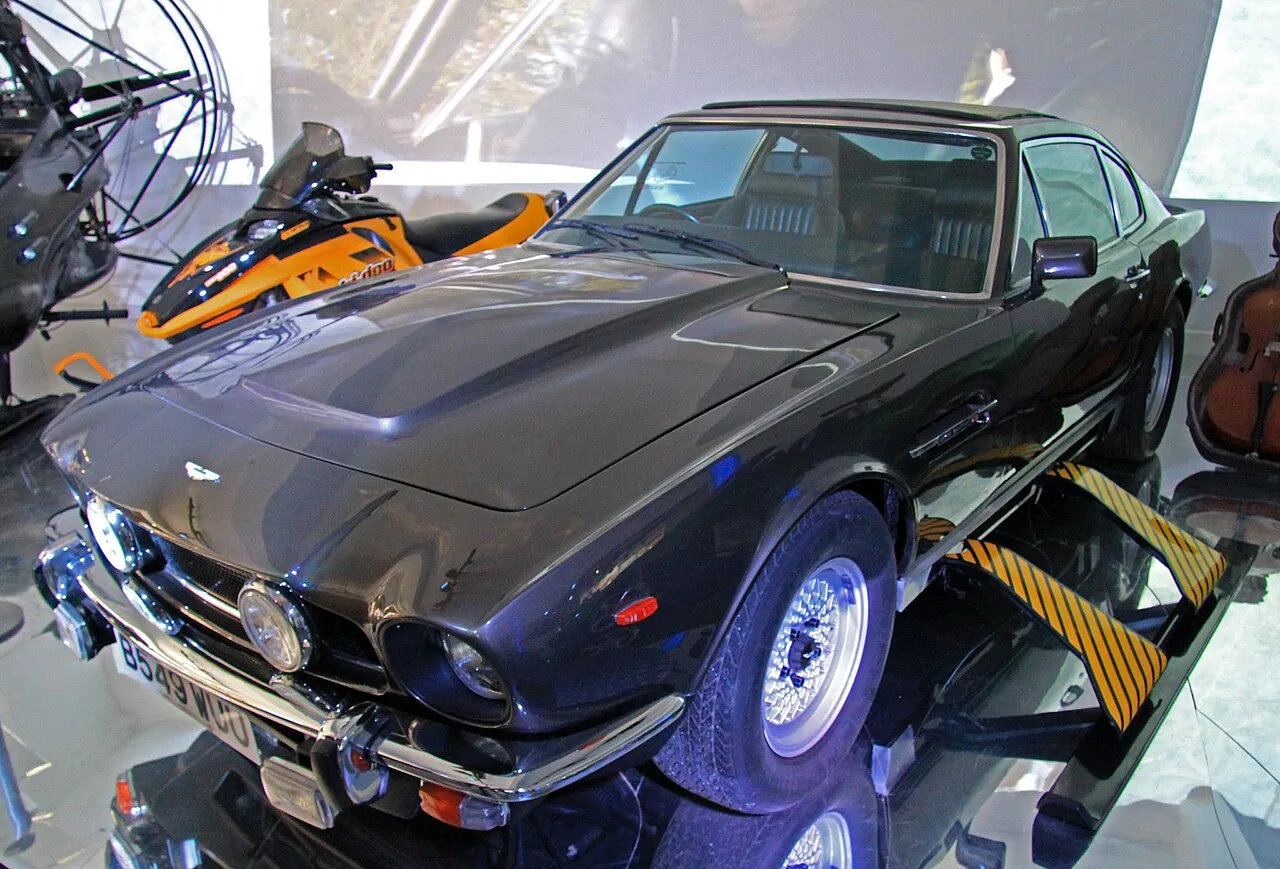
Switching to fuel injection let this V8 finally shed its trademark bonnet bulge — and only 405 of these flat-hooded Series 5 cars were built before the whole model retired in 1989.

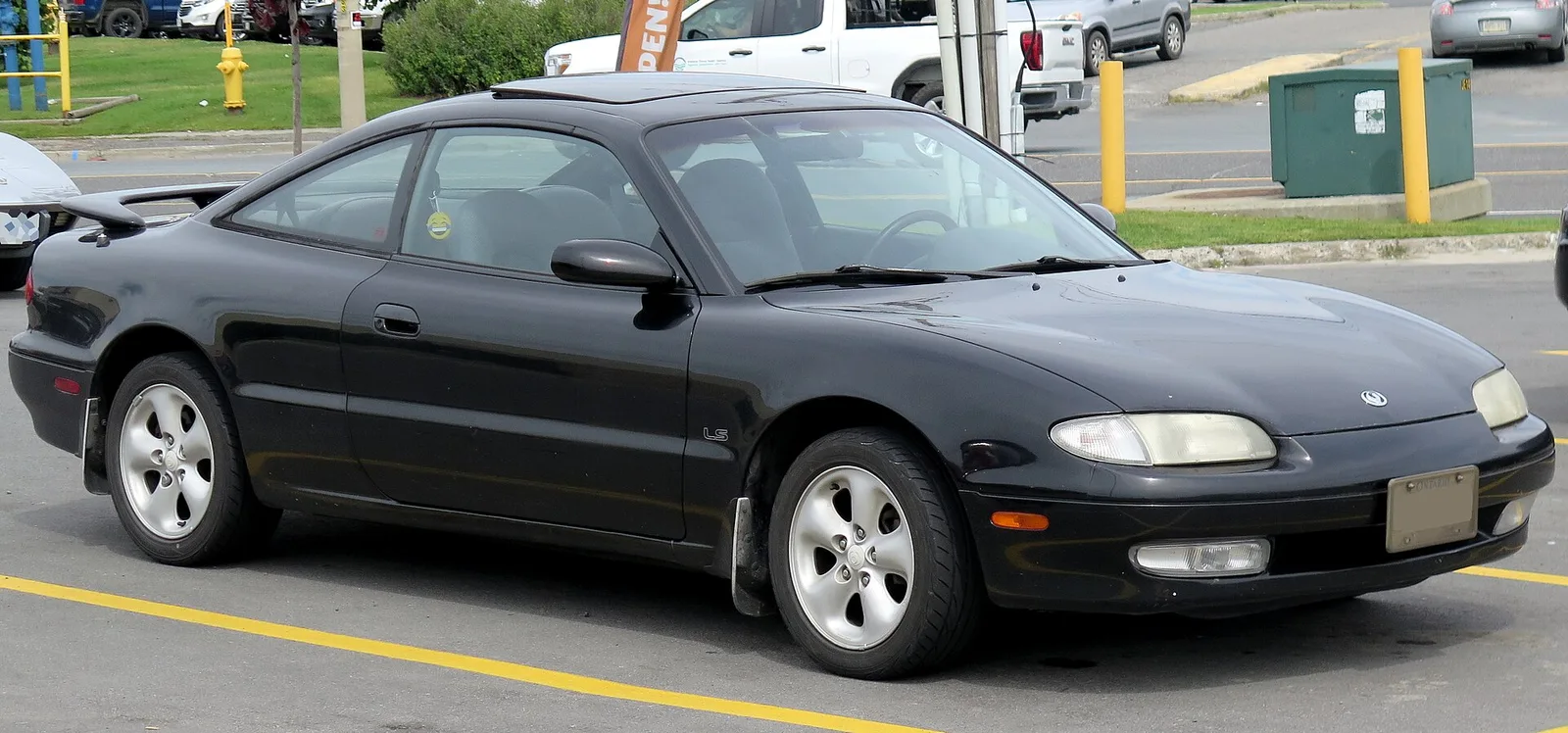
Japanese buyers got a secret weapon in their MX-6 — the JDM-only KL-ZE V6 made about 40 more horsepower than the engine sold in the exact same car in North America.

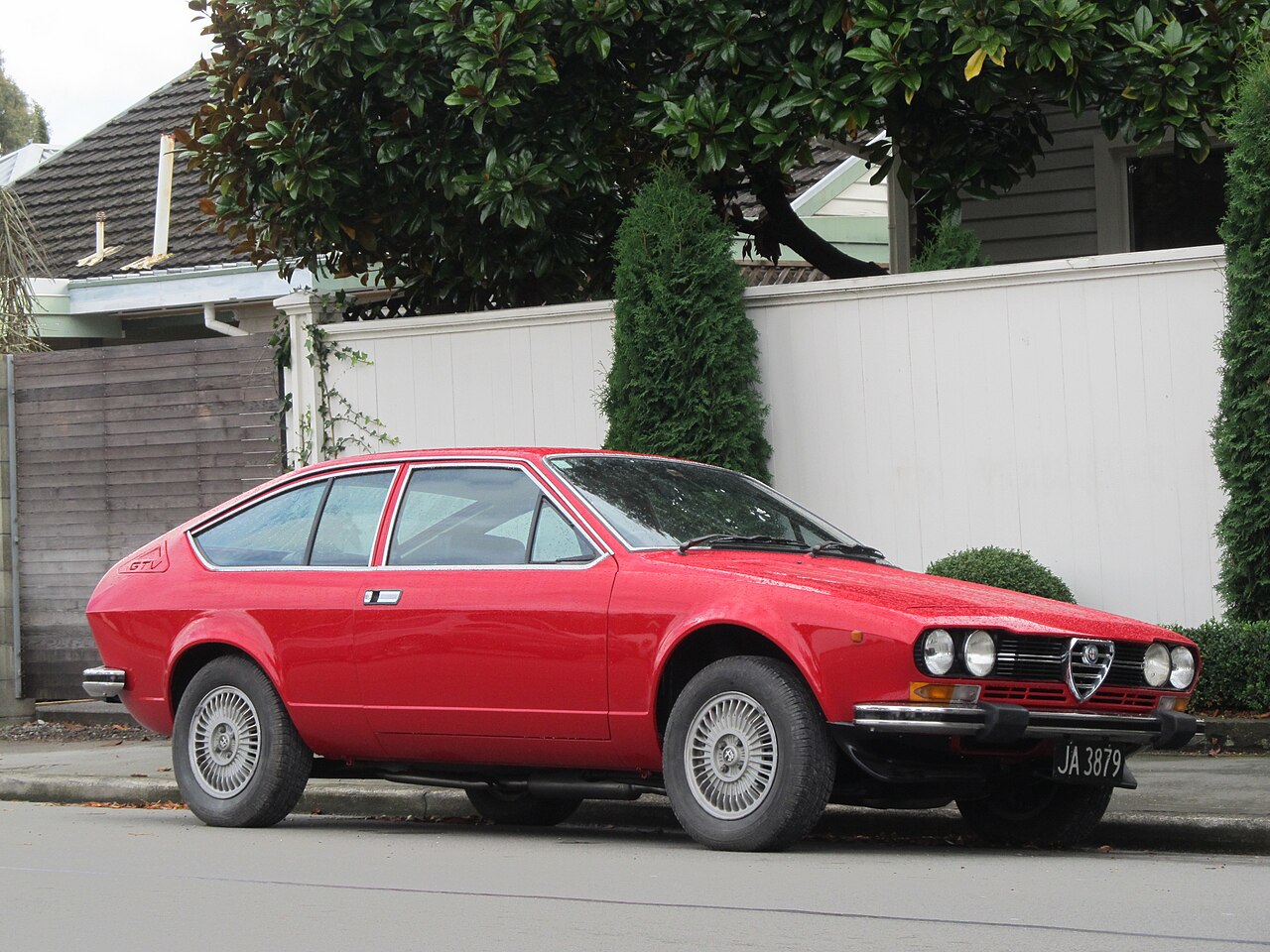
An American tuner, Callaway Cars, built twin-turbo conversions of the GTV6 that boosted its V6 by fifty percent to 230 hp — turning Alfa's grand tourer into something far quicker than the factory ever intended.

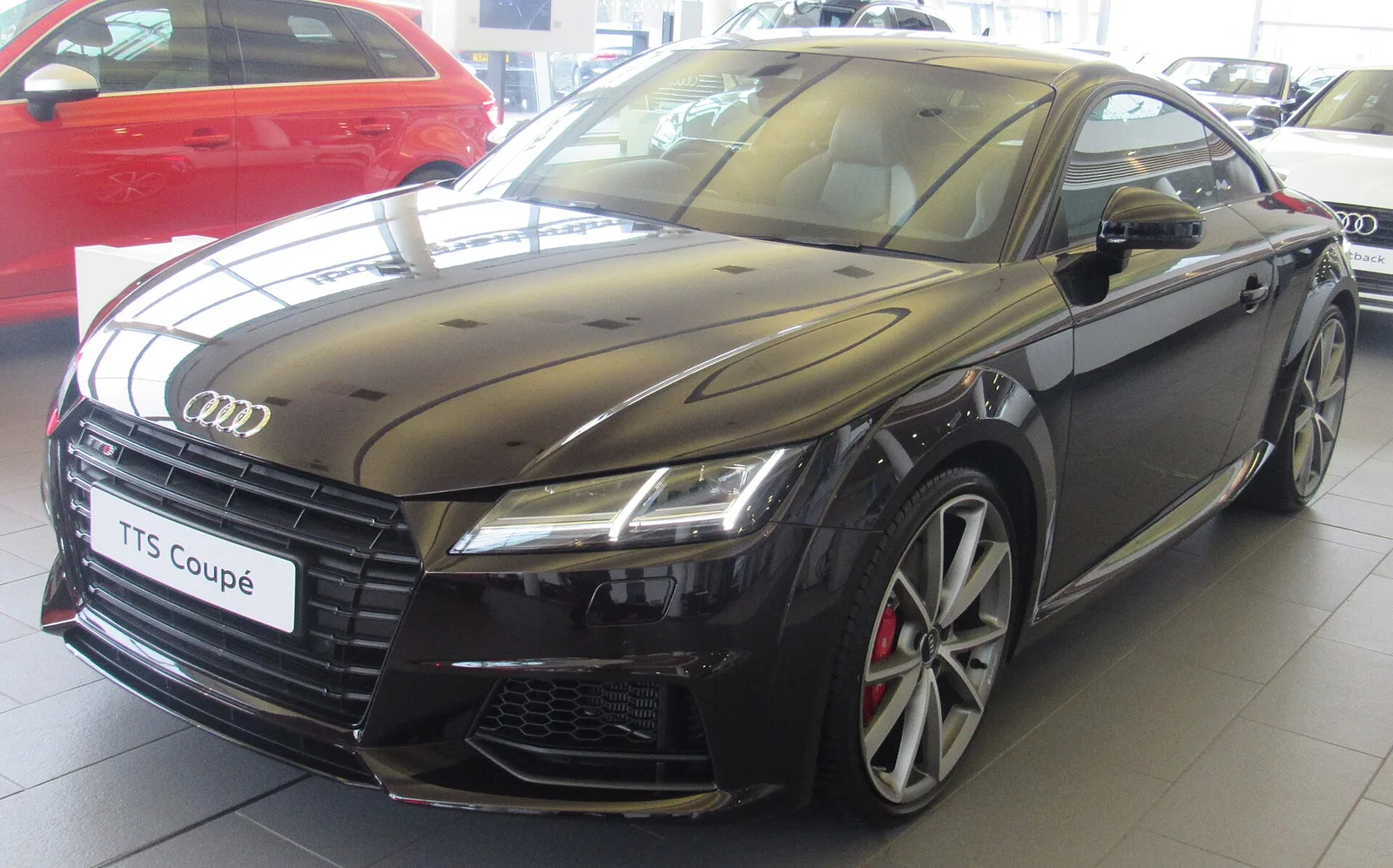
Audi TTS Coupe · TTS Coupe (2016–2023) · 2016–2023.

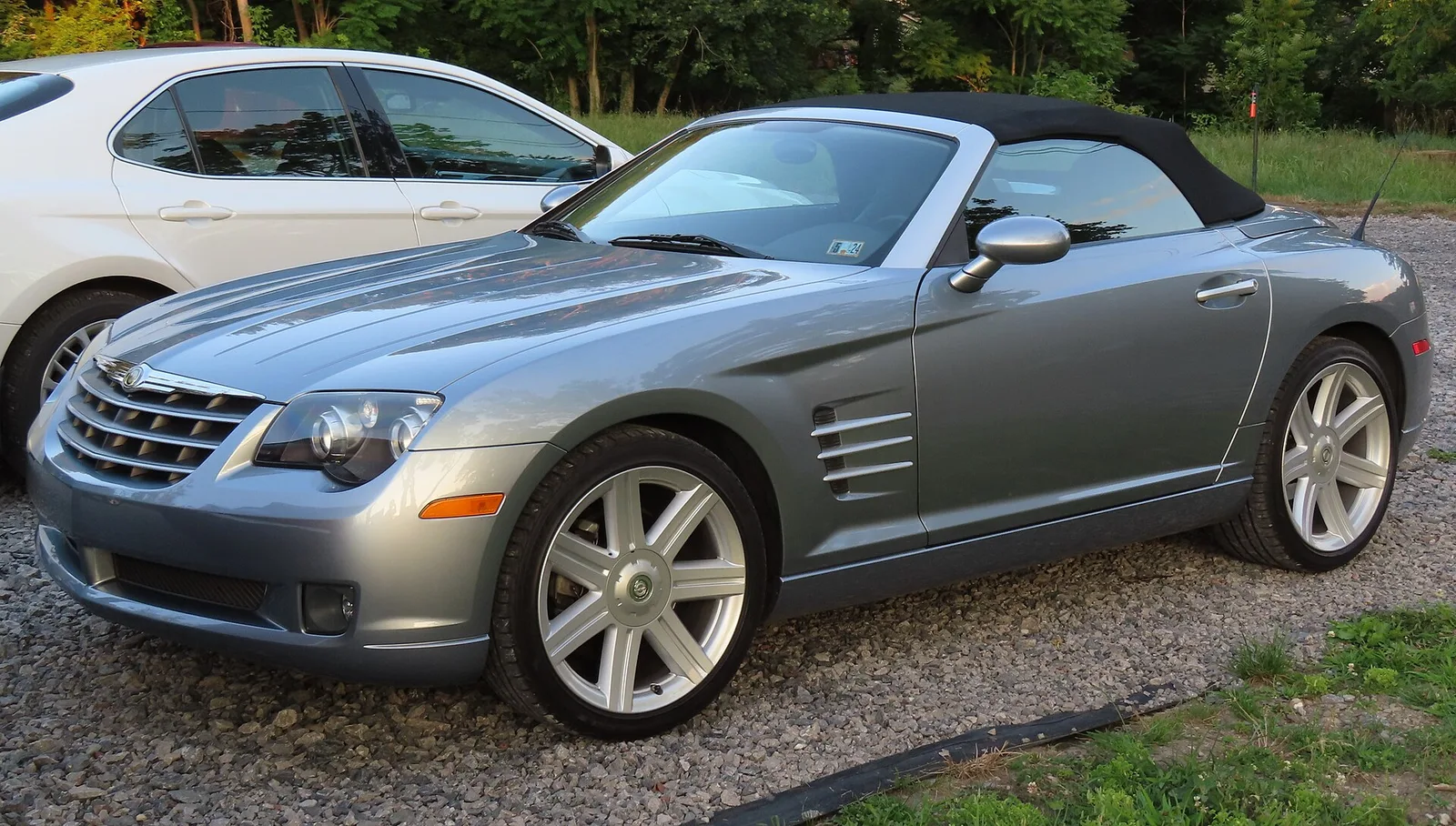
A product of the DaimlerChrysler merger, the Crossfire shares 80% of its parts with the Mercedes-Benz SLK — German bones under American badges.