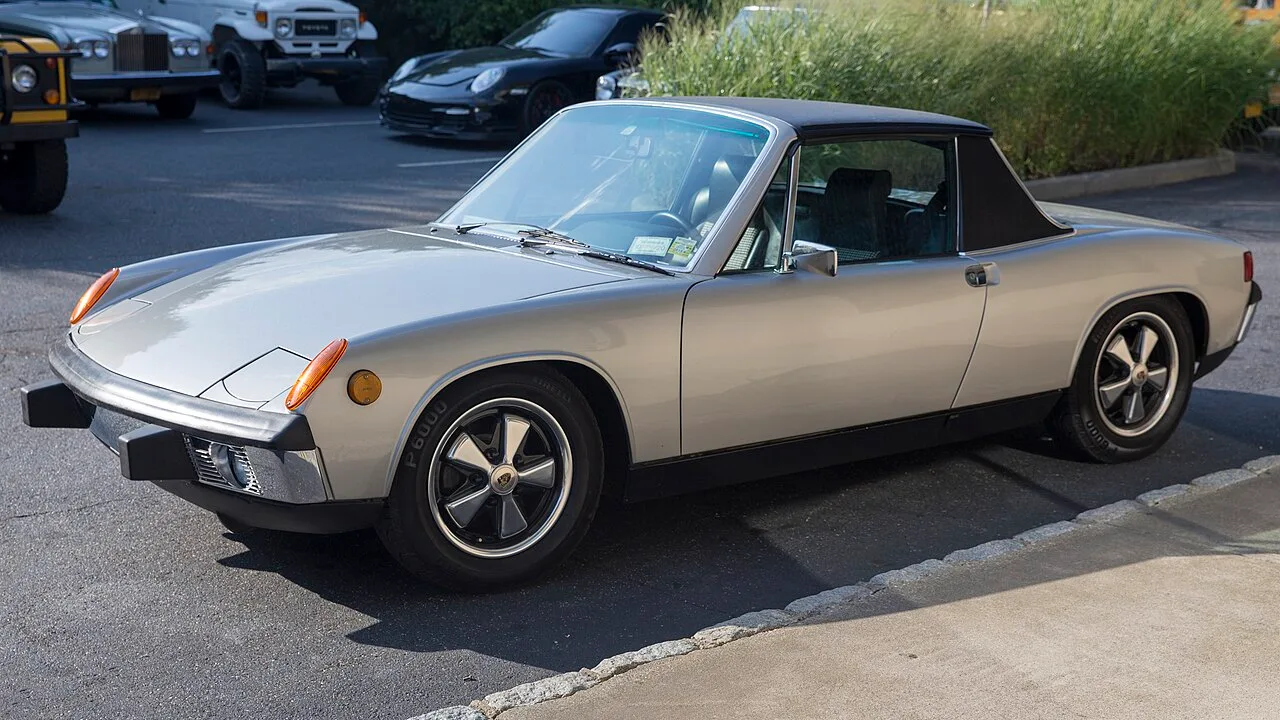
The 914's fiberglass-reinforced plastic "basket handle" targa bar was designed to meet an anticipated US rollover safety standard that was never actually enacted.
Lead trim: 914/4 1.7 · up to 110 hp
Porsche 914914 · 1969–1976
- 0spots by members
- Unclaimednobody has spotted one yet
- 0sets it belongs to
Nobody in Burbles has spotted a Porsche 914 yet. See one on the street, point the app at it, and the first card is yours — with your @handle permanently credited on this page.
FactThe 914's fiberglass-reinforced plastic "basket handle" targa bar was designed to meet an anticipated US rollover safety standard that was never actually enacted.
A mid-engined two-seat targa designed, built and marketed collaboratively by Volkswagen and Porsche for model years 1969 to 1976. 118,978 were produced, 3,332 of them 914/6.
Collectors Spotted in the Porsche 914 Lineage
No member has published a public street spot of the Porsche 914 yet — the First · Worldwide stamp is wide open.
Trims & Figures
3 published trims in the catalogue. A blank is a figure not recorded, not zero.
| Trim | Years | Engine | Power | Torque | 0–60 | Drive | Gearbox | MSRP |
|---|---|---|---|---|---|---|---|---|
| 914/4 1.7 | 1969–1973 | 1.7 L Flat-4 | 80 hp | 100 lb-ft | — | RWD | — | — |
| 914/4 2.0 | 1973–1976 | 2.0 L Flat-4 | 100 hp | 118 lb-ft | — | RWD | — | — |
| 914/6 | 1969–1972 | 2.0 L Flat-6 | 110 hp | 118 lb-ft | — | RWD | — | — |
Owning one
An estimate, for the 914/4 1.7 trim: fuel on its EPA figure and a dated national price, upkeep on a per-mile average for the kind of car it is.
Owners’ builds
Nobody has claimed one yet.
Photographs
Rivals
Same body, same money, other badges — tap any card to flip.
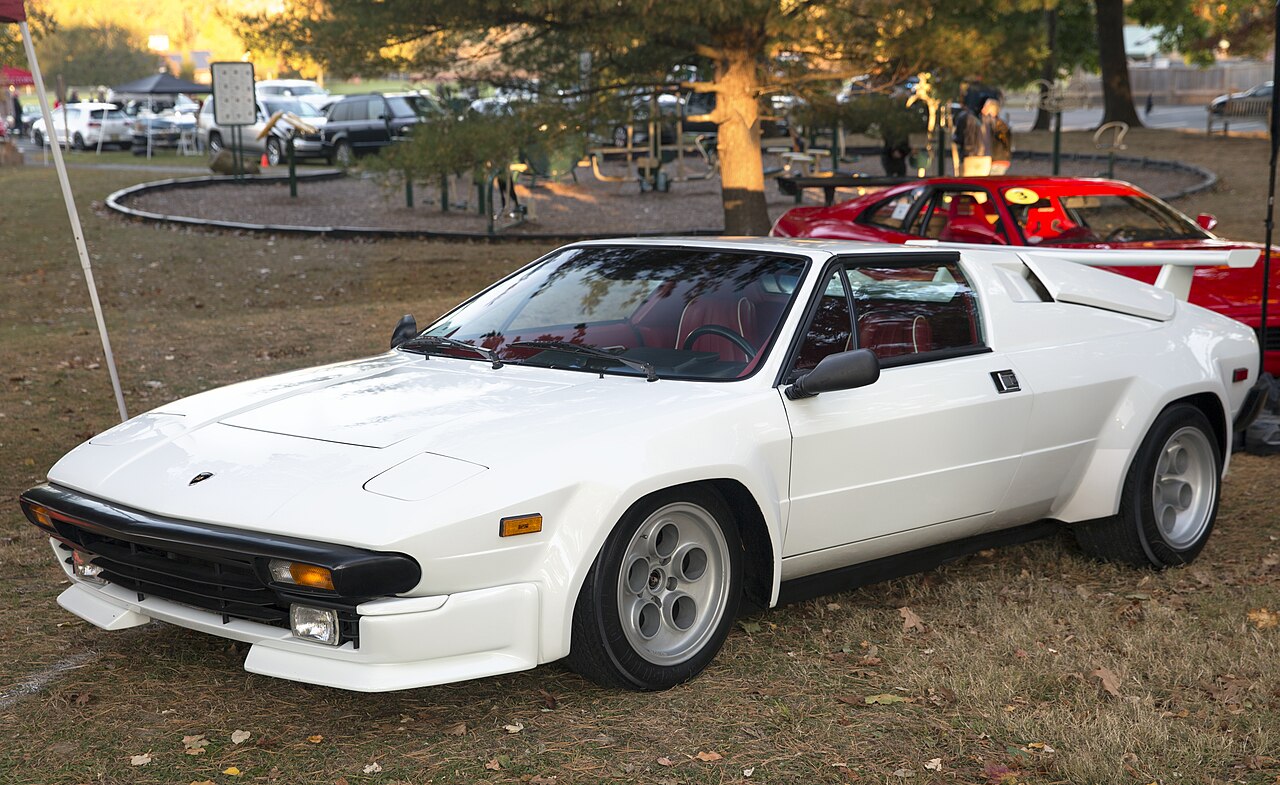
The Jalpa's name comes from a breed of fighting bull, continuing Lamborghini's tradition of naming models after bulls.
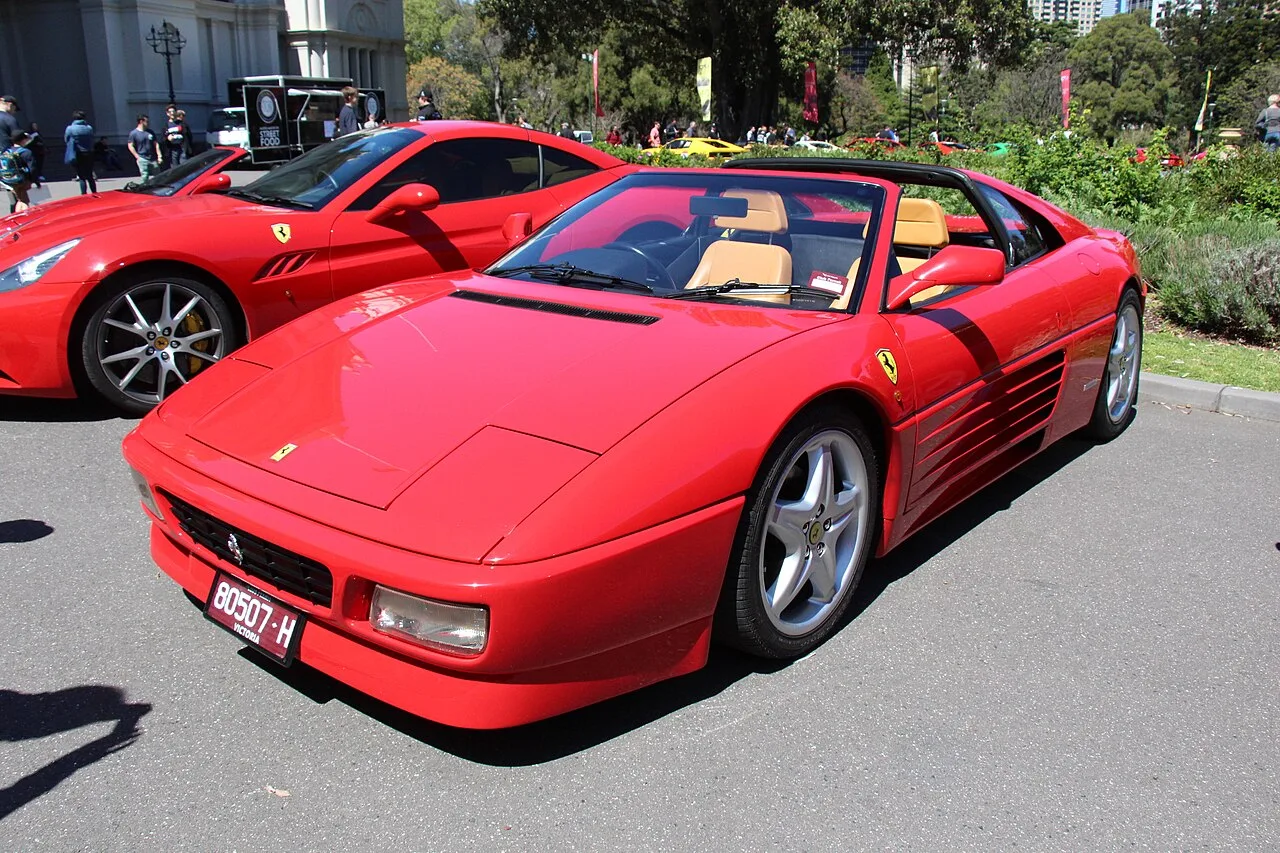
The 348 brought Formula 1 to the road: its transverse gearbox layout was adapted straight from Ferrari's 312T Grand Prix car.
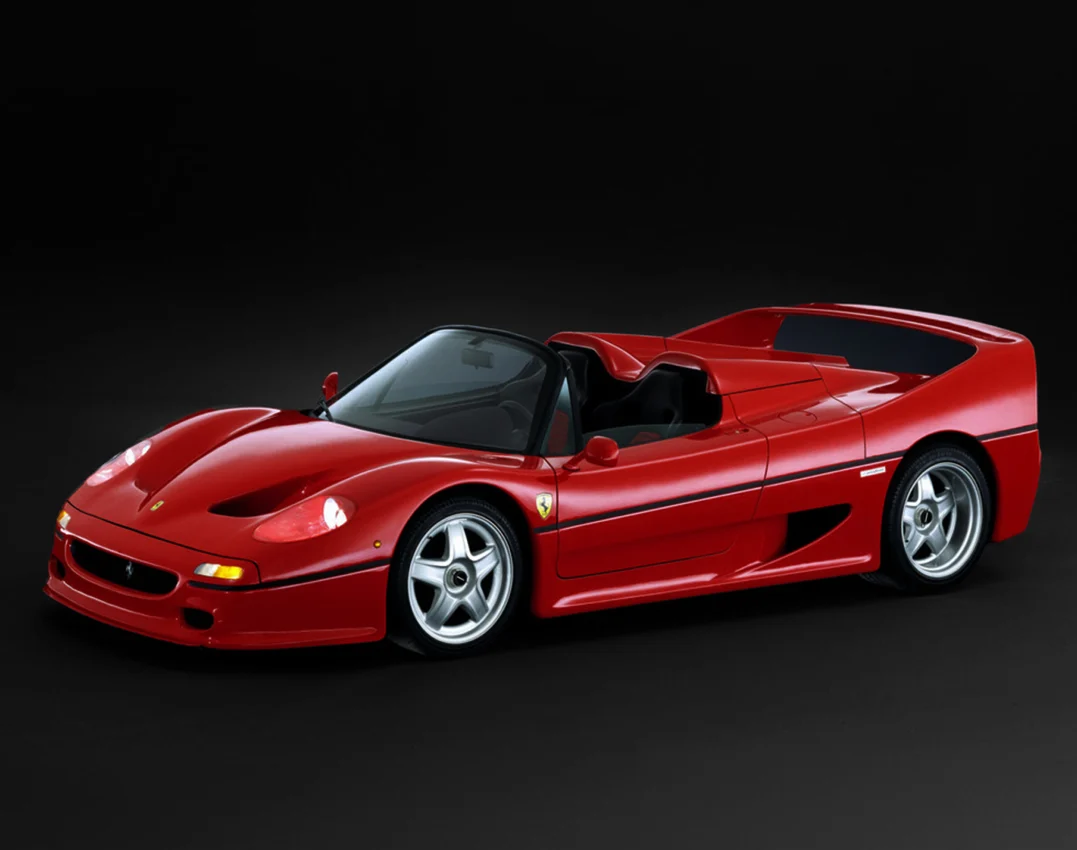
The F50's V12 traces its architecture directly to the 3.5-litre engine of Ferrari's 1990 641 Formula One car.
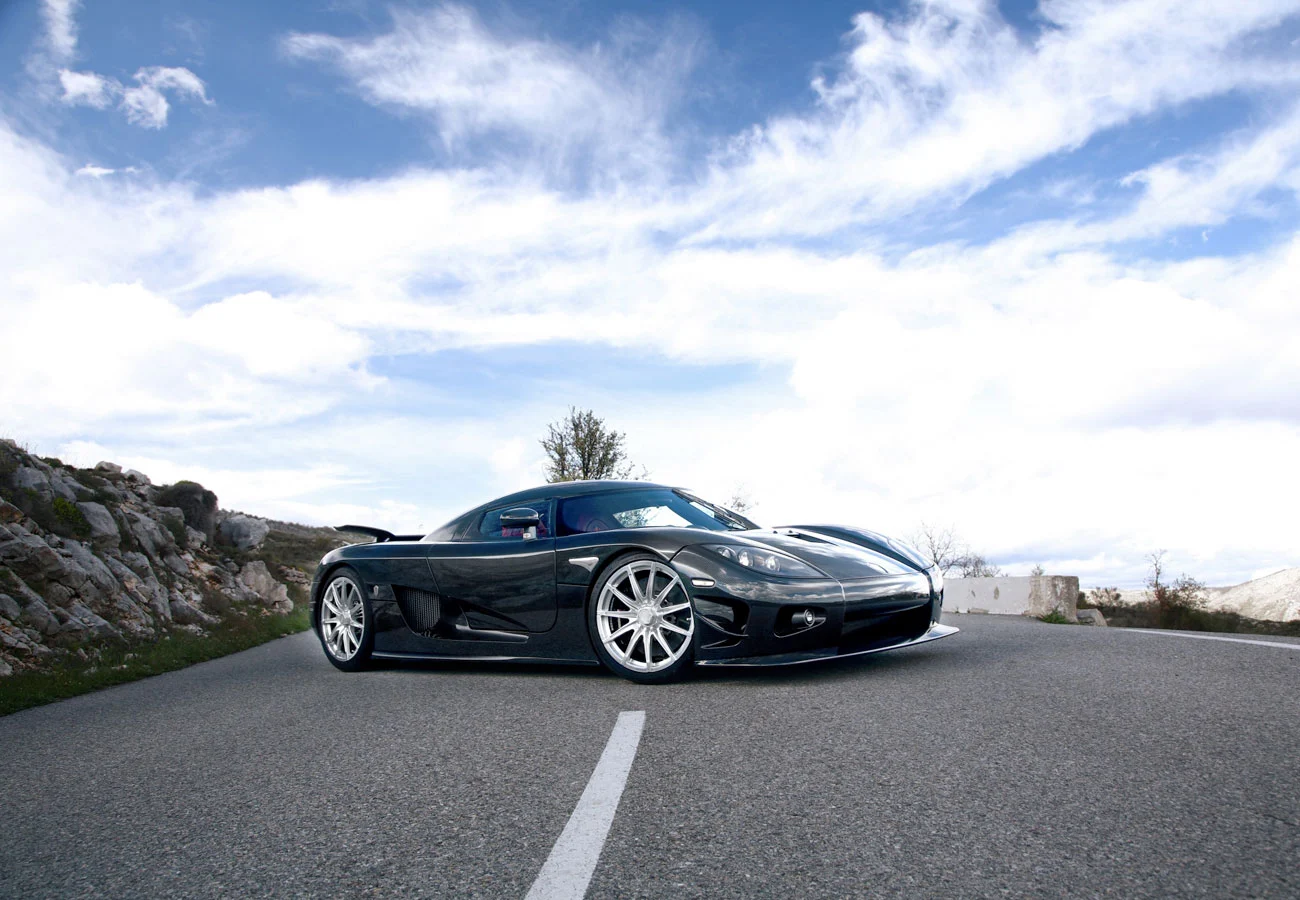
Koenigsegg built only two CCX Editions, a number so small it undercuts most limited runs by a factor of ten.
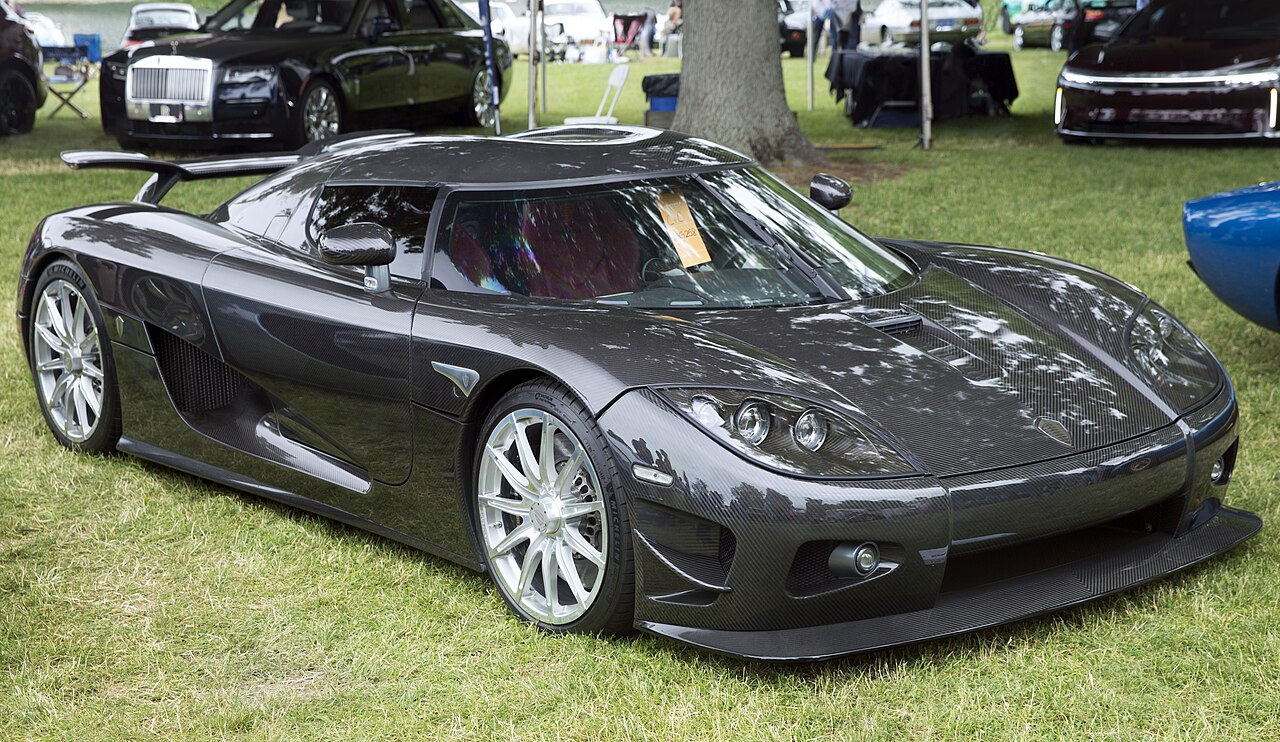
The CCX exists because Koenigsegg redesigned its entire hypercar around one goal: finally meeting US safety and emissions rules so Americans could legally buy one.
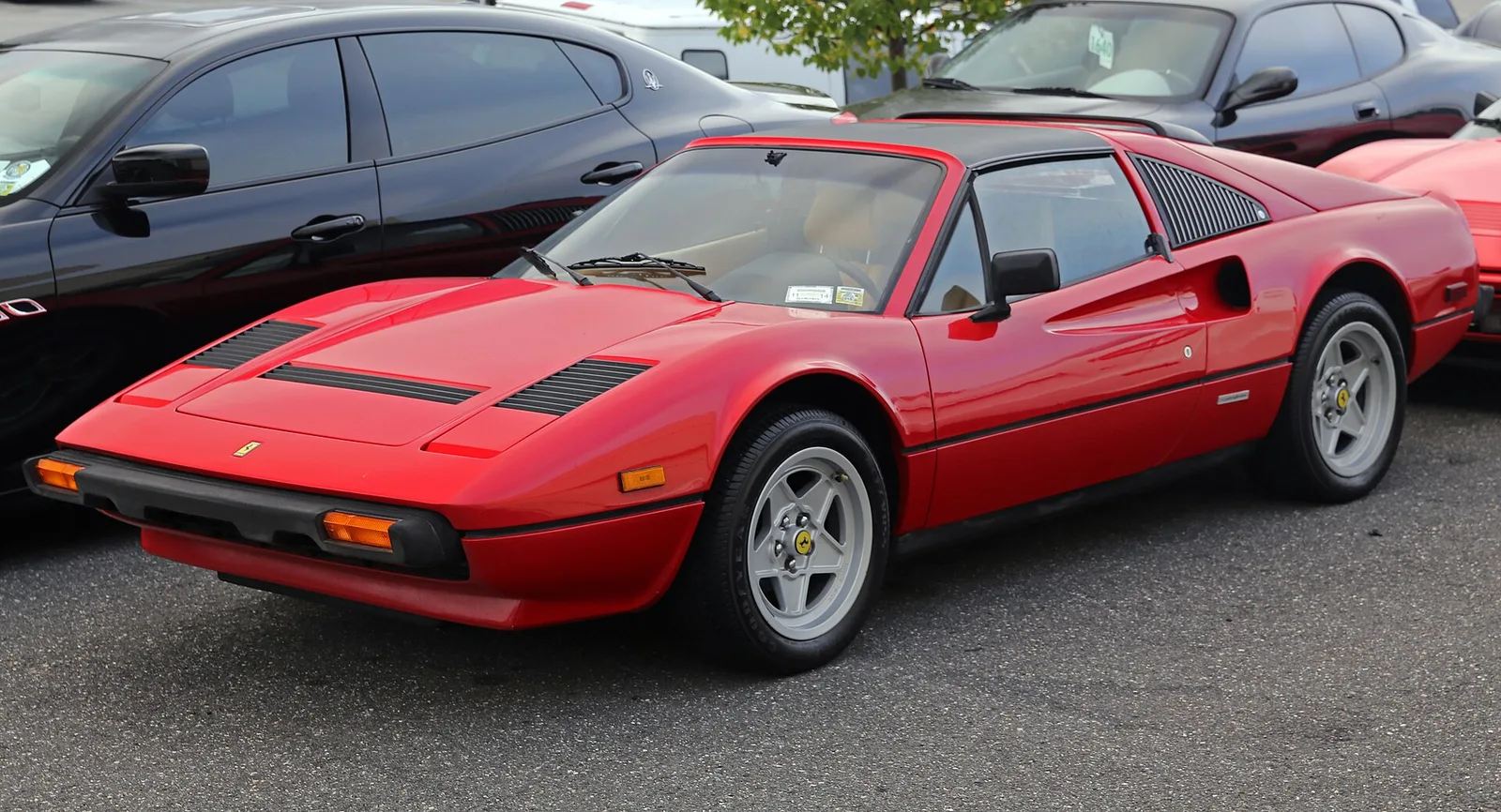
This 308's four-valve heads weren't only about more power — they solved a real problem: the earlier two-valve engine's sodium-filled valves were known to fail at the joint between head and stem.
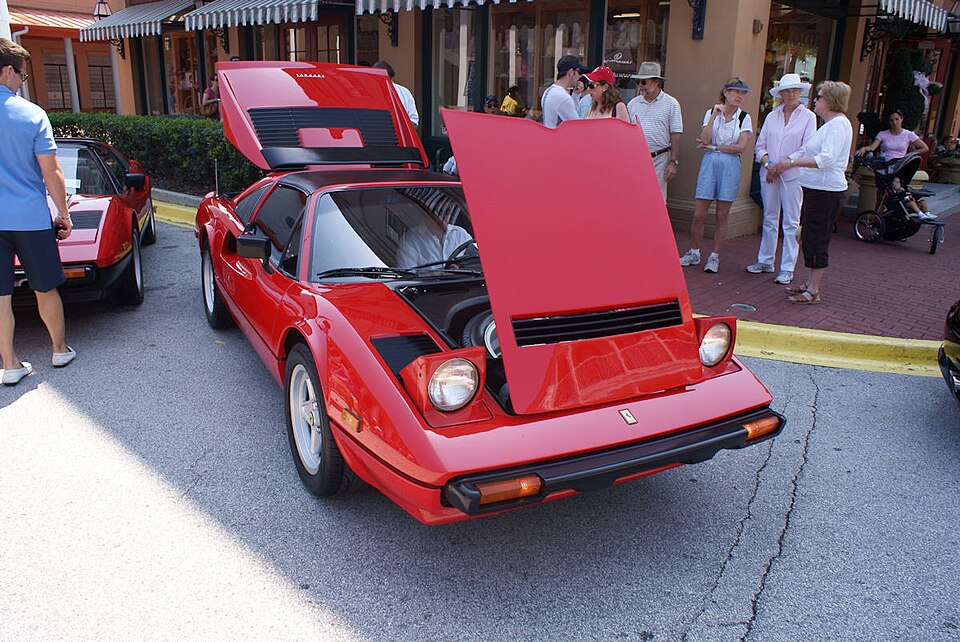
This 308 became a TV icon by accident of casting: Tom Selleck drove one around Oahu as Thomas Magnum for eight seasons of Magnum, P.I., burning its silhouette into 1980s pop culture.
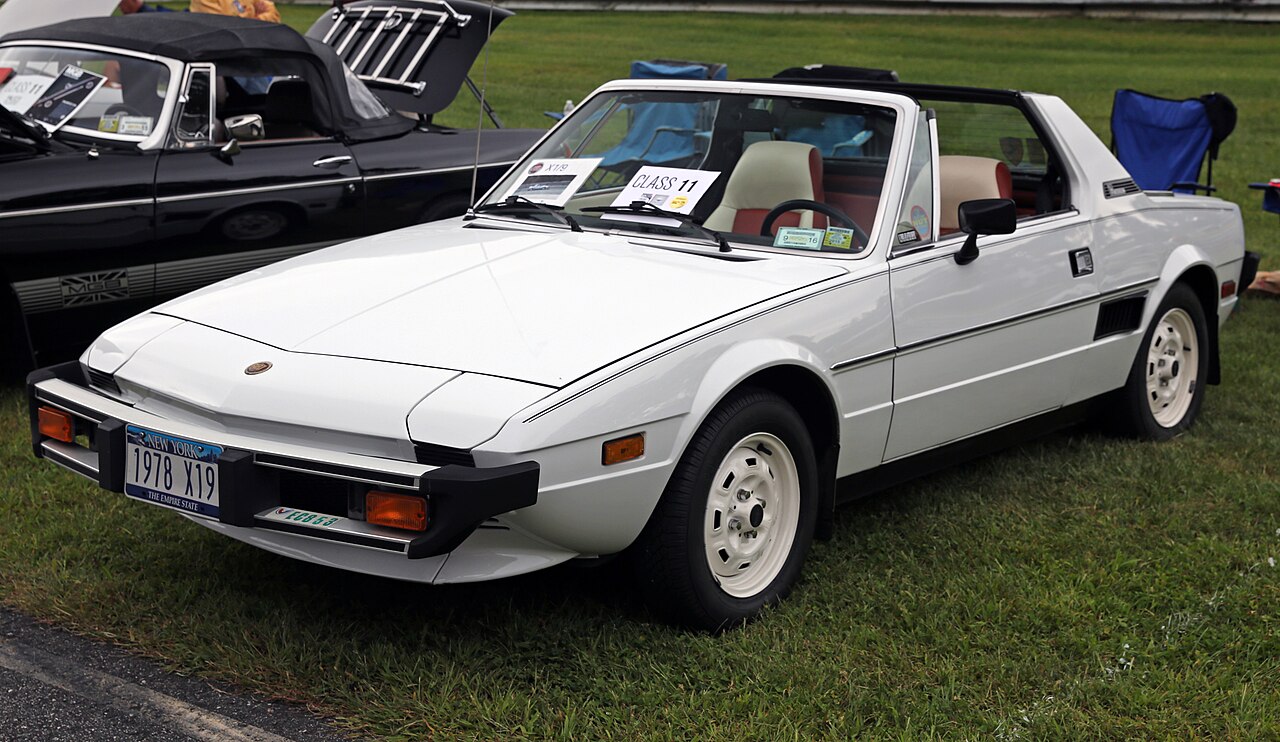
It kept its prototype code as its name: in Fiat's system X1 meant a passenger car, and this was the ninth one developed.