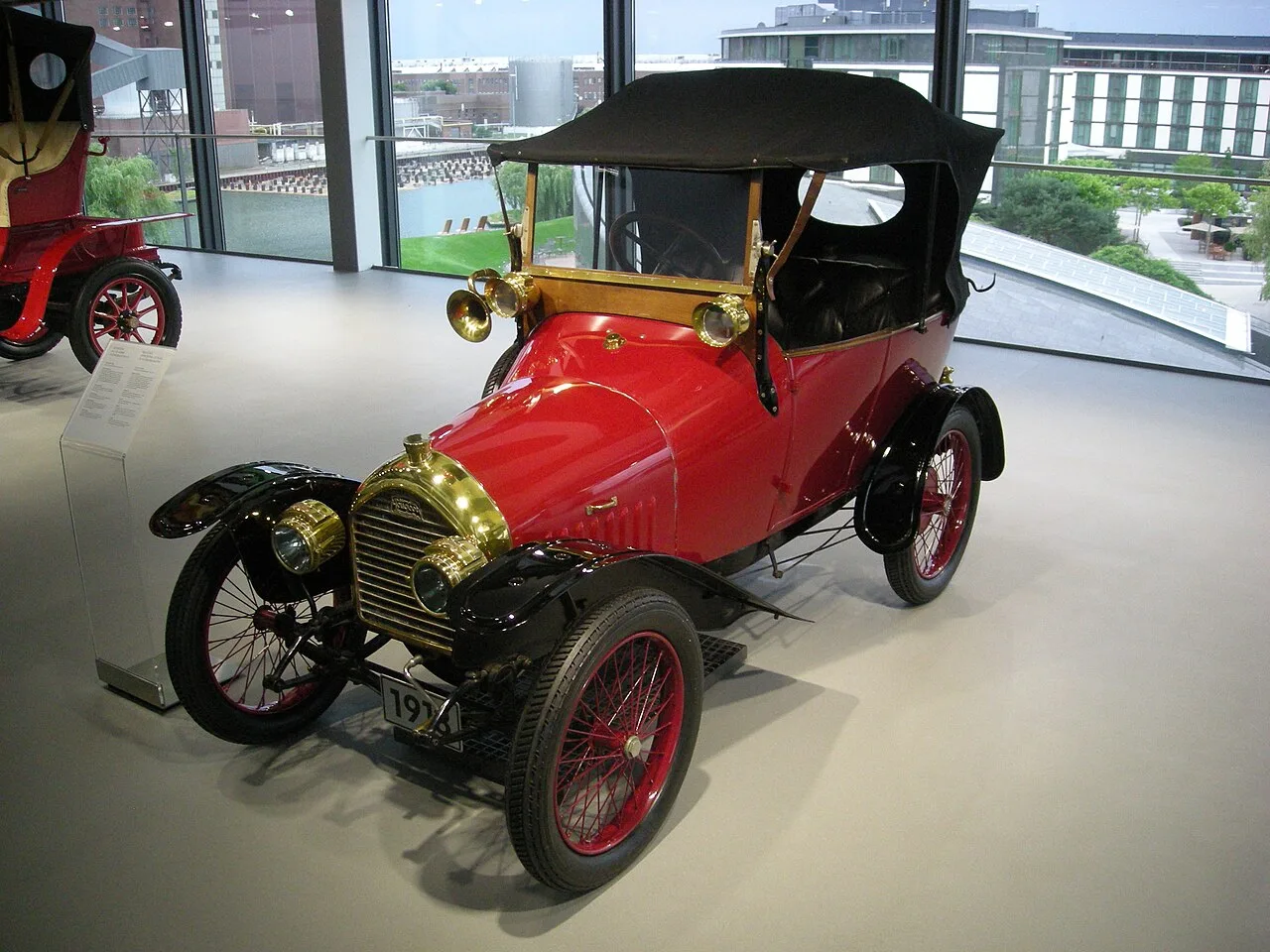
A tiny Peugeot Bébé became one of the first two motor vehicles ever to reach Tibet, imported in 1907 and later gifted to the 9th Panchen Lama.
Lead trim: Bébé Type 69 652 single-cylinder
Peugeot Bébé Type 69TYPE-69 · 1905–1912
- 0spots by members
- Unclaimednobody has spotted one yet
- 0sets it belongs to
Nobody in Burbles has spotted a Peugeot Bébé Type 69 yet. See one on the street, point the app at it, and the first card is yours — with your @handle permanently credited on this page.
FactA tiny Peugeot Bébé became one of the first two motor vehicles ever to reach Tibet, imported in 1907 and later gifted to the 9th Panchen Lama.
The Peugeot Bébé (Baby) was a small car nameplate from Peugeot made from 1905 to 1916, technically the Type 69 and the Type BP1. The original Bébé first appeared at the 1904 Paris Motor Show as a cheap, small, practical modern car weighing 350 kg (770 lb, below the catalogue's minimum curb weight, so stated here only) and 2.7 metres (110 in) long, whose small 652 cc single-cylinder engine could propel it to 40 km/h (25 mph); rack-and-pinion steering and a driveshaft instead of a chain were included despite the deliberately low price. Production began at Audincourt in 1905 and it sold 400 units in the first year, 80 percent of Peugeot's production, and was exported, particularly to Britain; a Type 69 was one of the first two motor vehicles in Tibet, imported in 1907 by William Frederick Travers O'Connor and later given to the 9th Panchen Lama. The text says the Type 69 was sold only during 1905, while the infobox dates the Bébé 1905–1912. The page gives no power for the 652 cc engine.
Collectors Spotted in the Peugeot Bébé Lineage
No member has published a public street spot of the Peugeot Bébé yet — the First · Worldwide stamp is wide open.
Trims & Figures
One published trim in the catalogue. A blank is a figure not recorded, not zero.
| Trim | Years | Engine | Power | Torque | 0–60 | Drive | Gearbox | MSRP |
|---|---|---|---|---|---|---|---|---|
| Bébé Type 69 652 single-cylinder | 1905–1912 | 0.7 L 1-cyl | — | — | — | RWD | — | — |
Owning one
We don’t estimate running costs for a car like this. What it costs depends on its condition, its specialist and how it is driven, and an average would mislead.
Owners’ builds
Nobody has claimed one yet.
Photographs
The car most people know as a Peugeot was actually designed by Ettore Bugatti for the German firm Wanderer — Peugeot just built it under license for the French market.
A tiny Peugeot Bébé became one of the first two motor vehicles ever to reach Tibet, imported in 1907 and later gifted to the 9th Panchen Lama.
Rivals
Same body, same money, other badges — tap any card to flip.
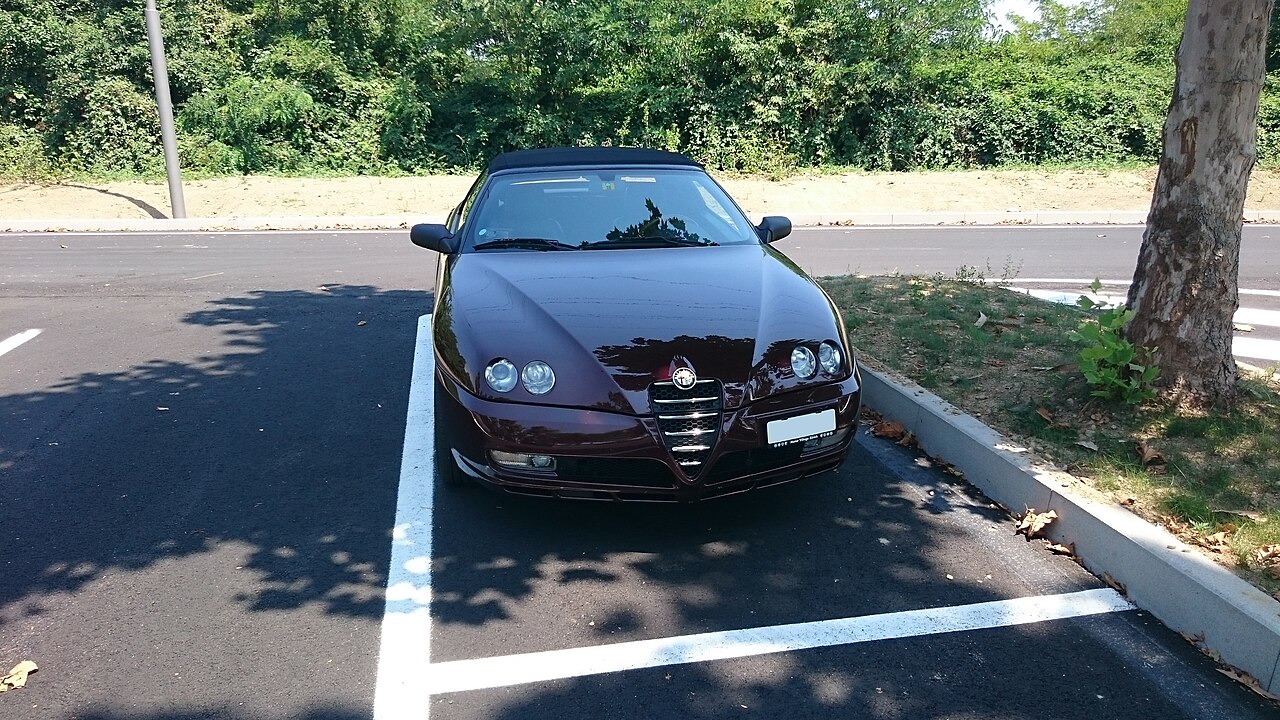
In 1974 Alfa built a one-off on this Spider: a Porsche-style solid rear window and lift-out roof panels, fewer than 2,000 made, the only Spider ever with a part-solid roof.
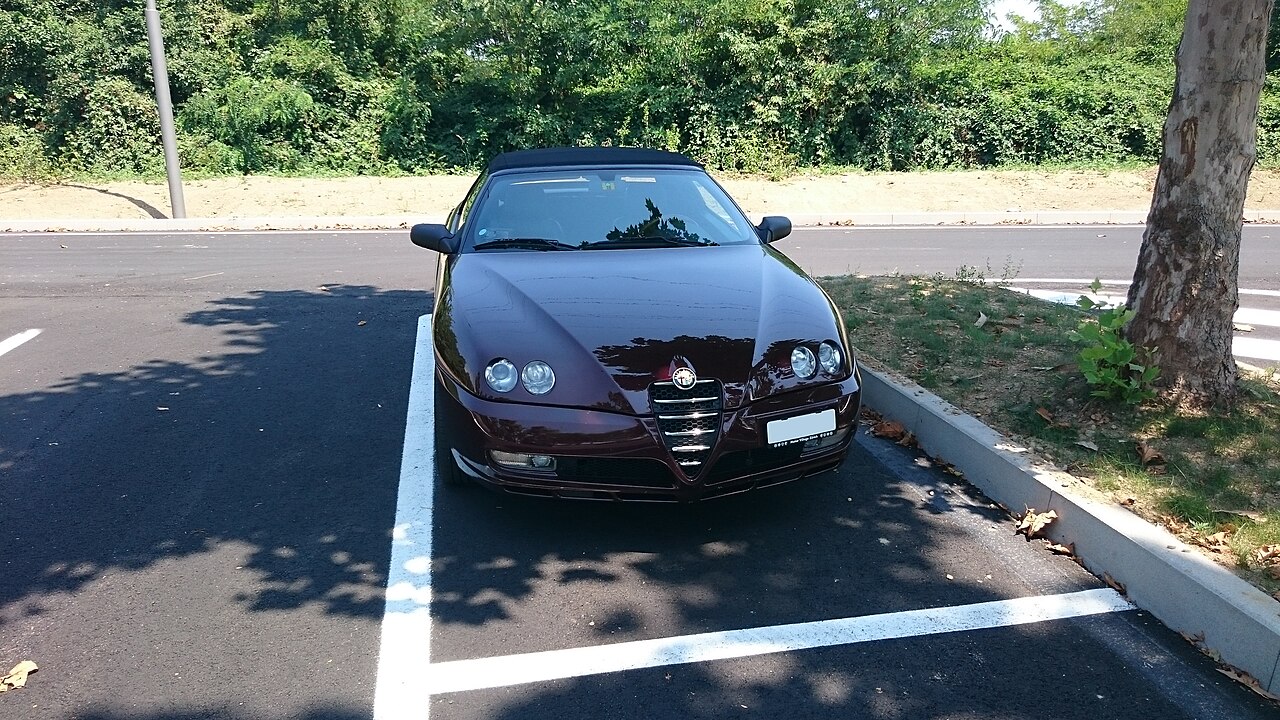
Over 100,000 people voted to name this car "Duetto" — but a chocolate-snack maker had already trademarked the word, and a Milan court ruling forced Alfa to sell it as the Spider 1600 instead.
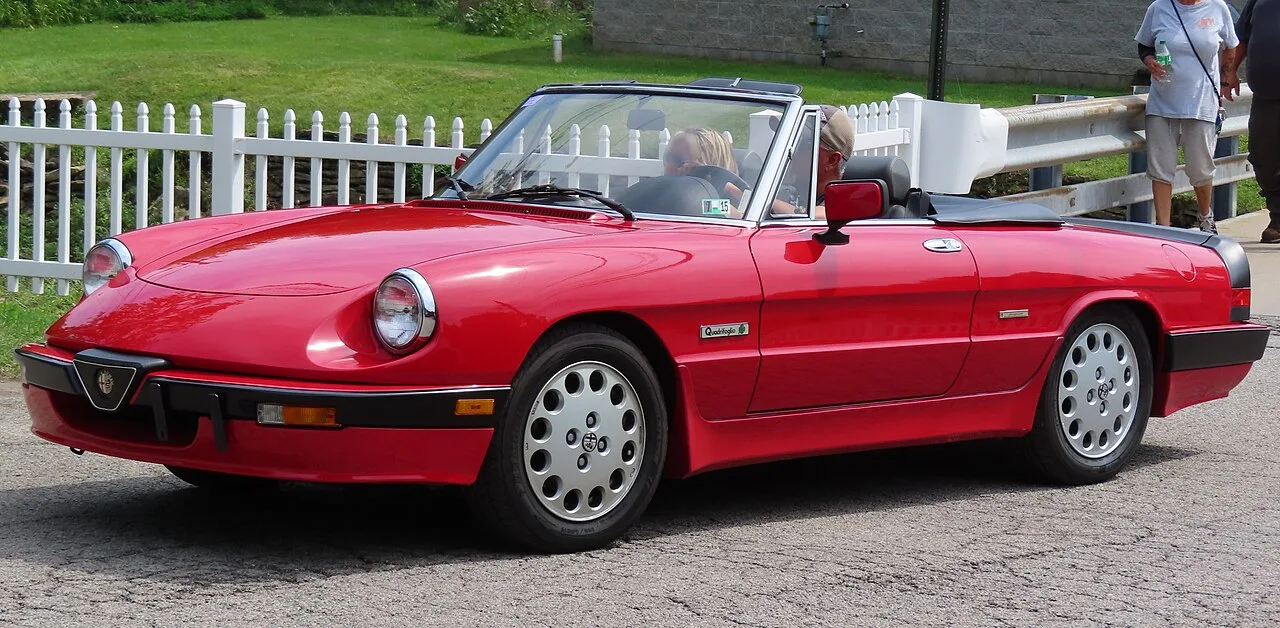
After nearly 25 years of manual-only Spiders, the final Series 4 cars quietly added something Alfa purists never expected: an optional automatic transmission.
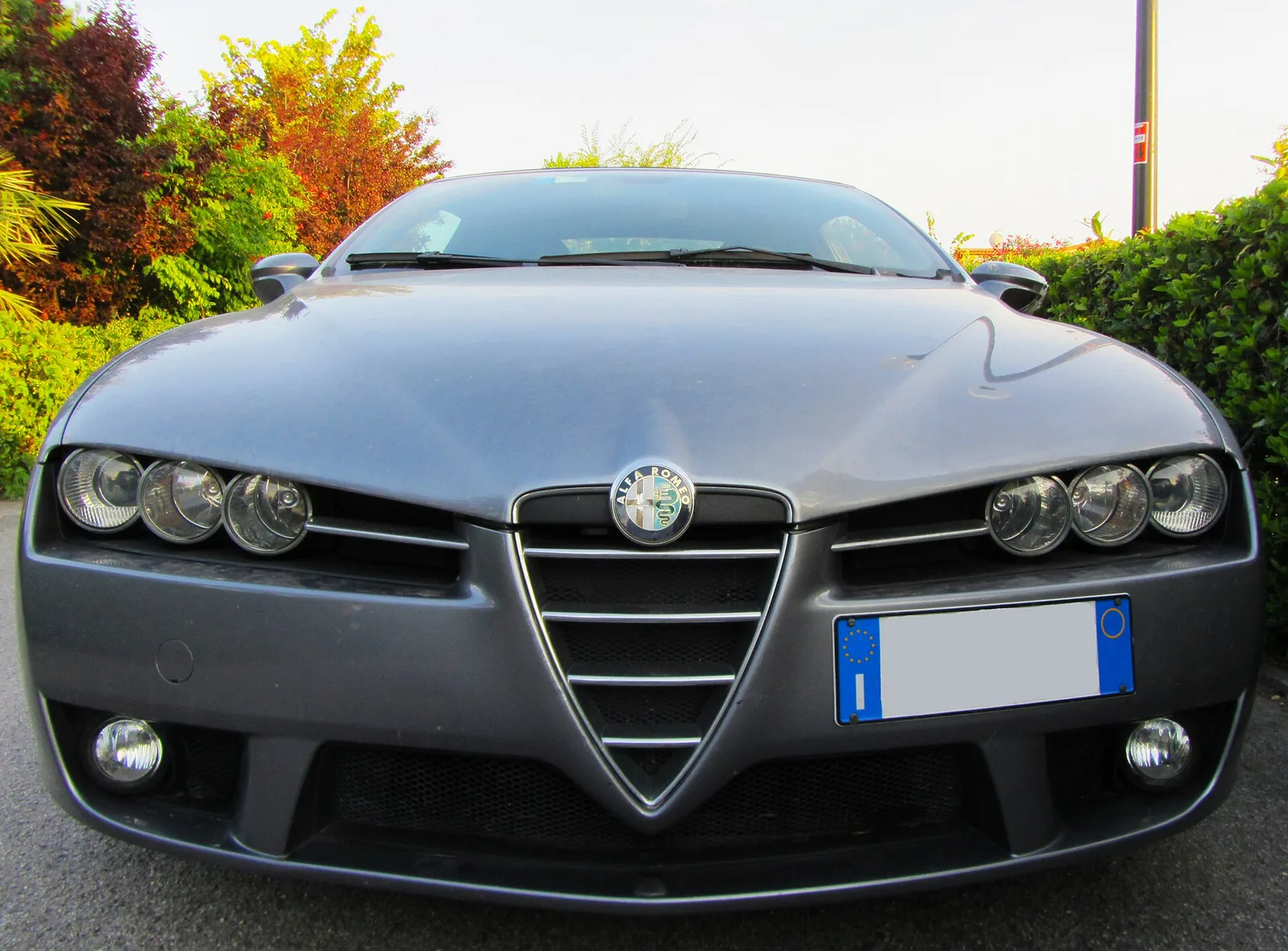
The mid-80s Spider's Quadrifoglio Verde trim went all-in on a single look: blood-red carpets and grey leather with red stitching, and it only ever came in three exterior colors.
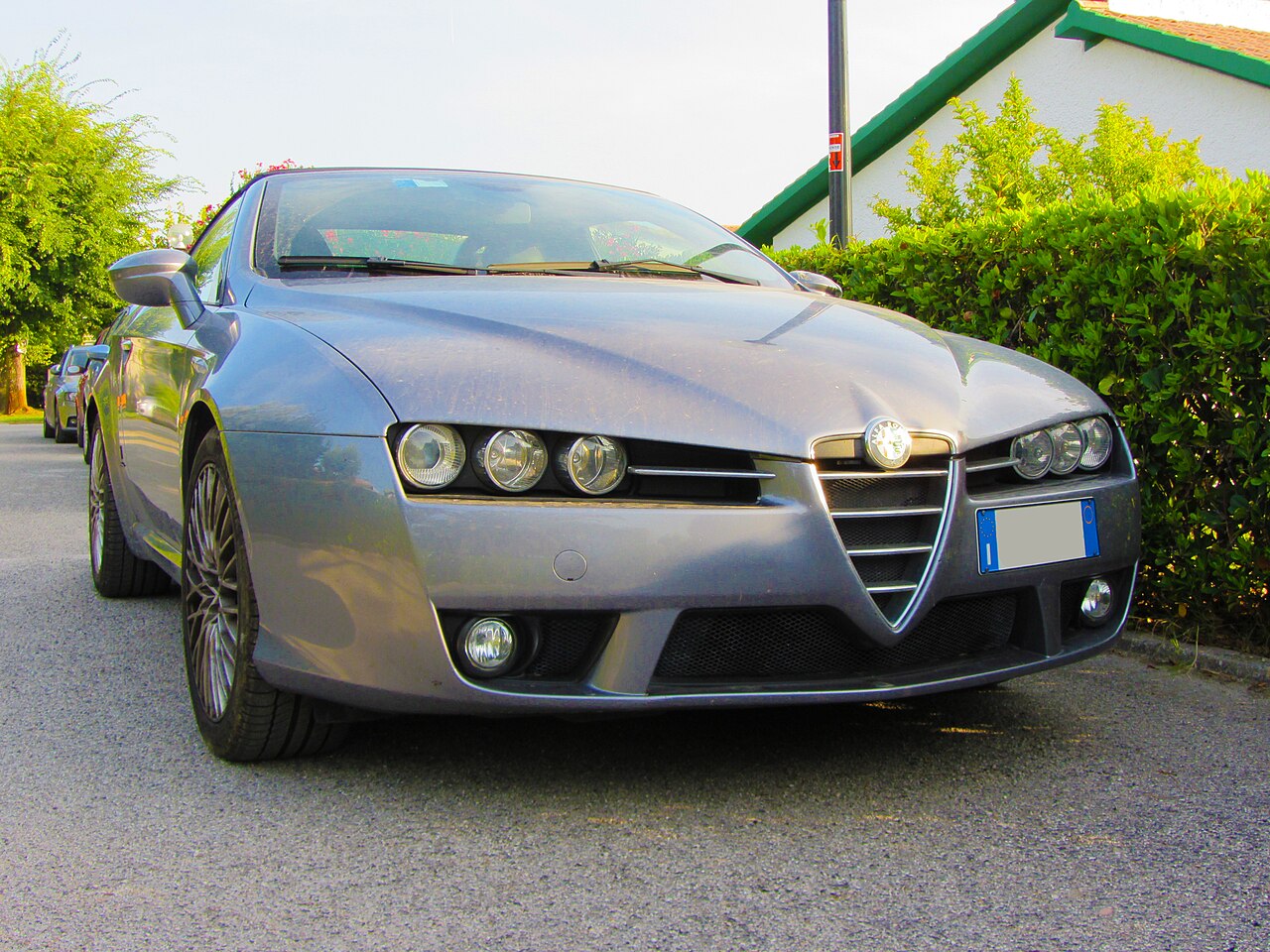
This Spider was built not by Alfa but by Pininfarina itself, on a platform shared with General Motors.
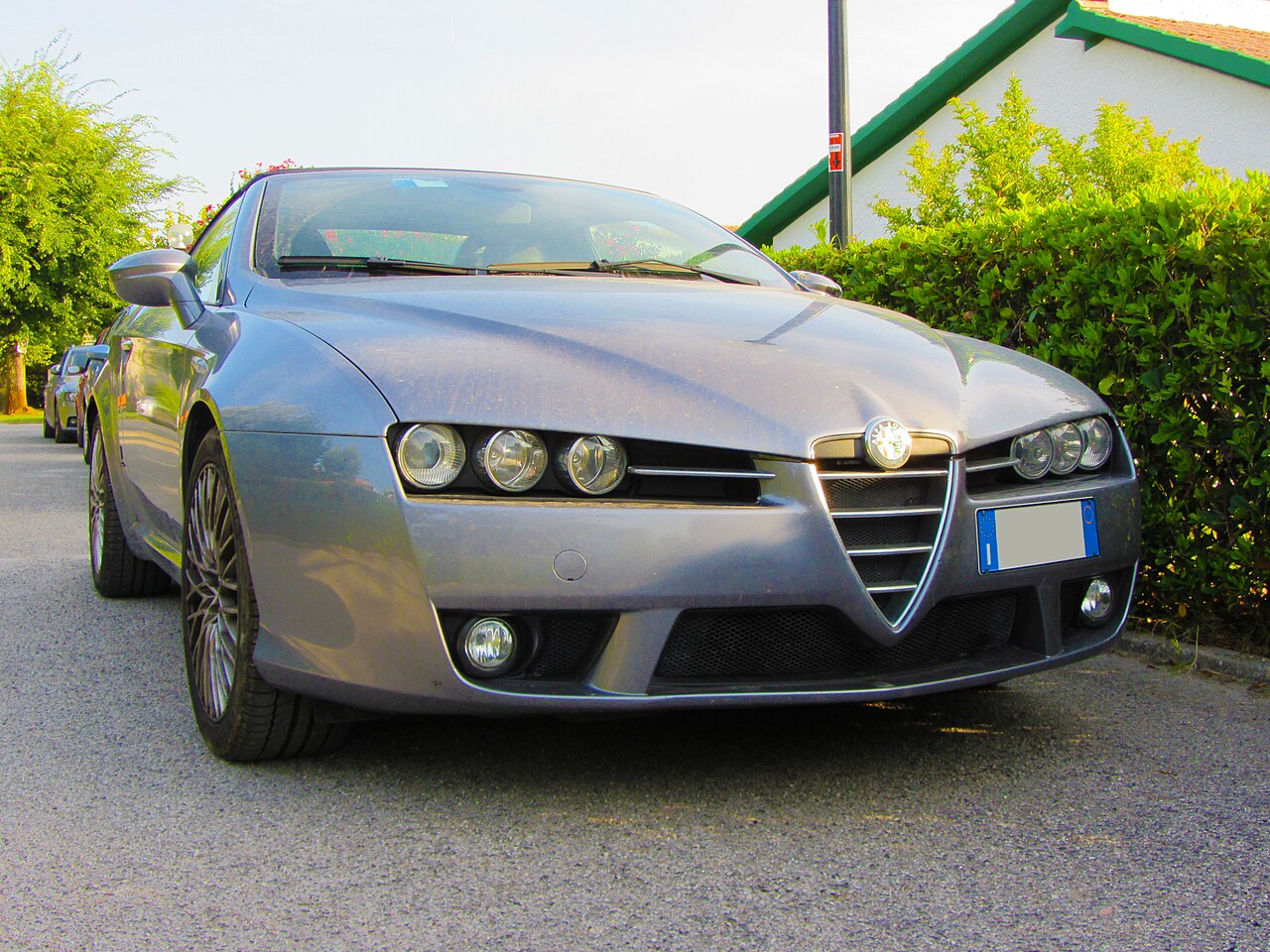
The 916 Spider's strongest naturally aspirated engine, the 192 PS 3.0 12V Busso V6, was never offered in its GTV coupe twin.
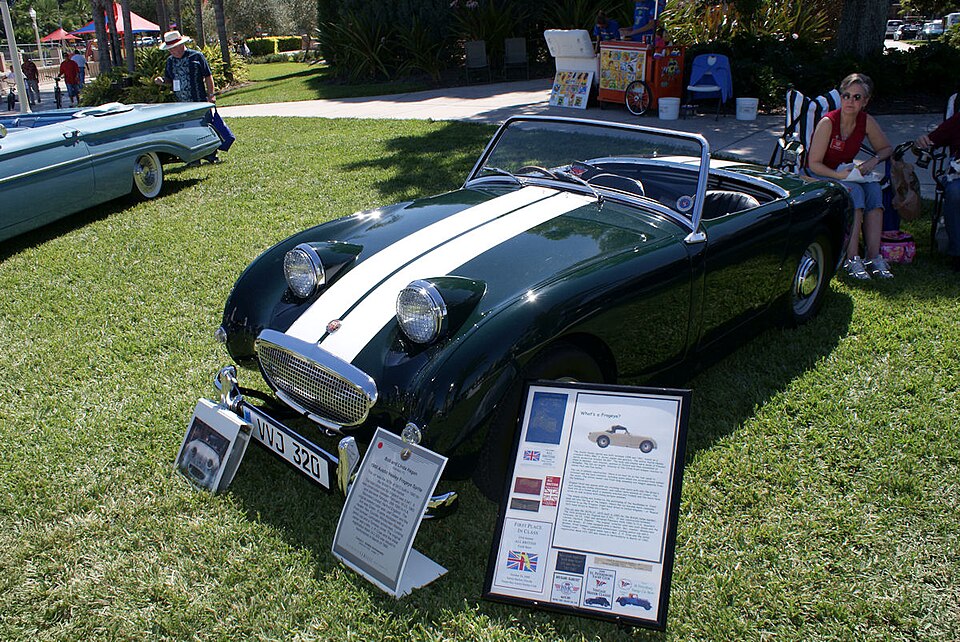
The Frogeye had no boot lid at all — owners reached the spare wheel by tilting the seats forward into the dark cavity behind, a ritual they likened to potholing.
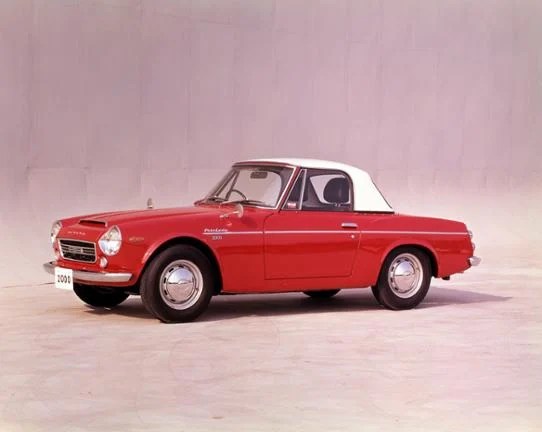
The Fairlady 2000's SR311 update came with a five-speed manual gearbox in 1967 — a genuinely unusual spec for any production car of that era.