A 1981 show limousine concept called the Elgrand Royal Line quietly gave Nissan the name for a future model.
Lead trim: 2.0 Z20S OHC (105 PS)
Nissan Caravan / Urvan E23E23 · 1980–1986
- 0spots by members
- Unclaimednobody has spotted one yet
- 0sets it belongs to
Nobody in Burbles has spotted a Nissan Caravan / Urvan E23 yet. See one on the street, point the app at it, and the first card is yours — with your @handle permanently credited on this page.
FactA 1981 show limousine concept called the Elgrand Royal Line quietly gave Nissan the name for a future model.
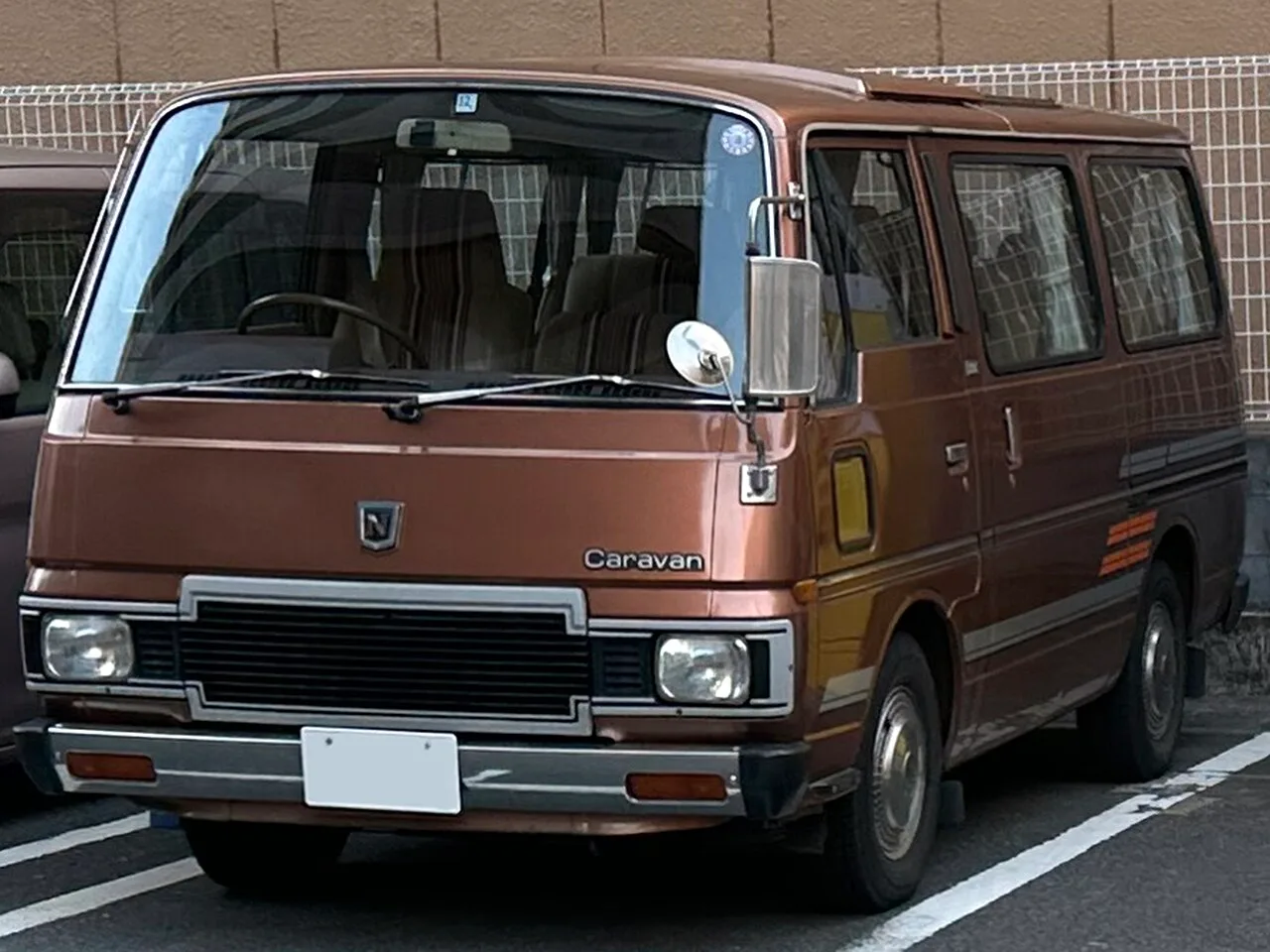
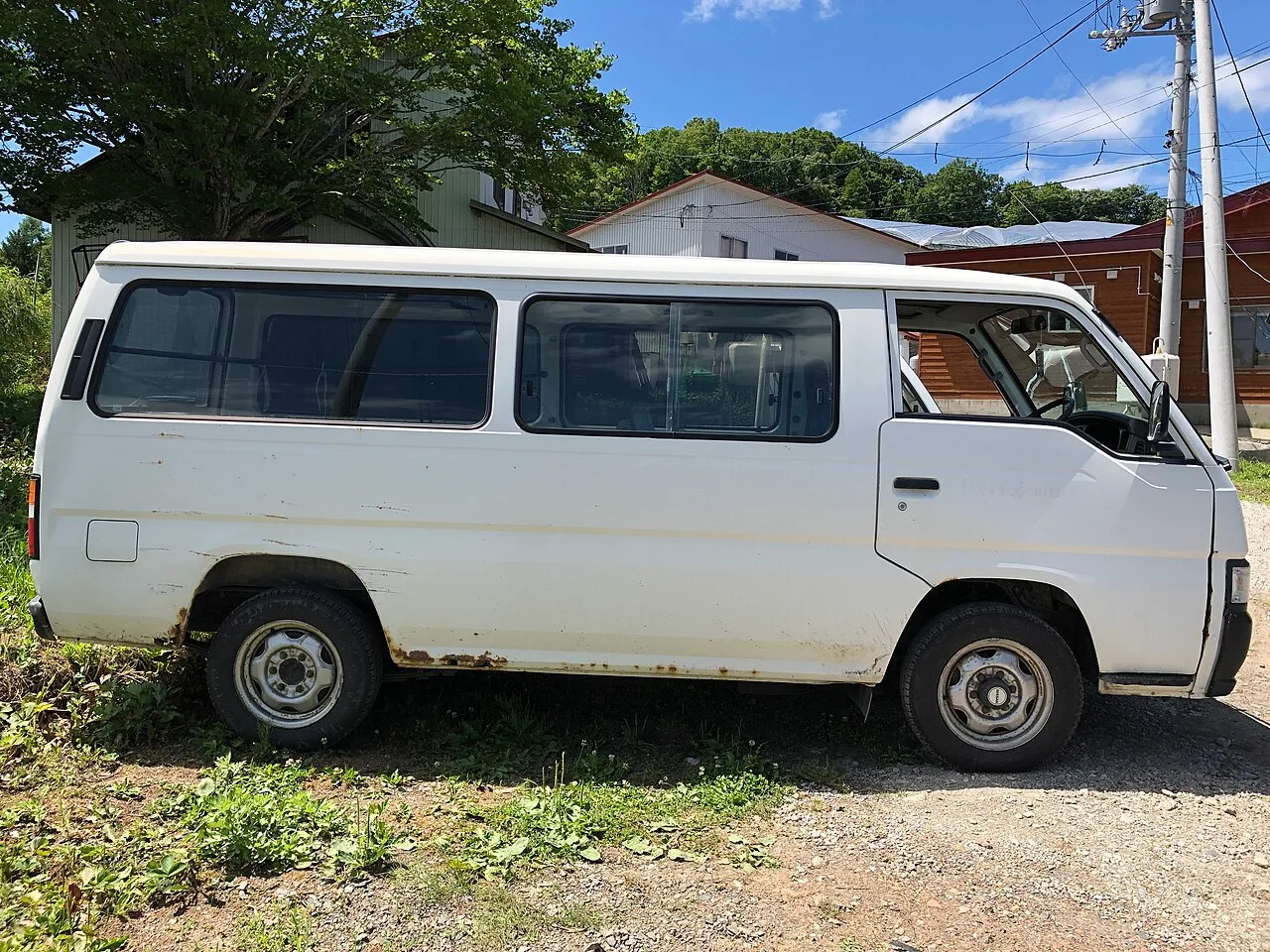
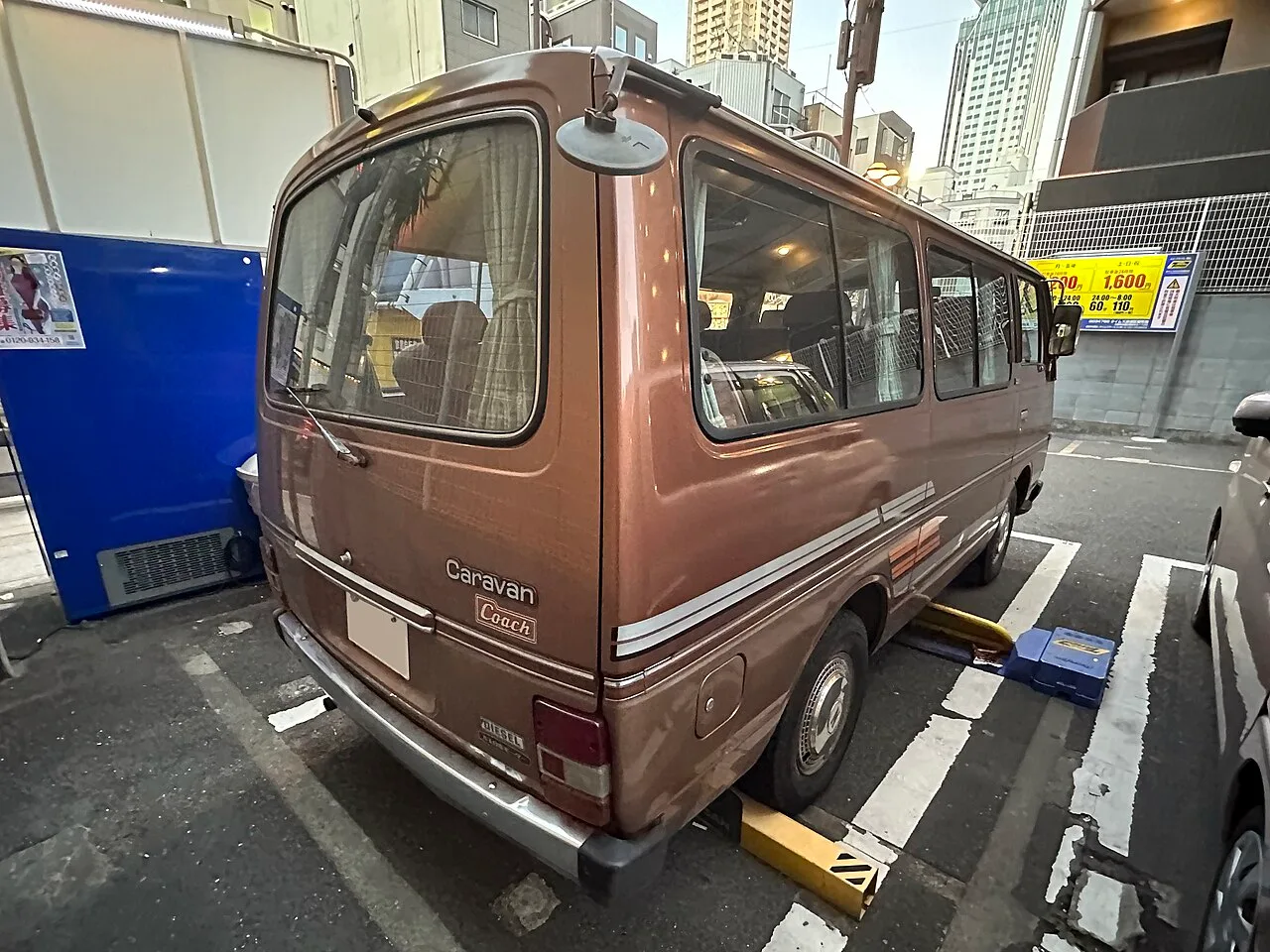
Introduced in August 1980, with the Prince Store twin Homy set apart by its grille, and the Cabstar and Homer sharing much of the bodywork (the Caravan and Homy had a small window in the front doors). Vans now allowed access to the load area from the passenger compartment, and the luxury GL offered the "Nissanmatic" automatic, power steering, rotating rear seats and air conditioning; the SGL "Silk Road" (July 1981) had seven captain seats and the LD20T turbodiesel. May 1982 brought a facelift, a new dashboard and the five-bearing SD23 diesel replacing the SD22, and coach versions the turbocharged LD20T; to meet the 1981 emissions standards they swapped the H20 for the carburetted Z18S and 105 PS Z20S. The 1981 Tokyo Motor Show showed two limousine-like Caravan concepts, the Royal and Elgrand Royal Line, from which the Elgrand name would come. The E24 replaced it in September 1986.
Collectors Spotted in the Nissan Caravan Lineage
No member has published a public street spot of the Nissan Caravan yet — the First · Worldwide stamp is wide open.
Trims & Figures
4 published trims in the catalogue. A blank is a figure not recorded, not zero.
| Trim | Years | Engine | Power | Torque | 0–60 | Drive | Gearbox | MSRP |
|---|---|---|---|---|---|---|---|---|
| 1.6 J16 OHV | 1980–1986 | 1.6 L Inline-4 | — | — | — | — | — | — |
| 2.0 LD20T turbodiesel | 1982–1986 | 2.0 L Inline-4 | — | — | — | — | — | — |
| 2.0 Z20S OHC (105 PS) | 1981–1986 | 2.0 L Inline-4 | 104 hp | — | — | — | — | — |
| 2.3 SD23 diesel | 1982–1986 | 2.3 L Inline-4 | — | — | — | — | — | — |
Owning one
We don’t estimate running costs for a car like this. What it costs depends on its condition, its specialist and how it is driven, and an average would mislead.
Owners’ builds
Nobody has claimed one yet.
Photographs
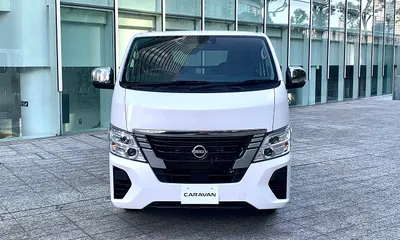
The NV350 doesn't just wear Nissan badges — in the Middle East it's also sold as the Mitsubishi Fuso Canter Van, built by Nissan under a 2013 OEM supply deal.

New Zealand's safety testers gave the Urvan version of this Caravan just one star out of five.
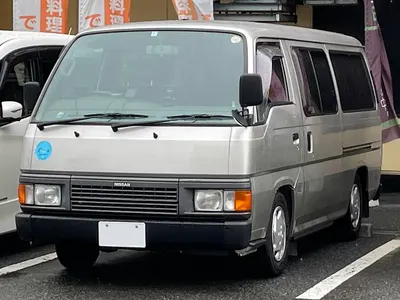
FAW Jiefang in China simply cloned this Caravan generation outright as its own CA 6440 van.
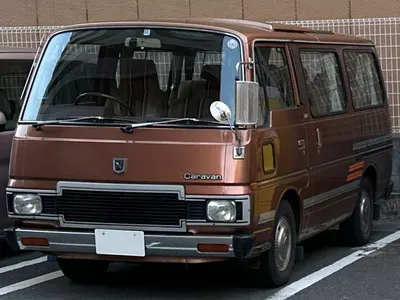
A 1981 show limousine concept called the Elgrand Royal Line quietly gave Nissan the name for a future model.
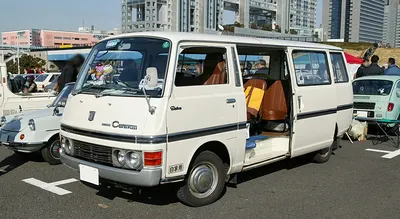
South Africa kept building the E20 Caravan until 1996, twenty-three years after its Japanese debut, selling 77,000.
Rivals
Same body, same money, other badges — tap any card to flip.
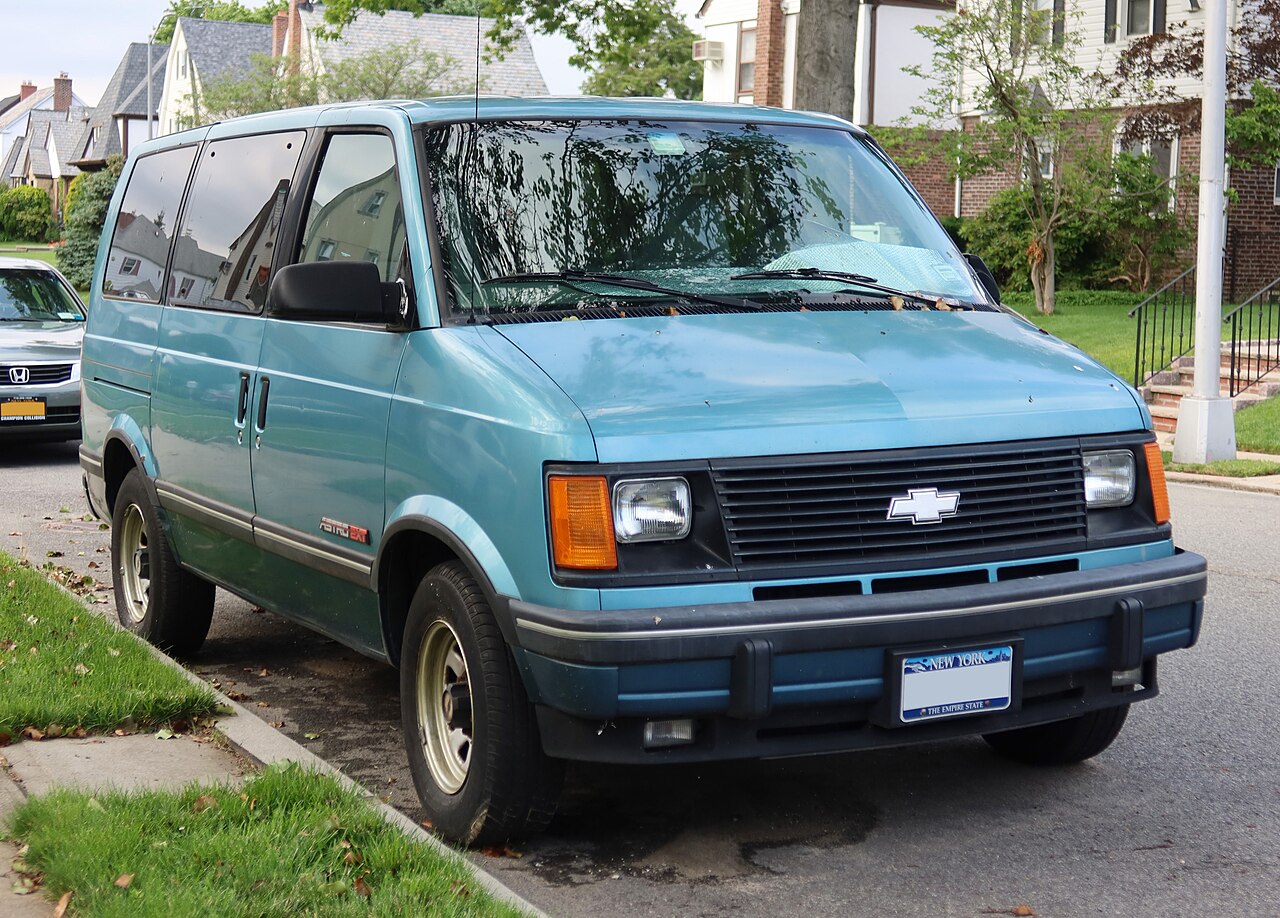
Chevy pitched the Astro as the anti-minivan, telling buyers life was too big for one, while it rode on a rear-wheel-drive truck frame.
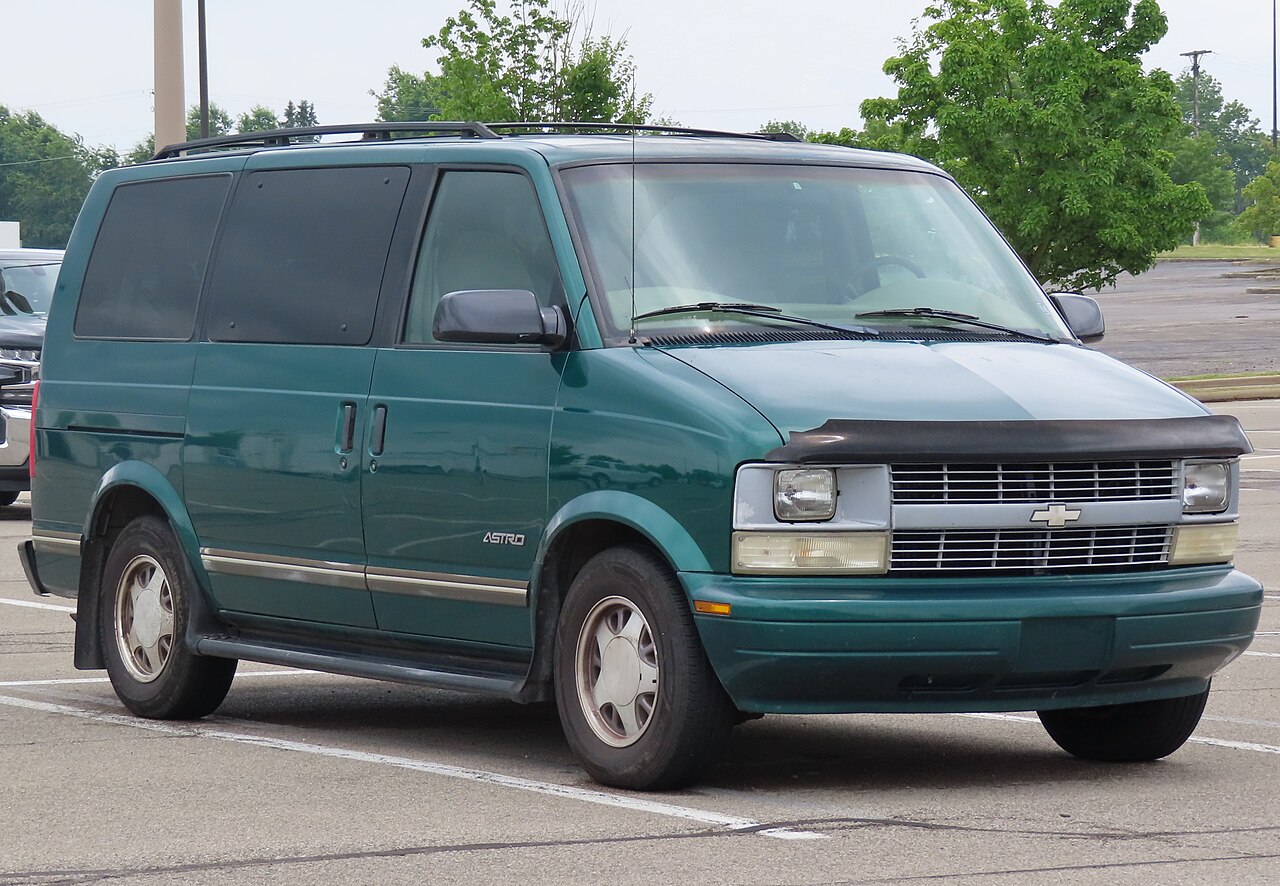
The IIHS rated the Astro Poor in a 1996 crash test, yet 2001–2004 Astros later had the lowest driver death rate of any US passenger vehicle.
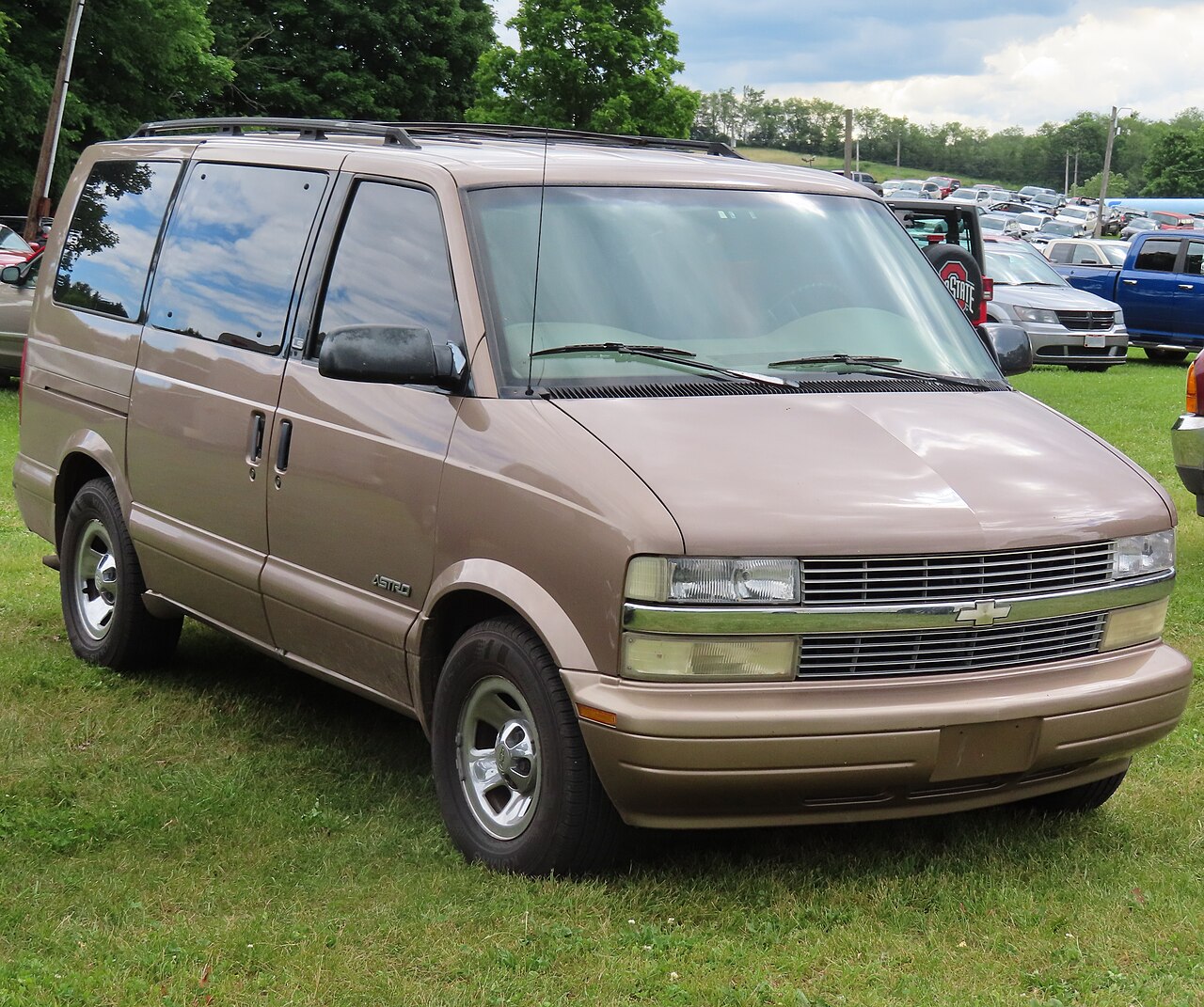
The boxy, unglamorous Astro quietly posted one of the best real-world safety records in America: IIHS found 2001-2004 models had the fewest driver deaths per million vehicles of any passenger vehicle on US roads.
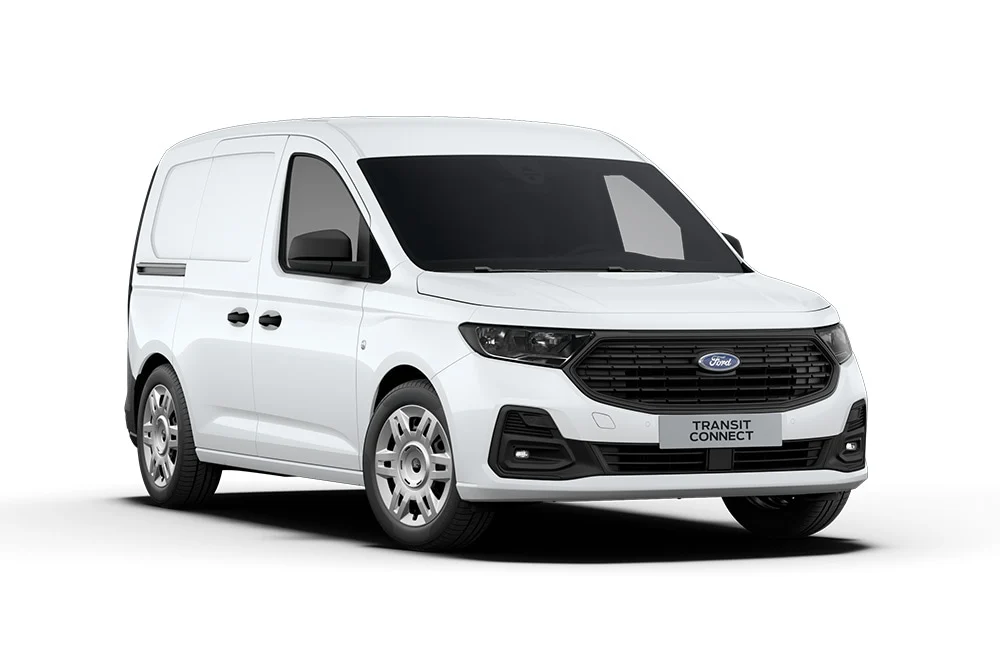
The third-generation Tourneo Connect, released in Europe in October 2021, is a rebadged fourth-generation Volkswagen Caddy, assembled by Volkswagen in Poland.
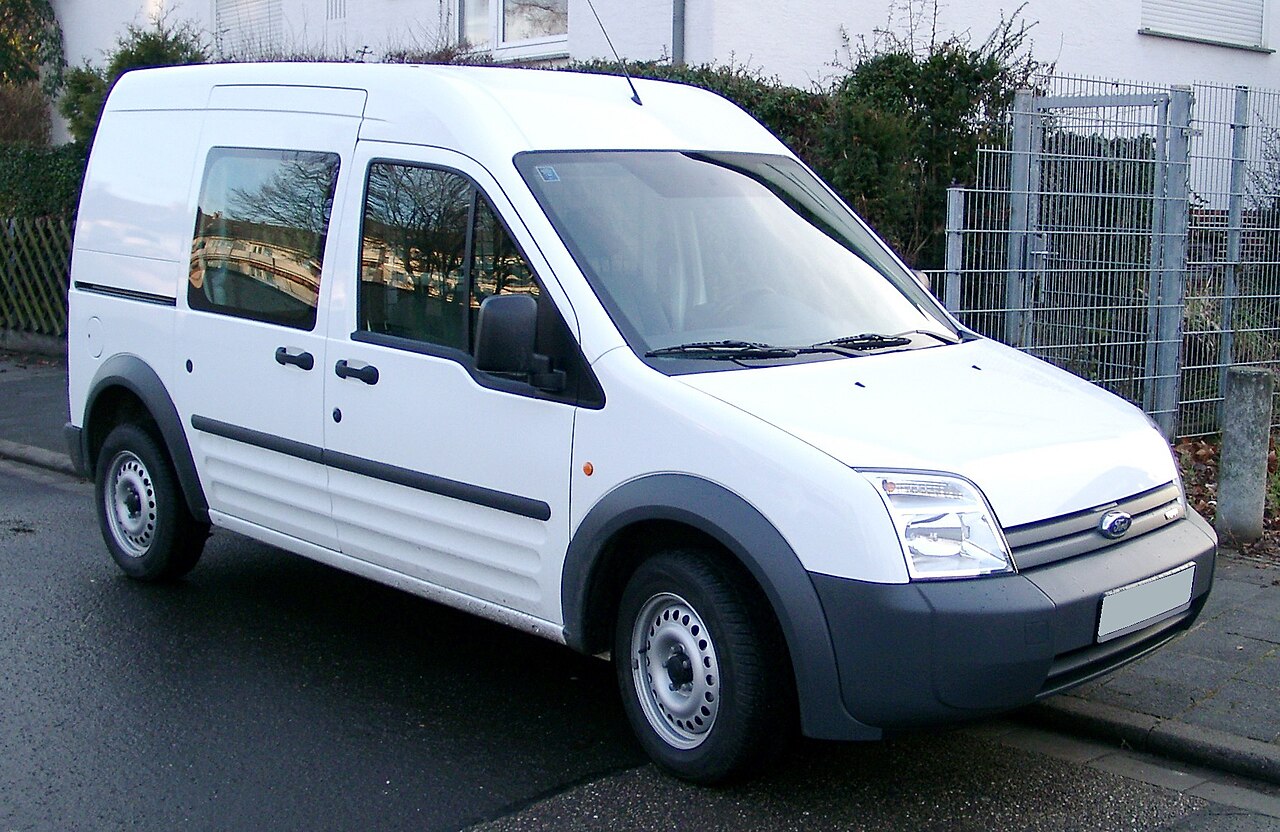
Ford beat the 25% "chicken tax" by importing the Transit Connect as a passenger van — rear windows and seats included, then stripped out and recycled once it landed in the US.
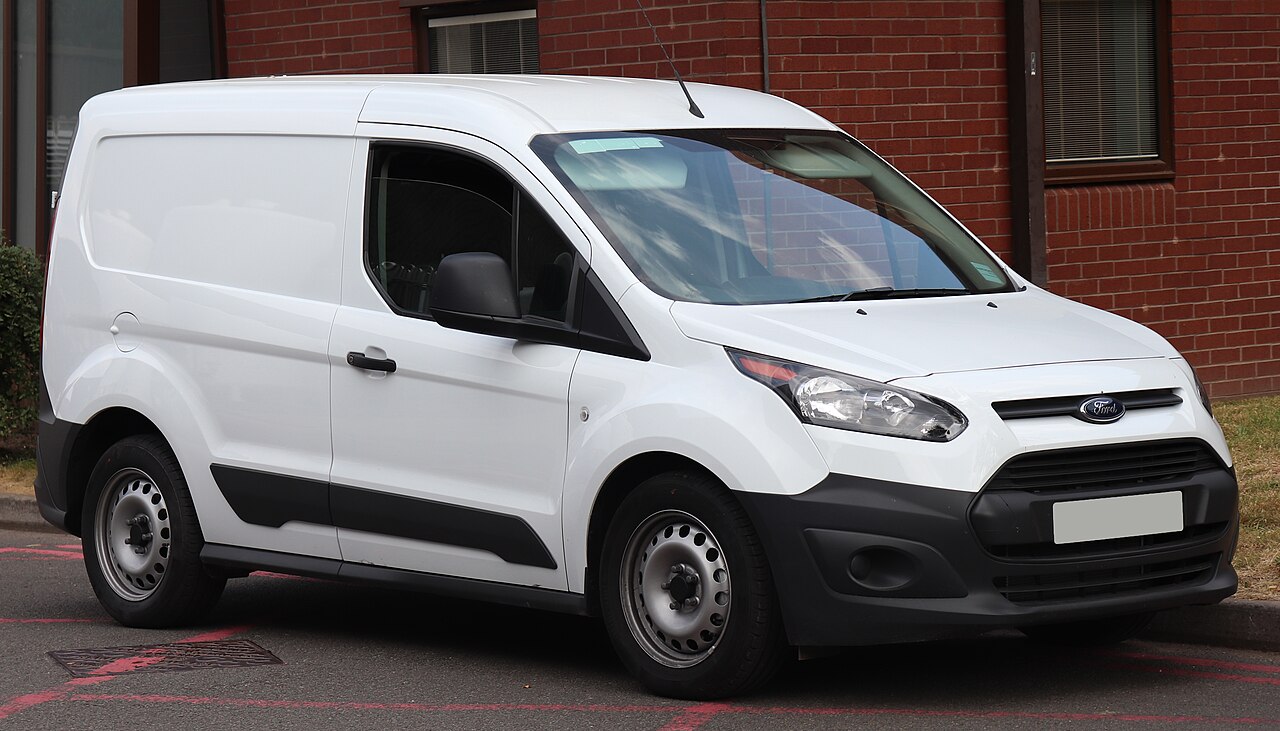
Ford spent years in federal court over the second-gen Transit Connect: in June 2019 the US won its appeal, and judges ruled the van was cargo-only — ending Ford's workaround for the 'chicken tax.'
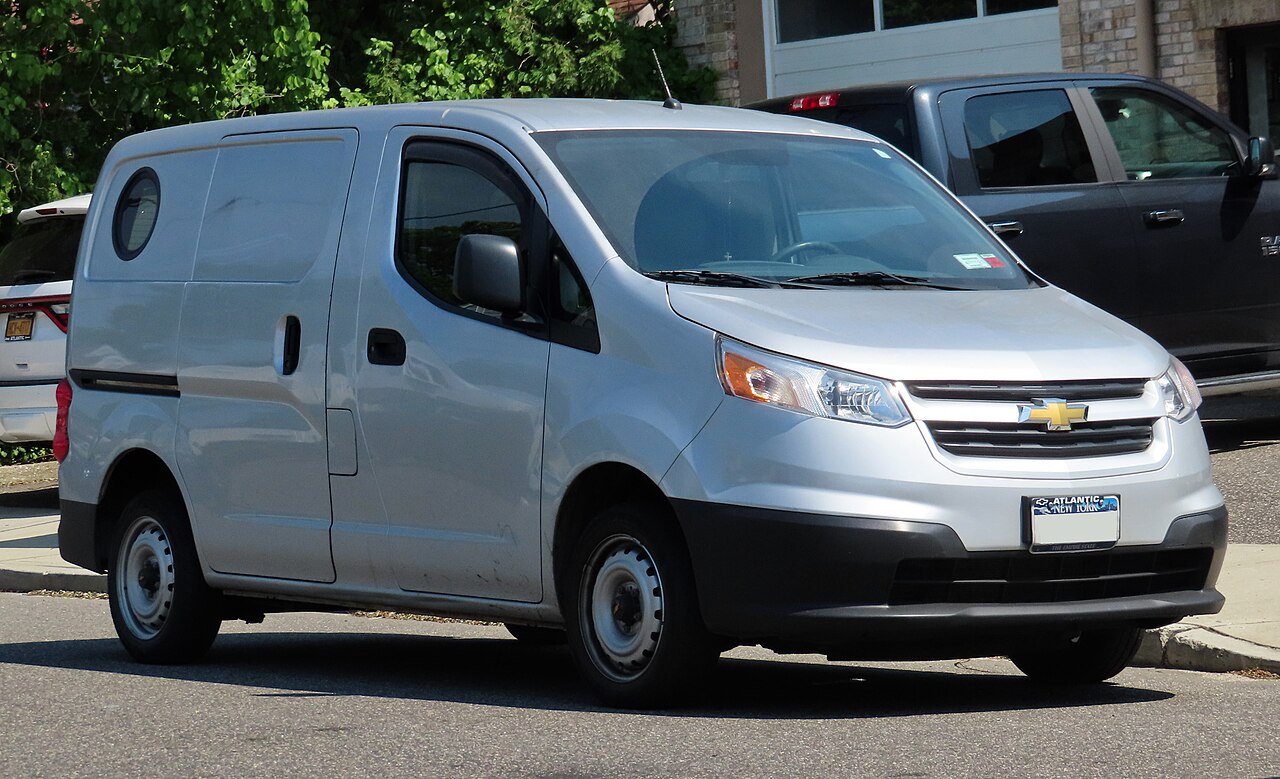
GM sold a rebadged Nissan NV200 as the Chevy City Express for four years, then killed it in 2018, citing weak sales and the fact that its parts weren't even compatible with GM's own parts catalog.

Its name is a pun: "S-Cargo" means "Small Cargo" but sounds just like escargot — French for snail, the shape the whole van was built to resemble.