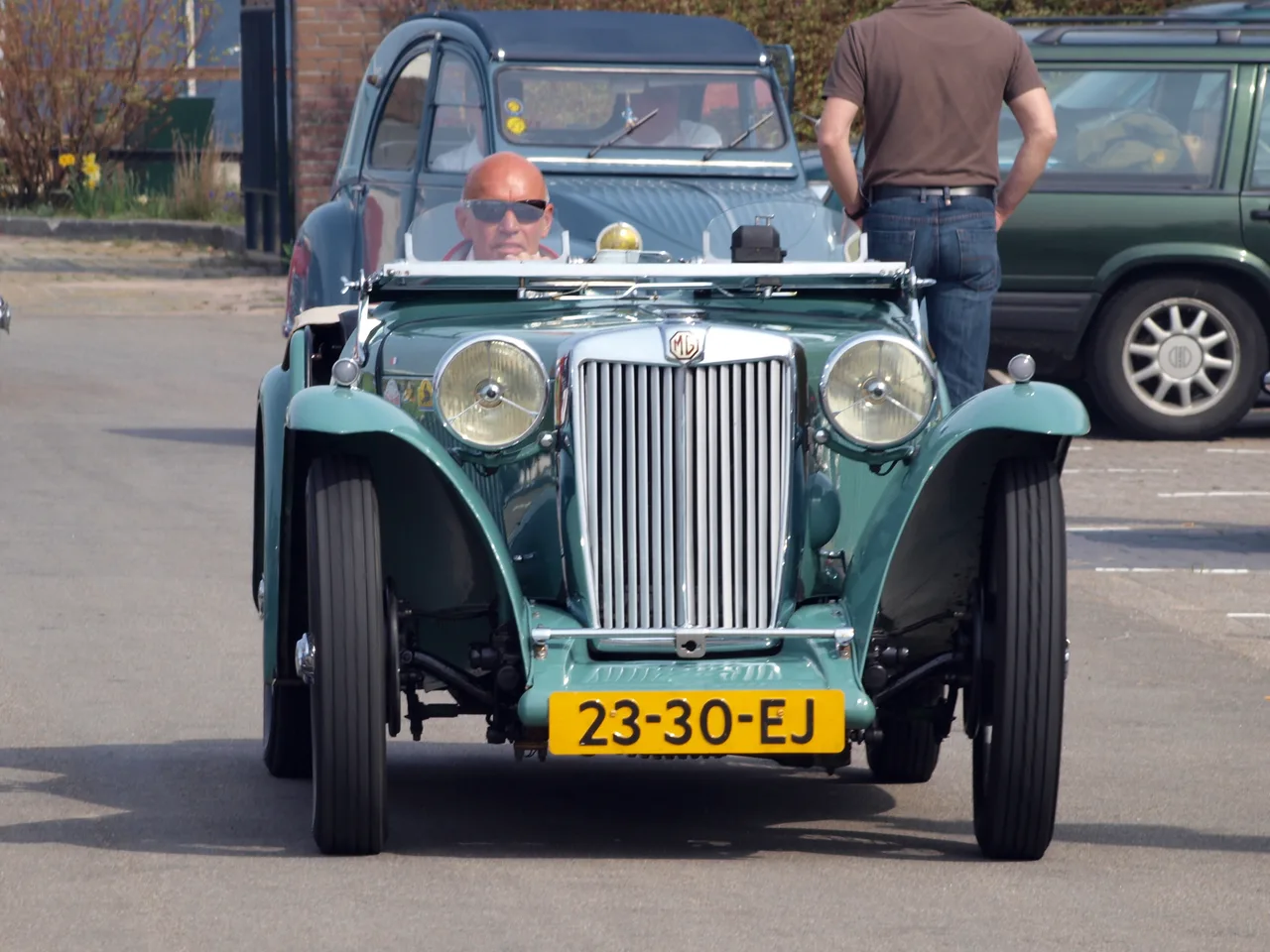
The MG TC never came in left-hand drive — Americans bought it anyway, right-hand steering and all, kickstarting the postwar US sports-car craze.
Lead trim: TC 1.25 XPAG OHV four (54.5 bhp)
MG T-Type Midget1945–1950
- 0spots by members
- Unclaimednobody has spotted one yet
- 0sets it belongs to
Nobody in Burbles has spotted a MG T-Type Midget yet. See one on the street, point the app at it, and the first card is yours — with your @handle permanently credited on this page.
FactThe MG TC never came in left-hand drive — Americans bought it anyway, right-hand steering and all, kickstarting the postwar US sports-car craze.
The MG TC Midget was the first postwar MG, launched in 1945 (10,001 built from September 1945 to November 1949, more than any previous MG model; £527 on the home market in 1947). It was quite similar to the pre-war TB, sharing the same 1,250 cc pushrod OHV XPAG engine with a slightly higher compression ratio of 7.4:1, giving 54.5 bhp at 5200 rpm, with a hydraulically adjusted timing-chain tensioner as the notable improvement; the makers also provided several stages of tuning "for specific purposes". All TCs had a single-battery 12-volt electrical system, 19-inch Dunlop wire wheels and an automatic mechanical timing advance; the body was about 4 inches wider than the TB inside for more cockpit space, with the overall width unchanged and narrower running boards, and the tachometer directly in front of the driver. It was exported to the United States though only ever built in right-hand drive, with slightly smaller sealed-beam headlights, twin tail lights, turn signals and chromed bumpers with over-riders for export. Fuel consumption was 28 mpg and 0–60 mph took 22.7 seconds.
Collectors Spotted in the MG T-Type Midget Lineage
No member has published a public street spot of the MG T-Type Midget yet — the First · Worldwide stamp is wide open.
Trims & Figures
One published trim in the catalogue. A blank is a figure not recorded, not zero.
| Trim | Years | Engine | Power | Torque | 0–60 | Drive | Gearbox | MSRP |
|---|---|---|---|---|---|---|---|---|
| TC 1.25 XPAG OHV four (54.5 bhp) | 1945–1950 | 1.3 L Inline-4 | 54.5 hp | — | 22.7 s | RWD | — | — |
Owning one
We don’t estimate running costs for a car like this. What it costs depends on its condition, its specialist and how it is driven, and an average would mislead.
Owners’ builds
Nobody has claimed one yet.
Photographs
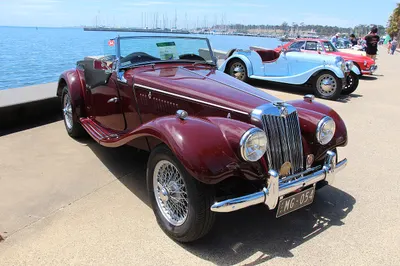
A single bore increase from 63.5mm to 72mm gave the TF 1500 a 17% bigger engine — no stroke change needed, just a wider bore and a new engine code.
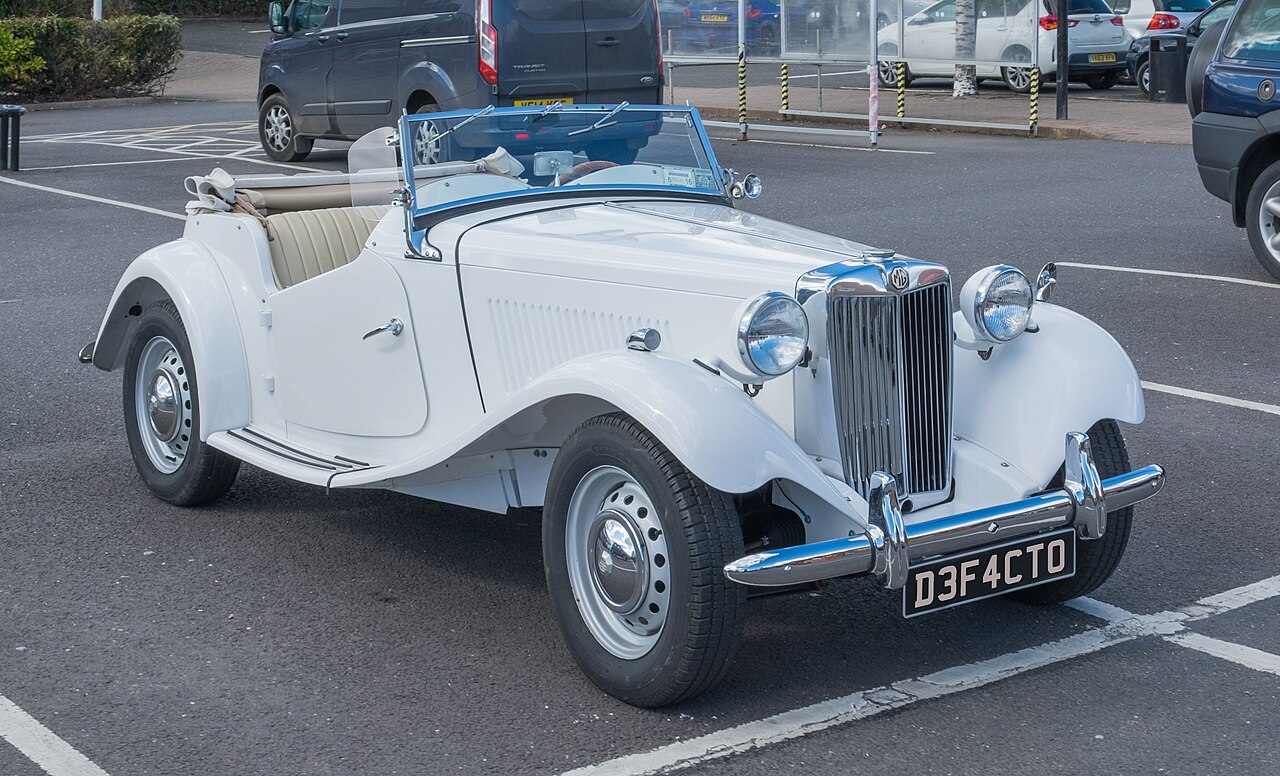
Purists hated the TD on arrival, calling it 'not a sports car,' just an Americanized cash grab. Nearly 30,000 sold anyway, with 23,488 of them shipped to the US alone.
The MG TC never came in left-hand drive — Americans bought it anyway, right-hand steering and all, kickstarting the postwar US sports-car craze.
The TB Midget's production run ended almost as soon as it began — just 379 were built before MG cleared its factory floor to build aircraft parts and modify tanks for the war.
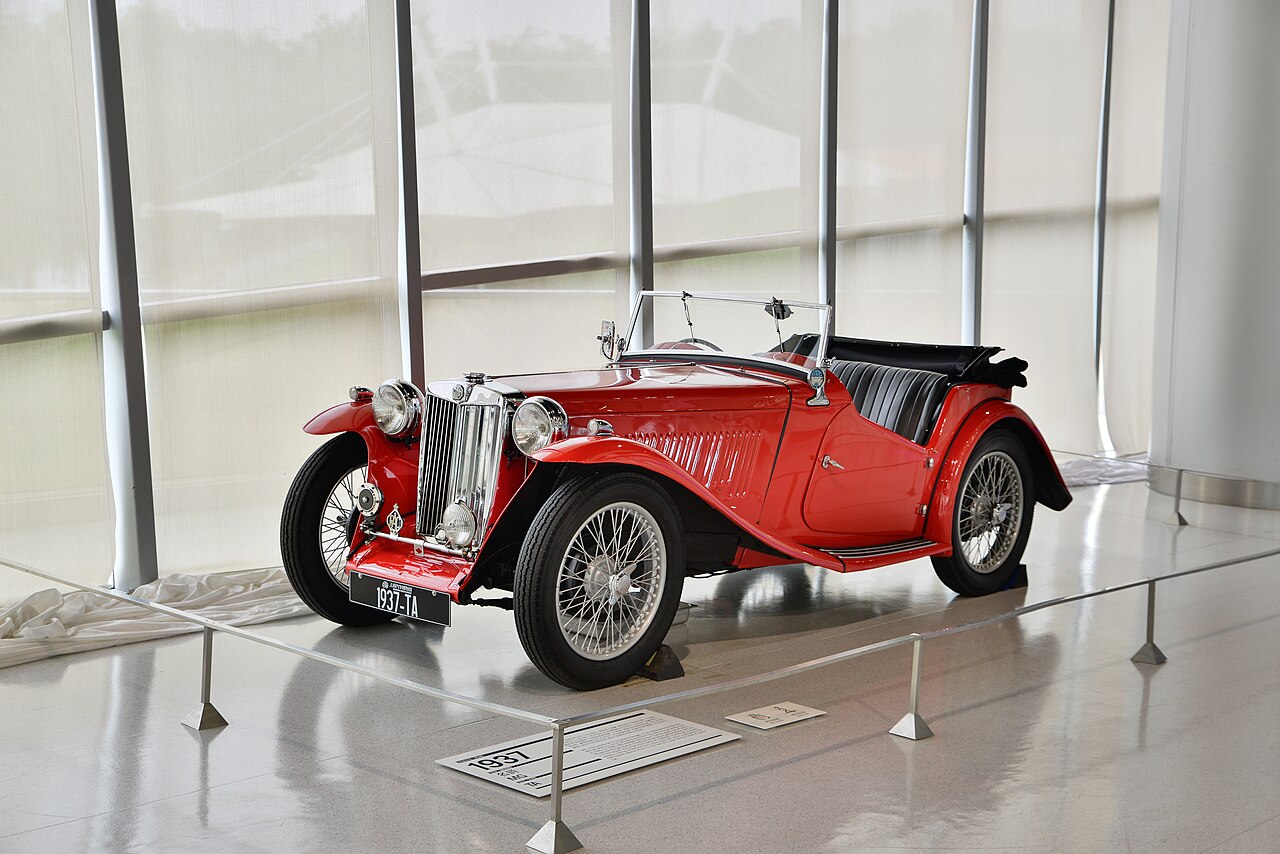
A humble MG TA Midget won the 1939 Australian Grand Prix handicap in Allan Tomlinson's hands, a modest roadster beating out purpose-built racers.
Rivals
Same body, same money, other badges — tap any card to flip.
In 1974 Alfa built a one-off on this Spider: a Porsche-style solid rear window and lift-out roof panels, fewer than 2,000 made, the only Spider ever with a part-solid roof.
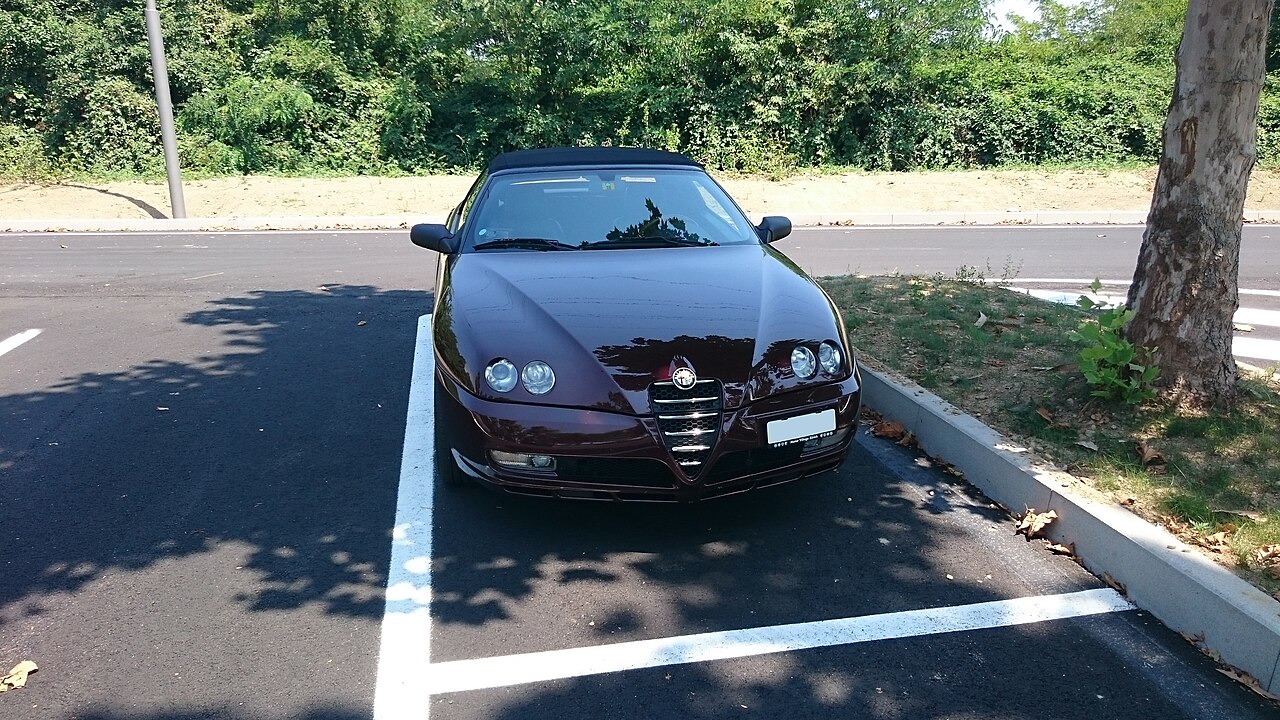
Over 100,000 people voted to name this car "Duetto" — but a chocolate-snack maker had already trademarked the word, and a Milan court ruling forced Alfa to sell it as the Spider 1600 instead.
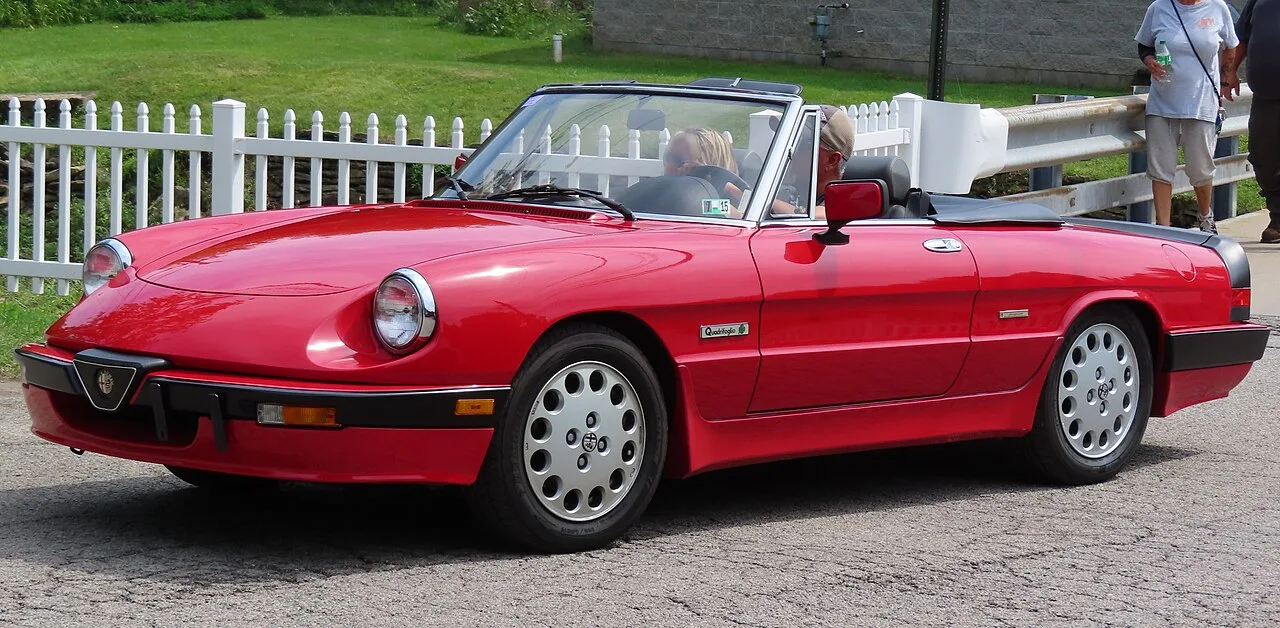
After nearly 25 years of manual-only Spiders, the final Series 4 cars quietly added something Alfa purists never expected: an optional automatic transmission.
The mid-80s Spider's Quadrifoglio Verde trim went all-in on a single look: blood-red carpets and grey leather with red stitching, and it only ever came in three exterior colors.
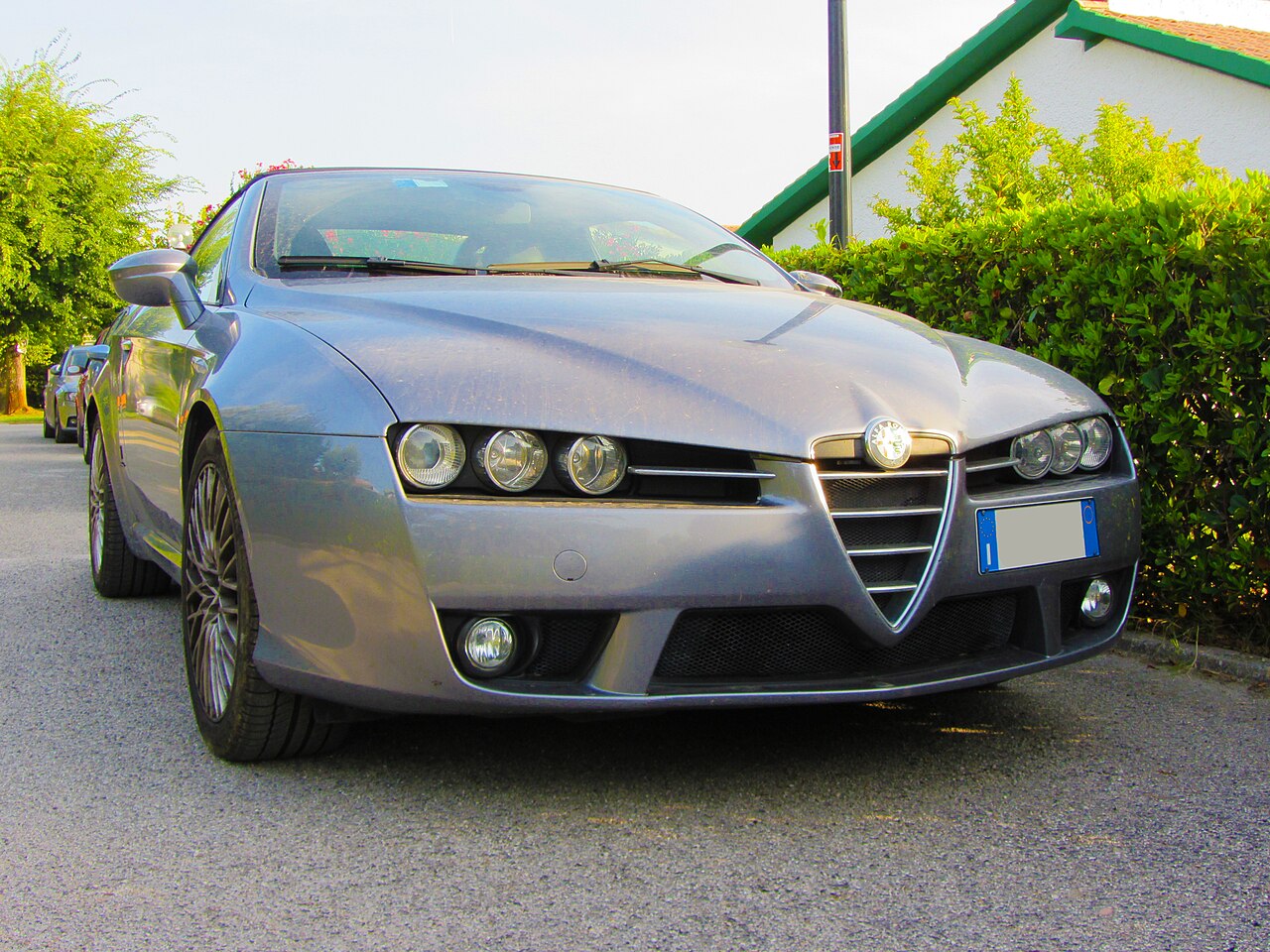
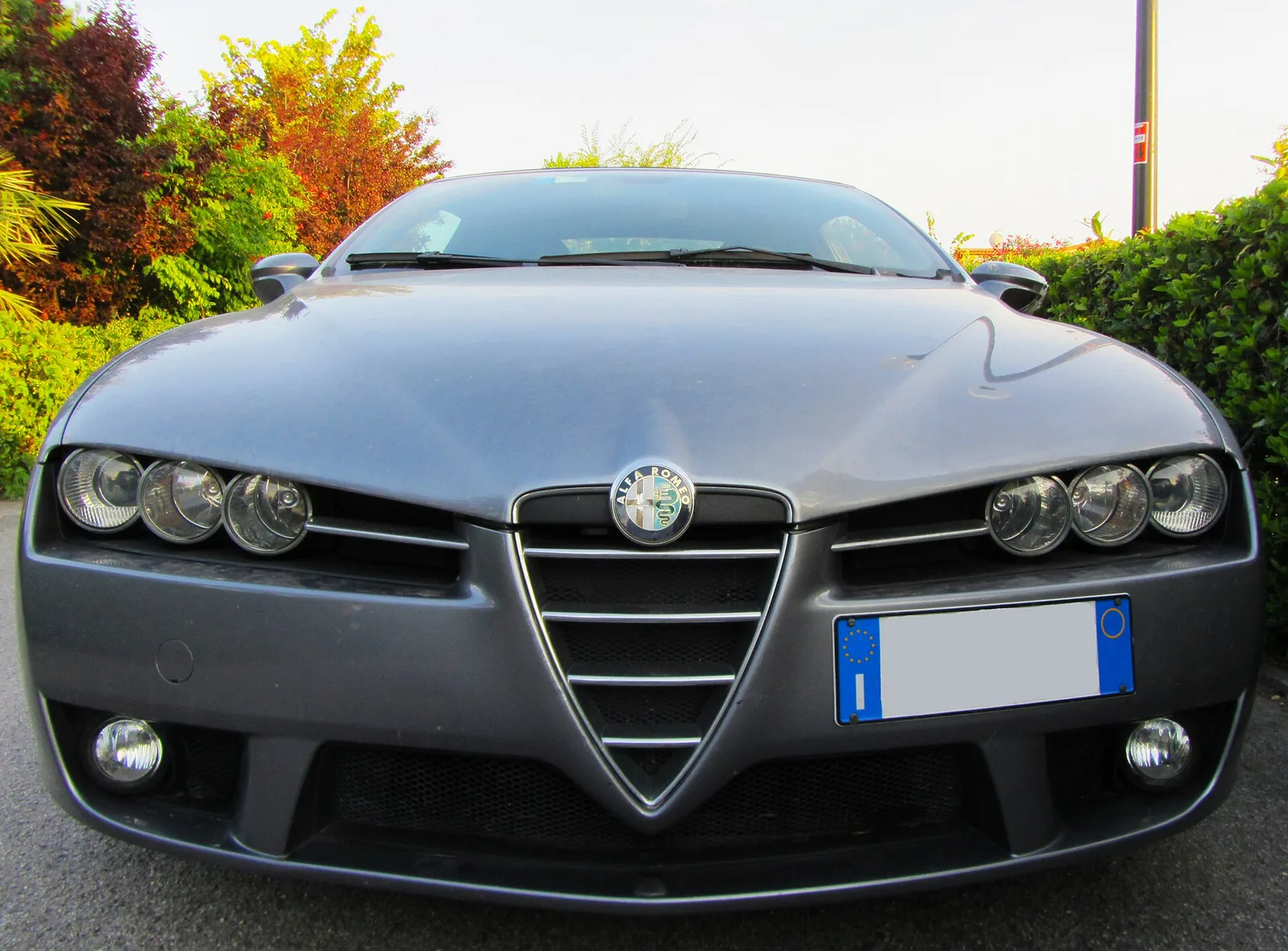
This Spider was built not by Alfa but by Pininfarina itself, on a platform shared with General Motors.
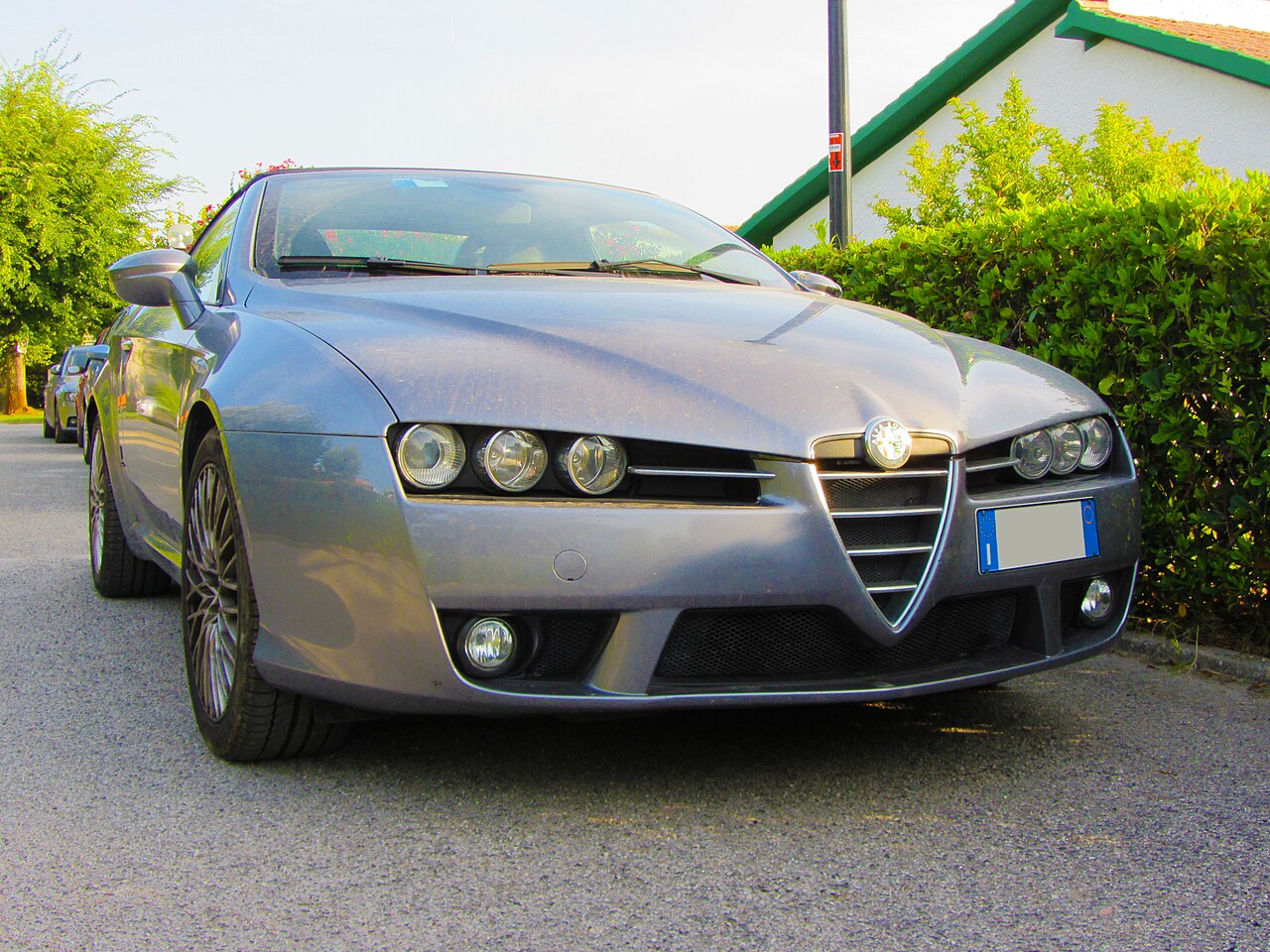
The 916 Spider's strongest naturally aspirated engine, the 192 PS 3.0 12V Busso V6, was never offered in its GTV coupe twin.
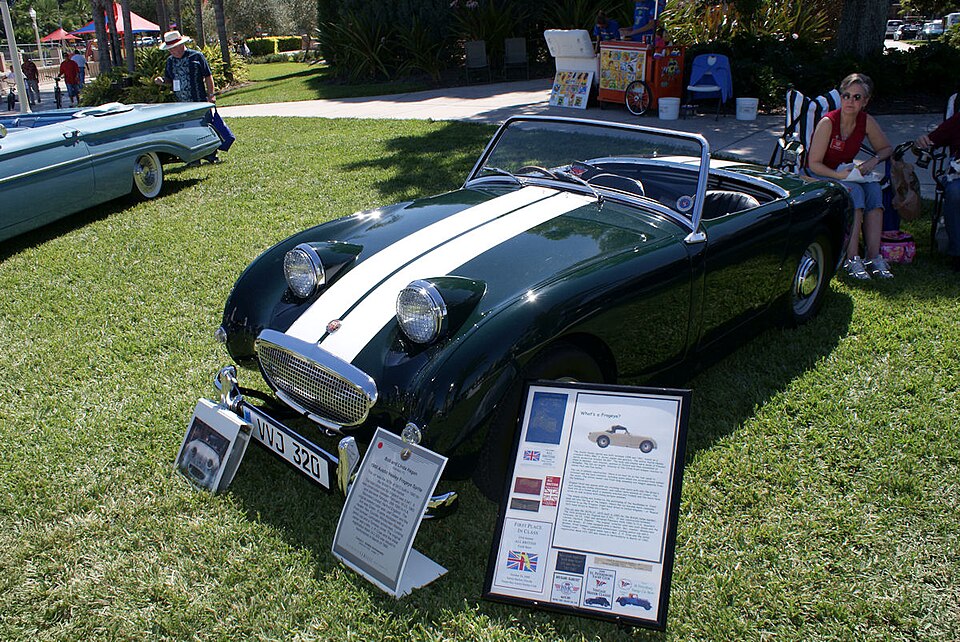
The Frogeye had no boot lid at all — owners reached the spare wheel by tilting the seats forward into the dark cavity behind, a ritual they likened to potholing.
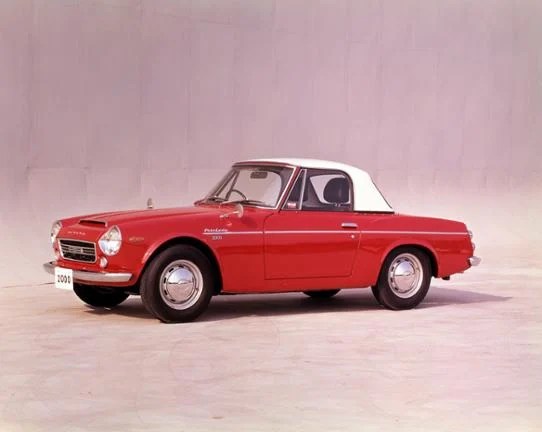
The Fairlady 2000's SR311 update came with a five-speed manual gearbox in 1967 — a genuinely unusual spec for any production car of that era.