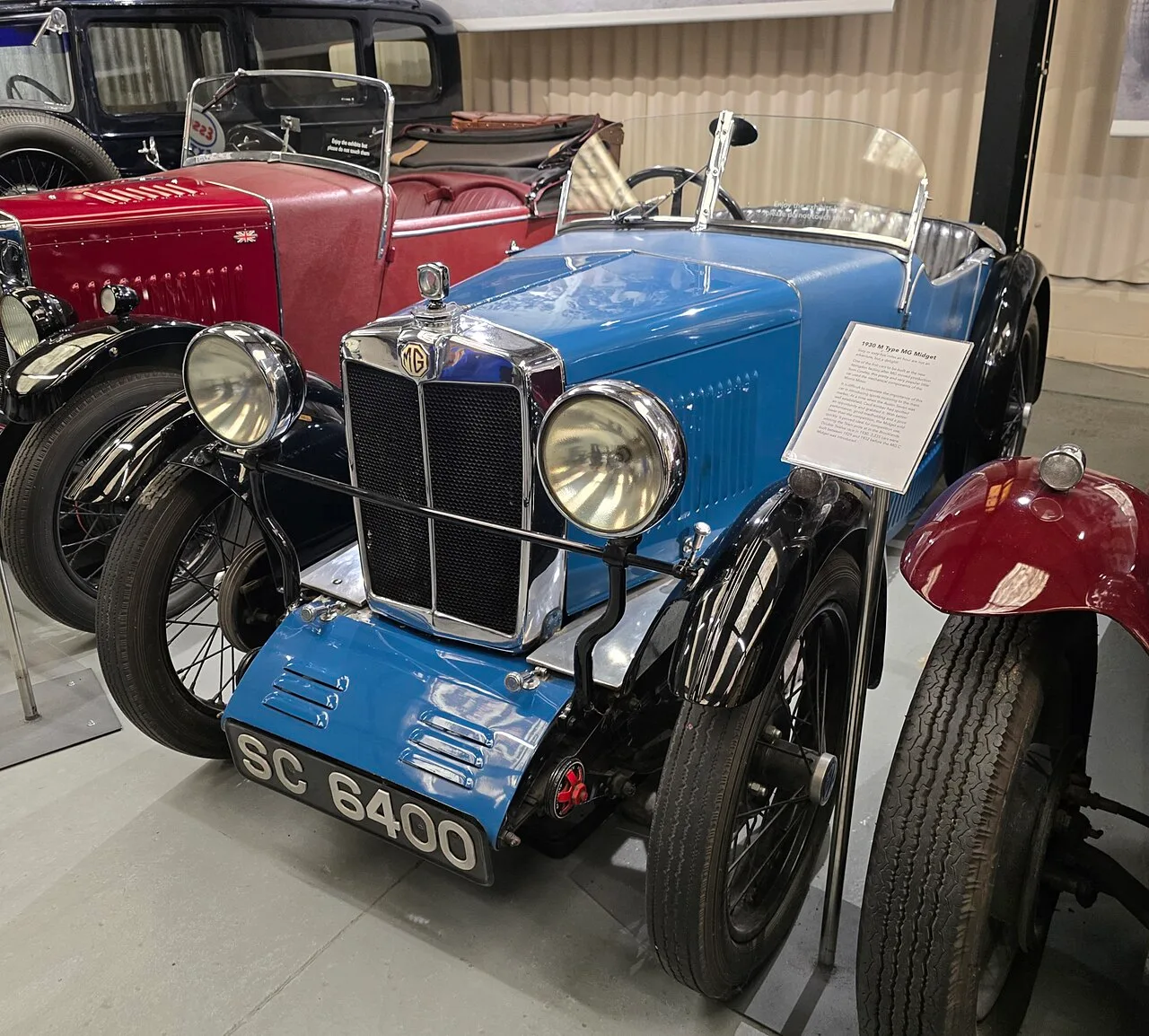
This tiny, cheap roadster arrived right as the Depression was crushing sales of MG's bigger saloons — and probably saved the company by opening up a whole new, cash-strapped customer base.
Lead trim: M-Type four, single SU (1929; 20 bhp at 4,000 rpm) · up to 27 hp
MG M-Type MidgetM-TYPE · 1929–1932
- 0spots by members
- Unclaimednobody has spotted one yet
- 0sets it belongs to
Nobody in Burbles has spotted a MG M-Type Midget yet. See one on the street, point the app at it, and the first card is yours — with your @handle permanently credited on this page.
FactThis tiny, cheap roadster arrived right as the Depression was crushing sales of MG's bigger saloons — and probably saved the company by opening up a whole new, cash-strapped customer base.
The MG M-type (the Midget, sometimes the 8/33) was built from April 1929 until 1932, launched at the 1928 London Motor Show when sales of larger MG saloons were faltering, and probably saved the company. It was one of the first affordable sports cars from an established manufacturer, costing less than double the cheapest Morris Minor on which it was based, and was the first MG to wear the Midget name later used until 1980; early cars were made at Cowley and from 1930 at Abingdon. It used an updated version of the four-cylinder bevel-gear-driven overhead-camshaft engine of the 1928 Morris Minor and Wolseley 10 with a single SU carburettor giving 20 bhp at 4000 rpm, driving the rear wheels through a three-speed non-synchromesh gearbox, on a Morris Minor-based chassis with lowered suspension, half-elliptic springs and Hartford friction dampers, a wheelbase of 78 in and track of 42 in. In 1930 the brakes became a full Bowden cable system, the camshaft was improved for 27 bhp, a four-speed gearbox became optional and the doors front-hinged; a supercharged version, ordered from 1932, raised the top speed to 80 mph, and bodies changed from fabric on wood to all-metal in 1931. Most had Carbodies bodies as open two-seaters or closed "Sportsman's" coupés (a service van was also made); it could reach 65 mph and return 40 mpg, cost £175 open (soon £185), £245 as a coupé and £250 supercharged, won gold medals in the 1929 Land's End Trial and class wins in the 1930 Double Twelve, and two cars entered at Le Mans in 1930 did not finish. The page gives no displacement.
Collectors Spotted in the MG M-Type Midget Lineage
No member has published a public street spot of the MG M-Type Midget yet — the First · Worldwide stamp is wide open.
Trims & Figures
2 published trims in the catalogue. A blank is a figure not recorded, not zero.
| Trim | Years | Engine | Power | Torque | 0–60 | Drive | Gearbox | MSRP |
|---|---|---|---|---|---|---|---|---|
| M-Type four, improved camshaft (1930–1932; 27 bhp) | 1930–1932 | 4-cyl | 27 hp | — | — | RWD | — | — |
| M-Type four, single SU (1929; 20 bhp at 4,000 rpm) | 1929–1929 | 4-cyl | 20 hp | — | — | RWD | — | — |
Owning one
We don’t estimate running costs for a car like this. What it costs depends on its condition, its specialist and how it is driven, and an average would mislead.
Owners’ builds
Nobody has claimed one yet.
Photographs
Rivals
Same body, same money, other badges — tap any card to flip.
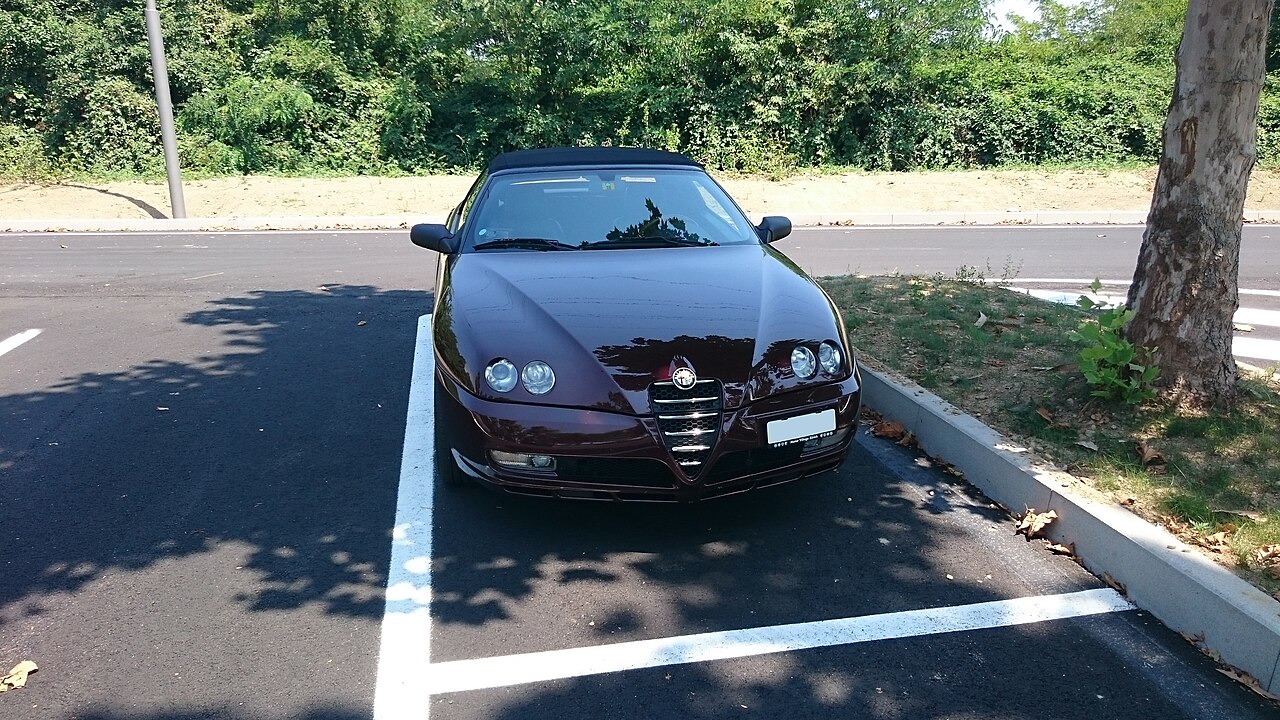
In 1974 Alfa built a one-off on this Spider: a Porsche-style solid rear window and lift-out roof panels, fewer than 2,000 made, the only Spider ever with a part-solid roof.
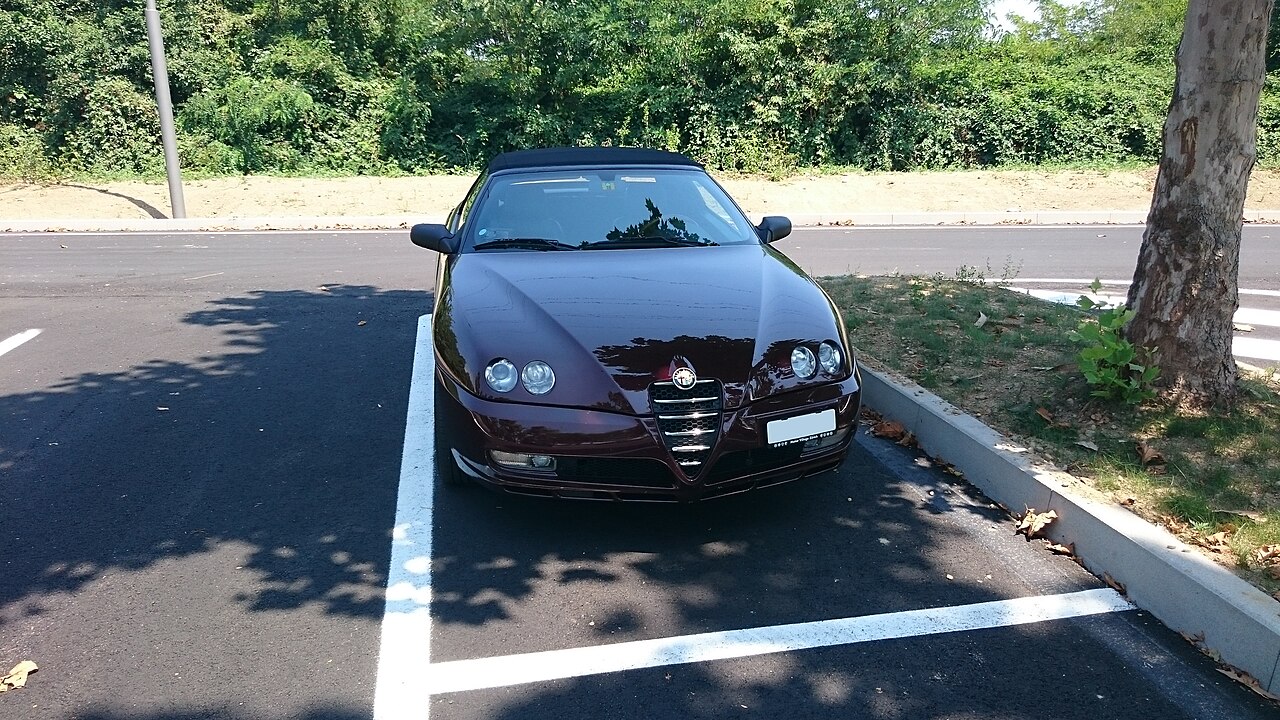
Over 100,000 people voted to name this car "Duetto" — but a chocolate-snack maker had already trademarked the word, and a Milan court ruling forced Alfa to sell it as the Spider 1600 instead.
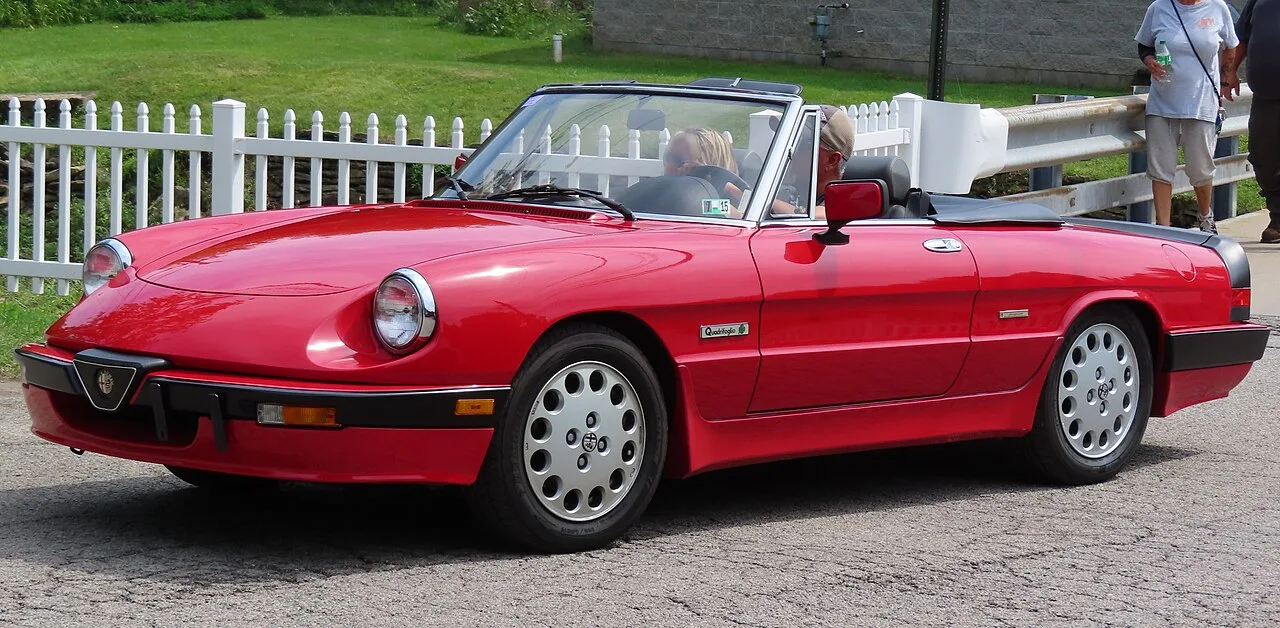
After nearly 25 years of manual-only Spiders, the final Series 4 cars quietly added something Alfa purists never expected: an optional automatic transmission.
The mid-80s Spider's Quadrifoglio Verde trim went all-in on a single look: blood-red carpets and grey leather with red stitching, and it only ever came in three exterior colors.
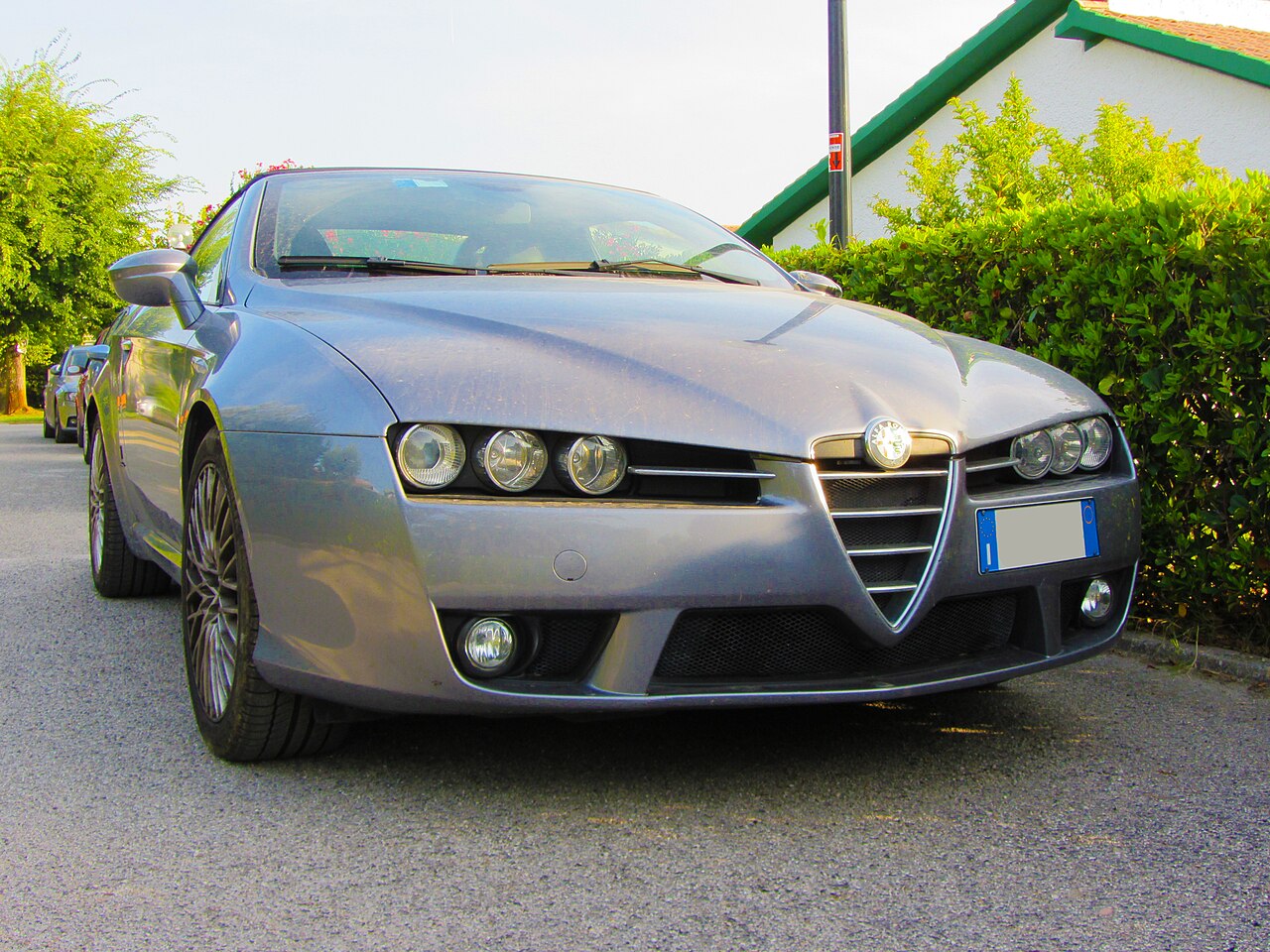
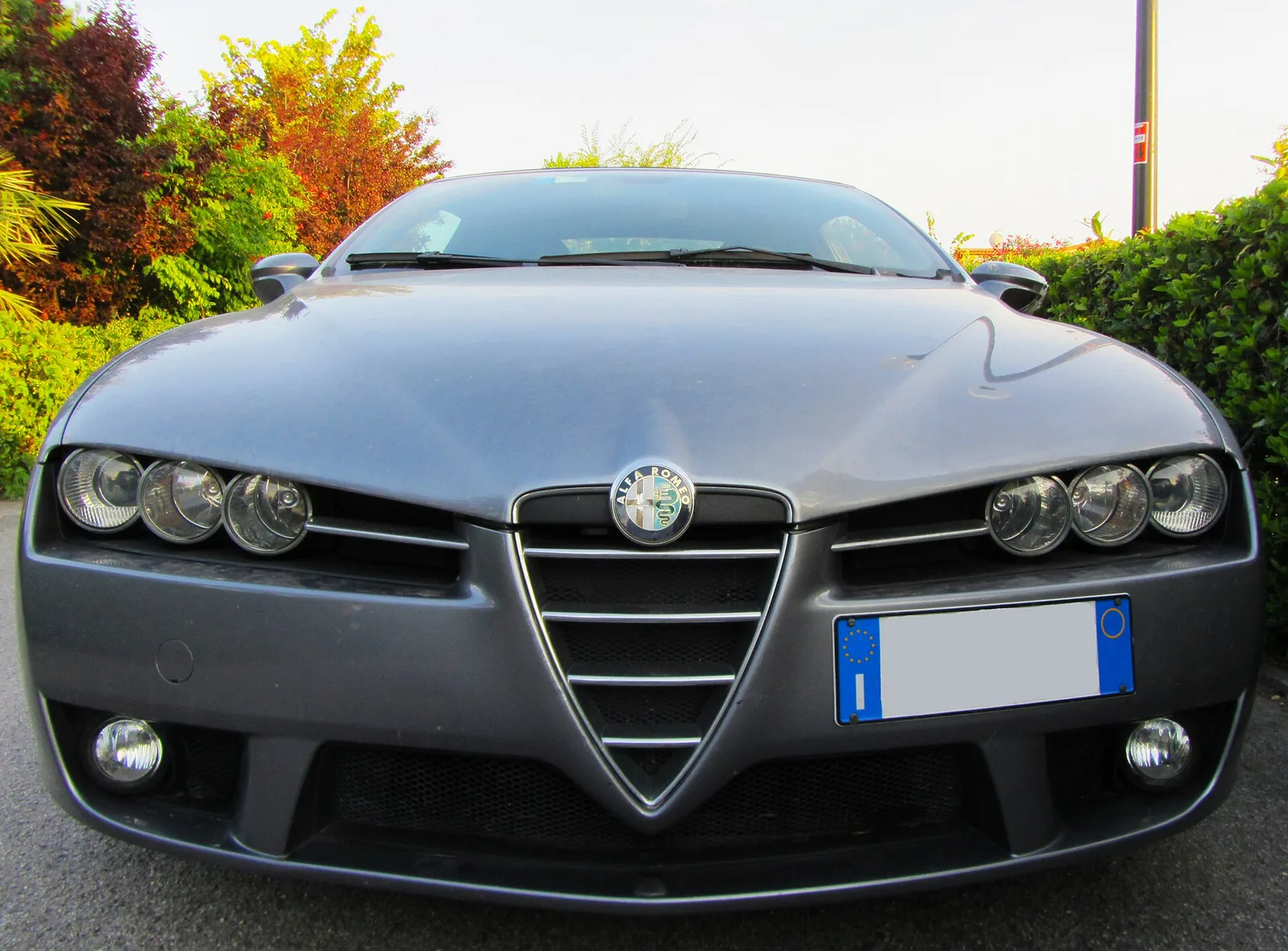
This Spider was built not by Alfa but by Pininfarina itself, on a platform shared with General Motors.
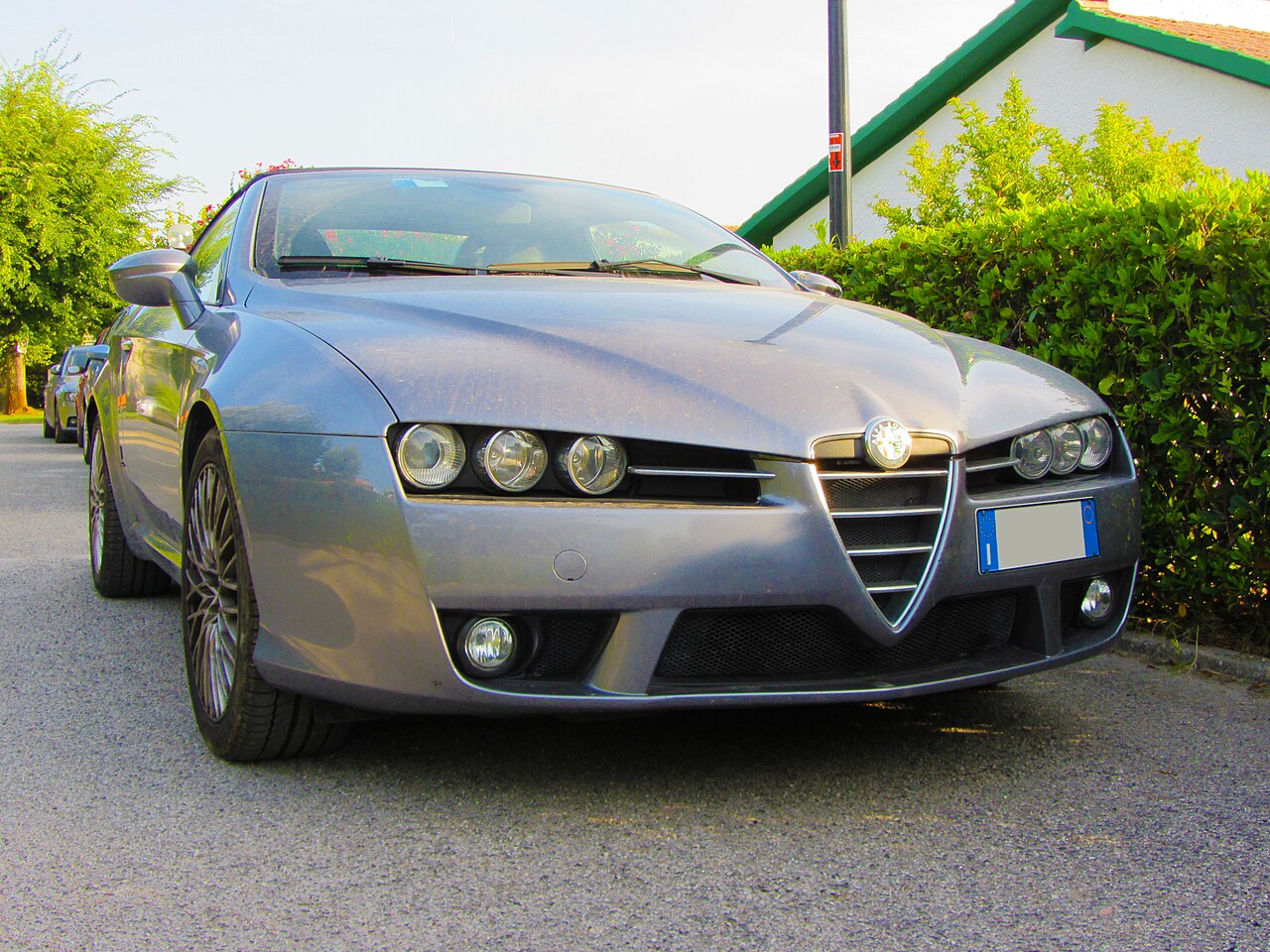
The 916 Spider's strongest naturally aspirated engine, the 192 PS 3.0 12V Busso V6, was never offered in its GTV coupe twin.
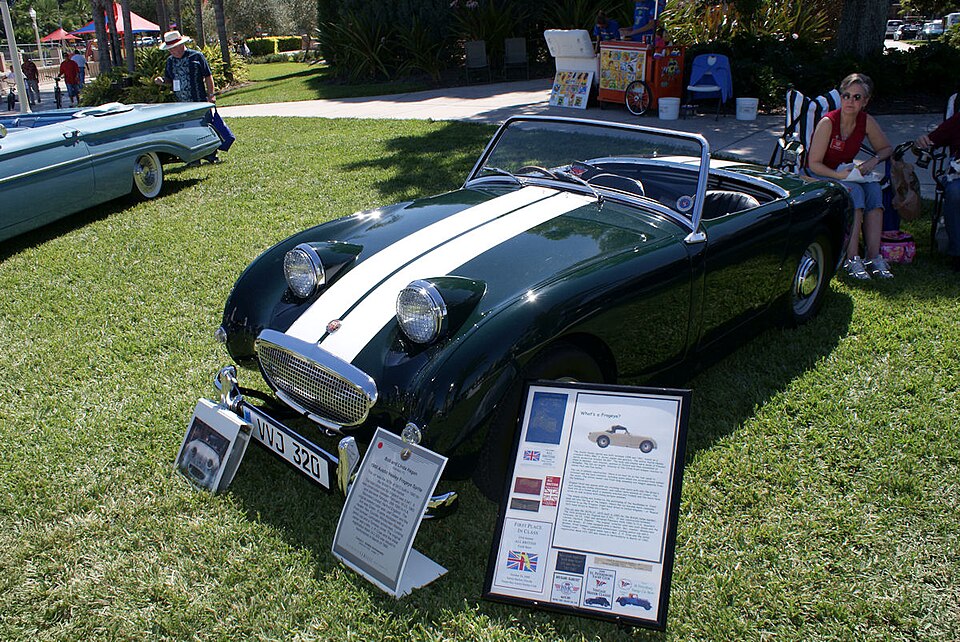
The Frogeye had no boot lid at all — owners reached the spare wheel by tilting the seats forward into the dark cavity behind, a ritual they likened to potholing.
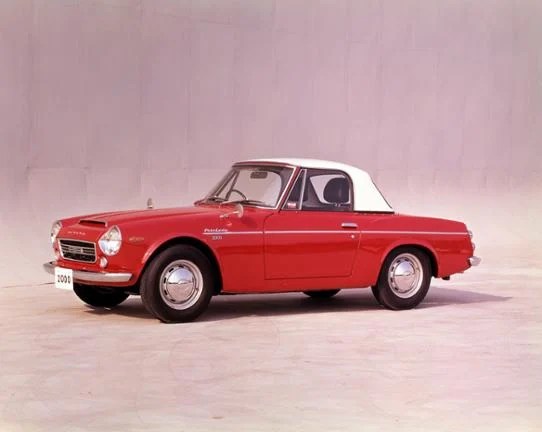
The Fairlady 2000's SR311 update came with a five-speed manual gearbox in 1967 — a genuinely unusual spec for any production car of that era.