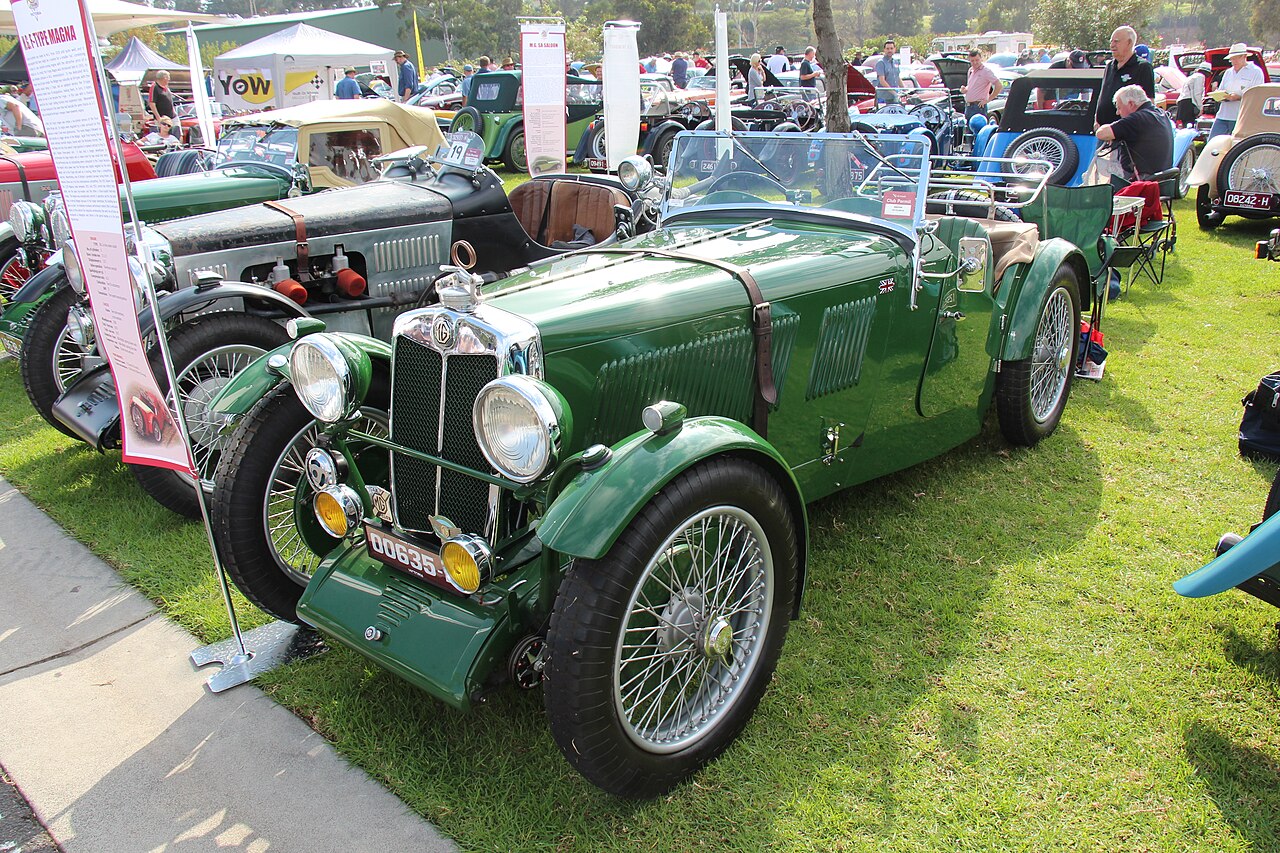
MG borrowed this engine from Wolseley's parts bin — and then fitted dummy side covers to the F-Type Magna specifically to hide where the six-cylinder unit really came from.
Lead trim: F-Type 1271 six, twin SU (37.2 bhp at 4,100 rpm) · up to 47 hp
MG F-Type MagnaF-TYPE · 1931–1932
- 0spots by members
- Unclaimednobody has spotted one yet
- 0sets it belongs to
Nobody in Burbles has spotted a MG F-Type Magna yet. See one on the street, point the app at it, and the first card is yours — with your @handle permanently credited on this page.
FactMG borrowed this engine from Wolseley's parts bin — and then fitted dummy side covers to the F-Type Magna specifically to hide where the six-cylinder unit really came from.
The MG F-type (the Magna, also the 12/70) is a six-cylinder car built from October 1931 to 1932 (1,250 built) to fill the gap between the M-type Midget and the 18/80, using the 1271 cc six-cylinder version of the overhead-camshaft engine of the 1929 M-type and the 1930 Wolseley Hornet, with dummy side covers to disguise its origins. With 1 in twin SU carburettors it made 37.2 bhp at 4100 rpm at first, later raised to 47 bhp by revising the valve timing, driving the rear wheels through a four-speed non-synchromesh ENV gearbox on a chassis 10 inches longer than the D-type's, with wheelbase 94 in and track 42 in, and it could reach 70 mph; 188 were supplied as chassis to coachbuilders such as Abbey, Jarvis, Stiles and Windover. The F1 (four-seat tourer £250, Foursome Coupé £289) was limited by 8-inch brake drums; the two-seat F2 of late 1932 had 12-inch drums and the J-type body, and the F3, also 1932, had the same brakes with the four-seat bodies and improved cooling. The page does not date the change to 47 bhp.
Collectors Spotted in the MG F-Type Magna Lineage
No member has published a public street spot of the MG F-Type Magna yet — the First · Worldwide stamp is wide open.
Trims & Figures
2 published trims in the catalogue. A blank is a figure not recorded, not zero.
| Trim | Years | Engine | Power | Torque | 0–60 | Drive | Gearbox | MSRP |
|---|---|---|---|---|---|---|---|---|
| F-Type 1271 six, revised valve timing (47 bhp) | 1931–1932 | 1.3 L Inline-6 | 47 hp | — | — | RWD | — | — |
| F-Type 1271 six, twin SU (37.2 bhp at 4,100 rpm) | 1931–1932 | 1.3 L Inline-6 | 37.2 hp | — | — | RWD | — | — |
Owning one
We don’t estimate running costs for a car like this. What it costs depends on its condition, its specialist and how it is driven, and an average would mislead.
Owners’ builds
Nobody has claimed one yet.
Photographs
Rivals
Same body, same money, other badges — tap any card to flip.
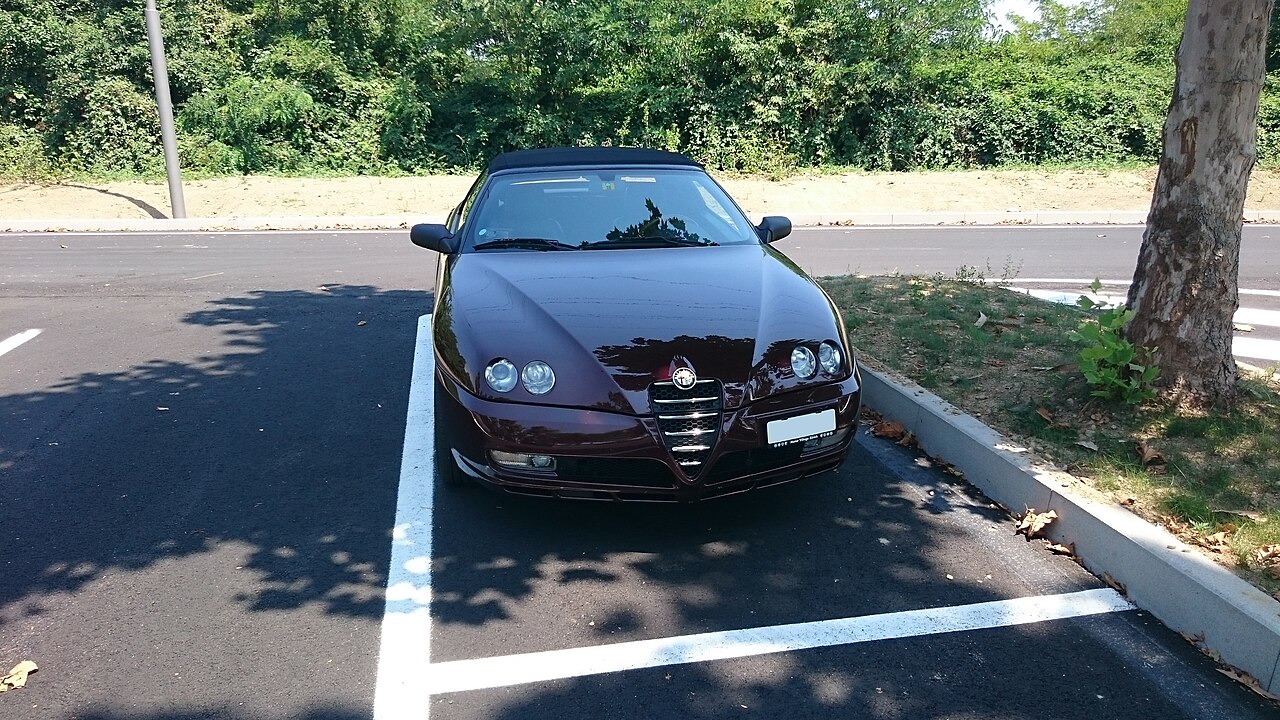
In 1974 Alfa built a one-off on this Spider: a Porsche-style solid rear window and lift-out roof panels, fewer than 2,000 made, the only Spider ever with a part-solid roof.
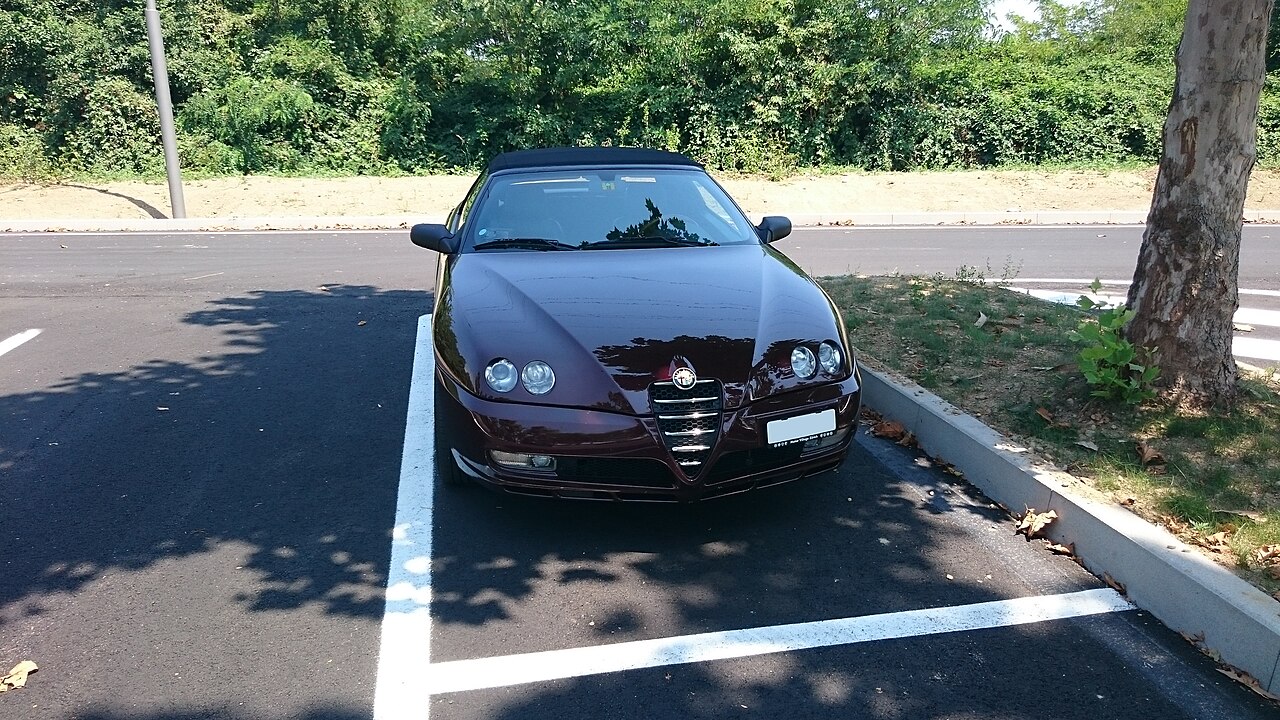
Over 100,000 people voted to name this car "Duetto" — but a chocolate-snack maker had already trademarked the word, and a Milan court ruling forced Alfa to sell it as the Spider 1600 instead.
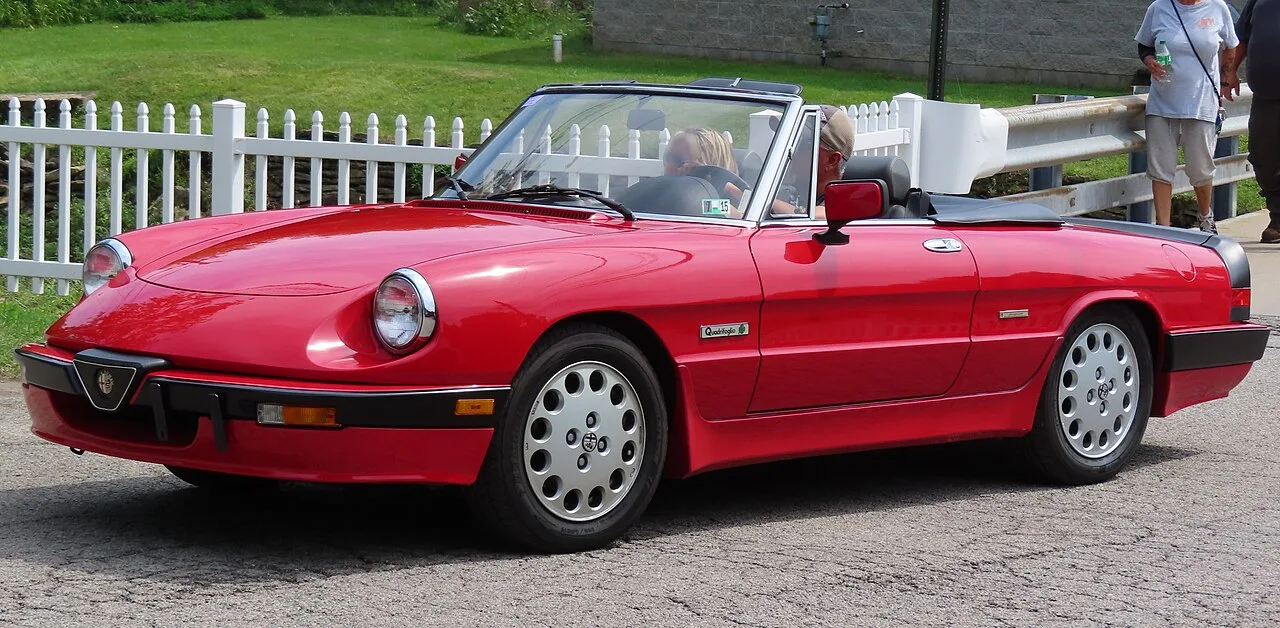
After nearly 25 years of manual-only Spiders, the final Series 4 cars quietly added something Alfa purists never expected: an optional automatic transmission.
The mid-80s Spider's Quadrifoglio Verde trim went all-in on a single look: blood-red carpets and grey leather with red stitching, and it only ever came in three exterior colors.
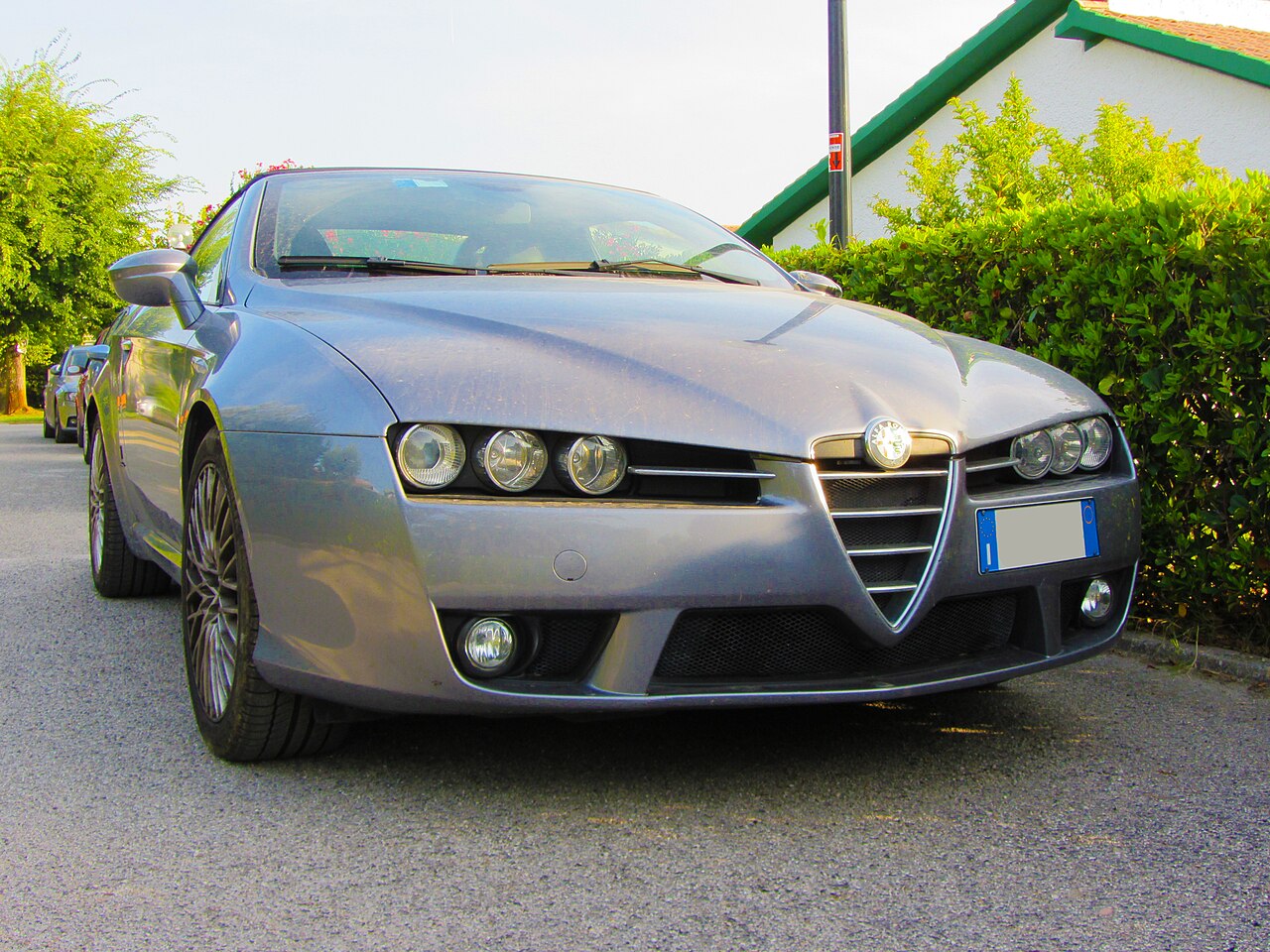
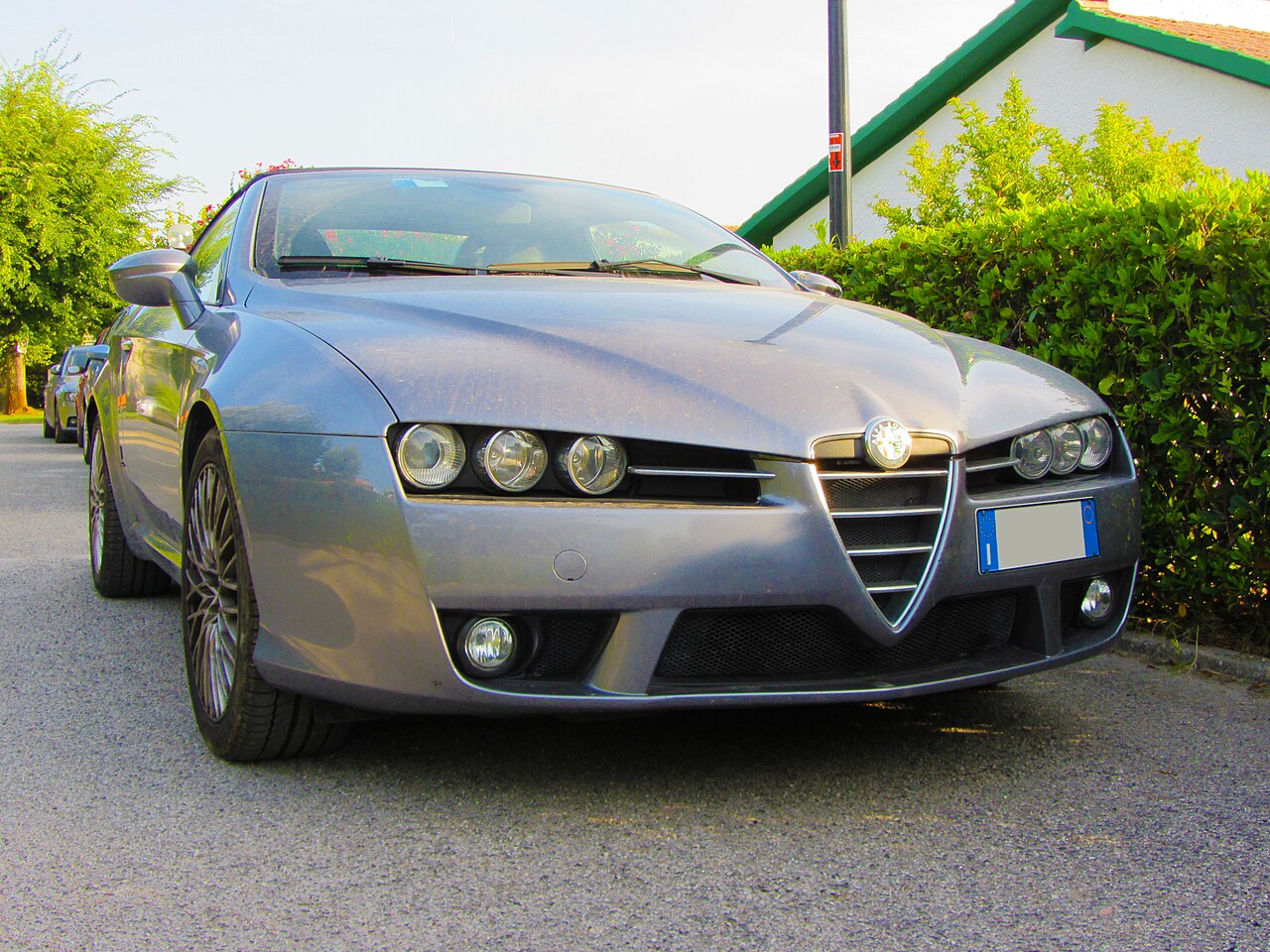
This Spider was built not by Alfa but by Pininfarina itself, on a platform shared with General Motors.
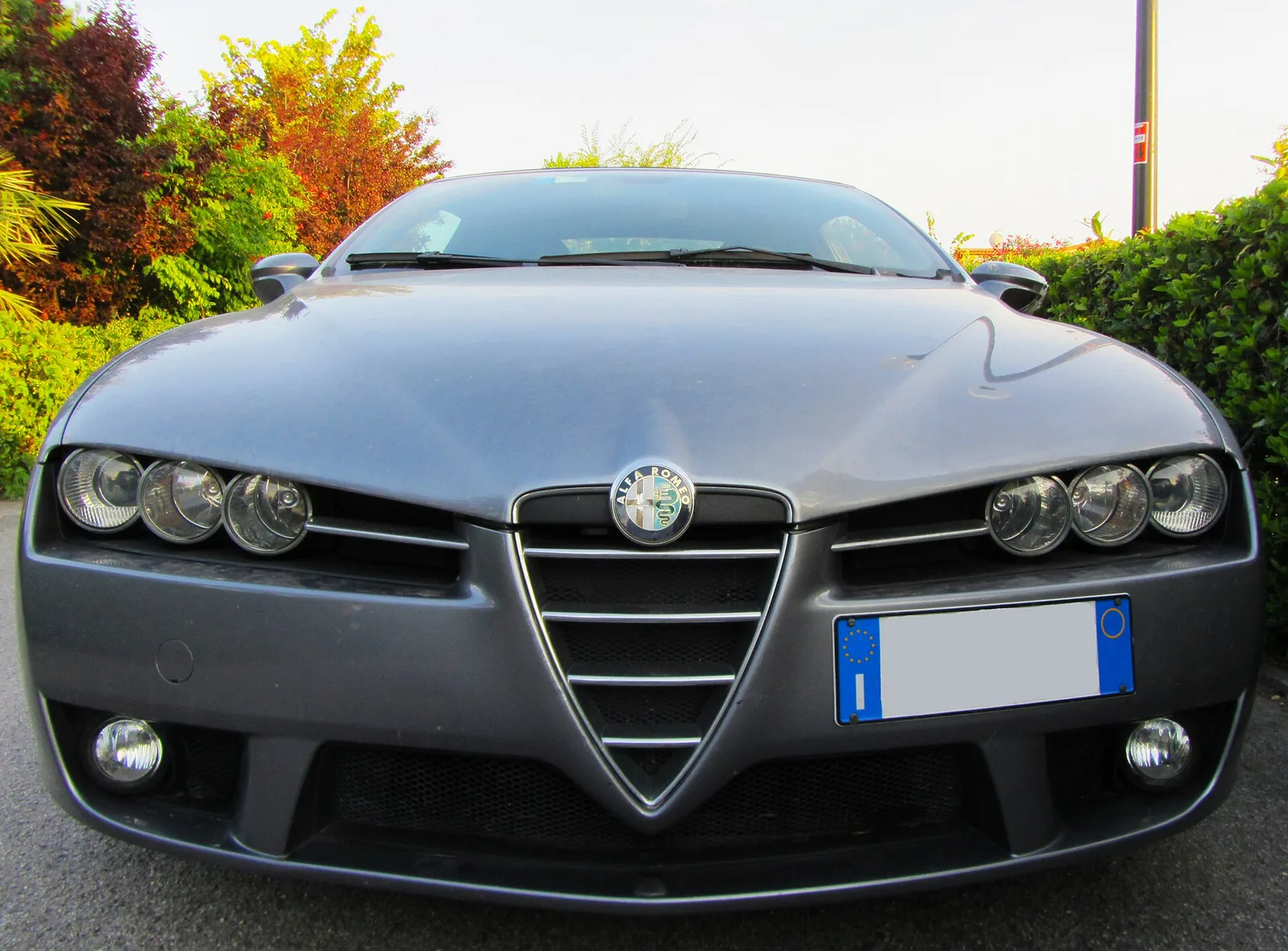
The 916 Spider's strongest naturally aspirated engine, the 192 PS 3.0 12V Busso V6, was never offered in its GTV coupe twin.
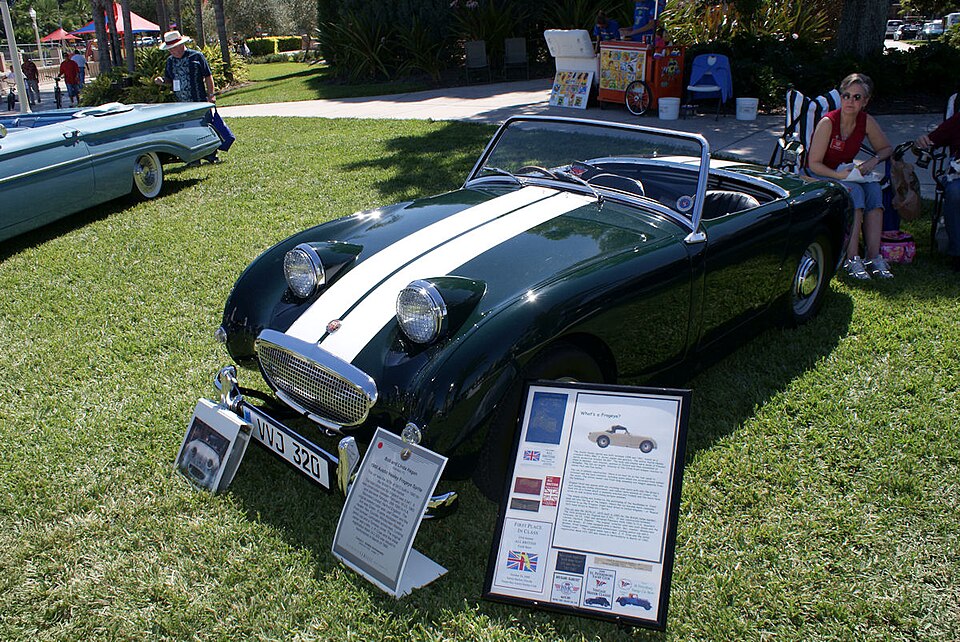
The Frogeye had no boot lid at all — owners reached the spare wheel by tilting the seats forward into the dark cavity behind, a ritual they likened to potholing.
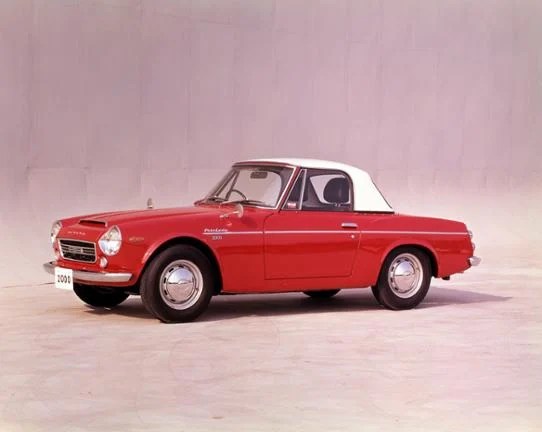
The Fairlady 2000's SR311 update came with a five-speed manual gearbox in 1967 — a genuinely unusual spec for any production car of that era.