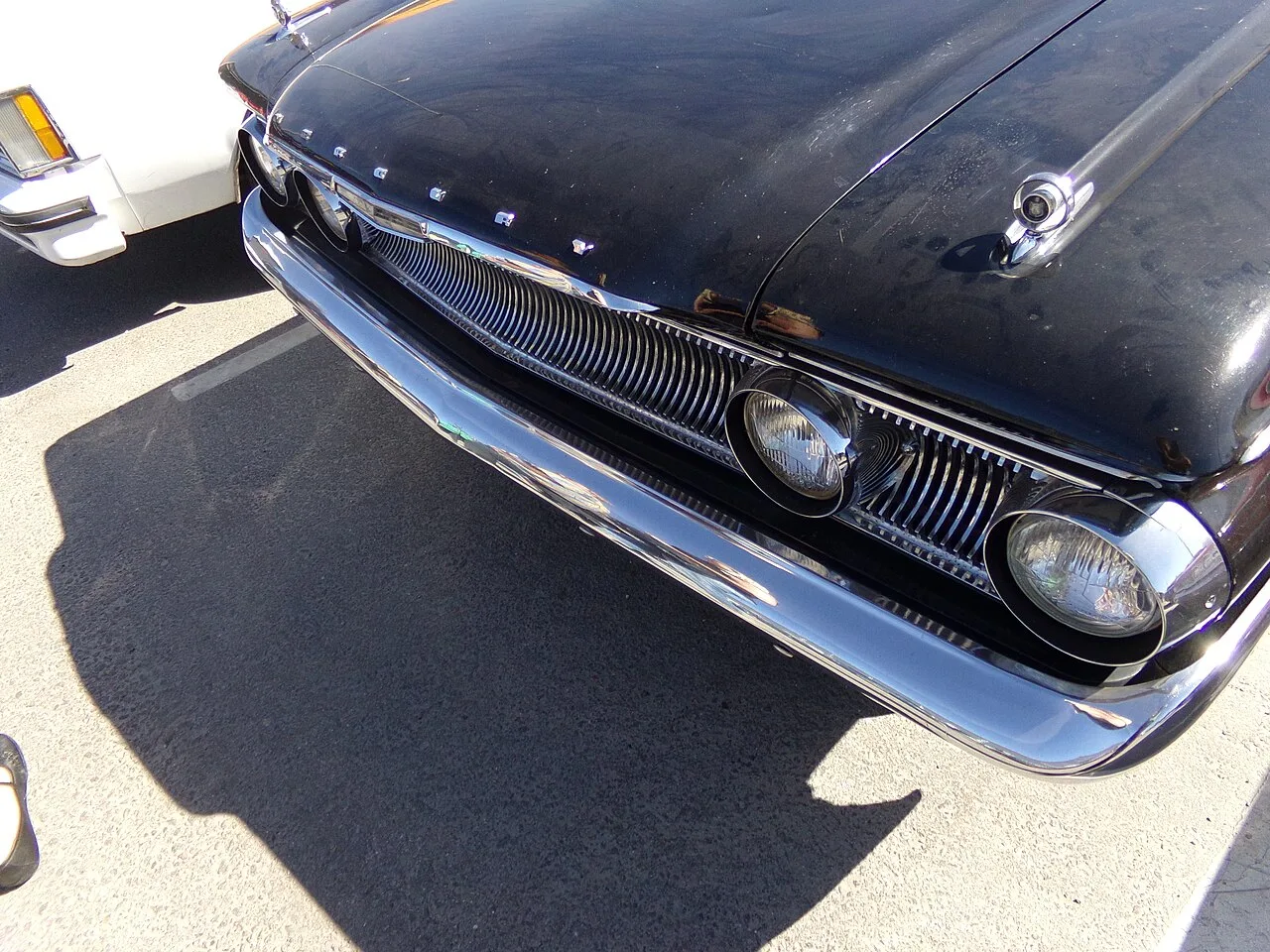
This Monterey was drawn up as a maybe-Edsel before Mercury claimed it — so the design it ended up wearing was never meant to be a Mercury at all.
Lead trim: Monterey 312 cu in Y-block V8 (210 hp, 1959) · up to 280 hp
Mercury Monterey1959–1960
- 0spots by members
- Unclaimednobody has spotted one yet
- 0sets it belongs to
Nobody in Burbles has spotted a Mercury Monterey yet. See one on the street, point the app at it, and the first card is yours — with your @handle permanently credited on this page.
FactThis Monterey was drawn up as a maybe-Edsel before Mercury claimed it — so the design it ended up wearing was never meant to be a Mercury at all.
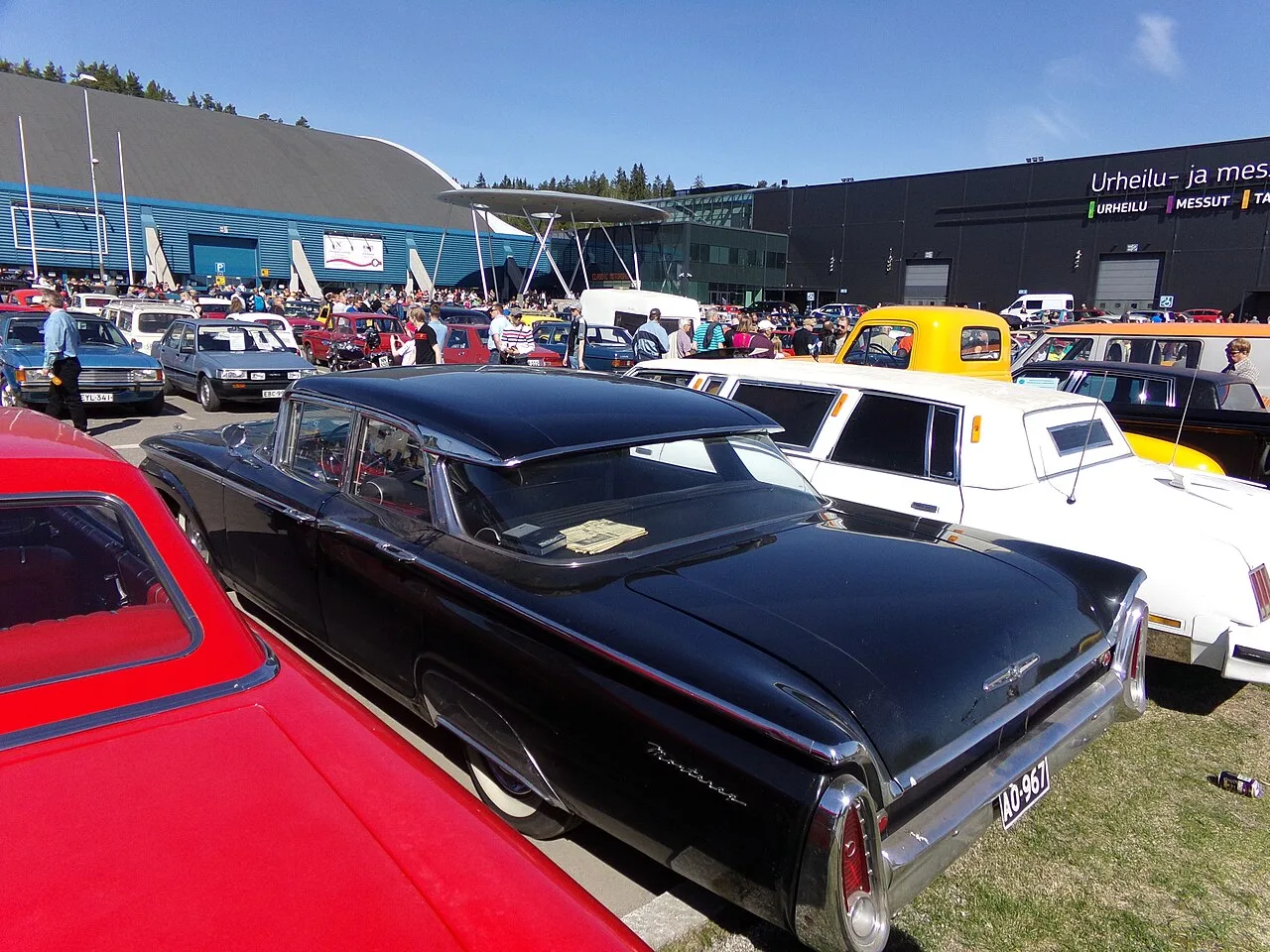
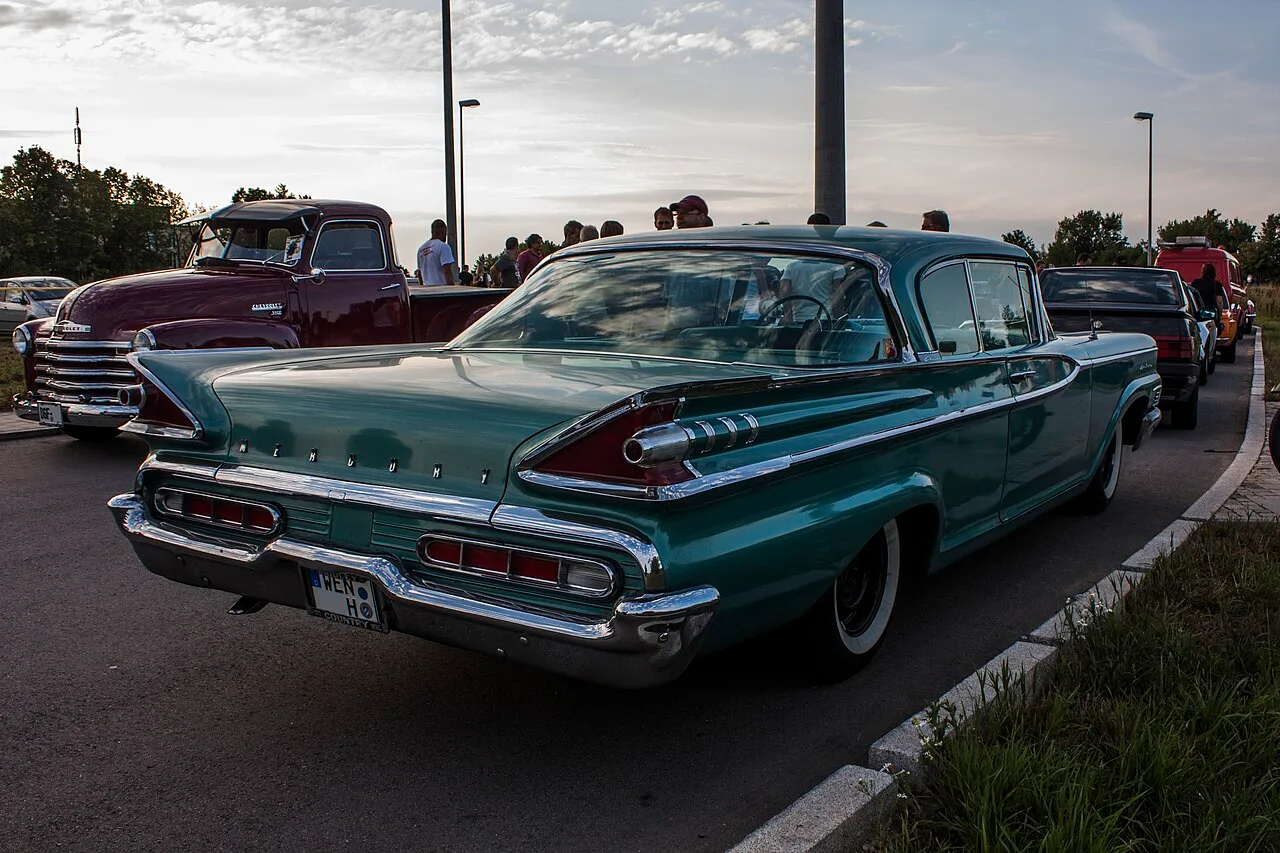
For 1959 the Monterey (and Montclair) grew to a 126 in wheelbase (217.8 in long in 1959 and 219.2 in in 1960, 81.5 in wide, 55.8 in high); the Mercury-derived Edsel Corsair and Citation were discontinued and, for the first time since 1940, Mercury used its own chassis and body. The Monterey was offered in five body styles: two- and four-door pillared sedans, a two-door convertible, and two- and four-door Cruiser hardtops, the Cruiser (named after the discontinued Turnpike Cruiser) having a large compound-curved, fastback-styled rear window. The Monterey was the base-trim Mercury sedan, with a 210 hp 312 cubic-inch V8 and the previous 383 cubic-inch V8 (280 hp) optional; a 3-speed manual was standard on the 312 and a 3-speed automatic optional (the only transmission on the 383). Options included thermostat-style climate control, air conditioning, a power driver seat with memory and a pre-set speed warning, a precursor to cruise control. For 1960 the Monterey received a facelift with reduced trim and tailfins, closer to the new Comet and the shared Ford Galaxie platform, with headlights integrated into an expanded grille.
Collectors Spotted in the Mercury Monterey Lineage
No member has published a public street spot of the Mercury Monterey yet — the First · Worldwide stamp is wide open.
Trims & Figures
2 published trims in the catalogue. A blank is a figure not recorded, not zero.
| Trim | Years | Engine | Power | Torque | 0–60 | Drive | Gearbox | MSRP |
|---|---|---|---|---|---|---|---|---|
| Monterey 312 cu in Y-block V8 (210 hp, 1959) | 1959–1959 | 5.1 L V8 | 210 hp | — | — | RWD | — | — |
| Monterey 383 cu in MEL V8 (280 hp, 1959) | 1959–1959 | 6.3 L V8 | 280 hp | — | — | RWD | — | — |
Owning one
We don’t estimate running costs for a car like this. What it costs depends on its condition, its specialist and how it is driven, and an average would mislead.
Owners’ builds
Nobody has claimed one yet.
Photographs
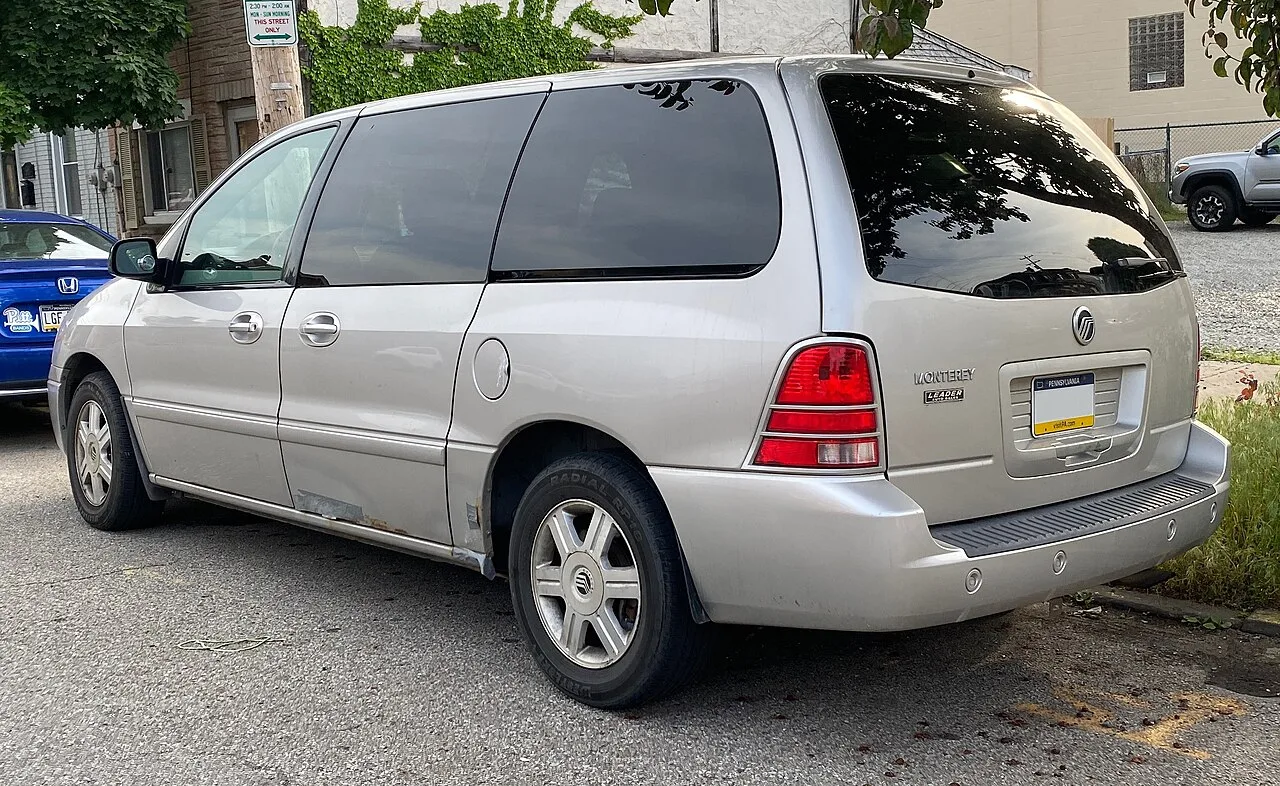
The Monterey Premier's heated AND cooled front seats were a segment first — rivals from Honda and Toyota had nothing like it.
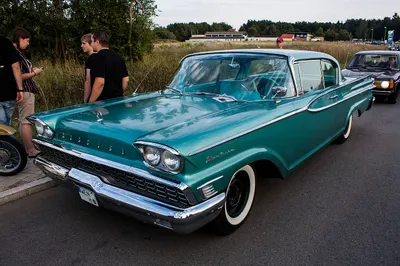
By 1972 the Monterey had quietly become a different kind of car — for the first time, automatic transmission, power steering, and power brakes all came standard rather than optional.
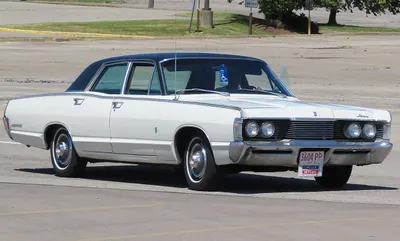
Mercury dressed this Monterey to borrow Lincoln's prestige, right down to four horizontal headlamps — the whole lineup was marketed as styled 'in the Lincoln Continental tradition.'
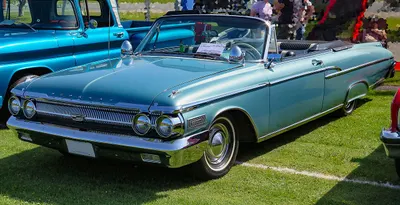
For 1963, every non-convertible Monterey came standard with a power-retracting rear window nicknamed 'Breezeway' — its mechanism borrowed straight from Mercury's station wagon line.
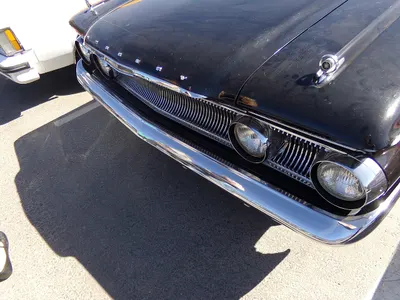
This Monterey was drawn up as a maybe-Edsel before Mercury claimed it — so the design it ended up wearing was never meant to be a Mercury at all.
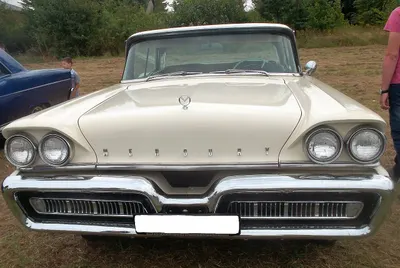
Chrysler debuted pushbutton shifting first, so for 1957 Mercury fired back with its own mechanical pushbutton transmission controls to compete head-on.
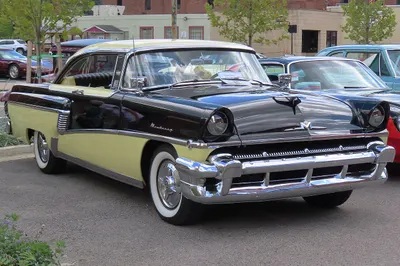
In 1955 the Monterey borrowed its engine straight from Ford's own halo car — the same 292 Y-block V8 doing duty under the hood of the new Thunderbird.
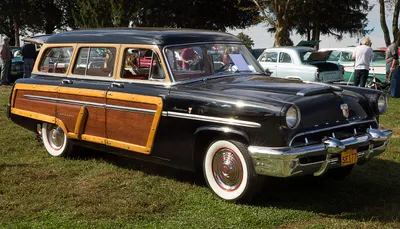
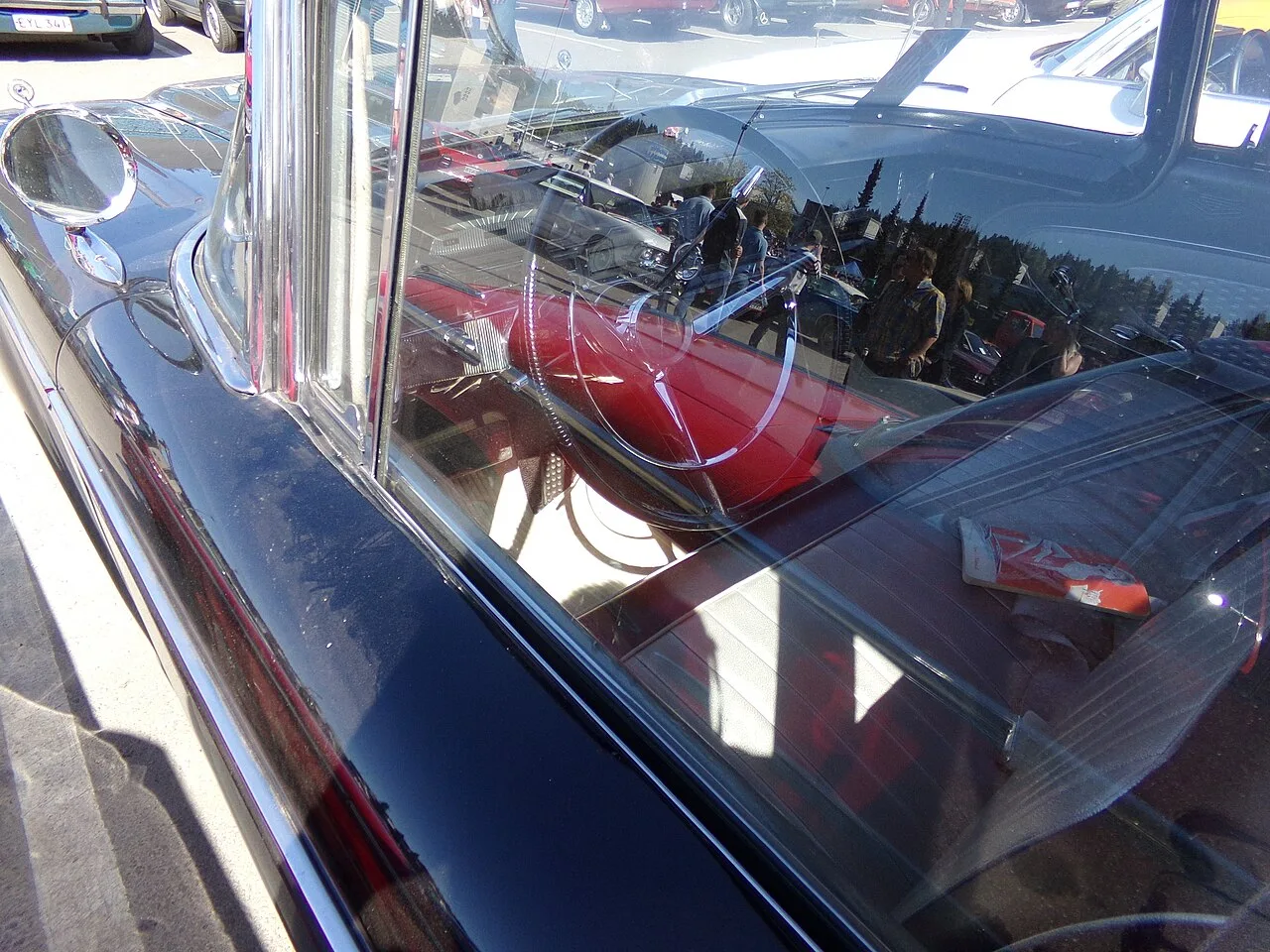
This Monterey's heater controls weren't styled like a car's at all — Mercury set them on levers angled like an airliner's flight deck, straight jet-age styling behind the wheel.
Rivals
Same body, same money, other badges — tap any card to flip.
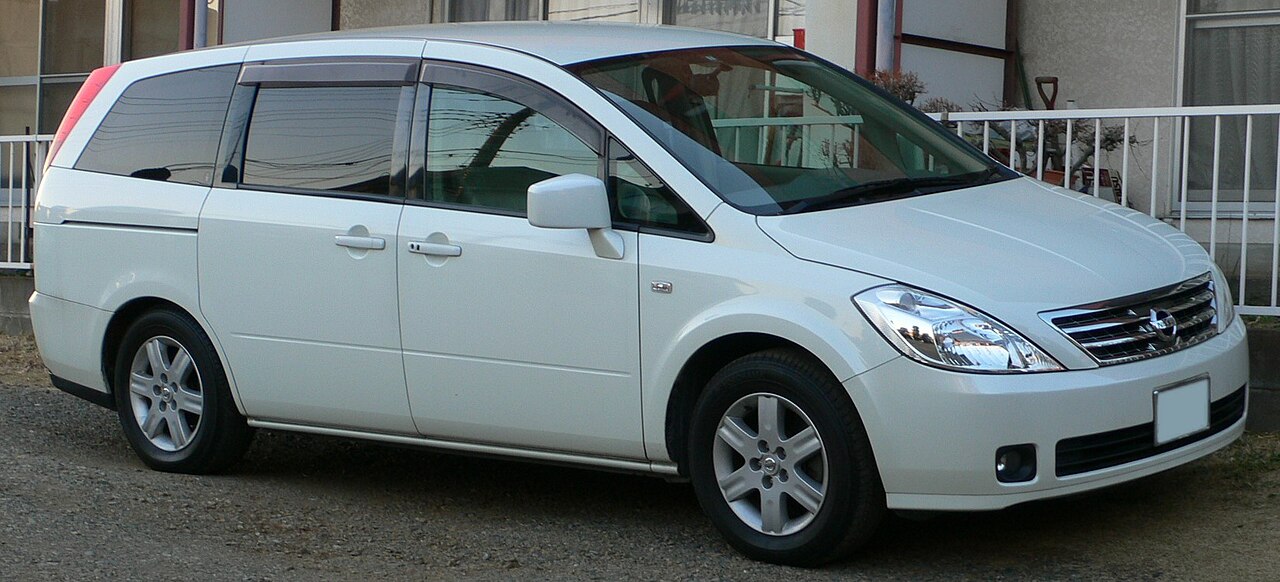
This Presage minivan shares its underlying platform with the Teana sedan and the North American Murano crossover — one architecture doing three very different jobs.
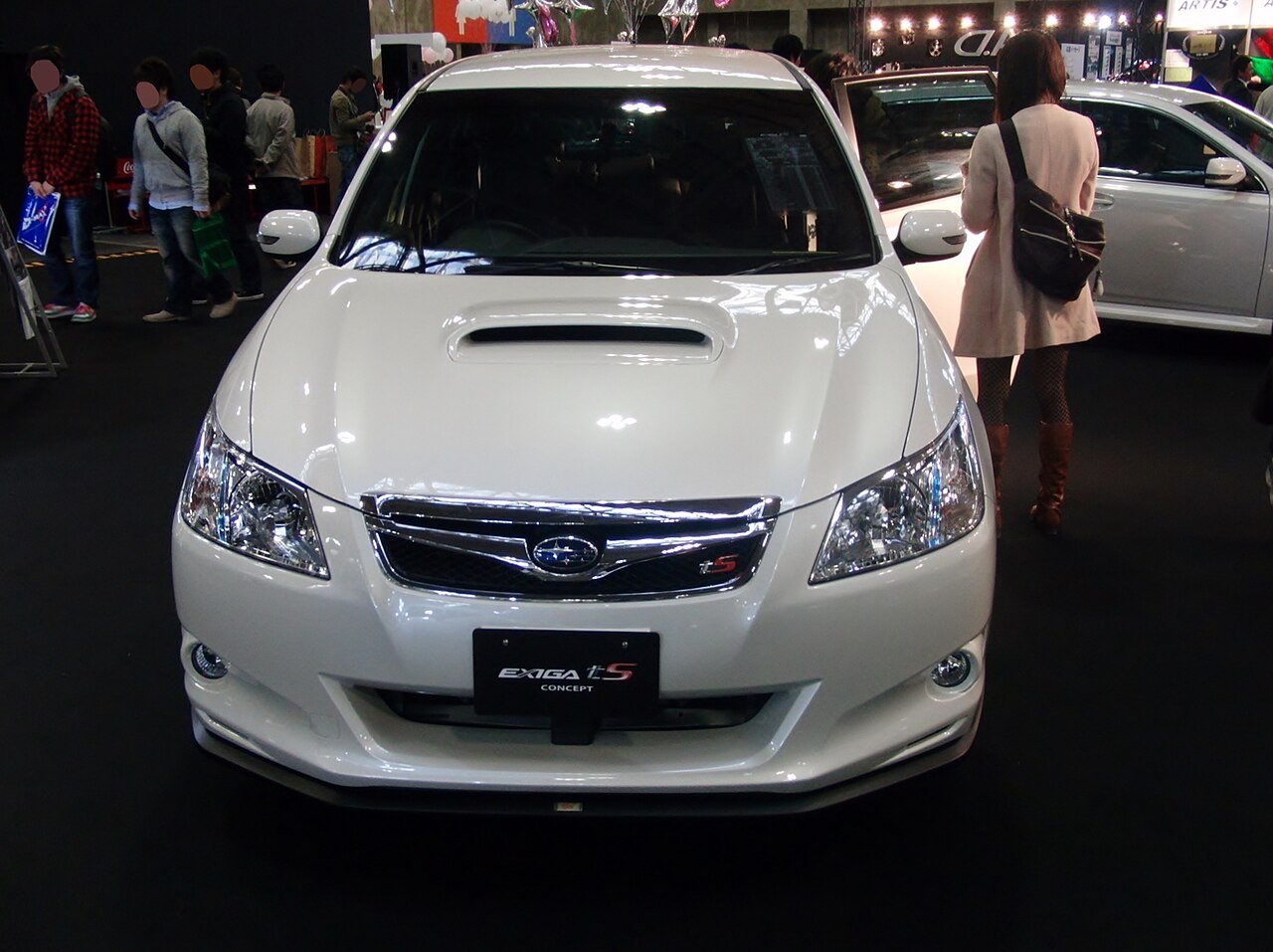
Subaru's family-hauling Exiga got an unlikely STi treatment in 2009 — front spoiler, sport muffler, tighter suspension and a leather Momo wheel — but only 300 were ever built.
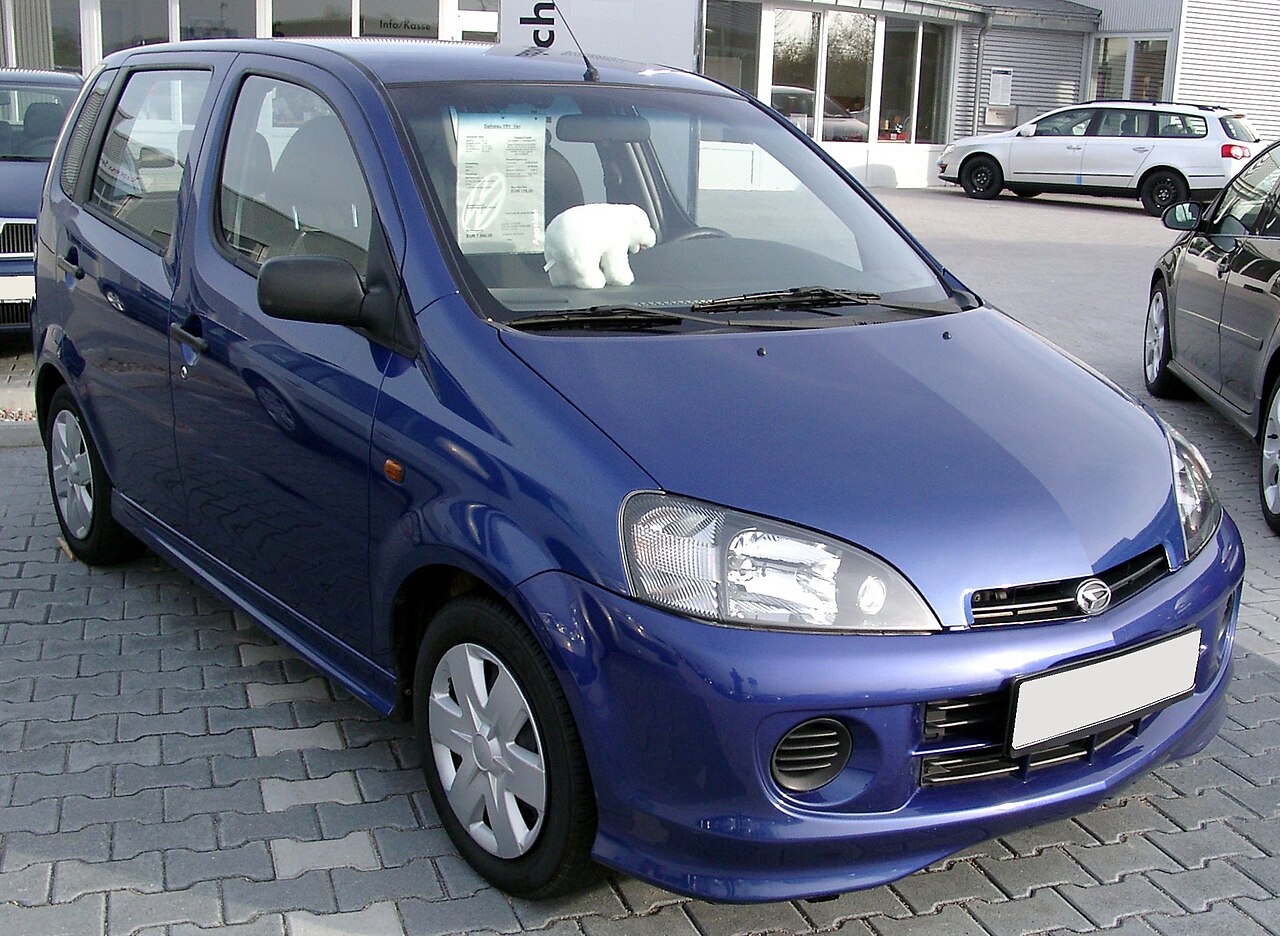
YRV stands for Young Recreational Vehicle, a mini MPV built to out-handle its own segment rivals.
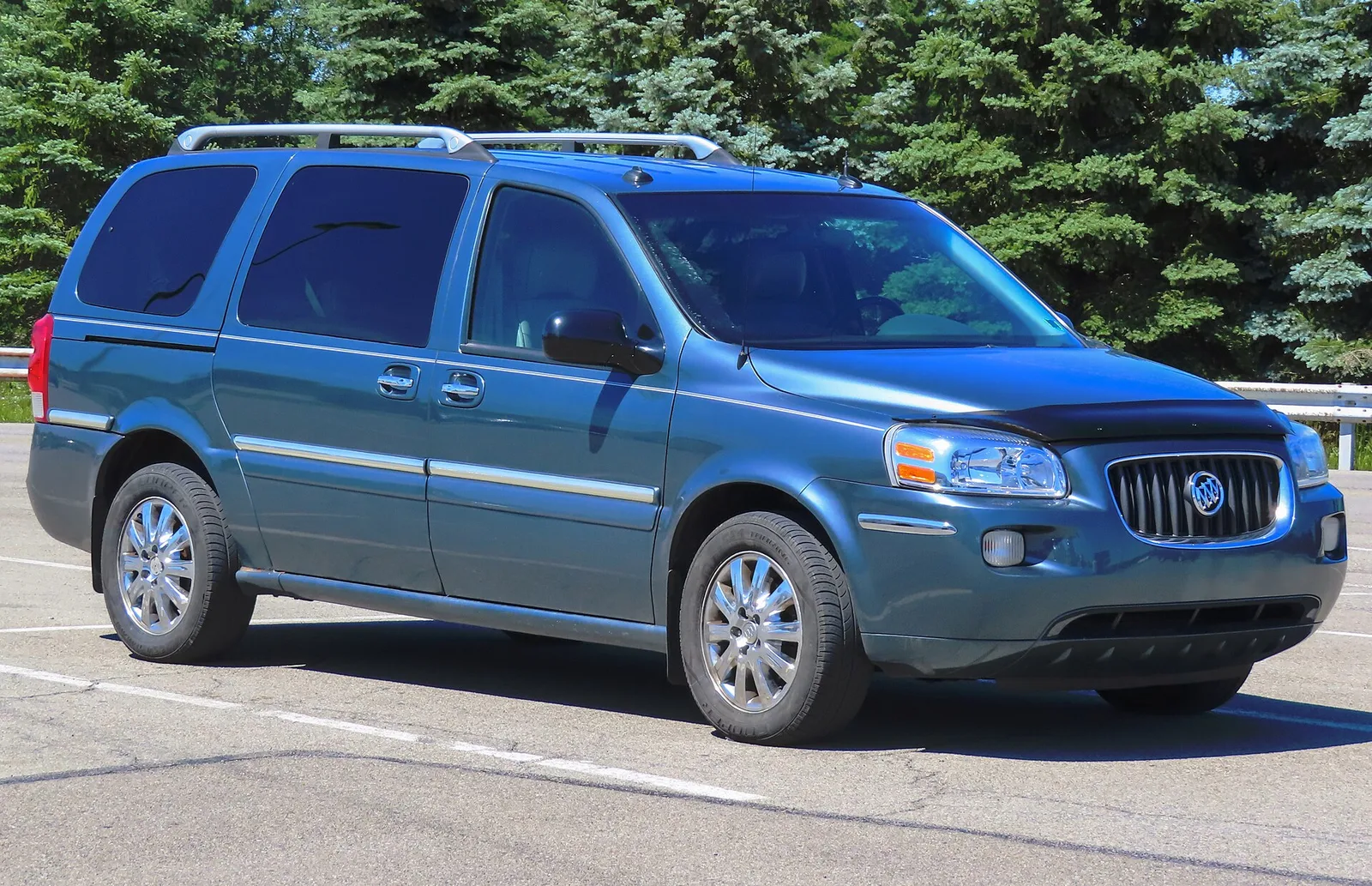
The Terraza was Buick's first-ever minivan for the North American market - a badge-engineered cousin of the Chevrolet Uplander, Pontiac Montana SV6, and Saturn Relay.
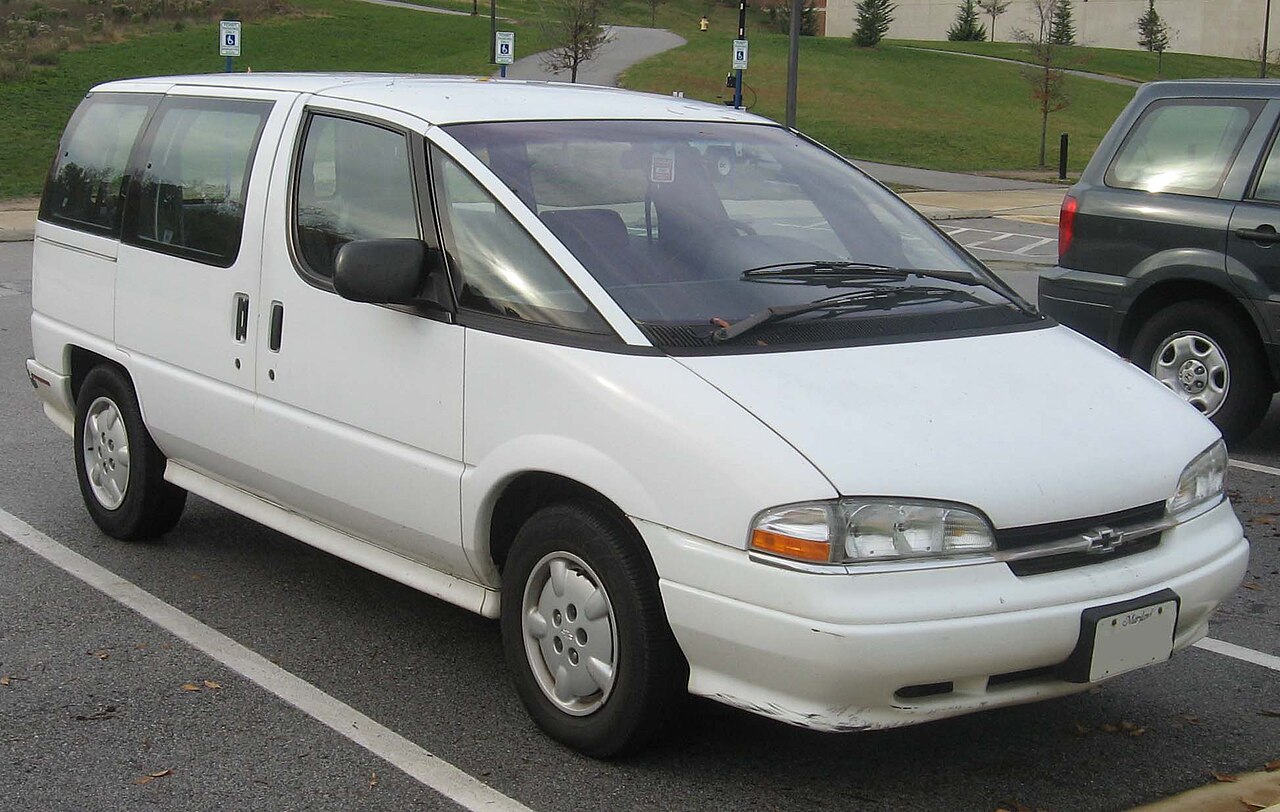
The restyled 1994 Lumina Minivan quietly made American automotive history: it was the first minivan sold in the US with a power sliding door you could open by remote.
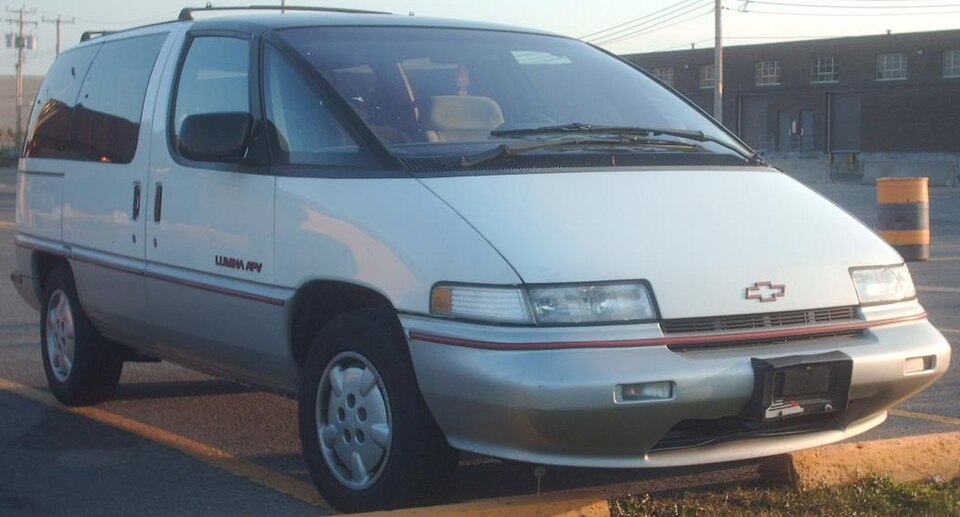
The first-generation Lumina APV minivan was nicknamed the "Dustbuster" by the press for its sharply sloped windshield, which pushed the dashboard far forward of the driver.
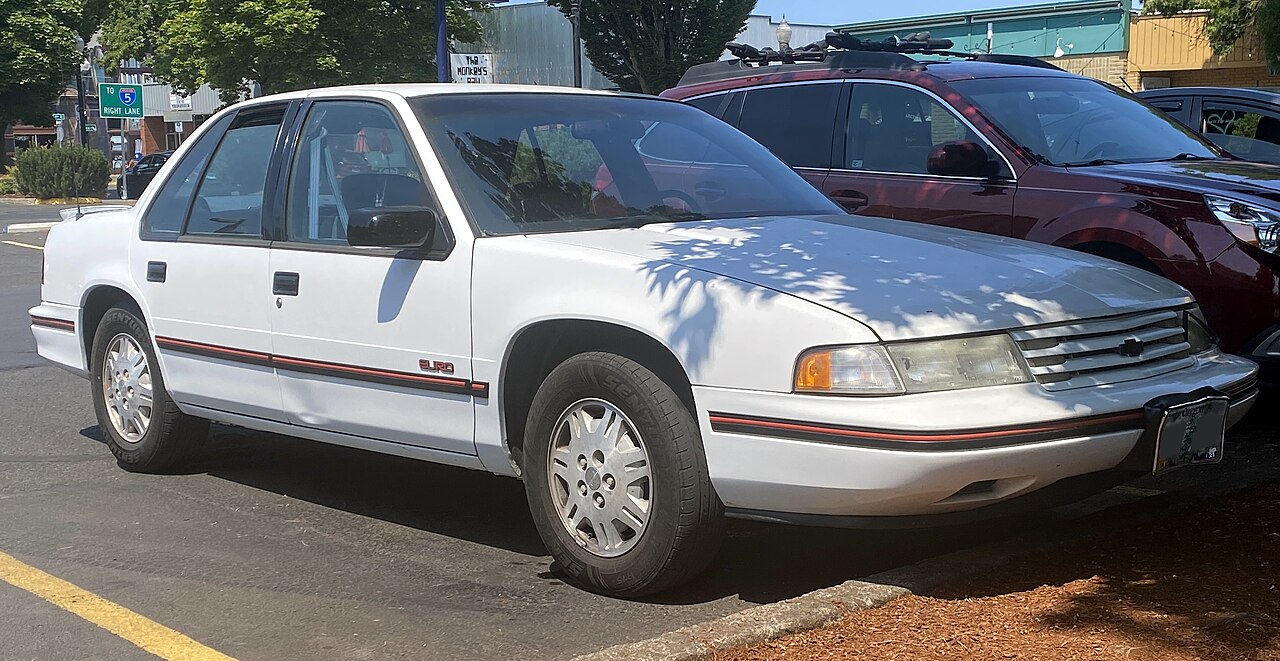
Its steeply sloped windshield gave the Lumina APV one of the deepest dashboards ever fitted to a mass-produced car.
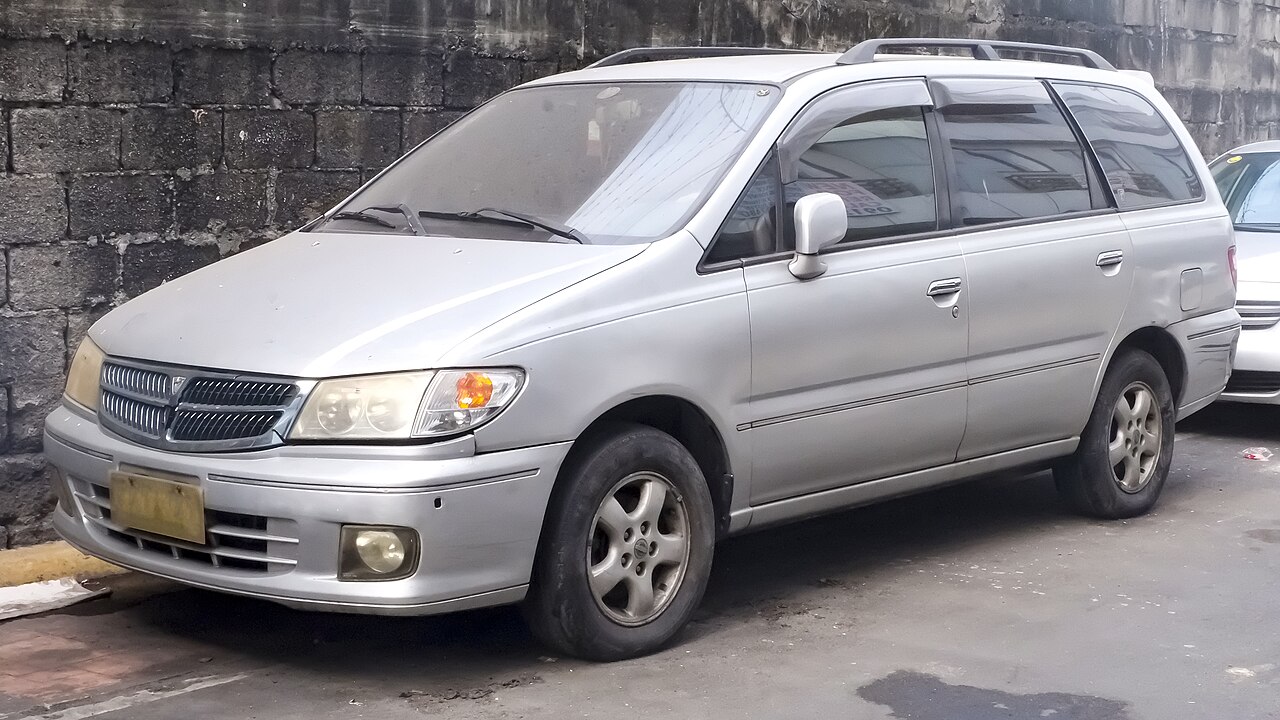
The first Presage wasn't really its own car underneath — most of its parts came straight from the Nissan R'nessa, with more shared with its platform twin, the Bassara.