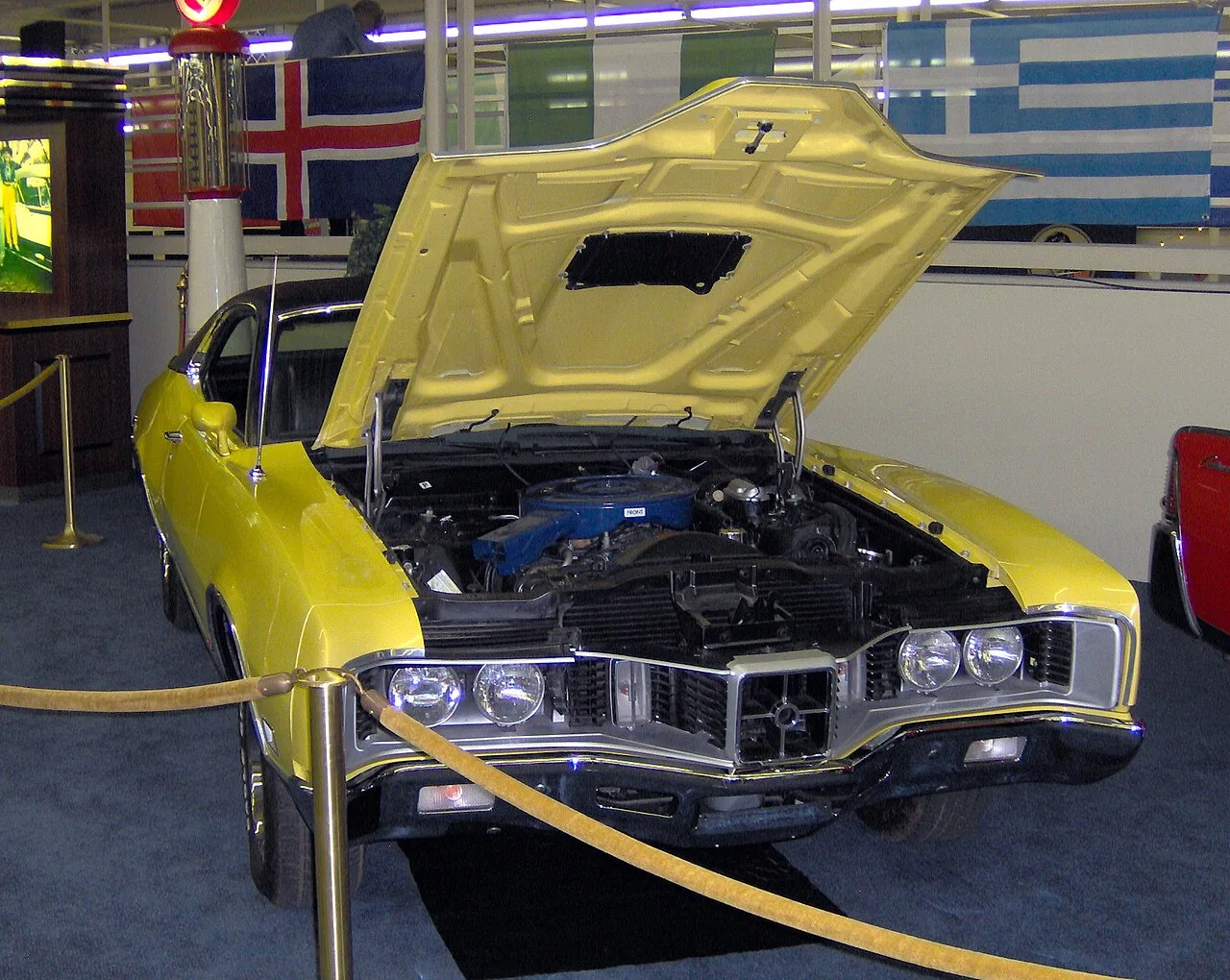
The race version of the Cyclone Spoiler II didn't use a Mercury engine at all — under the hood sat the same Boss 429 block as the 1969 Boss Mustang.
Median 192 hp across 93 similar cars
Lead trim: Cyclone Spoiler II street 351 cu in Windsor V8 · up to 375 hp
Mercury Cyclone Spoiler II1969–1970
- 0spots by members
- Unclaimednobody has spotted one yet
- 0sets it belongs to
Nobody in Burbles has spotted a Mercury Cyclone Spoiler II yet. See one on the street, point the app at it, and the first card is yours — with your @handle permanently credited on this page.
FactThe race version of the Cyclone Spoiler II didn't use a Mercury engine at all — under the hood sat the same Boss 429 block as the 1969 Boss Mustang.
Mercury produced a version of the Cyclone for NASCAR called the Cyclone Spoiler II, introduced alongside the Ford Torino Talladega to compete with the Dodge Charger Daytona and Plymouth Superbird. It was available in two flavors: the street version featured a 351 cu in (5,752 cc) Windsor block and was used to enter NASCAR, and the racing version featured a 429 cu in (7,030 cc) Boss block, the same engine as in the 1969 Boss Mustang. Although a redesigned Spoiler II with an even more aggressive nose was developed for 1970, only a single prototype was produced (alongside three Torino King Cobra counterparts); for 1971 NASCAR changed its rules to end the production of aerodynamically optimized cars.
Collectors Spotted in the Mercury Cyclone Lineage
No member has published a public street spot of the Mercury Cyclone yet — the First · Worldwide stamp is wide open.
Trims & Figures
2 published trims in the catalogue. A blank is a figure not recorded, not zero.
| Trim | Years | Engine | Power | Torque | 0–60 | Drive | Gearbox | MSRP |
|---|---|---|---|---|---|---|---|---|
| Cyclone Spoiler II racing 429 cu in Boss V8 | 1969–1969 | 7.0 L V8 | 375 hp | 450 lb-ft | — | RWD | — | — |
| Cyclone Spoiler II street 351 cu in Windsor V8 | 1969–1969 | 5.8 L V8 | 290 hp | 385 lb-ft | — | RWD | — | — |
Owning one
We don’t estimate running costs for a car like this. What it costs depends on its condition, its specialist and how it is driven, and an average would mislead.
Owners’ builds
Nobody has claimed one yet.
Photographs
The 1972 Montego Cyclone was barely a blip: Mercury built only 30 of them before replacing the package with the new Montego GT.
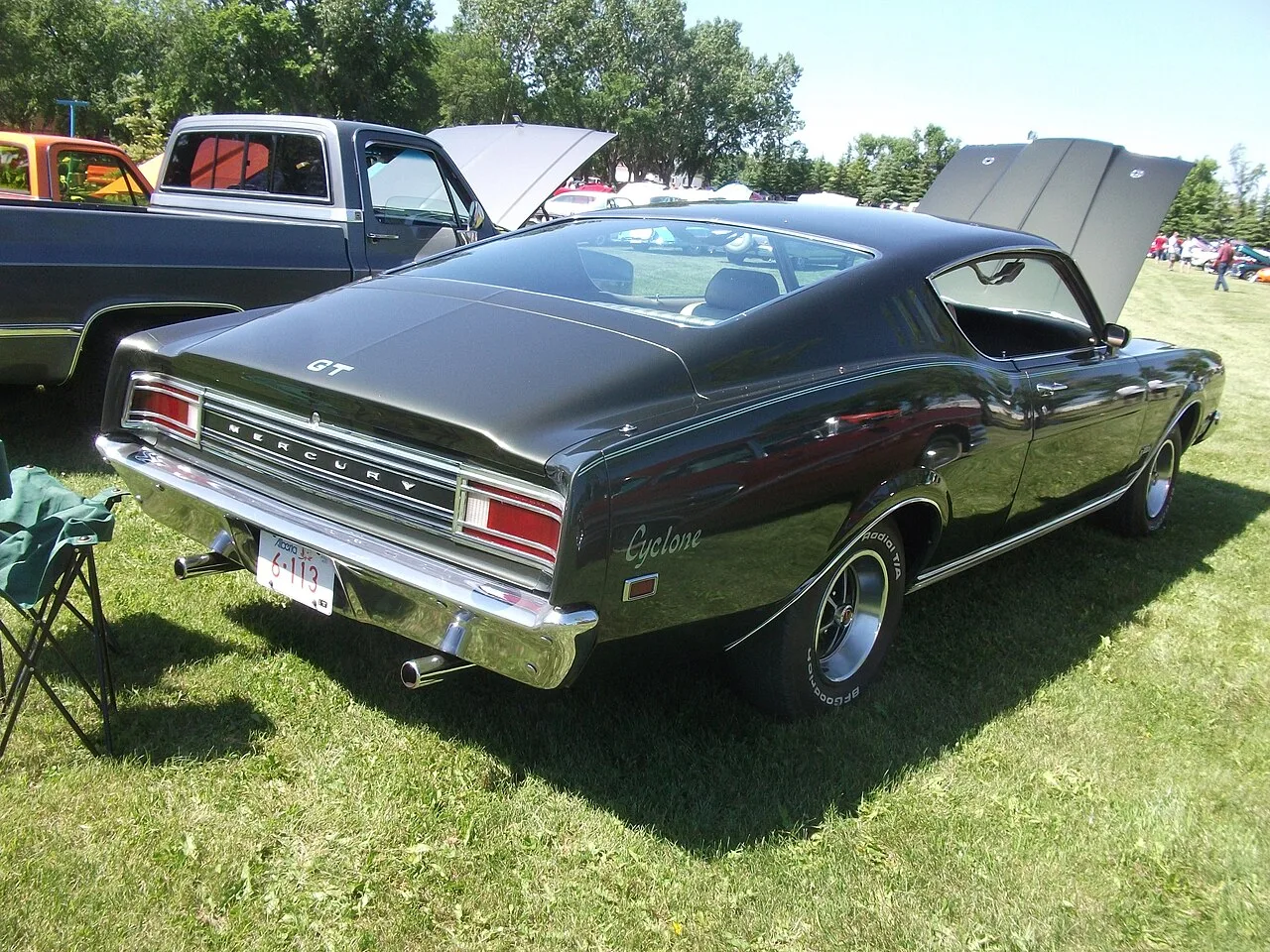
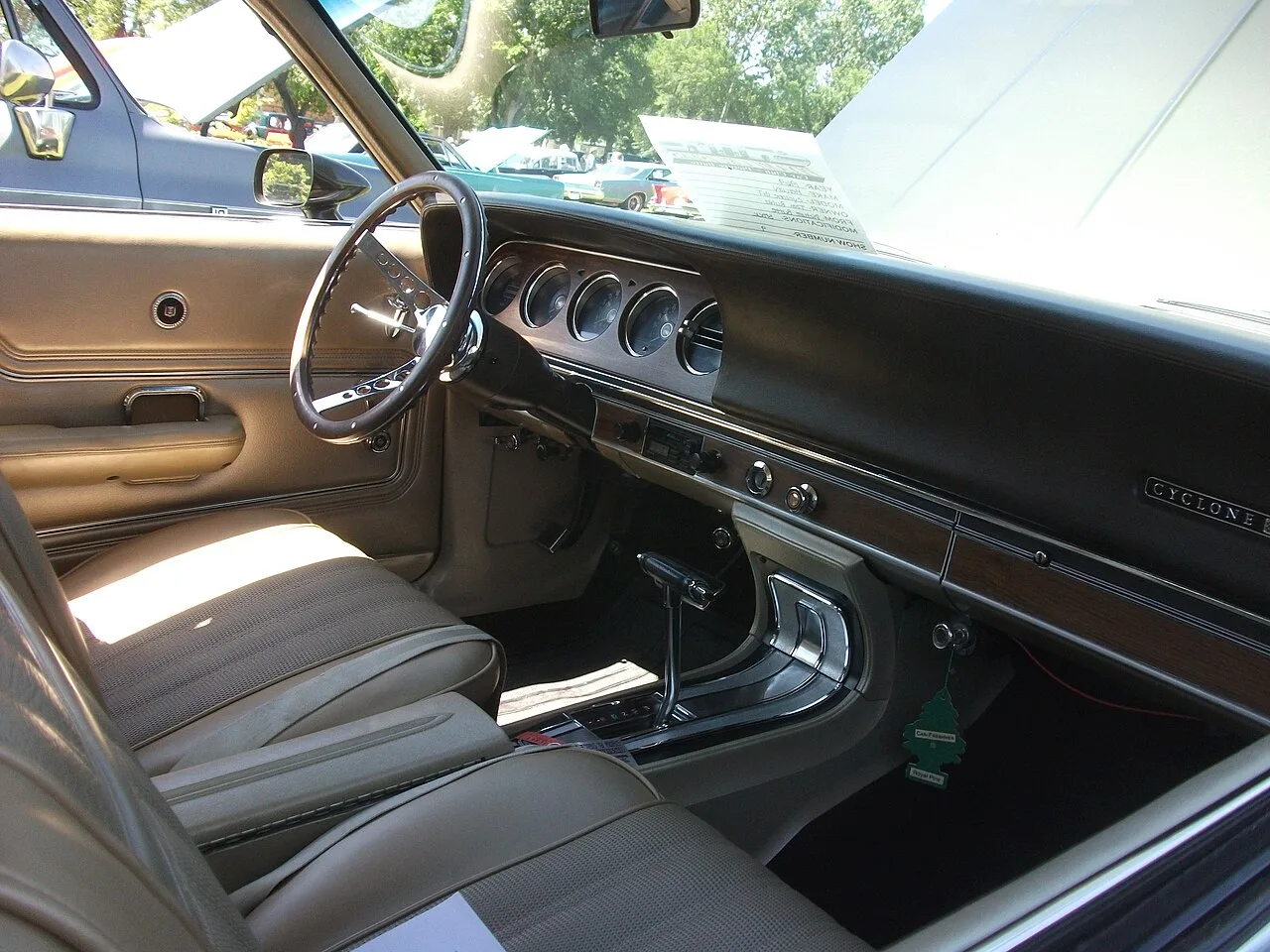
The 1970 Cyclone GT looked every inch the muscle car — hood scoop, racing mirrors, hideaway headlights — but came standard with only a 2-barrel 351 small-block and a 3-speed manual. The big engines were all extra.
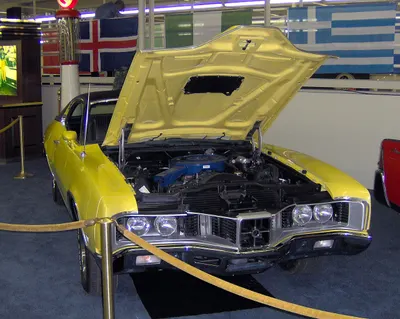
Wood Brothers Racing's #21 1971 Cyclone set a NASCAR record that still stands: 18 wins out of just 32 races that season.
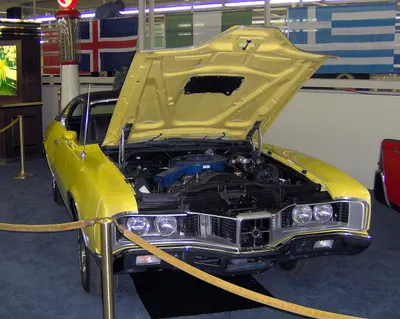
The race version of the Cyclone Spoiler II didn't use a Mercury engine at all — under the hood sat the same Boss 429 block as the 1969 Boss Mustang.
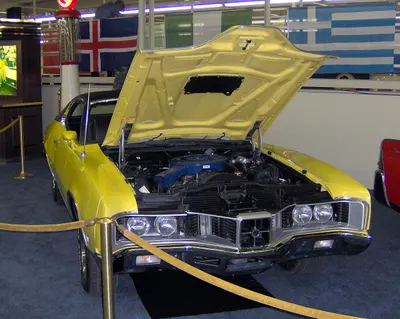
Ford planned an even more aggressive nose for the 1970 Cyclone Spoiler II — then built exactly one prototype and stopped there.
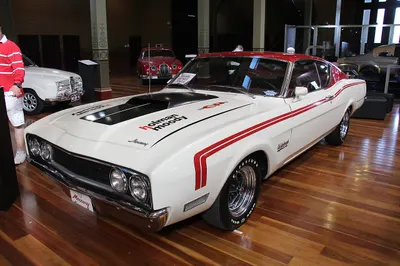
The 1969 Cyclone Cobra Jet's optional Ram Air setup — a 735 CFM four-barrel carb — got no horsepower bump on paper at all, despite obviously adding more than the quoted 335 hp.
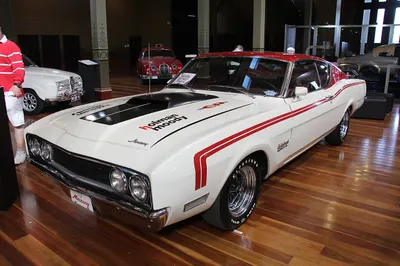
The 1968 Cyclone was more than fast for a muscle car — it set an actual world record at 189.22 mph at Daytona, earning it the title of fastest car that year.
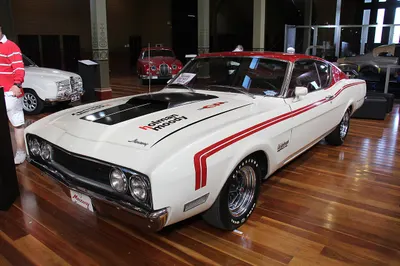
The 1968 Cyclone (with the GT package as its performance trim) was crowned the fastest car of the year after setting a world record speed of 189.22 mph at Daytona.
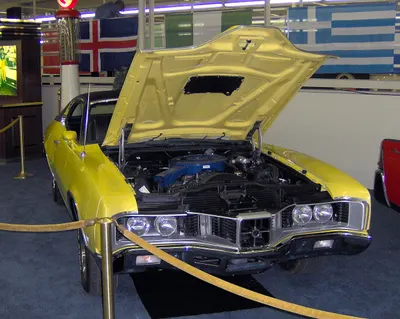
A Comet Cyclone GT convertible paced the 1966 Indianapolis 500, a serious honor for what was supposed to be Mercury's mid-range performance model.
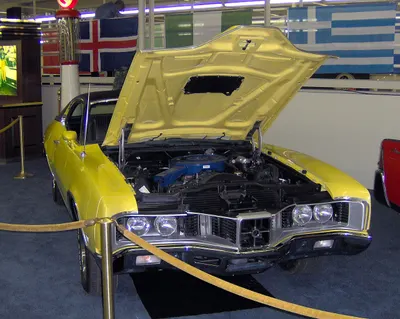
This Cyclone GT wasn't just a muscle car — a convertible version led the field at the 1966 Indianapolis 500 as the official pace car.
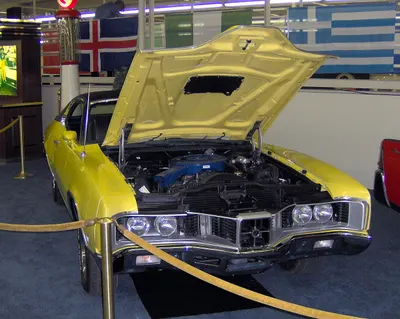
Ford built about 50 1964 Comet Cyclones with racing 427 power, and they dominated drag racing so hard they got shuffled into their own class to keep things fair.
Rivals
Same body, same money, other badges — tap any card to flip.
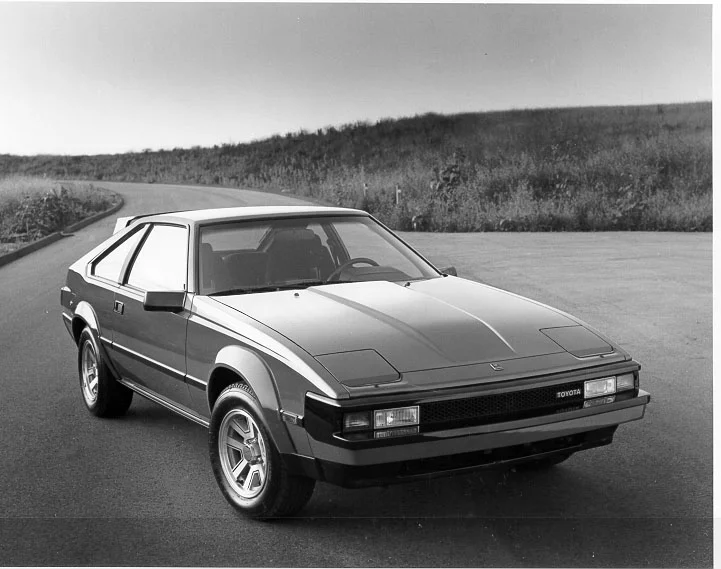
The Celica XX, Japan's name for the A60 Supra, introduced the world's first in-car navigation computer.
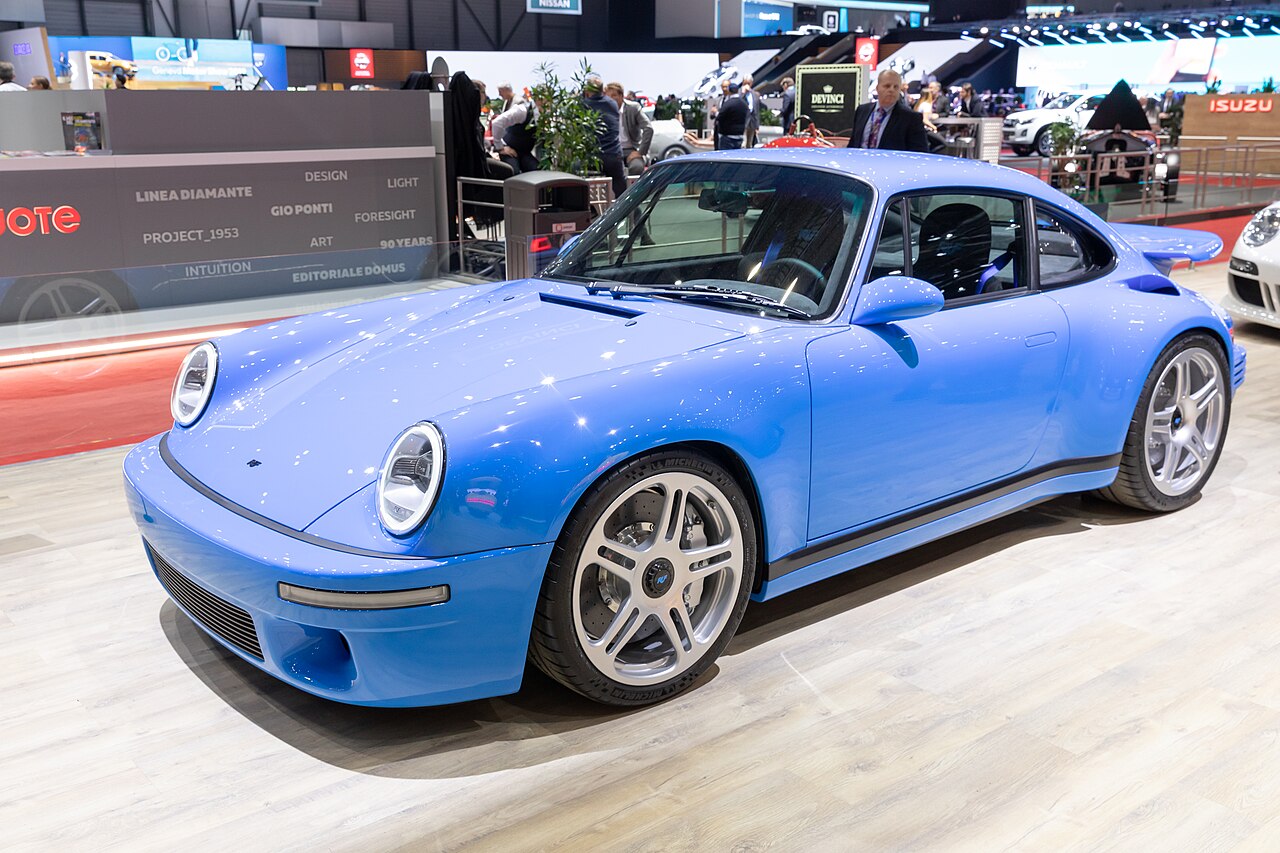
The CTR Anniversary looks like a 911 but Ruf built its carbon monocoque from scratch, no Porsche body underneath.
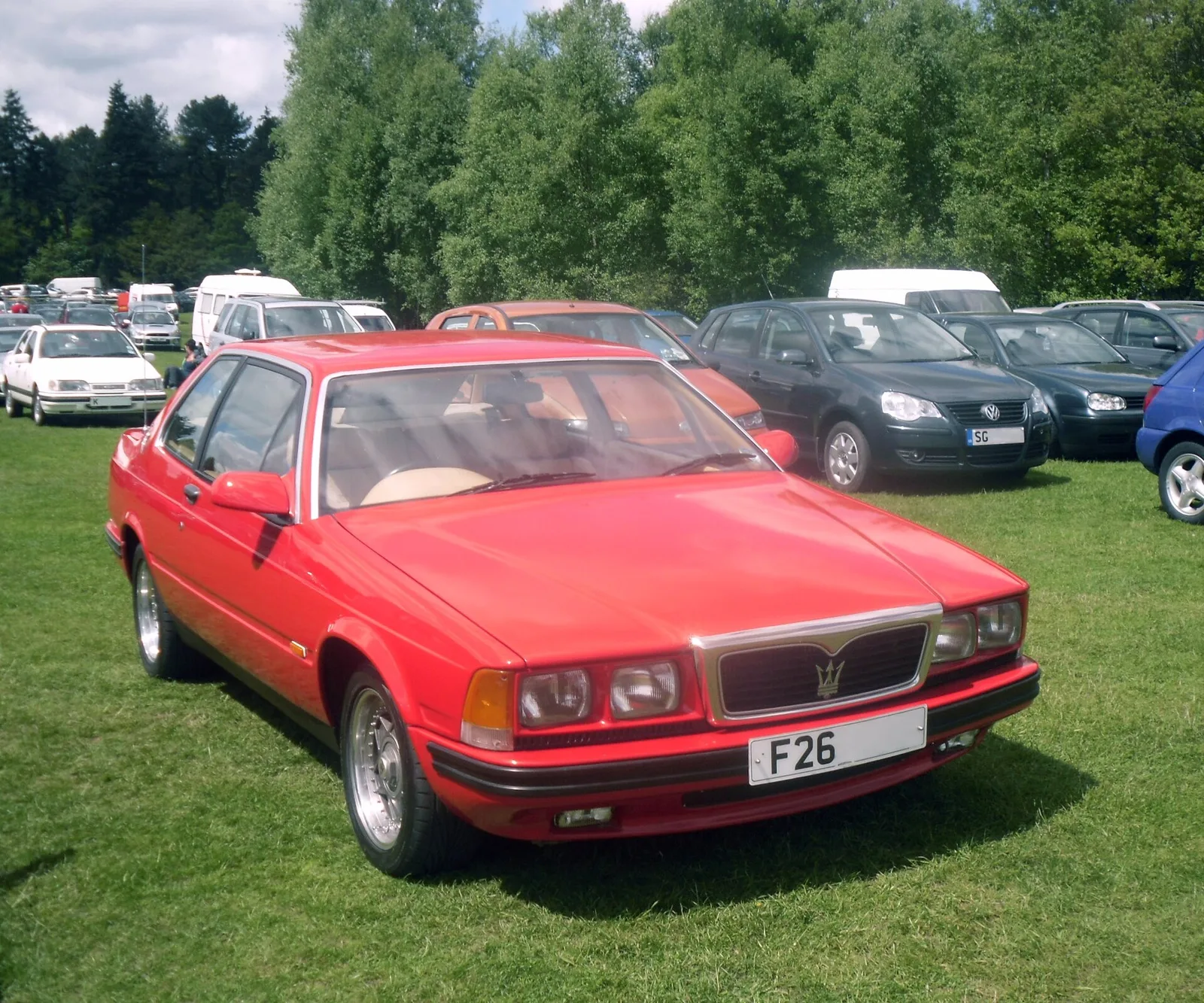
The 228's coupe styling hides a sedan underneath: Maserati stretched it onto the longer four-door Biturbo chassis to make room for its biggest V6, which is literally where the name comes from — 2-door, 2.8 litre.
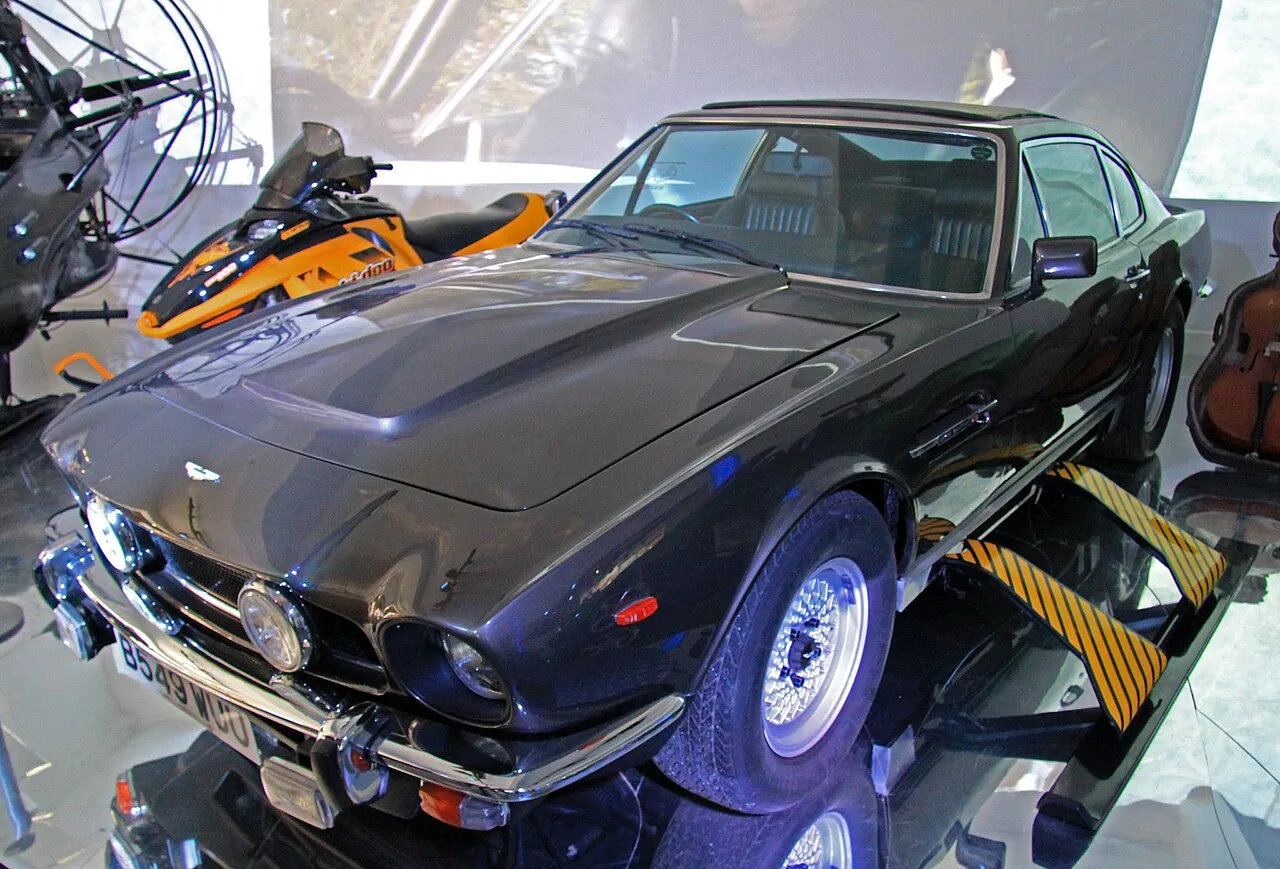
Switching to fuel injection let this V8 finally shed its trademark bonnet bulge — and only 405 of these flat-hooded Series 5 cars were built before the whole model retired in 1989.
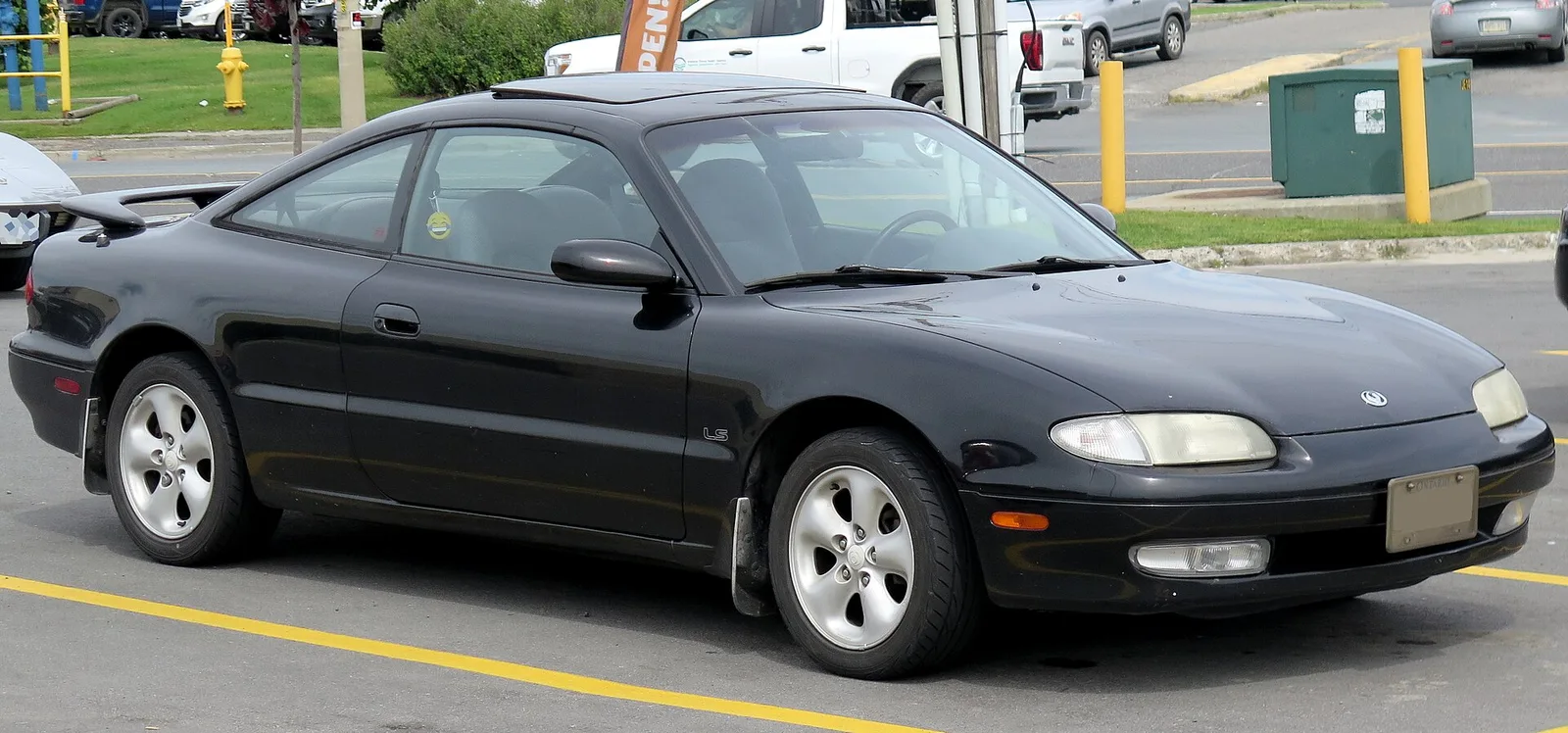
Japanese buyers got a secret weapon in their MX-6 — the JDM-only KL-ZE V6 made about 40 more horsepower than the engine sold in the exact same car in North America.
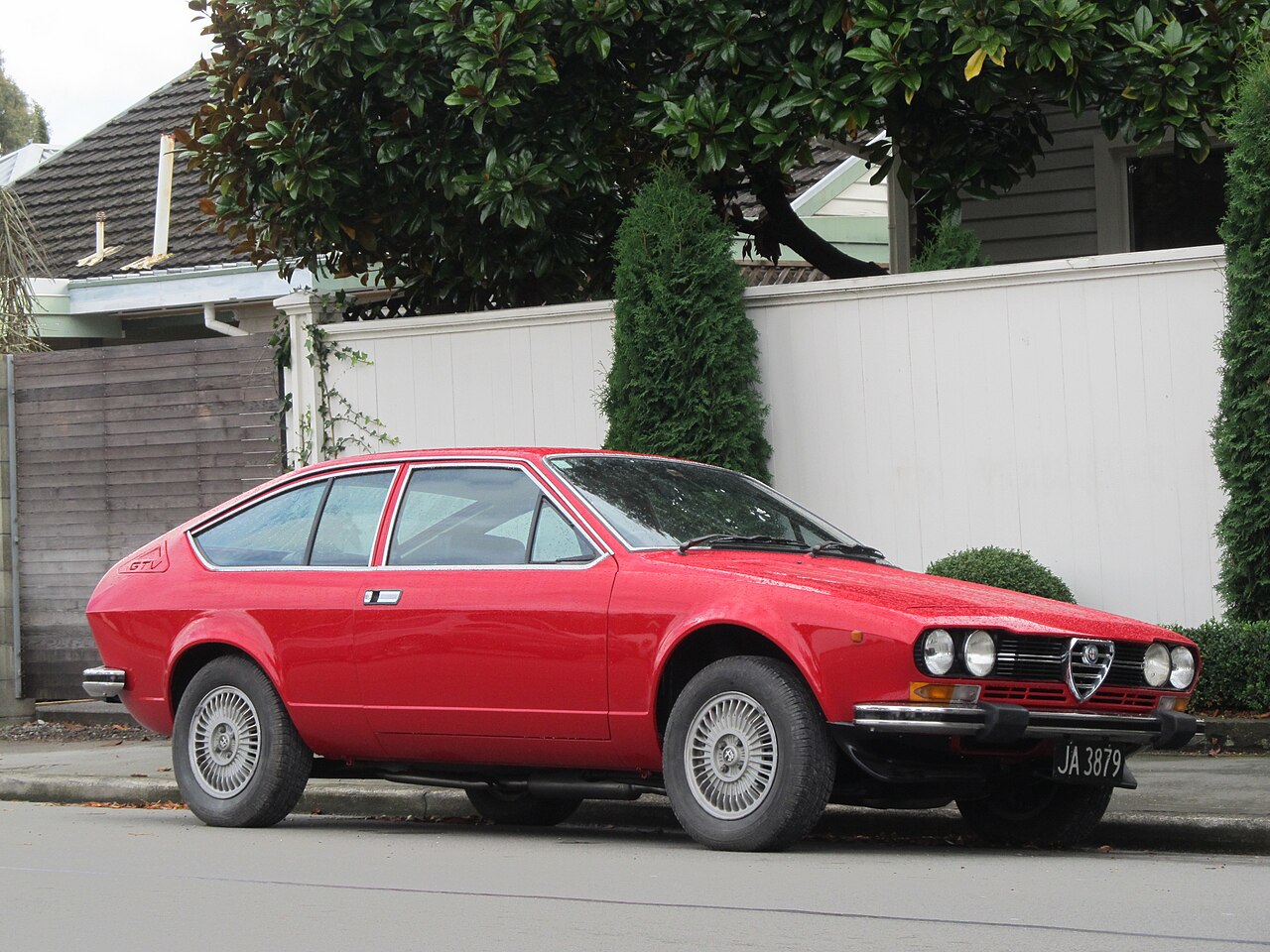
An American tuner, Callaway Cars, built twin-turbo conversions of the GTV6 that boosted its V6 by fifty percent to 230 hp — turning Alfa's grand tourer into something far quicker than the factory ever intended.
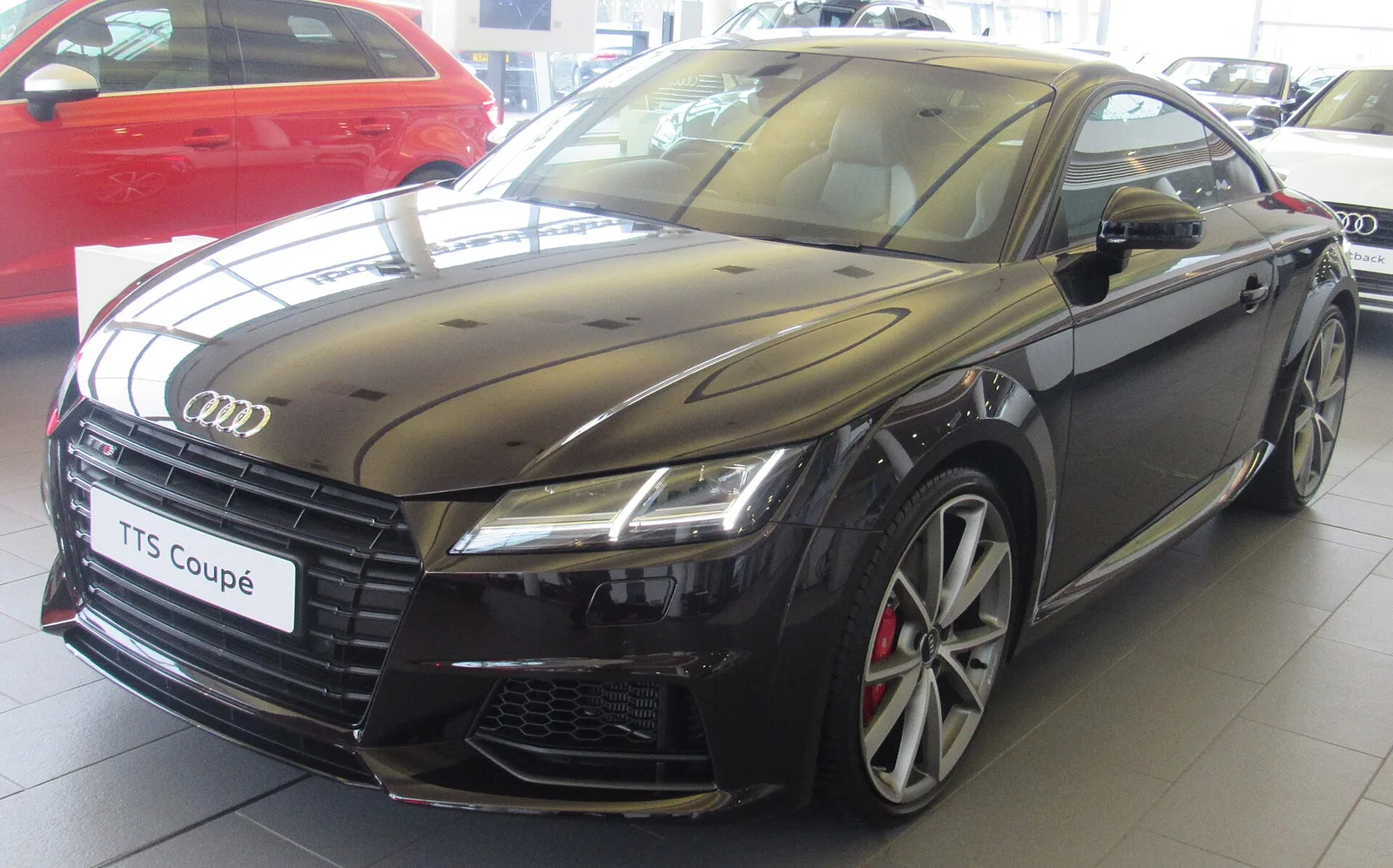
Audi TTS Coupe · TTS Coupe (2016–2023) · 2016–2023.
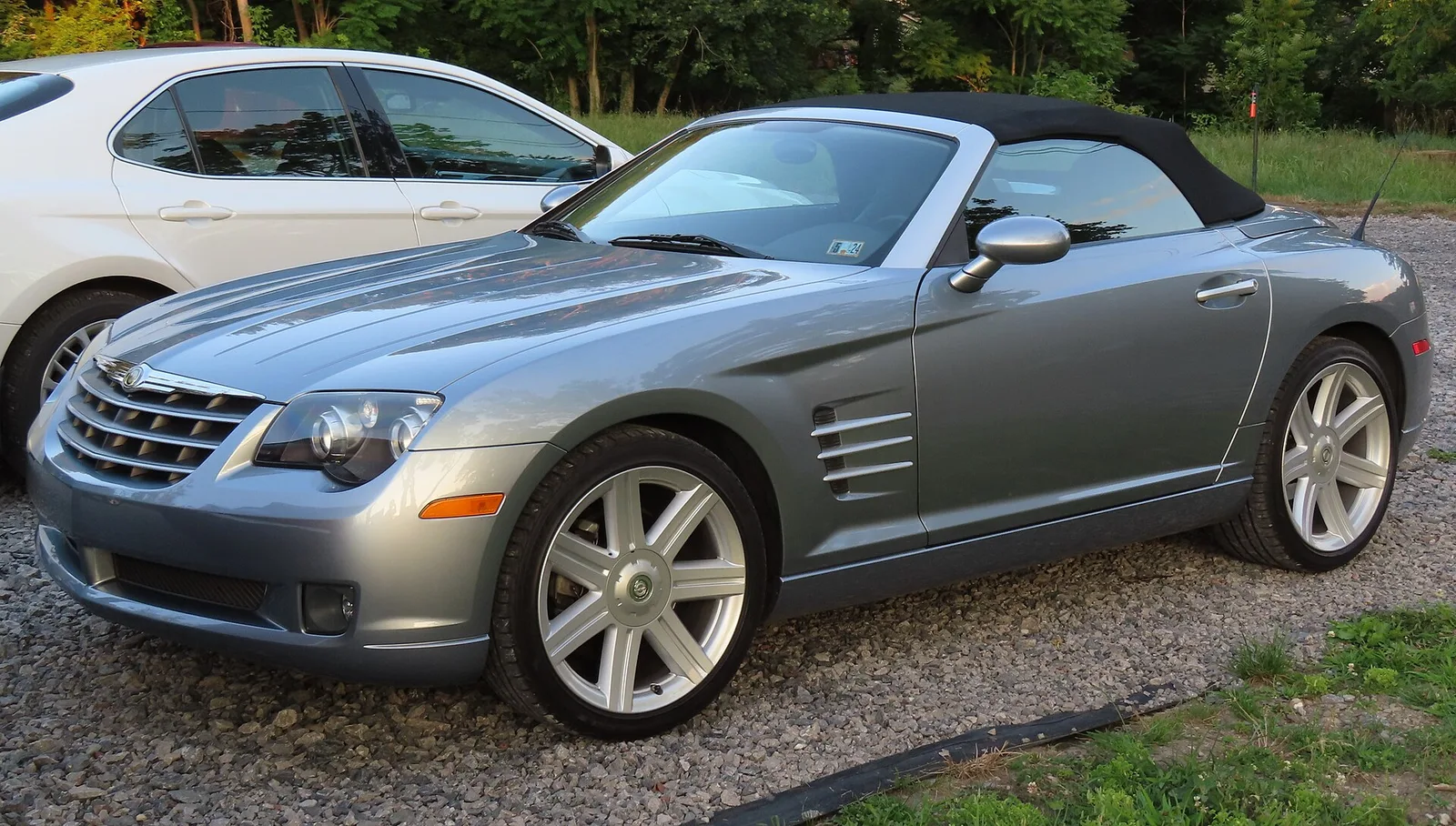
A product of the DaimlerChrysler merger, the Crossfire shares 80% of its parts with the Mercedes-Benz SLK — German bones under American badges.