Mercury Cyclone
Every Mercury Cyclone generation in the Burbles catalogue — complete specs, rarity tiers, interactive 3D cards, and the collectors who have spotted them on the street.
- Lineage Span
- 1964–1972 11 generations · 29 published trims
- Power Evolution
- 200 → 335 hp Base lead-trim output across eras
- Catalogue Rarity
- 6 Legendary 6 Legendary · 5 Epic
All 11 Mercury Cyclone Generations
Each generation deals in its rarity tier’s alloy with its engine disc, lead specs, and first spotter record. Click into any generation for full trims and market figures.
The 1972 Montego Cyclone was barely a blip: Mercury built only 30 of them before replacing the package with the new Montego GT.
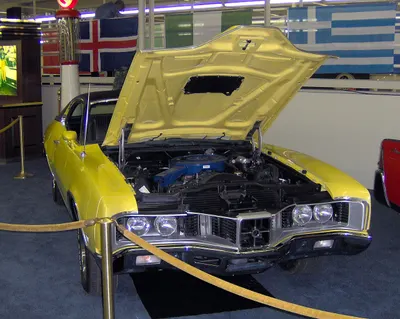
The 1970 Cyclone GT looked every inch the muscle car — hood scoop, racing mirrors, hideaway headlights — but came standard with only a 2-barrel 351 small-block and a 3-speed manual. The big engines were all extra.
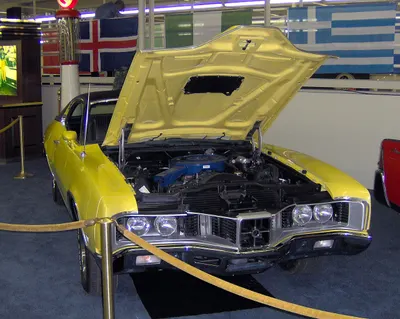
Wood Brothers Racing's #21 1971 Cyclone set a NASCAR record that still stands: 18 wins out of just 32 races that season.
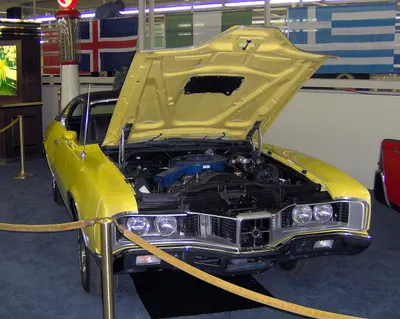
The race version of the Cyclone Spoiler II didn't use a Mercury engine at all — under the hood sat the same Boss 429 block as the 1969 Boss Mustang.
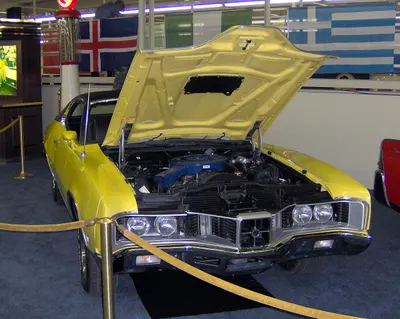
Ford planned an even more aggressive nose for the 1970 Cyclone Spoiler II — then built exactly one prototype and stopped there.
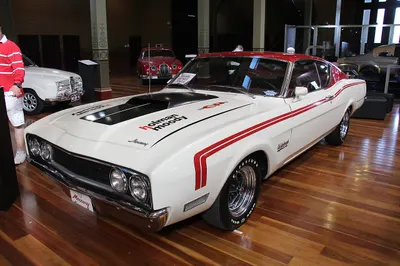
The 1969 Cyclone Cobra Jet's optional Ram Air setup — a 735 CFM four-barrel carb — got no horsepower bump on paper at all, despite obviously adding more than the quoted 335 hp.
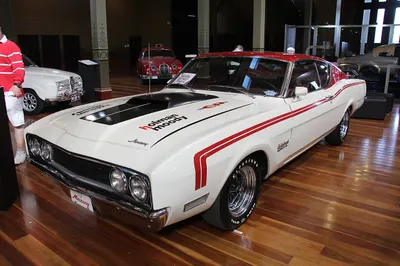
The 1968 Cyclone was more than fast for a muscle car — it set an actual world record at 189.22 mph at Daytona, earning it the title of fastest car that year.
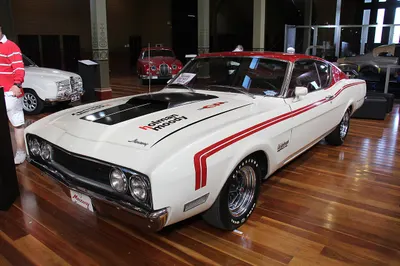
The 1968 Cyclone (with the GT package as its performance trim) was crowned the fastest car of the year after setting a world record speed of 189.22 mph at Daytona.
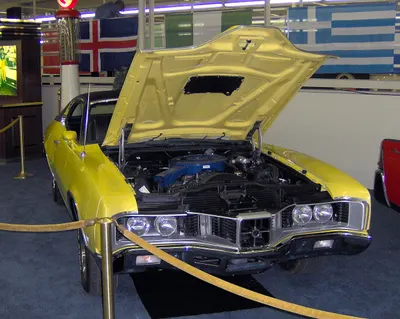
A Comet Cyclone GT convertible paced the 1966 Indianapolis 500, a serious honor for what was supposed to be Mercury's mid-range performance model.
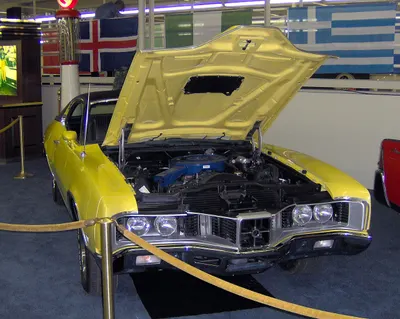
This Cyclone GT wasn't just a muscle car — a convertible version led the field at the 1966 Indianapolis 500 as the official pace car.
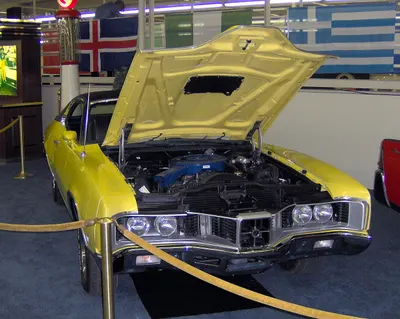
Ford built about 50 1964 Comet Cyclones with racing 427 power, and they dominated drag racing so hard they got shuffled into their own class to keep things fair.
Collectors Who Spotted the Mercury Cyclone
No member has published a public street spot of the Mercury Cyclone yet — the First · Worldwide stamp is wide open.
Mercury Cyclone Generation-by-Generation Comparison
Lead figures across every published generation, newest to oldest. Select any generation to inspect all trims and engine options.
| Generation | Years | Tier & Rarity | Engine | Power & Torque | 0–60 mph | Weight | Trims | First Spotter |
|---|---|---|---|---|---|---|---|---|
| Montego Cyclone package (1972) | 1972–1972 | Legendary | 7.0L V8 | 205 hp | — | — | 2 trims → | Unclaimed |
| Cyclone GT (1970–1971) | 1970–1971 | Legendary | 5.8L V8 | — | — | — | 1 trim → | Unclaimed |
| Cyclone (1970–1971) | 1970–1971 | Legendary | 5.8L V8 | 285 hp · 370 lb-ft | — | — | 4 trims → | Unclaimed |
| Cyclone Spoiler II (1969–1970) | 1969–1970 | Legendary | 5.8L V8 | 290 hp · 385 lb-ft | — | — | 2 trims → | Unclaimed |
| Cyclone Spoiler (1969–1971) | 1969–1971 | Legendary | 5.8L V8 | 285 hp · 370 lb-ft | — | — | 4 trims → | Unclaimed |
| Cyclone Cobra Jet (1969) | 1969–1969 | Legendary | 7.0L V8 | 335 hp · 440 lb-ft | — | — | 1 trim → | Unclaimed |
| Cyclone (1968–1969) | 1968–1969 | Epic | 4.9L V8 | 210 hp · 300 lb-ft | — | — | 5 trims → | Unclaimed |
| Cyclone GT (1968–1969) | 1968–1969 | Epic | 6.4L V8 | 265 hp · 401 lb-ft | — | — | 3 trims → | Unclaimed |
| Comet Cyclone (1966–1967) | 1966–1967 | Epic | 4.7L V8 | 200 hp · 285 lb-ft | — | — | 3 trims → | Unclaimed |
| Comet Cyclone GT (1966–1967) | 1966–1967 | Epic | 6.4L V8 | 320 hp · 427 lb-ft | — | — | 2 trims → | Unclaimed |
| Comet Cyclone (1964–1965) | 1964–1965 | Epic | 4.7L V8 | 200 hp · 285 lb-ft | — | — | 2 trims → | Unclaimed |
See a Mercury Cyclone on the street, point Burbles at it, and that generation’s card goes in your binder with your own photo and serial number. Own one? Add it to your garage in the app.