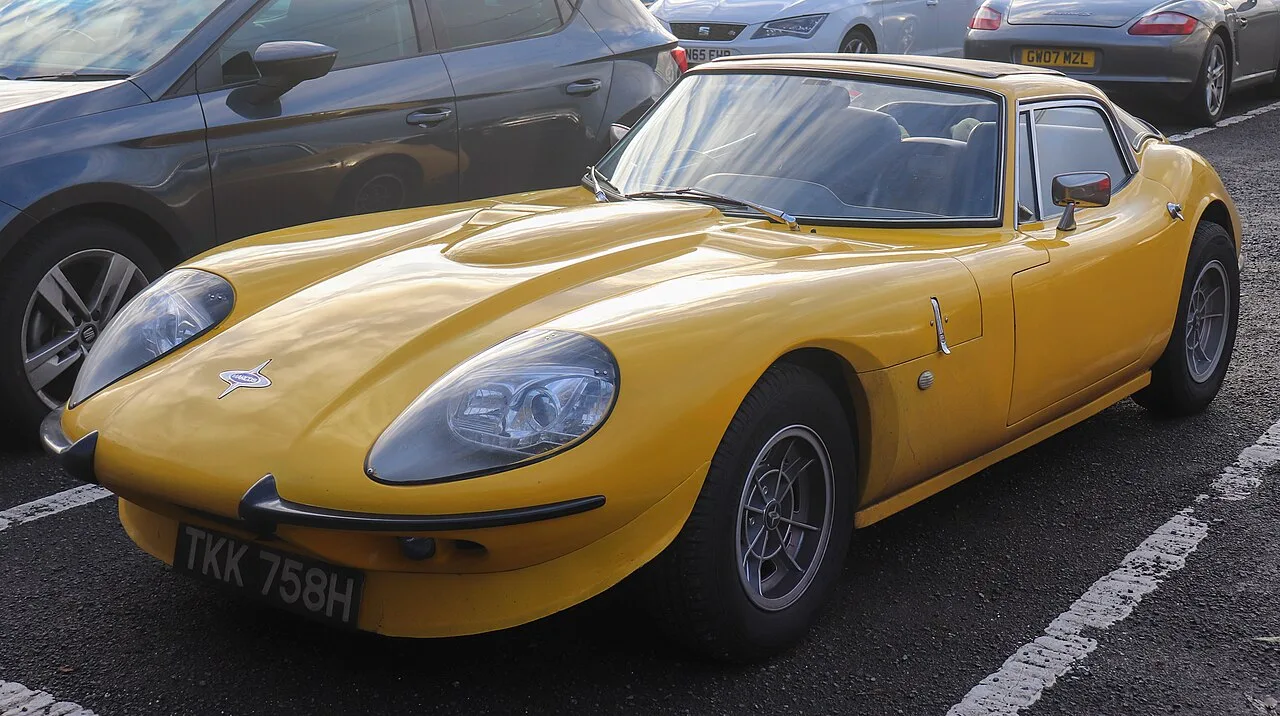
The Marcos GT's chassis wasn't metal at all — it was laminated sheets of marine plywood, a trick its founder brought over from his day job designing the de Havilland Mosquito fighter-bomber.
Lead trim: 2 Litre Ford Essex V4 (85 hp) · up to 150 hp
Marcos GT1964–1972
- 0spots by members
- Unclaimednobody has spotted one yet
- 0sets it belongs to
Nobody in Burbles has spotted a Marcos GT yet. See one on the street, point the app at it, and the first card is yours — with your @handle permanently credited on this page.
FactThe Marcos GT's chassis wasn't metal at all — it was laminated sheets of marine plywood, a trick its founder brought over from his day job designing the de Havilland Mosquito fighter-bomber.
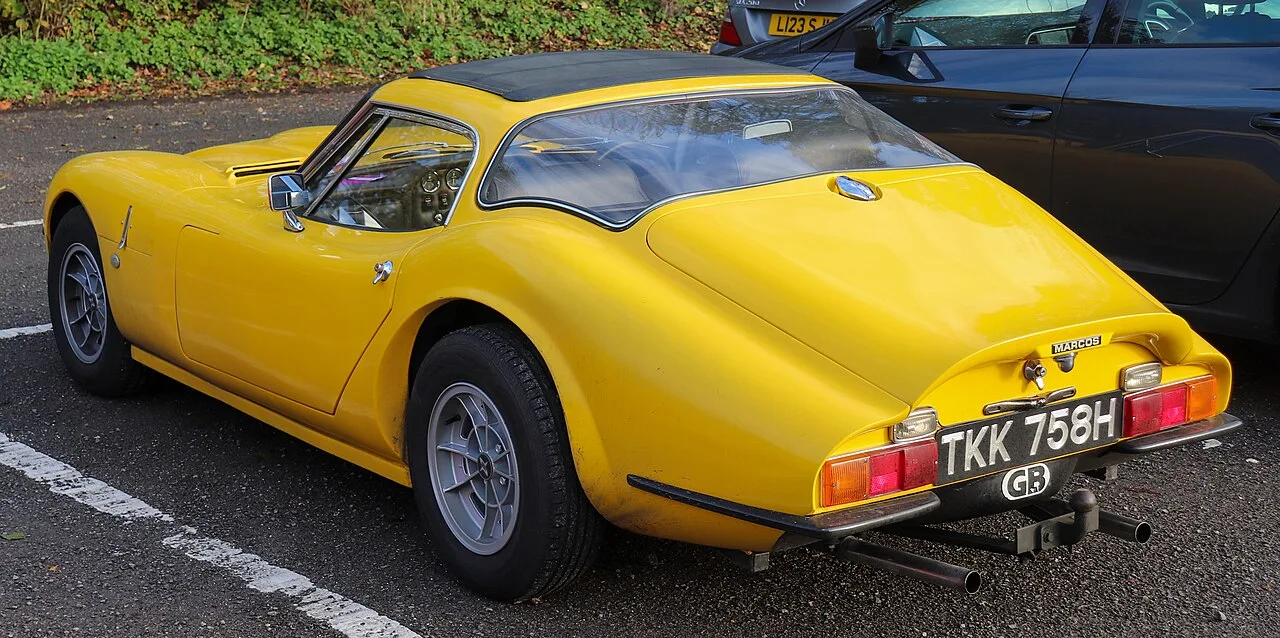
The Marcos GT is the name used by Marcos Engineering for all its cars until the Mantis of 1970, most commonly for the very low coupé designed by brothers Dennis and Peter Adams, first introduced as the Marcos 1800 in 1964 with a wooden (plywood) chassis and a Volvo P1800 engine. Later models had a steel chassis (from June 1969) and commonly Ford engines; most were factory-built until 1972, some supplied as kits, and the car was out of production from 1972 until 1981, when small-scale component production recommenced (the original GT continued until 1989 or 1990; the later years are not part of this entry). The 1800 GT (1964) was a sensation at the 1964 Racing Car Show, with a glass-fibre body on a plywood chassis glued from 386 pieces, an extremely low, nearly supine driving position with fixed seats mounted lower than the floor (pedals adjustable by a knob), a hinged tapered nose, a four-speed manual with overdrive (a five-speed was also available) and a De Dion rear axle (a live Ford axle after the first 33 cars); the Volvo 1778 cc B18 has 96 hp for 116 mph and 0–60 mph in 8.2 seconds (some sources claim 108 hp SAE), price cut from £1500 to £1340, and after 106 (or 99) it was replaced by the Ford-engined 1500 in 1966. Power and performance were down but sales rose considerably: the 1650 Lawrencetune (32 built, 1967) had bigger discs and a standard Webasto sunroof; the Crossflow 1600 (192 built until early 1969, 740 kg, front discs standard) proved the most popular; the 2 litre (Ford Essex V4 from the Corsair, January 1969, only about 78 built) is well down on power; the 3 litre (Ford Essex V6 and Zodiac transmission with Laycock overdrive, announced at the October 1968 London Show, production from January 1969) topped the range, and from December 1969 a twin-carb Volvo B30 straight-six became available (initially only for the US, with Borg-Warner automatics and space-frame chassis with higher ride height); eleven or twelve cars got the 150 bhp Triumph 2.5-litre six intended for the Mantis, as the Marcos 2½ litre. In 1970 27 exported cars were impounded by US Customs and Marcos withdrew from the US market; with the Mantis development costs and VAT on kit cars looming it closed for the first time, and after a sale to Hebron & Medlock Bath Engineering in mid-1971 and receivership six months later, Jem Marsh bought up spares and resumed production in 1981. The page gives no end years for the 2 litre and V6, so those trims carry the generation end.
Collectors Spotted in the Marcos GT Lineage
No member has published a public street spot of the Marcos GT yet — the First · Worldwide stamp is wide open.
Trims & Figures
8 published trims in the catalogue. A blank is a figure not recorded, not zero.
| Trim | Years | Engine | Power | Torque | 0–60 | Drive | Gearbox | MSRP |
|---|---|---|---|---|---|---|---|---|
| 1500 GT Ford Kent (85 hp) | 1966–1967 | 1.5 L Inline-4 | 85 hp | — | — | — | — | — |
| 1600 GT Ford Crossflow (100 hp) | 1967–1969 | 1.6 L Inline-4 | 100 hp | — | — | — | — | — |
| 1650 GT Lawrencetune Ford Kent (120 hp) | 1967–1967 | 1.6 L Inline-4 | 120 hp | — | — | — | — | — |
| 1800 GT Volvo B18 (96 hp) | 1964–1966 | 1.8 L Inline-4 | 96 hp | — | 8.2 s | — | — | — |
| 2 Litre Ford Essex V4 (85 hp) | 1969–1972 | 2.0 L V4 | 85 hp | — | — | — | — | — |
| 2½ Litre Triumph straight-six (150 bhp) | 1971–1971 | 2.5 L Inline-6 | 150 hp | — | — | — | — | — |
| 3 Litre Ford Essex V6 (140 bhp) | 1968–1972 | 3.0 L V6 | 140 hp | — | — | — | — | — |
| 3 Litre Volvo B30 straight-six | 1969–1972 | 3.0 L Inline-6 | — | — | — | — | — | — |
Owning one
We don’t estimate running costs for a car like this. What it costs depends on its condition, its specialist and how it is driven, and an average would mislead.
Owners’ builds
Nobody has claimed one yet.
Photographs
Rivals
Same body, same money, other badges — tap any card to flip.
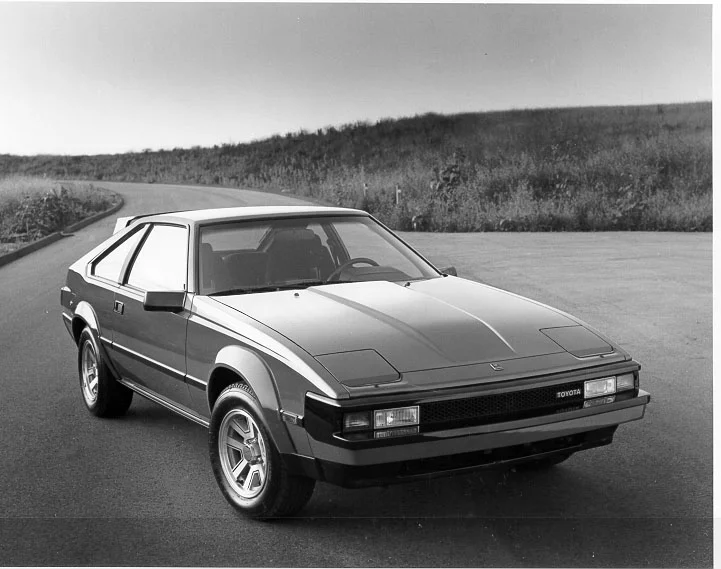
The Celica XX, Japan's name for the A60 Supra, introduced the world's first in-car navigation computer.
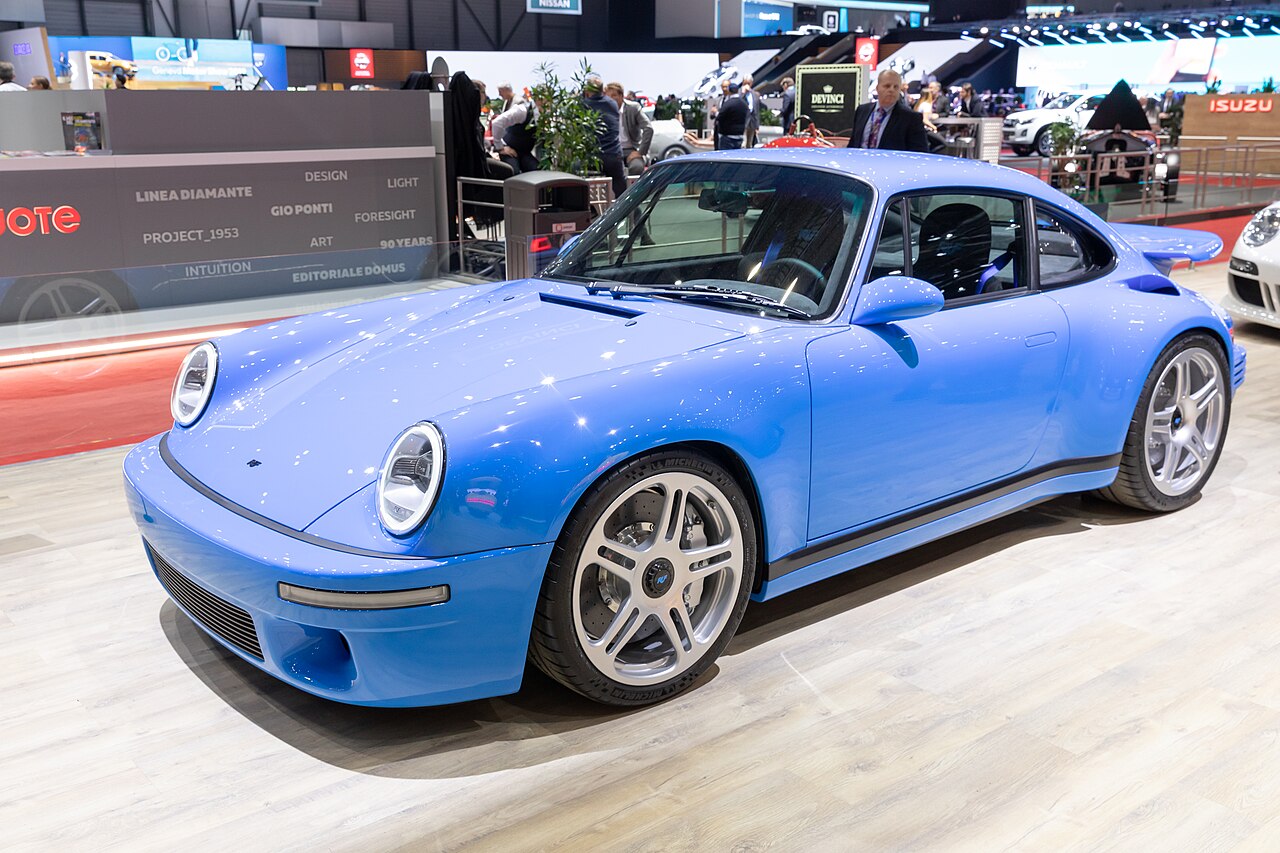
The CTR Anniversary looks like a 911 but Ruf built its carbon monocoque from scratch, no Porsche body underneath.
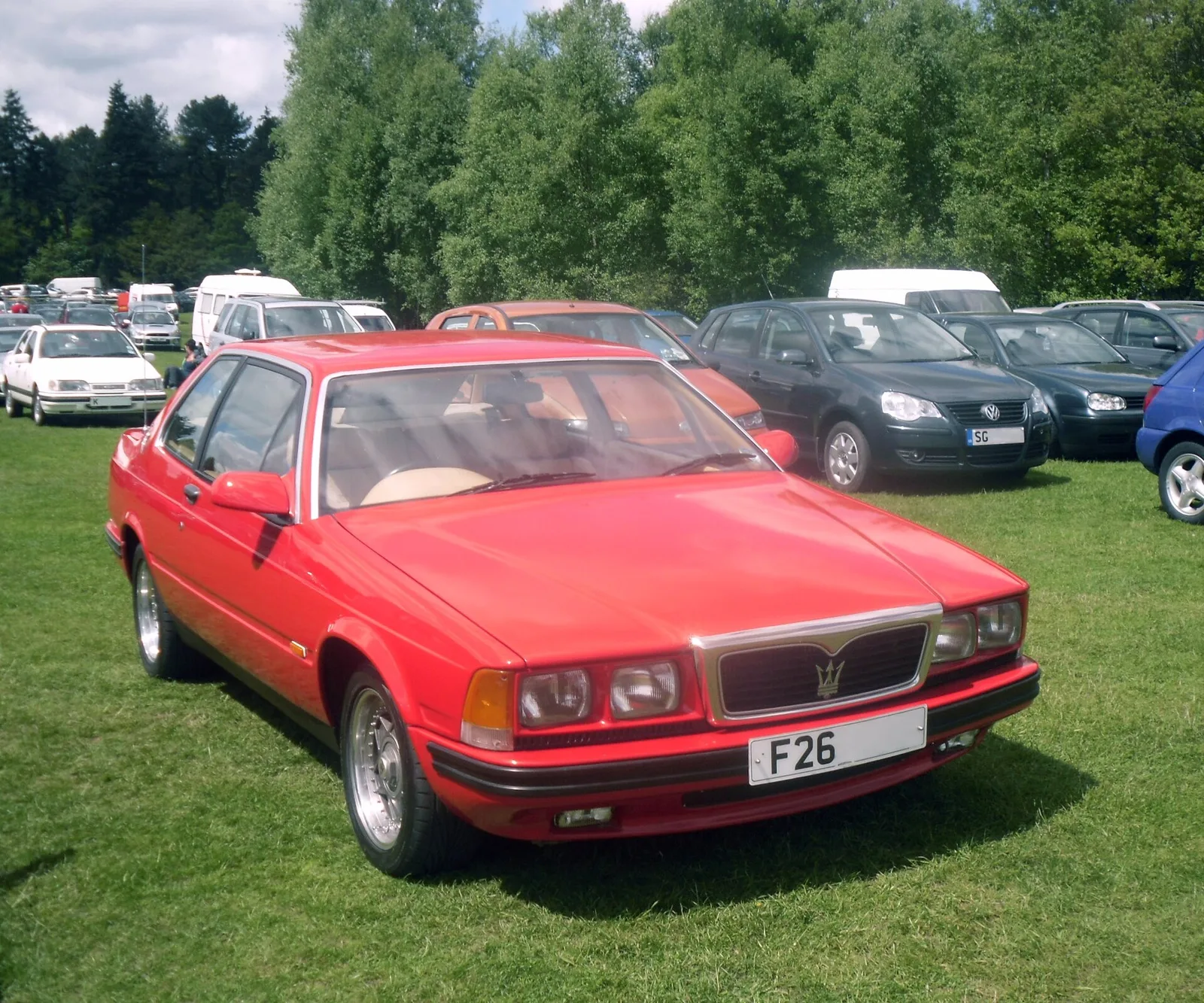
The 228's coupe styling hides a sedan underneath: Maserati stretched it onto the longer four-door Biturbo chassis to make room for its biggest V6, which is literally where the name comes from — 2-door, 2.8 litre.
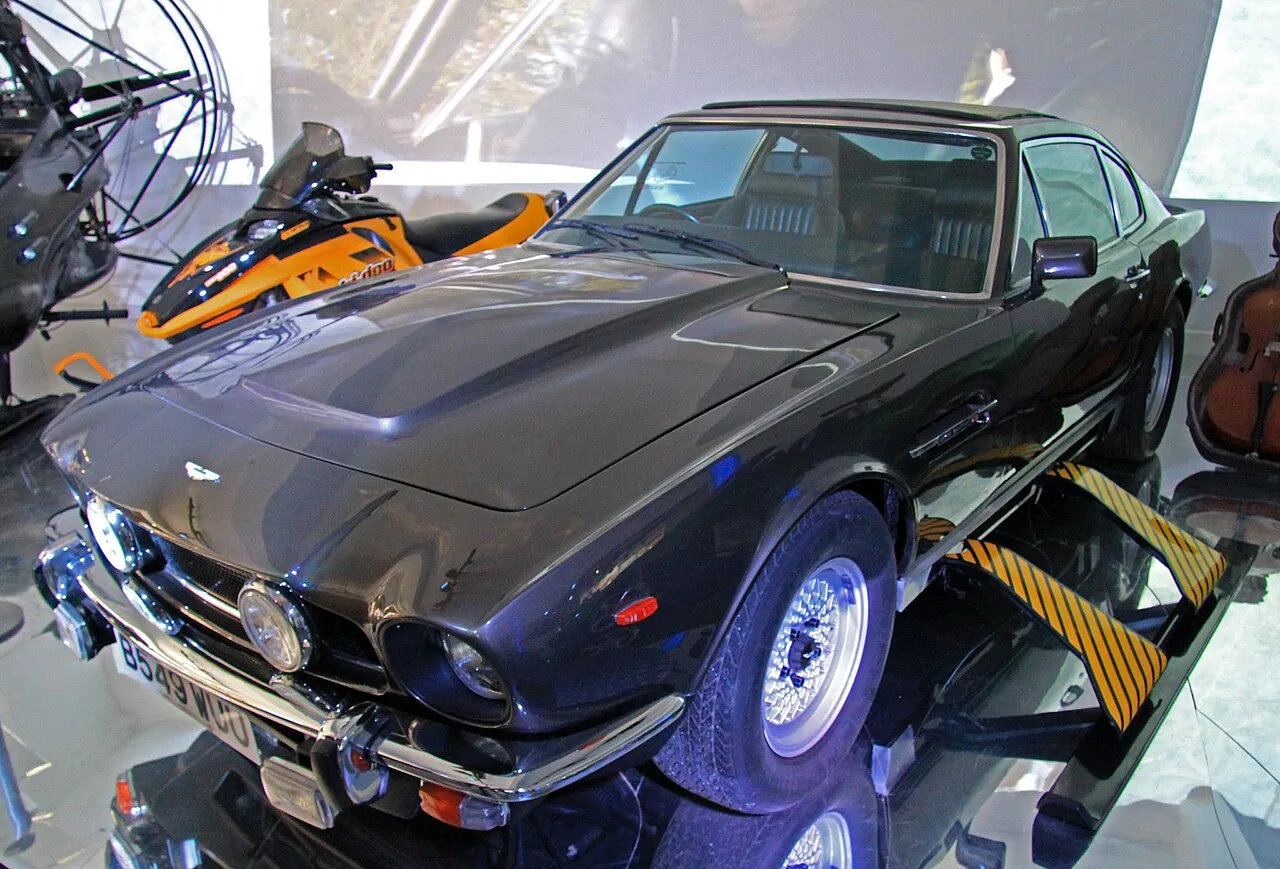
Switching to fuel injection let this V8 finally shed its trademark bonnet bulge — and only 405 of these flat-hooded Series 5 cars were built before the whole model retired in 1989.
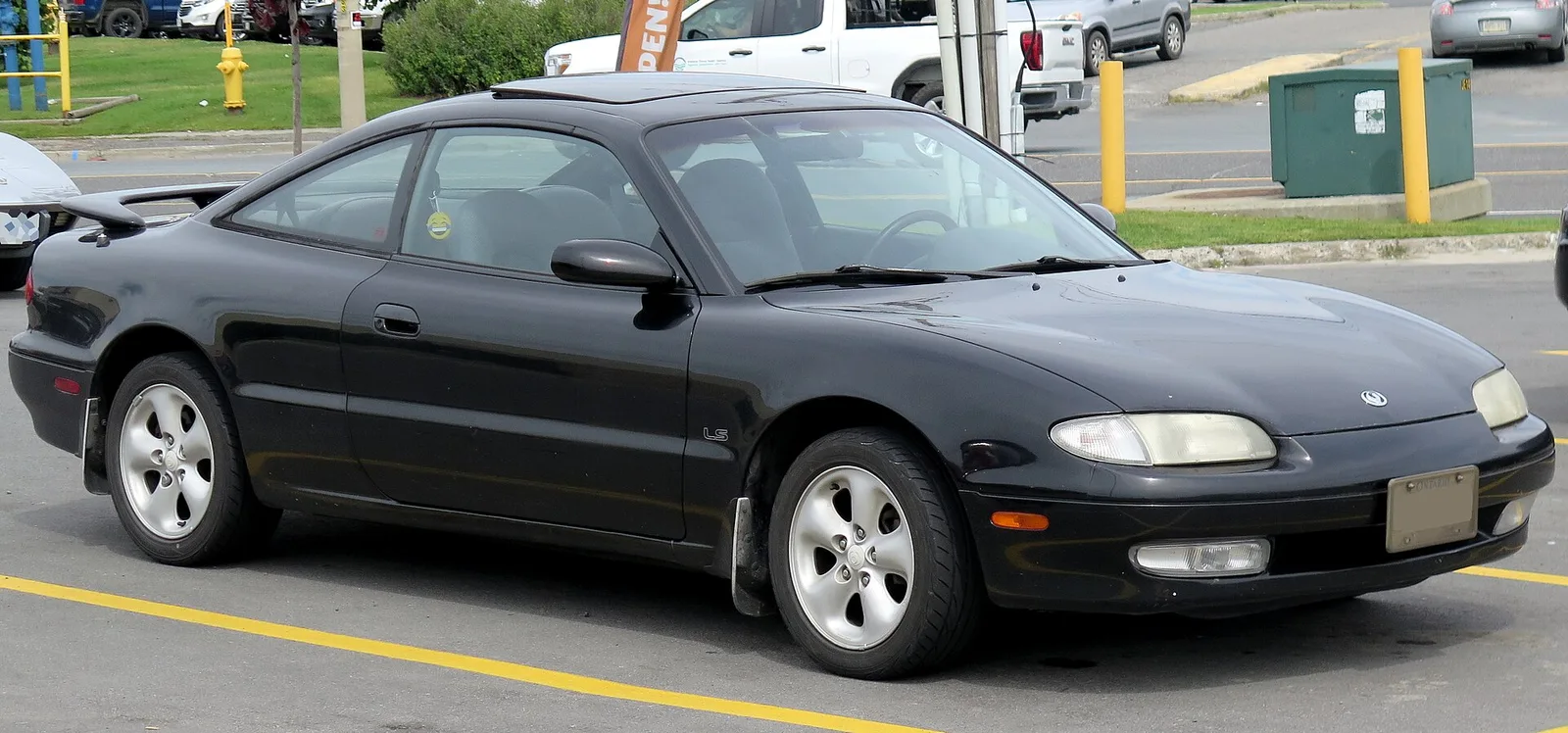
Japanese buyers got a secret weapon in their MX-6 — the JDM-only KL-ZE V6 made about 40 more horsepower than the engine sold in the exact same car in North America.
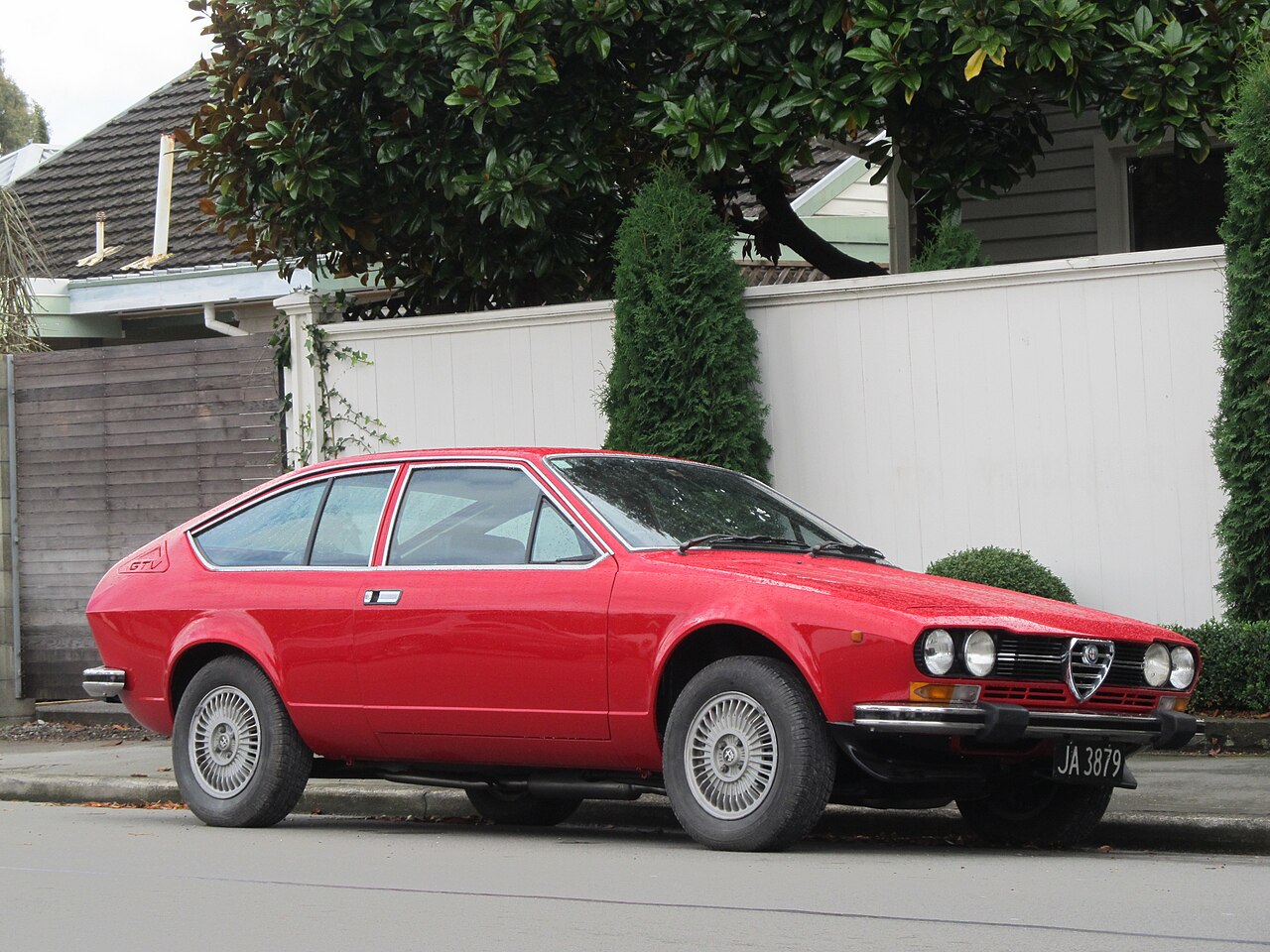
An American tuner, Callaway Cars, built twin-turbo conversions of the GTV6 that boosted its V6 by fifty percent to 230 hp — turning Alfa's grand tourer into something far quicker than the factory ever intended.
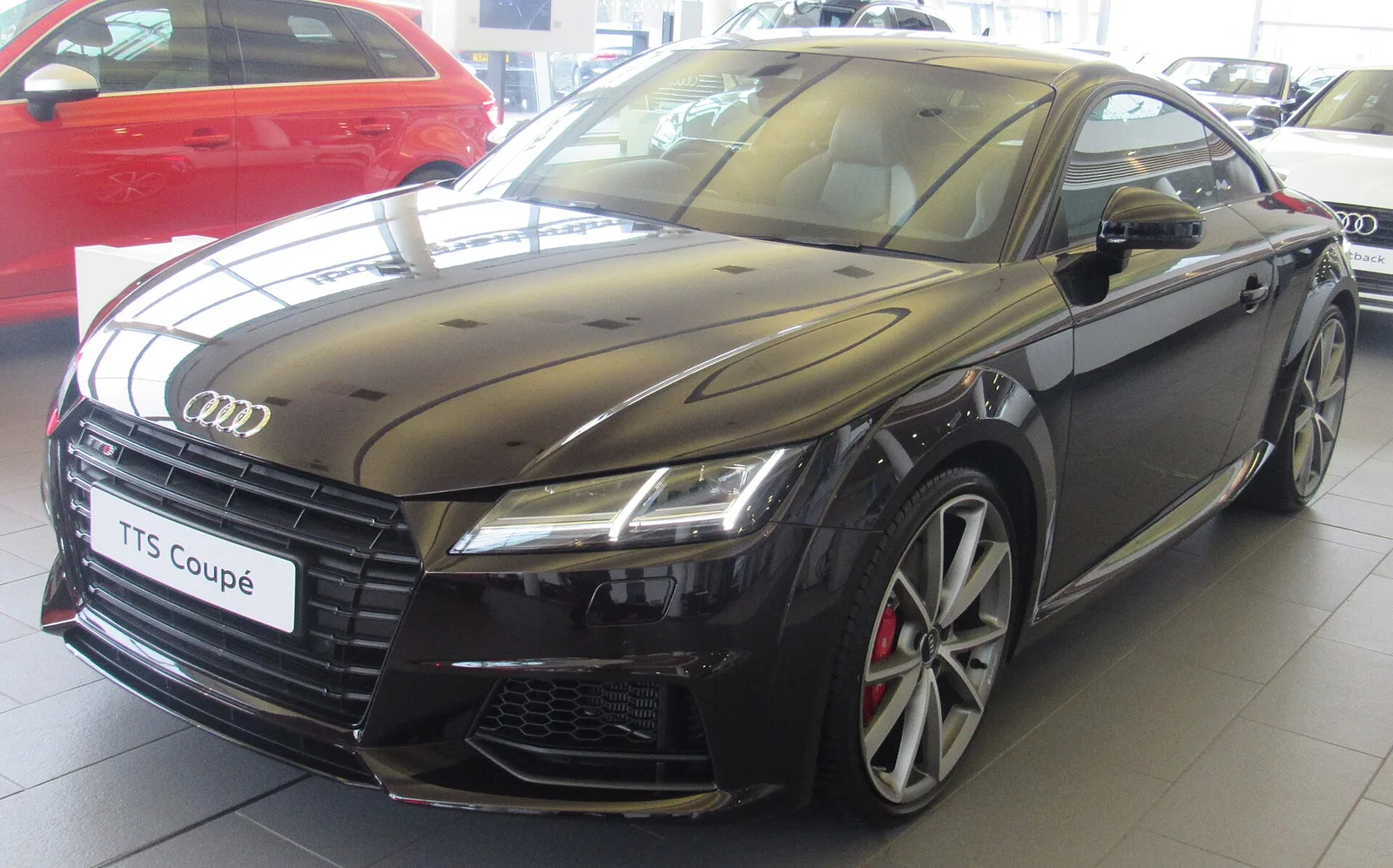
Audi TTS Coupe · TTS Coupe (2016–2023) · 2016–2023.
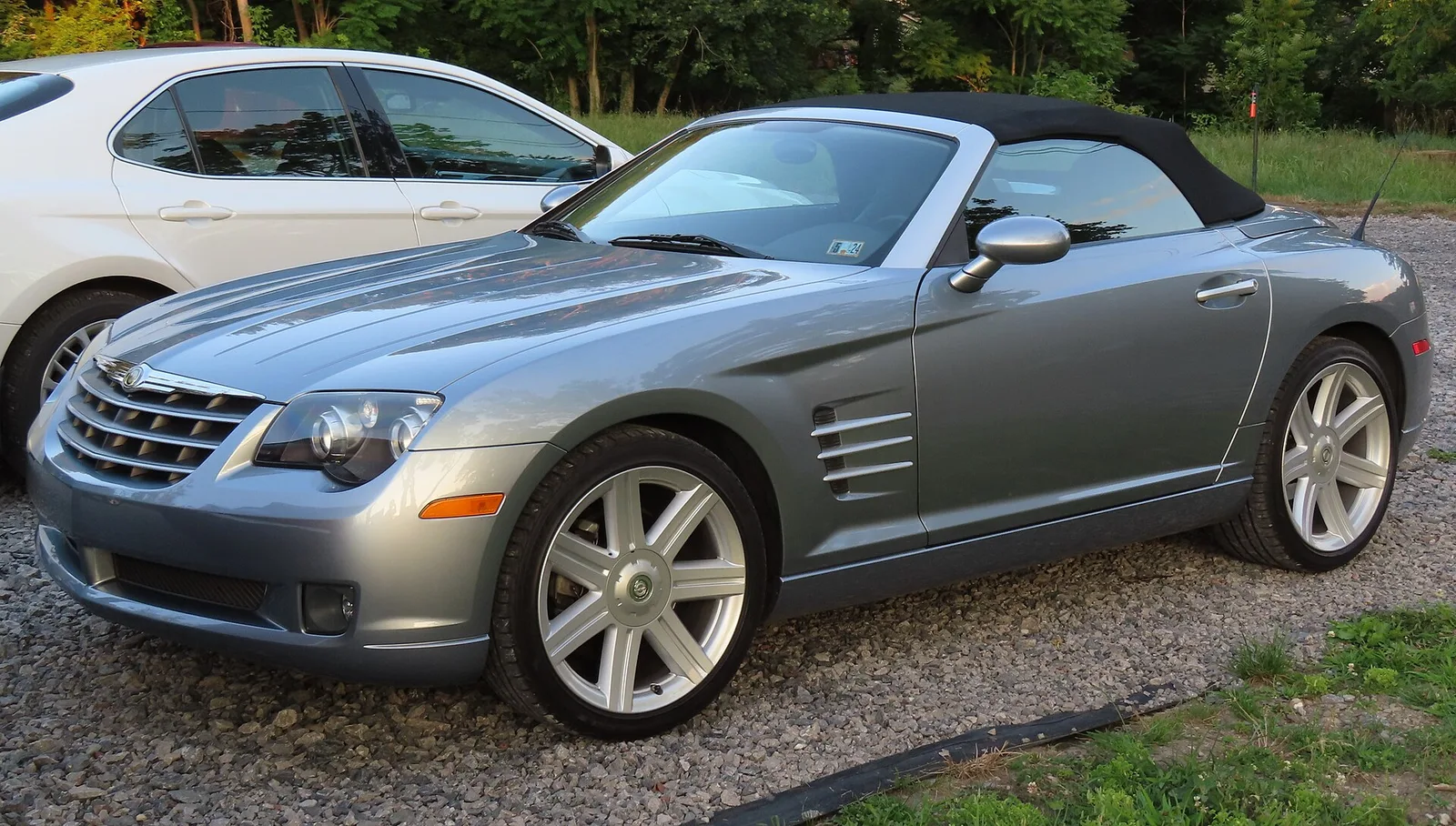
A product of the DaimlerChrysler merger, the Crossfire shares 80% of its parts with the Mercedes-Benz SLK — German bones under American badges.