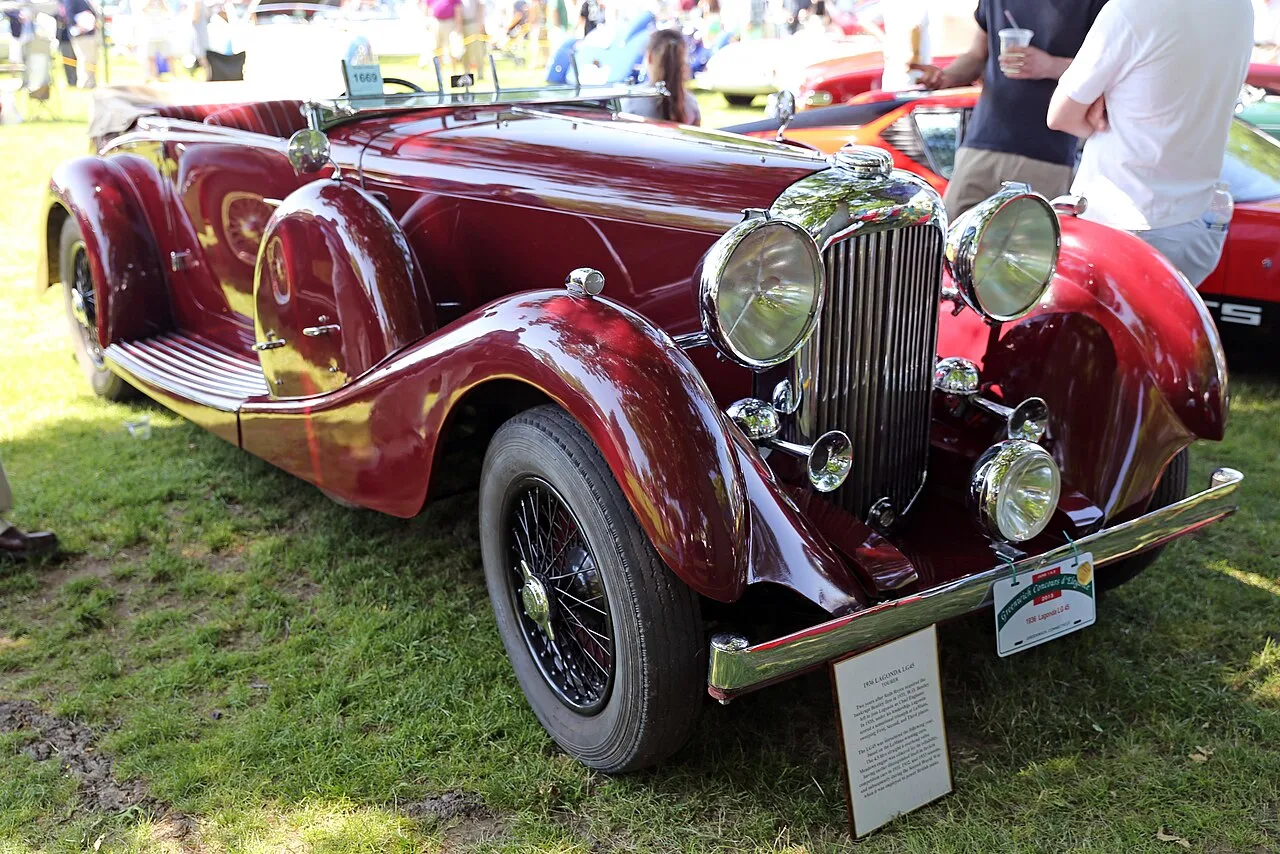
A Lagonda LG45 finished fourth at the 1936 24 Hours of Spa, then lined up for the French Grand Prix and the 1937 Le Mans 24 Hours — a road sports car racing wheel to wheel with grand prix cars.
Lead trim: LG45 4.5 L Meadows straight-six
Lagonda LG45LG45 · 1936–1937
- 0spots by members
- Unclaimednobody has spotted one yet
- 0sets it belongs to
Nobody in Burbles has spotted a Lagonda LG45 yet. See one on the street, point the app at it, and the first card is yours — with your @handle permanently credited on this page.
FactA Lagonda LG45 finished fourth at the 1936 24 Hours of Spa, then lined up for the French Grand Prix and the 1937 Le Mans 24 Hours — a road sports car racing wheel to wheel with grand prix cars.
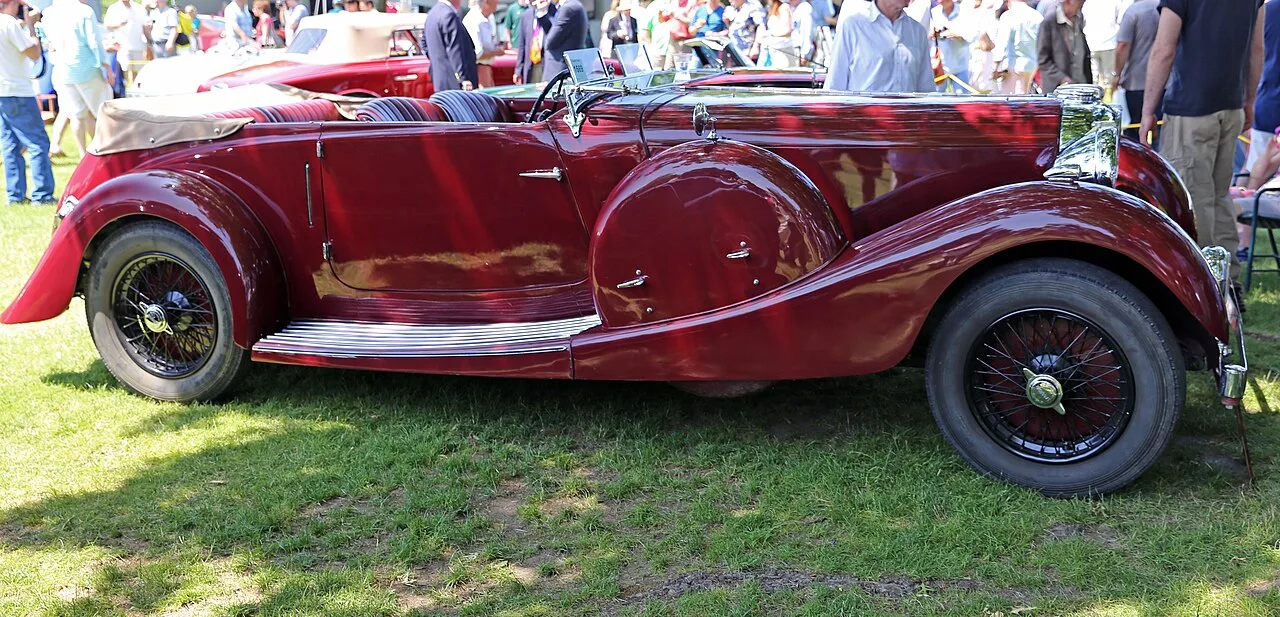
The Lagonda LG45 is a sports car built from 1936 to 1937, an evolution of the Lagonda M45 (its name from the L.G. Motors brand and its 4.5 litre engine), unveiled in September 1935 with hydraulic shock absorbers; around 278-303 cars were made, including 25 Rapide versions. It used the 4.5-litre Meadows straight-six (the page does not print a literal cc figure for this engine, so displacement is left blank; the related LG6 page gives the same Meadows unit as 4,453 cc with pushrod overhead valves) and a four-speed manual gearbox. A works LG45 driven by Richard Seaman and Freddie Clifford finished fourth at the 1936 24 Hours of Spa, and cars also ran the 1936 French Grand Prix and the 1937 24 Hours of Le Mans. Wheelbase 129 in (3,277 mm), tourer and coupé bodies.
Collectors Spotted in the Lagonda LG45 Lineage
No member has published a public street spot of the Lagonda LG45 yet — the First · Worldwide stamp is wide open.
Trims & Figures
One published trim in the catalogue. A blank is a figure not recorded, not zero.
| Trim | Years | Engine | Power | Torque | 0–60 | Drive | Gearbox | MSRP |
|---|---|---|---|---|---|---|---|---|
| LG45 4.5 L Meadows straight-six | 1936–1937 | Inline-6 | — | — | — | — | — | — |
Owning one
We don’t estimate running costs for a car like this. What it costs depends on its condition, its specialist and how it is driven, and an average would mislead.
Owners’ builds
Nobody has claimed one yet.
Photographs
Rivals
Same body, same money, other badges — tap any card to flip.
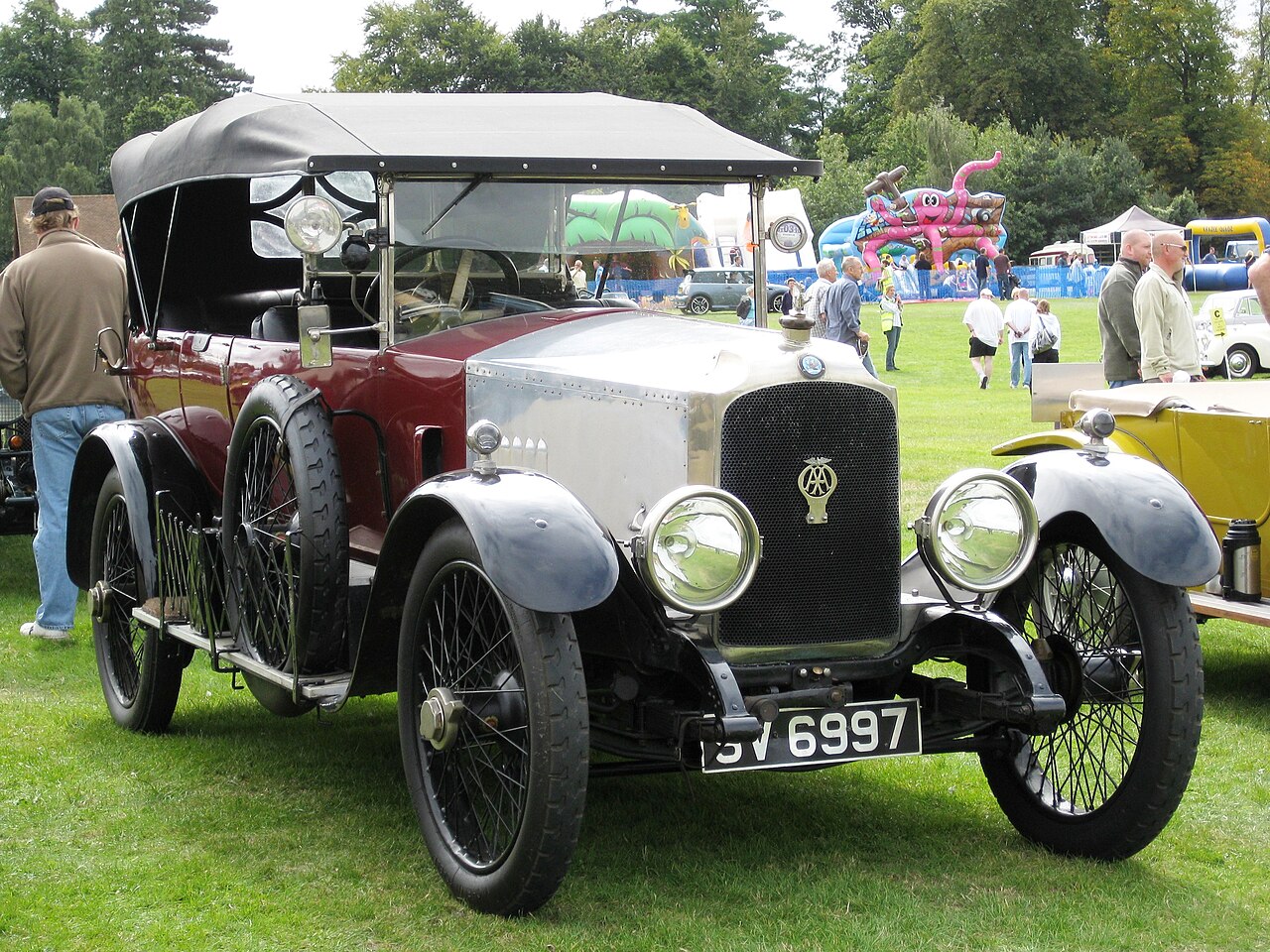
Vauxhall's first six-cylinder car started life as one prototype block, then production reverted to bolting two three-cylinder units together.
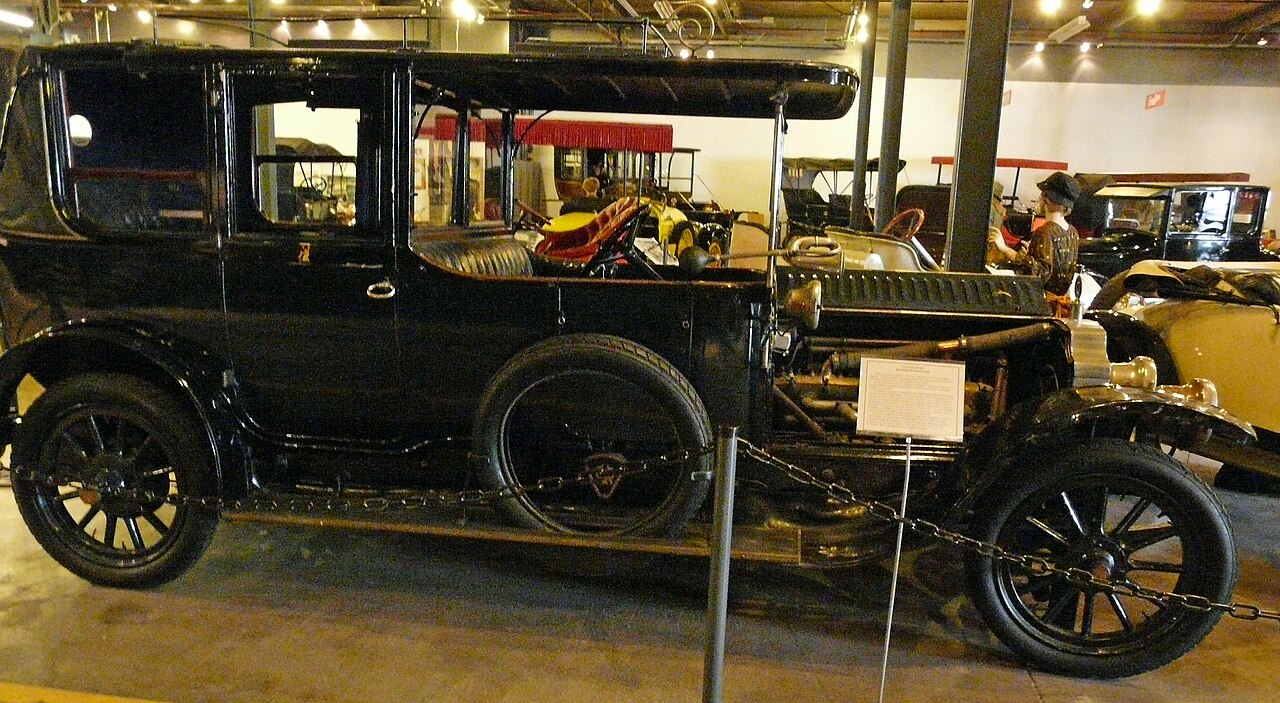
Of roughly 4,500 D-Types built, 1,556 went to the armed forces, most as British Army staff cars in the First World War.
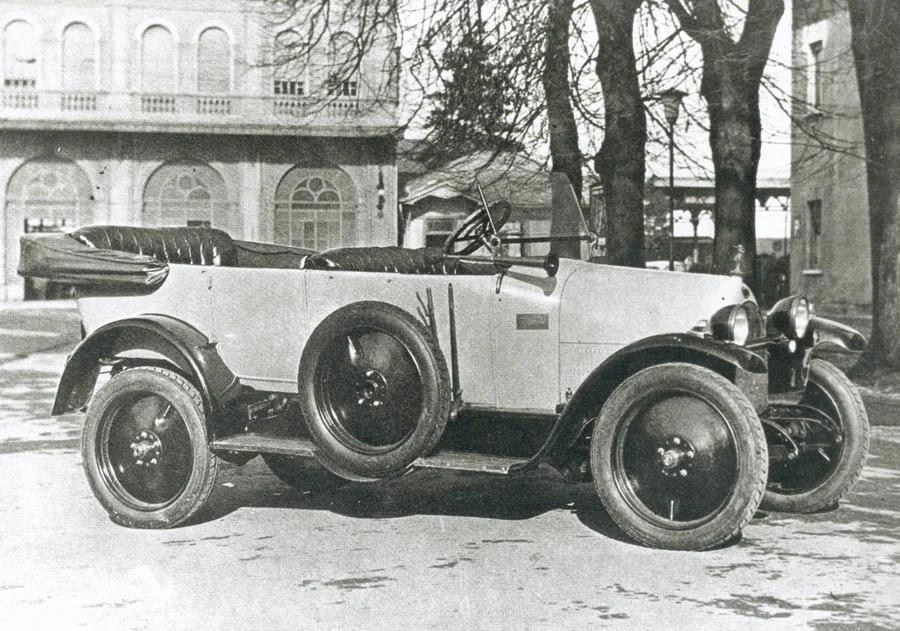
Fiat named this scaled-up Zero after its own engine's internal model number, 52B.
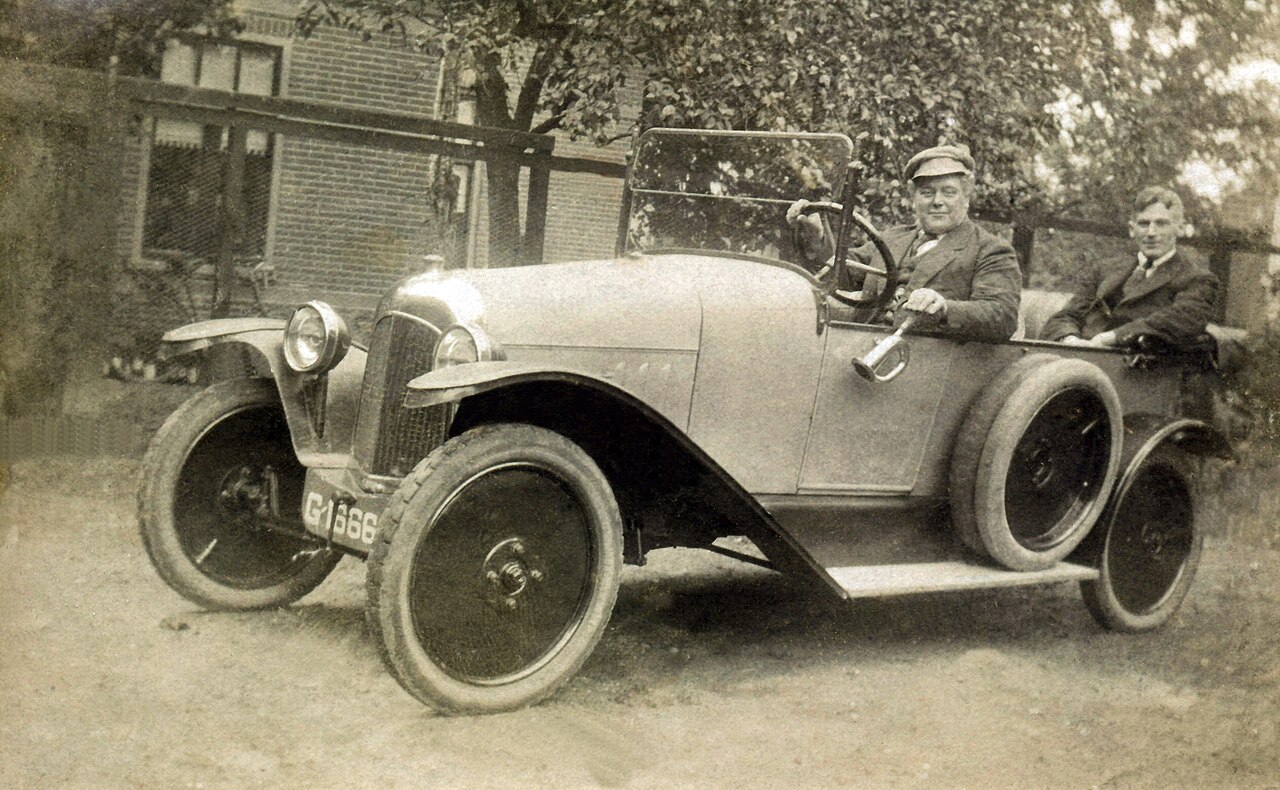
The Type A's herringbone bevel gears in the final drive gave Citroën its double-chevron badge, still worn today.
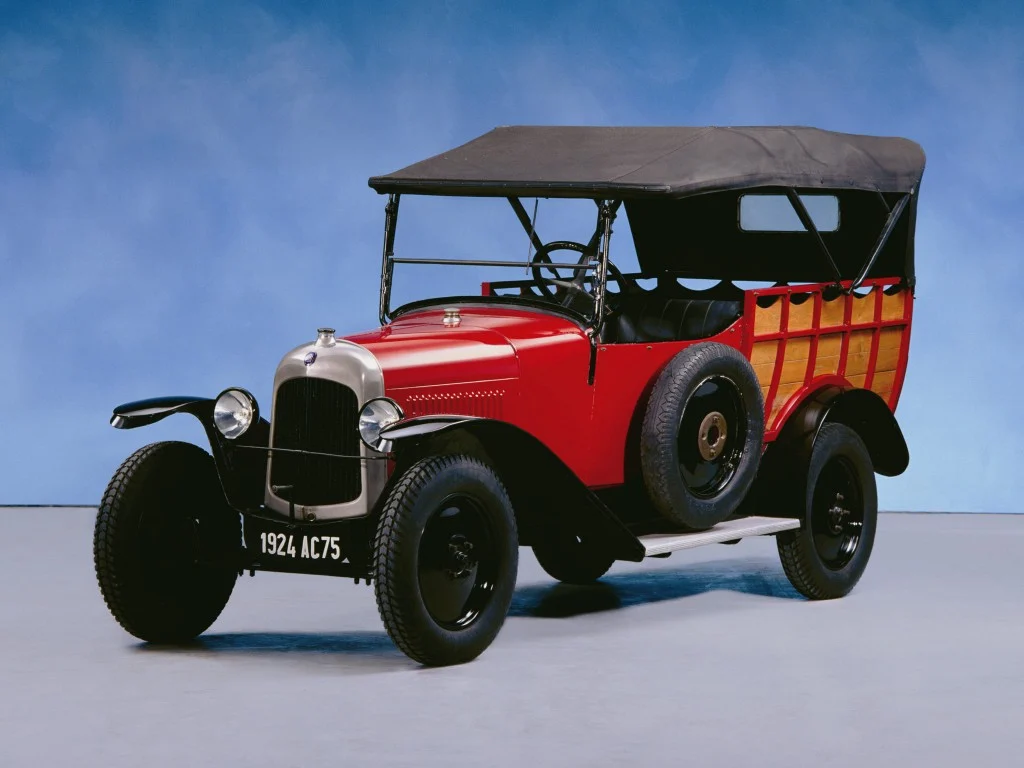
Eight half-track versions of the B2 crossed Africa west to east in the 1924 'Croisière Noire' expedition — a publicity stunt that proved a mass-produced French car could handle terrain nobody thought an automobile could cross.
Volvo's first car launched a day late because someone fitted the differential backwards and it drove in reverse.
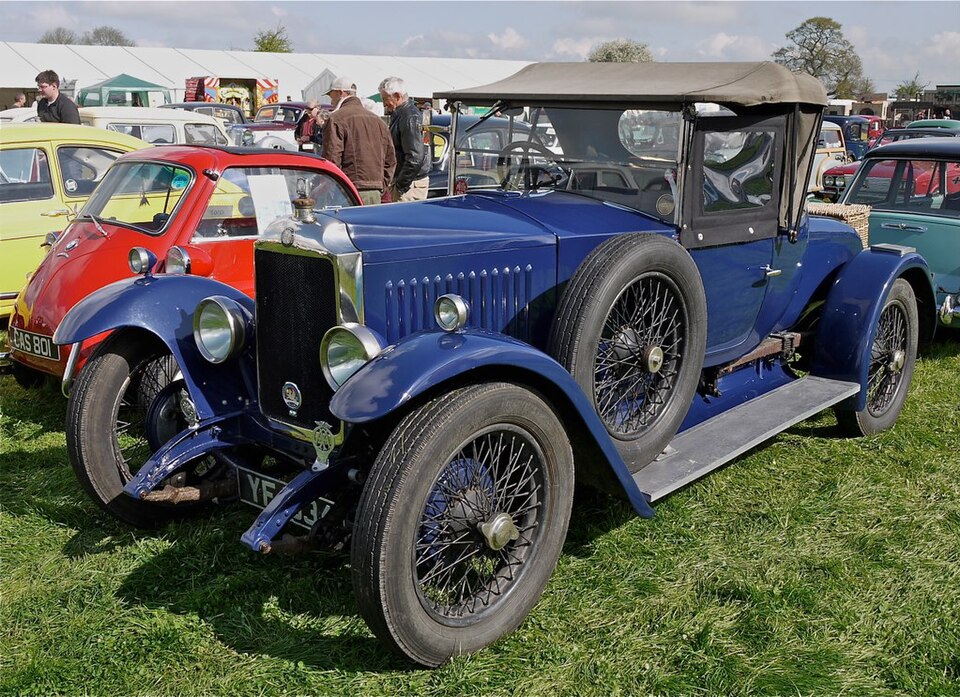
Vauxhall didn't just build the 14-40 at home — it shipped knock-down kits to Australia to be assembled there too.
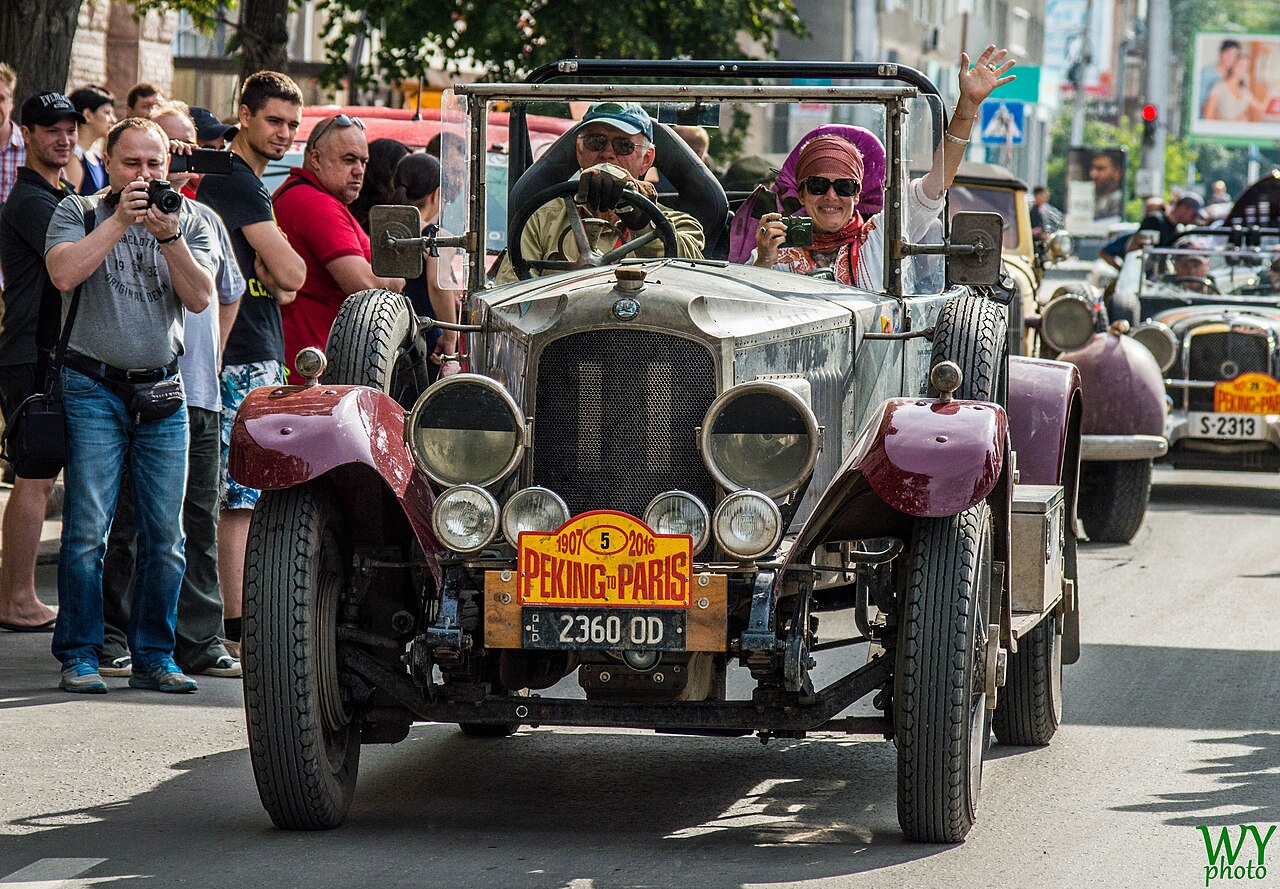
Four-wheel braking was still a novelty when the 23-60 launched — Vauxhall first sold front brakes as a pricey £55 option, then made them standard across the line in July 1924.