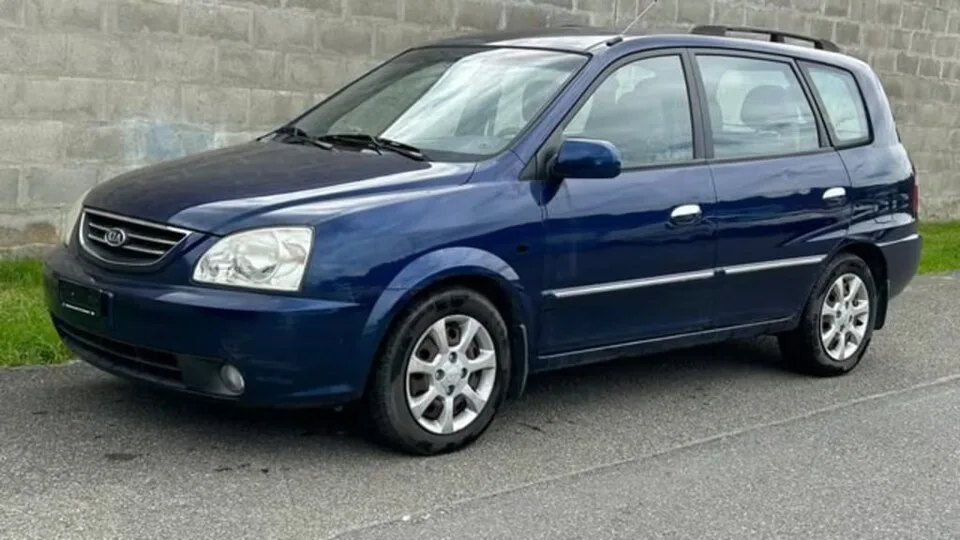
Kia's first Carens — the RS — wasn't a clean-sheet MPV at all. It rode on the same platform as the Kia Sephia sedan.
Lead trim: 1.8 FP · up to 138 hp
Kia Carens RS1999–2006
- 0spots by members
- Unclaimednobody has spotted one yet
- 0sets it belongs to
Nobody in Burbles has spotted a Kia Carens RS yet. See one on the street, point the app at it, and the first card is yours — with your @handle permanently credited on this page.
FactKia's first Carens — the RS — wasn't a clean-sheet MPV at all. It rode on the same platform as the Kia Sephia sedan.
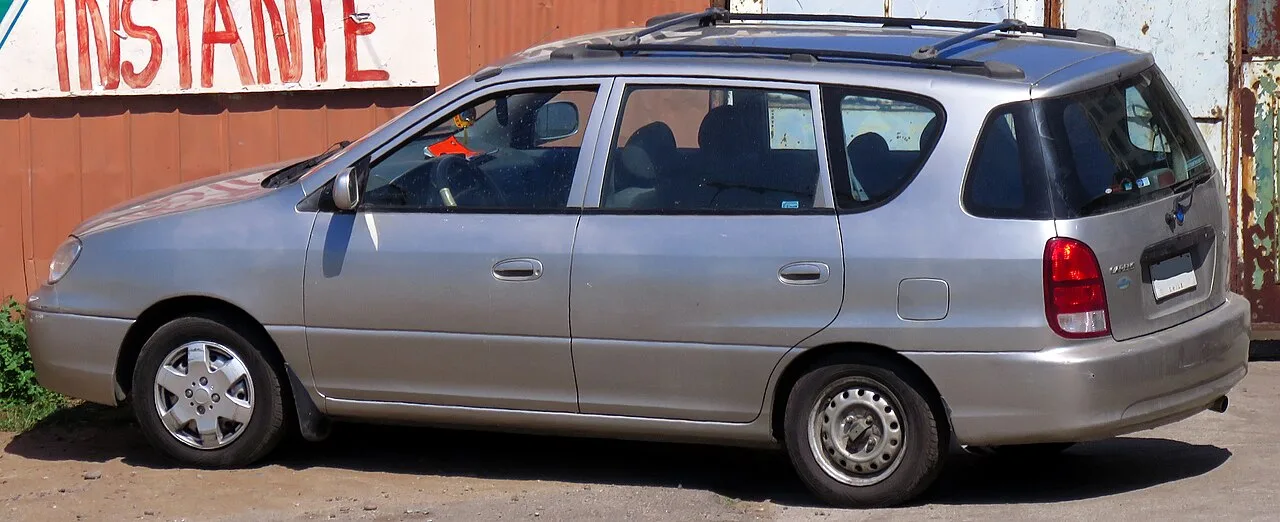
Kia debuted the first-generation Carens, the RS series, in May 1999, based on the same platform as the Kia Sephia; a facelift was issued in 2002, and the model was discontinued in Australia in 2001 while production continued elsewhere for the updated model. It was built in South Korea at Hwaseong and assembled in several other countries, including Malaysia, where it was initially sold as the Kia Carens and, since January 2005, rebadged as the Naza Citra by Naza.
Collectors Spotted in the Kia Carens Lineage
No member has published a public street spot of the Kia Carens yet — the First · Worldwide stamp is wide open.
Trims & Figures
4 published trims in the catalogue. A blank is a figure not recorded, not zero.
| Trim | Years | Engine | Power | Torque | 0–60 | Drive | Gearbox | MSRP |
|---|---|---|---|---|---|---|---|---|
| 1.8 FP | 1999–2006 | 1.8 L Inline-4 | 122 hp | 120 lb-ft | — | — | — | — |
| 2.0 Beta II | 1999–2006 | 2.0 L Inline-4 | 138 hp | 136 lb-ft | — | — | — | — |
| 2.0 D CRDI | 1999–2006 | 2.0 L Inline-4 | — | — | — | — | — | — |
| 2.0 FS-DE | 1999–2006 | 2.0 L Inline-4 | 128 hp | 135 lb-ft | — | — | — | — |
Owning one
We don’t estimate running costs for a car like this. What it costs depends on its condition, its specialist and how it is driven, and an average would mislead.
Owners’ builds
Nobody has claimed one yet.
Photographs
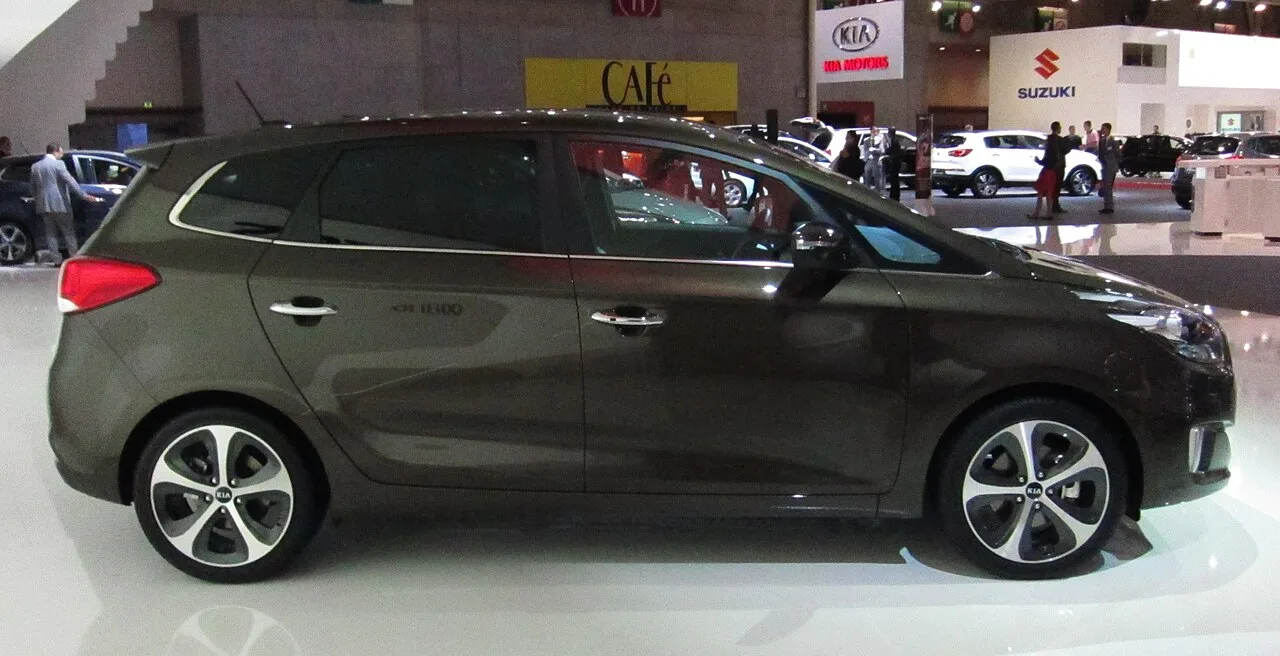
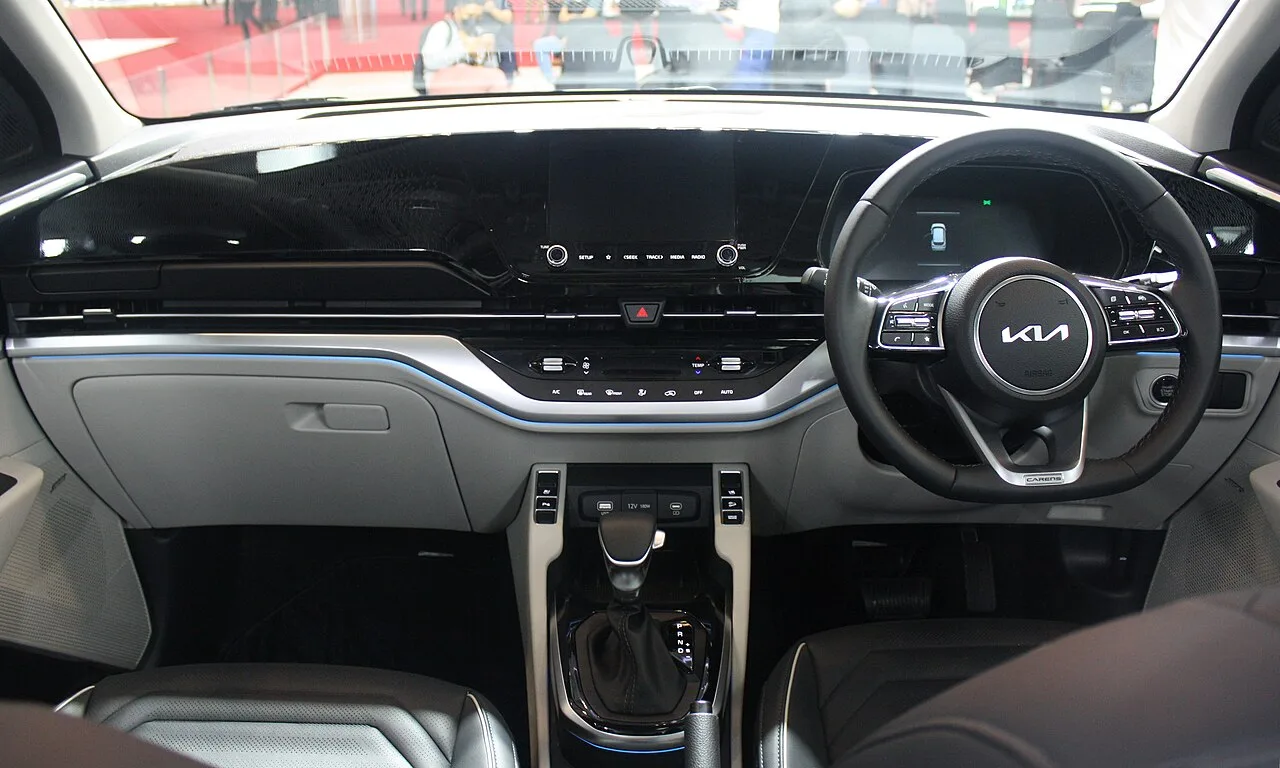
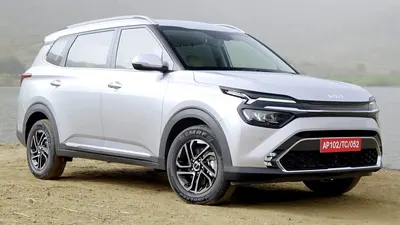
The Carens Clavis EV isn't just another trim - it's Kia's very first electric vehicle built in India.
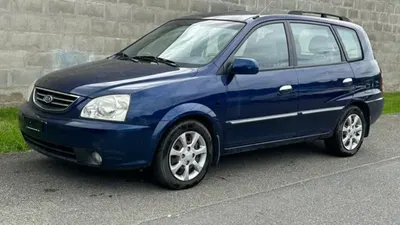
Kia pulled the plug on selling the third-gen Carens (badged Rondo) in the US entirely — Canada was the only North American market that still got it.
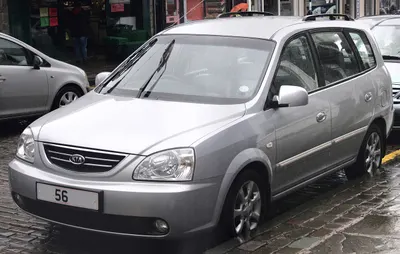
This Carens' V6 was the end of an era for Kia: the last engine the brand ever built with a timing belt before switching to chains for good.
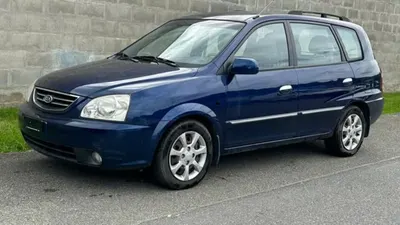
Kia's first Carens — the RS — wasn't a clean-sheet MPV at all. It rode on the same platform as the Kia Sephia sedan.
Rivals
Same body, same money, other badges — tap any card to flip.
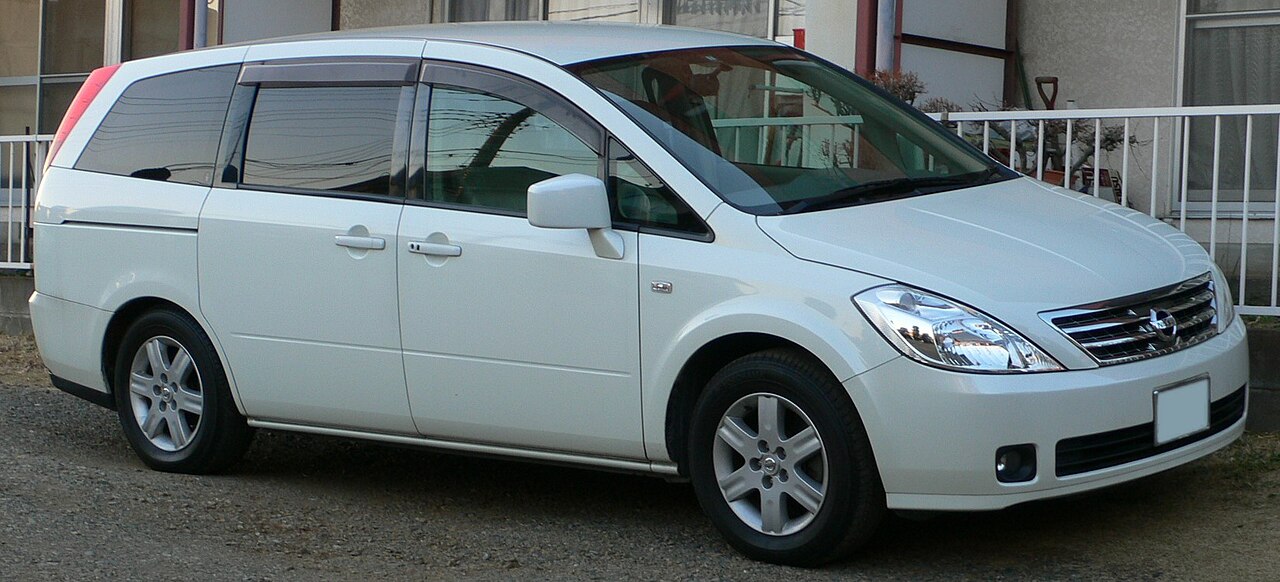
This Presage minivan shares its underlying platform with the Teana sedan and the North American Murano crossover — one architecture doing three very different jobs.
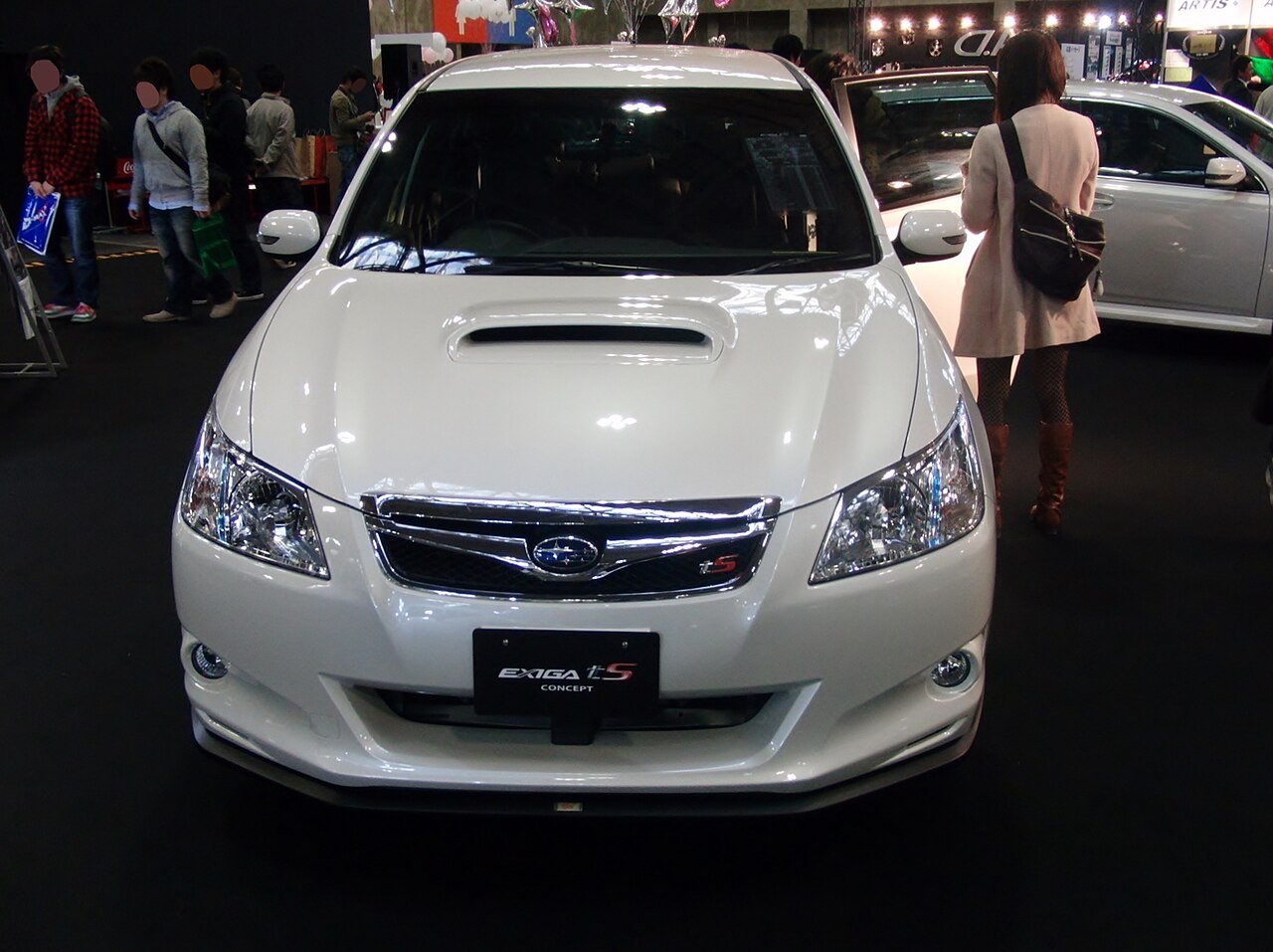
Subaru's family-hauling Exiga got an unlikely STi treatment in 2009 — front spoiler, sport muffler, tighter suspension and a leather Momo wheel — but only 300 were ever built.
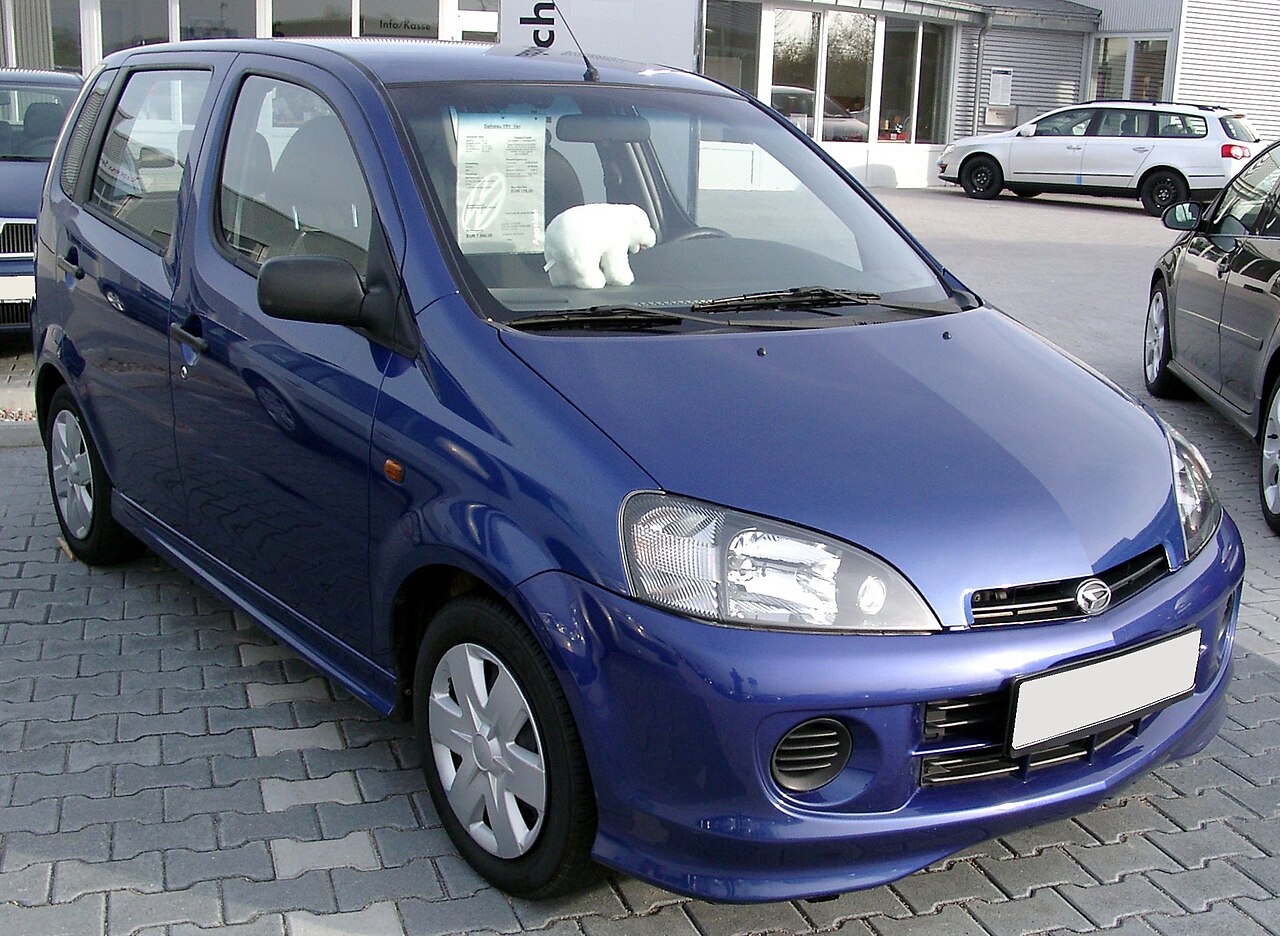
YRV stands for Young Recreational Vehicle, a mini MPV built to out-handle its own segment rivals.
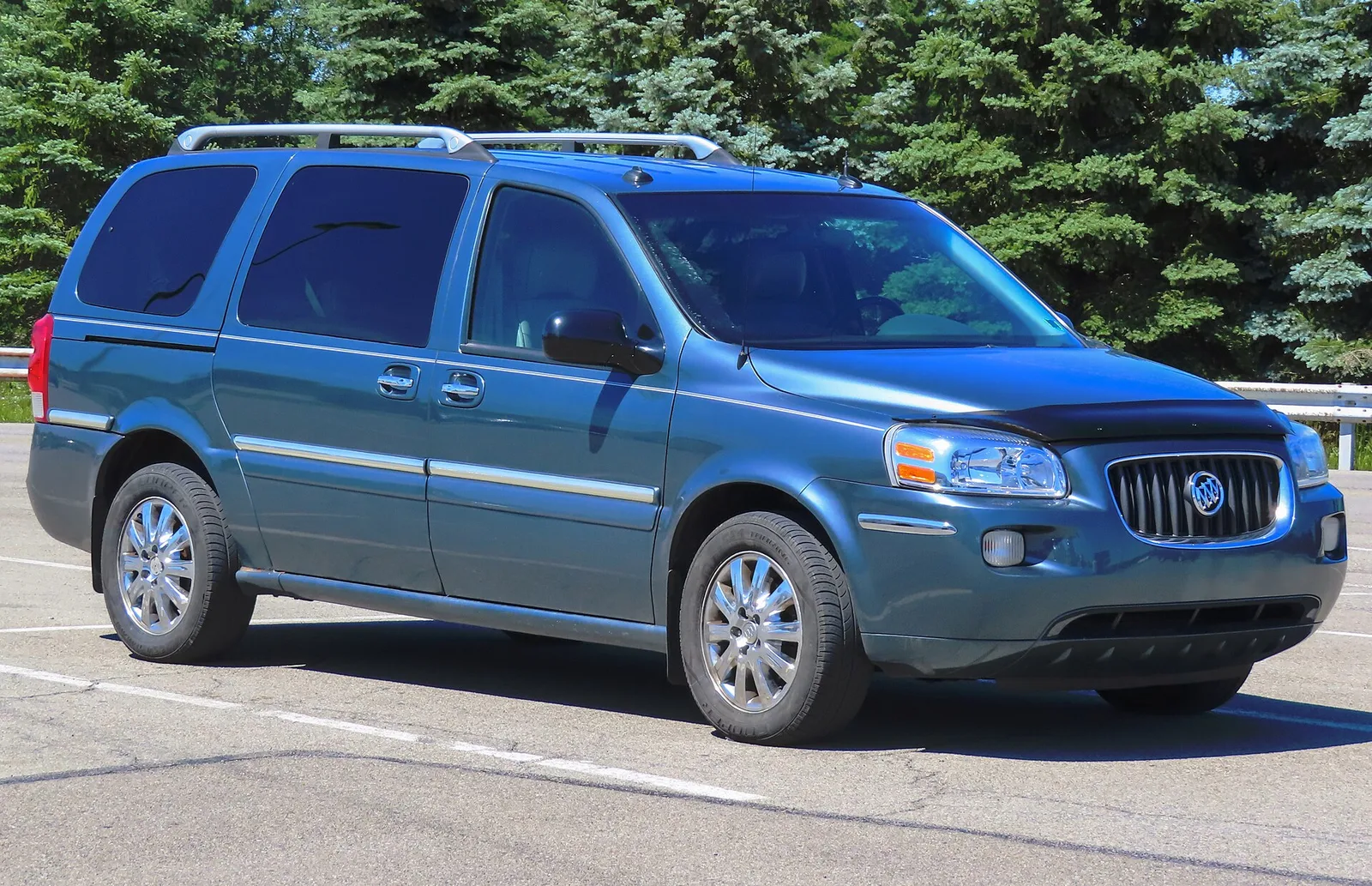
The Terraza was Buick's first-ever minivan for the North American market - a badge-engineered cousin of the Chevrolet Uplander, Pontiac Montana SV6, and Saturn Relay.
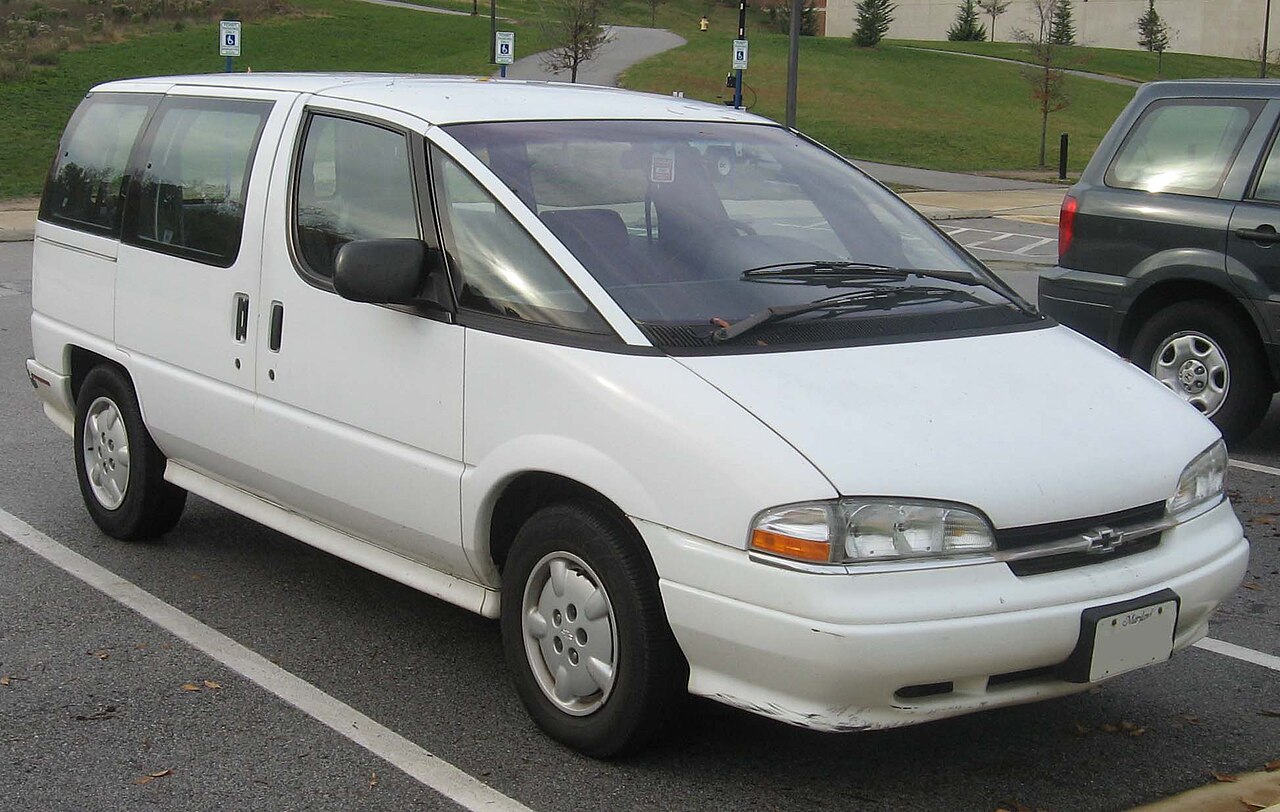
The restyled 1994 Lumina Minivan quietly made American automotive history: it was the first minivan sold in the US with a power sliding door you could open by remote.
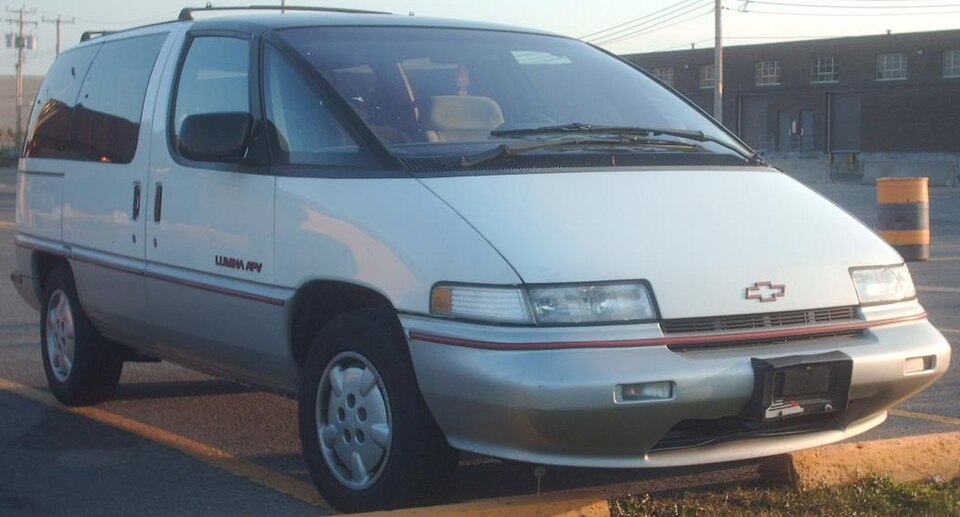
The first-generation Lumina APV minivan was nicknamed the "Dustbuster" by the press for its sharply sloped windshield, which pushed the dashboard far forward of the driver.
Its steeply sloped windshield gave the Lumina APV one of the deepest dashboards ever fitted to a mass-produced car.
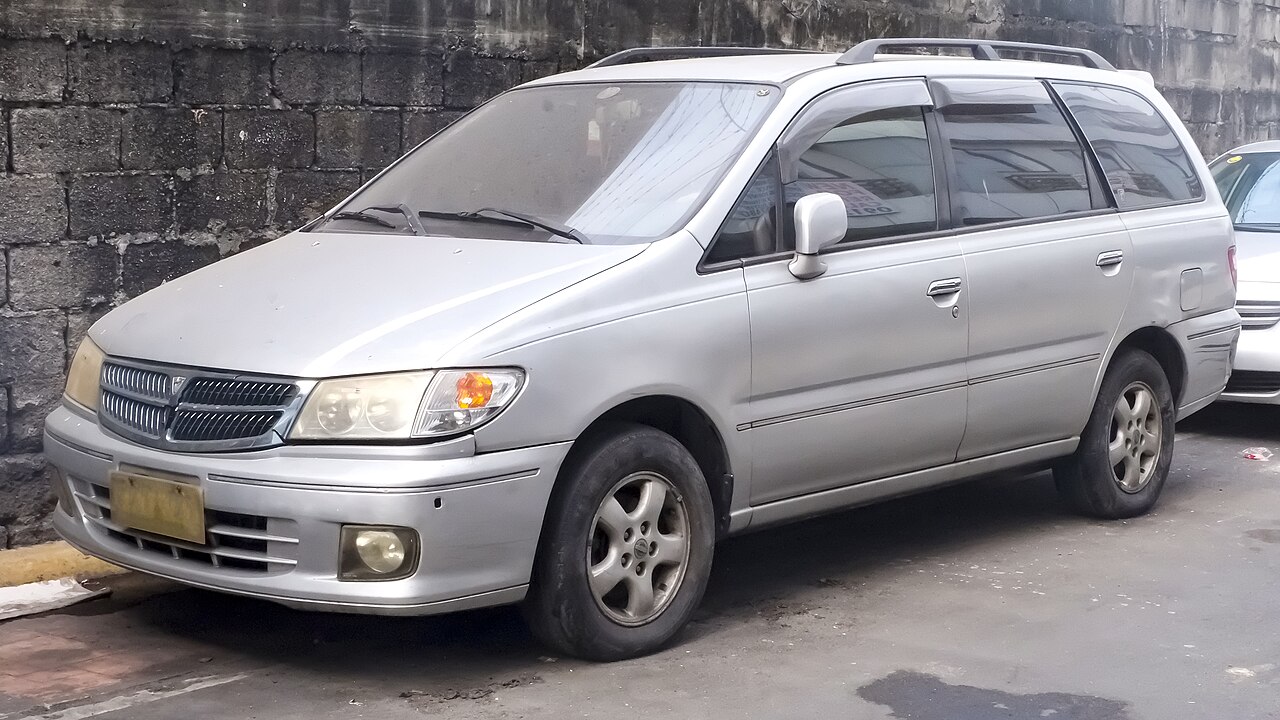
The first Presage wasn't really its own car underneath — most of its parts came straight from the Nissan R'nessa, with more shared with its platform twin, the Bassara.