
Honda's tiny kei buggy carried its spare tire bolted to the nose — combined with its air-cooled engine's note, it left some observers thinking they were looking at a shrunken VW Microbus.
Median 70 hp across 16 similar cars
Lead trim: 354 cc air-cooled OHC (30 PS)
Honda Vamos "Vamos Honda"1970–1973
- 0spots by members
- Unclaimednobody has spotted one yet
- 0sets it belongs to
Nobody in Burbles has spotted a Honda Vamos "Vamos Honda" yet. See one on the street, point the app at it, and the first card is yours — with your @handle permanently credited on this page.
FactHonda's tiny kei buggy carried its spare tire bolted to the nose — combined with its air-cooled engine's note, it left some observers thinking they were looking at a shrunken VW Microbus.
A kei-truck-based leisure vehicle introduced in November 1970 (officially "Vamos Honda", Spanish for "let's go, Honda"), built on the TN360 with the 354 cc air-cooled overhead-cam two-cylinder shared with the TN360, N360 and Z360, mounted mid-front. It was a rival to the Suzuki Jimny and Daihatsu Fellow buggy, and Honda hoped the off-road image of the Dax minibike would rub off on it (planning 2,000 a month). It has no doors, just swing-out guard rails, a removable convertible top, waterproof instruments and a locking glovebox, with a spare tyre on the nose and the air-cooled engine giving it something of a Volkswagen Type 2 look. MacPherson struts at the front and a De Dion tube with half leaf springs at the back. The open cabin and lack of four-wheel drive made it a slow seller; with new safety standards looming it was discontinued in March 1973 after only 2,500 were built. Sold as the Vamos 2 or Vamos 4.
Collectors Spotted in the Honda Vamos Lineage
No member has published a public street spot of the Honda Vamos yet — the First · Worldwide stamp is wide open.
Trims & Figures
One published trim in the catalogue. A blank is a figure not recorded, not zero.
| Trim | Years | Engine | Power | Torque | 0–60 | Drive | Gearbox | MSRP |
|---|---|---|---|---|---|---|---|---|
| 354 cc air-cooled OHC (30 PS) | 1970–1973 | 0.4 L Inline-2 | 30 hp | — | — | RWD | — | — |
Owning one
We don’t estimate running costs for a car like this. What it costs depends on its condition, its specialist and how it is driven, and an average would mislead.
Owners’ builds
Nobody has claimed one yet.
Photographs


For a few months in 2003, Honda sold a Vamos Hobio "Travel Dog Package" — water-repellent, deodorant-treated upholstery and pet mats, built specifically for dog owners.

Honda's tiny kei buggy carried its spare tire bolted to the nose — combined with its air-cooled engine's note, it left some observers thinking they were looking at a shrunken VW Microbus.
Rivals
Same body, same money, other badges — tap any card to flip.
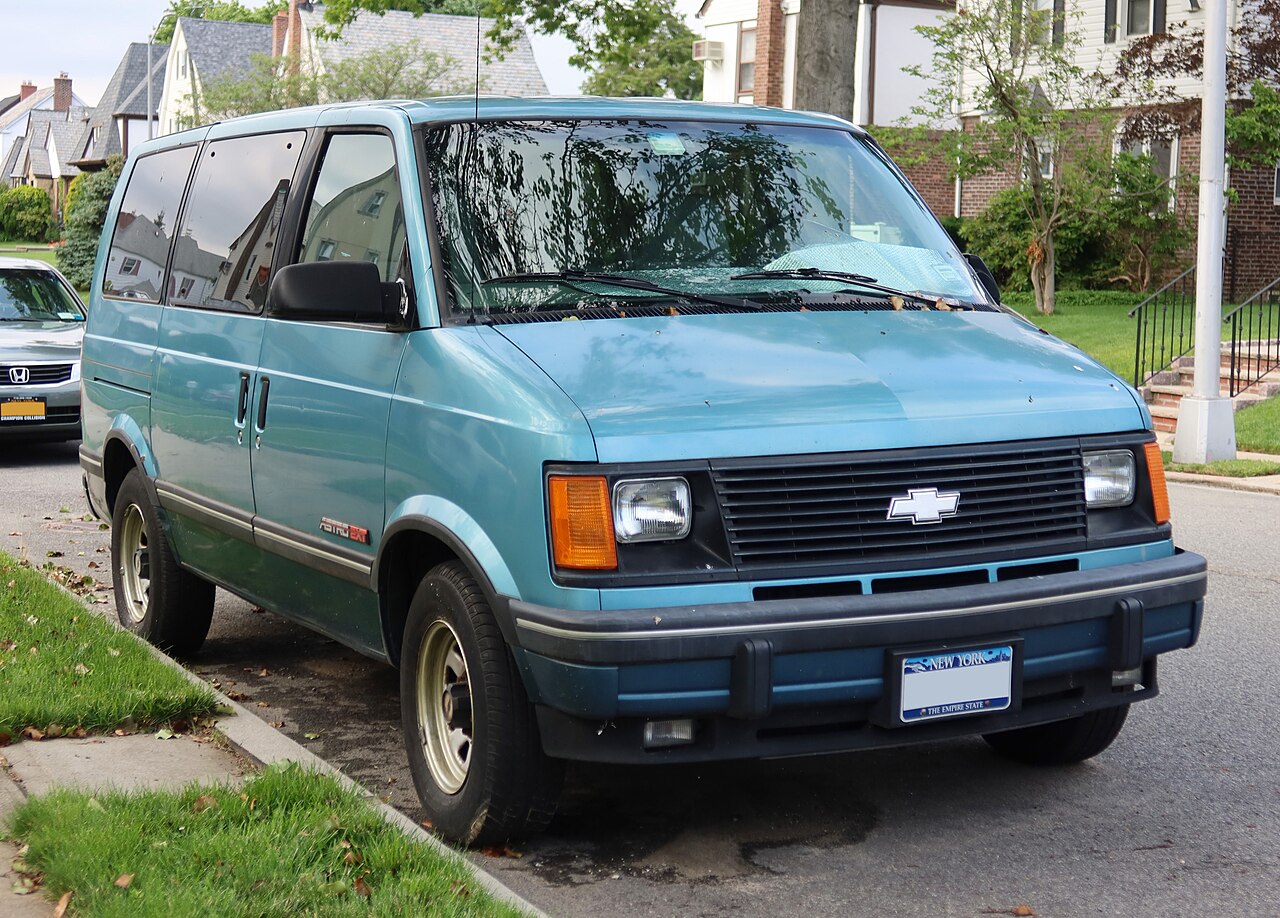
Chevy pitched the Astro as the anti-minivan, telling buyers life was too big for one, while it rode on a rear-wheel-drive truck frame.
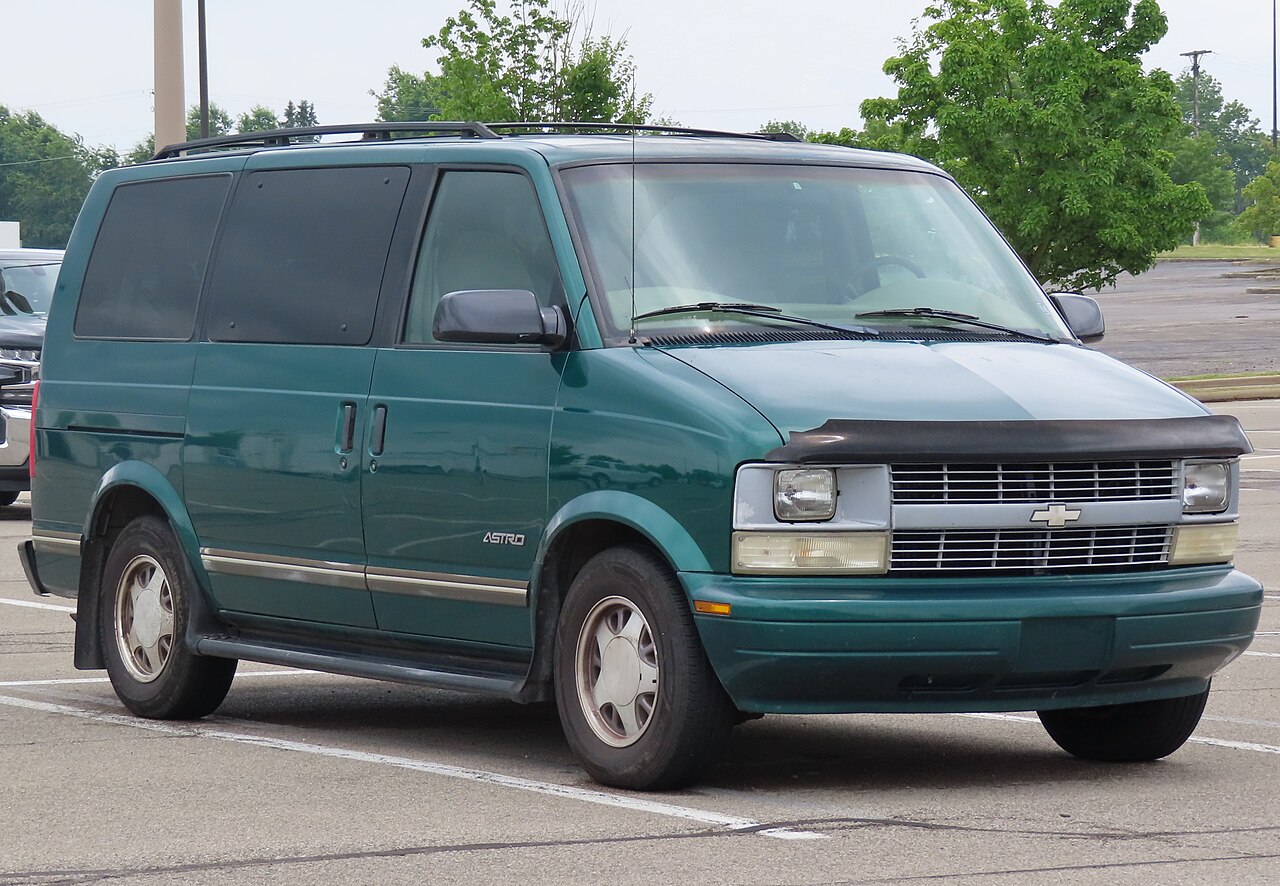
The IIHS rated the Astro Poor in a 1996 crash test, yet 2001–2004 Astros later had the lowest driver death rate of any US passenger vehicle.
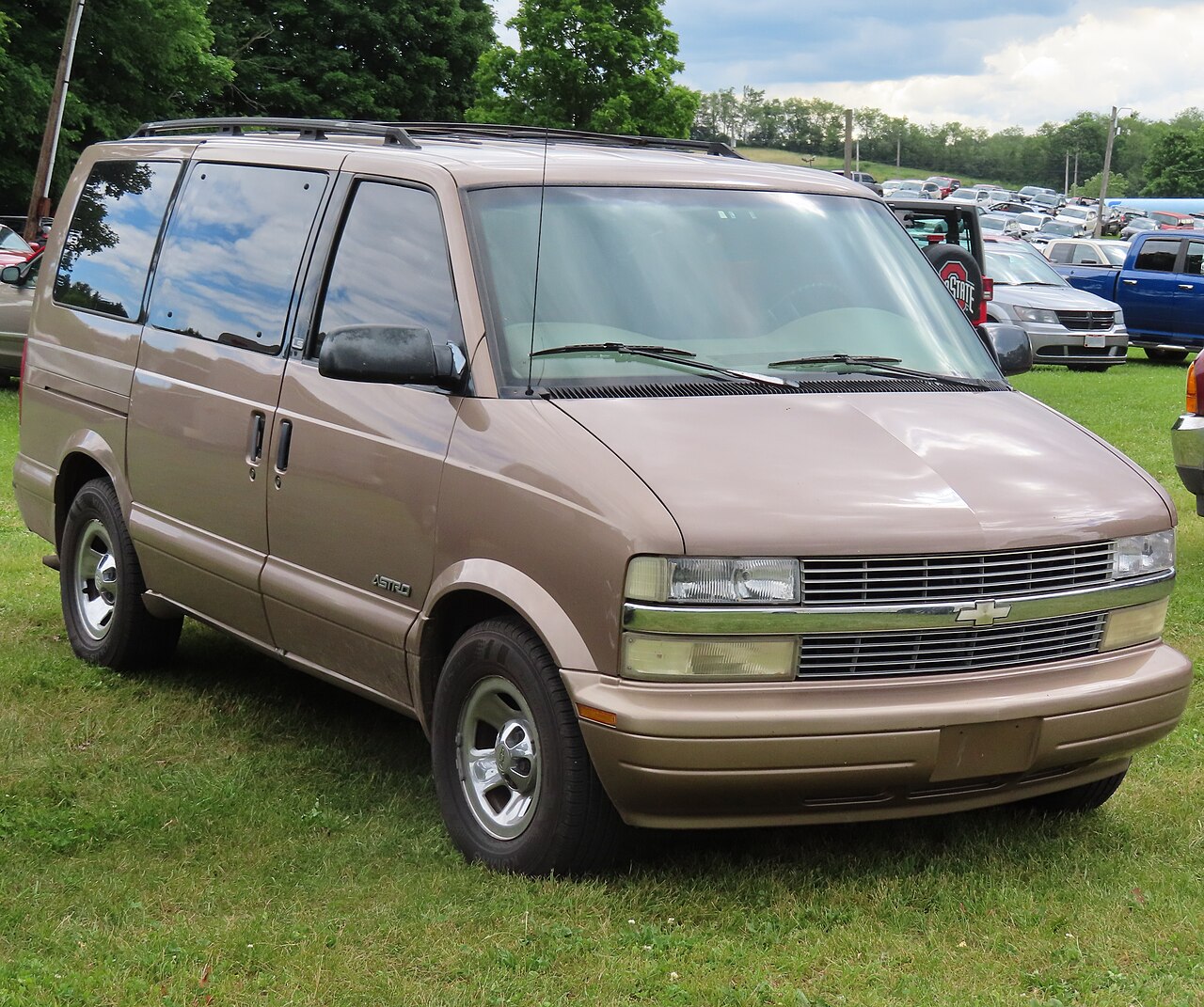
The boxy, unglamorous Astro quietly posted one of the best real-world safety records in America: IIHS found 2001-2004 models had the fewest driver deaths per million vehicles of any passenger vehicle on US roads.

The third-generation Tourneo Connect, released in Europe in October 2021, is a rebadged fourth-generation Volkswagen Caddy, assembled by Volkswagen in Poland.
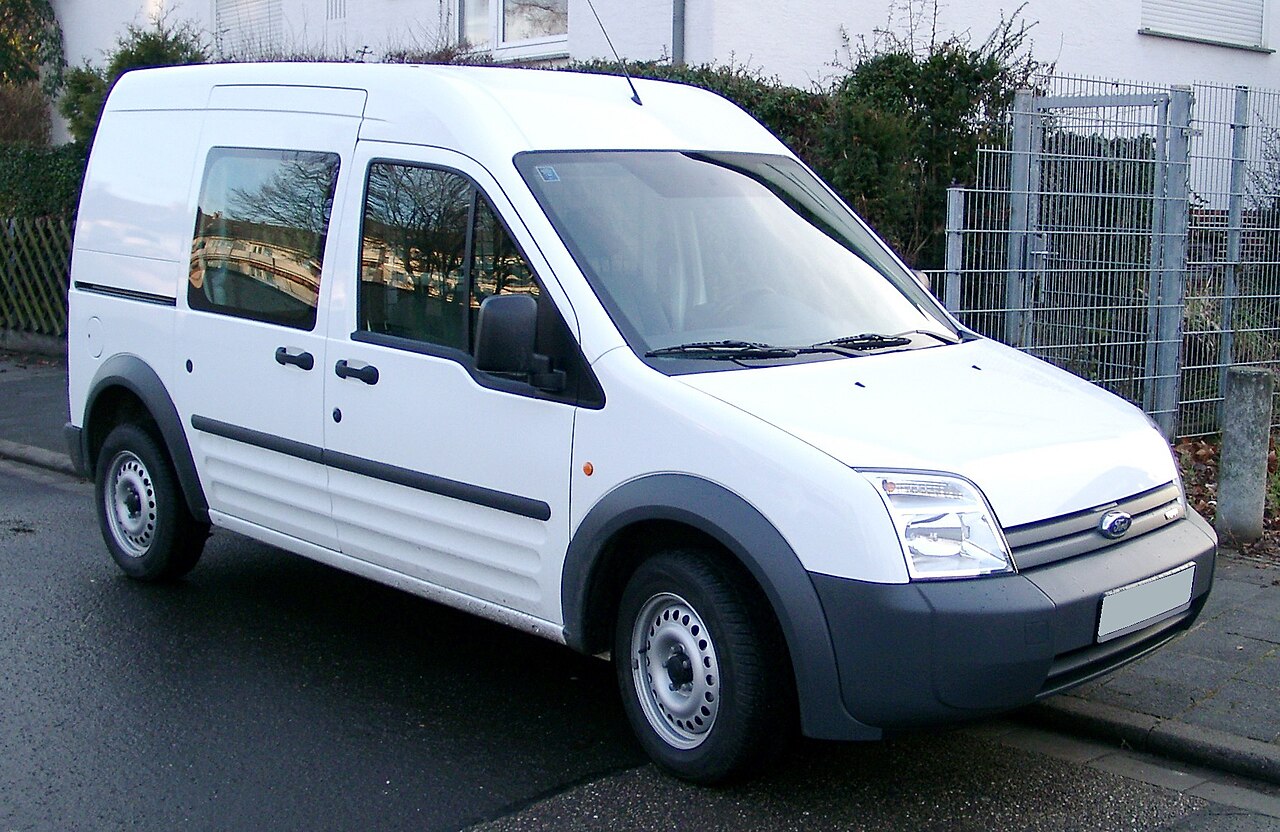
Ford beat the 25% "chicken tax" by importing the Transit Connect as a passenger van — rear windows and seats included, then stripped out and recycled once it landed in the US.
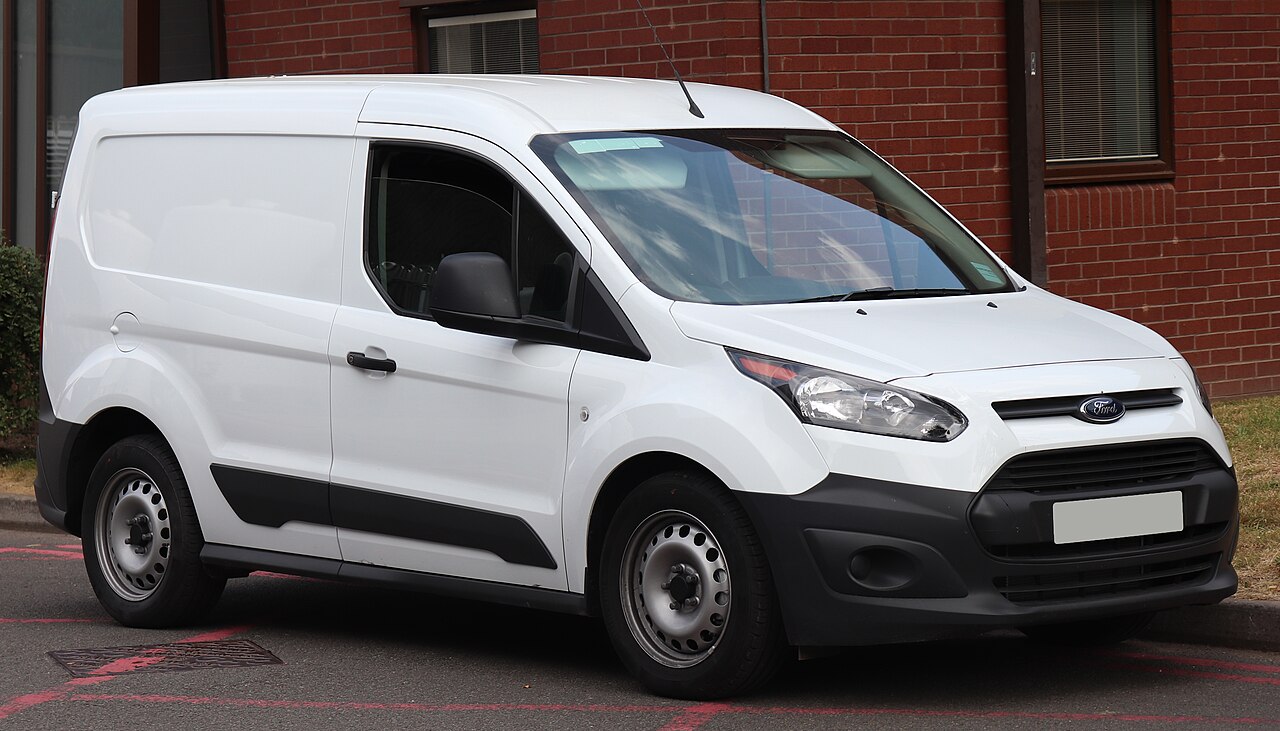
Ford spent years in federal court over the second-gen Transit Connect: in June 2019 the US won its appeal, and judges ruled the van was cargo-only — ending Ford's workaround for the 'chicken tax.'
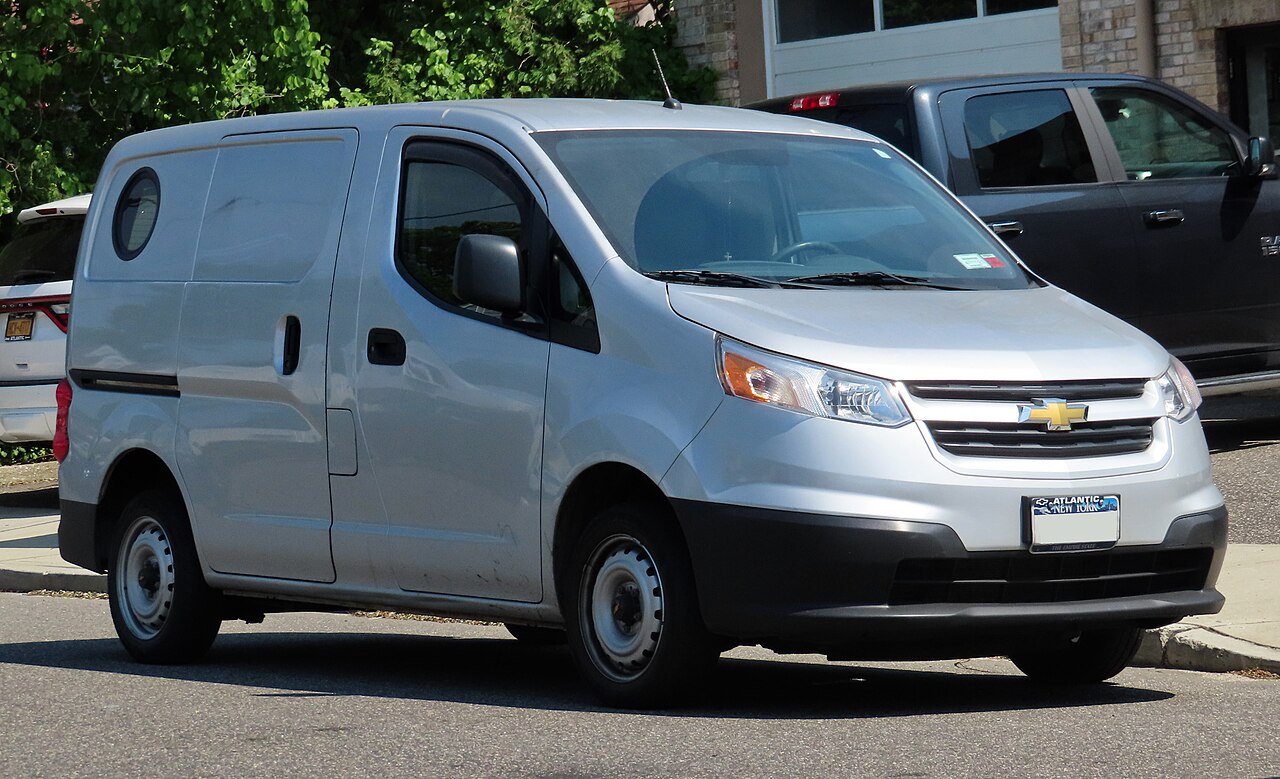
GM sold a rebadged Nissan NV200 as the Chevy City Express for four years, then killed it in 2018, citing weak sales and the fact that its parts weren't even compatible with GM's own parts catalog.
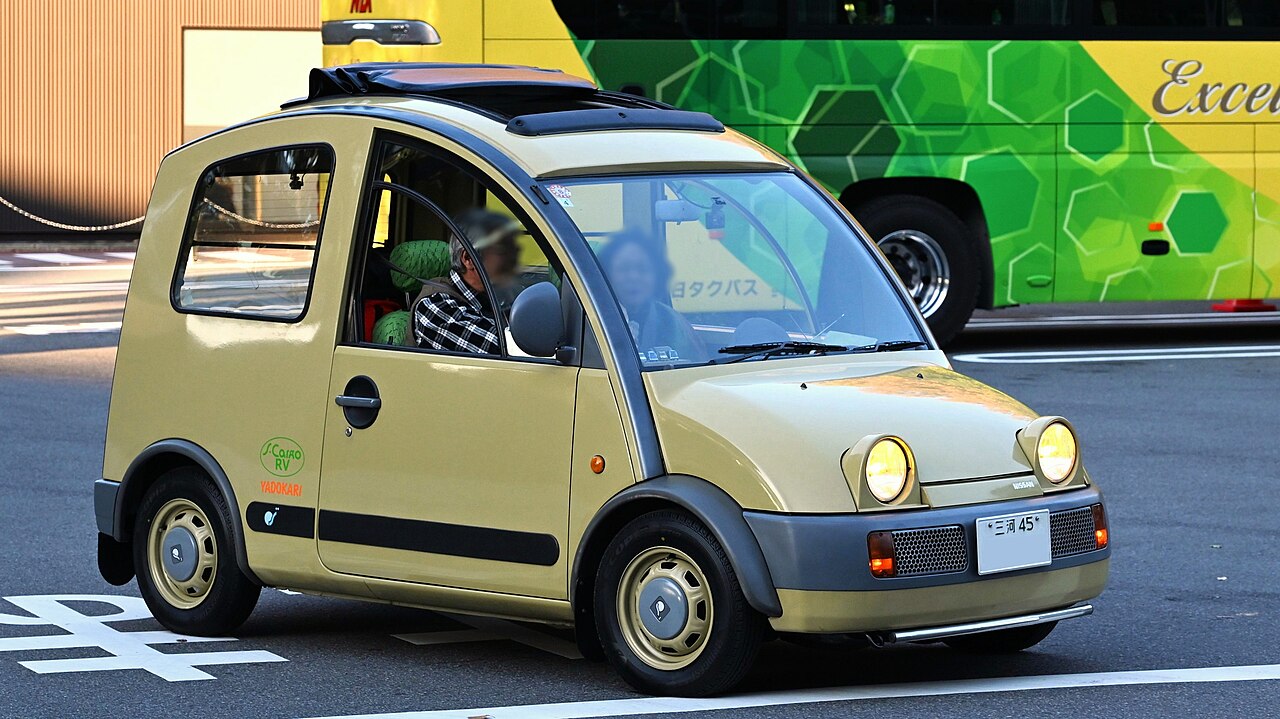
Its name is a pun: "S-Cargo" means "Small Cargo" but sounds just like escargot — French for snail, the shape the whole van was built to resemble.