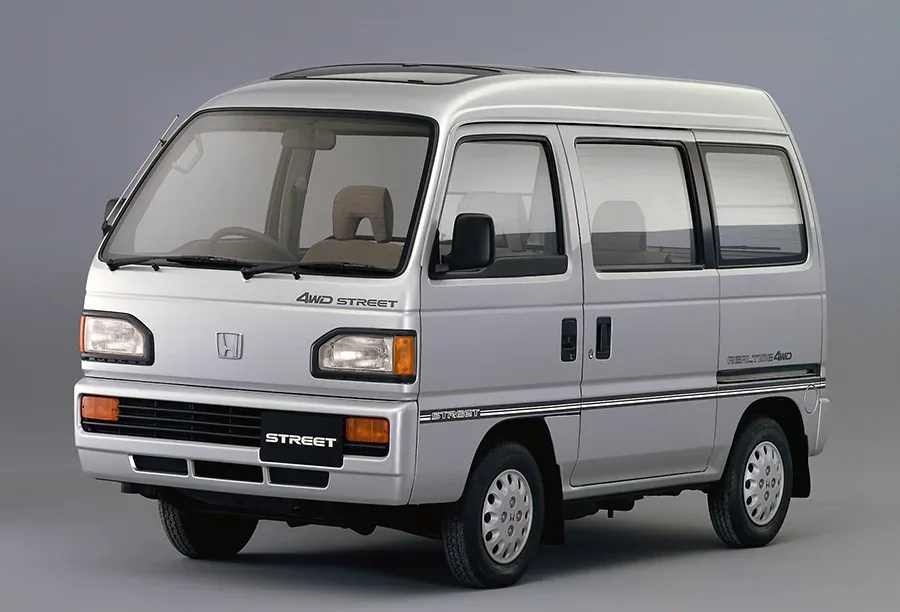
Sliding rear doors with fully opening windows and a rear seat that folds into the footwell made the Street the template for Honda's later Stepwgn and S-MX.
Median 92 hp across 72 similar cars
Lead trim: 547 cc E05A SOHC I3 (34 PS) · up to 43 hp
Honda Street HH1–HH4HH1/HH2/HH3/HH4 · 1988–2001
- 0spots by members
- Unclaimednobody has spotted one yet
- 0sets it belongs to
Nobody in Burbles has spotted a Honda Street HH1–HH4 yet. See one on the street, point the app at it, and the first card is yours — with your @handle permanently credited on this page.
FactSliding rear doors with fully opening windows and a rear seat that folds into the footwell made the Street the template for Honda's later Stepwgn and S-MX.
The second-generation Street, the passenger version of the second Acty van, launched in May 1988 with the 547 cc E05A three-cylinder of 34 PS and large rectangular headlamps. A March 1990 update for the new kei rules lengthened it by 10 cm and brought the 656 cc E07A engine of 38 PS, with Today taillights; vans and Streets became HH3/HH4. A fuel-injected PGM-FI version of 44 PS came in the Fox and Xi trims from October 1993. The Street outlived the Acty van and was built until September 2001, partly replaced by the Vamos.
Collectors Spotted in the Honda Street Lineage
No member has published a public street spot of the Honda Street yet — the First · Worldwide stamp is wide open.
Trims & Figures
3 published trims in the catalogue. A blank is a figure not recorded, not zero.
| Trim | Years | Engine | Power | Torque | 0–60 | Drive | Gearbox | MSRP |
|---|---|---|---|---|---|---|---|---|
| 547 cc E05A SOHC I3 (34 PS) | 1988–1990 | 0.5 L Inline-3 | 34 hp | 33 lb-ft | — | — | — | — |
| 656 cc E07A SOHC I3 (38 PS) | 1990–2001 | 0.7 L Inline-3 | 37 hp | 40 lb-ft | — | — | — | — |
| PGM-FI 656 cc E07A I3 (44 PS) | 1993–2001 | 0.7 L Inline-3 | 43 hp | — | — | — | — | — |
Owning one
We don’t estimate running costs for a car like this. What it costs depends on its condition, its specialist and how it is driven, and an average would mislead.
Owners’ builds
Nobody has claimed one yet.
Photographs
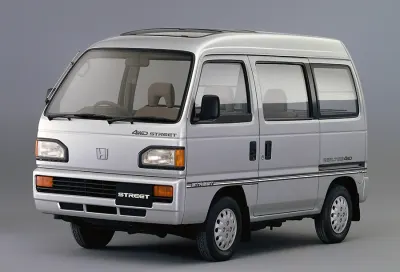
Sliding rear doors with fully opening windows and a rear seat that folds into the footwell made the Street the template for Honda's later Stepwgn and S-MX.
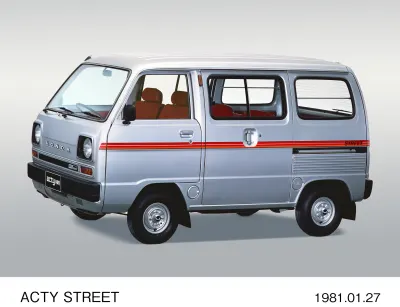
Honda put the engine of this van under the floor between the seats, not up front.
Rivals
Same body, same money, other badges — tap any card to flip.
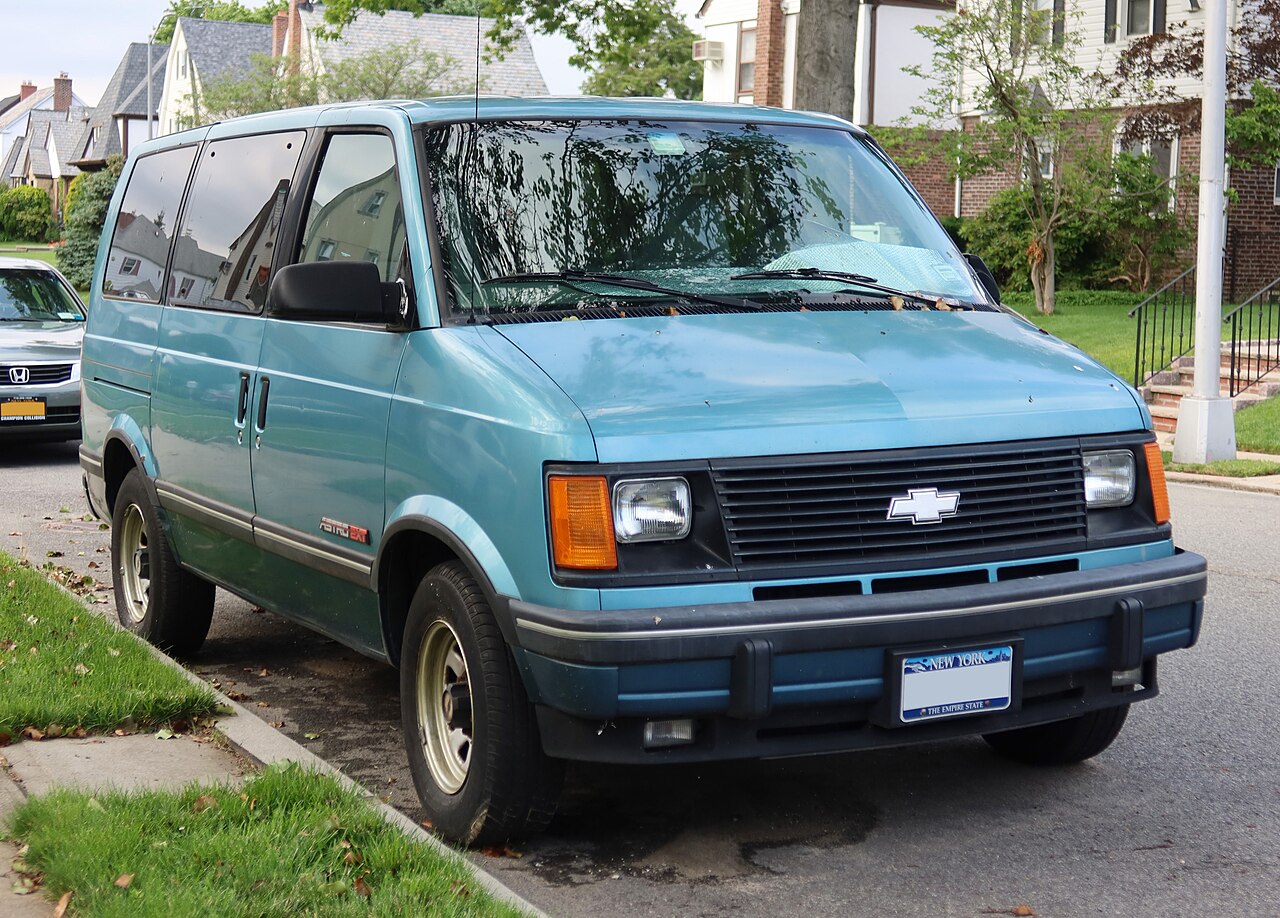
Chevy pitched the Astro as the anti-minivan, telling buyers life was too big for one, while it rode on a rear-wheel-drive truck frame.
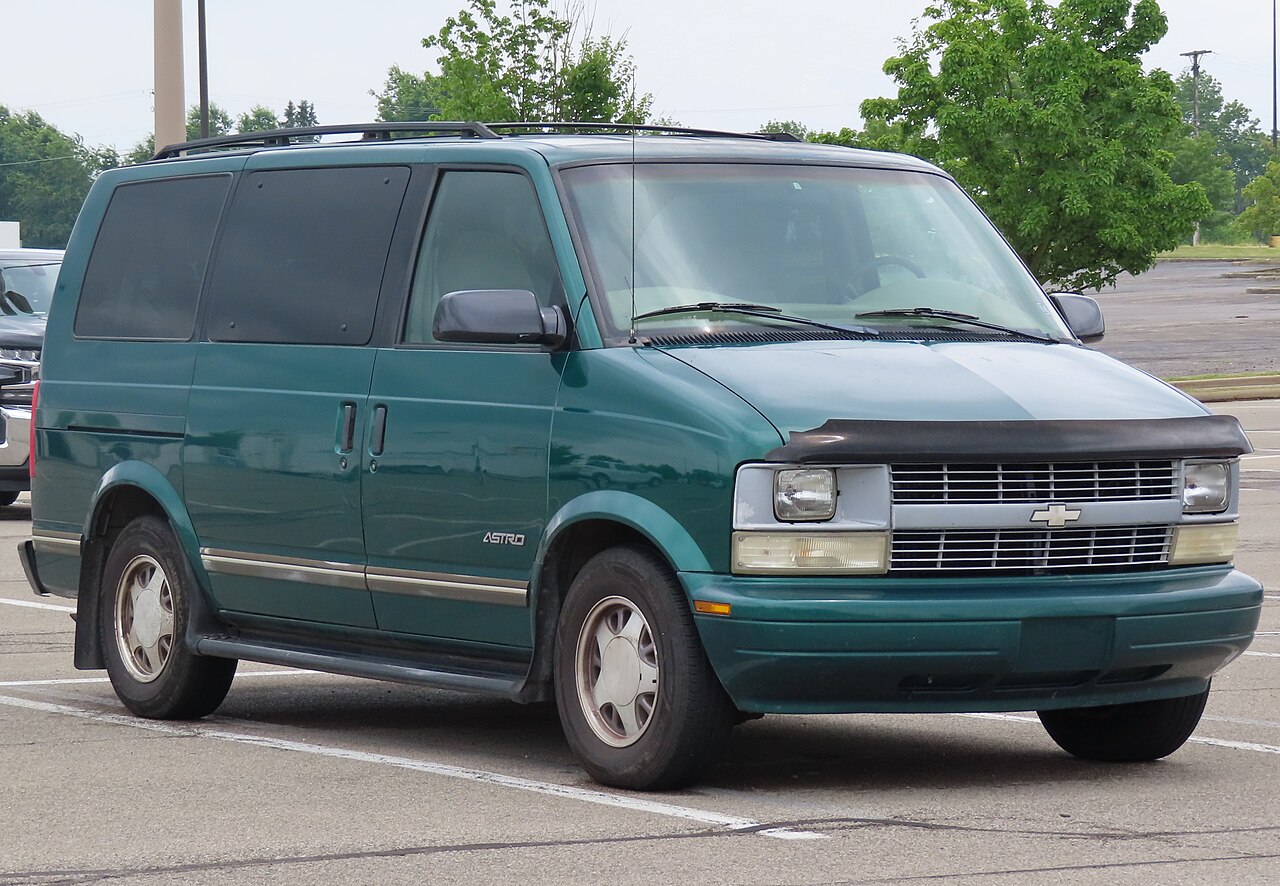
The IIHS rated the Astro Poor in a 1996 crash test, yet 2001–2004 Astros later had the lowest driver death rate of any US passenger vehicle.
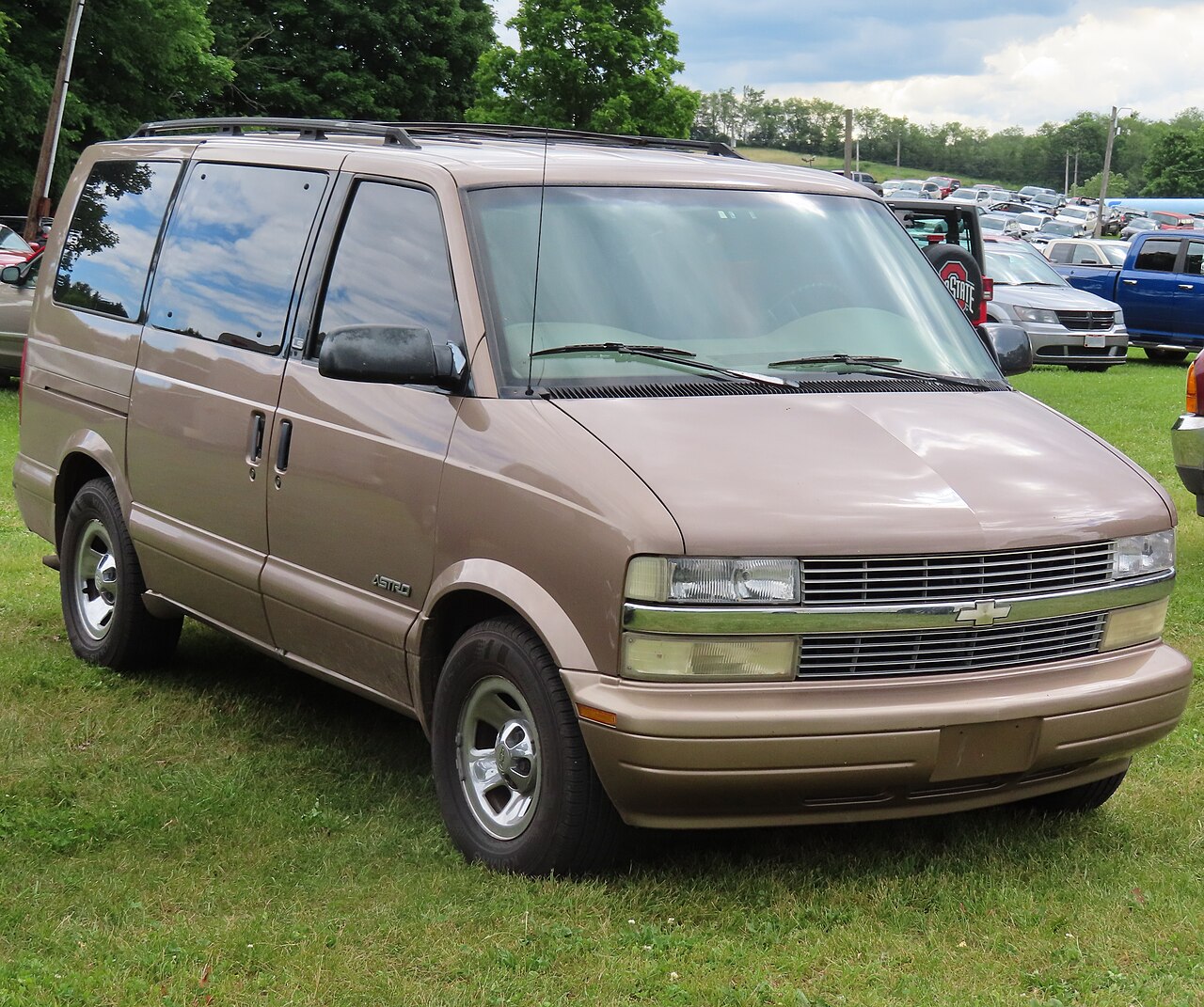
The boxy, unglamorous Astro quietly posted one of the best real-world safety records in America: IIHS found 2001-2004 models had the fewest driver deaths per million vehicles of any passenger vehicle on US roads.

The third-generation Tourneo Connect, released in Europe in October 2021, is a rebadged fourth-generation Volkswagen Caddy, assembled by Volkswagen in Poland.
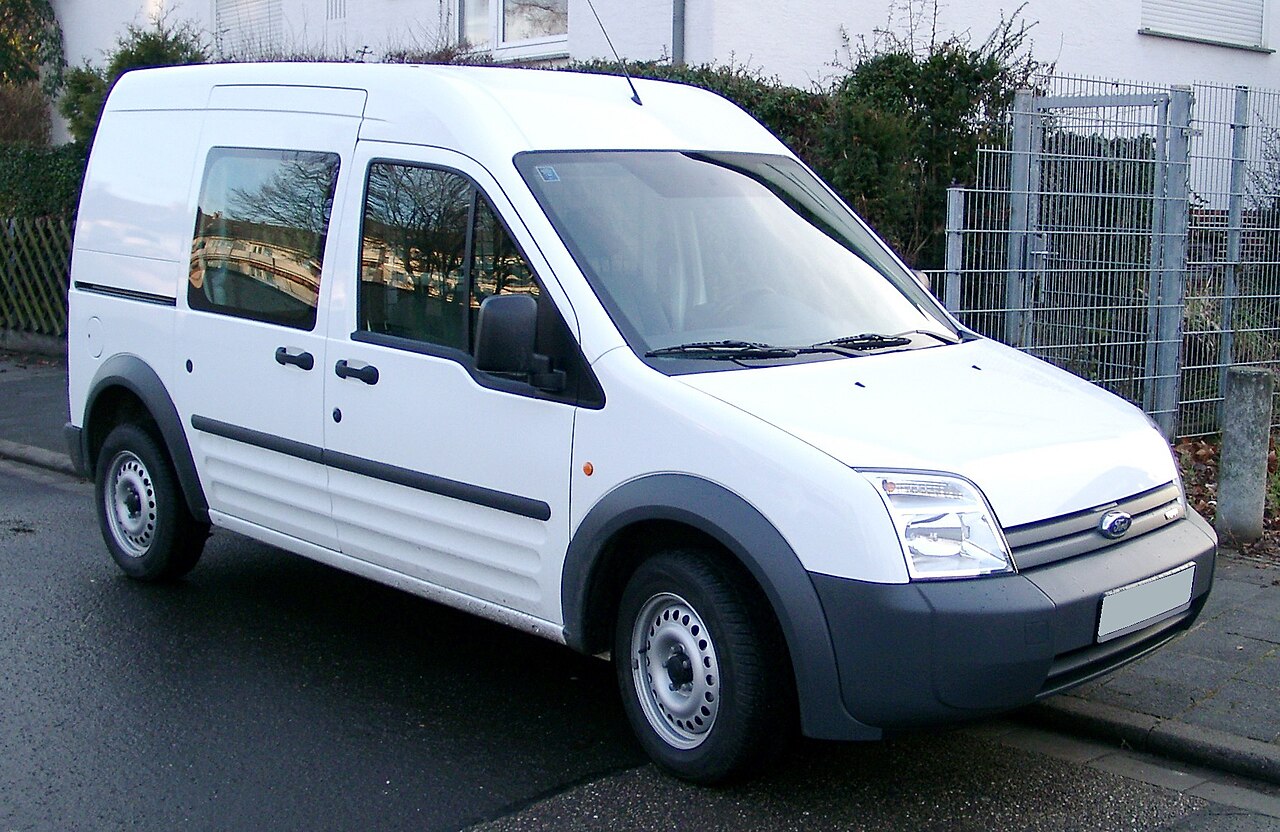
Ford beat the 25% "chicken tax" by importing the Transit Connect as a passenger van — rear windows and seats included, then stripped out and recycled once it landed in the US.
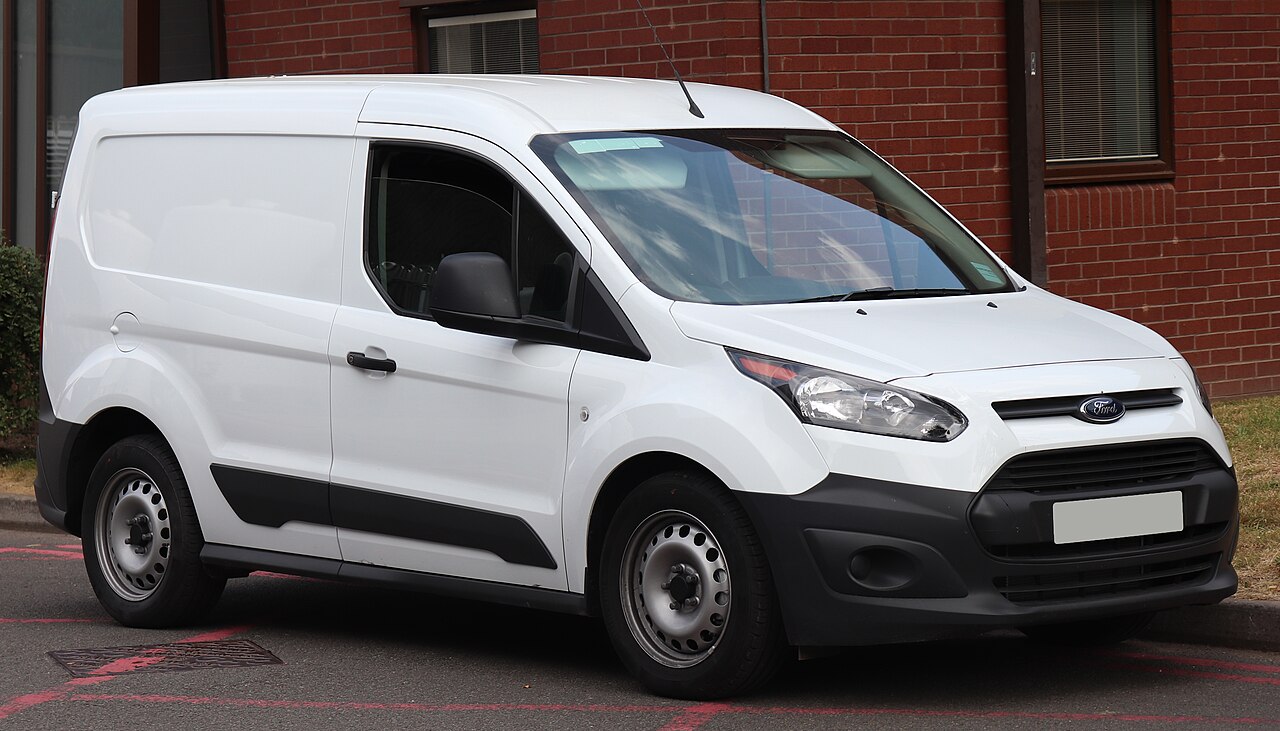
Ford spent years in federal court over the second-gen Transit Connect: in June 2019 the US won its appeal, and judges ruled the van was cargo-only — ending Ford's workaround for the 'chicken tax.'
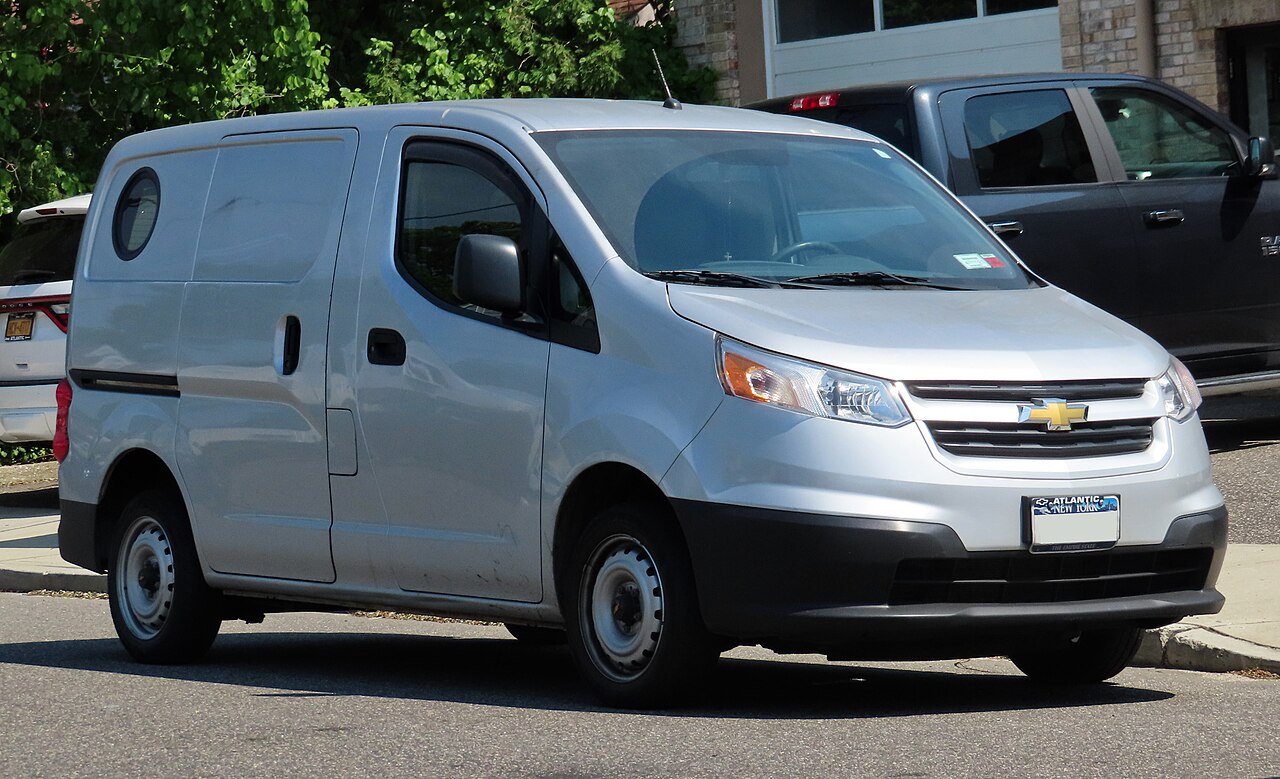
GM sold a rebadged Nissan NV200 as the Chevy City Express for four years, then killed it in 2018, citing weak sales and the fact that its parts weren't even compatible with GM's own parts catalog.
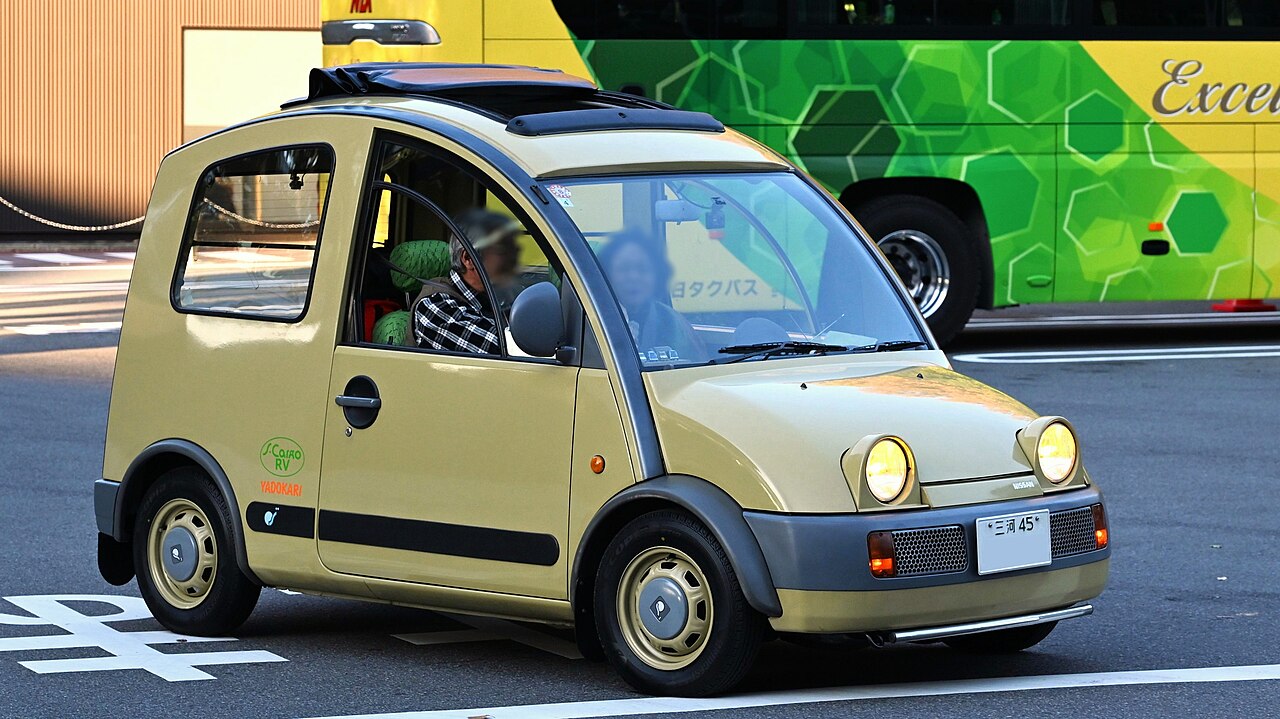
Its name is a pun: "S-Cargo" means "Small Cargo" but sounds just like escargot — French for snail, the shape the whole van was built to resemble.