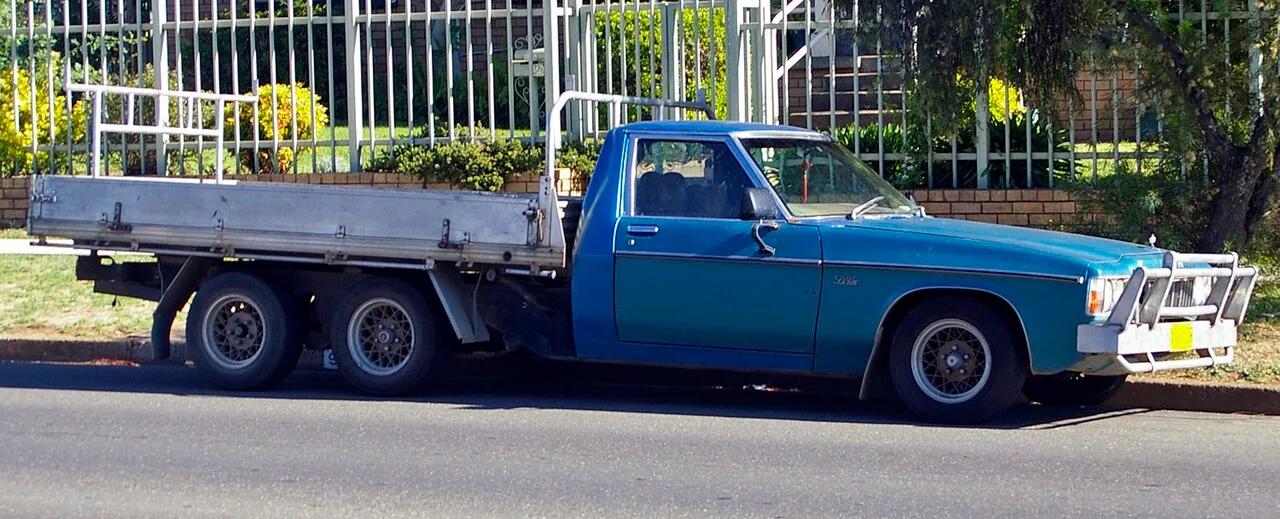
HSV showed a Maloo cab-chassis concept in 2003, turning Australia's performance ute into a one-tonner.
Lead trim: Y Series Maloo 5.7 LS1 (349 hp) · up to 382 hp
Holden Ute2002–2004
- 0spots by members
- Unclaimednobody has spotted one yet
- 0sets it belongs to
Nobody in Burbles has spotted a Holden Ute yet. See one on the street, point the app at it, and the first card is yours — with your @handle permanently credited on this page.
FactHSV showed a Maloo cab-chassis concept in 2003, turning Australia's performance ute into a one-tonner.
In October 2002 the Y Series Maloo launched with a LS1 engine at 260 kW (349 hp), with the "Performance" brake system standard on the Maloo and the "Premium" brake system standard on the Maloo R8; the Y Series 2, released in October 2003, raised the LS1 to 285 kW (382 hp). In 2003 the "HSV Maloo Cab Chassis" concept, based on the Holden One Tonner and powered by a 260 kW (349 hp) LS1, was shown at the Australian International Motor Show.
Collectors Spotted in the Holden Ute Lineage
No member has published a public street spot of the Holden Ute yet — the First · Worldwide stamp is wide open.
Trims & Figures
2 published trims in the catalogue. A blank is a figure not recorded, not zero.
| Trim | Years | Engine | Power | Torque | 0–60 | Drive | Gearbox | MSRP |
|---|---|---|---|---|---|---|---|---|
| Y Series 2 Maloo 5.7 LS1 (382 hp) | 2003–2004 | 5.7 L V8 | 382 hp | 376 lb-ft | — | — | — | — |
| Y Series Maloo 5.7 LS1 (349 hp) | 2002–2003 | 5.7 L V8 | 349 hp | 350 lb-ft | — | — | — | — |
Owning one
We don’t estimate running costs for a car like this. What it costs depends on its condition, its specialist and how it is driven, and an average would mislead.
Owners’ builds
Nobody has claimed one yet.
Photographs
Only four were built, and none were sold to the public — they went straight to a hand-picked few. One later fetched $1.2 million at auction, the most ever paid for an Australian-made car.
The VF Ute looks all-new up front, but from the C-pillar back it's the same sheet metal as the VE before it — and it turned out to be the last Ute Holden ever built in Australia.
This generation's ute got genuinely unhinged — the 2014 Maloo GTS packed a supercharged 6.2-litre V8 making 430kW, more power than any factory Holden ute before or since.
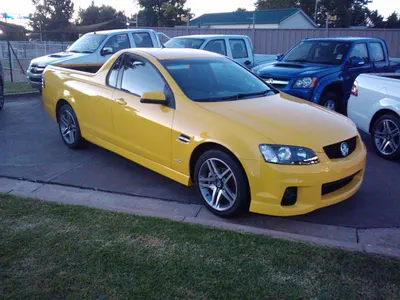
This Maloo offered a genuinely odd option for a 400-horsepower V8 ute: in 2011, HSV let buyers spec a bi-fuel system that ran on LPG as well as petrol.
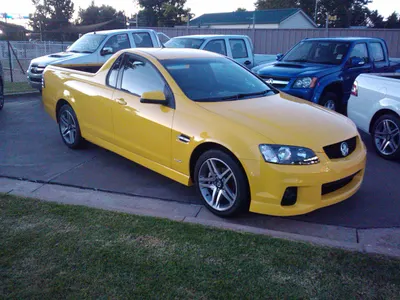
The VE dropped every cab-chassis and dual-cab option Holden had ever offered, betting the ute's future on lifestyle buyers alone.
The Z Series Maloo R8 set a Guinness World Record in May 2006 for the fastest production ute ever built — a record that, decades later, still stands.
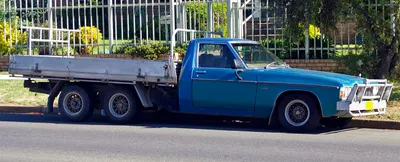
Holden's Generation 3 V8 died on 1 January 2006, killed outright by new Euro III rules, forcing a mid-cycle engine swap.
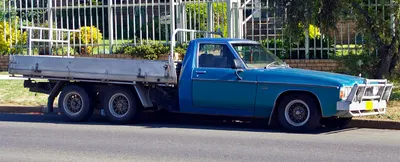
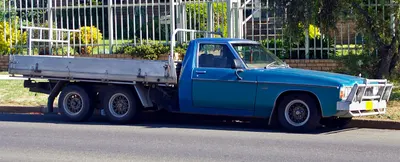
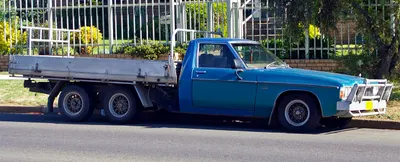
Holden brought back the One Tonner cab-chassis in 2003 after an 18-year absence, then added a four-door ute nobody had built before.
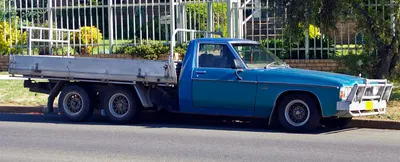
HSV showed a Maloo cab-chassis concept in 2003, turning Australia's performance ute into a one-tonner.
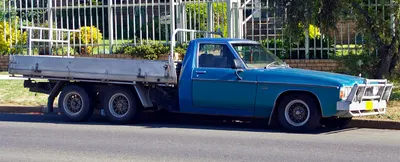
The VU Maloo was a first on two fronts: the first Maloo built around the LS1 V8, and the car that introduced the now-legendary Maloo R8 specification.
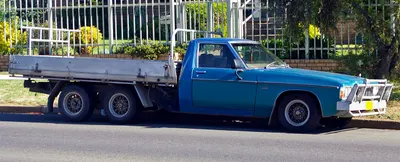
Holden's VU Ute showed up three full years after the sedan it was based on — so late it launched alongside the NEXT Commodore generation instead.
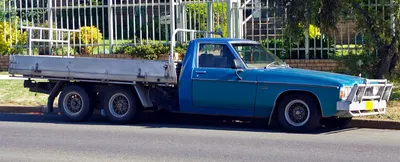
The VS Maloo closed out an era: it was the last HSV vehicle ever fitted with the 'original' Holden V8 engine before HSV moved on to newer powerplants.
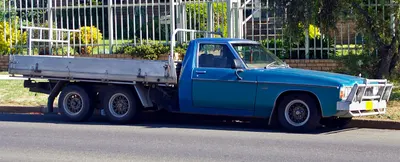
The 1993 VR HSV Maloo got all-new front sheetmetal and a reworked cabin, but for all that investment Holden's performance outfit built just 156 of them.
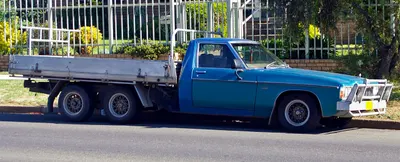
The very first HSV Maloo, built on the VG ute in 1990, was a genuine rarity from day one — just 135 were produced.
Rivals
Same body, same money, other badges — tap any card to flip.
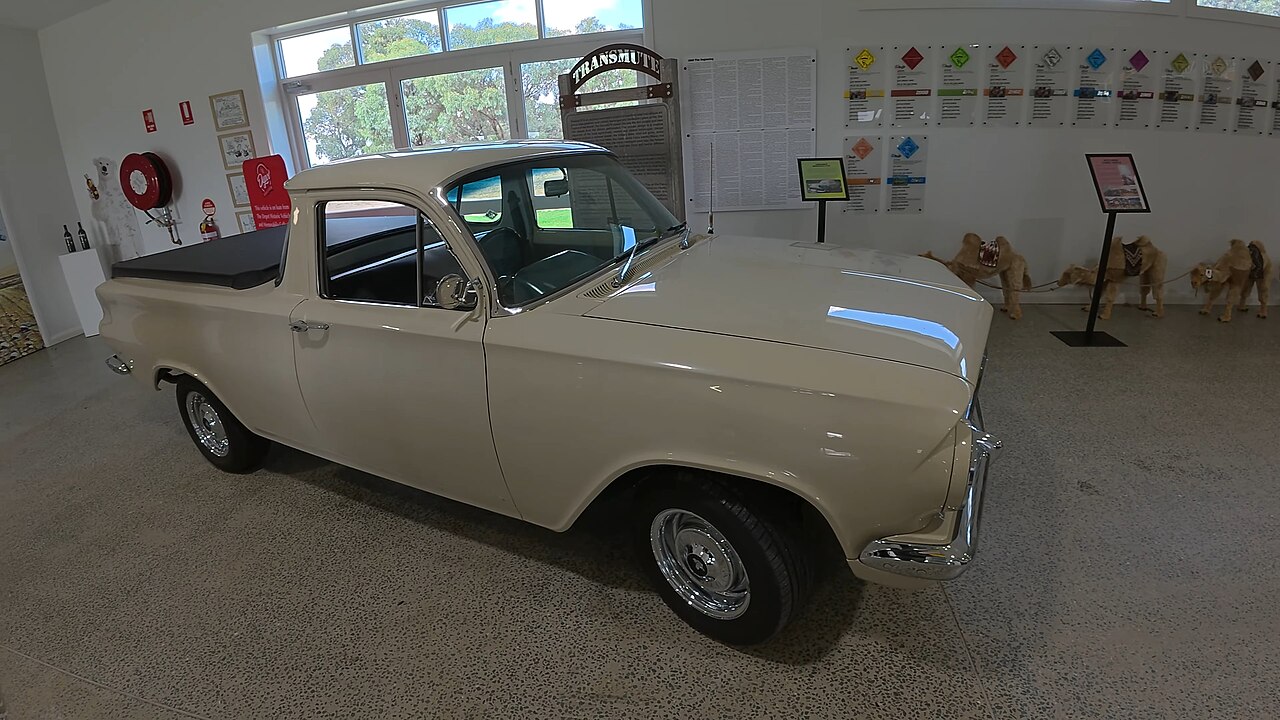
Holden killed its ute in 1984, then resurrected it in 1990 on a Commodore floorpan after a six-year gap.
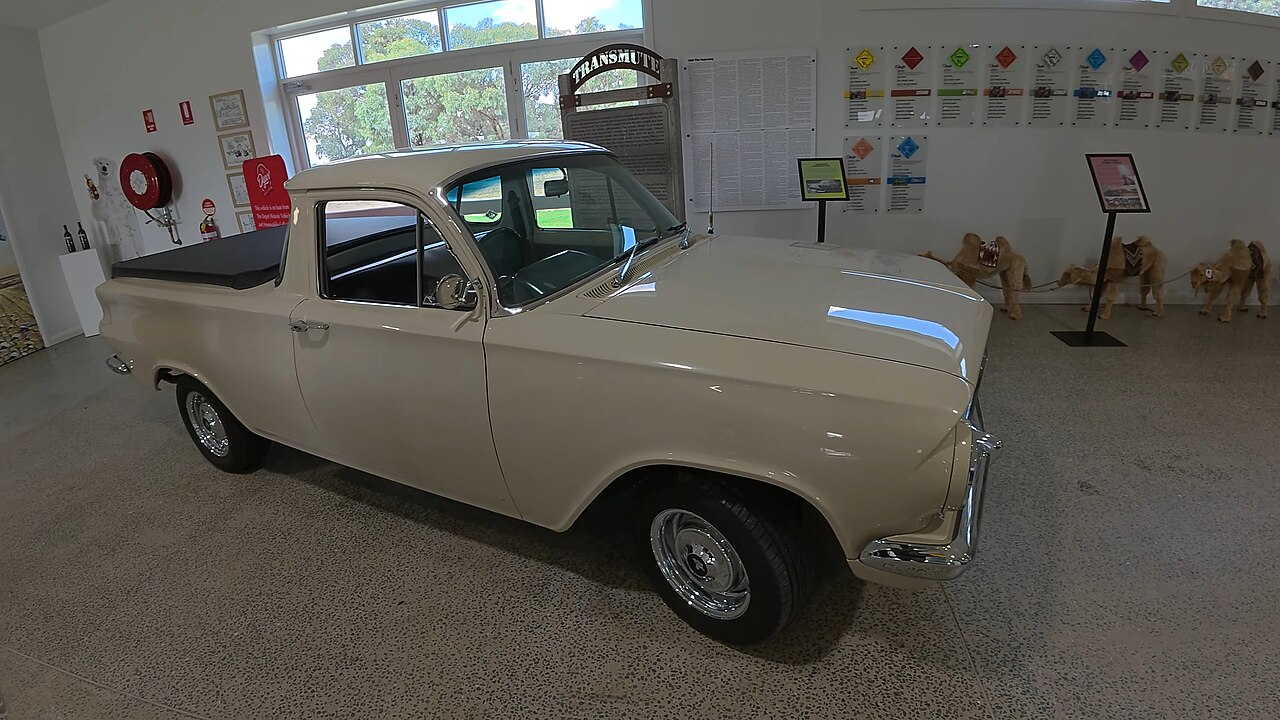
Holden's 1960 FB was a modest facelift with one first: it was the first Holden ever built in left-hand drive, built specifically to chase export markets.
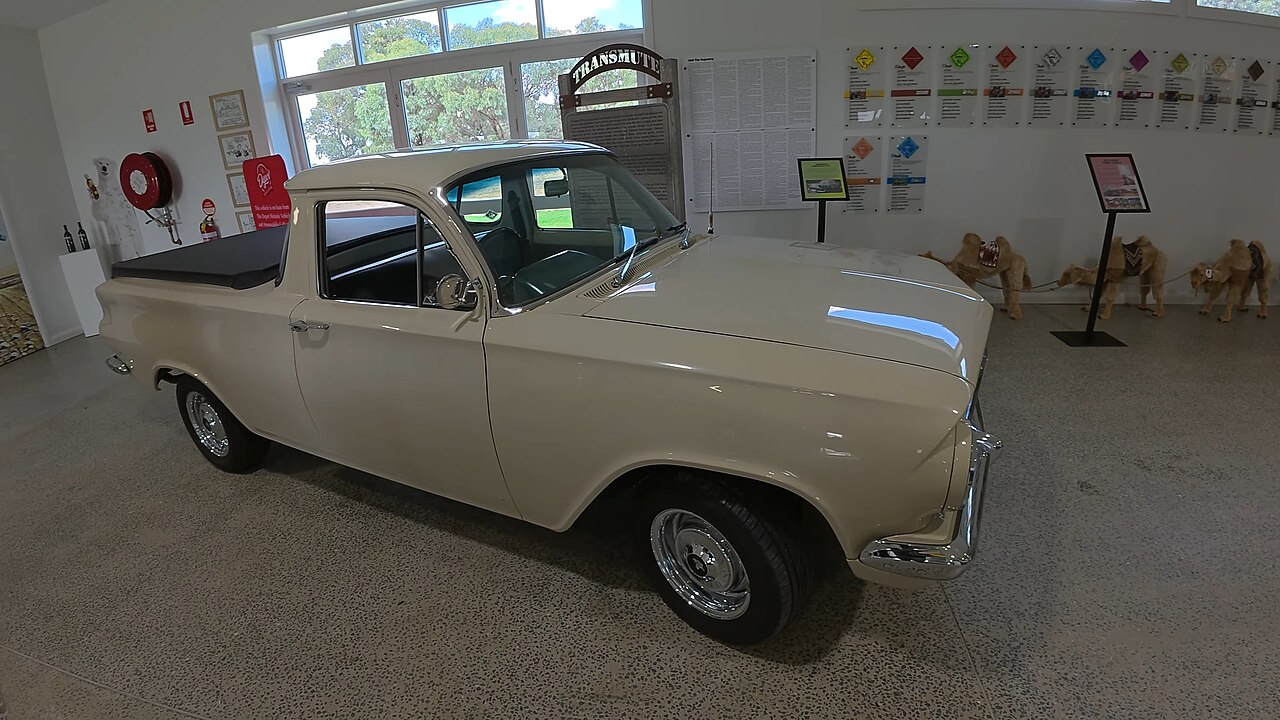
Holden's first home-grown ute could barely haul 360 kg — about one strong adult and an esky of beer — a fraction of what a modern ute carries, yet it put Holden in the work-truck business for good.
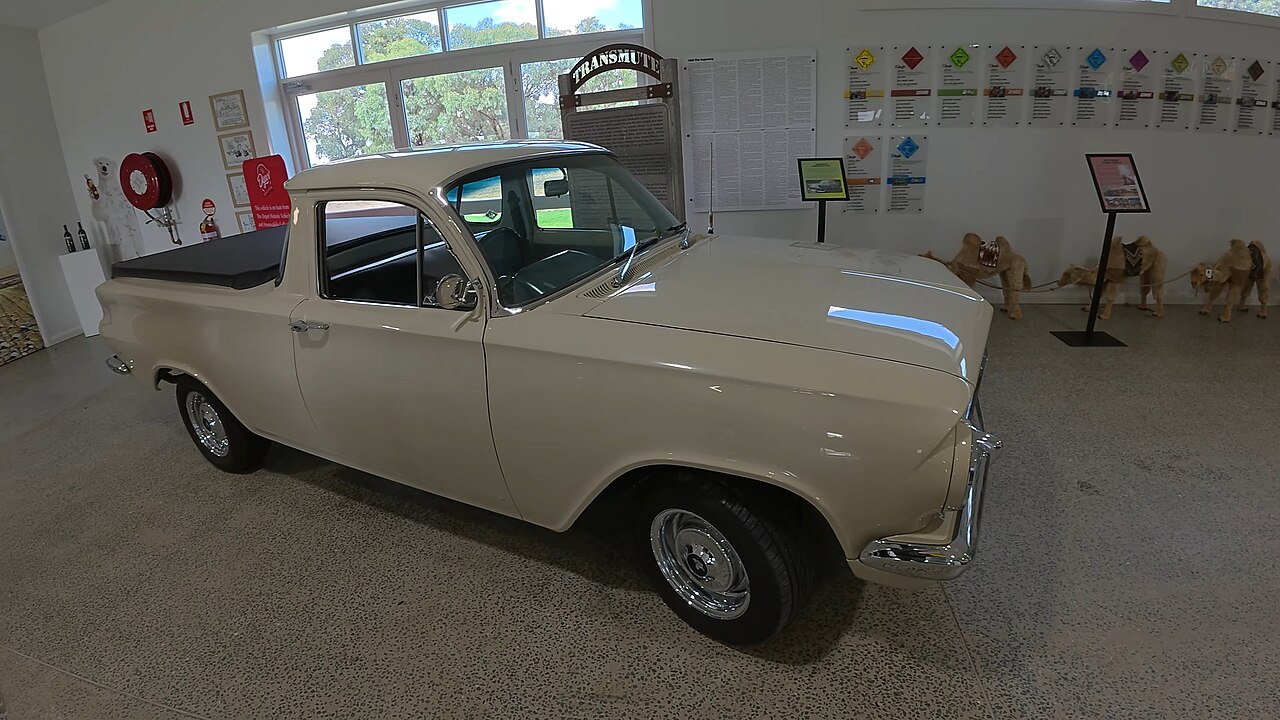
This FE generation was the first Holden ever assembled outside Australia — New Zealand built its first example in January 1957.
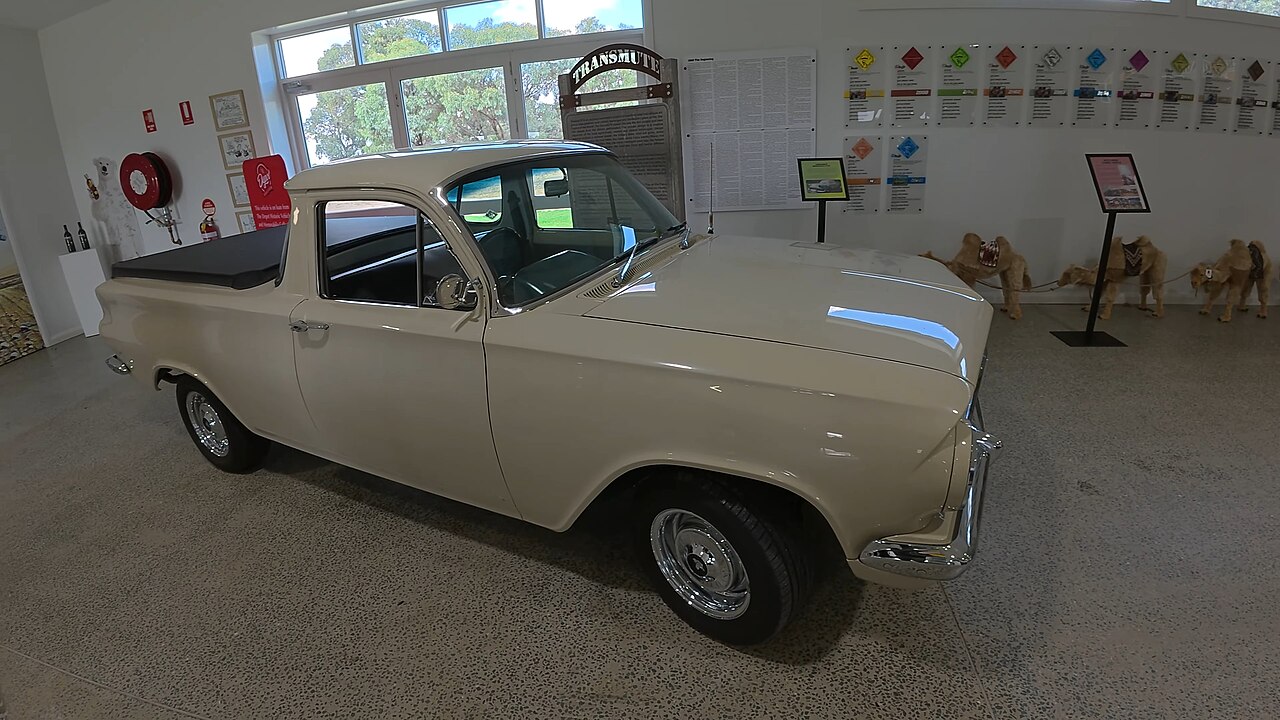
Holden actually built a wagon version of the FJ alongside the ute and sedan — it just never reached production, staying a one-off prototype.
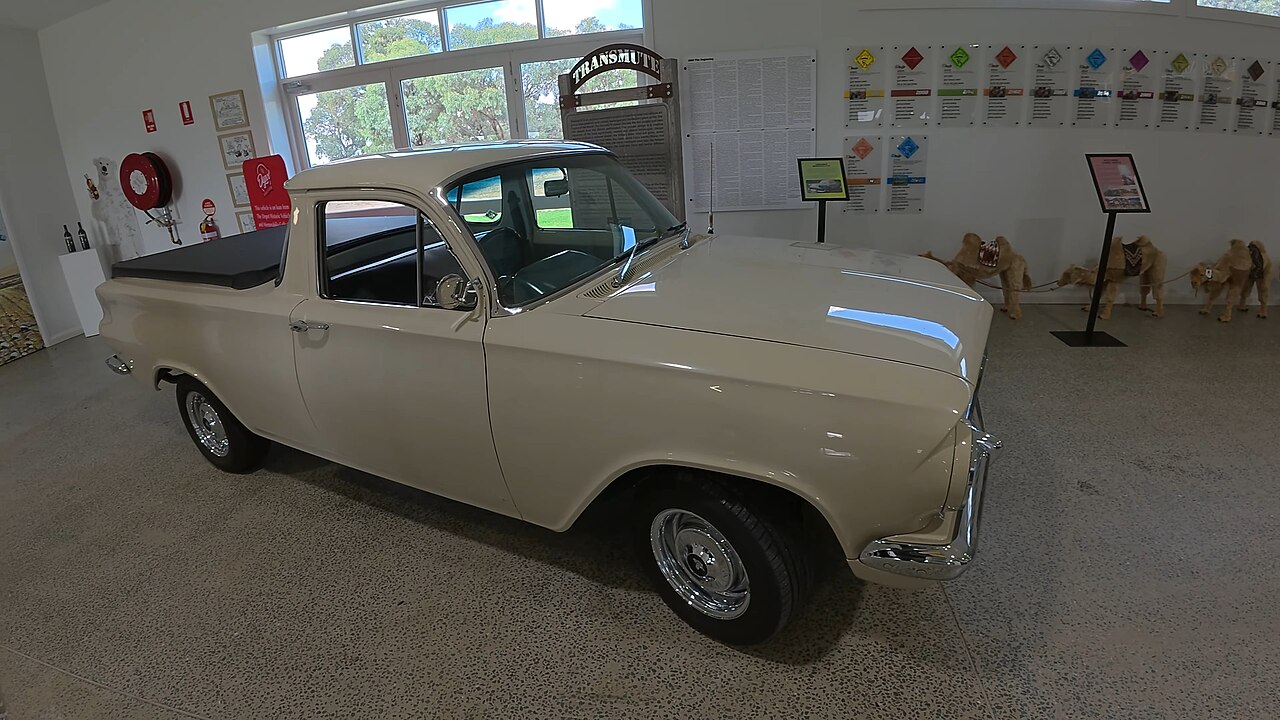
Nearly every VP Commodore sedan had a badge-engineered Toyota twin sold as the Lexcen — except the ute. Holden built the VP Utility, and no Toyota equivalent of it was ever made.
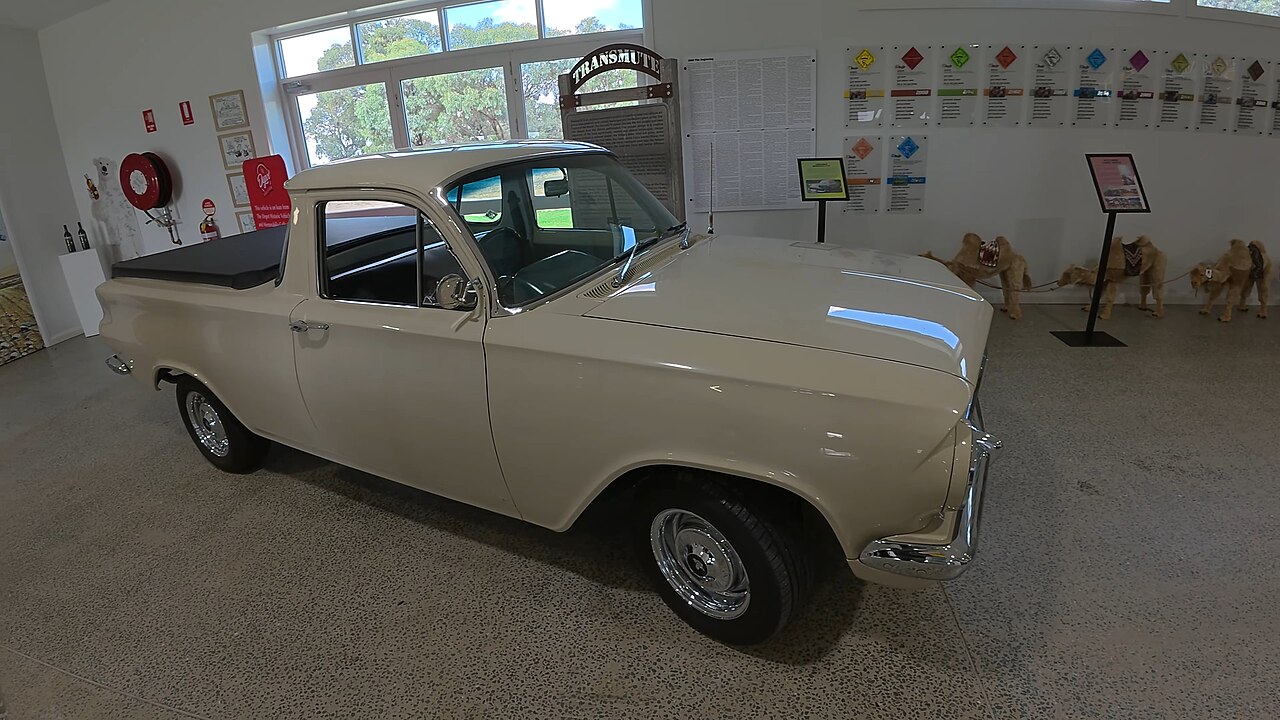
This EH ute belongs to one of the fastest-selling runs in Australian car history — 256,959 EH Holdens, sedans to utes, sold across barely 18 months before the HD replaced it.
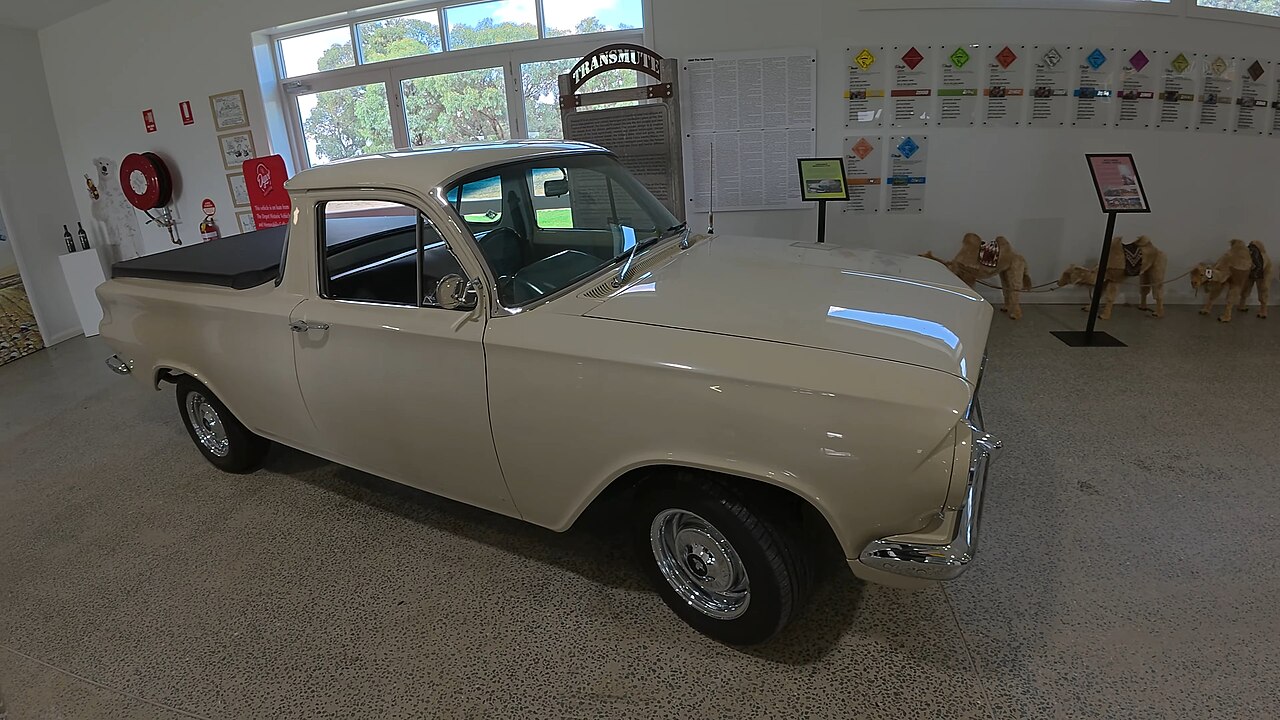
The VS ute ran five years without a full redesign, the longest single utility generation Holden built after 1980.