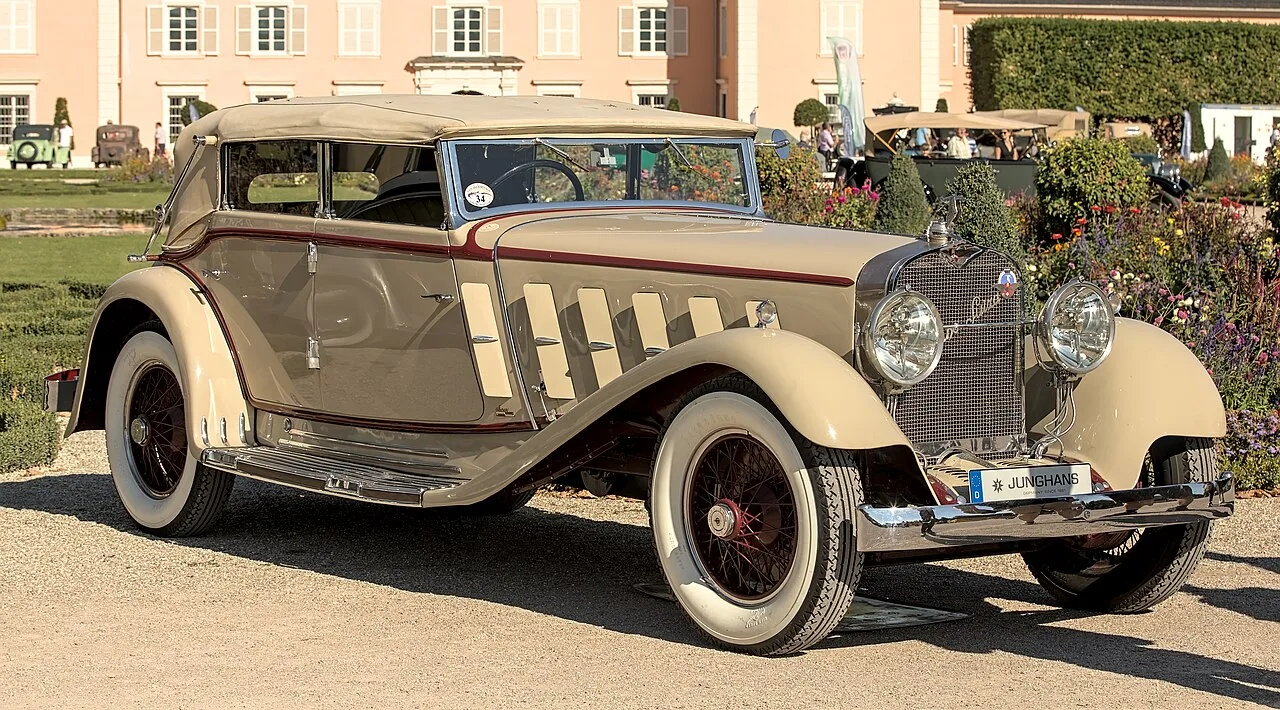
Its power-assisted drum brakes, boosted by the car's own deceleration, were an industry first that Rolls-Royce later licensed.
Lead trim: H6C 8.0 L straight-six
Hispano-Suiza H6 / H6B / H6CH6 · 1919–1933
- 0spots by members
- Unclaimednobody has spotted one yet
- 0sets it belongs to
Nobody in Burbles has spotted a Hispano-Suiza H6 / H6B / H6C yet. See one on the street, point the app at it, and the first card is yours — with your @handle permanently credited on this page.
FactIts power-assisted drum brakes, boosted by the car's own deceleration, were an industry first that Rolls-Royce later licensed.
The Hispano-Suiza H6 is a luxury car introduced at the 1919 Paris Motor Show and made until 1933 (roughly 2,350 H6/H6B/H6C built), designed by Marc Birkigt with a straight-six inspired by his aircraft engine work, essentially half his aviation V12 with an added overhead camshaft: an all-aluminium block of 6,597 cc, a seven-bearing crankshaft milled from a 600 lb steel billet down to 35 lb, screwed-in steel liners and enamelled water passages. Its light-alloy, power-assisted drum brakes on all four wheels (using the car's own deceleration to boost the servo) were an industry first later licensed to Rolls-Royce. The 1922 H6B was slightly more powerful, and the 1924 H6C used an 8.0-litre (110 x 140 mm) engine; the H6 series was replaced in 1933 by the J12. A short-wheelbase 'Boulogne' racing series of five H6Bs was built in 1922, and a 1924 H6C 'Boulogne' (7,982 cc, estimated 195 hp) built to a 100 lb body-weight limit for the Targa Florio finished that race with a tulipwood-strip aluminium body. Length 5,537 mm (218.0 in), width 1,791 mm (70.5 in), curb weight 1,583 kg (3,490 lb).
Collectors Spotted in the Hispano-Suiza H6 Lineage
No member has published a public street spot of the Hispano-Suiza H6 yet — the First · Worldwide stamp is wide open.
Trims & Figures
2 published trims in the catalogue. A blank is a figure not recorded, not zero.
| Trim | Years | Engine | Power | Torque | 0–60 | Drive | Gearbox | MSRP |
|---|---|---|---|---|---|---|---|---|
| H6 6,597 cc straight-six | 1919–1922 | 6.6 L Inline-6 | — | — | — | RWD | — | — |
| H6C 8.0 L straight-six | 1924–1933 | 8.0 L Inline-6 | — | — | — | RWD | — | — |
Owning one
We don’t estimate running costs for a car like this. What it costs depends on its condition, its specialist and how it is driven, and an average would mislead.
Owners’ builds
Nobody has claimed one yet.
Photographs
Rivals
Same body, same money, other badges — tap any card to flip.
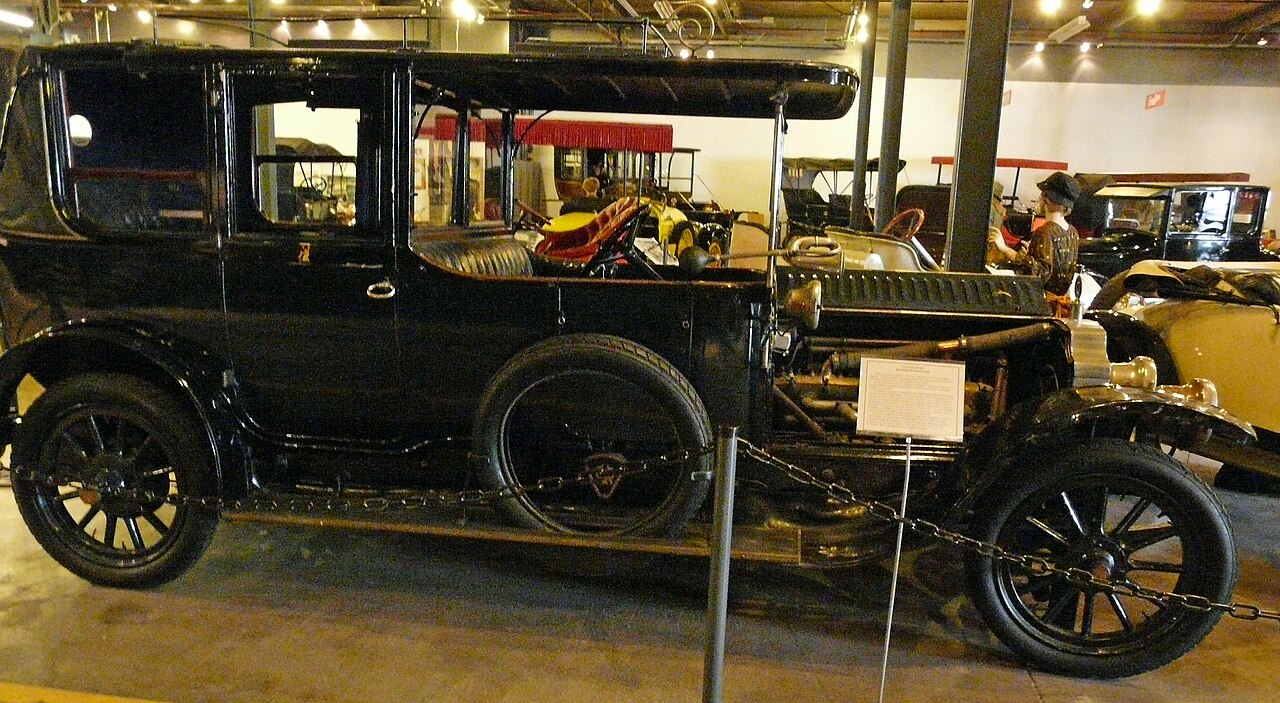
Vauxhall's first six-cylinder car started life as one prototype block, then production reverted to bolting two three-cylinder units together.
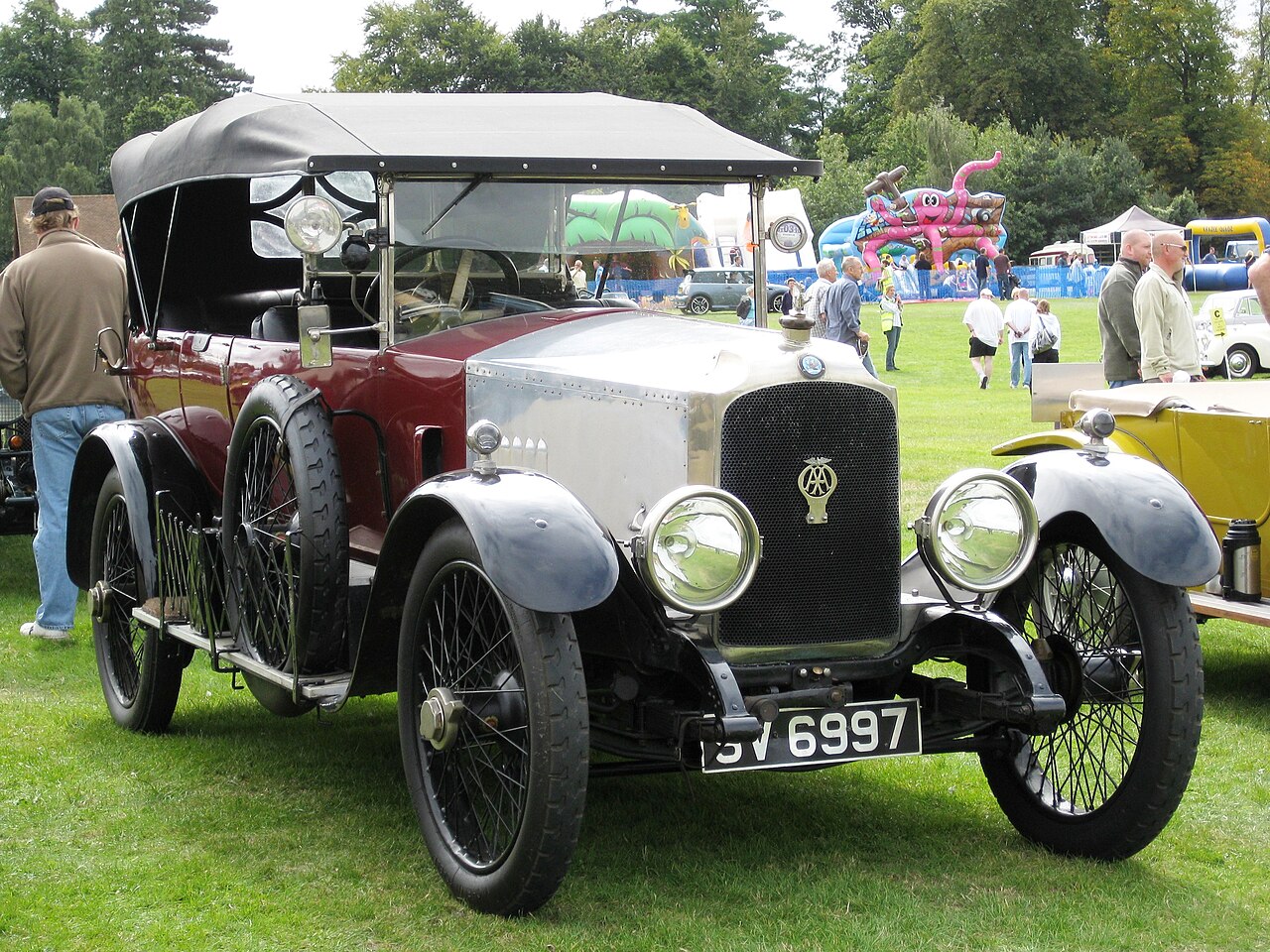
Of roughly 4,500 D-Types built, 1,556 went to the armed forces, most as British Army staff cars in the First World War.
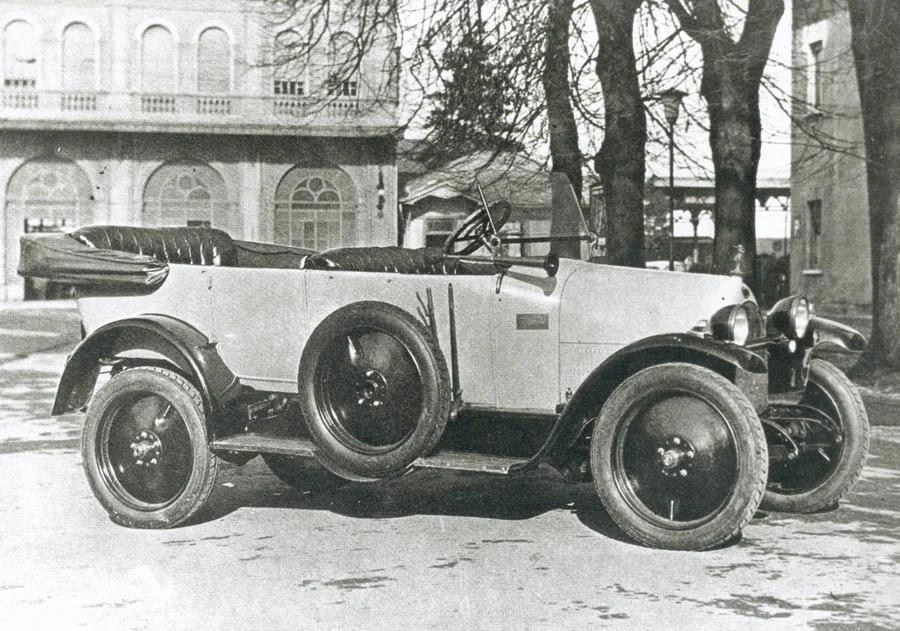
Fiat named this scaled-up Zero after its own engine's internal model number, 52B.
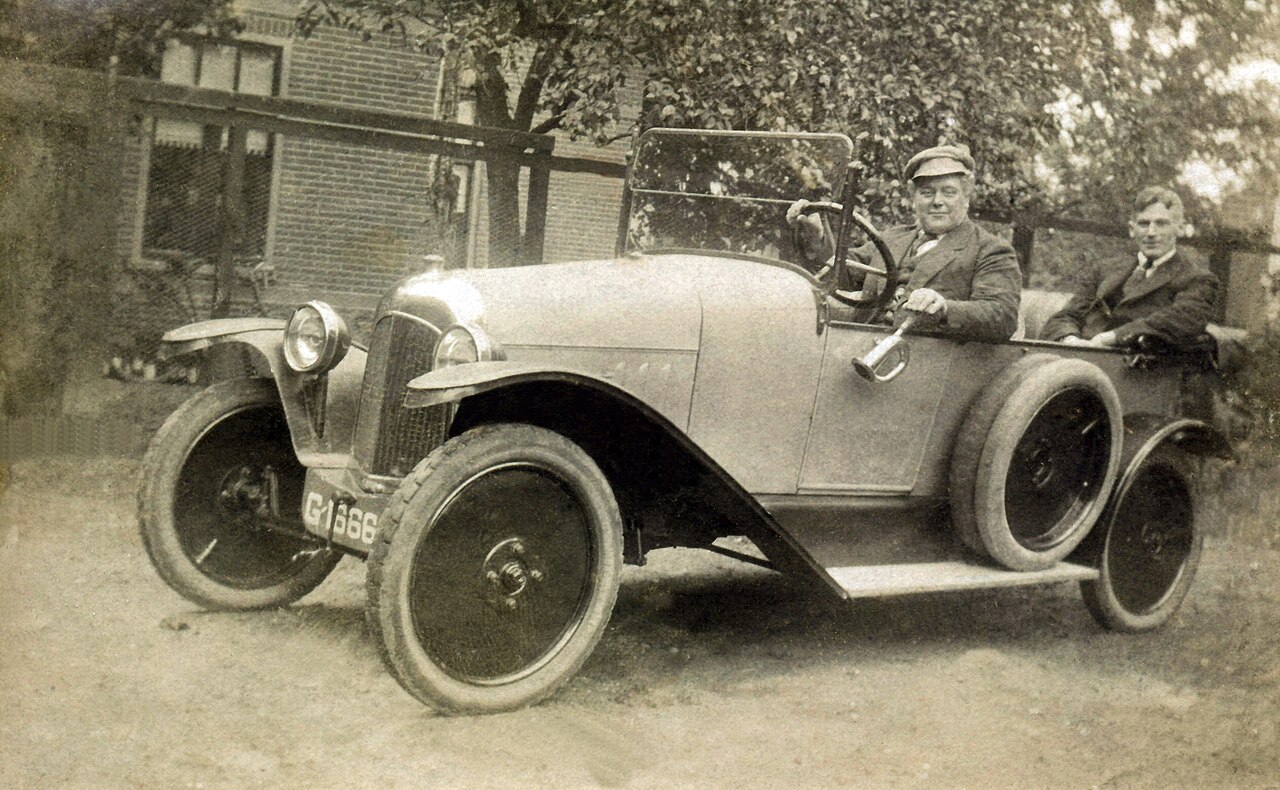
The Type A's herringbone bevel gears in the final drive gave Citroën its double-chevron badge, still worn today.
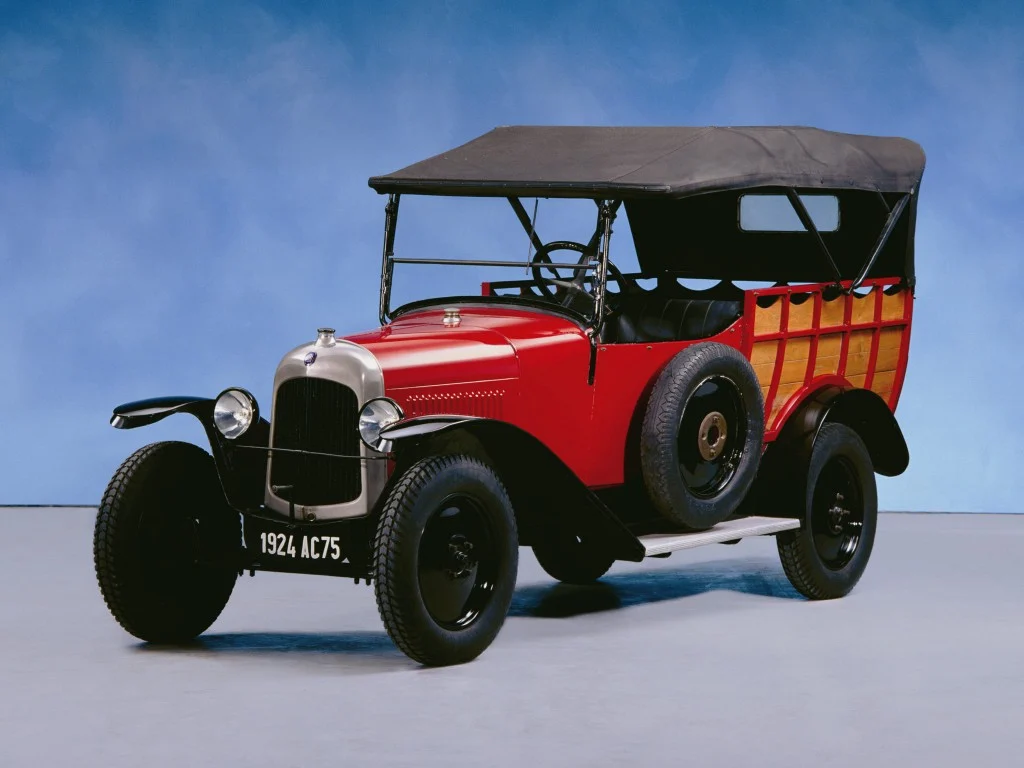
Eight half-track versions of the B2 crossed Africa west to east in the 1924 'Croisière Noire' expedition — a publicity stunt that proved a mass-produced French car could handle terrain nobody thought an automobile could cross.
Volvo's first car launched a day late because someone fitted the differential backwards and it drove in reverse.
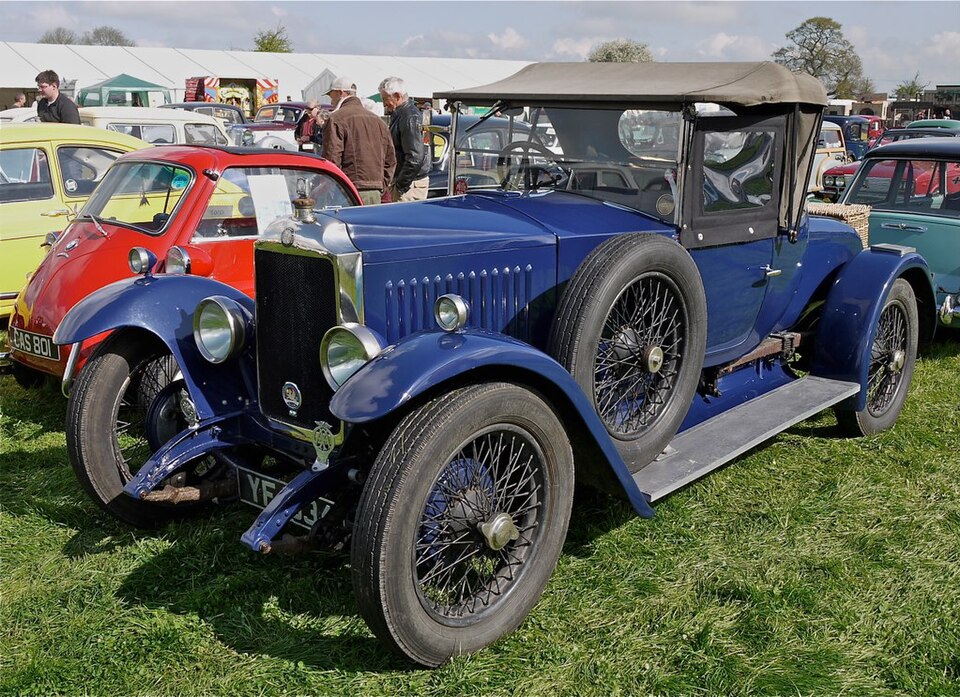
Vauxhall didn't just build the 14-40 at home — it shipped knock-down kits to Australia to be assembled there too.
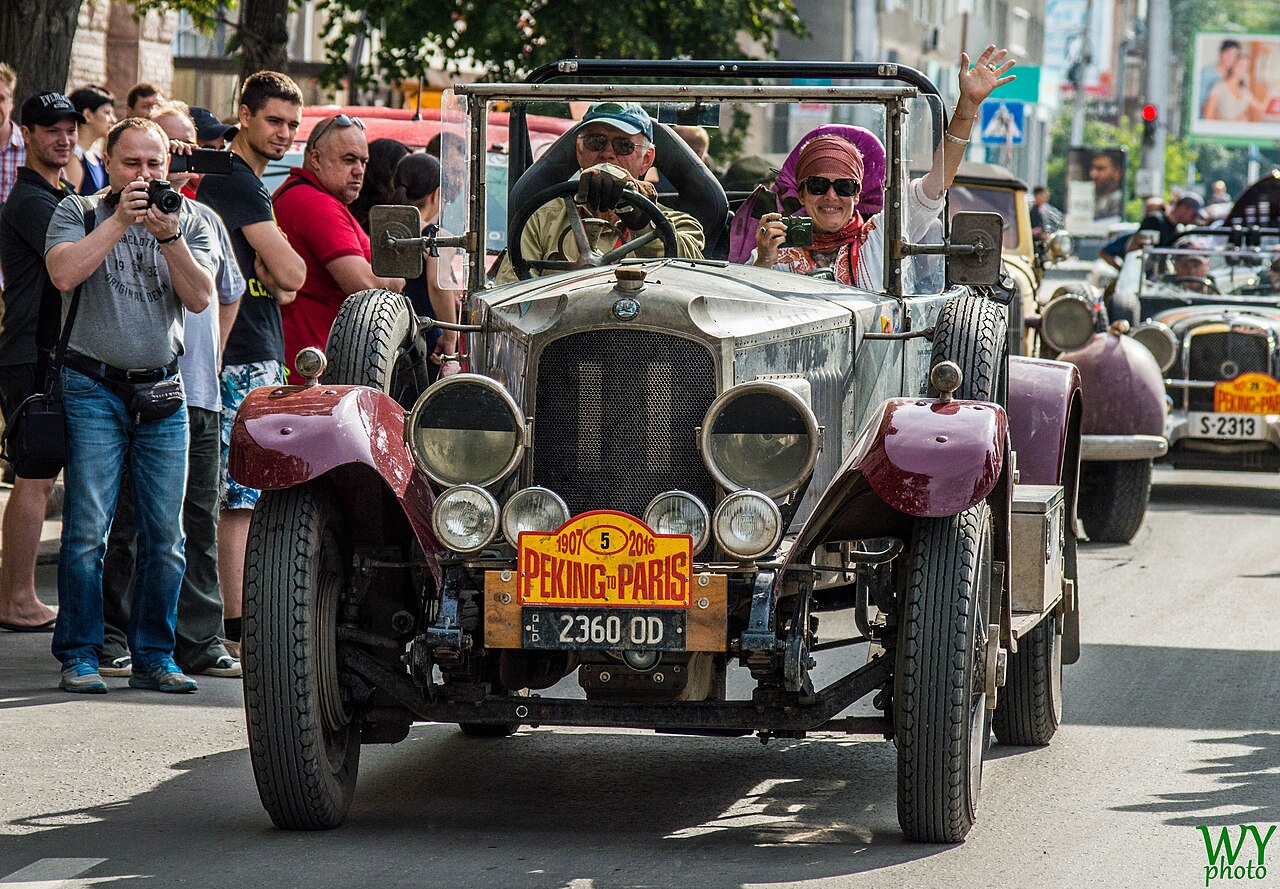
Four-wheel braking was still a novelty when the 23-60 launched — Vauxhall first sold front brakes as a pricey £55 option, then made them standard across the line in July 1924.