
Before a single E-Transit reached a customer, Ford had already banked more than 10,000 orders from 300 commercial fleets — buyers signing on for an electric van sight unseen.
Lead trim: E-Transit electric (266 hp) · up to 310 hp
Ford Transit Mk VIII2014–present
- 1spot by a member
- @ntrcarfirst spotted it, Oct 2026
- 0sets it belongs to
See a Ford Transit Mk VIII on the street, point Burbles at it, and the card goes in your binder. Own one? Add it to your garage in the app.
FactBefore a single E-Transit reached a customer, Ford had already banked more than 10,000 orders from 300 commercial fleets — buyers signing on for an electric van sight unseen.
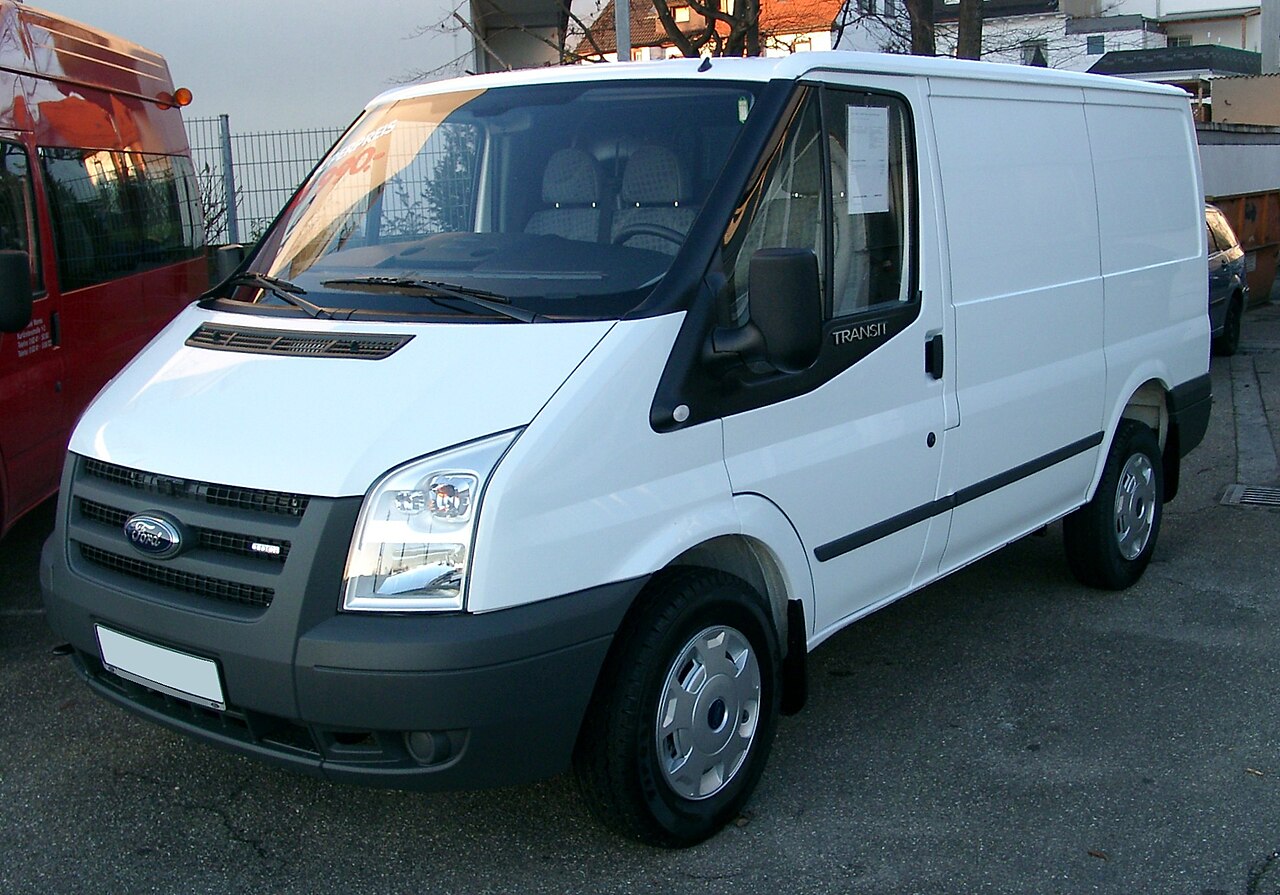
The fourth-generation Ford Transit (Mk VIII; also the Ford Tourneo passenger van outside North America and, in North America, the Ford T-Series T-150/T-250/T-350) entered production in 2014 (model years 2015 onward), designed by Paul Campbell and built at Gölcük (Turkey, Ford Otosan), Claycomo (Missouri, Kansas City Assembly), Yelabuga (Russia, Ford Sollers 2014–2022), Montevideo (Nordex) and, from 2023, Nanchang (Jiangling); it replaced the Ford E-Series van in North America in 2015 and quickly became the best-selling van of any type in the United States, and the range includes the StreetScooter Work XL electric van in Germany and the Chinese Transit T8. It comes as a cargo van, passenger van, chassis cab and cutaway, with rear-wheel drive, all-wheel drive (Europe and North America only) or front-wheel drive (excluding North America) and a rear-motor RWD E-Transit. For its worldwide introduction in 2013 it inherited the Duratorq diesels of the previous generation, shared with the Ranger and Mondeo: a 2.0 L inline-four (China), 2.2 L (Europe and Australia), 2.4 L (Europe) and the largest a 3.2-litre inline-five (all markets except South America; 185 hp from 2015, renamed a Power Stroke diesel); gasoline engines included a 2.0-litre EcoBoost (China) and a 2.3-litre Duratec. In North America a 275 hp 3.7-litre V6 was the standard engine with a 310 hp 3.5-litre twin-turbo EcoBoost V6 offered in North and South America, replaced by a naturally aspirated 275 hp 3.5-litre V6 with port and direct injection, and the 3.7 can be converted to run on CNG or propane. Outside the Americas the four Duratorq diesels were replaced by a single 2.0-litre EcoBlue turbodiesel (shared with the Ranger) in 105, 130, 170 and 185 PS, with a mild-hybrid option on the 130 PS. The E-Transit, with the traction motor shared with the F-150 Lightning, has a nominal 266 hp (198 kW) and 317 lb-ft (in the UK a choice of 181 or 265 hp), charging at up to 11.3 kW AC or 115 kW DC, 133 hp in Eco mode and up to 2.4 kW for tools with Pro Power Onboard; it has a 6-speed 6R80 or 10-speed 10R80 (2020–present) automatic or a 6-speed Getrag MT82-D4 manual.
Trims & Figures
9 published trims in the catalogue. A blank is a figure not recorded, not zero.
| Trim | Years | Engine | Power | Torque | 0–60 | Drive | Gearbox | MSRP |
|---|---|---|---|---|---|---|---|---|
| E-Transit electric (266 hp) | 2022–present | Electric | 266 hp | 317 lb-ft | — | RWD | — | — |
| Transit Mk VIII 2.0 EcoBlue diesel (105 PS) | 2019–present | 2.0 L Inline-4 | 104 hp | 266 lb-ft | — | — | — | — |
| Transit Mk VIII 2.0 EcoBlue diesel (130 PS) | 2019–present | 2.0 L Inline-4 | 128 hp | 284 lb-ft | — | — | — | — |
| Transit Mk VIII 2.0 EcoBlue diesel (170 PS) | 2019–present | 2.0 L Inline-4 | 168 hp | 299 lb-ft | — | — | — | — |
| Transit Mk VIII 2.0 EcoBlue diesel (185 PS) | 2019–present | 2.0 L Inline-4 | 182 hp | — | — | — | — | — |
| Transit Mk VIII 3.2 Power Stroke five-cylinder diesel (185 hp) | 2015–present | 3.2 L Inline-5 | 185 hp | 347 lb-ft | — | — | — | — |
| Transit Mk VIII 3.5 EcoBoost twin-turbo V6 (310 hp) | 2014–present | 3.5 L V6 | 310 hp | 400 lb-ft | — | — | — | — |
| Transit Mk VIII 3.5 Ti-VCT V6 (275 hp; North America) | 2019–present | 3.5 L V6 | 275 hp | 260 lb-ft | — | — | — | — |
| Transit Mk VIII 3.7 Ti-VCT V6 (275 hp; North America) | 2014–2019 | 3.7 L V6 | 275 hp | 260 lb-ft | — | — | — | — |
Owning one
An estimate, for the E-Transit electric (266 hp) trim: fuel on its EPA figure and a dated national price, upkeep on a per-mile average for the kind of car it is.
Owners’ builds
Nobody has claimed one yet.
Photographs
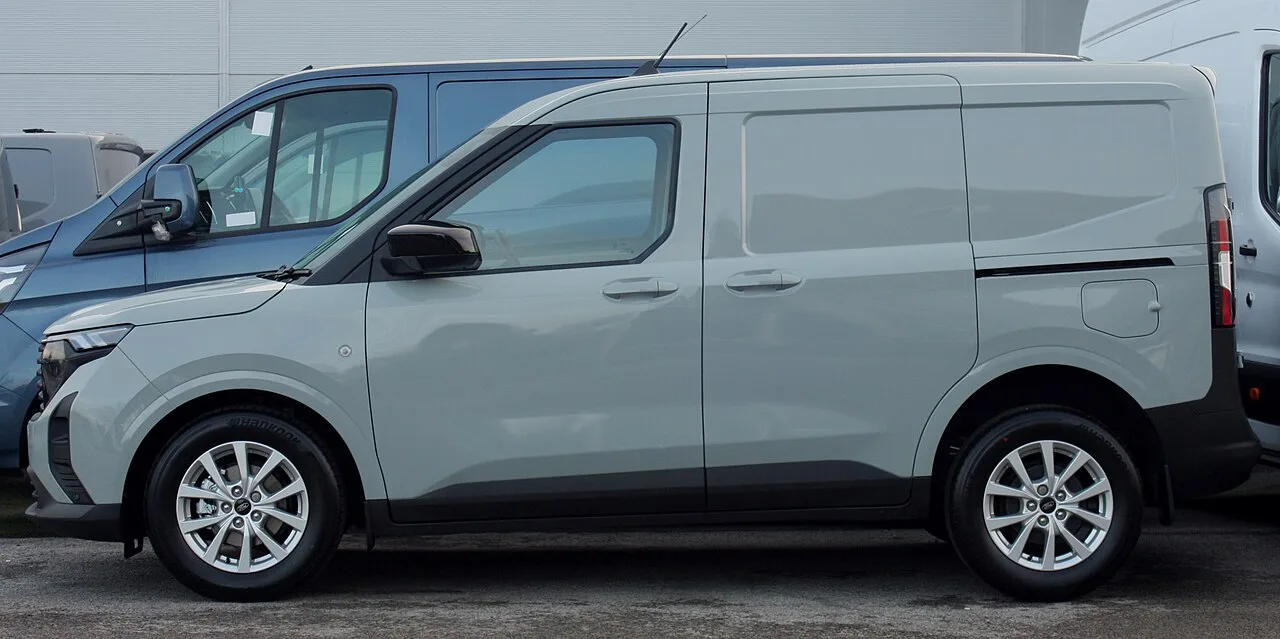
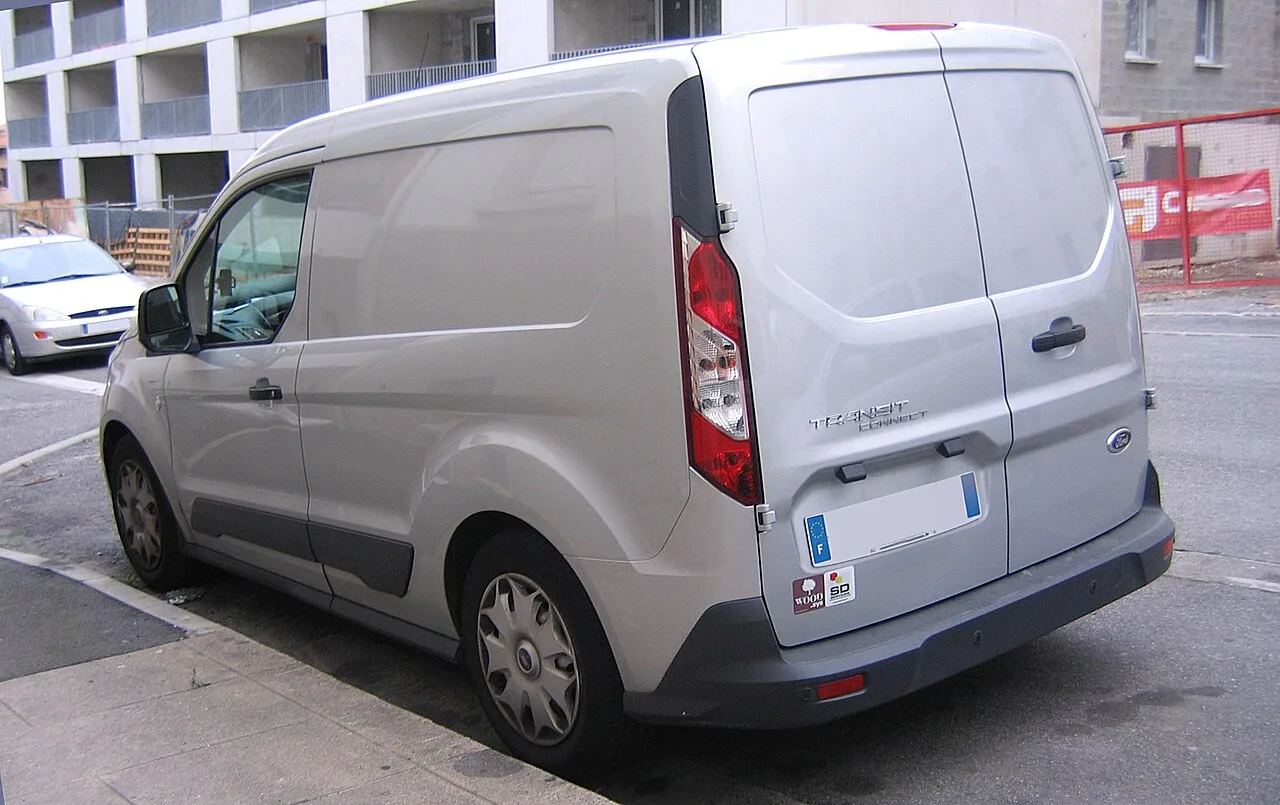
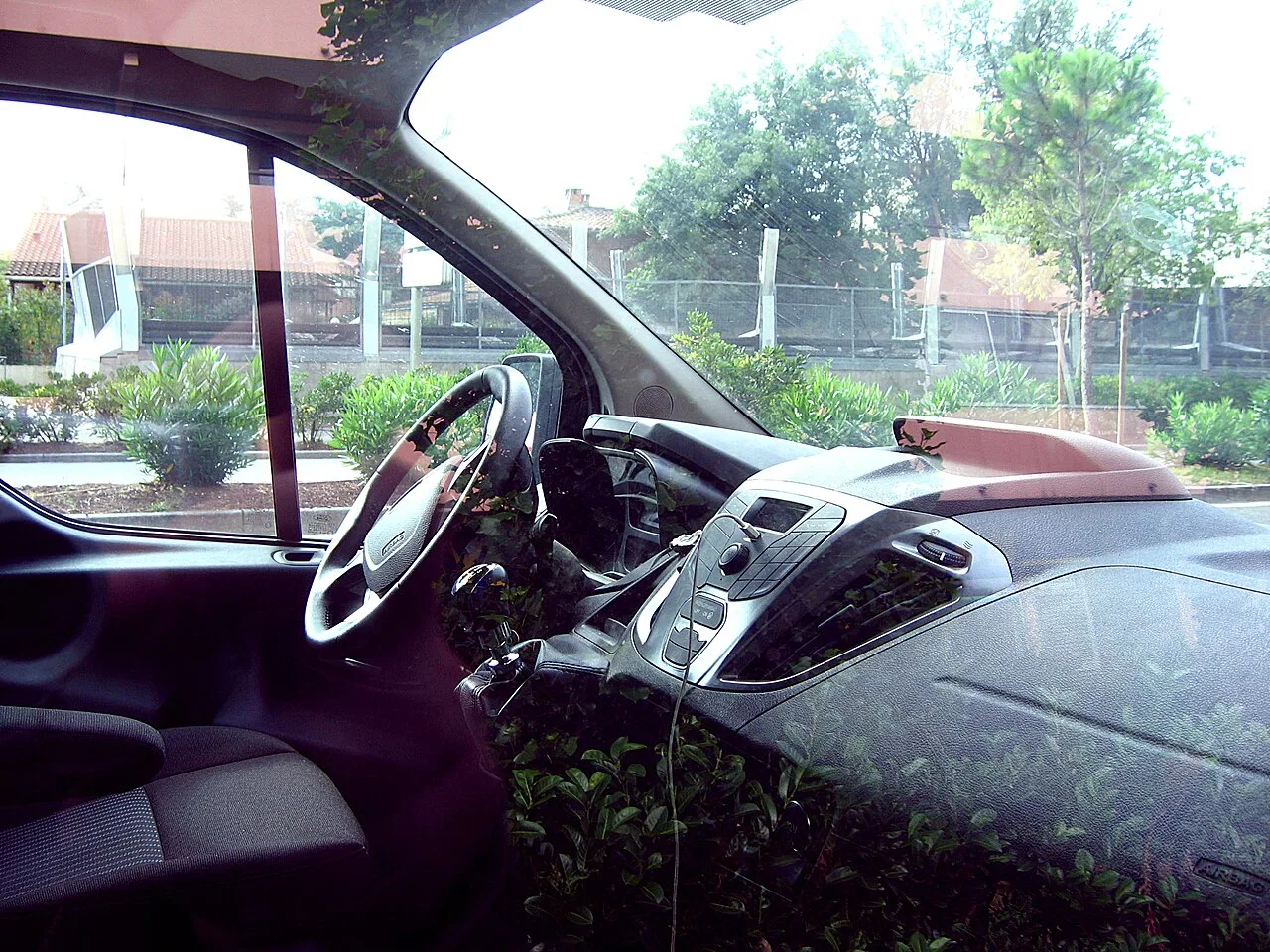

Before a single E-Transit reached a customer, Ford had already banked more than 10,000 orders from 300 commercial fleets — buyers signing on for an electric van sight unseen.
On Top Gear, Sabine Schmitz nearly lapped the Nürburgring in under ten minutes in a stripped, weight-reduced Transit van — she missed it by just eight seconds.
In 1989 its 3.0 Essex V6 gave way to the fuel-injected Cologne 2.9, largely because the Essex design was nearly 25 years old and still used a carburettor.
This Transit could be spec'd across 6 body styles, 5 engines, 32 door combinations, 6 axle ratios and up to 17 seating layouts — a mix-and-match menu so broad Ford called it unprecedented, and credited it as key to the Mk II's success.
In 1972 London's Metropolitan Police reported the Transit was used in 95 percent of bank raids — fast enough for a getaway, roomy enough for 1.75 tonnes of loot.
Rivals
Same body, same money, other badges — tap any card to flip.
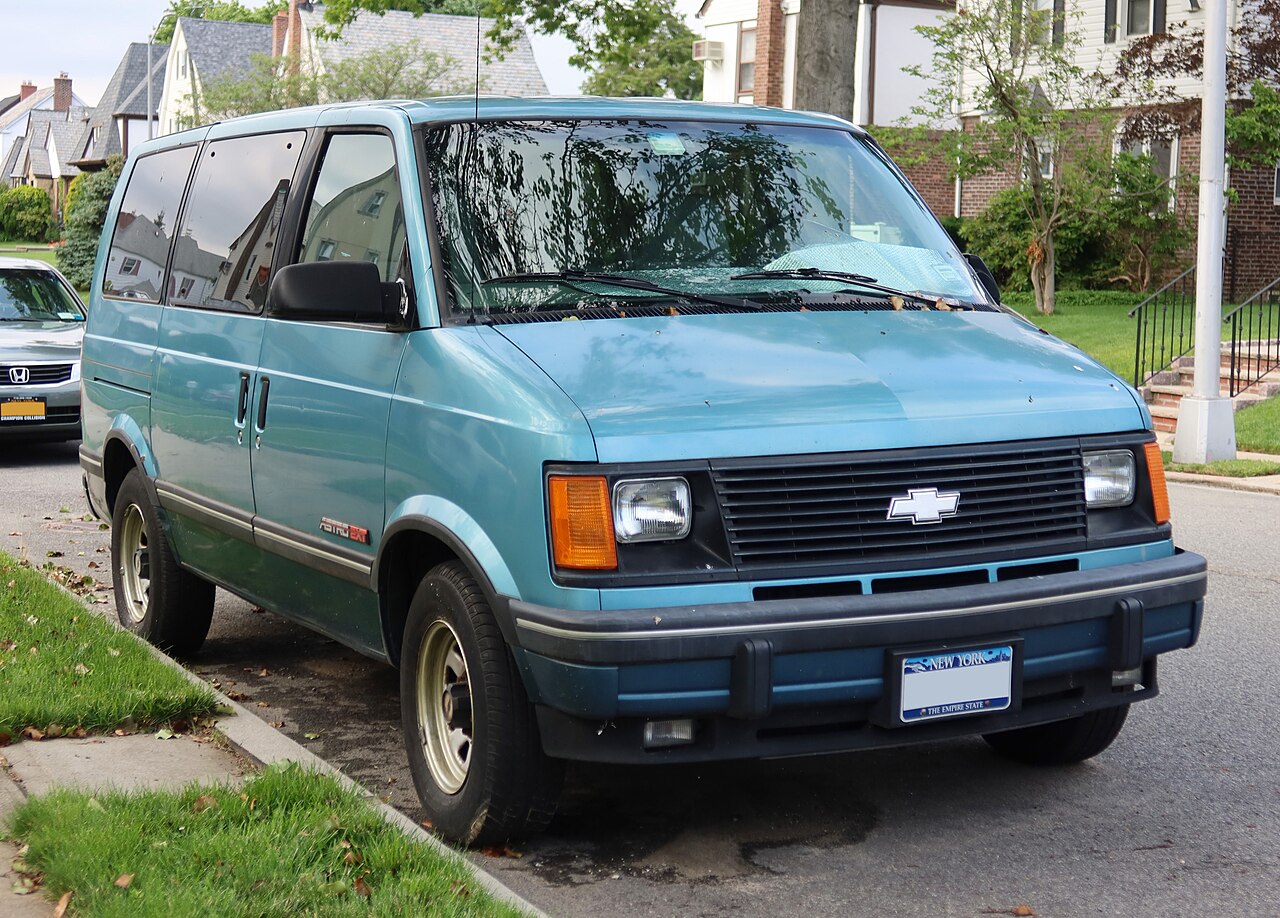
Chevy pitched the Astro as the anti-minivan, telling buyers life was too big for one, while it rode on a rear-wheel-drive truck frame.
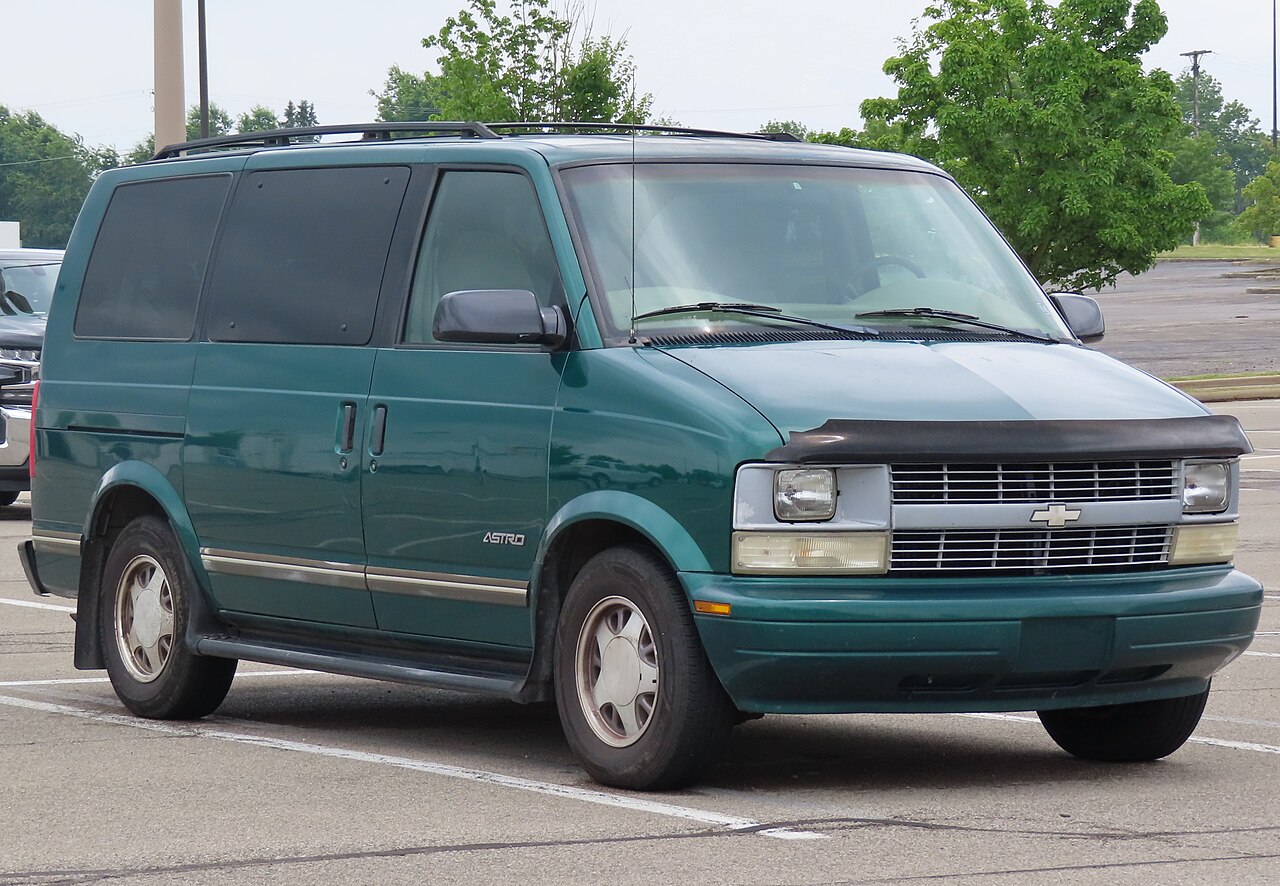
The IIHS rated the Astro Poor in a 1996 crash test, yet 2001–2004 Astros later had the lowest driver death rate of any US passenger vehicle.
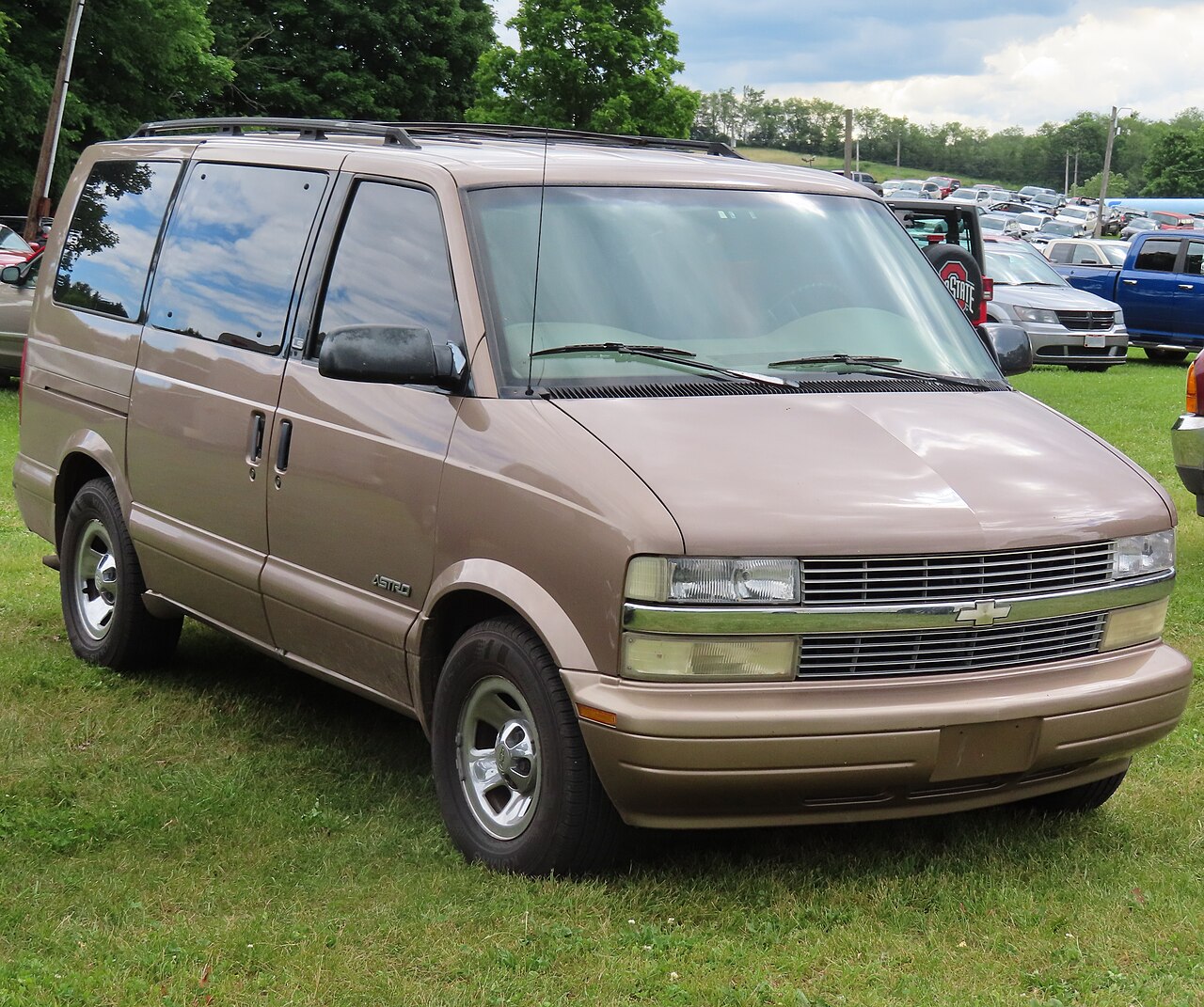
The boxy, unglamorous Astro quietly posted one of the best real-world safety records in America: IIHS found 2001-2004 models had the fewest driver deaths per million vehicles of any passenger vehicle on US roads.
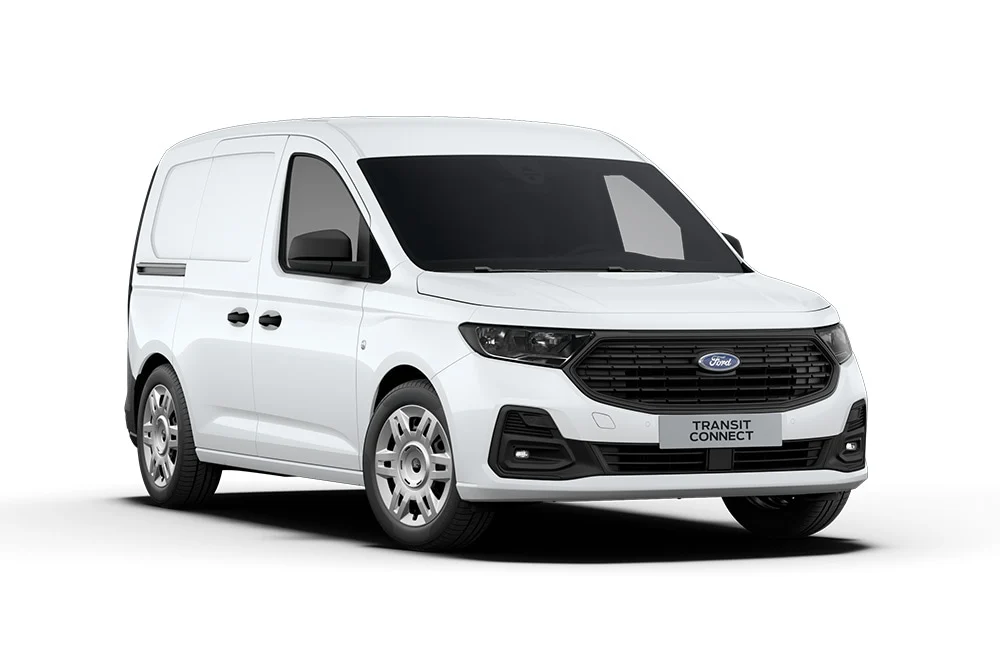
The third-generation Tourneo Connect, released in Europe in October 2021, is a rebadged fourth-generation Volkswagen Caddy, assembled by Volkswagen in Poland.
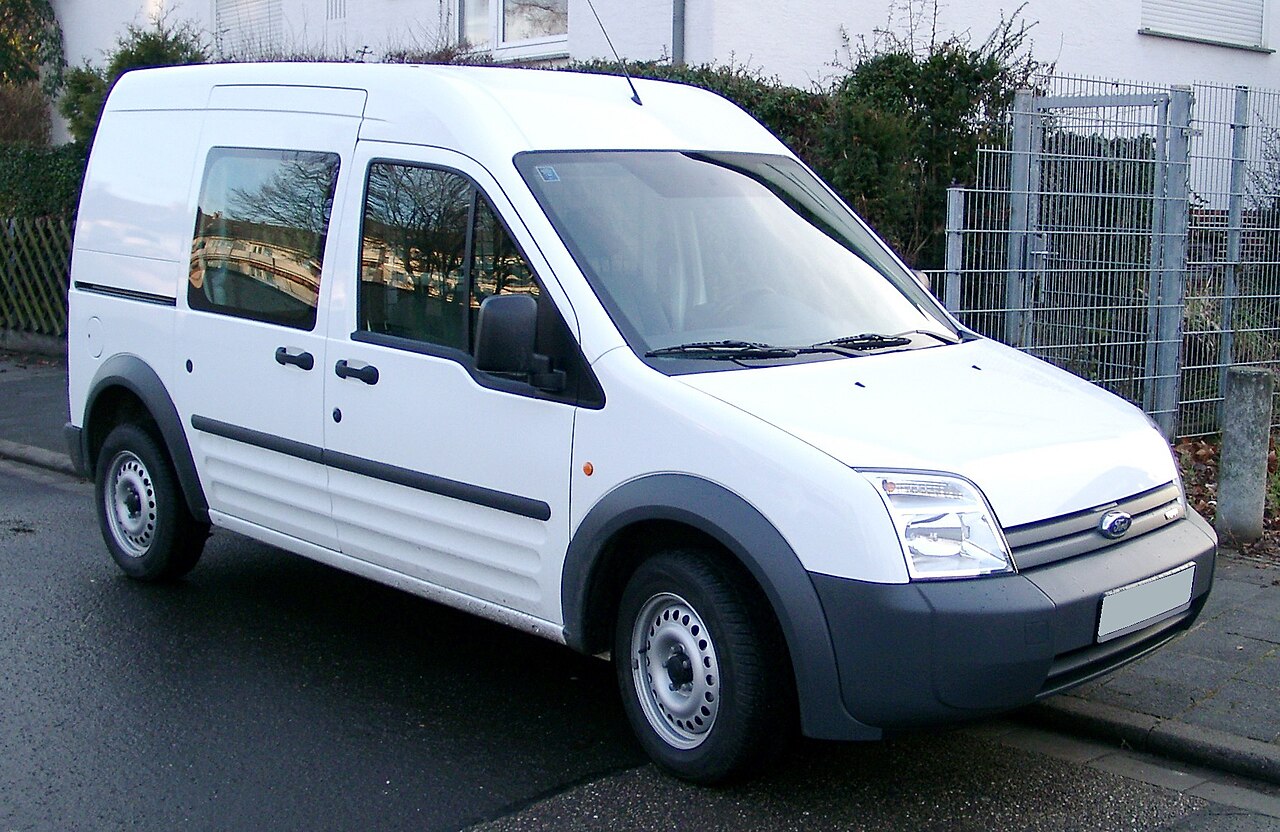
Ford beat the 25% "chicken tax" by importing the Transit Connect as a passenger van — rear windows and seats included, then stripped out and recycled once it landed in the US.
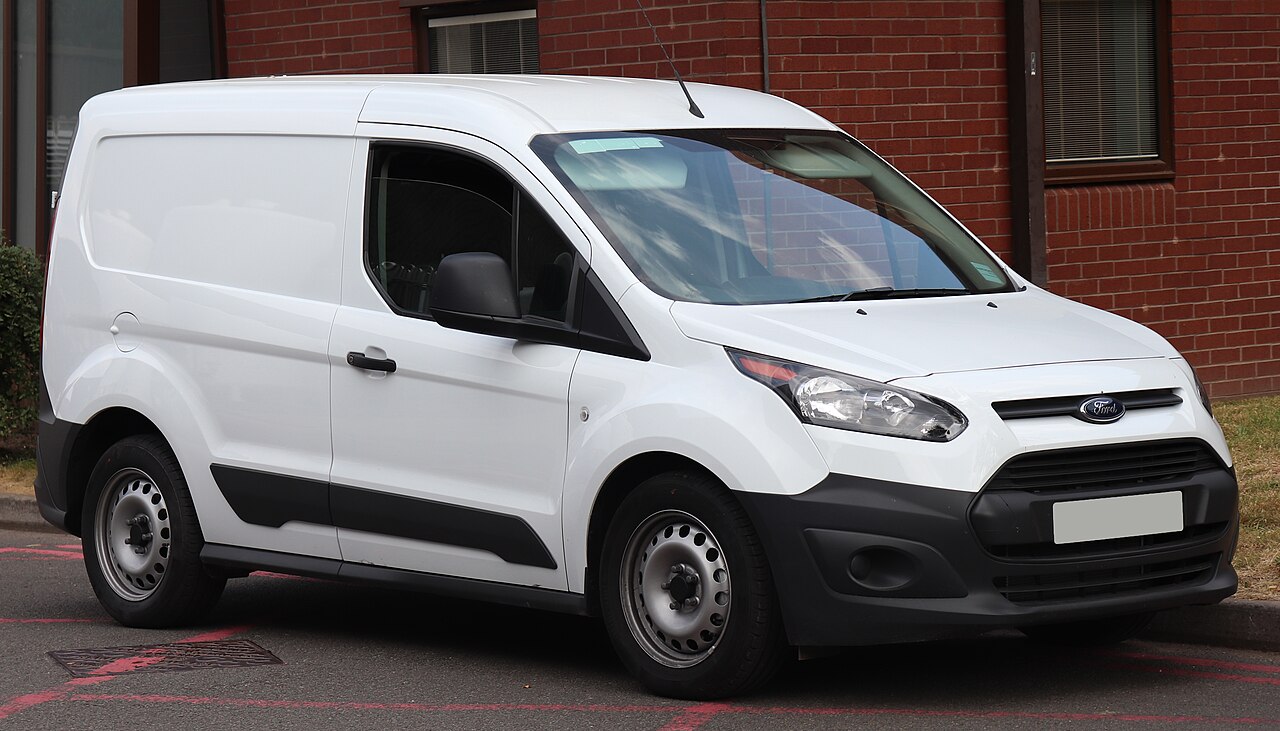
Ford spent years in federal court over the second-gen Transit Connect: in June 2019 the US won its appeal, and judges ruled the van was cargo-only — ending Ford's workaround for the 'chicken tax.'
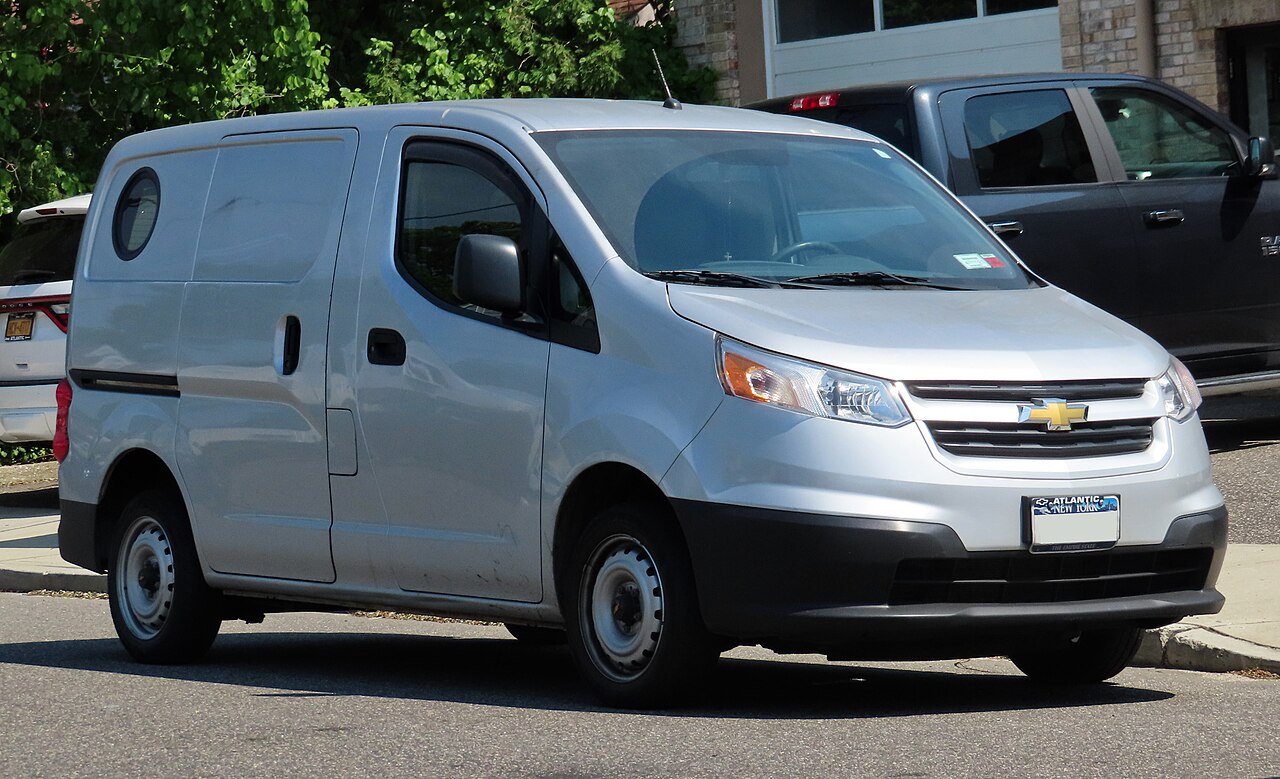
GM sold a rebadged Nissan NV200 as the Chevy City Express for four years, then killed it in 2018, citing weak sales and the fact that its parts weren't even compatible with GM's own parts catalog.
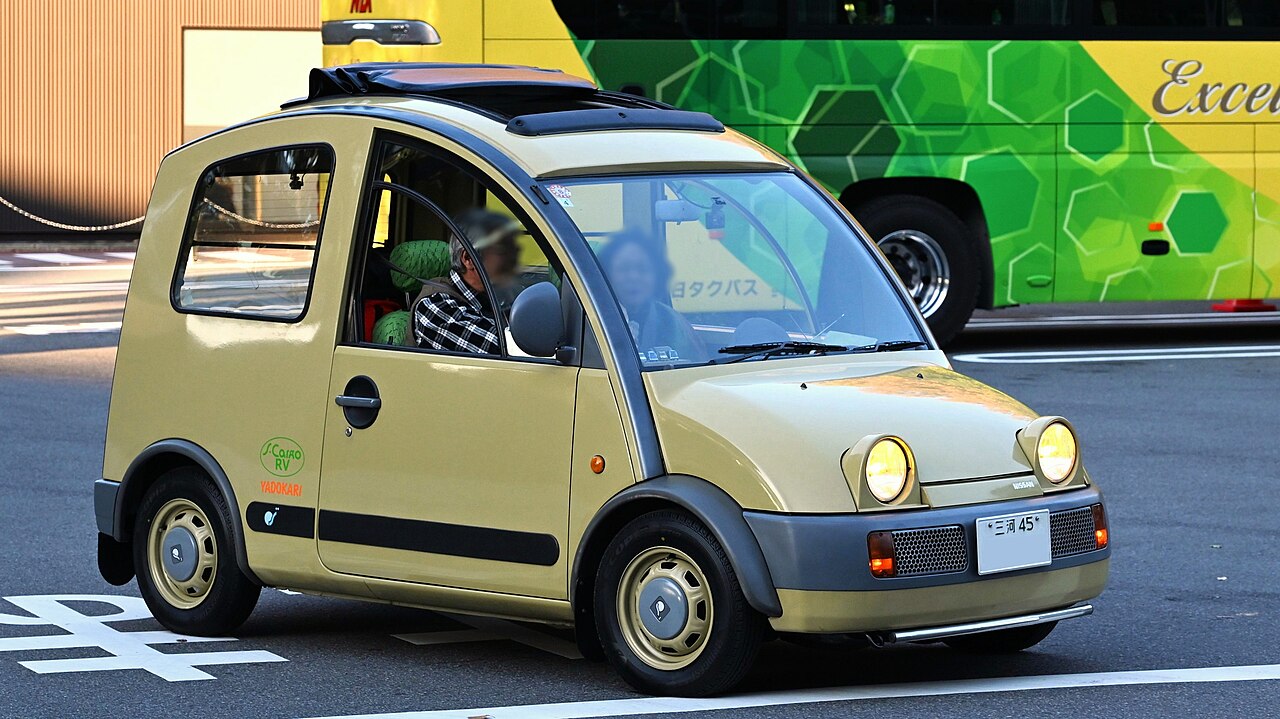
Its name is a pun: "S-Cargo" means "Small Cargo" but sounds just like escargot — French for snail, the shape the whole van was built to resemble.