On Top Gear, Sabine Schmitz nearly lapped the Nürburgring in under ten minutes in a stripped, weight-reduced Transit van — she missed it by just eight seconds.
Median 108 hp across 80 similar cars
Lead trim: Transit Mk VI/VII 2.3 Duratec petrol (145 PS) · up to 197 hp
Ford Transit Mk VI / VII2000–2014
- 0spots by members
- Unclaimednobody has spotted one yet
- 0sets it belongs to
Nobody in Burbles has spotted a Ford Transit Mk VI / VII yet. See one on the street, point the app at it, and the first card is yours — with your @handle permanently credited on this page.
FactOn Top Gear, Sabine Schmitz nearly lapped the Nürburgring in under ten minutes in a stripped, weight-reduced Transit van — she missed it by just eight seconds.
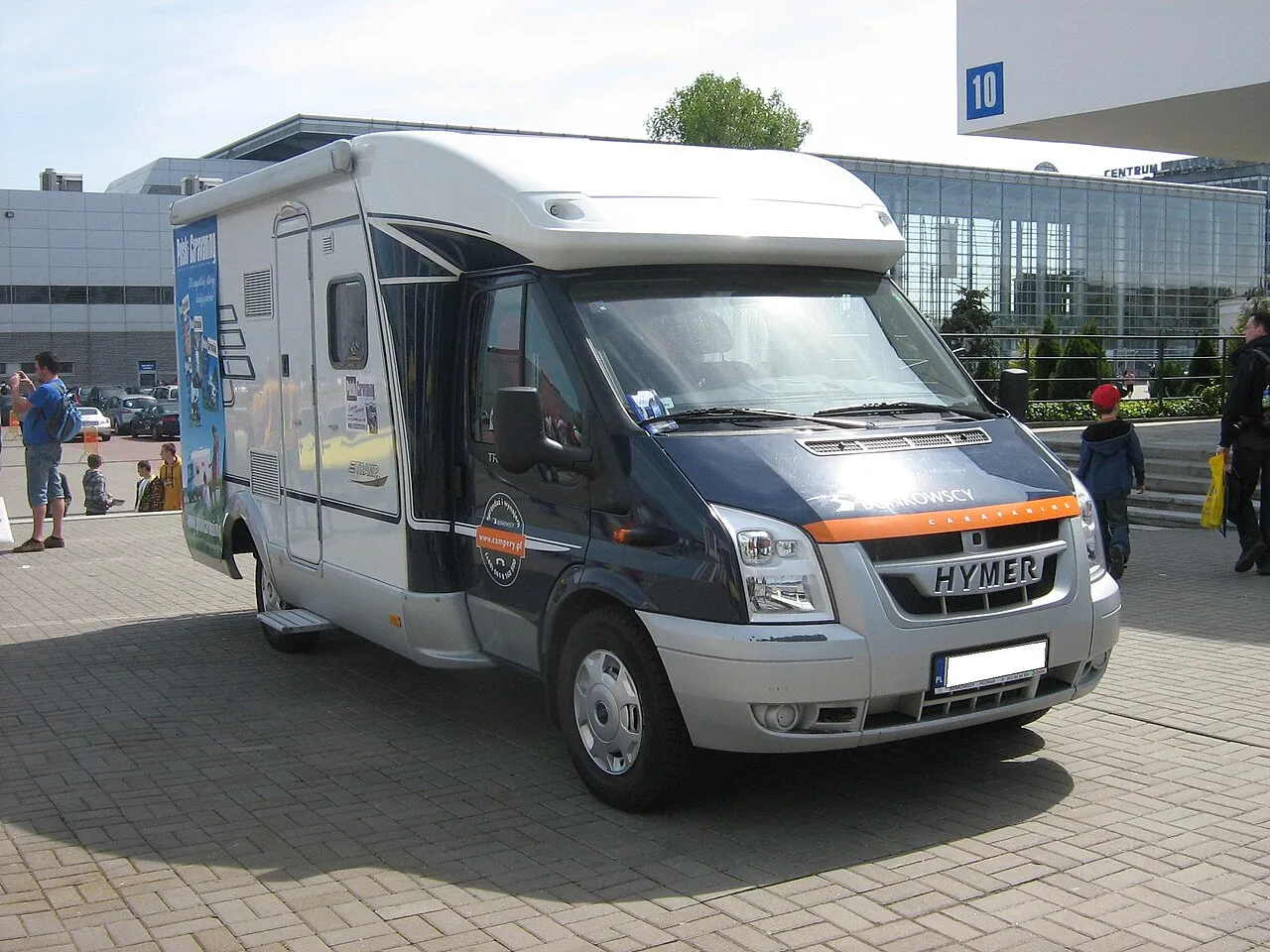
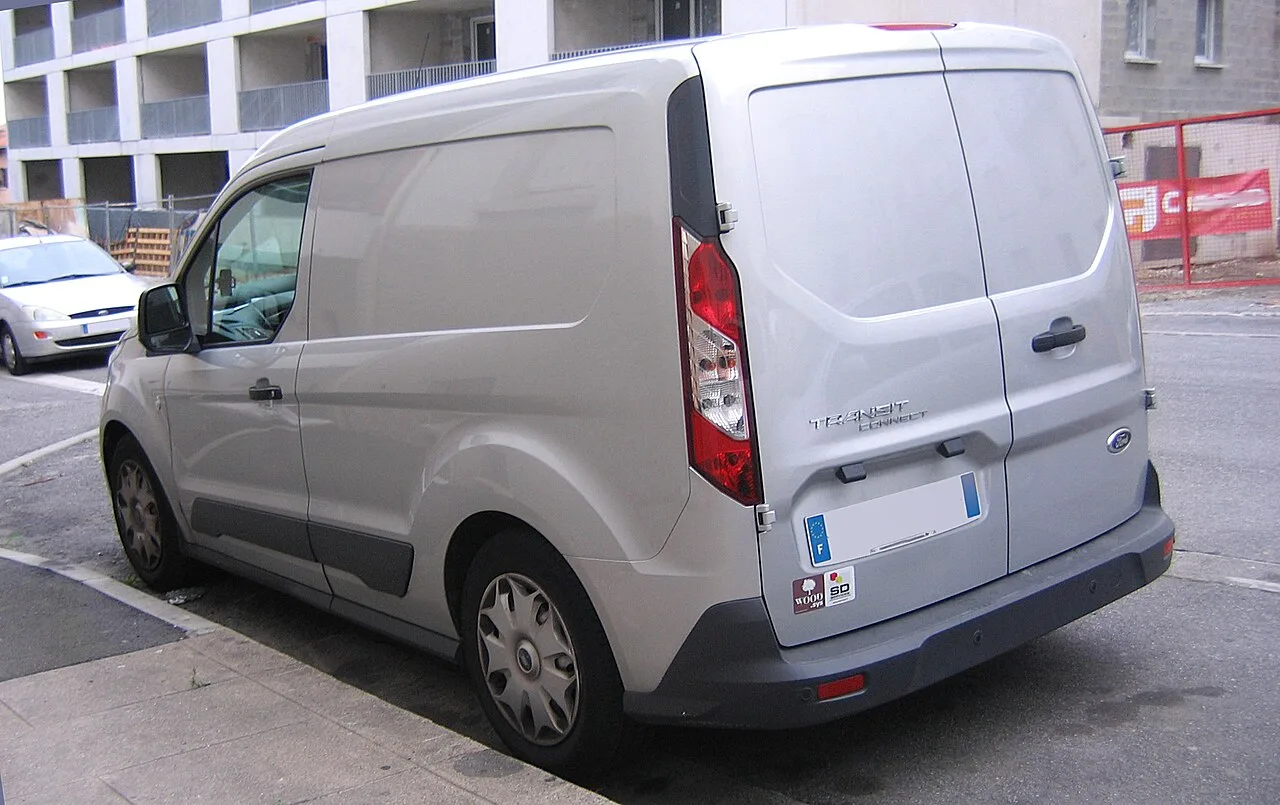
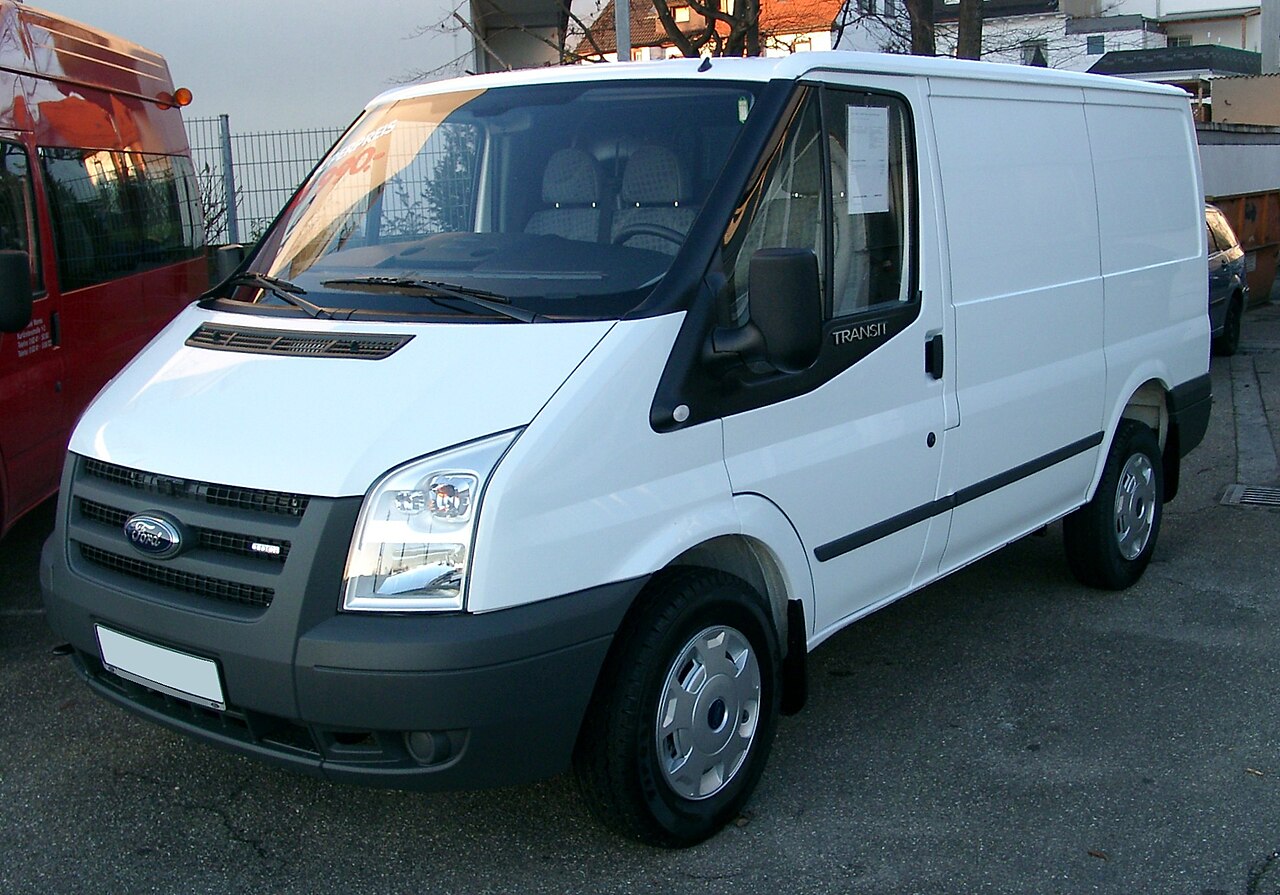
The third-generation Ford Transit (Mk VI and VII), introduced in July 2000, was the third all-new design, borrowing styling cues from Ford's "New Edge" designs such as the Focus and Ka, and developed by Ford in the United States; its main innovation was availability in either front- or rear-wheel drive (Ford codes V185 front-drive and V184 rear-drive), plus four-wheel drive. It was built at Southampton (until 2013, when the plant closed, making it the last of the British-built Transits), Gölcük (Turkey), Apchak, Kulim (Malaysia, Inokom 2014–2016), Hai Duong, Tatarstan and Nanchang (Jiangling, 2008–present in China). The model featured the "Puma"-type Duratorq turbodiesel also used in the 2000 Mondeo and Jaguar X-Type, with the petrol versions moving up to the 2.3-litre 16-valve straight-four; a rear-drive panel van with the 136 PS 2.4 Duratorq and an optional 6-speed manual was driven around the Nürburgring by Sabine Schmitz in series 6 of Top Gear in 2005. In 2002 the first high-pressure common-rail diesel arrived, the 125 PS 2.0 HPCR in the FWD; in 2004 the first RWD HPCR, the 135 PS 2.4, with the 6-speed MT-82 manual; the 2006 facelift replaced the old petrol with the engine from the Ford Ranger, the FWD diesel went from 2.0 to 2.2 litres and all diesels gained TDCi common-rail systems, with the first five-cylinder Transit in the 3.2-litre 200 PS. Mid-2006 saw a "Sport Van" (130 PS, Le Mans stripes, 18-inch alloys); late 2007 a 140 PS FWD with the VMT6 6-speed transaxle; late 2008 the 6-speed transaxle came on the 115 PS FWD and a coated diesel particulate filter option. ANCAP gave the SWB low-roof FWD variants 6.53/16 frontal offset in 2008.
Collectors Spotted in the Ford Transit Lineage
No member has published a public street spot of the Ford Transit yet — the First · Worldwide stamp is wide open.
Trims & Figures
10 published trims in the catalogue. A blank is a figure not recorded, not zero.
| Trim | Years | Engine | Power | Torque | 0–60 | Drive | Gearbox | MSRP |
|---|---|---|---|---|---|---|---|---|
| Transit Mk VI/VII 2.2 TDCi diesel (110 PS) | 2006–2008 | 2.2 L Inline-4 | 108 hp | — | — | — | — | — |
| Transit Mk VI/VII 2.2 TDCi diesel (116 PS) | 2008–2014 | 2.2 L Inline-4 | 114 hp | 221 lb-ft | — | — | — | — |
| Transit Mk VI/VII 2.2 TDCi diesel (131 PS) | 2006–2007 | 2.2 L Inline-4 | 129 hp | — | — | — | — | — |
| Transit Mk VI/VII 2.2 TDCi diesel (140 PS) | 2007–2014 | 2.2 L Inline-4 | 138 hp | 258 lb-ft | — | — | — | — |
| Transit Mk VI/VII 2.2 TDCi diesel (86 PS) | 2006–2014 | 2.2 L Inline-4 | 85 hp | 184 lb-ft | — | — | — | — |
| Transit Mk VI/VII 2.3 Duratec petrol (145 PS) | 2006–2014 | 2.3 L Inline-4 | 143 hp | — | — | — | — | — |
| Transit Mk VI/VII 2.4 TDCi diesel (101 PS) | 2006–2014 | 2.4 L Inline-4 | 100 hp | 210 lb-ft | — | — | — | — |
| Transit Mk VI/VII 2.4 TDCi diesel (116 PS) | 2006–2014 | 2.4 L Inline-4 | 114 hp | 229 lb-ft | — | — | — | — |
| Transit Mk VI/VII 2.4 TDCi diesel (140 PS) | 2006–2014 | 2.4 L Inline-4 | 138 hp | 277 lb-ft | — | — | — | — |
| Transit Mk VI/VII 3.2 TDCi five-cylinder diesel (200 PS) | 2007–2014 | 3.2 L Inline-5 | 197 hp | 347 lb-ft | — | — | — | — |
Owning one
An estimate, for the Transit Mk VI/VII 2.2 TDCi diesel (110 PS) trim: fuel on its EPA figure and a dated national price, upkeep on a per-mile average for the kind of car it is.
Owners’ builds
Nobody has claimed one yet.
Photographs
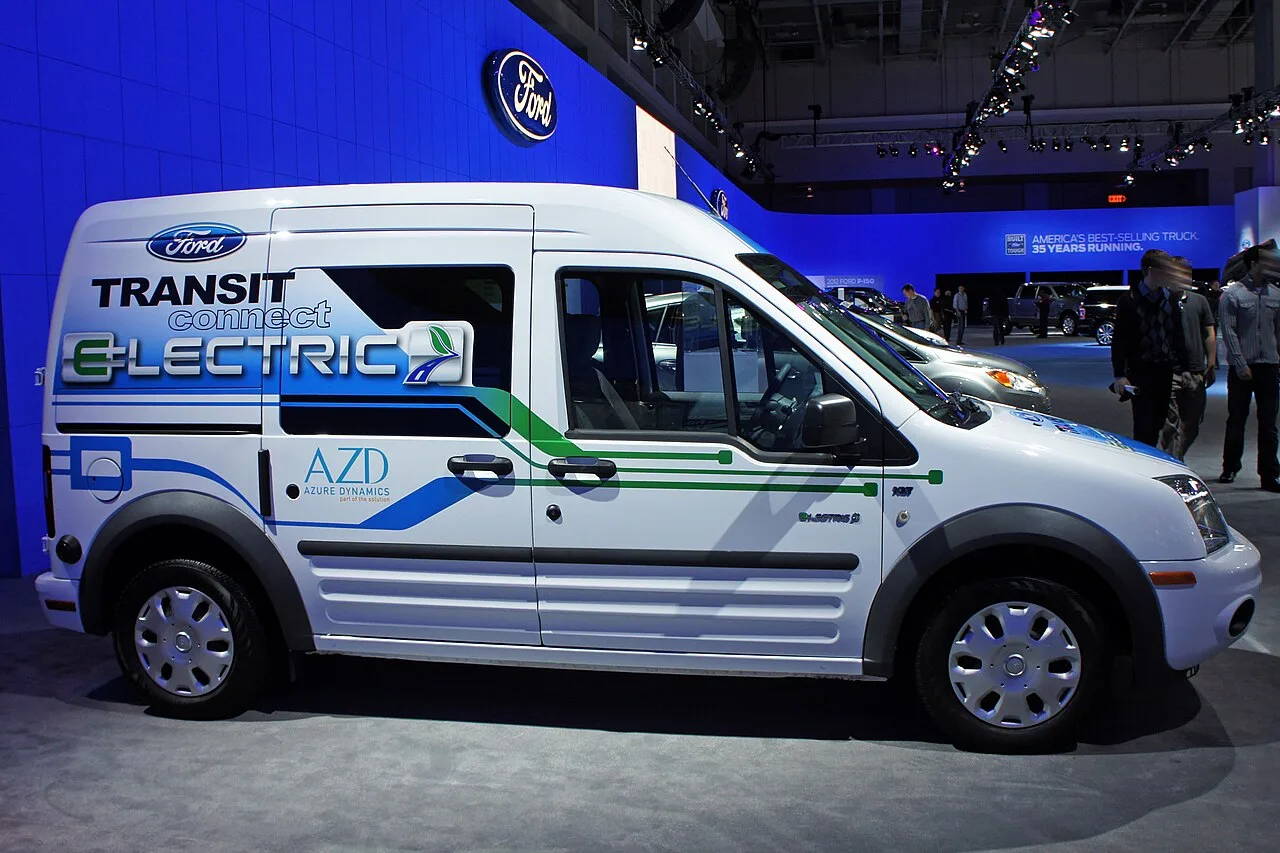

Before a single E-Transit reached a customer, Ford had already banked more than 10,000 orders from 300 commercial fleets — buyers signing on for an electric van sight unseen.
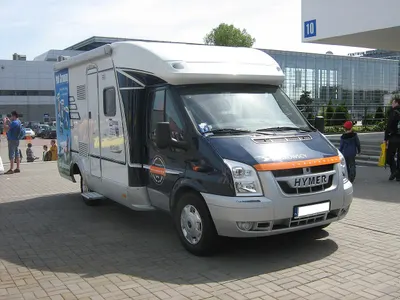
On Top Gear, Sabine Schmitz nearly lapped the Nürburgring in under ten minutes in a stripped, weight-reduced Transit van — she missed it by just eight seconds.
In 1989 its 3.0 Essex V6 gave way to the fuel-injected Cologne 2.9, largely because the Essex design was nearly 25 years old and still used a carburettor.
This Transit could be spec'd across 6 body styles, 5 engines, 32 door combinations, 6 axle ratios and up to 17 seating layouts — a mix-and-match menu so broad Ford called it unprecedented, and credited it as key to the Mk II's success.
In 1972 London's Metropolitan Police reported the Transit was used in 95 percent of bank raids — fast enough for a getaway, roomy enough for 1.75 tonnes of loot.
Rivals
Same body, same money, other badges — tap any card to flip.
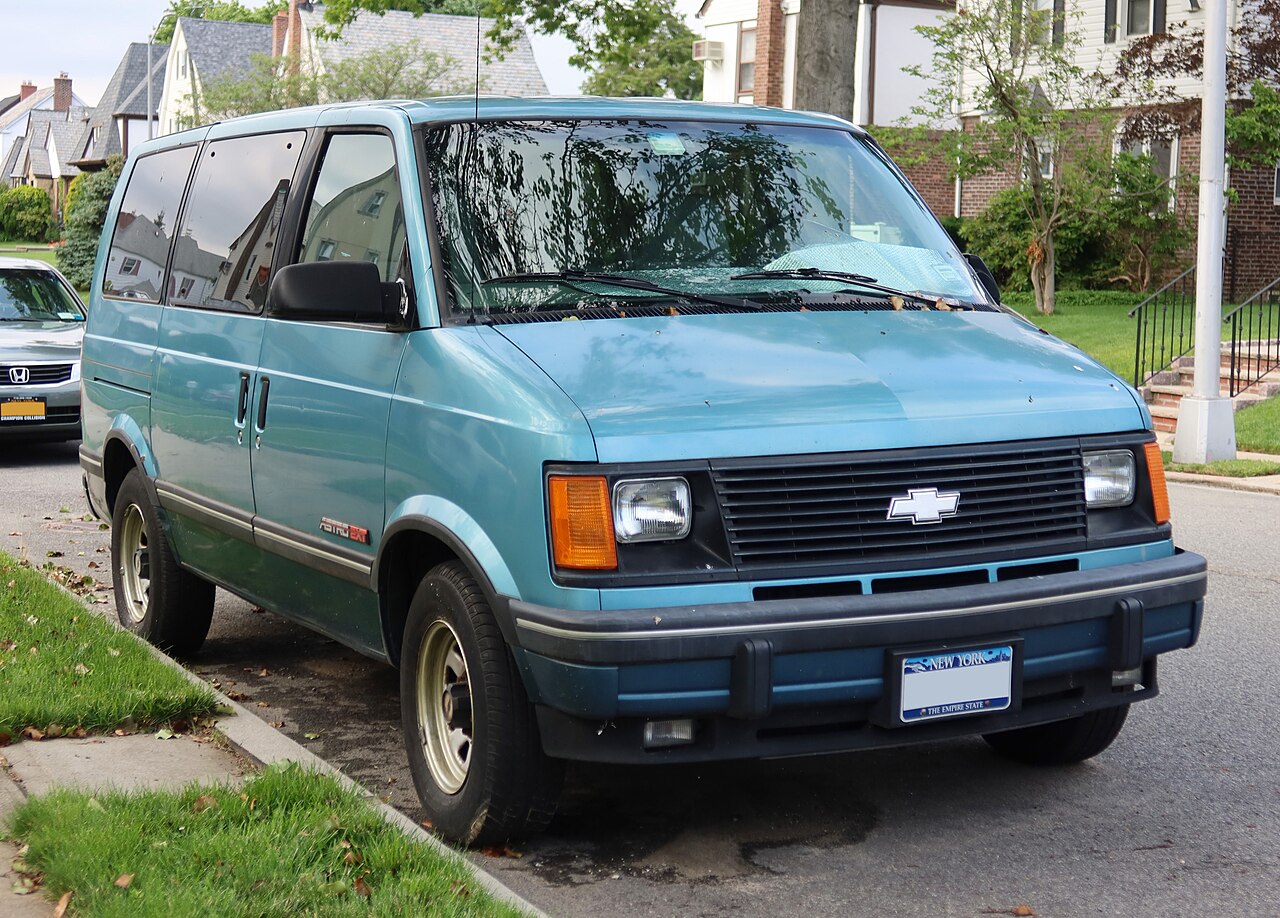
Chevy pitched the Astro as the anti-minivan, telling buyers life was too big for one, while it rode on a rear-wheel-drive truck frame.
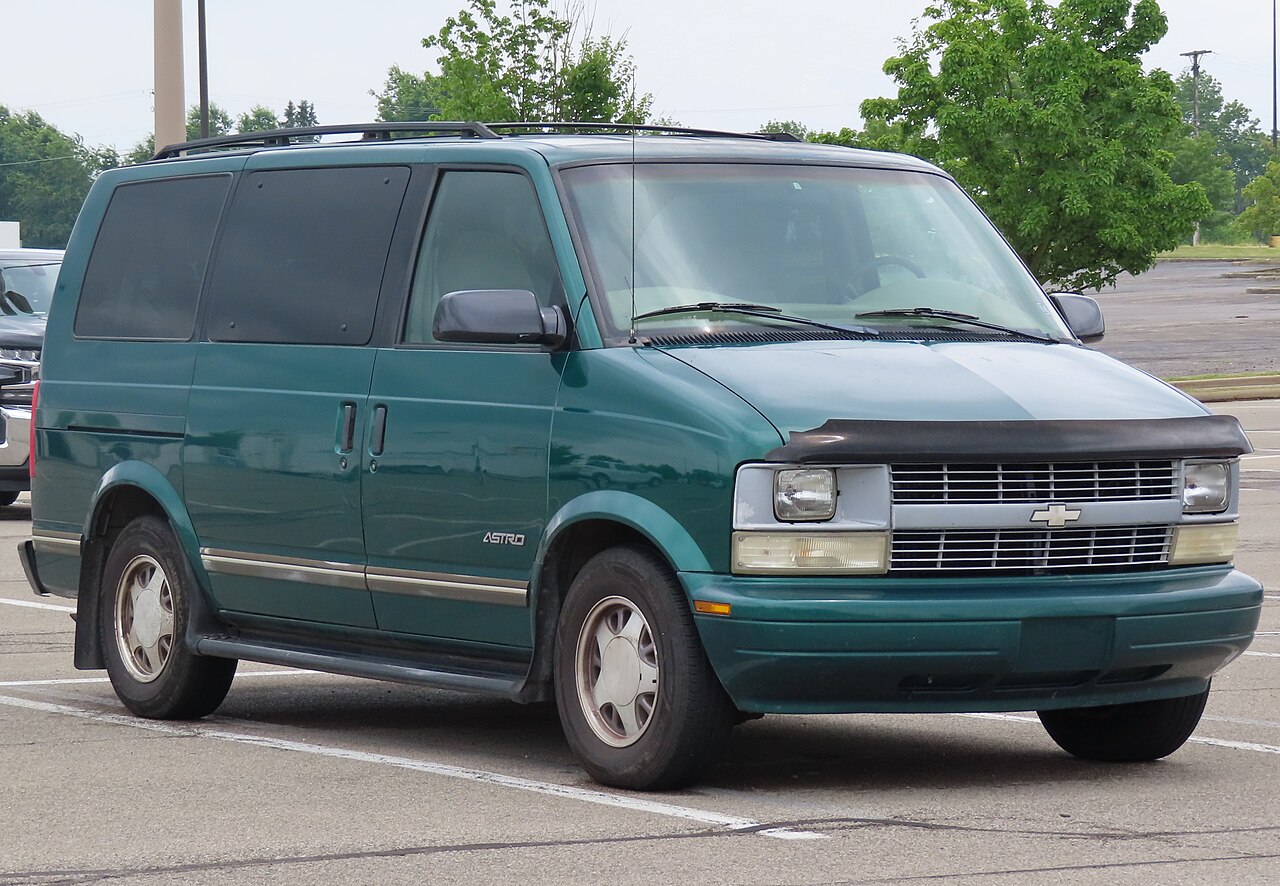
The IIHS rated the Astro Poor in a 1996 crash test, yet 2001–2004 Astros later had the lowest driver death rate of any US passenger vehicle.
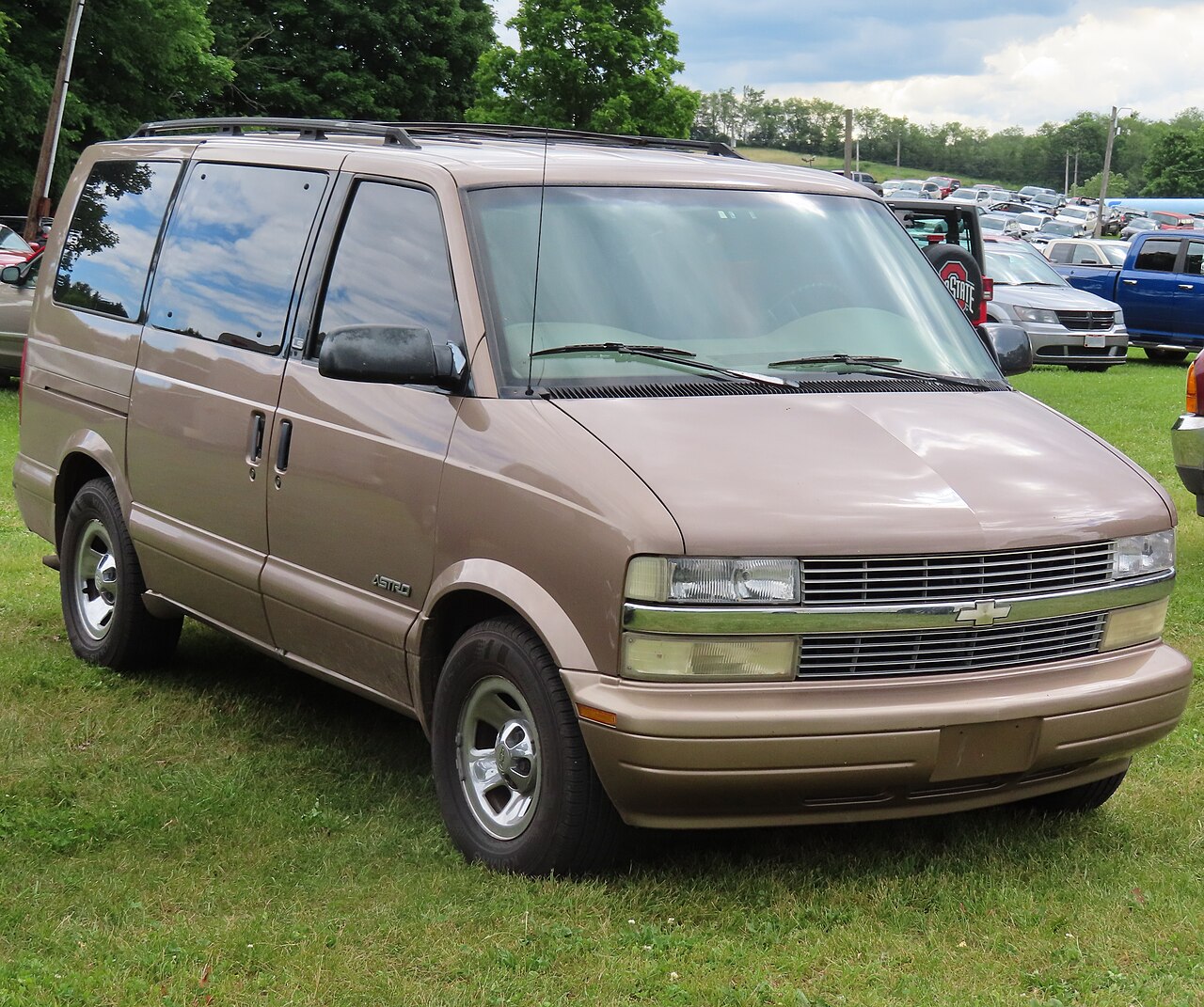
The boxy, unglamorous Astro quietly posted one of the best real-world safety records in America: IIHS found 2001-2004 models had the fewest driver deaths per million vehicles of any passenger vehicle on US roads.
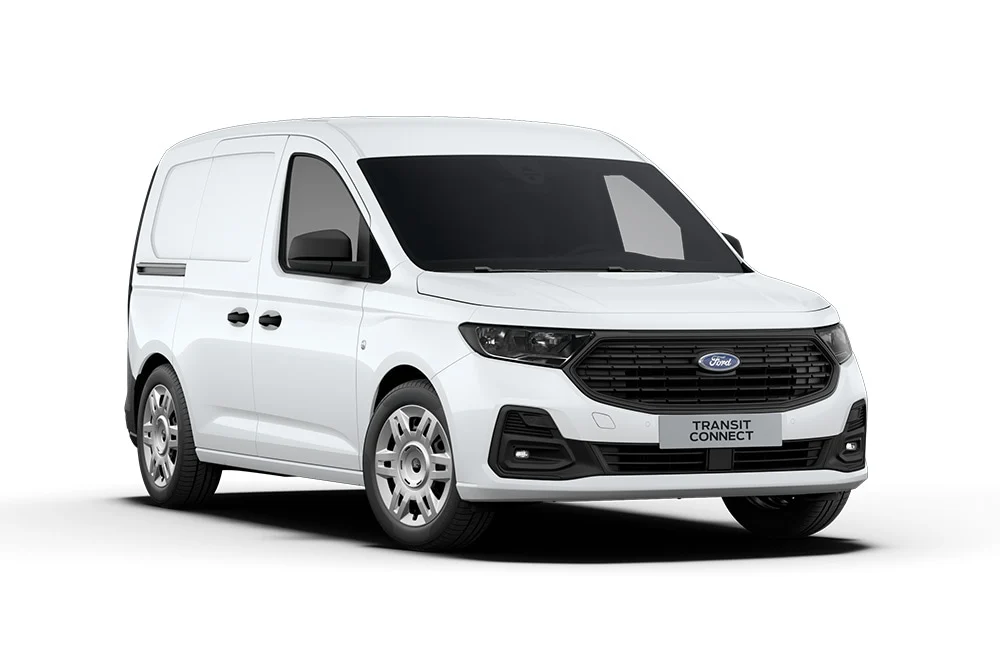
The third-generation Tourneo Connect, released in Europe in October 2021, is a rebadged fourth-generation Volkswagen Caddy, assembled by Volkswagen in Poland.
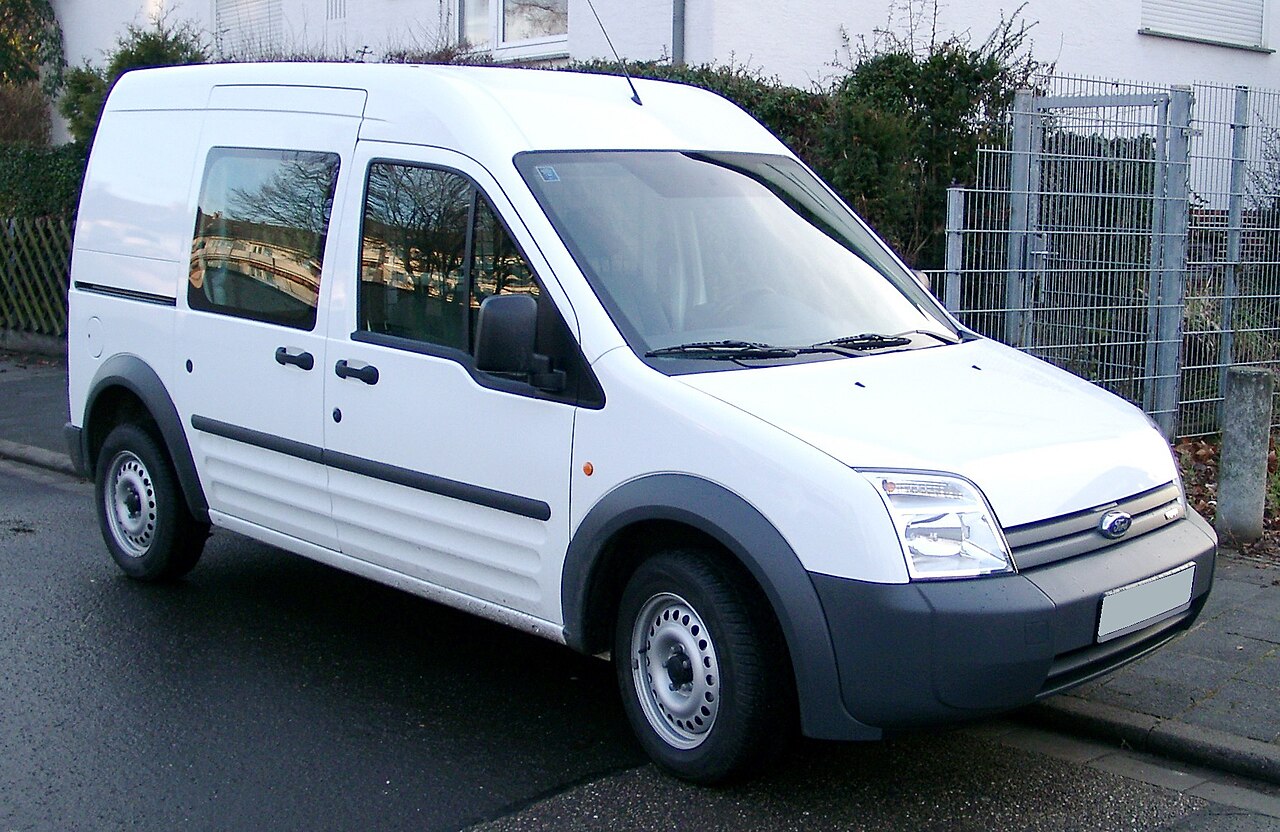
Ford beat the 25% "chicken tax" by importing the Transit Connect as a passenger van — rear windows and seats included, then stripped out and recycled once it landed in the US.
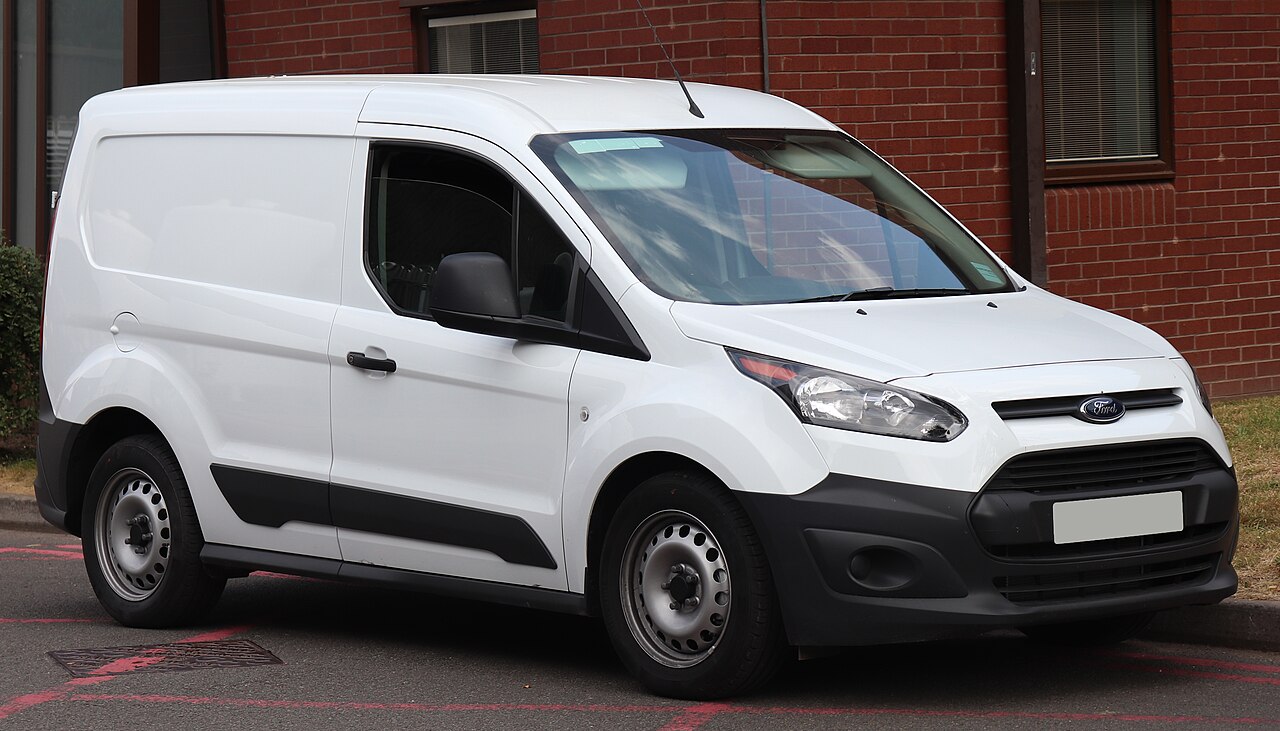
Ford spent years in federal court over the second-gen Transit Connect: in June 2019 the US won its appeal, and judges ruled the van was cargo-only — ending Ford's workaround for the 'chicken tax.'
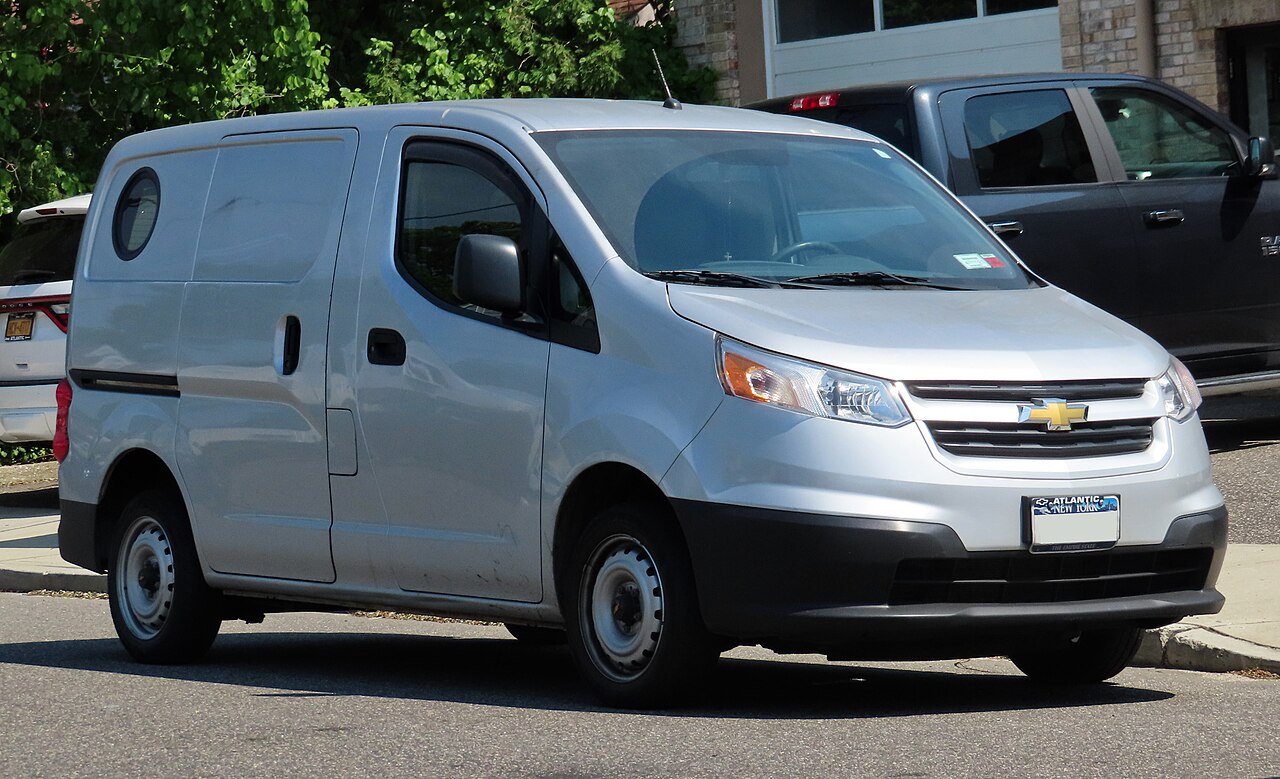
GM sold a rebadged Nissan NV200 as the Chevy City Express for four years, then killed it in 2018, citing weak sales and the fact that its parts weren't even compatible with GM's own parts catalog.
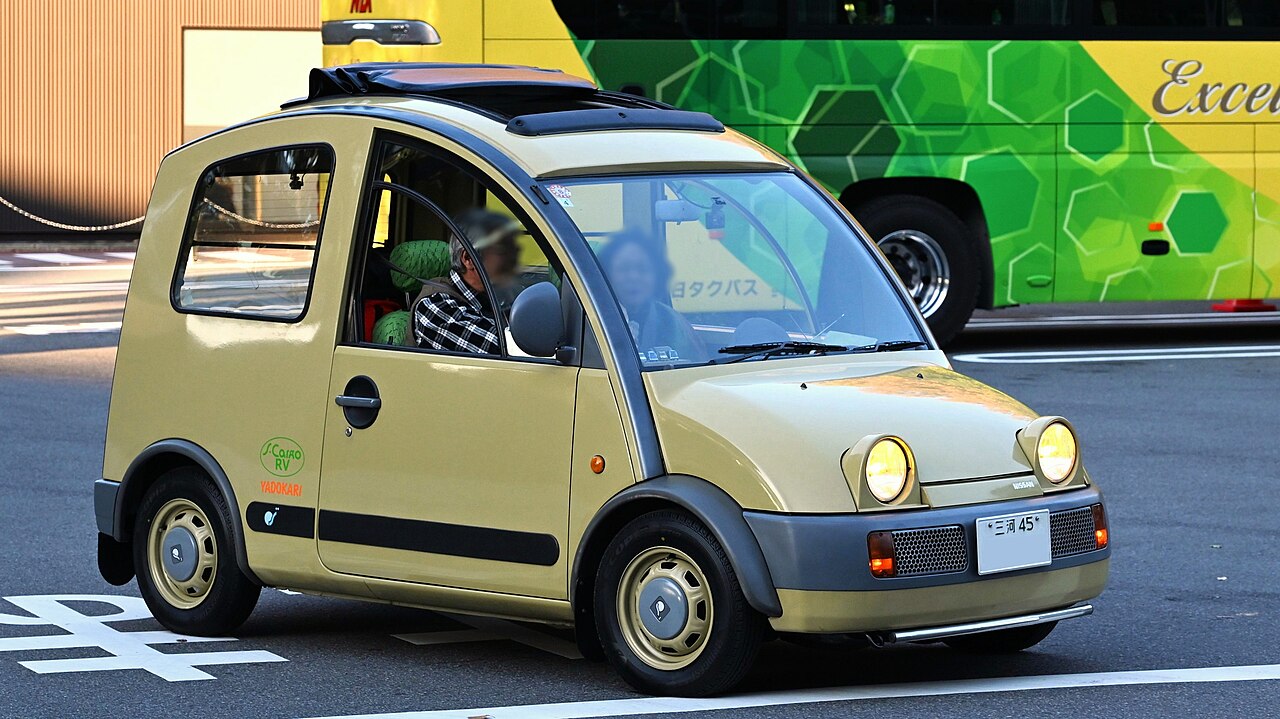
Its name is a pun: "S-Cargo" means "Small Cargo" but sounds just like escargot — French for snail, the shape the whole van was built to resemble.