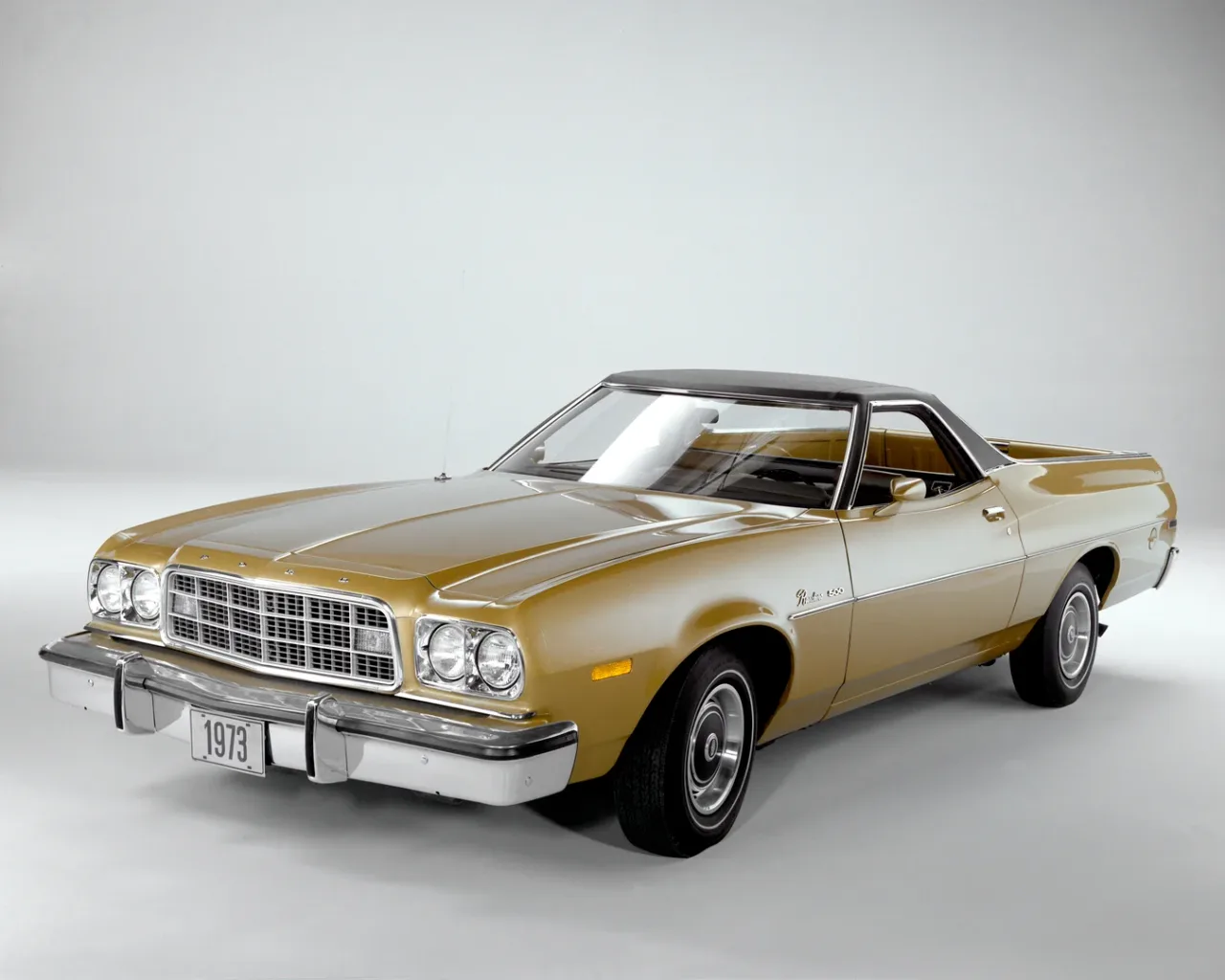
The Ranchero was the first postwar American car-based pickup from a factory, and 508,355 were built.
Lead trim: 460 V8
Ford Ranchero sixth generation1972–1976
- 0spots by members
- Unclaimednobody has spotted one yet
- 0sets it belongs to
Nobody in Burbles has spotted a Ford Ranchero sixth generation yet. See one on the street, point the app at it, and the first card is yours — with your @handle permanently credited on this page.
FactThe Ranchero was the first postwar American car-based pickup from a factory, and 508,355 were built.
For 1972 the Ranchero followed the Torino onto a larger, heavier body-on-frame design with a wide semi-oval grille. Three models were offered: the standard 500, the Squire with simulated woodgrain panelling, and the sporty GT. Engines began with the 250 cu in six and ran through 302, 351 and the new 400 V8s, with the 385-series V8 still available as the 429 for 1972–73 and the 460 for 1974–76. It was built at Lorain, Ohio, and Atlanta, Georgia.
Collectors Spotted in the Ford Ranchero Lineage
No member has published a public street spot of the Ford Ranchero yet — the First · Worldwide stamp is wide open.
Trims & Figures
5 published trims in the catalogue. A blank is a figure not recorded, not zero.
| Trim | Years | Engine | Power | Torque | 0–60 | Drive | Gearbox | MSRP |
|---|---|---|---|---|---|---|---|---|
| 250 I6 | 1972–1976 | 4.1 L I6 | — | — | — | RWD | — | — |
| 302 V8 | 1972–1976 | 4.9 L V8 | — | — | — | RWD | — | — |
| 351 V8 | 1972–1976 | 5.8 L V8 | — | — | — | RWD | — | — |
| 400 V8 | 1972–1976 | 6.6 L V8 | — | — | — | RWD | — | — |
| 460 V8 | 1974–1976 | 7.5 L V8 | — | — | — | RWD | — | — |
Owning one
An estimate, for the 250 I6 trim: fuel on its EPA figure and a dated national price, upkeep on a per-mile average for the kind of car it is.
Owners’ builds
Nobody has claimed one yet.
Photographs
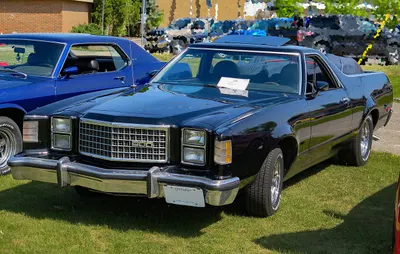
Owners often swap its nose for the front clip of a Cougar, Elite or Thunderbird of the era, because the parts interchange and bolt straight on.
The Ranchero was the first postwar American car-based pickup from a factory, and 508,355 were built.
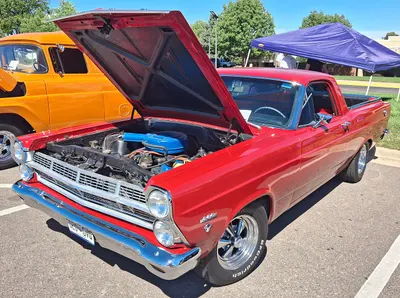
The 1966 Ranchero was a parts-bin hybrid — built on Falcon sheet metal and trim, except for the last cars of the model year, which switched to Fairlane's front end mid-production.
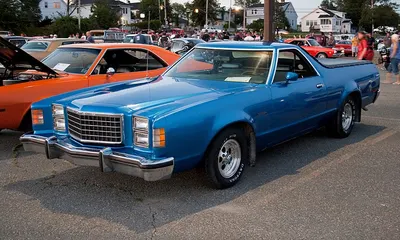
Ford built this Ranchero on the compact Falcon platform to chase small-car buyers — yet it still carried an 800-lb payload rating.
Rivals
Same body, same money, other badges — tap any card to flip.
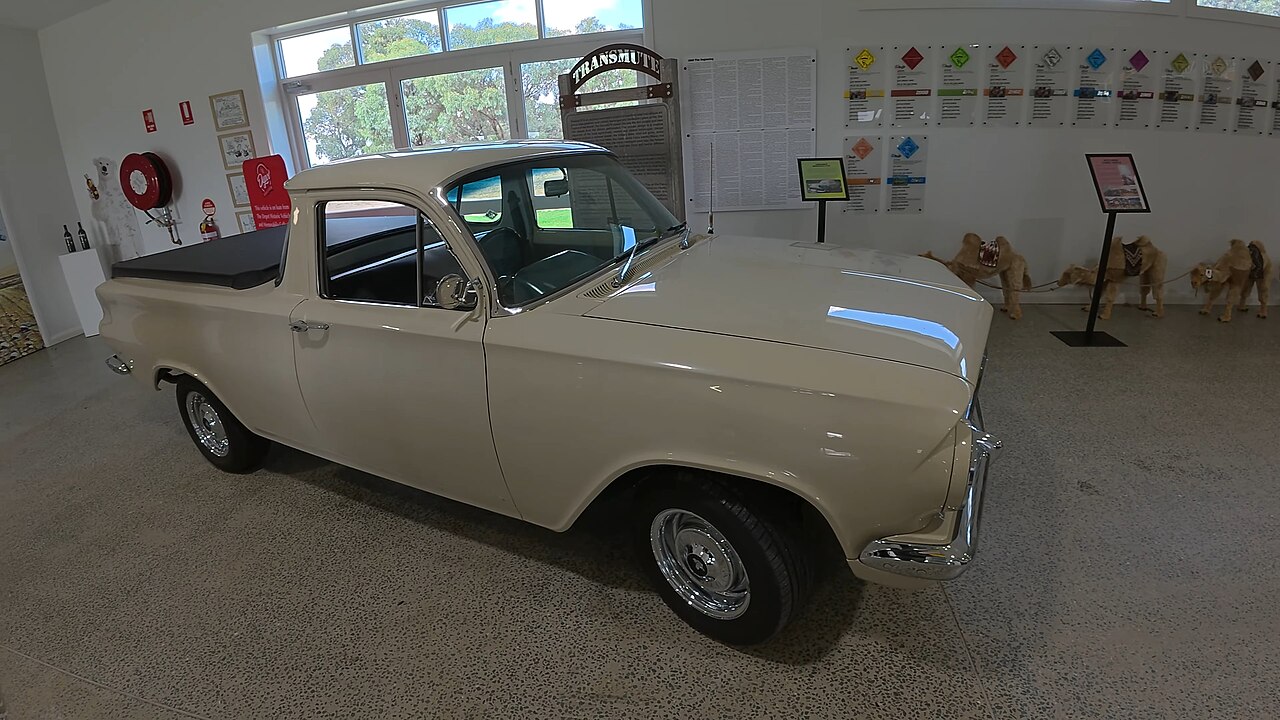
Holden killed its ute in 1984, then resurrected it in 1990 on a Commodore floorpan after a six-year gap.
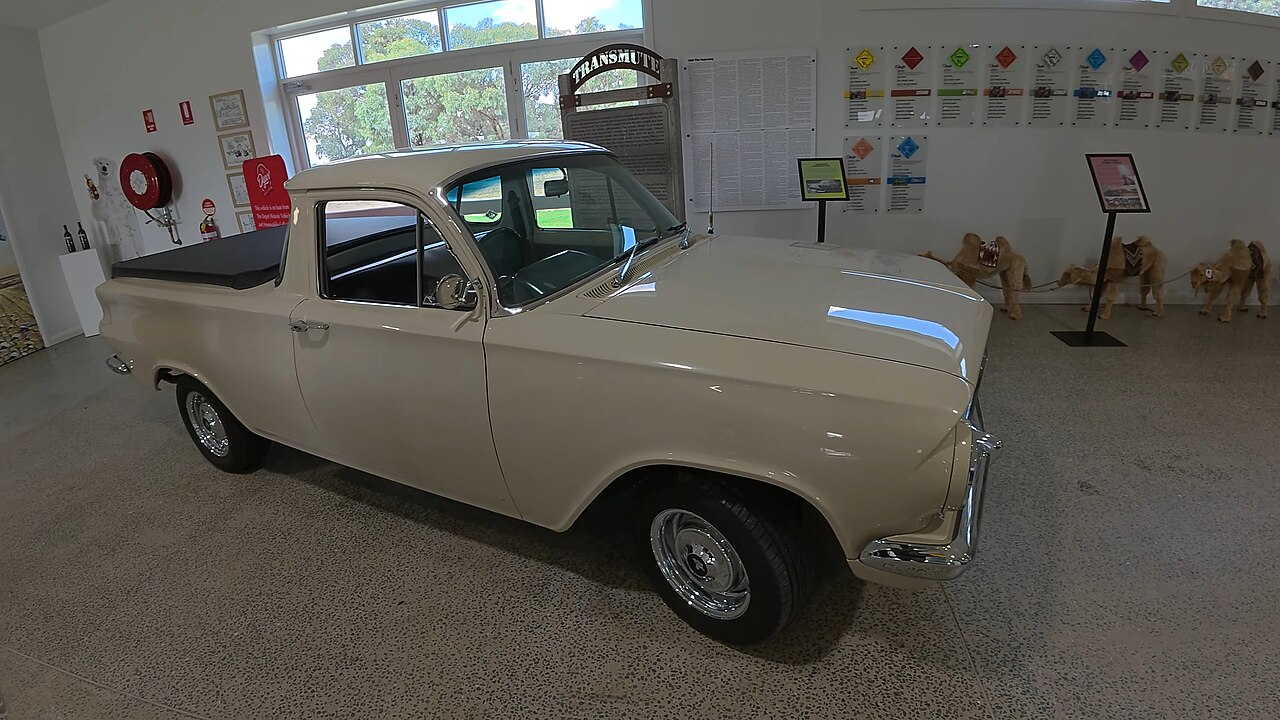
Holden's 1960 FB was a modest facelift with one first: it was the first Holden ever built in left-hand drive, built specifically to chase export markets.
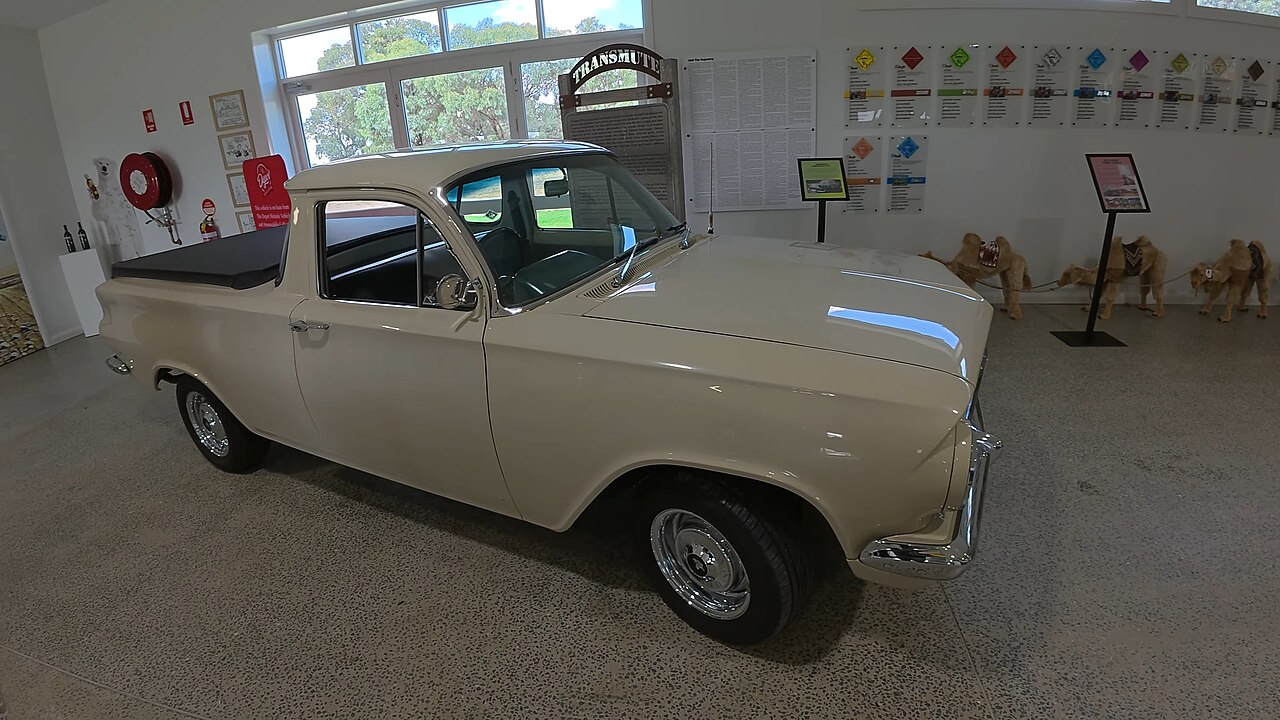
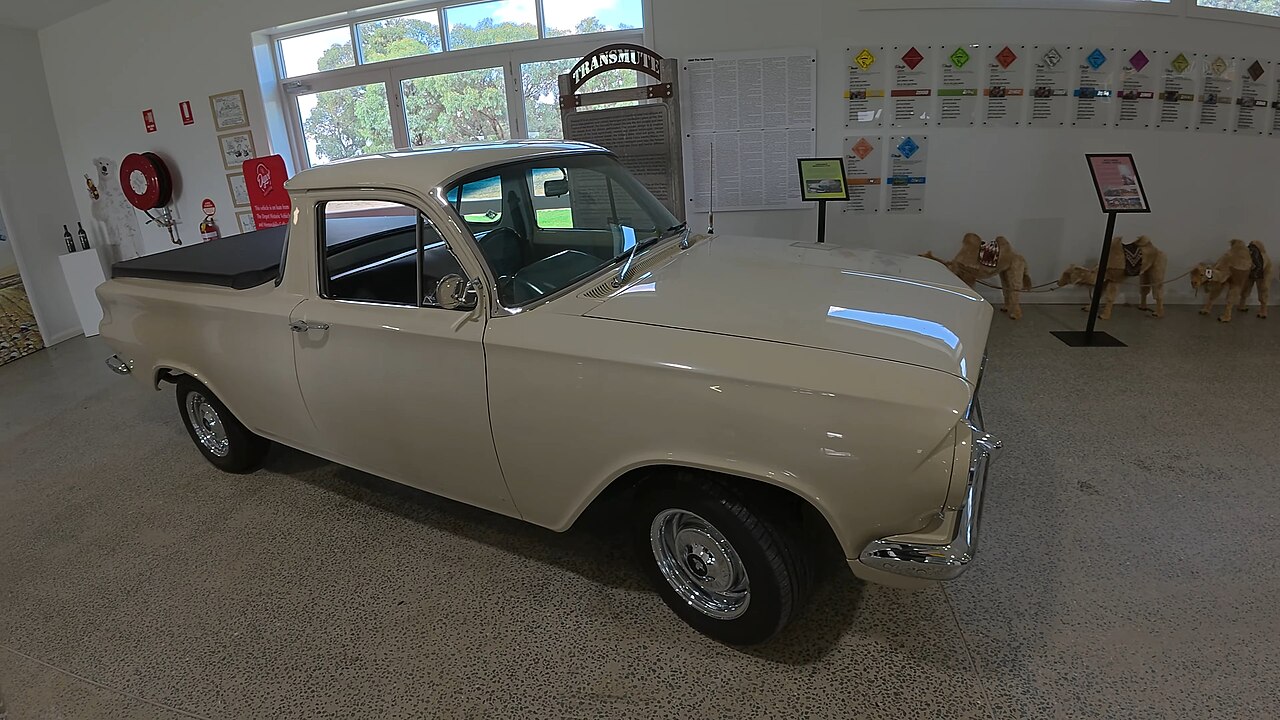
Holden's first home-grown ute could barely haul 360 kg — about one strong adult and an esky of beer — a fraction of what a modern ute carries, yet it put Holden in the work-truck business for good.
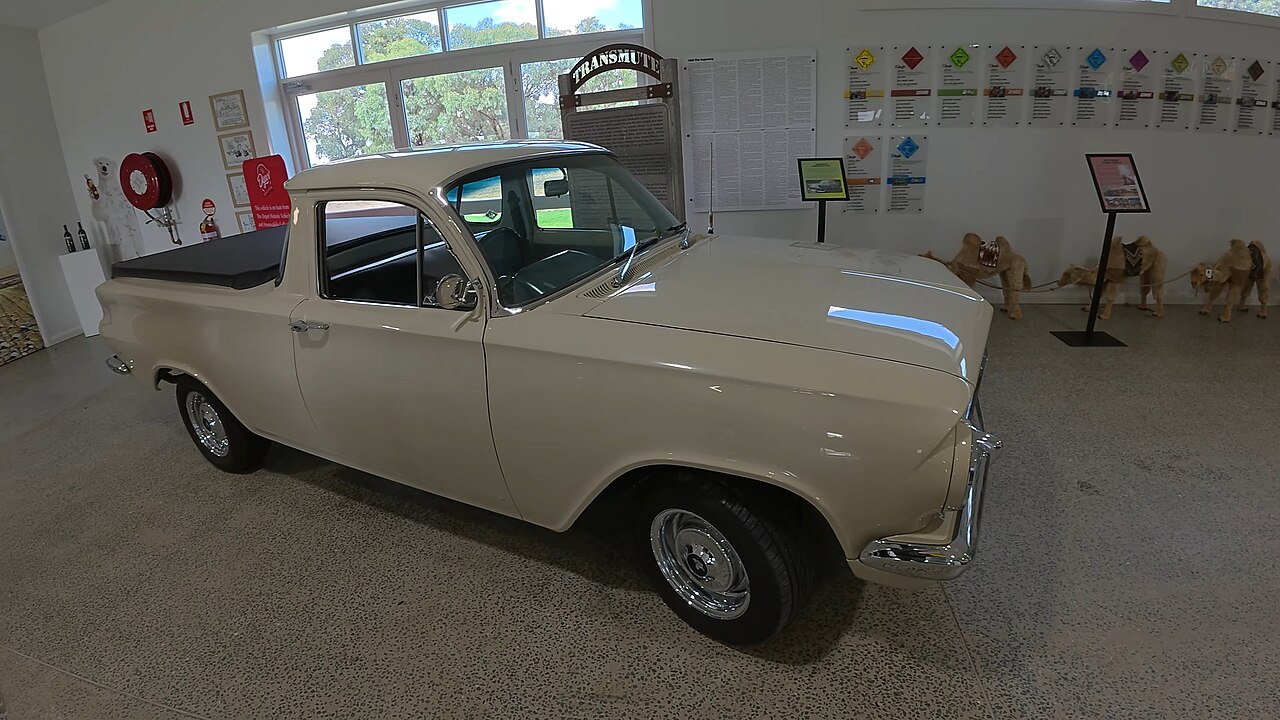
This FE generation was the first Holden ever assembled outside Australia — New Zealand built its first example in January 1957.
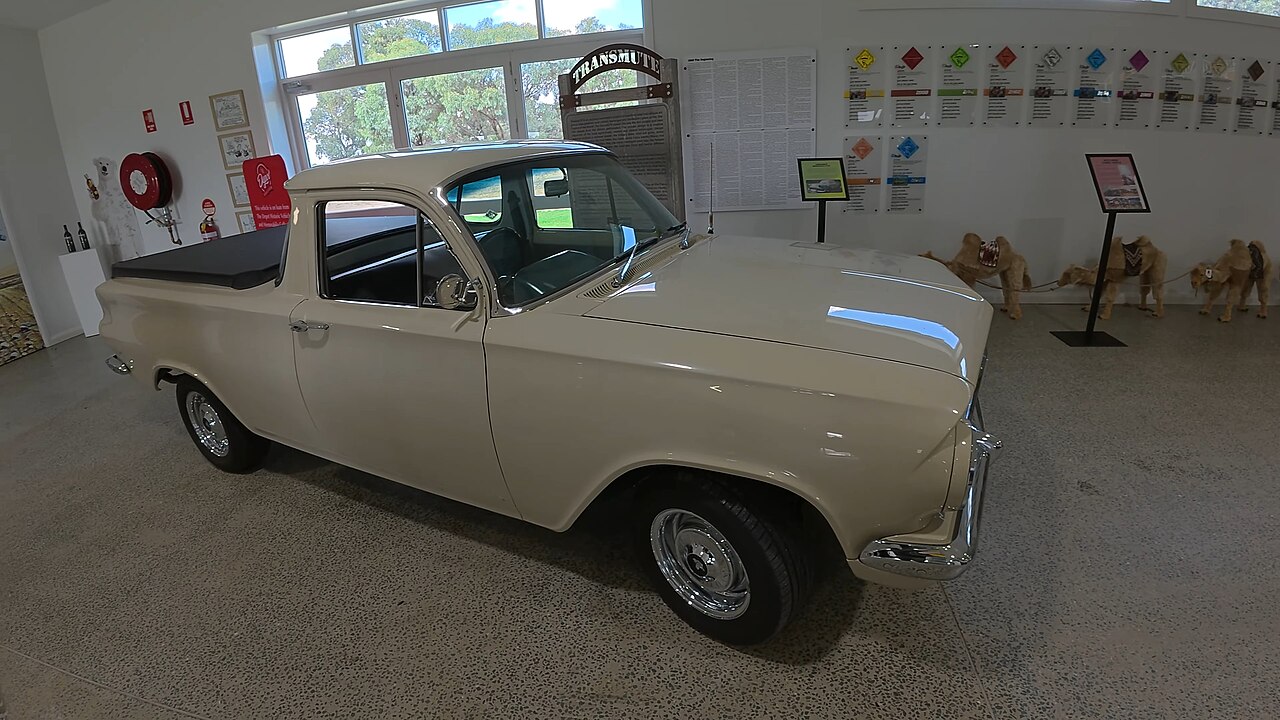
Holden actually built a wagon version of the FJ alongside the ute and sedan — it just never reached production, staying a one-off prototype.
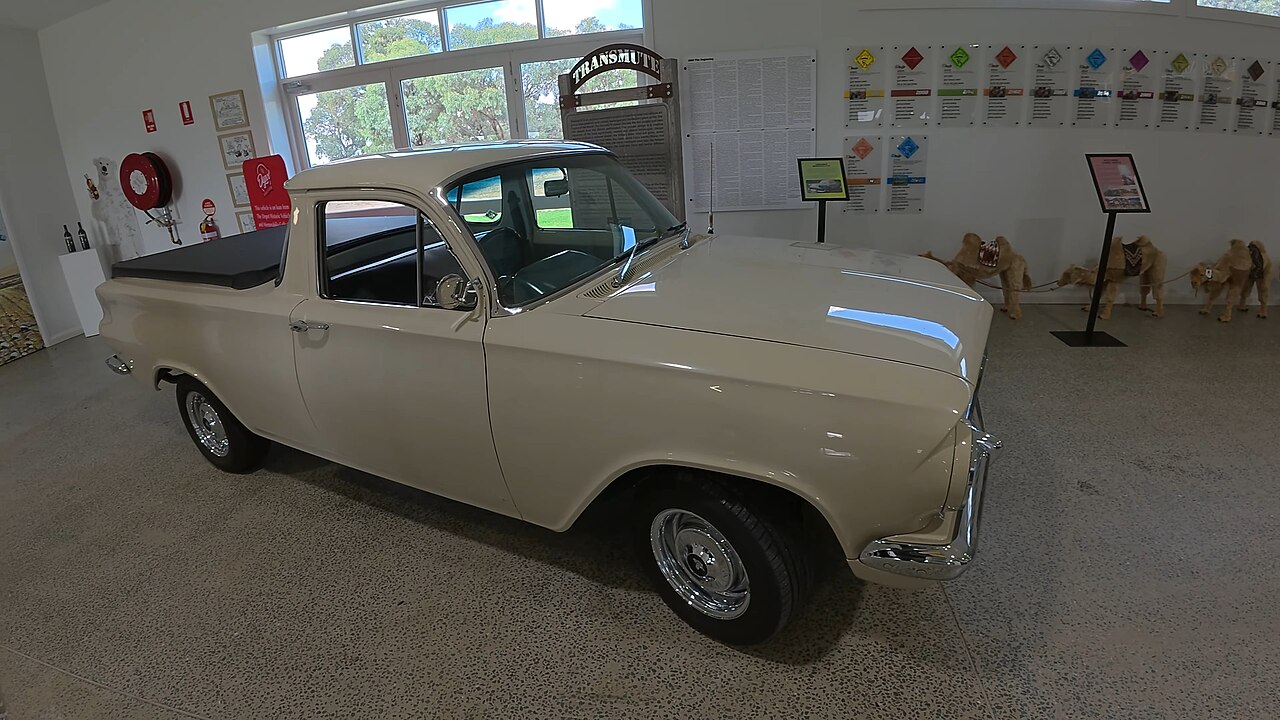
Nearly every VP Commodore sedan had a badge-engineered Toyota twin sold as the Lexcen — except the ute. Holden built the VP Utility, and no Toyota equivalent of it was ever made.
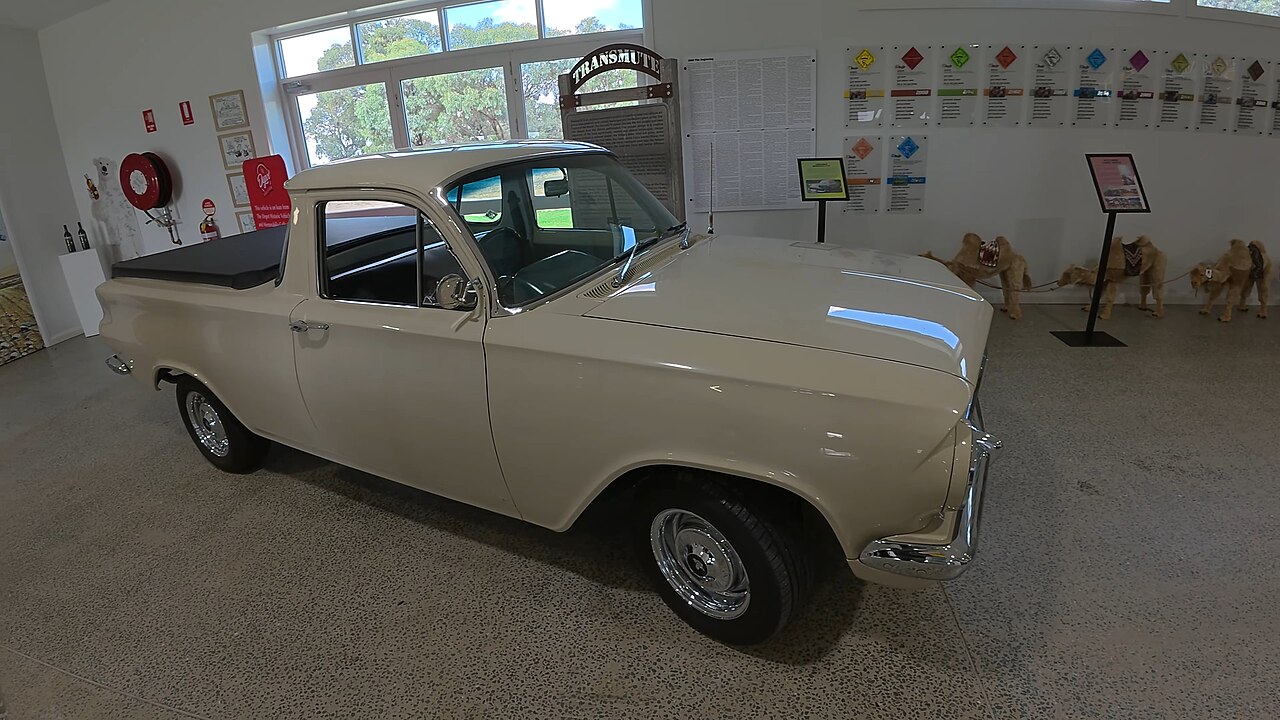
This EH ute belongs to one of the fastest-selling runs in Australian car history — 256,959 EH Holdens, sedans to utes, sold across barely 18 months before the HD replaced it.
The VS ute ran five years without a full redesign, the longest single utility generation Holden built after 1980.