American EXP buyers got a deliberately detuned engine: Ford's 1.6-litre CVH was tuned purely for fuel economy in the US, while the same engine made more power in Europe.
Lead trim: EXP 1.6 L CVH (70 hp) · up to 88 hp
Ford EXP1982–1985
- 0spots by members
- Unclaimednobody has spotted one yet
- 0sets it belongs to
Nobody in Burbles has spotted a Ford EXP yet. See one on the street, point the app at it, and the first card is yours — with your @handle permanently credited on this page.
FactAmerican EXP buyers got a deliberately detuned engine: Ford's 1.6-litre CVH was tuned purely for fuel economy in the US, while the same engine made more power in Europe.
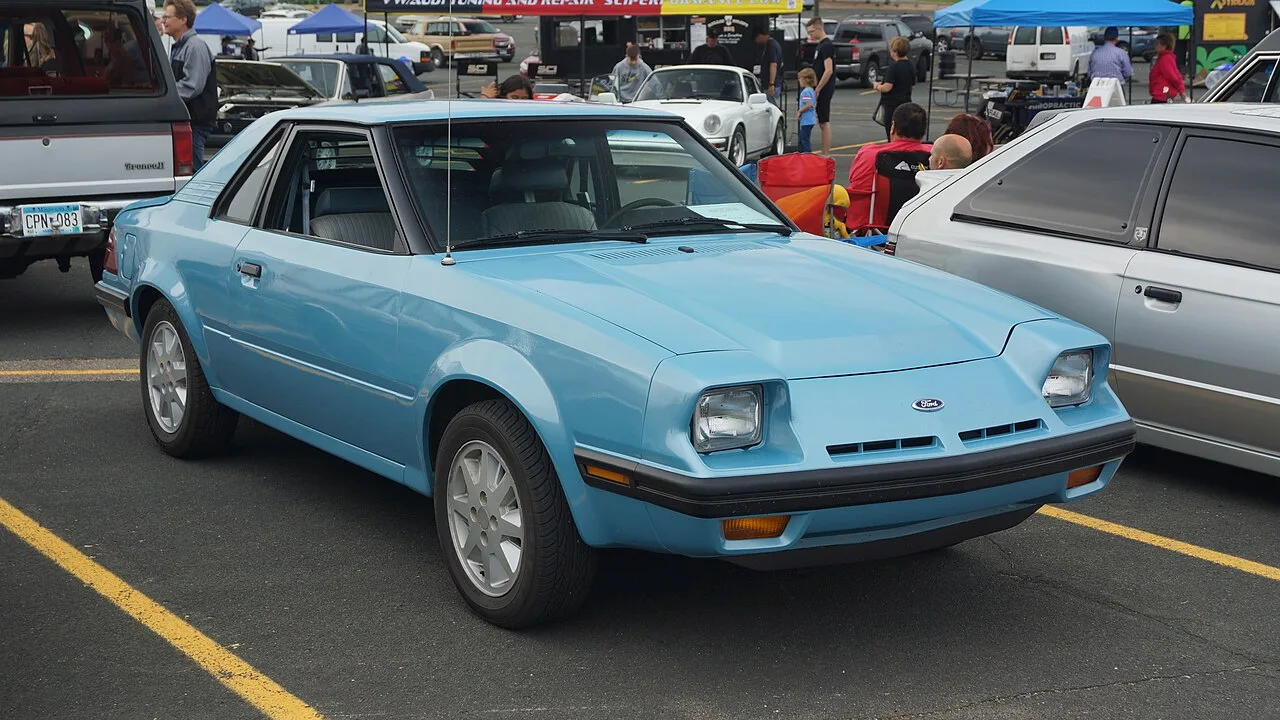
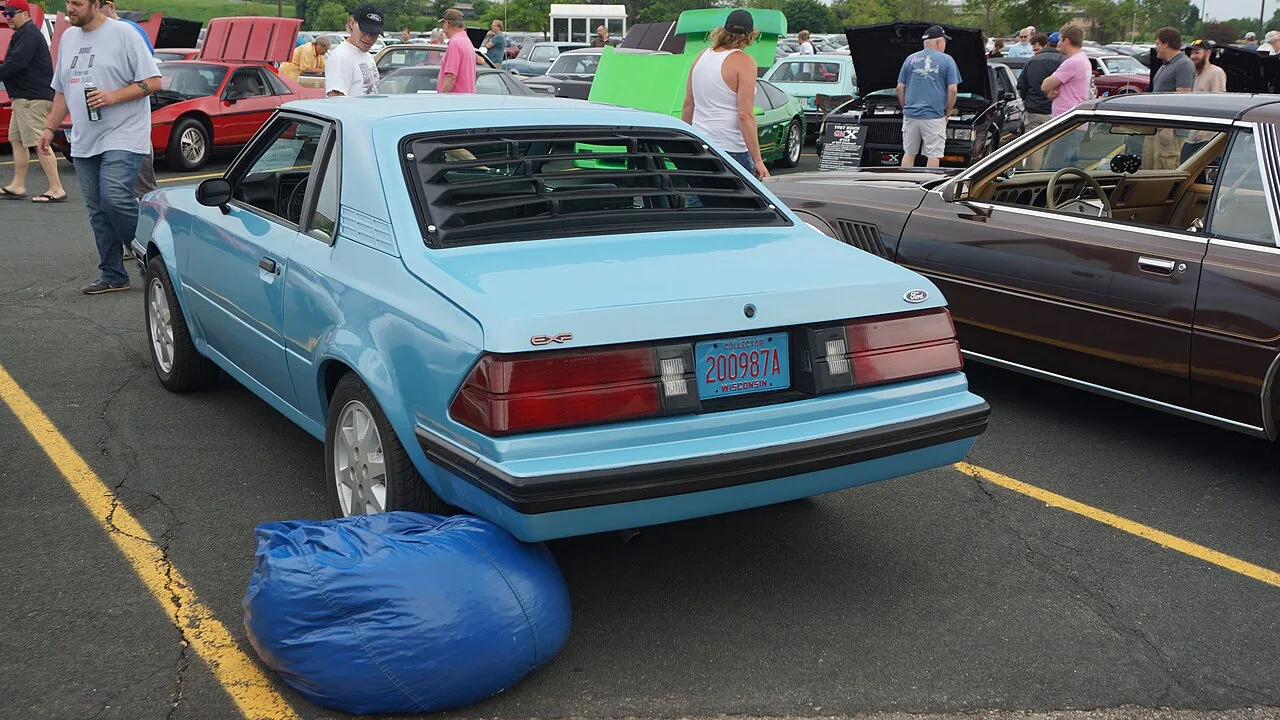
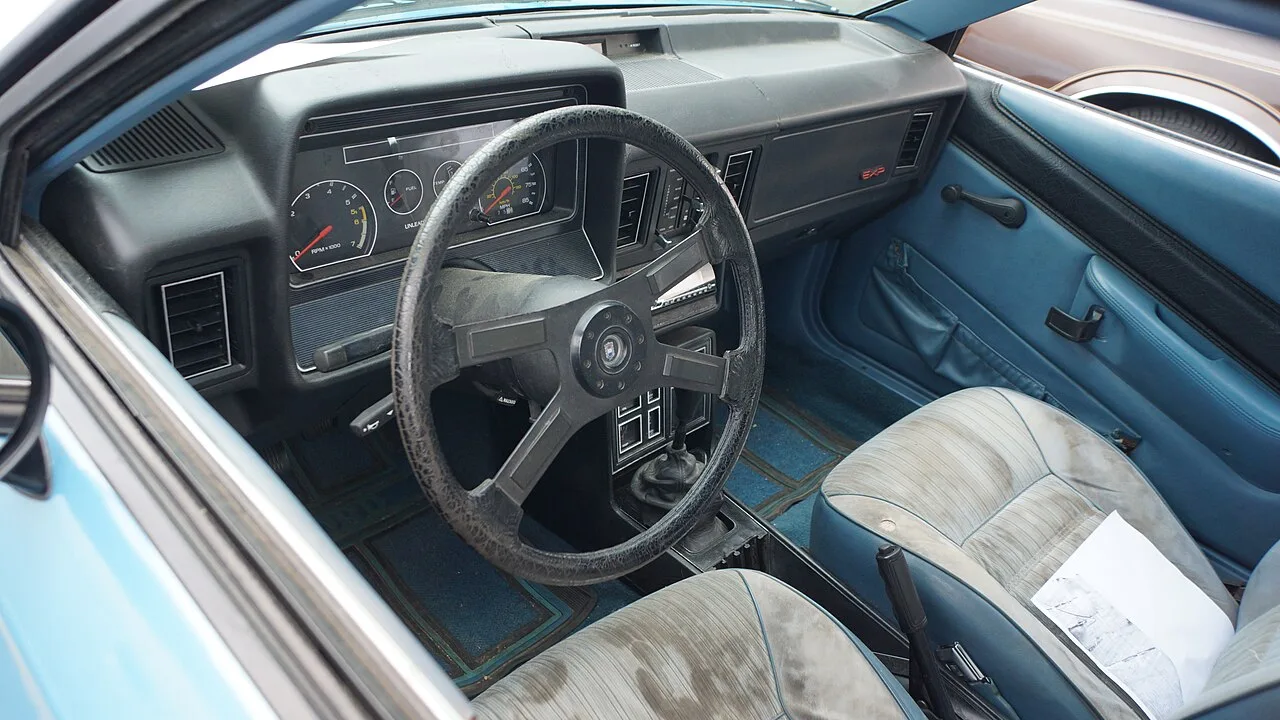
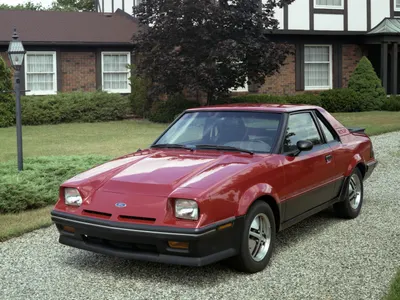
The Ford EXP (also called the Ford Escort EXP) is a sport compact coupe manufactured and marketed by Ford from 1982 to 1988 across two generations, the first two-seat Ford since the original Thunderbird and sold exclusively in North America; for 1982 and 1983 Mercury marketed a badge-engineered variant, the LN7. Derived from the American Escort, it shared its powertrain and chassis with that car, with model-specific front and rear fascias and a new, lower coupe roofline, the would-be rear-seat area converted to cargo space. It shares the Escort's unibody construction, 94.2 in wheelbase, front-wheel drive and four-wheel independent suspension (170.3 in long, 65.9 in wide, 50.5 in high, 2,047 lb), and weighs about 200 lb more than the contemporary Escort with the same 1.6 L CVH engine rated at 70 hp and a standard 4-speed MTX-I manual transaxle; a 1.3 L CVH was planned but only the larger was offered. Car and Driver reported 44 mpg on the highway with a manual, and the coefficient of drag is 0.37. In March 1982 an 80 hp "High Output" (H.O.) version became available (9.0:1 compression, dual-inlet air cleaner, less restrictive exhaust, larger carburetor venturis and a higher-lift camshaft); in the last week of September 1982 Ford Canada, with Bosch, produced the first electronic multi-port fuel-injected 1.6 L for the EXP GT and LN7, making Ford's first EFI offering for the US market: 88 hp at 5,400 rpm and 94 lb-ft at 9.5:1 compression, with a five-speed manual also new. The 1983 EFI or HO 5-speed EXPs accelerate 0–60 mph in 14 seconds. A major option was the TR performance package (Michelin TRX tires, stiffer struts, higher-rate springs and a larger front anti-roll bar). The gas tank was enlarged to 13 US gallons for 1983, and the EXP received a minor facelift during 1985; the first generation was discontinued during the 1985 model year (98,256 EXPs were built in 1982 and 19,697 in 1983).
Collectors Spotted in the Ford EXP Lineage
No member has published a public street spot of the Ford EXP yet — the First · Worldwide stamp is wide open.
Trims & Figures
3 published trims in the catalogue. A blank is a figure not recorded, not zero.
| Trim | Years | Engine | Power | Torque | 0–60 | Drive | Gearbox | MSRP |
|---|---|---|---|---|---|---|---|---|
| EXP 1.6 L CVH (70 hp) | 1982–1982 | 1.6 L Inline-4 | 70 hp | 89 lb-ft | — | FWD | — | — |
| EXP 1.6 L CVH EFI (88 hp) | 1982–1983 | 1.6 L Inline-4 | 88 hp | 94 lb-ft | — | FWD | — | — |
| EXP 1.6 L CVH H.O. (80 hp) | 1982–1985 | 1.6 L Inline-4 | 80 hp | 88 lb-ft | — | FWD | — | — |
Owning one
An estimate, for the EXP 1.6 L CVH (70 hp) trim: fuel on its EPA figure and a dated national price, upkeep on a per-mile average for the kind of car it is.
Owners’ builds
Nobody has claimed one yet.
Photographs
This EXP generation exists because factory line workers built their own upgraded prototype off the clock and showed it to Ford's CEO — who approved it for production exactly as they built it.
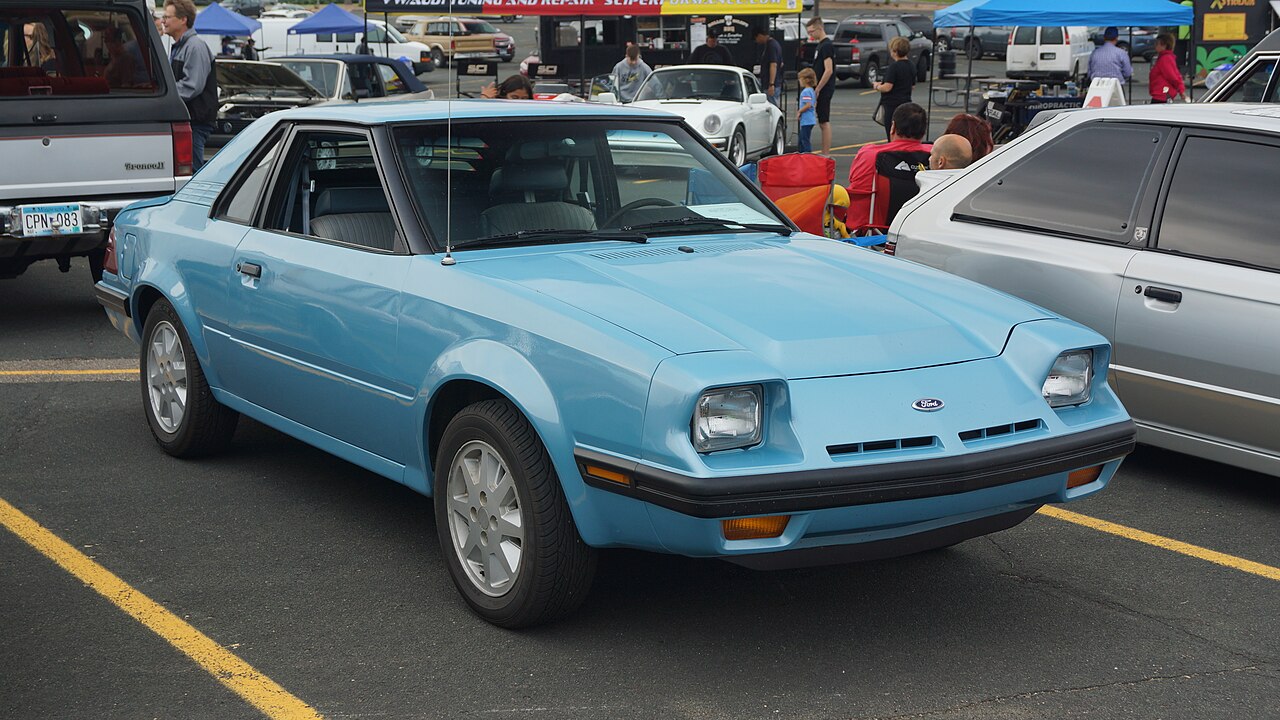
The second-gen EXP wasn't born in a design studio — a group of Ford assembly line workers pulled a car off the line, upgraded it with facelifted Escort parts, and showed it to the CEO, who greenlit it for production.
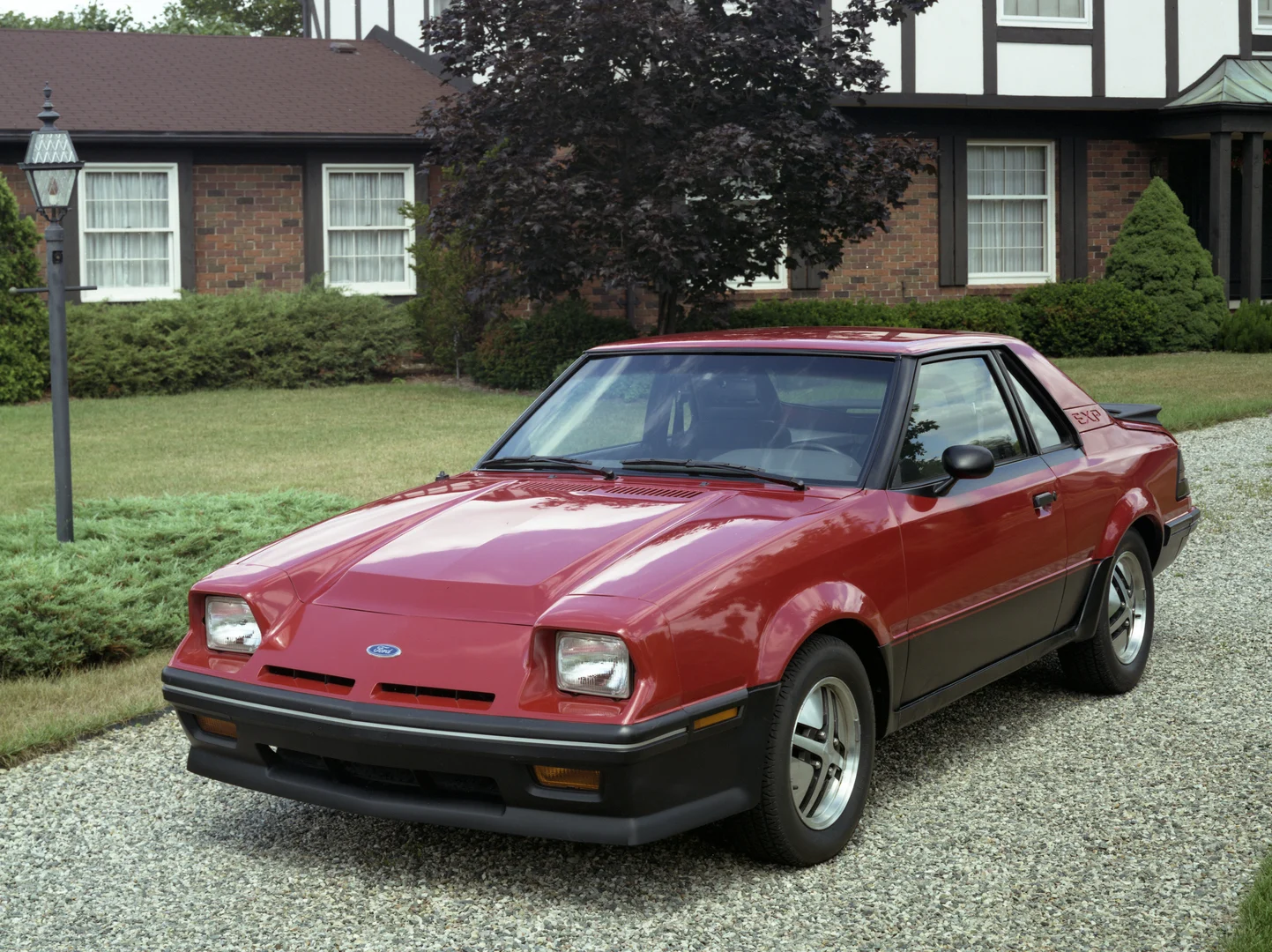
The EXP Turbo Coupe came out of the same Ford skunkworks that built the Mustang SVO, part of a 1984 push to chase young, affluent buyers.
American EXP buyers got a deliberately detuned engine: Ford's 1.6-litre CVH was tuned purely for fuel economy in the US, while the same engine made more power in Europe.
Rivals
Same body, same money, other badges — tap any card to flip.
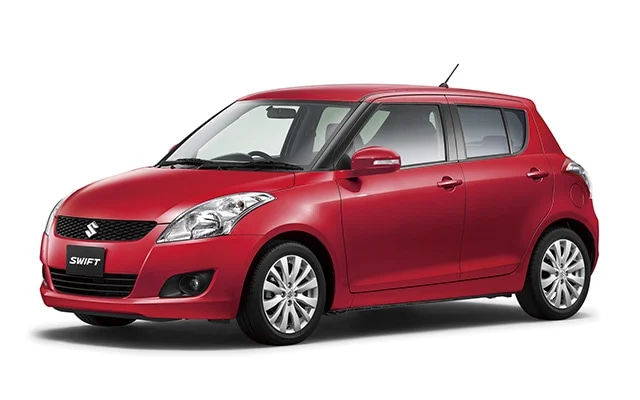
Japan was a minor market for the Swift: when it passed 2 million sales in 2011, about 39% were in India and 27% in Europe, against roughly 15% at home.
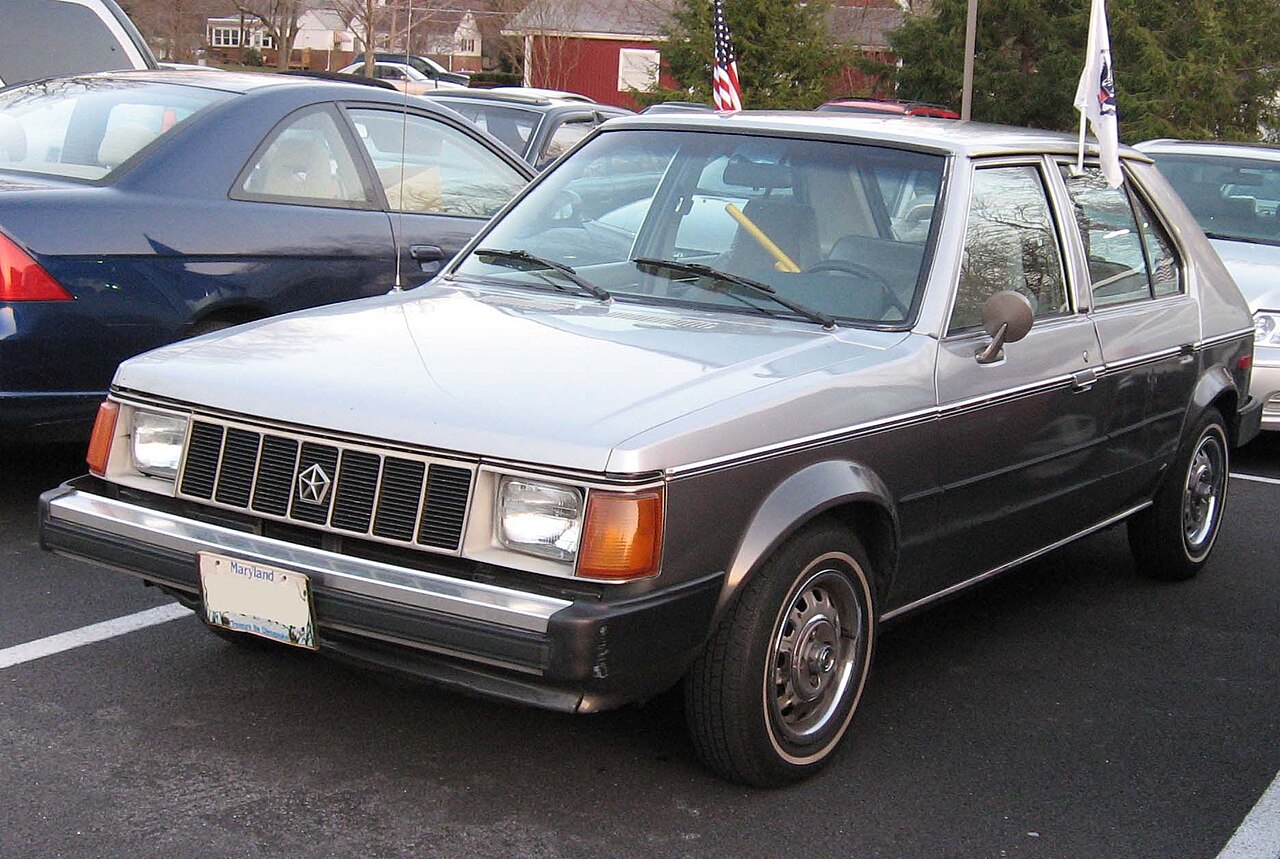
To adapt the Horizon for America, Chrysler bought nearly 100 Volkswagen Rabbits purely to reverse engineer them.
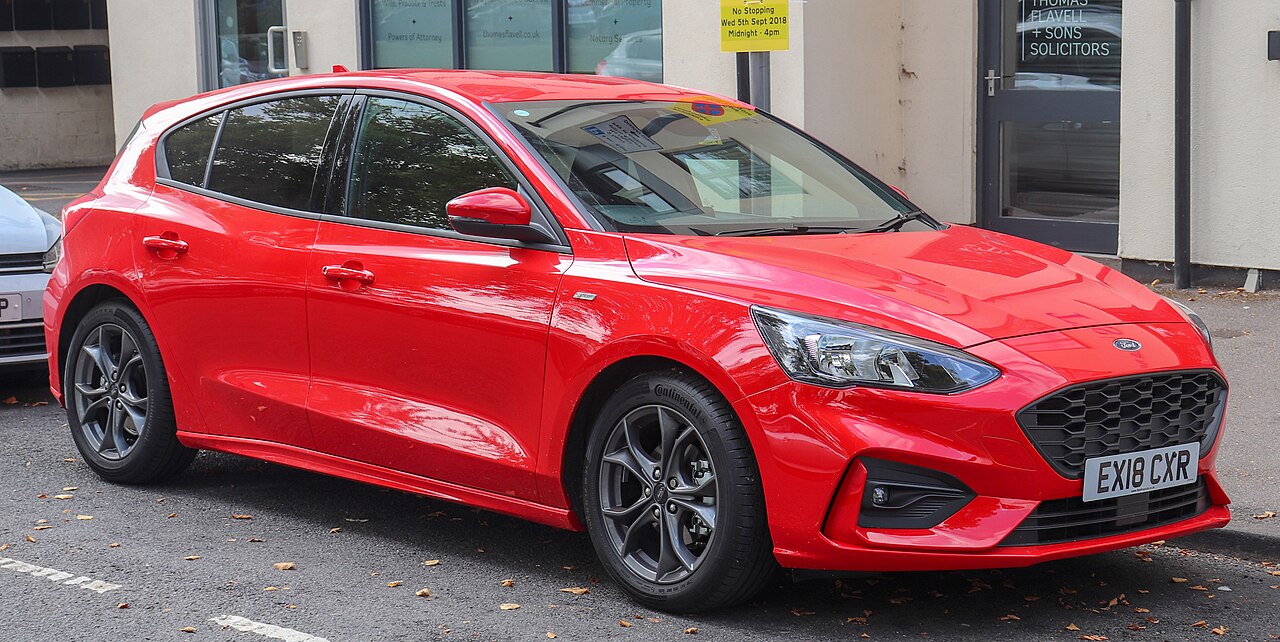
The Mk3 Focus RS's AWD system could send 100 percent of engine power to the rear wheels alone — built not in Ford's home country, but at the Saarlouis plant in Germany.
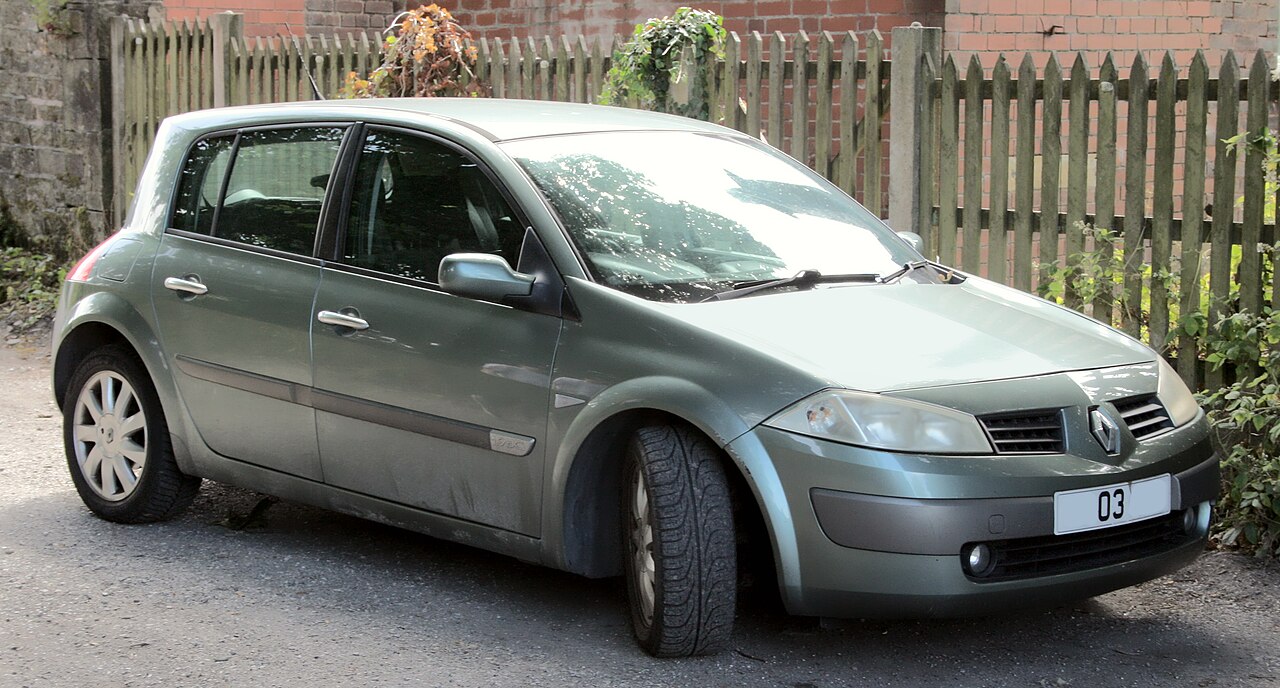
In June 2003, a Mégane II became the subject of the first ever live televised crash test with a real human driver at the wheel instead of a dummy — filmed by Top Gear.
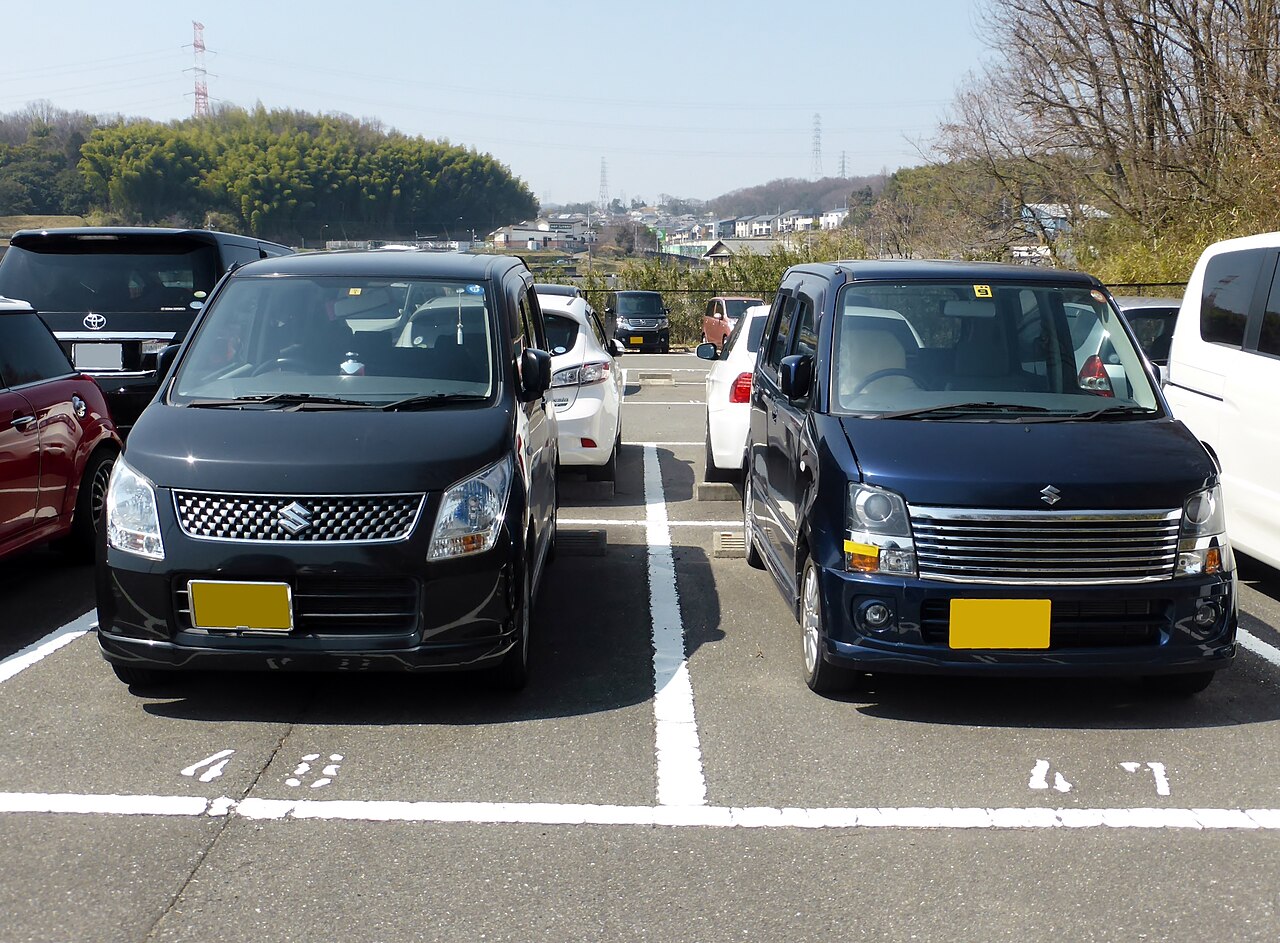
This Wagon R redesigned its rear doors specifically to kill off the D-pillar — bigger doors with built-in quarter glass solved what earlier generations needed a whole extra pillar for.
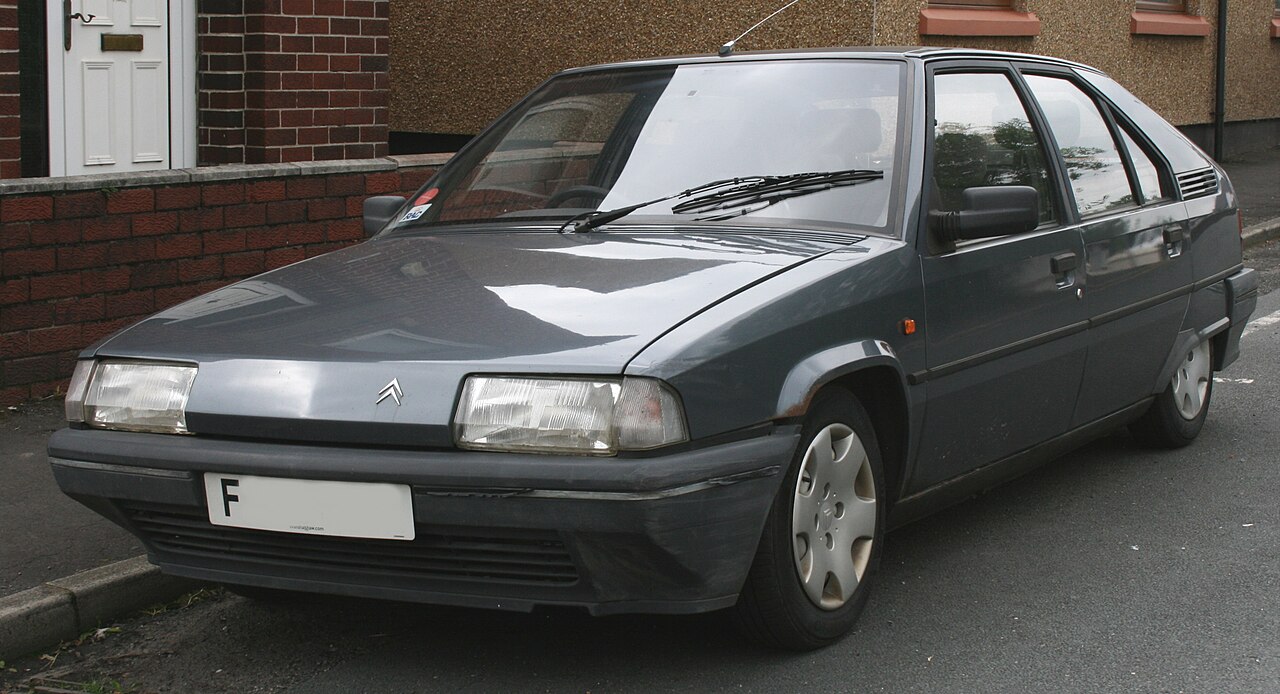
The BX was the UK's best-selling diesel car for four years from 1987, and 2,315,739 were built in all.
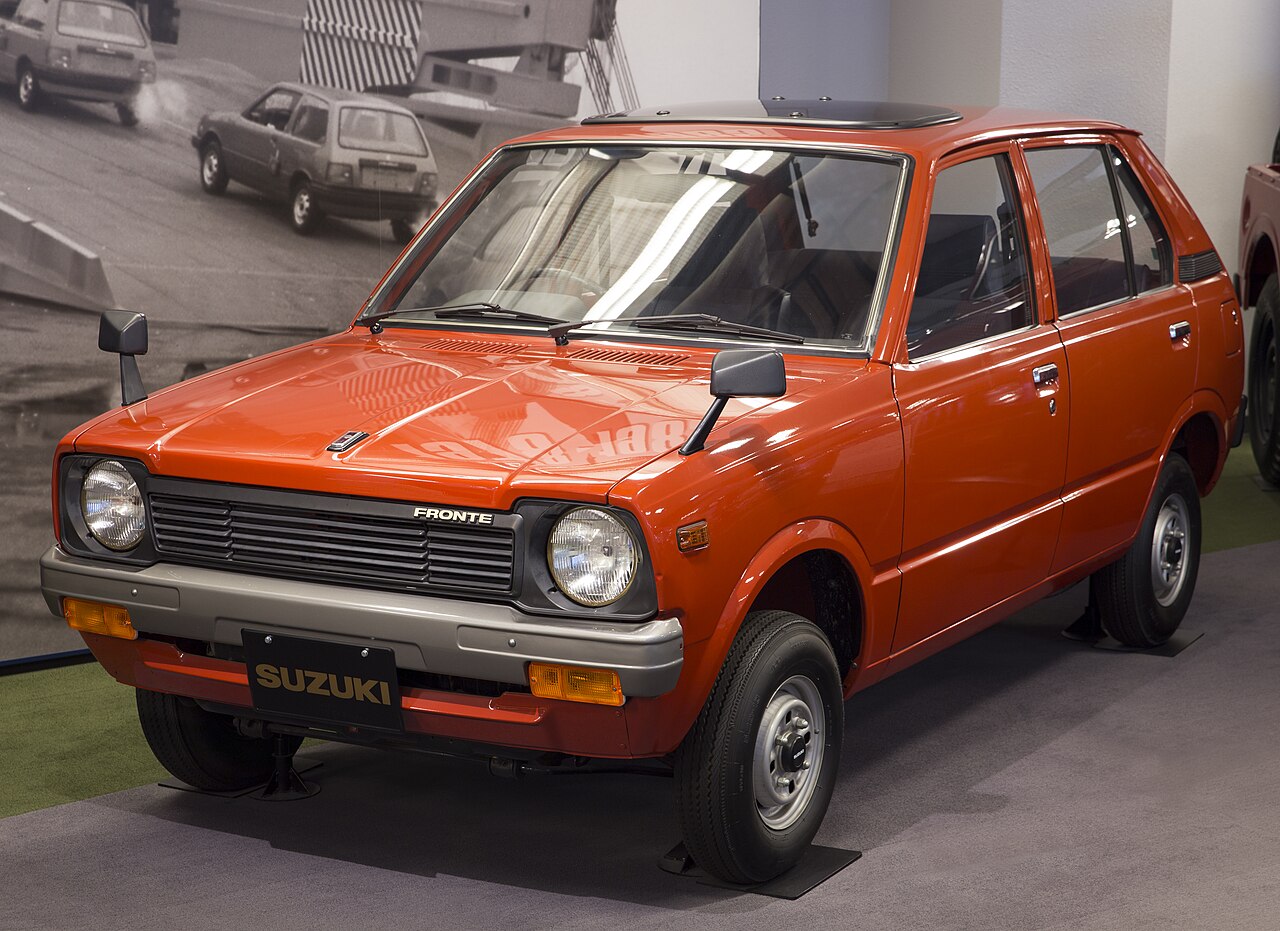
Six months before Suzuki retired the Fronte name for good, the CN11S's 796cc version was already being built in China under a completely different name: the Anchi 6330.
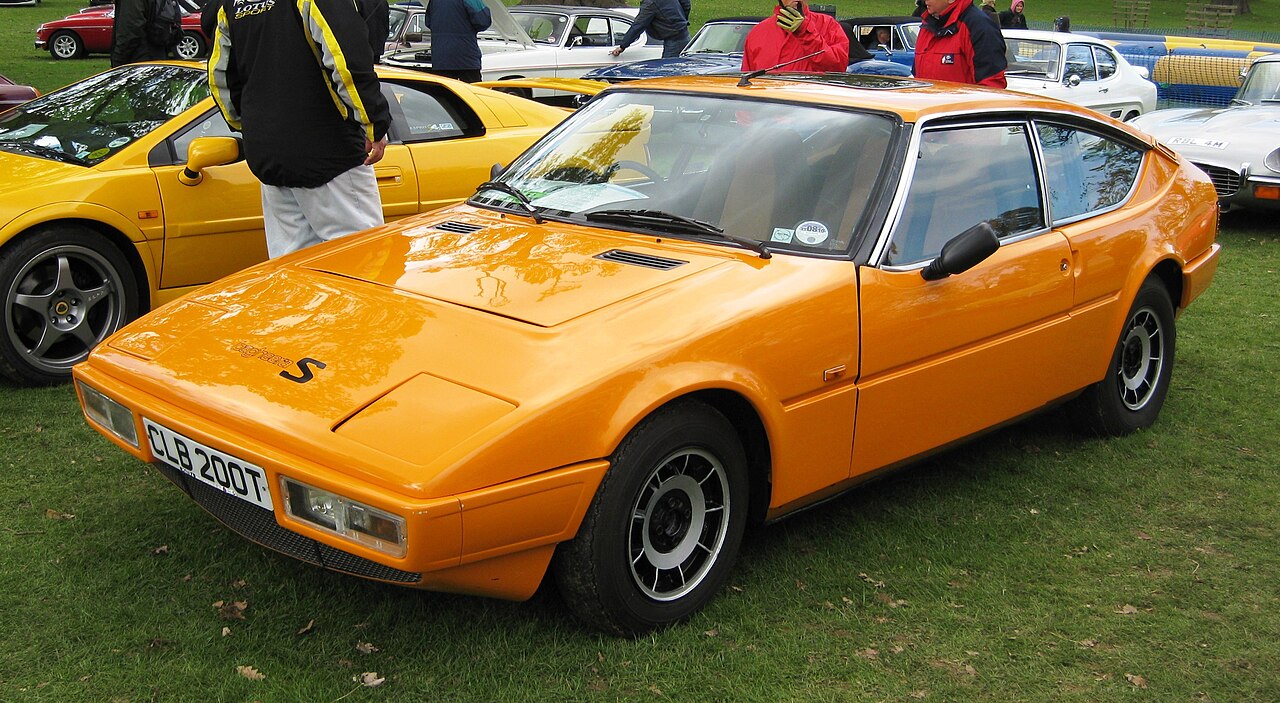
Built to use up Chrysler-Simca's parts bin, it took its engine and gearbox straight from the front-wheel-drive Simca 1100 but mounted them amidships instead.