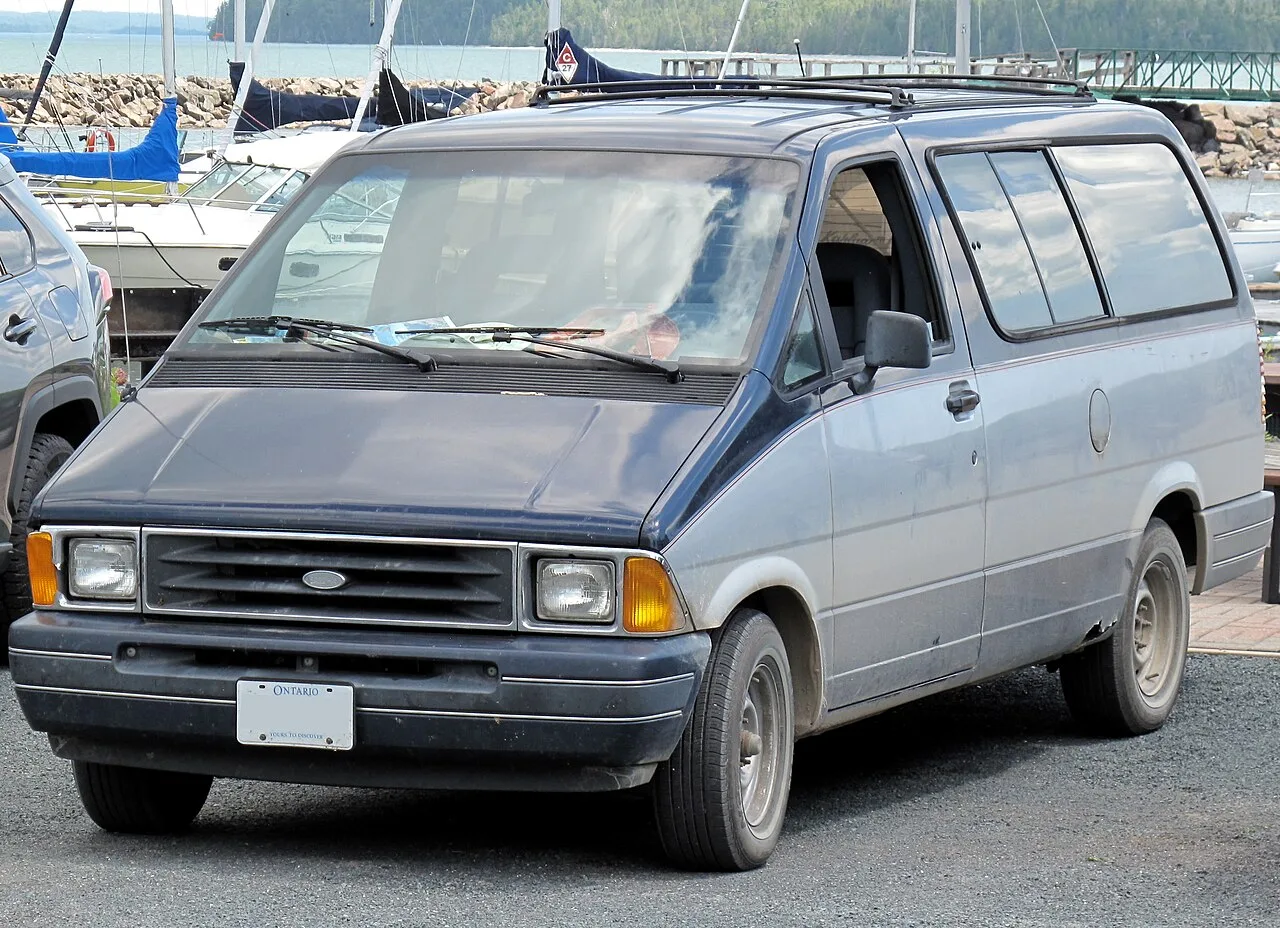
Ford's first minivan is also the only one ever built with coil springs on all four corners.
Lead trim: Aerostar 2.3 Lima SOHC I4 (100 hp) · up to 160 hp
Ford AerostarVN1 · 1986–1997
- 0spots by members
- Unclaimednobody has spotted one yet
- 0sets it belongs to
Nobody in Burbles has spotted a Ford Aerostar yet. See one on the street, point the app at it, and the first card is yours — with your @handle permanently credited on this page.
FactFord's first minivan is also the only one ever built with coil springs on all four corners.
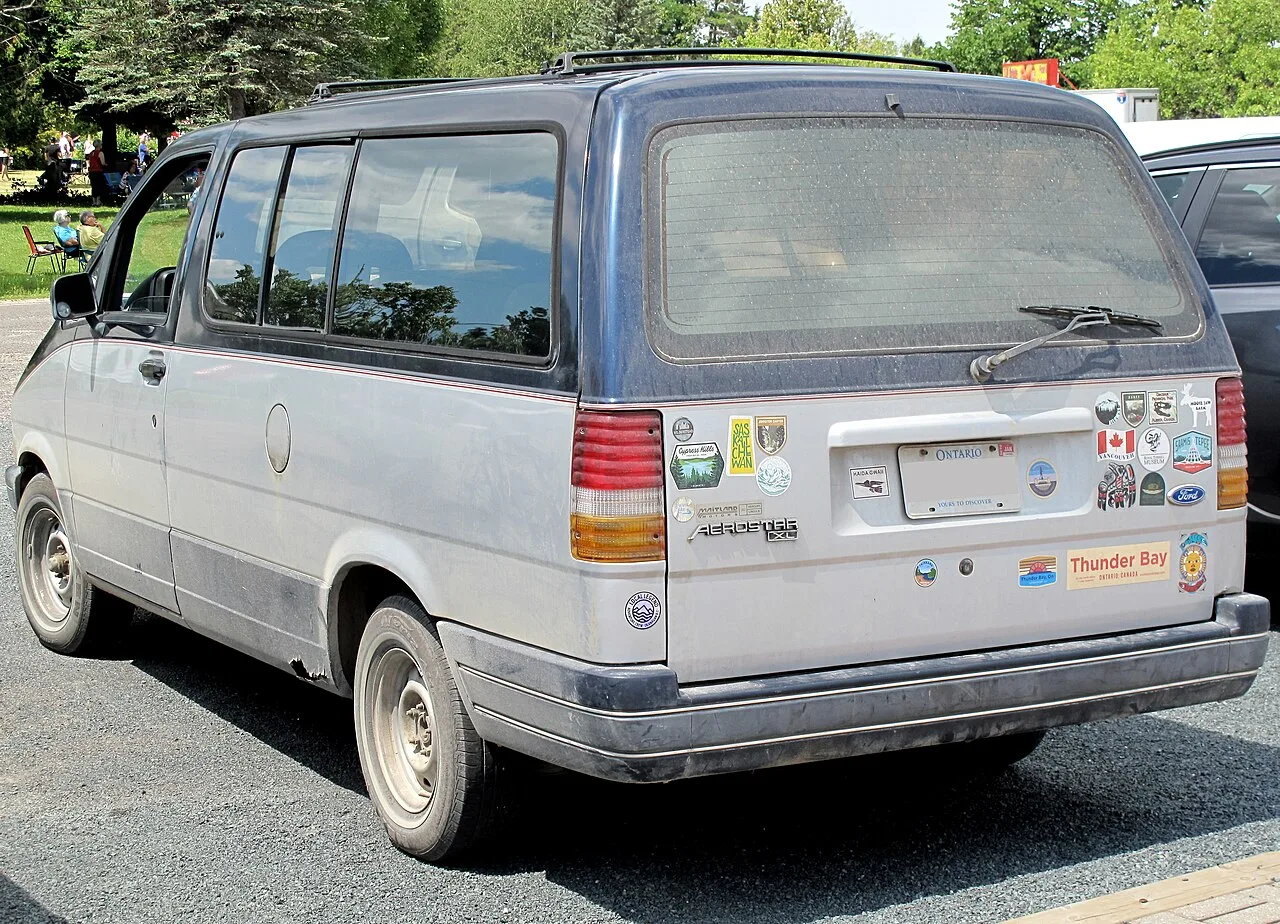
The Ford Aerostar is a range of vans manufactured by Ford from the 1986 to the 1997 model years (June 15, 1985 to August 22, 1997) at the St. Louis Assembly Plant in Hazelwood, Missouri, the first minivan produced by Ford, marketed against the Chevrolet Astro/GMC Safari and the first two generations of the Chrysler minivans (2,029,577 built in a single generation). It took its name from its slope-nosed "one-box" exterior (drag coefficient 0.37, better than the Lincoln Mark VII) despite standing over six feet tall, and was sold as passenger wagon (XL, XLT and, from 1988 to 1994, Eddie Bauer), cargo van and, from 1989 (in response to the Grand Caravan/Grand Voyager), an extended-length body 14 inches longer on the same 119-inch wheelbase, which became the most popular version. The front-wheel-drive Windstar was intended to replace it from 1995 but both were sold to 1997. Its roots were the Ford Carousel "garageable van" prototype of 1972–74 (a 124-inch-wheelbase Club Wagon with a 460 V8, roofline lowered about 12 inches) and the Ghia-designed Aerovan and APV concepts, with a 1984 concept car nearly identical to the production vehicle; development cost over $300 million. The VN1 rear-drive chassis (Ford's first alphanumeric chassis code) combines unibody construction with full-length frame rails for a 5,000-pound tow rating (2½ times the Caravan/Voyager), with unequal-length A-arms and coils at the front and a three-link coil-sprung live rear axle, making it the only North American minivan with coil springs at all four wheels, front discs and rear drums. Plastic bumpers, fuel tank, liftgate doors and hoods and aluminium driveshaft, axles and wheels saved weight. Engines: the 2.3 L Lima SOHC I4 (100 hp, 125 lb·ft; 1986–87), the 2.8 L Cologne OHV V6 (115 hp, 150 lb·ft; the first few months of 1986 only), the 3.0 L Vulcan OHV V6 (145 hp, 165 lb·ft; 1986–97, the only engine for 1988–89 and the first rear-drive application of the Vulcan) and the 4.0 L Cologne OHV V6 (160 hp, 220 lb·ft; 1990–97); the planned turbodiesel was dropped after prototype testing. Electronic 4-Wheel Drive (E-4WD, Dana TC28 transfer case with an electromagnetic-clutch centre differential) was offered from 1990 to 1997 on XLT and Eddie Bauer trims with the 4.0 and an automatic. Five-speed manual until 1995 (mainly cargo vans and XL), 4-speed overdrive automatics and, for 1997, a 5-speed automatic for the 4.0. Wheelbase 118.9 in, length 174.9 in (standard) or 190.3 in (extended), width 71.7 in, height 72.2–74.0 in. The 1992 update brought a new grille, composite headlamps, a redesigned dashboard and a driver airbag.
Collectors Spotted in the Ford Aerostar Lineage
No member has published a public street spot of the Ford Aerostar yet — the First · Worldwide stamp is wide open.
Trims & Figures
4 published trims in the catalogue. A blank is a figure not recorded, not zero.
| Trim | Years | Engine | Power | Torque | 0–60 | Drive | Gearbox | MSRP |
|---|---|---|---|---|---|---|---|---|
| Aerostar 2.3 Lima SOHC I4 (100 hp) | 1986–1987 | 2.3 L Inline-4 | 100 hp | 125 lb-ft | — | RWD | — | — |
| Aerostar 2.8 Cologne OHV V6 (115 hp; early 1986) | 1986–1986 | 2.8 L V6 | 115 hp | 150 lb-ft | — | RWD | — | — |
| Aerostar 3.0 Vulcan OHV V6 (145 hp) | 1986–1997 | 3.0 L V6 | 145 hp | 165 lb-ft | — | RWD | — | — |
| Aerostar 4.0 Cologne OHV V6 (160 hp; RWD or E-4WD) | 1990–1997 | 4.0 L V6 | 160 hp | 220 lb-ft | — | — | — | — |
Owning one
An estimate, for the Aerostar 2.3 Lima SOHC I4 (100 hp) trim: fuel on its EPA figure and a dated national price, upkeep on a per-mile average for the kind of car it is.
Owners’ builds
Nobody has claimed one yet.
Photographs
Rivals
Same body, same money, other badges — tap any card to flip.
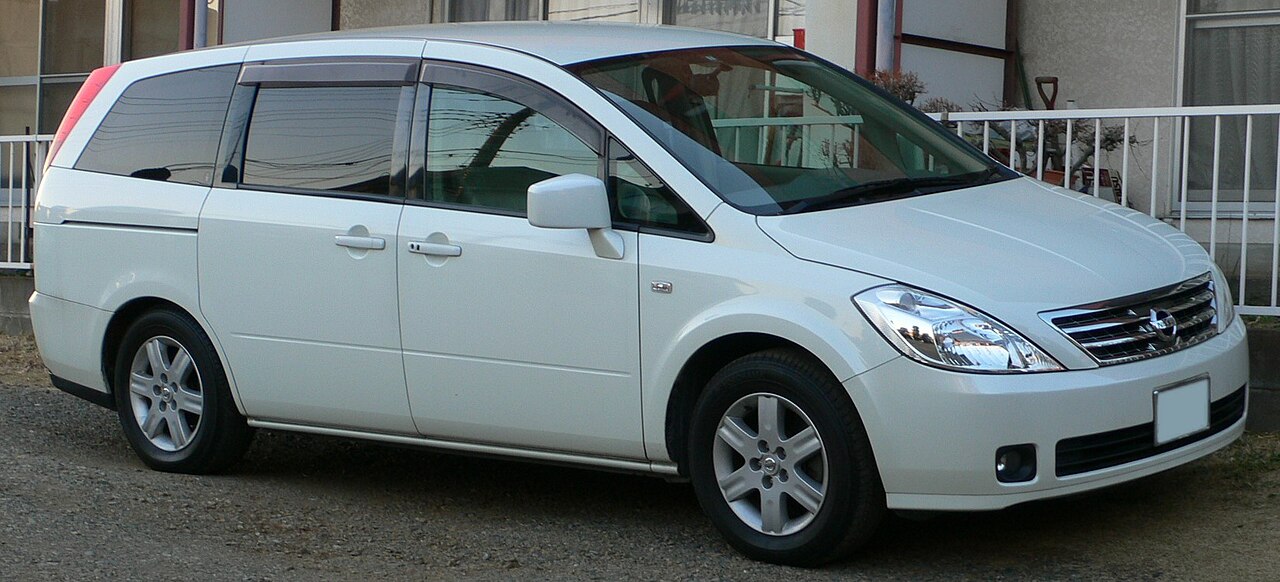
This Presage minivan shares its underlying platform with the Teana sedan and the North American Murano crossover — one architecture doing three very different jobs.
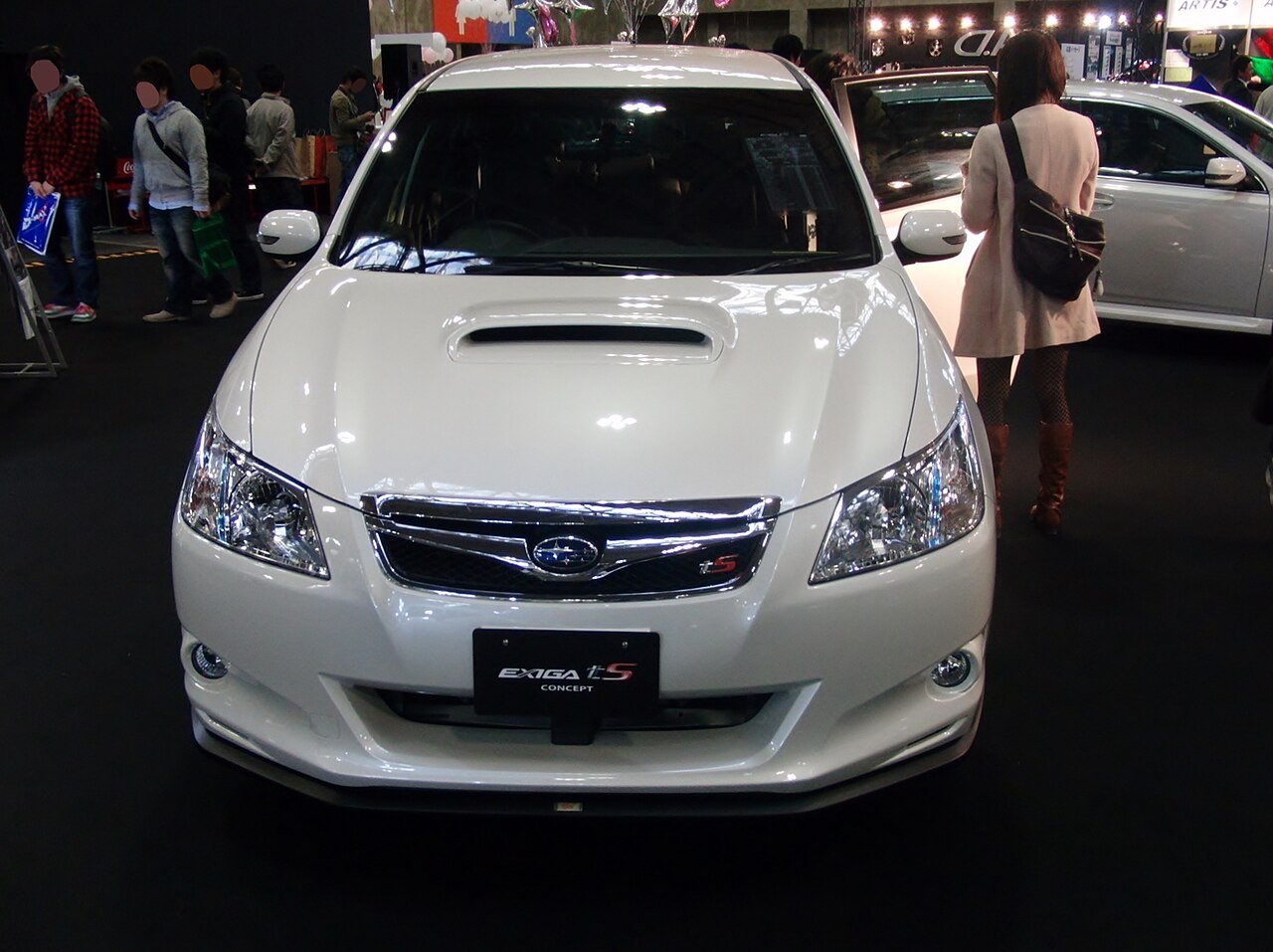
Subaru's family-hauling Exiga got an unlikely STi treatment in 2009 — front spoiler, sport muffler, tighter suspension and a leather Momo wheel — but only 300 were ever built.
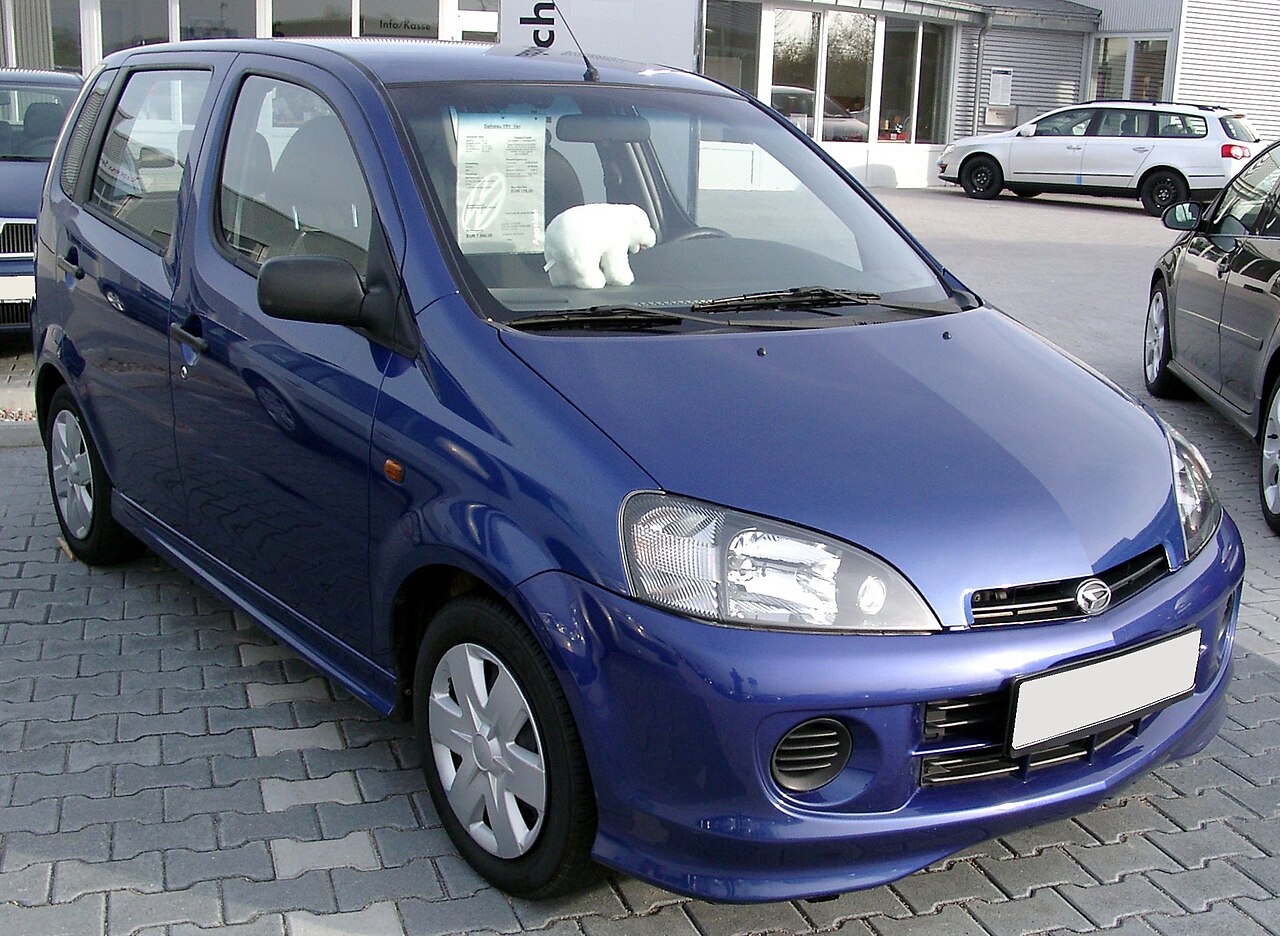
YRV stands for Young Recreational Vehicle, a mini MPV built to out-handle its own segment rivals.
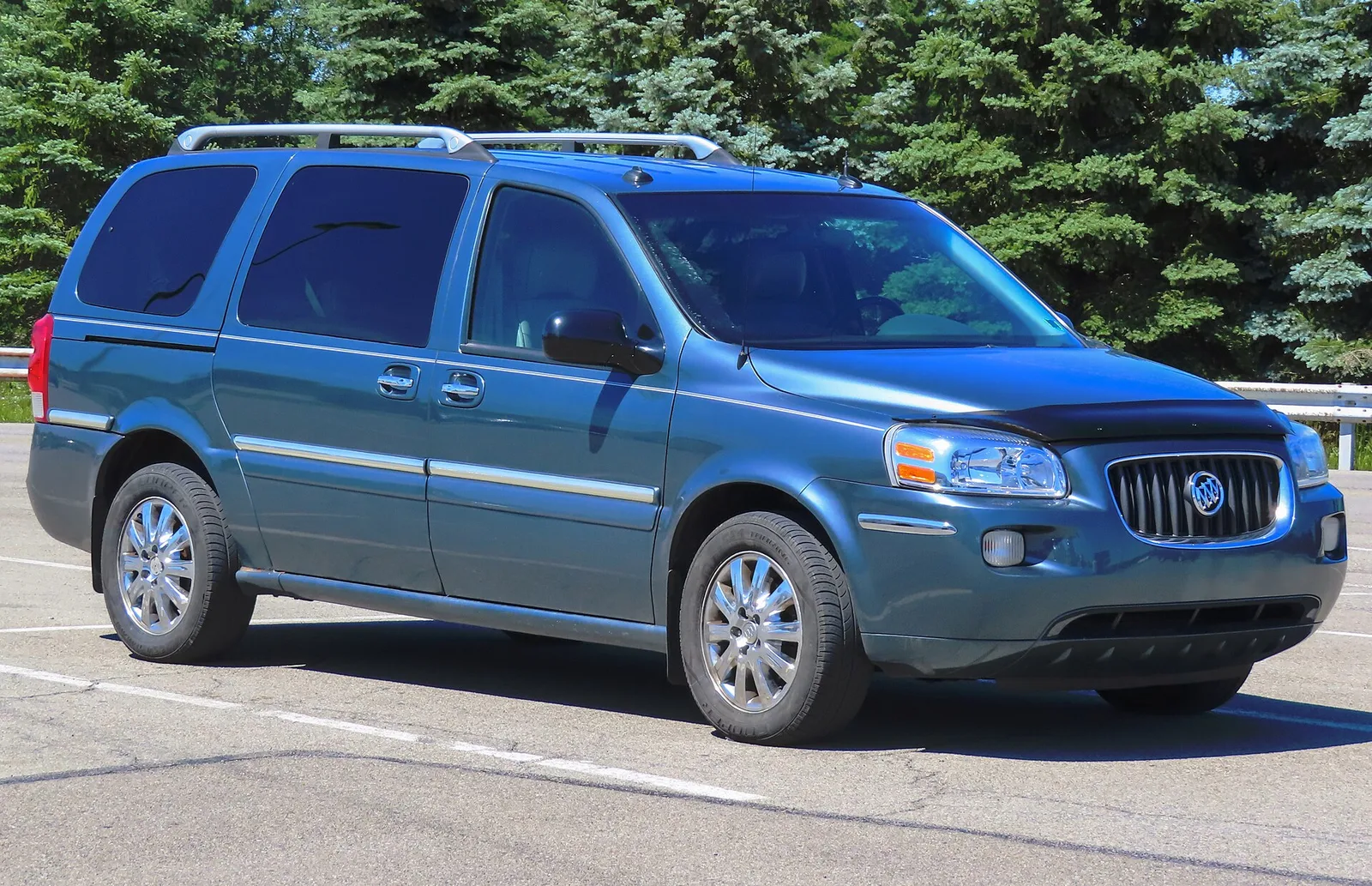
The Terraza was Buick's first-ever minivan for the North American market - a badge-engineered cousin of the Chevrolet Uplander, Pontiac Montana SV6, and Saturn Relay.
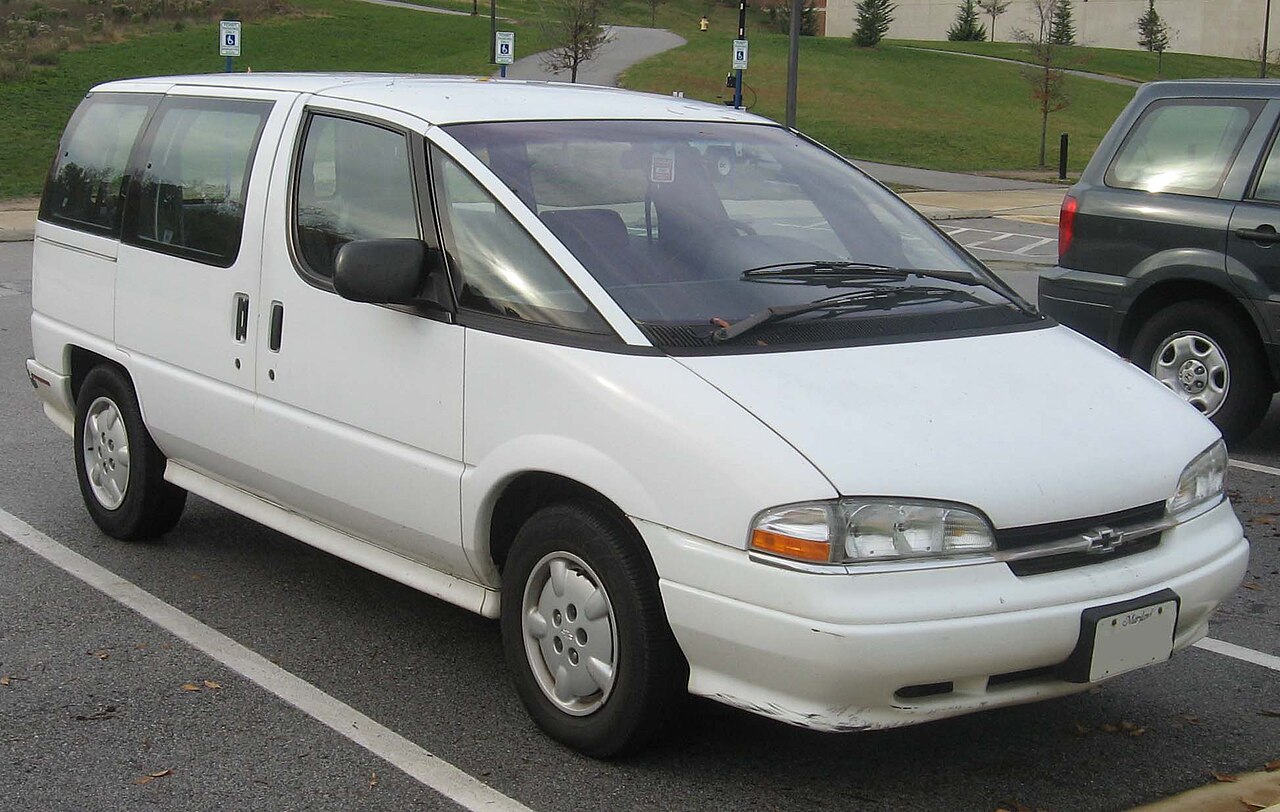
The restyled 1994 Lumina Minivan quietly made American automotive history: it was the first minivan sold in the US with a power sliding door you could open by remote.
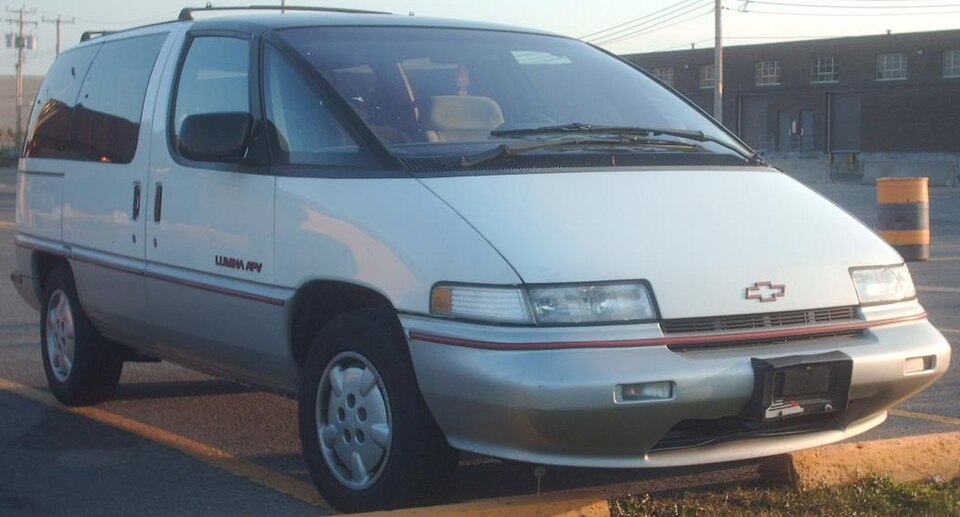
The first-generation Lumina APV minivan was nicknamed the "Dustbuster" by the press for its sharply sloped windshield, which pushed the dashboard far forward of the driver.
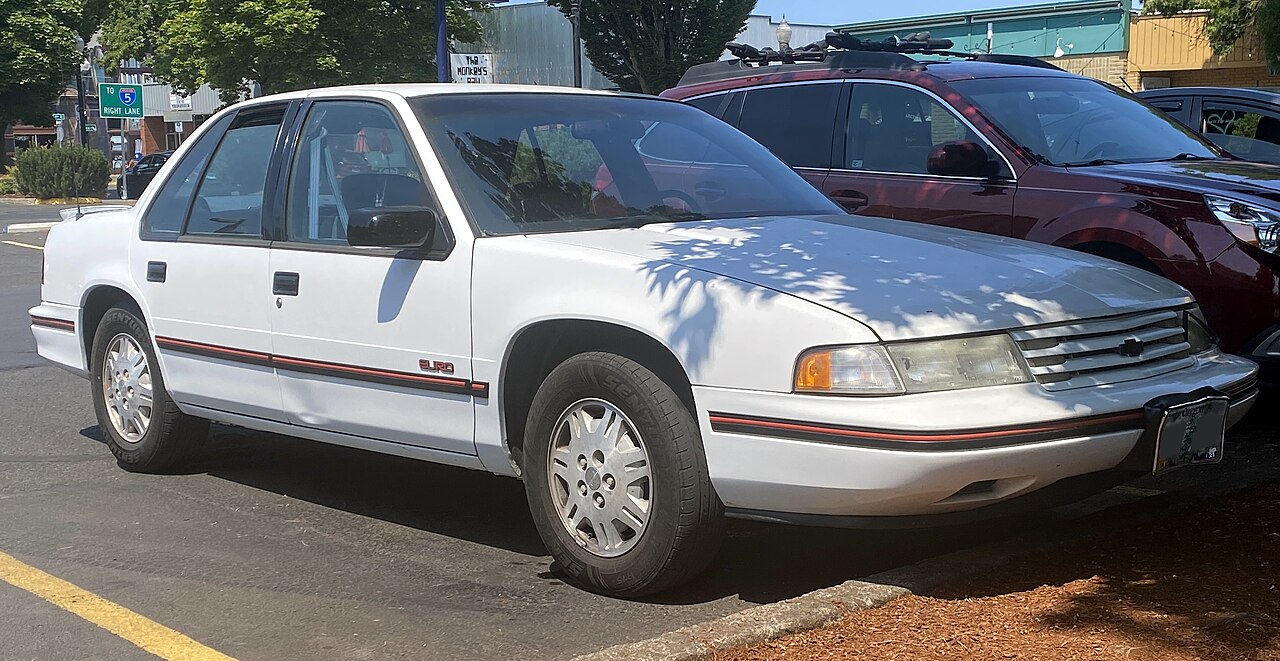
Its steeply sloped windshield gave the Lumina APV one of the deepest dashboards ever fitted to a mass-produced car.
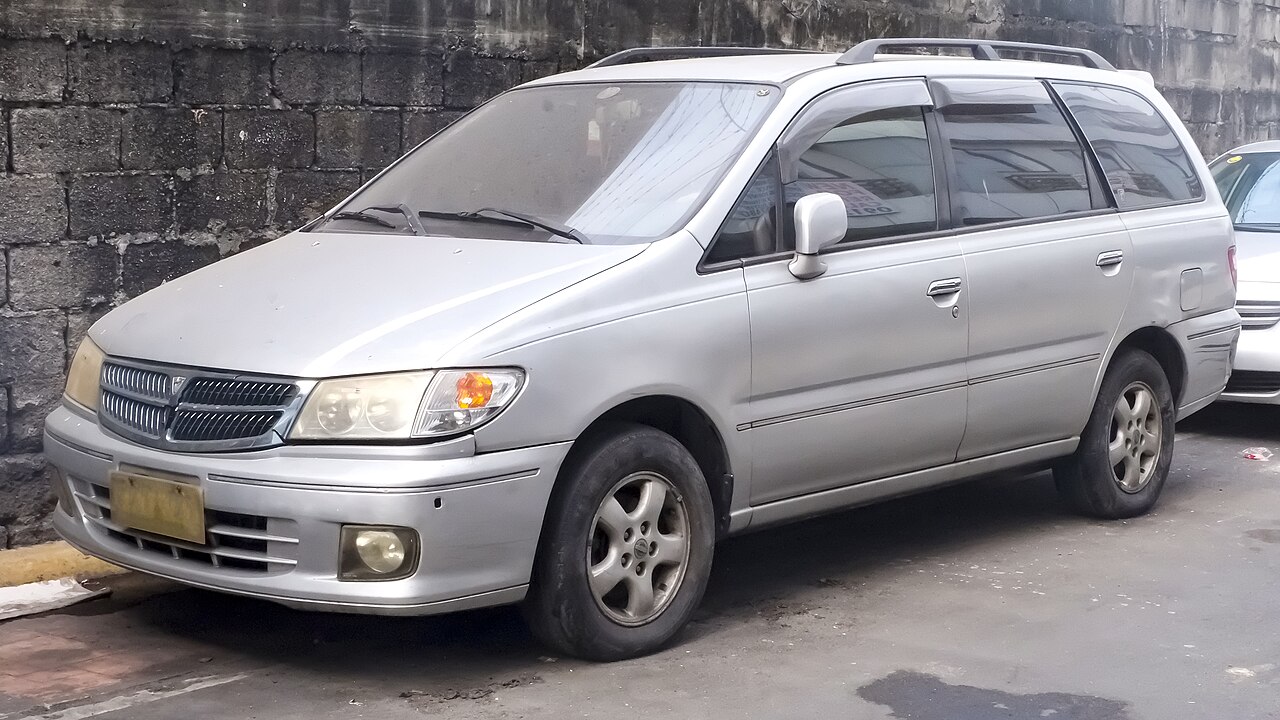
The first Presage wasn't really its own car underneath — most of its parts came straight from the Nissan R'nessa, with more shared with its platform twin, the Bassara.