Greater Manchester Police once ran a secret squad of Sunbeam Lotuses with the Lotus badges removed, blending into traffic to catch car thieves.
Lead trim: Sunbeam 928 cc OHC four (0.9)
Chrysler SunbeamR424 · 1977–1981
- 0spots by members
- Unclaimednobody has spotted one yet
- 0sets it belongs to
Nobody in Burbles has spotted a Chrysler Sunbeam yet. See one on the street, point the app at it, and the first card is yours — with your @handle permanently credited on this page.
FactGreater Manchester Police once ran a secret squad of Sunbeam Lotuses with the Lotus badges removed, blending into traffic to catch car thieves.
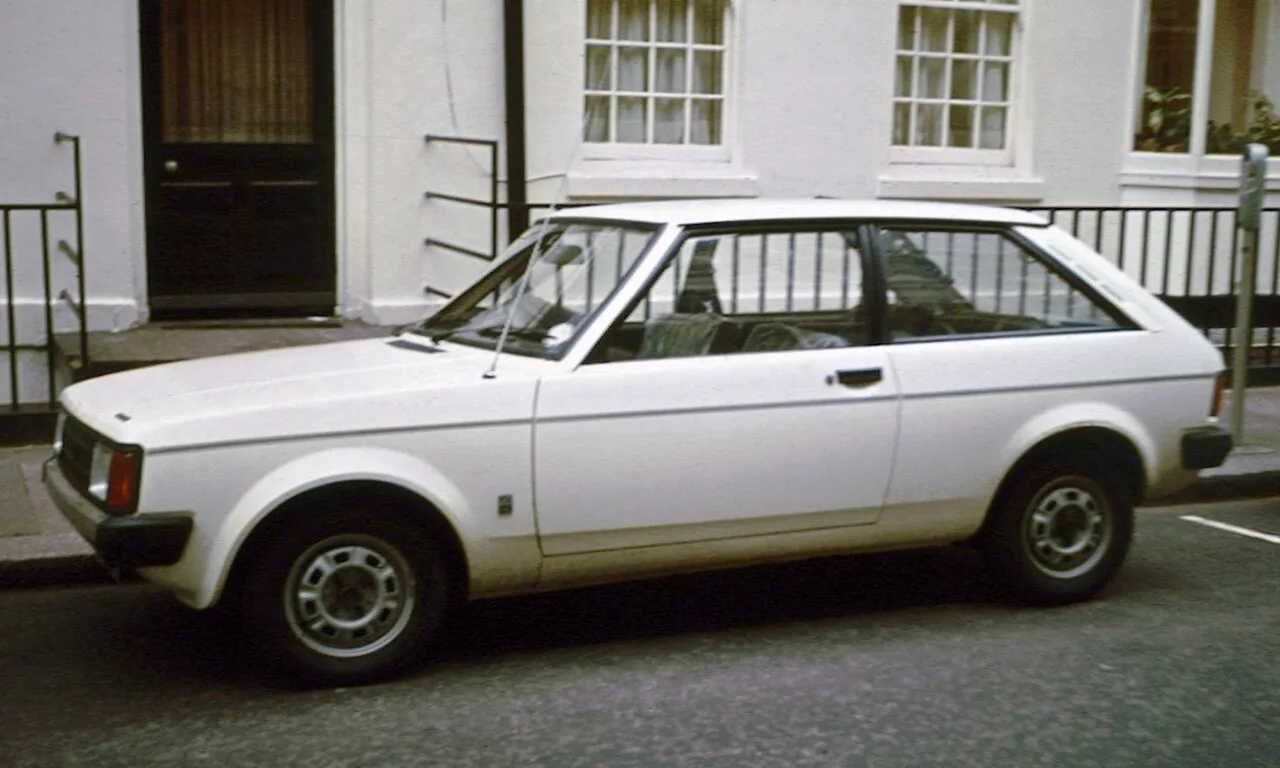
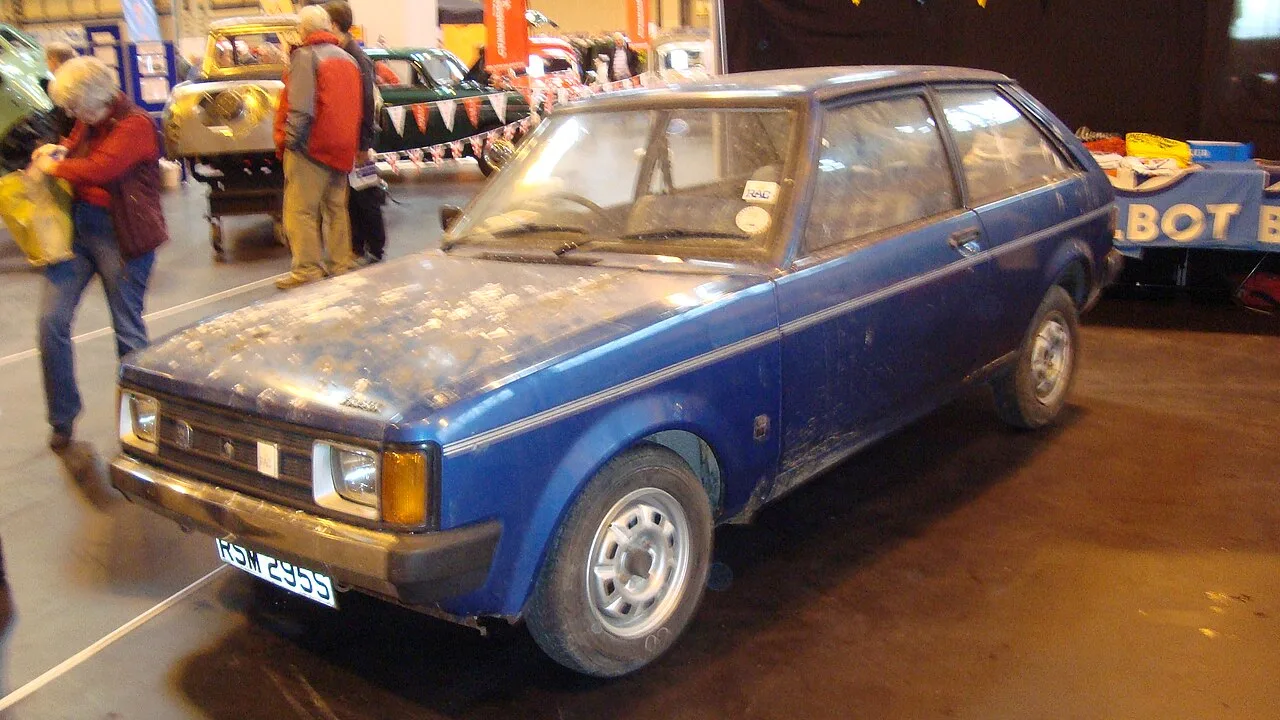
The Chrysler Sunbeam is a supermini manufactured by Chrysler Europe at the former Rootes Group factory in Linwood, Scotland, from 1977 to 1981; after PSA took over Chrysler's European operations the model was renamed Talbot Sunbeam and continued until 1981. Development began in January 1976 as Project R424, with the engineering team at Ryton responsible for the technical side and Chrysler's Whitley design studio in Coventry, led by Roy Axe, for the styling. A tight schedule, low budget and the need to use as many British components as possible led to the rear-wheel-drive Hillman Avenger being used as the base, its wheelbase shortened by 3 inches, with a 928 cc Coventry Climax-derived engine (an enlarged version of the 875cc unit of the rear-engined Hillman Imp), the steering wheel and instrument pod of the Simca 1307/Chrysler Alpine and doors shared with the two-door Avenger; the rest was an all-new body in Chrysler's angular "international" style, and because the Horizon's headlamps were not yet available it received those of the pre-facelift Avenger in recessed mountings. It was only a three-door hatchback, with a single-piece glass hatch in the style of the Hillman Imp and a high rear sill that stiffened the body but restricted access. After a remarkably short development of 19 months the Sunbeam was launched on 23 July 1977 in 0.9, 1.3 and 1.6 litre guises and three trim levels, "LS", "GL" and the range-topping "S"; it sold well but was not a runaway success. From August 1979 it gained Talbot badging while retaining a Chrysler Pentastar logo until 1981, and for its final year it received a facelift with flush headlamps and a revised front end. Approximately 200,000 Sunbeams were made, and the Talbot Samba, based on the Peugeot 104, replaced it in 1981. Dimensions: wheelbase 2,413 mm (95.0 in), length 3,829 mm (150.7 in), width 1,603 mm (63.1 in), height 1,395 mm (54.9 in).
Collectors Spotted in the Chrysler Sunbeam Lineage
No member has published a public street spot of the Chrysler Sunbeam yet — the First · Worldwide stamp is wide open.
Trims & Figures
3 published trims in the catalogue. A blank is a figure not recorded, not zero.
| Trim | Years | Engine | Power | Torque | 0–60 | Drive | Gearbox | MSRP |
|---|---|---|---|---|---|---|---|---|
| Sunbeam 1,295 cc OHV four (1.3) | 1977–1981 | 1.3 L Inline-4 | — | — | — | RWD | — | — |
| Sunbeam 1,598 cc OHV four (1.6) | 1977–1981 | 1.6 L Inline-4 | — | — | — | RWD | — | — |
| Sunbeam 928 cc OHC four (0.9) | 1977–1981 | 0.9 L Inline-4 | 45 hp | — | — | RWD | — | — |
Owning one
We don’t estimate running costs for a car like this. What it costs depends on its condition, its specialist and how it is driven, and an average would mislead.
Owners’ builds
Nobody has claimed one yet.
Photographs
Six of these Sunbeam Lotuses went undercover for real — Greater Manchester Police stripped off the Lotus badges, repainted them in plain Talbot colors, and ran them as unmarked pursuit cars against stolen-vehicle crime all through the 1980s.
While rivals were switching to front-wheel drive, the hot Sunbeam Ti kept its rear-wheel-drive layout — and reviewers of the day actually praised it for suiting a performance car better.
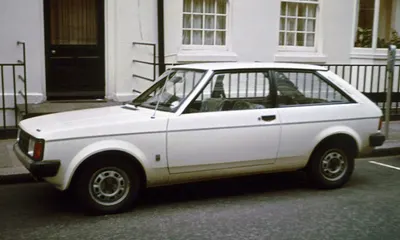
Greater Manchester Police once ran a secret squad of Sunbeam Lotuses with the Lotus badges removed, blending into traffic to catch car thieves.
Rivals
Same body, same money, other badges — tap any card to flip.
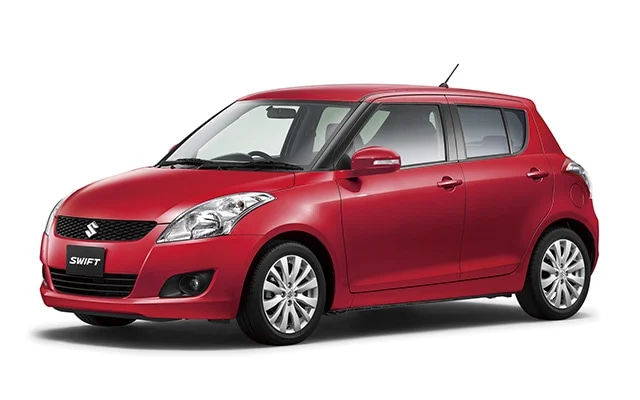
Japan was a minor market for the Swift: when it passed 2 million sales in 2011, about 39% were in India and 27% in Europe, against roughly 15% at home.
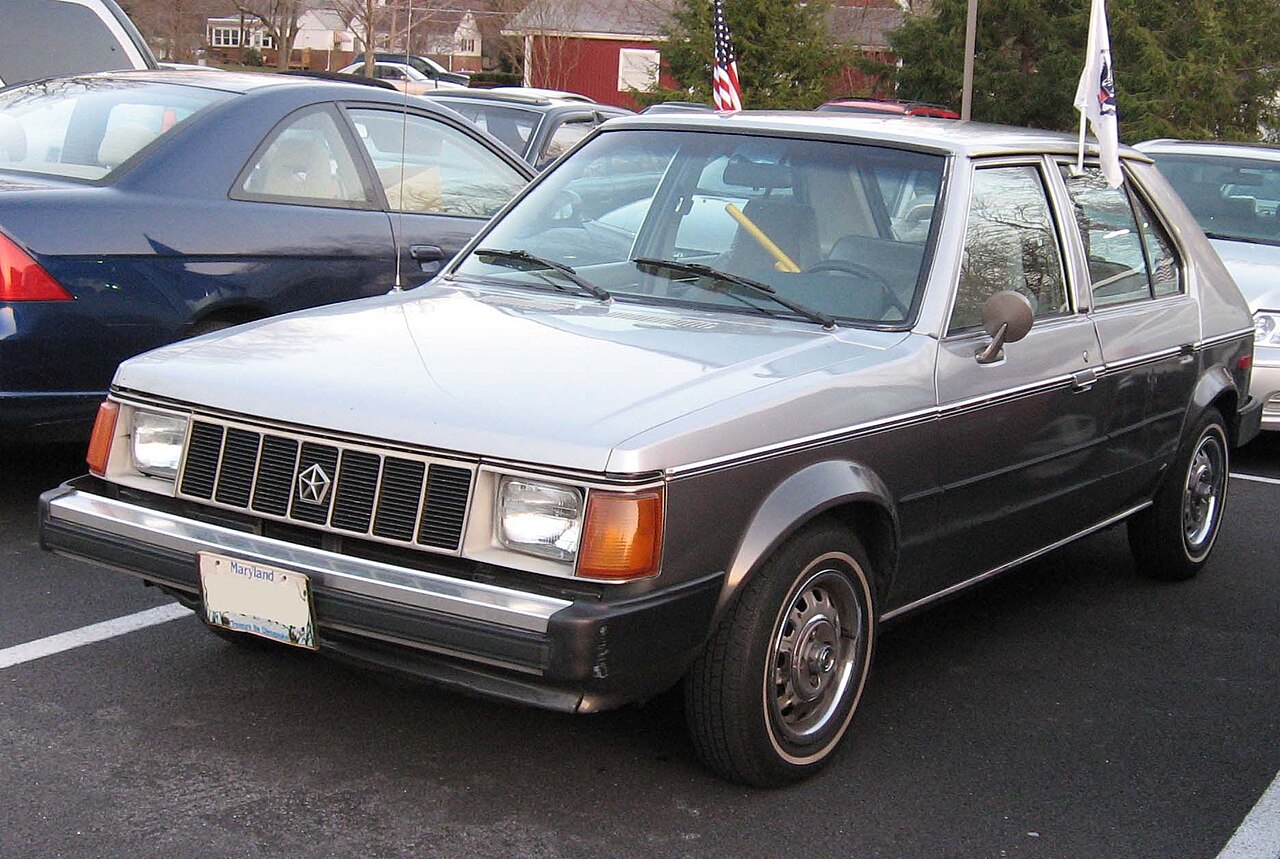
To adapt the Horizon for America, Chrysler bought nearly 100 Volkswagen Rabbits purely to reverse engineer them.
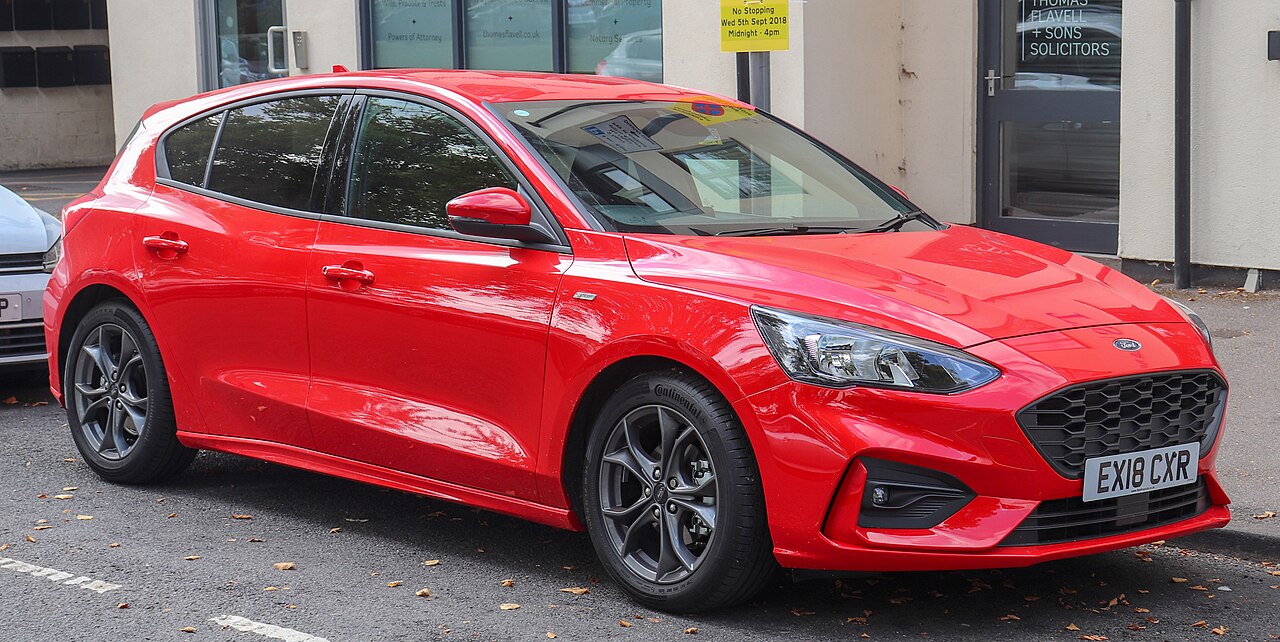
The Mk3 Focus RS's AWD system could send 100 percent of engine power to the rear wheels alone — built not in Ford's home country, but at the Saarlouis plant in Germany.
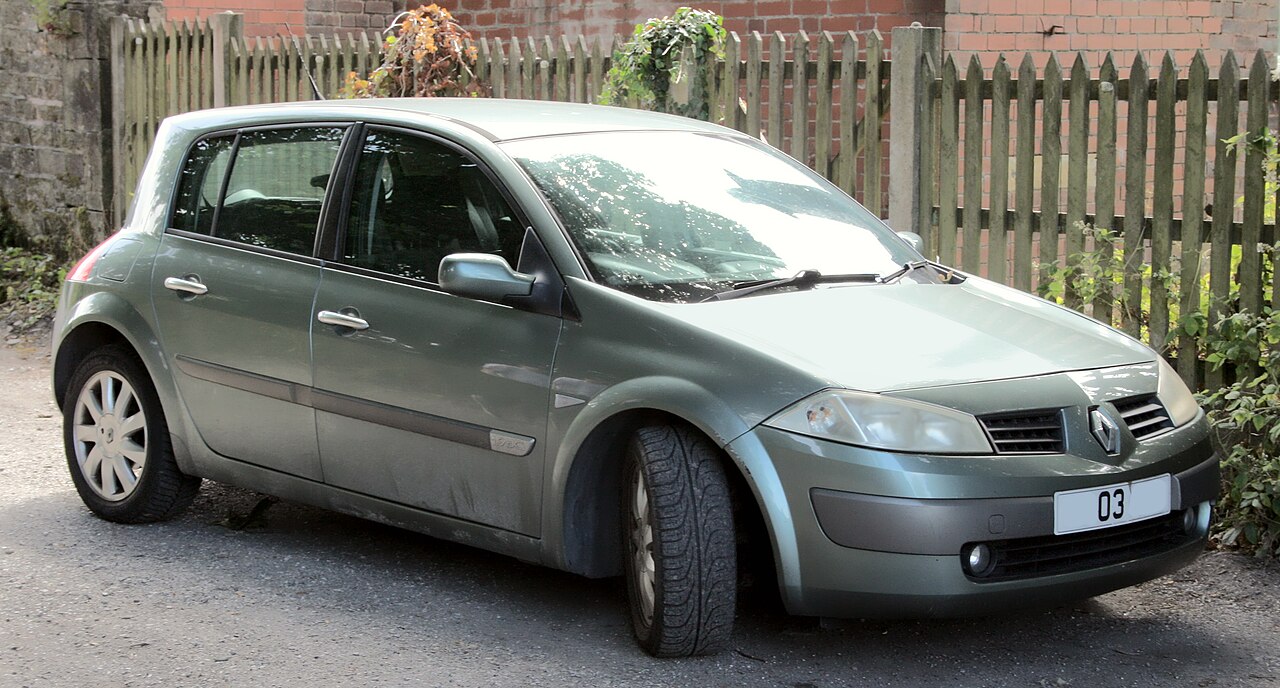
In June 2003, a Mégane II became the subject of the first ever live televised crash test with a real human driver at the wheel instead of a dummy — filmed by Top Gear.
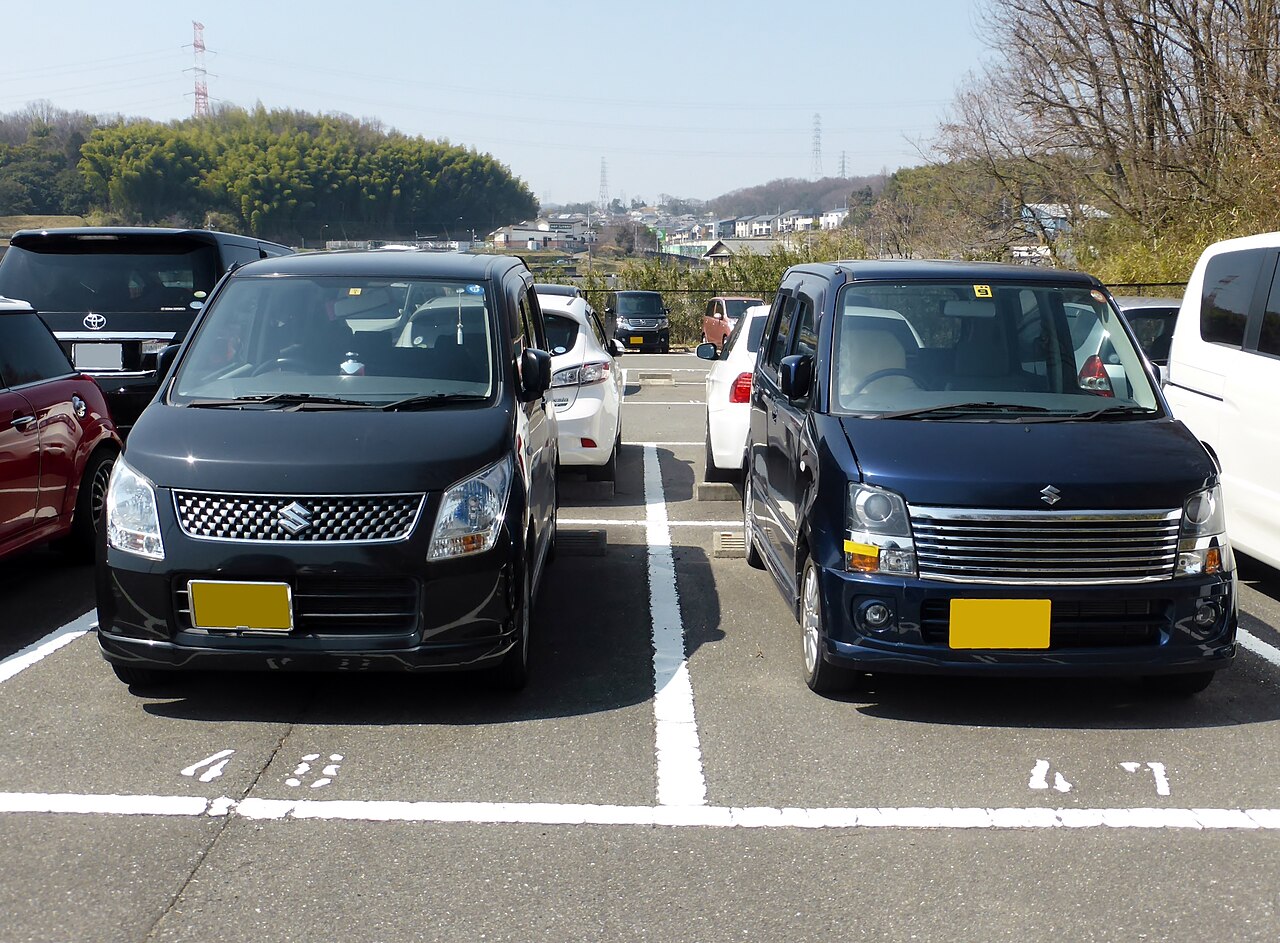
This Wagon R redesigned its rear doors specifically to kill off the D-pillar — bigger doors with built-in quarter glass solved what earlier generations needed a whole extra pillar for.
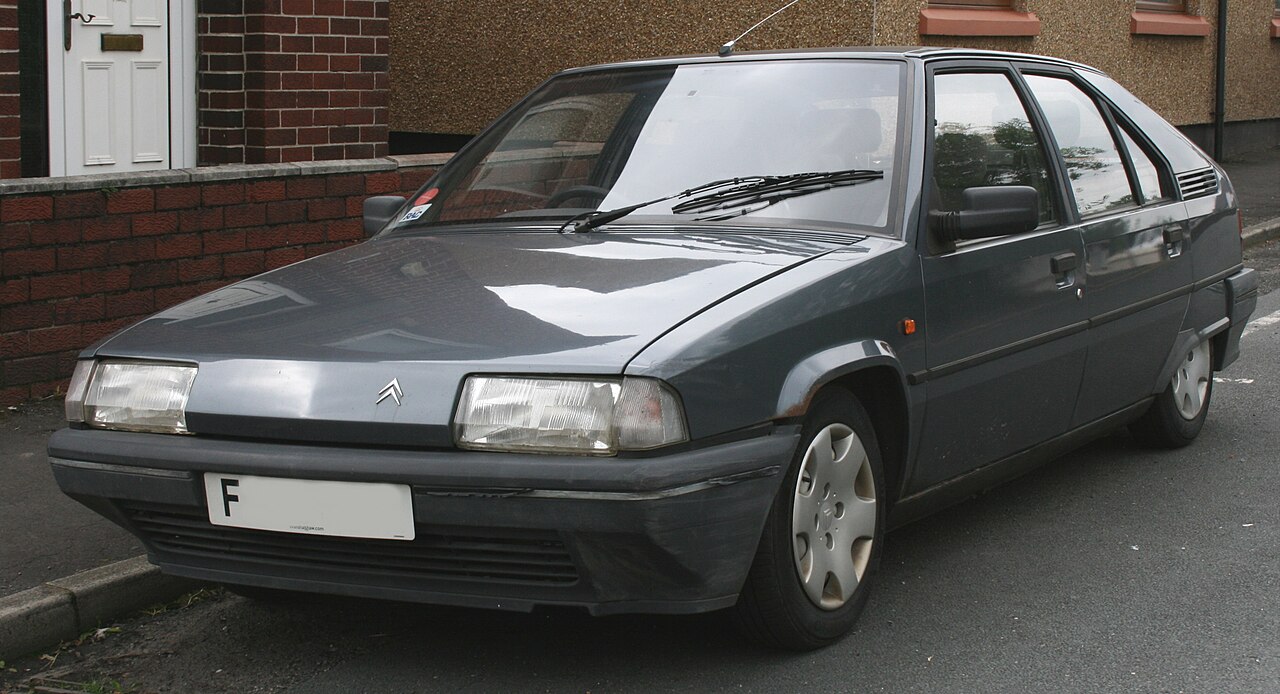
The BX was the UK's best-selling diesel car for four years from 1987, and 2,315,739 were built in all.
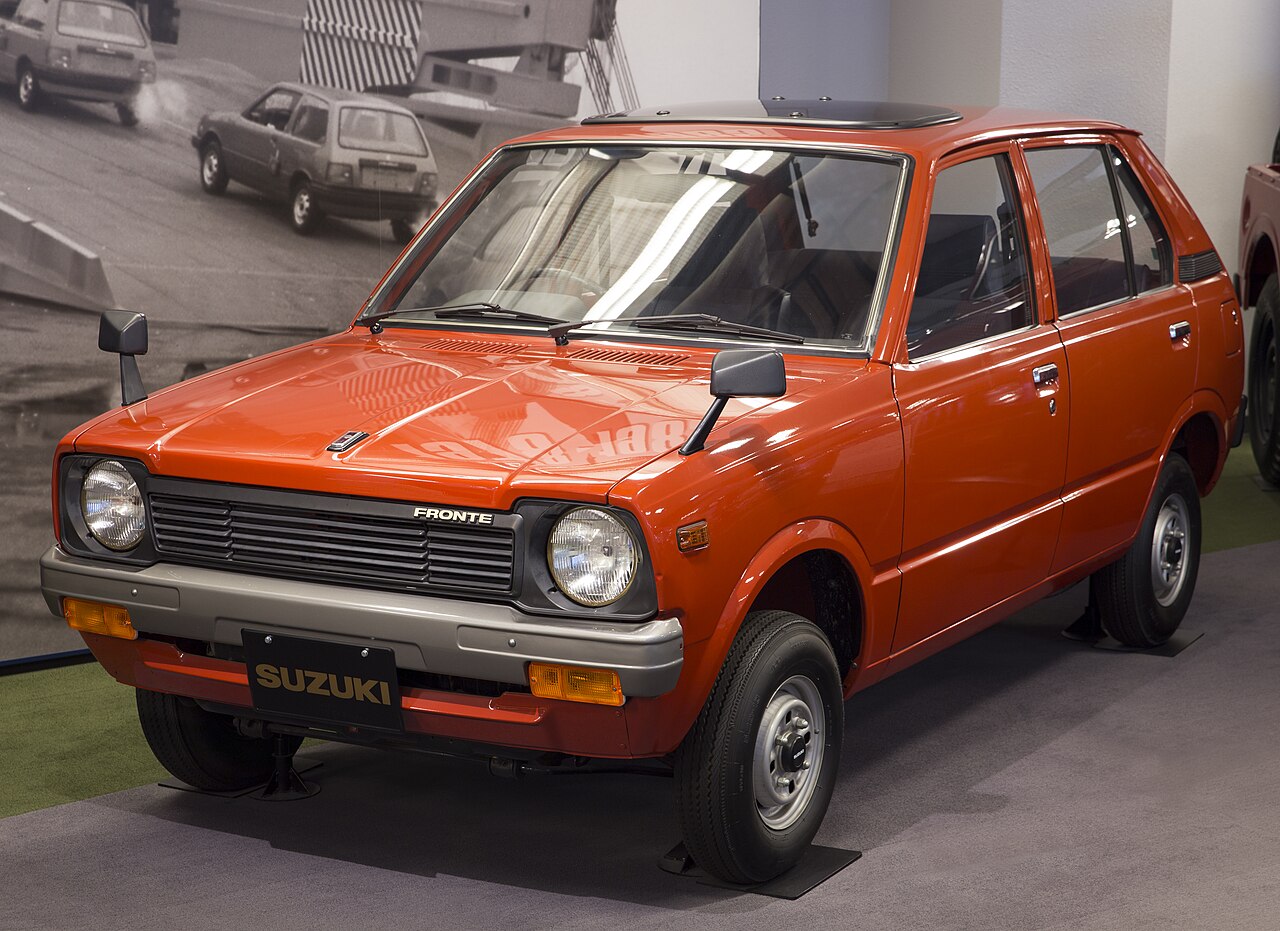
Six months before Suzuki retired the Fronte name for good, the CN11S's 796cc version was already being built in China under a completely different name: the Anchi 6330.
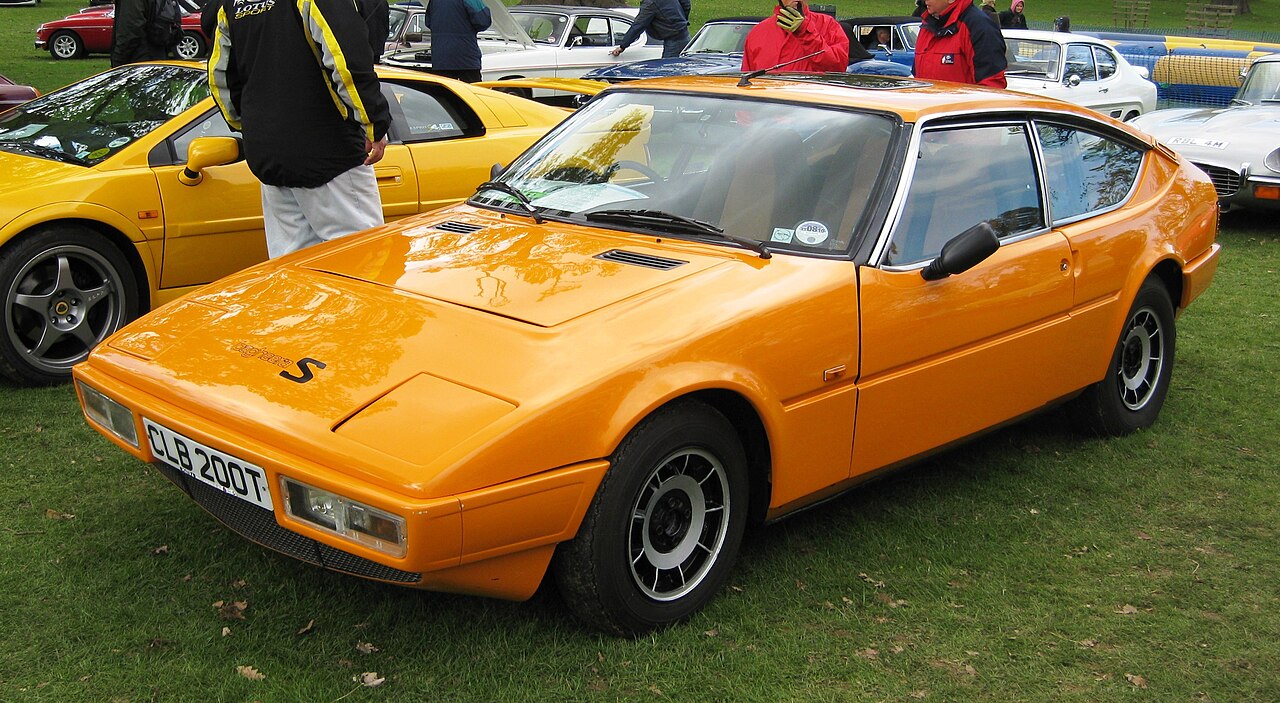
Built to use up Chrysler-Simca's parts bin, it took its engine and gearbox straight from the front-wheel-drive Simca 1100 but mounted them amidships instead.