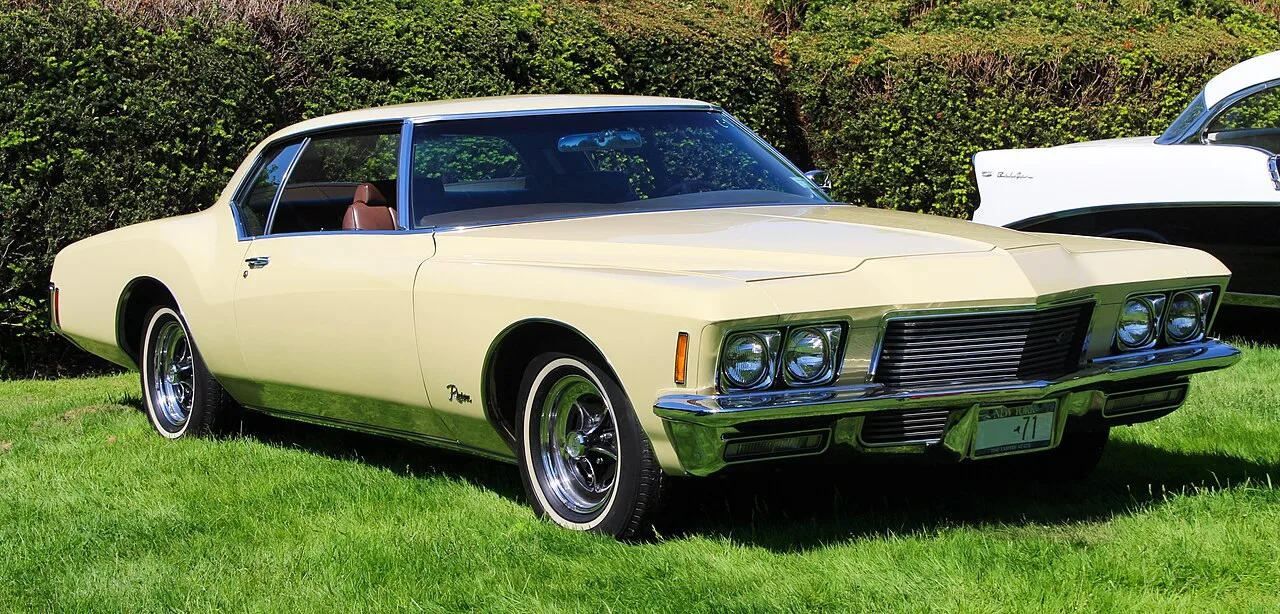
The dramatic boat-tail Riviera wasn't designed for the big body it got. GM's stylists built it to fit the smaller A-body platform; management decided late to stretch it onto the full-size B-body instead.
Lead trim: Riviera 455 cu in Buick V8 (250 hp, 1973) · up to 330 hp
Buick Riviera1971–1973
- 0spots by members
- Unclaimednobody has spotted one yet
- 0sets it belongs to
Nobody in Burbles has spotted a Buick Riviera yet. See one on the street, point the app at it, and the first card is yours — with your @handle permanently credited on this page.
FactThe dramatic boat-tail Riviera wasn't designed for the big body it got. GM's stylists built it to fit the smaller A-body platform; management decided late to stretch it onto the full-size B-body instead.
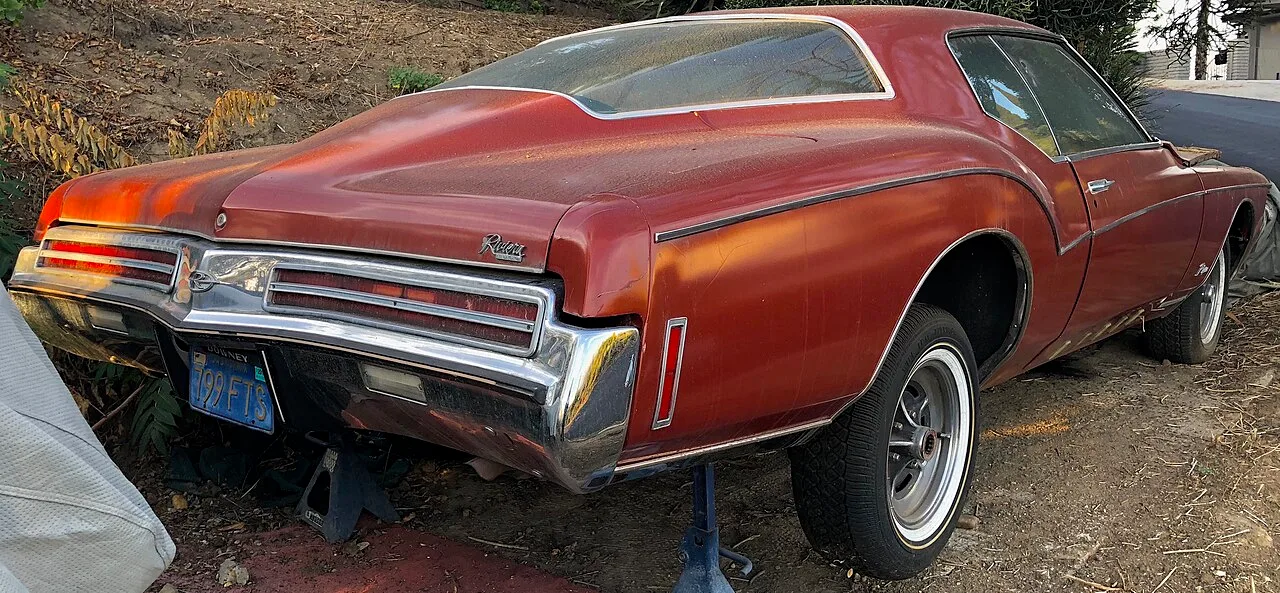
The Riviera was radically redesigned for 1971 with flowing "boat-tail" styling under Bill Mitchell's direction, penned by Jerry Hirshberg, mating a two-piece vee-butted fastback rear window inspired by the 1963 Corvette Sting Ray coupe to the full-size GM B platform body (wheelbase up 3 in to 122.0 in, over 120 lb heavier), a sharp departure from the Toronado and Eldorado. It reintroduced a more faithful "sweepspear" and introduced Buick's Max Trac traction control; length 217.4 in (1971), 218.3 in (1972) and 223.4 in (1973), width 79.9 in, height 54.0 in, curb weight 4,247 lb. The only engine was Buick's own 455 cu in V8 producing 315 hp (gross), 330 hp with the Gran Sport (GS) package, with a 0–60 mph time of 8.1 seconds for the GS; for 1972 the 455 switched to net ratings (225 hp, 250 hp in the GS, though the actual drop was only 5 hp) and sales stagnated at 33,728. For 1973 the boat-tail deck was blunted and shortened, the front bumper redesigned for the 1974 impact standards, the 250 hp engine became standard and the Stage One package raised it to 260 hp with a limited-slip differential and chrome air cleaner; the Gran Sport became a ride-and-handling package (rear stabilizer bar, JR78-15 radials, tuned "radial roadability" suspension and badging). 34,080 were built in 1973.
Collectors Spotted in the Buick Riviera Lineage
No member has published a public street spot of the Buick Riviera yet — the First · Worldwide stamp is wide open.
Trims & Figures
3 published trims in the catalogue. A blank is a figure not recorded, not zero.
| Trim | Years | Engine | Power | Torque | 0–60 | Drive | Gearbox | MSRP |
|---|---|---|---|---|---|---|---|---|
| Riviera 455 cu in Buick V8 (250 hp, 1973) | 1973–1973 | 7.5 L V8 | 250 hp | — | — | RWD | — | — |
| Riviera 455 cu in Buick V8 (315 hp gross, 1971) | 1971–1971 | 7.5 L V8 | 315 hp | — | — | RWD | — | — |
| Riviera GS 455 cu in Buick V8 (330 hp gross, 1971) | 1971–1971 | 7.5 L V8 | 330 hp | — | — | RWD | — | — |
Owning one
We don’t estimate running costs for a car like this. What it costs depends on its condition, its specialist and how it is driven, and an average would mislead.
Owners’ builds
Nobody has claimed one yet.
Photographs
Buick skipped the 1994 model year entirely before bringing the Riviera back redesigned for 1995.
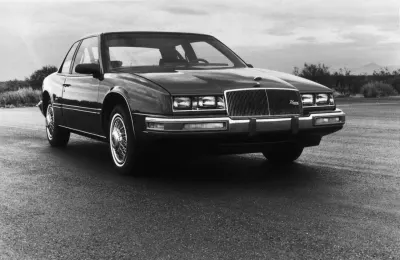
GM shrank the Riviera to a 108-inch wheelbase for 1986, then had to stretch it back out again by 1989.
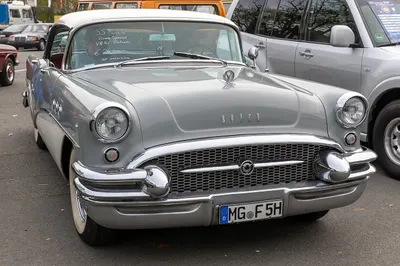
The special grille from the limited 1983 "Riviera XX" 20th-anniversary edition - with 24-karat gold badging - became a standard part of the 1984 facelift.
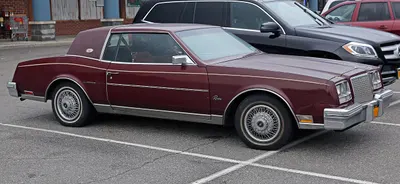
A twin-turbo Riviera convertible tuned to 410 hp paced the 1983 Indianapolis 500, more than double the production S-Type's output.
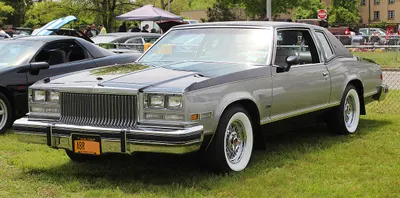
The Riviera had ridden on the same E-body platform since 1963, but for 1977 and 1978 only, Buick shrank it onto GM's new, smaller B platform.
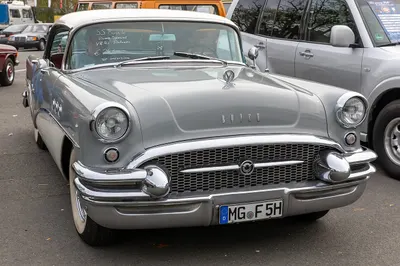
This Riviera introduced two high-mounted taillights above the trunk, below the rear window — a quirk shared with its Toronado platform twin that anticipated a feature later made a federal mandate.
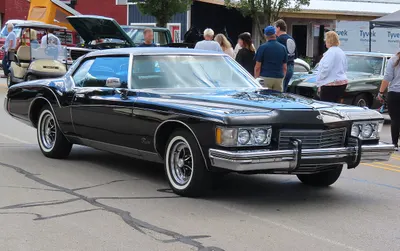
Buyers found the Riviera's boat-tail look too radical, so for 1973 GM blunted the deck lid and shortened it — the Stage One cars that followed wore the toned-down tail.
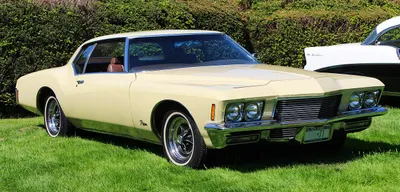
The dramatic boat-tail Riviera wasn't designed for the big body it got. GM's stylists built it to fit the smaller A-body platform; management decided late to stretch it onto the full-size B-body instead.
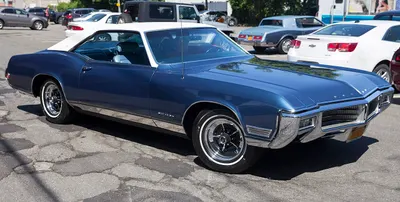
Both the Riviera's E-body siblings, the Toronado and Eldorado, switched to front-wheel drive — Buick alone kept the Riviera rear-wheel drive.
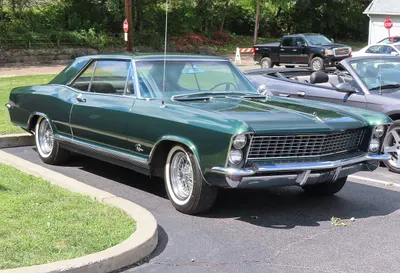
1965 was the year the Riviera's Gran Sport debuted — its Super Wildcat V8 ran twin four-barrel carburetors just to hit 360 horsepower.
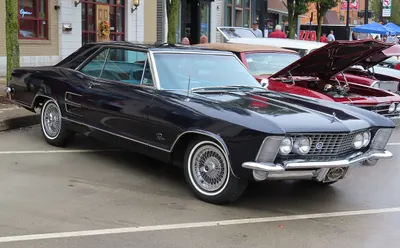
Buick deliberately capped first-gen Riviera production at 40,000 a year — in a year it sold 440,000 cars overall — just to keep the Riviera feeling exclusive.
Rivals
Same body, same money, other badges — tap any card to flip.
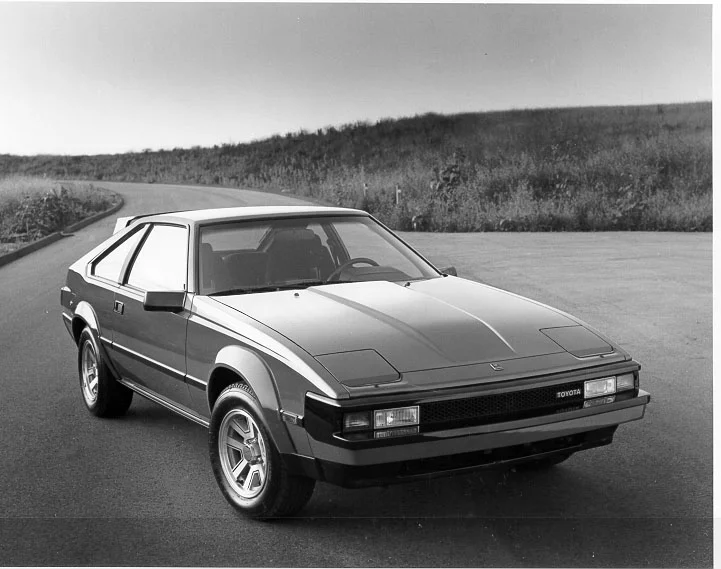
The Celica XX, Japan's name for the A60 Supra, introduced the world's first in-car navigation computer.
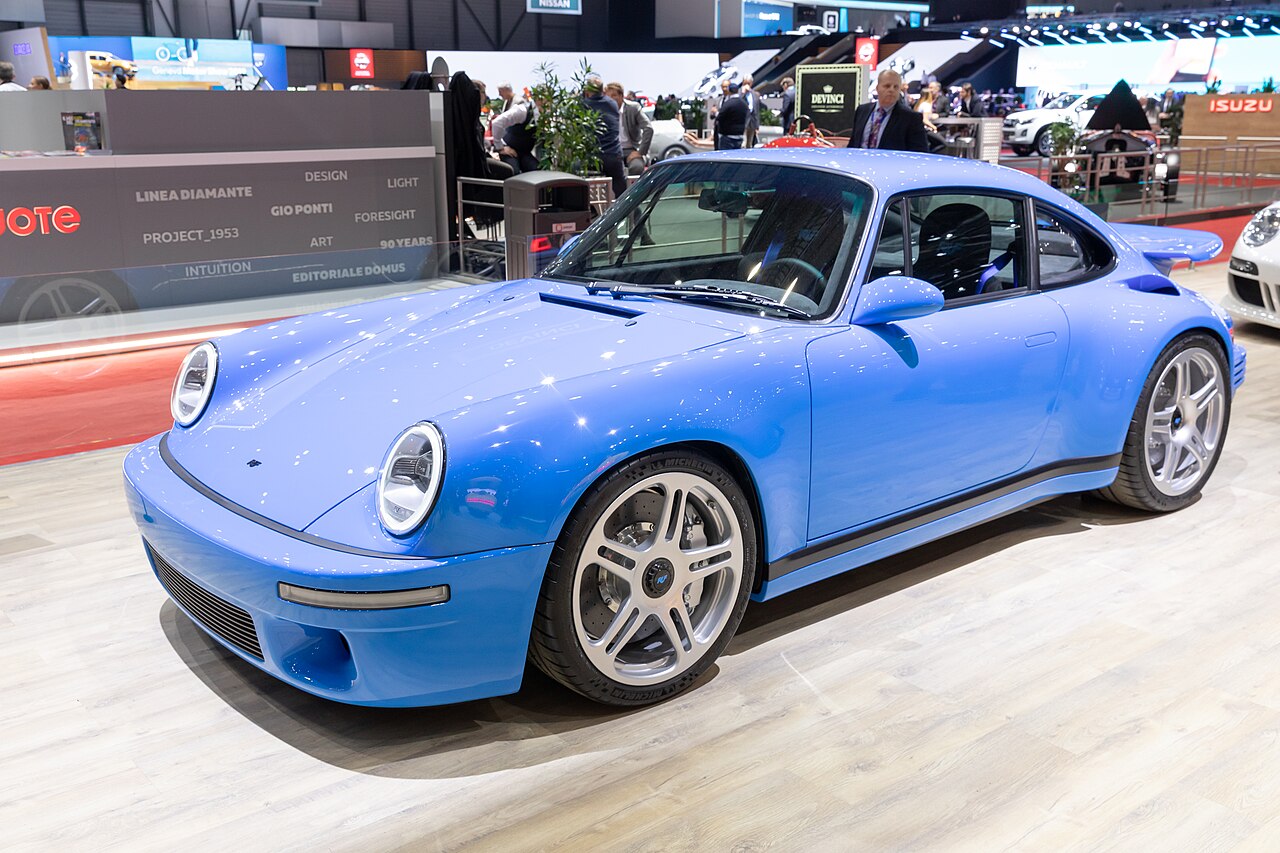
The CTR Anniversary looks like a 911 but Ruf built its carbon monocoque from scratch, no Porsche body underneath.
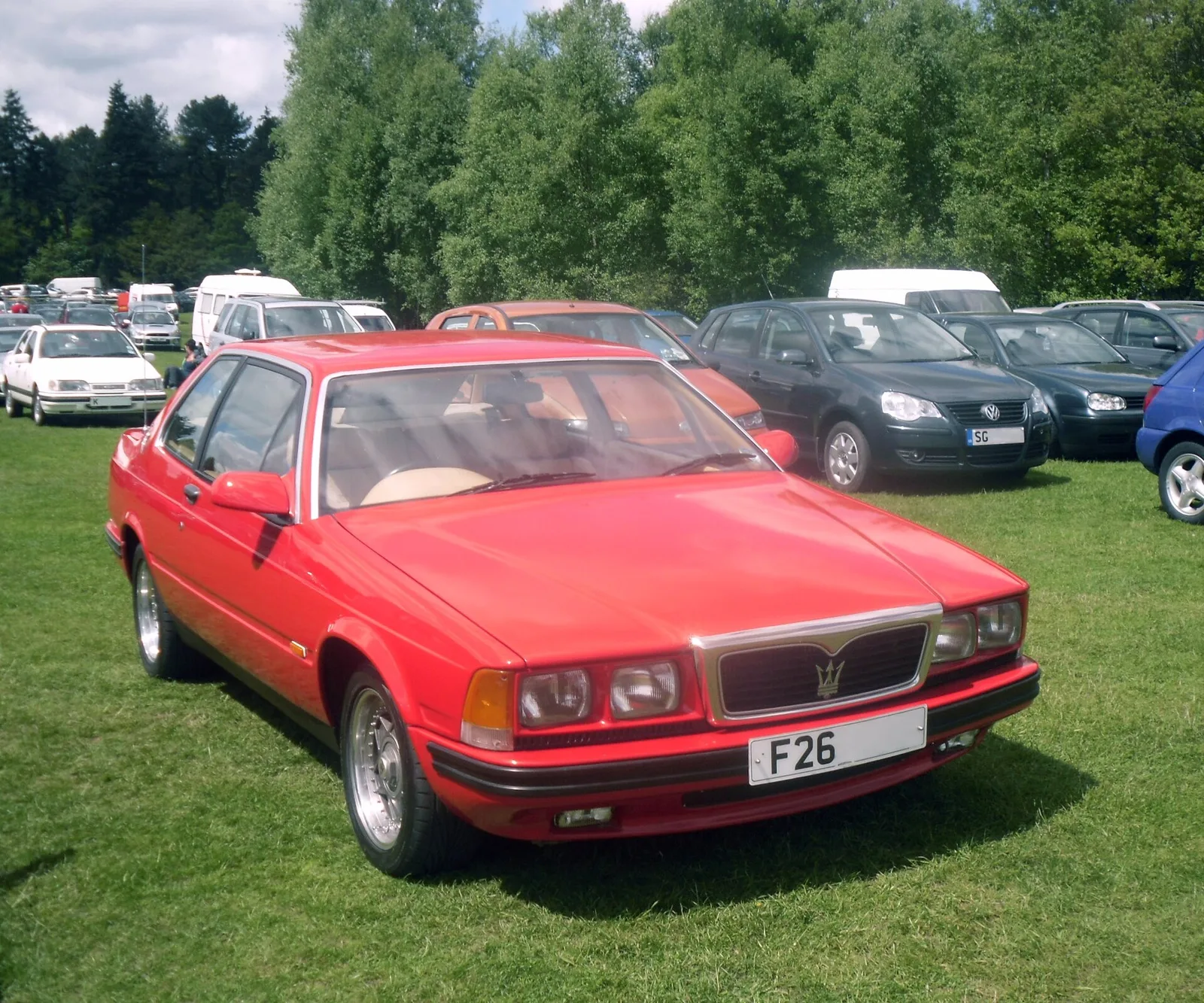
The 228's coupe styling hides a sedan underneath: Maserati stretched it onto the longer four-door Biturbo chassis to make room for its biggest V6, which is literally where the name comes from — 2-door, 2.8 litre.
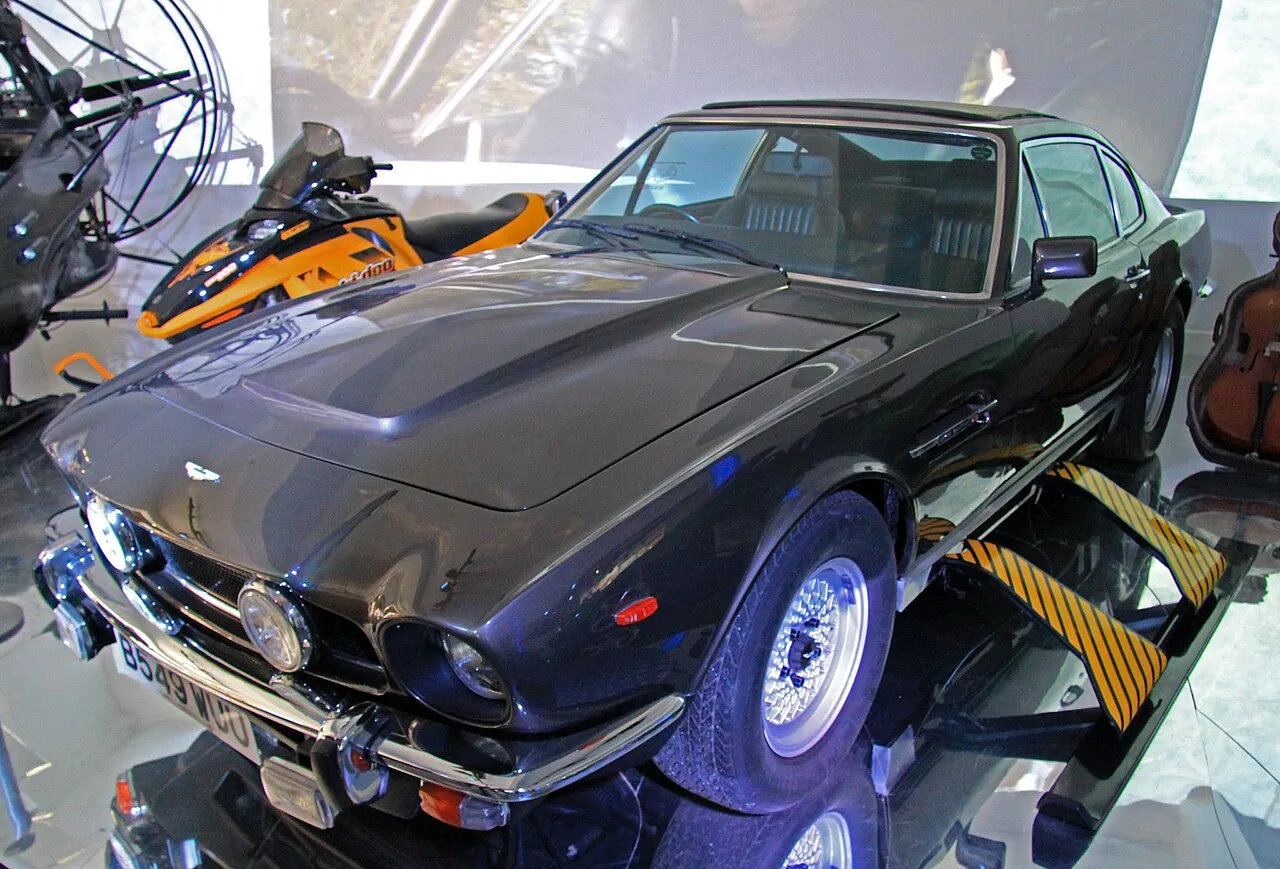
Switching to fuel injection let this V8 finally shed its trademark bonnet bulge — and only 405 of these flat-hooded Series 5 cars were built before the whole model retired in 1989.
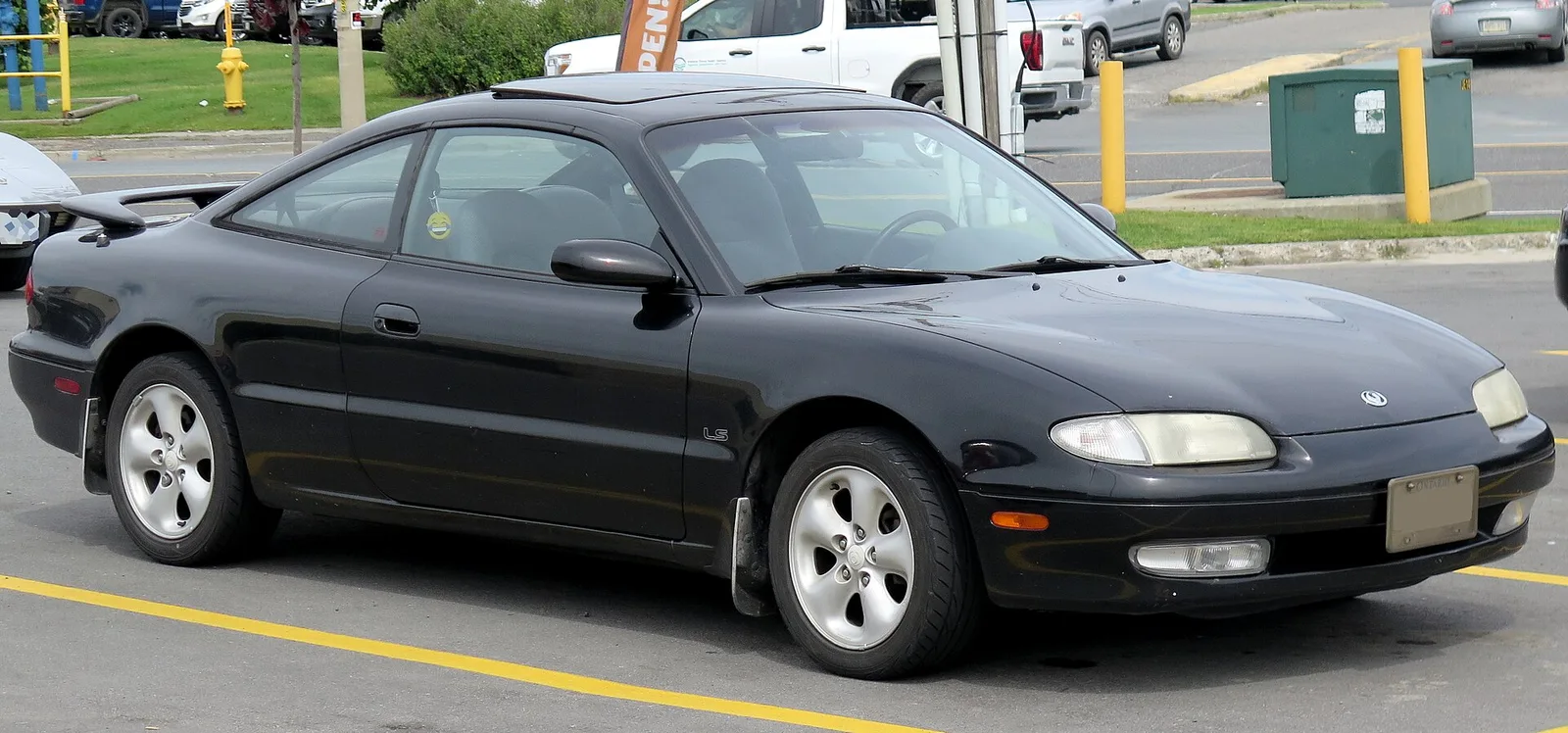
Japanese buyers got a secret weapon in their MX-6 — the JDM-only KL-ZE V6 made about 40 more horsepower than the engine sold in the exact same car in North America.
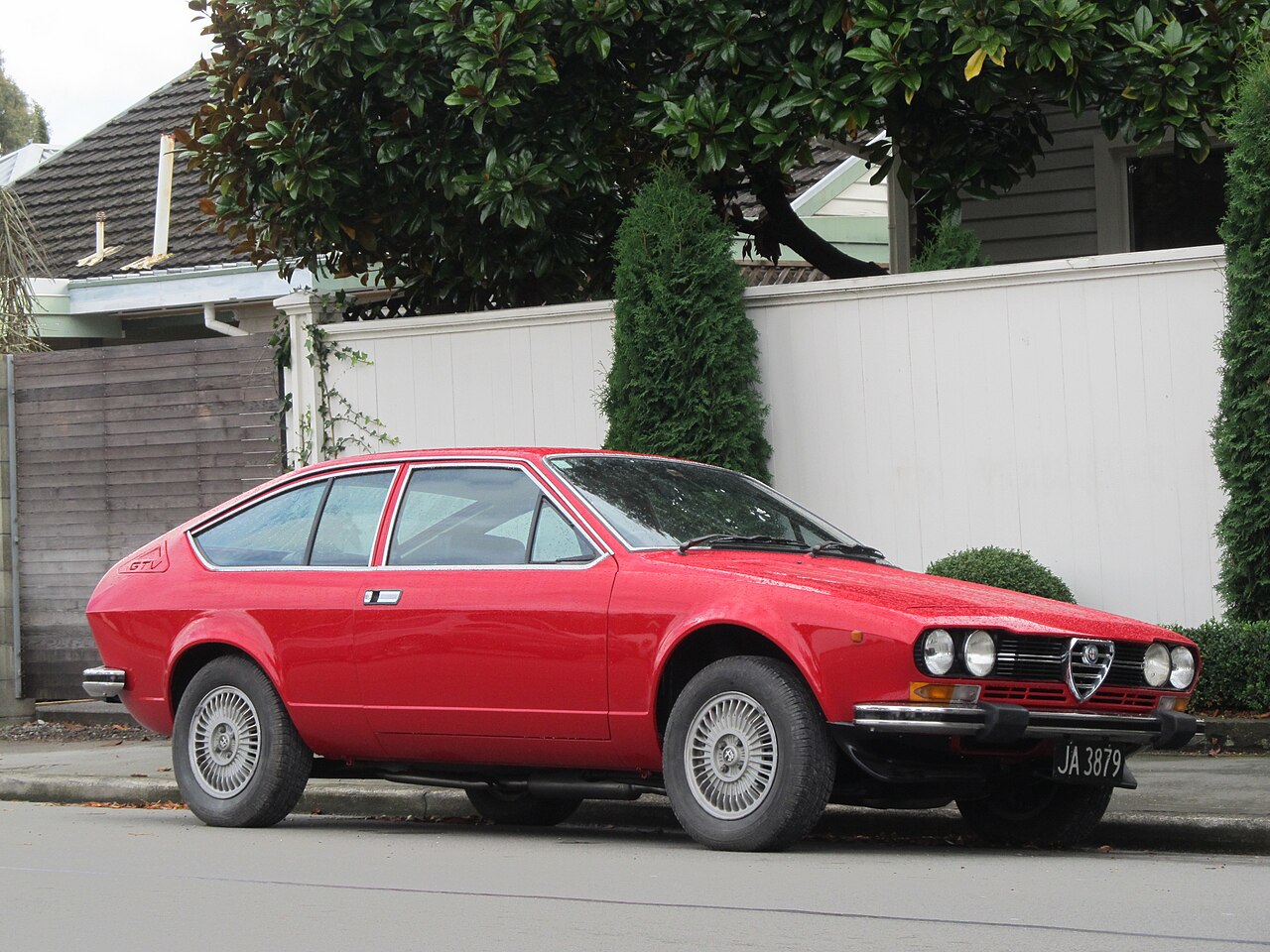
An American tuner, Callaway Cars, built twin-turbo conversions of the GTV6 that boosted its V6 by fifty percent to 230 hp — turning Alfa's grand tourer into something far quicker than the factory ever intended.
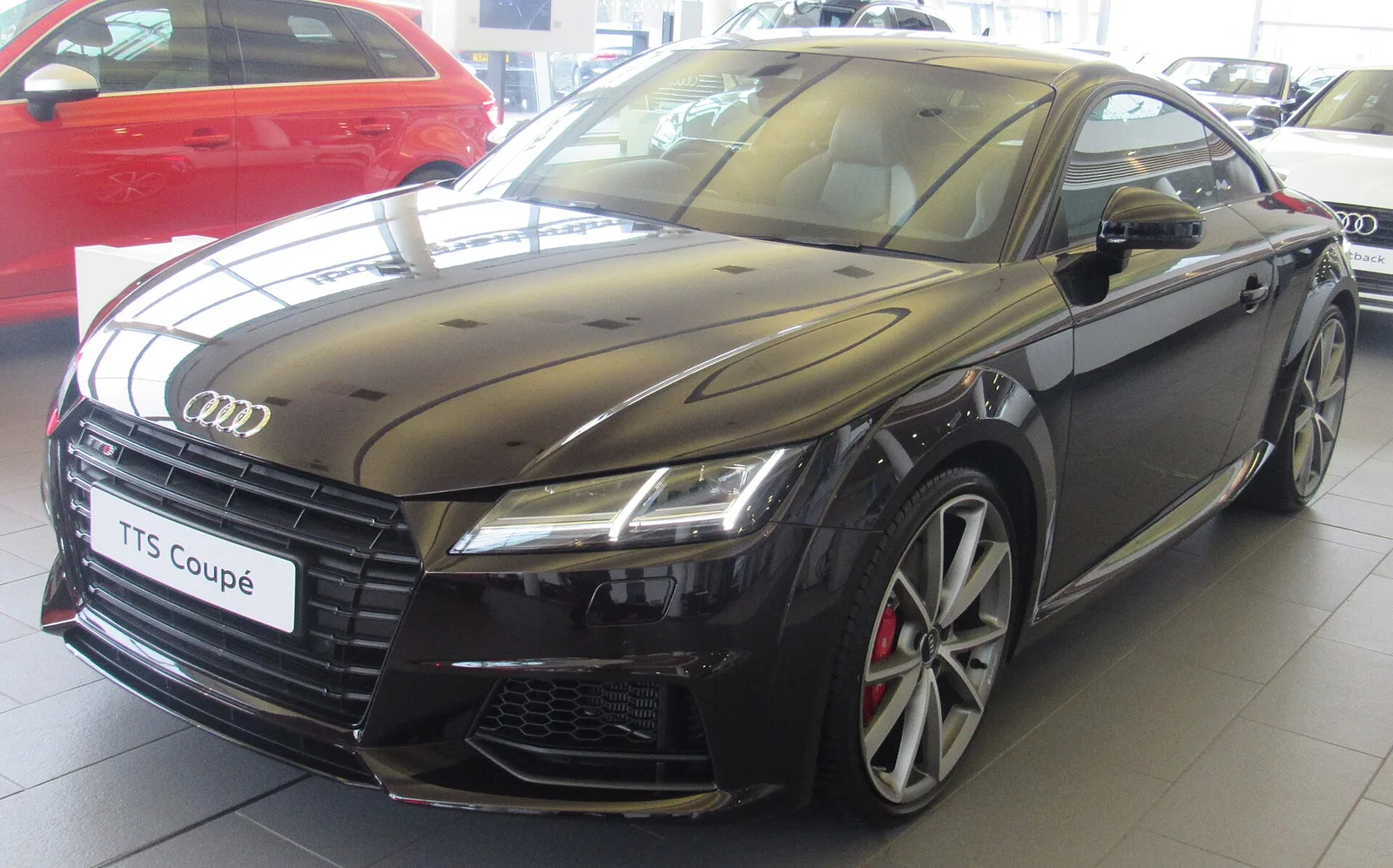
Audi TTS Coupe · TTS Coupe (2016–2023) · 2016–2023.
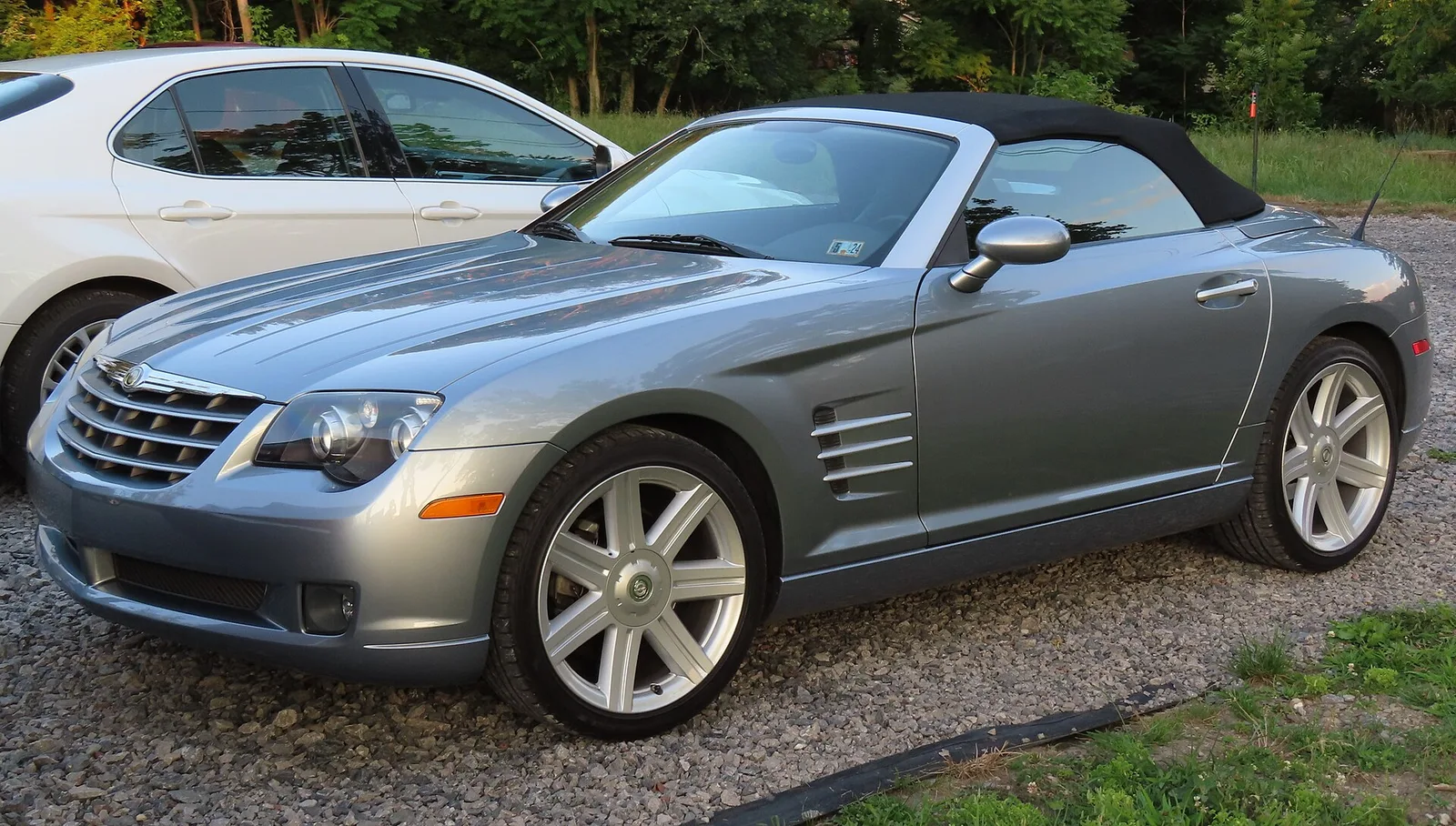
A product of the DaimlerChrysler merger, the Crossfire shares 80% of its parts with the Mercedes-Benz SLK — German bones under American badges.