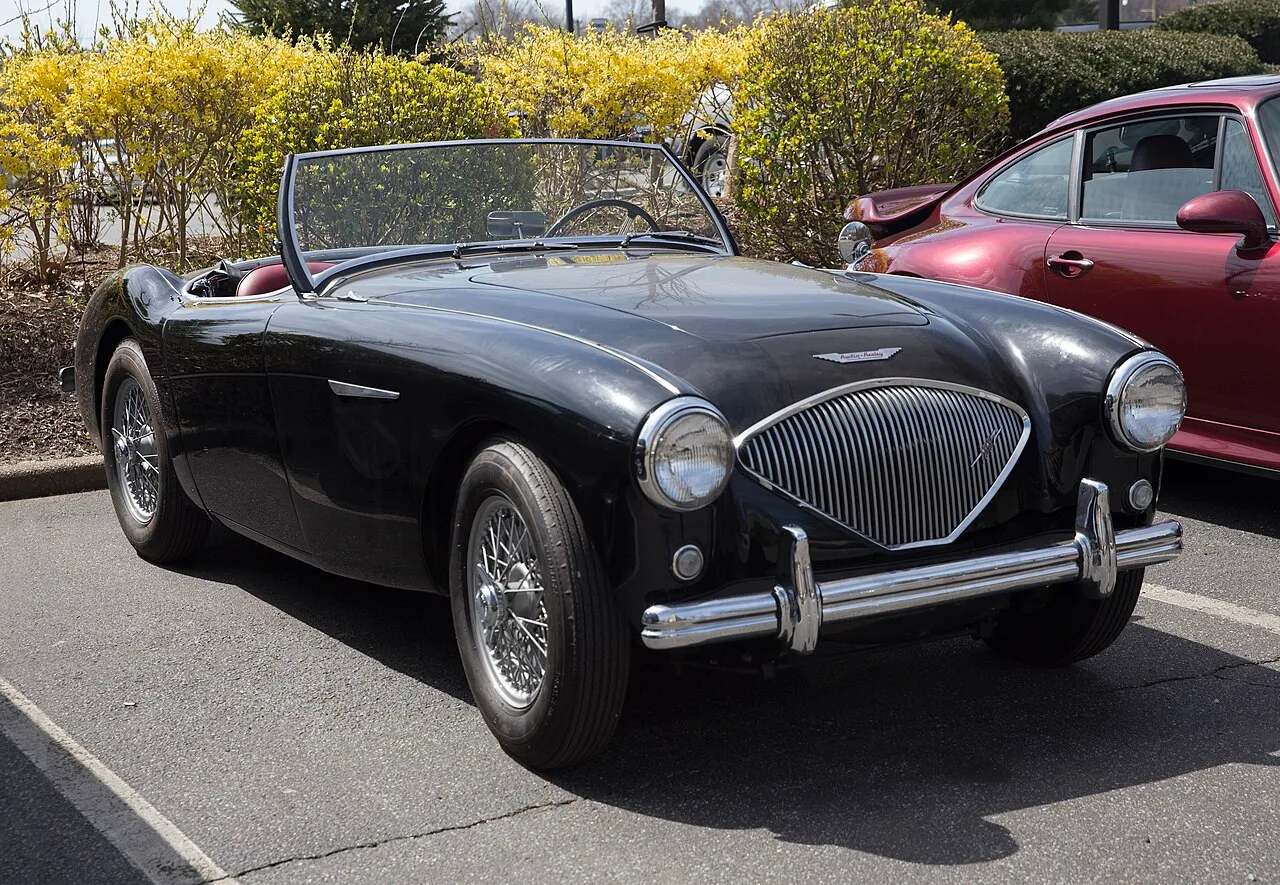
Donald Healey named his car the 100 simply because it could hit 100 mph, no more thought went into it.
Median 93 hp across 22 similar cars
Lead trim: 100 BN1 / BN2 2660 cc (90 bhp) · up to 132 hp
Austin-Healey 100 BN1 / BN21953–1956
- 0spots by members
- Unclaimednobody has spotted one yet
- 0sets it belongs to
Nobody in Burbles has spotted a Austin-Healey 100 BN1 / BN2 yet. See one on the street, point the app at it, and the first card is yours — with your @handle permanently credited on this page.
FactDonald Healey named his car the 100 simply because it could hit 100 mph, no more thought went into it.
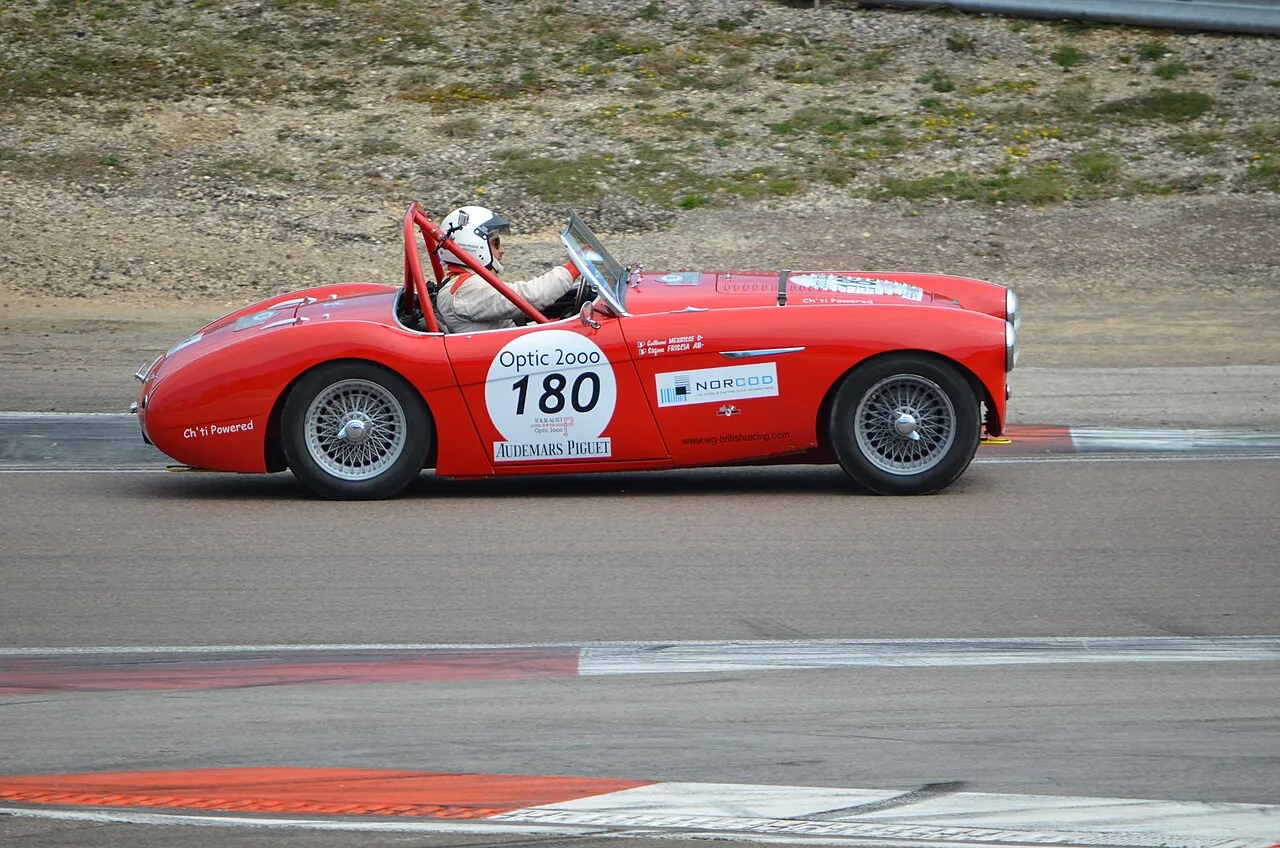
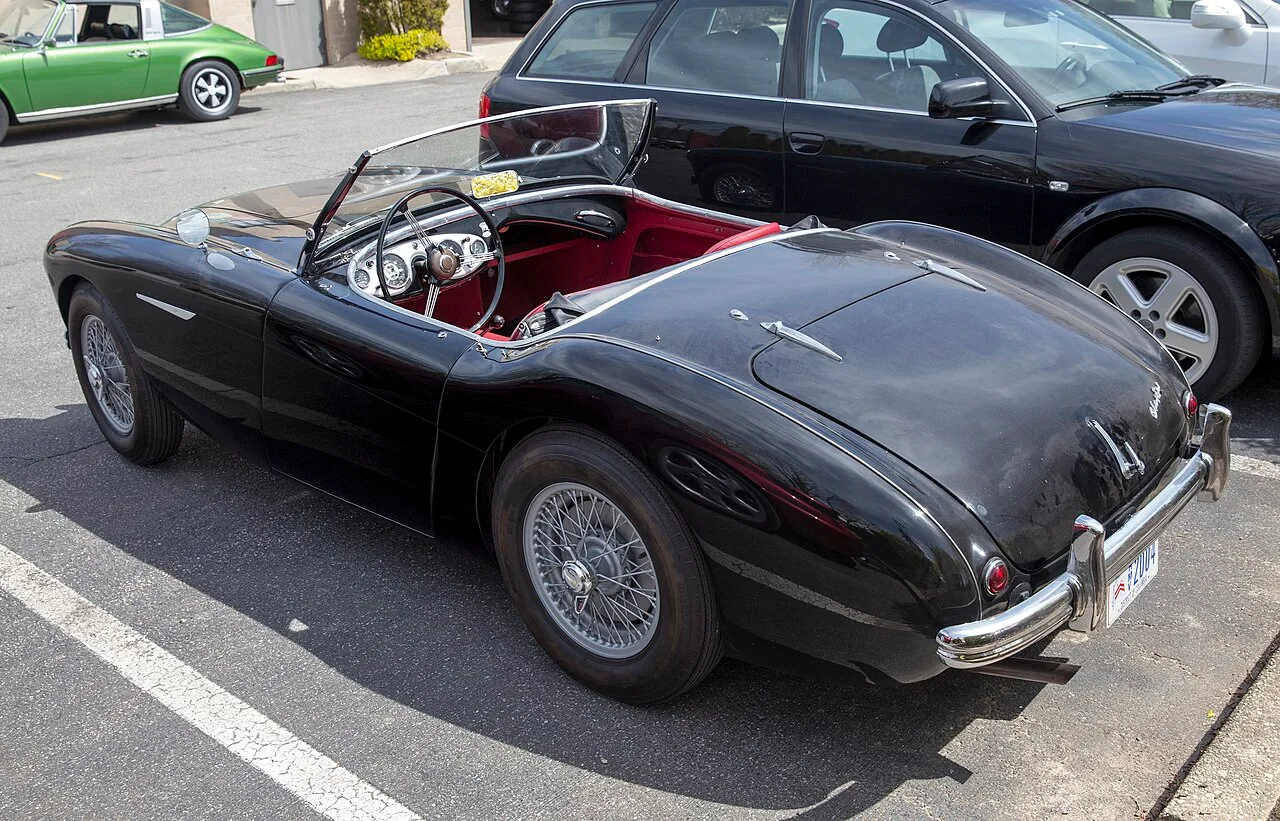
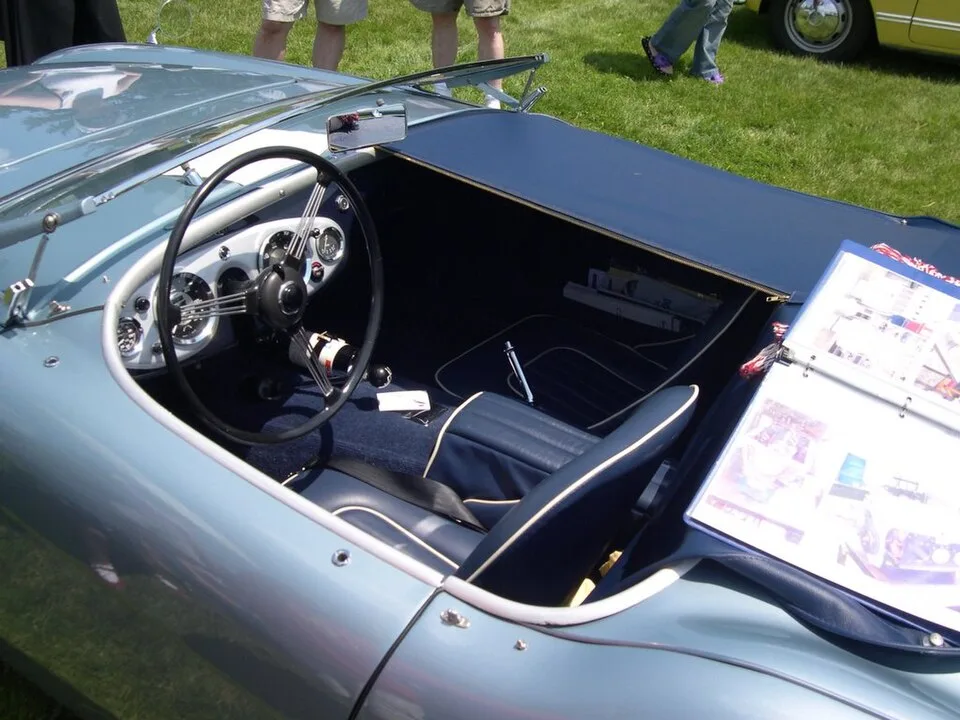
The Austin-Healey 100 is a sports car assembled by Austin from 1953 until 1956, based on Austin A90 Atlantic mechanicals and developed by Donald Healey from his Nash-Healey. Healey had Tickford build a single Healey Hundred for the 1952 London Motor Show, which impressed Leonard Lord, managing director of Austin, who was looking for a replacement for the unsuccessful A90. Body styling was by Gerry Coker and the chassis was designed by Barry Bilbie, with the rear axle underslung to keep the overall height low; bodies made by Jensen Motors were given Austin mechanical components at Longbridge. The "100" was named by Healey for the car's ability to reach 100 mph; its successor, the Austin-Healey 3000, was named for the almost 3000 cc displacement of its engine. The first 100s (BN1) used the same 2660 cc four-cylinder as the A90, 90 bhp, with a three-speed floor-shift unit with a switched overdrive; a BN1 tested by The Motor in 1953 had a top speed of 106 mph and could accelerate from 0–60 mph in 11.2 seconds. The 100M of 1955 produced 110 bhp at 4500 rpm and the aluminium-bodied 100S for racing developed 132 bhp at 4700 rpm.
Collectors Spotted in the Austin-Healey 100 Lineage
No member has published a public street spot of the Austin-Healey 100 yet — the First · Worldwide stamp is wide open.
Trims & Figures
3 published trims in the catalogue. A blank is a figure not recorded, not zero.
| Trim | Years | Engine | Power | Torque | 0–60 | Drive | Gearbox | MSRP |
|---|---|---|---|---|---|---|---|---|
| 100 BN1 / BN2 2660 cc (90 bhp) | 1953–1956 | 2.7 L Inline-4 | 90 hp | 143 lb-ft | 11.2 s | — | — | — |
| 100M 2660 cc (110 bhp) | 1955–1956 | 2.7 L Inline-4 | 110 hp | 143 lb-ft | — | — | — | — |
| 100S 2660 cc (132 bhp) | 1955–1956 | 2.7 L Inline-4 | 132 hp | 168 lb-ft | — | — | — | — |
Owning one
We don’t estimate running costs for a car like this. What it costs depends on its condition, its specialist and how it is driven, and an average would mislead.
Owners’ builds
Nobody has claimed one yet.
Photographs
Rivals
Same body, same money, other badges — tap any card to flip.
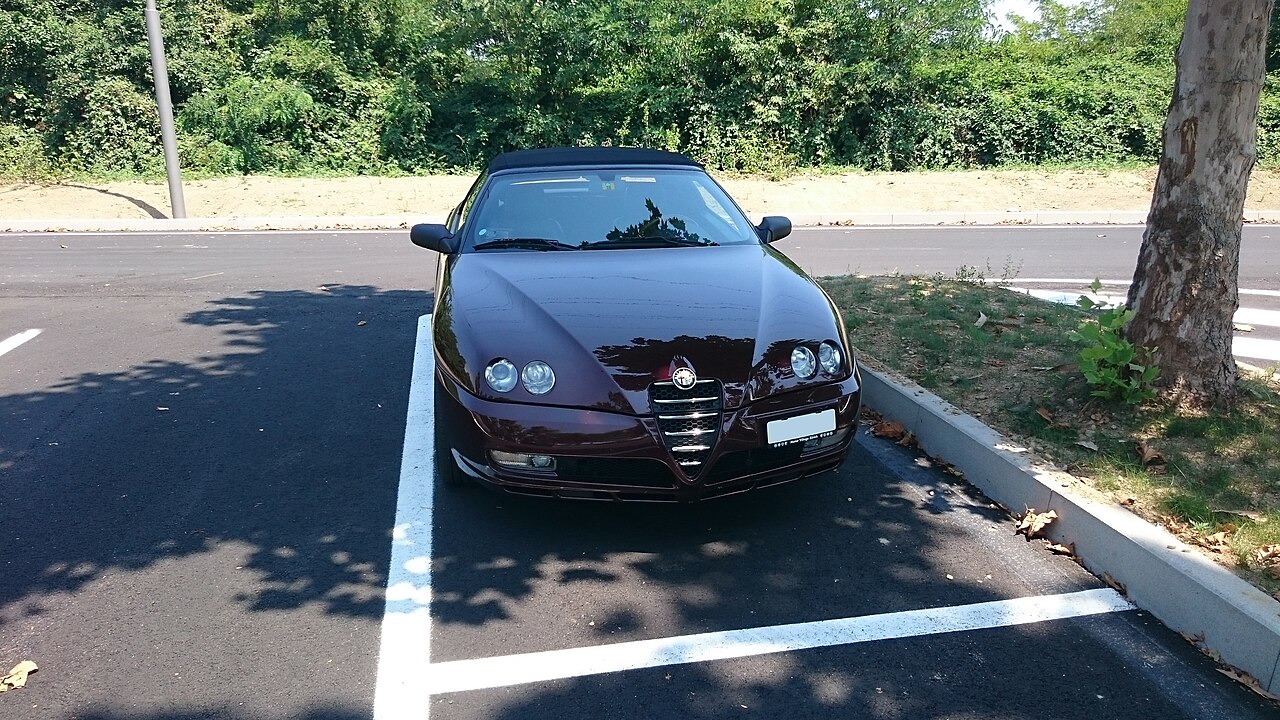
In 1974 Alfa built a one-off on this Spider: a Porsche-style solid rear window and lift-out roof panels, fewer than 2,000 made, the only Spider ever with a part-solid roof.
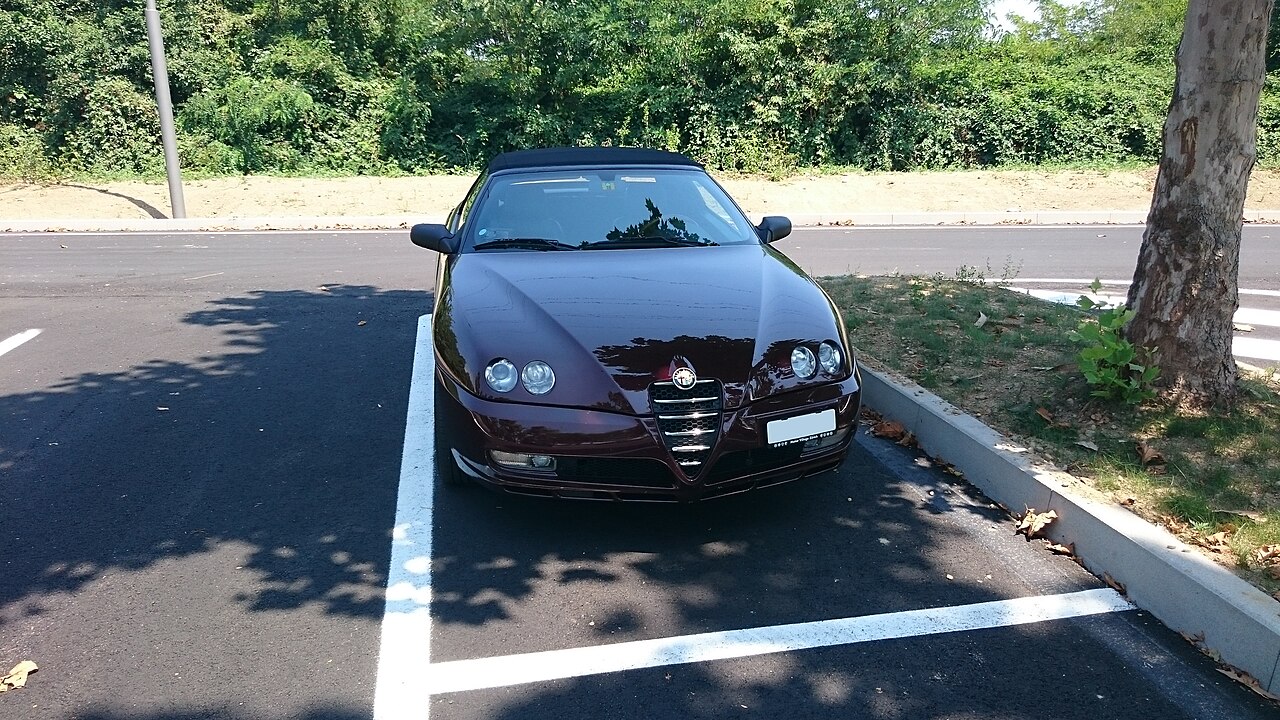
Over 100,000 people voted to name this car "Duetto" — but a chocolate-snack maker had already trademarked the word, and a Milan court ruling forced Alfa to sell it as the Spider 1600 instead.
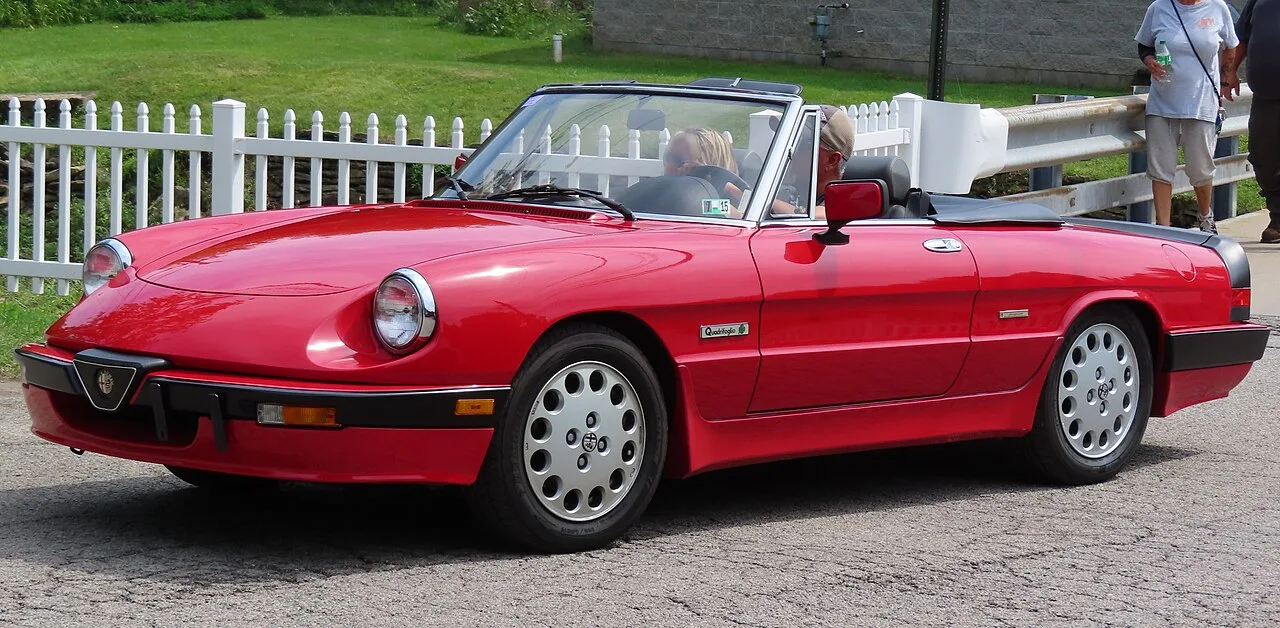
After nearly 25 years of manual-only Spiders, the final Series 4 cars quietly added something Alfa purists never expected: an optional automatic transmission.
The mid-80s Spider's Quadrifoglio Verde trim went all-in on a single look: blood-red carpets and grey leather with red stitching, and it only ever came in three exterior colors.
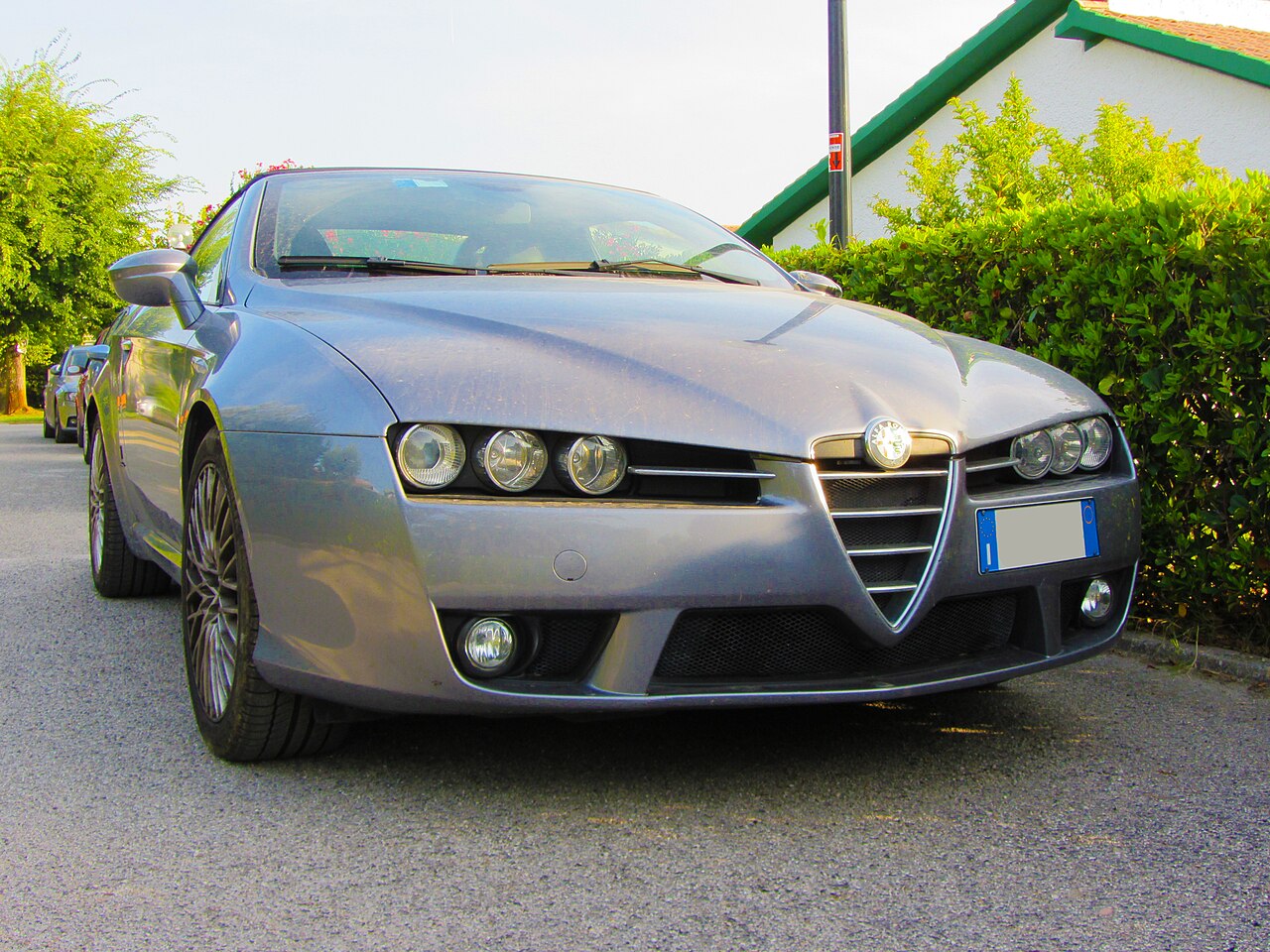
This Spider was built not by Alfa but by Pininfarina itself, on a platform shared with General Motors.
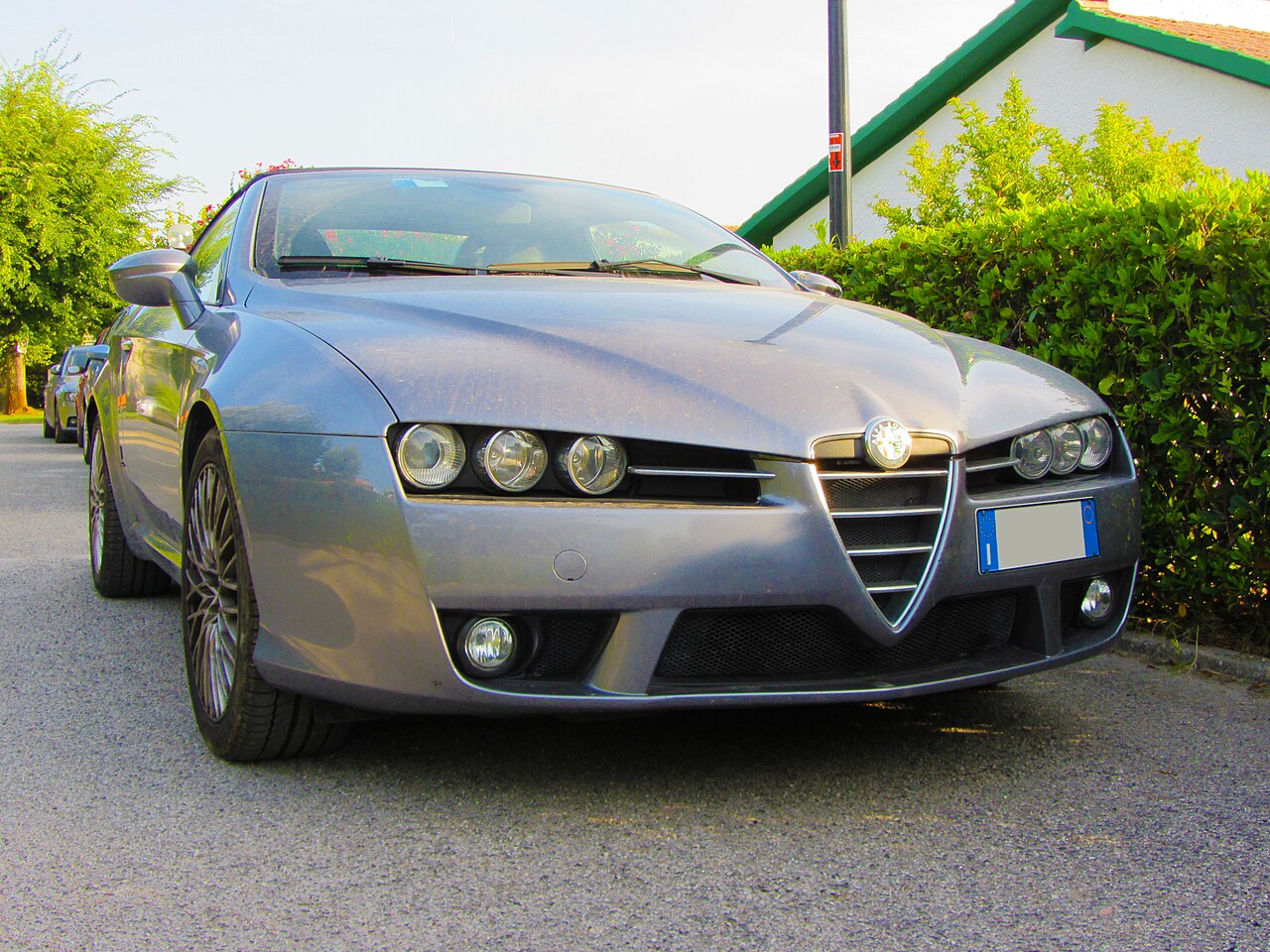
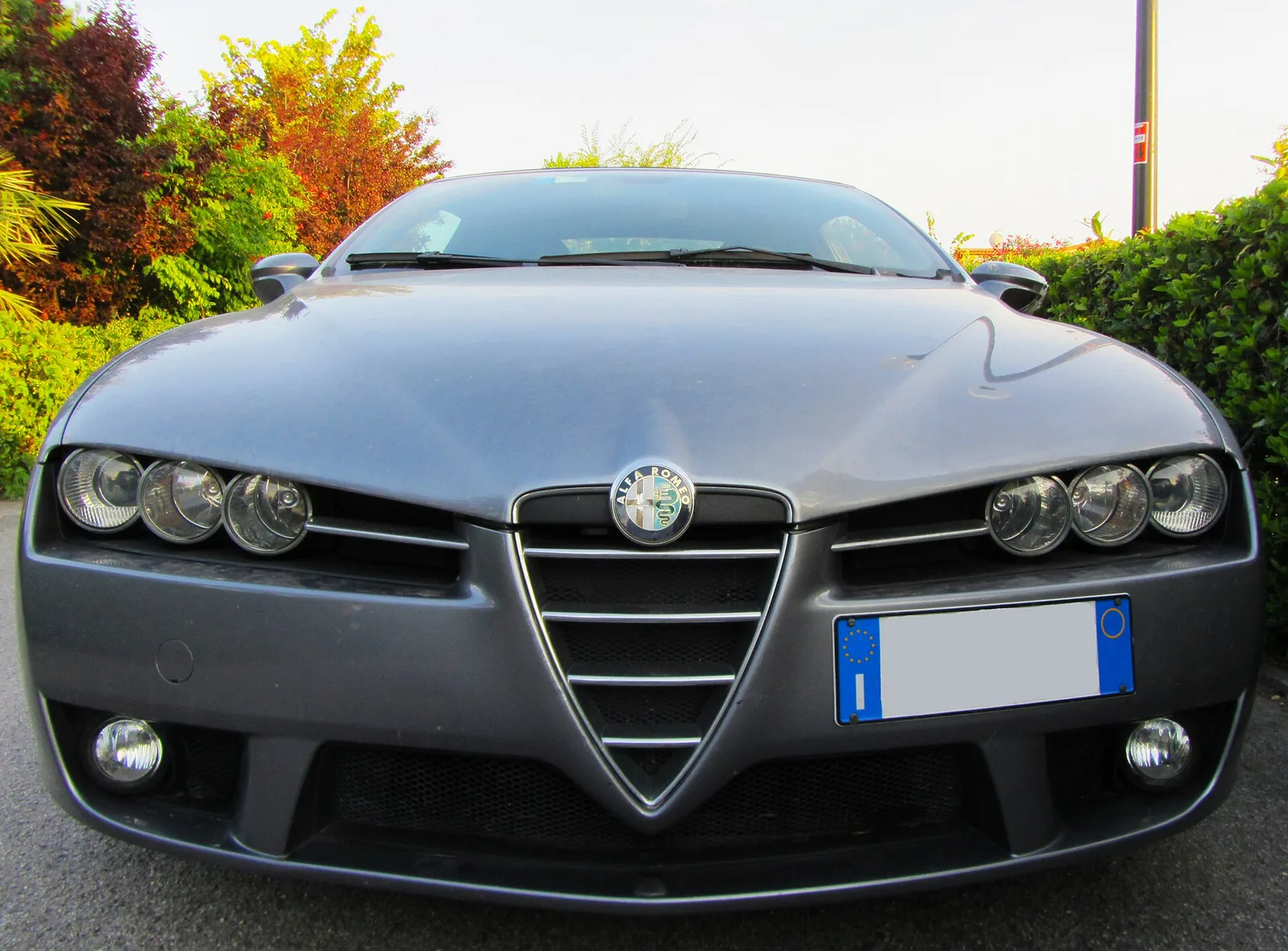
The 916 Spider's strongest naturally aspirated engine, the 192 PS 3.0 12V Busso V6, was never offered in its GTV coupe twin.
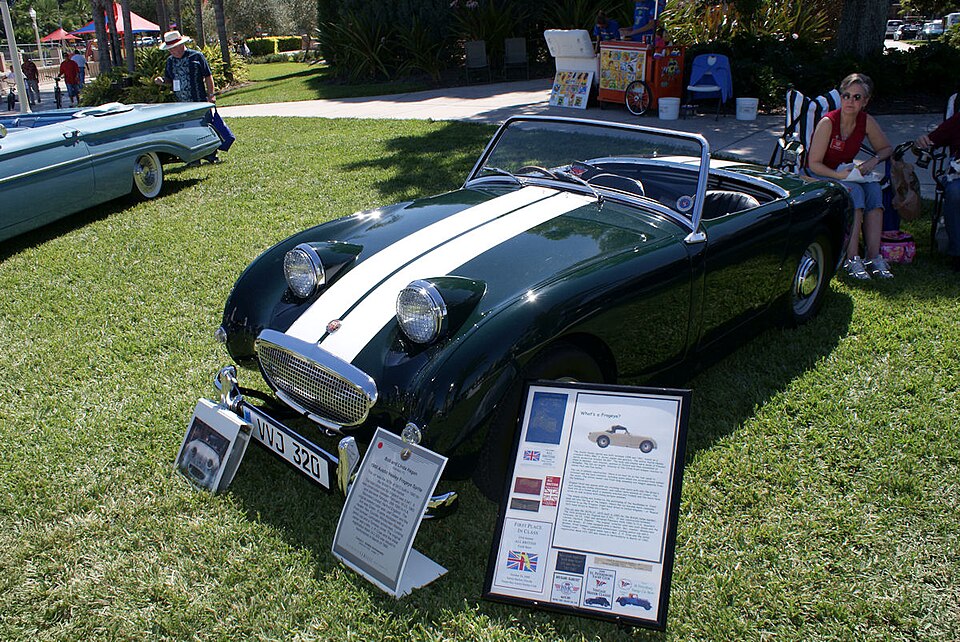
The Frogeye had no boot lid at all — owners reached the spare wheel by tilting the seats forward into the dark cavity behind, a ritual they likened to potholing.
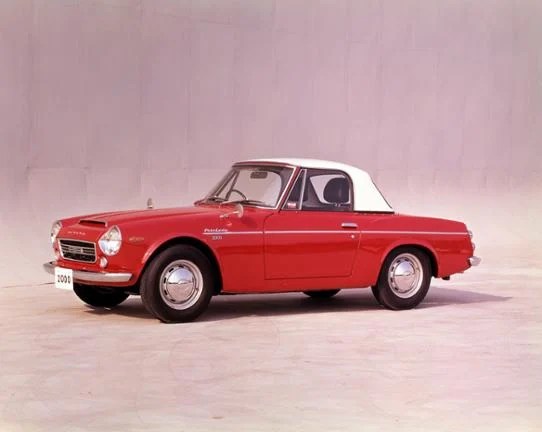
The Fairlady 2000's SR311 update came with a five-speed manual gearbox in 1967 — a genuinely unusual spec for any production car of that era.