Standard Ten
Every Standard Ten generation in the Burbles catalogue — complete specs, rarity tiers, interactive 3D cards, and the collectors who have spotted them on the street.
- Lineage Span
- 1937–1960 3 generations · 3 published trims
- Power Evolution
- 33 → 37 hp Base lead-trim output across eras
- Catalogue Rarity
- 3 Epic 3 Epic
All 3 Standard Ten Generations
Each generation deals in its rarity tier’s alloy with its engine disc, lead specs, and first spotter record. Click into any generation for full trims and market figures.
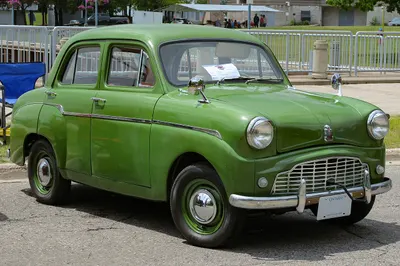
The finned Pennant got a stripped-down twin in India, where it was sold simply as the 'Standard 10' — missing even the boot-lid trim that gave the British car its name.
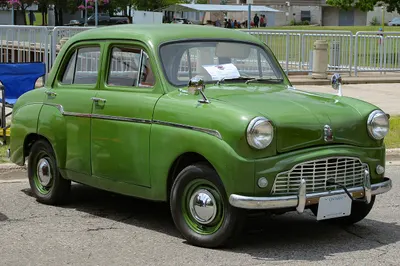
A humble factory Standard Ten won the 1955 RAC Rally outright — helped by a handicap system that favored small cars, but a giant-killing result all the same.
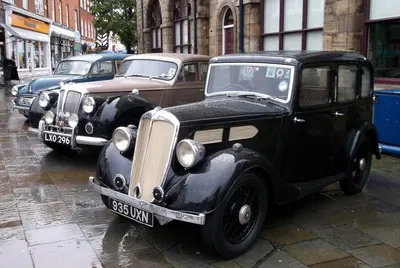
The Flying Ten started out with a solid front axle like most cars of its day, then switched to independent front suspension in 1939, a modern upgrade packed into a short production run.
Collectors Who Spotted the Standard Ten
No member has published a public street spot of the Standard Ten yet — the First · Worldwide stamp is wide open.
Standard Ten Generation-by-Generation Comparison
Lead figures across every published generation, newest to oldest. Select any generation to inspect all trims and engine options.
| Generation | Years | Tier & Rarity | Engine | Power & Torque | 0–60 mph | Weight | Trims | First Spotter |
|---|---|---|---|---|---|---|---|---|
| Pennant (1957–1960) | 1957–1960 | Epic | 0.9L I4 | 37 hp | — | — | 1 trim → | Unclaimed |
| Ten / Companion (1954–1960) | 1954–1960 | Epic | 0.9L I4 | — | — | — | 1 trim → | Unclaimed |
| Flying Ten (1937–1939) | 1937–1939 | Epic | 1.3L I4 | 33 hp | — | — | 1 trim → | Unclaimed |
See a Standard Ten on the street, point Burbles at it, and that generation’s card goes in your binder with your own photo and serial number. Own one? Add it to your garage in the app.