VerifiedFIRST PRINTONLY ONE IN VANCOUVERPROEvery Accord coupe sold anywhere in the world during this generation came from one single factory: Honda's plant in Marysville, Ohio.
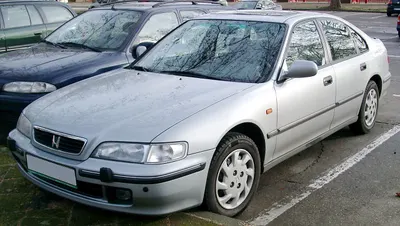
The commuter sedans and hatchbacks people actually buy.
25 cards

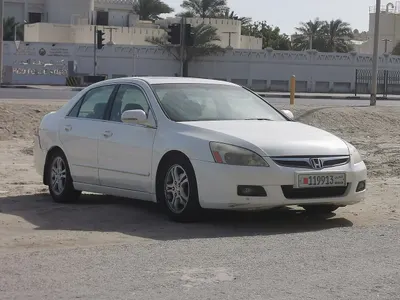
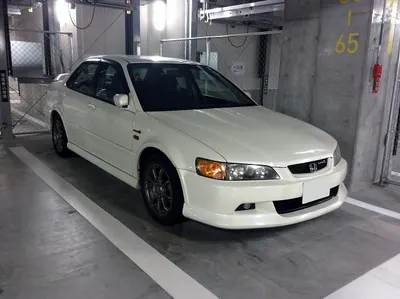
Confusingly named: the Accord "Type R" was sold only in Europe, while its sibling the Accord "Euro-R" was Japan-only.

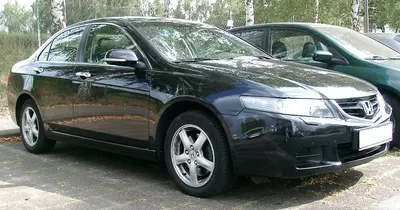
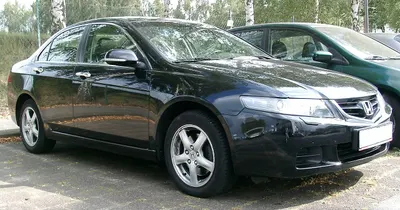
This Accord's Japan/Europe version won the Car of the Year Japan award for a record third time at its 2003 launch.

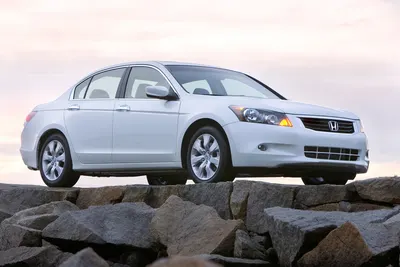
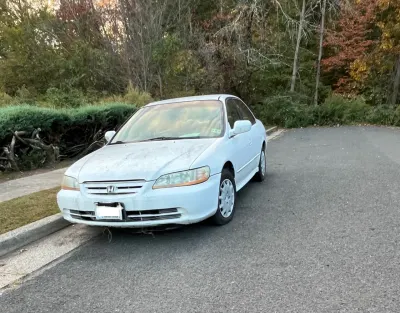
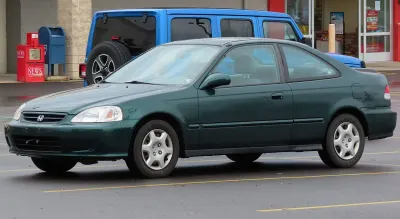
Every Accord coupe sold anywhere in the world during this generation came from one single factory: Honda's plant in Marysville, Ohio.

Japan's Accord Euro R wasn't badged a Type R, but Honda gave it one anyway: a special aluminum gear knob otherwise found only on Honda's actual Type R models.

The Euro R’s "red top" H22A engine came loaded: Recaro seats, a leather MOMO wheel, a Torsen limited-slip diff and 220 PS — more than the European Accord Type R that shared its name.

Honda's home-market take on this Accord actually got narrower than the car it replaced, purely to slide back under Japan's compact-car tax bracket.

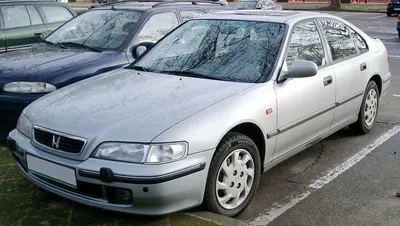
Honda's biggest H-series VTEC engine, the 2.3-litre H23A, went into exactly one car ever: not a sedan, not a coupe — the Accord Wagon SiR.

The SiR-T's smaller F20B engine could out-rev the bigger H22A fitted to other Accords of this generation — a shorter stroke let it spin higher and match power through revs instead of displacement.

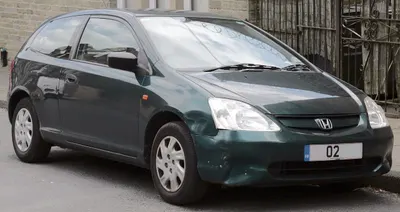
This was the last Civic generation to offer 4WD at all, and on launch it won Car of the Year Japan for a record fourth time.

The sixth-gen Civic was the last ever built with front double-wishbone suspension — Honda switched to a simpler MacPherson strut for the next generation and never looked back.

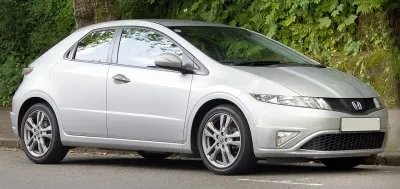
The European 8th-gen Civic hatchback hid its fuel tank under the front seats instead of the usual spot — freeing up floor space under the rear seats, Fit/Jazz-style.

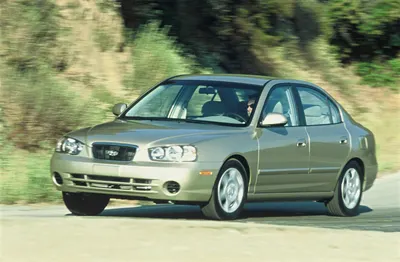
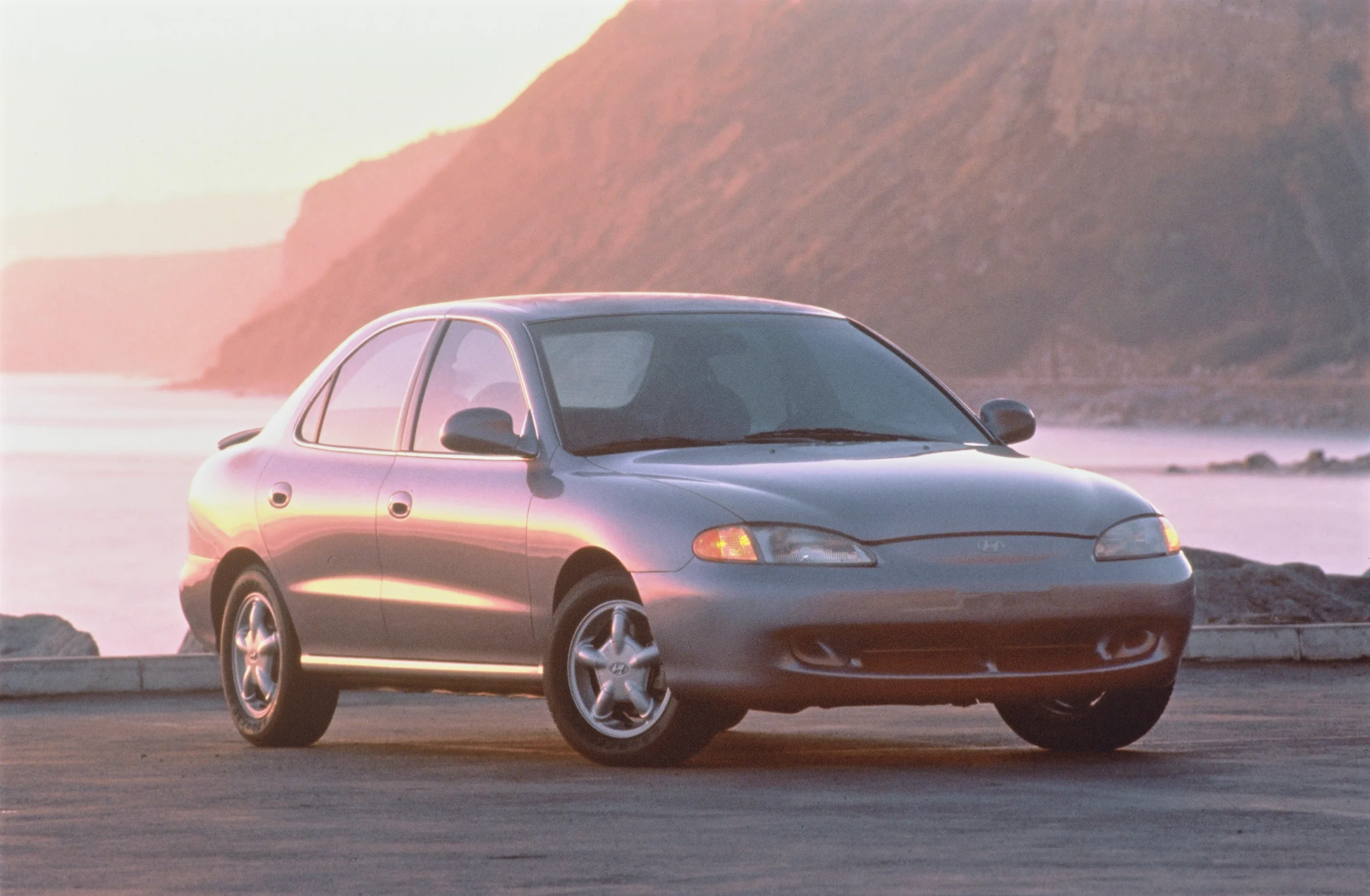
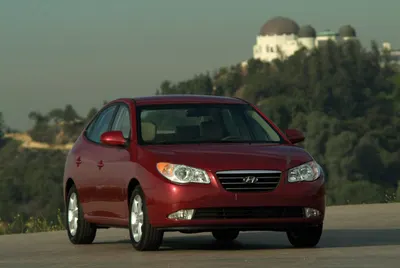
In 2006 the Elantra XD replaced Beijing's red Tianjin Xiali taxis to cut pollution, and it stayed in the city's taxi fleet until 2020.

Its grilleless shape was inspired by Korean blue and white pottery, and its suspension was developed with a Cray supercomputer Hyundai had just bought.

The 2009 Avante LPI Hybrid was the world's first hybrid with an engine built to run on LPG, and the first hybrid to use lithium-ion polymer batteries.

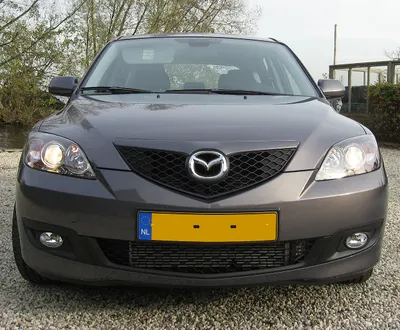
The BK-generation Mazda 3 shared its front-drive platform with the Ford Focus and Volvo S40 under Ford's C1 program.

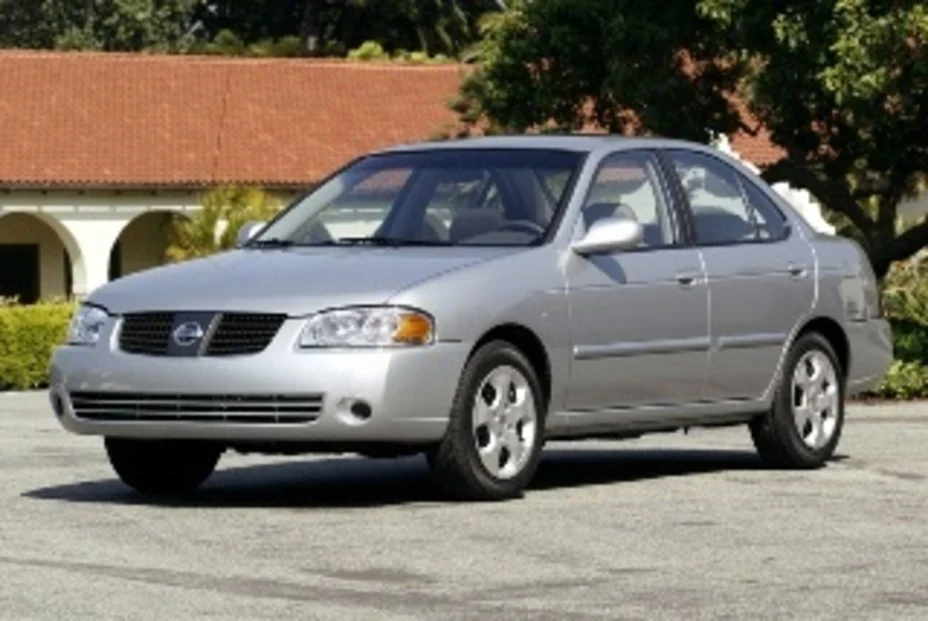
Production moved from Tennessee to Aguascalientes, Mexico, and the 2002 Spec V got red front bucket seats inspired by the Skyline GT-R.

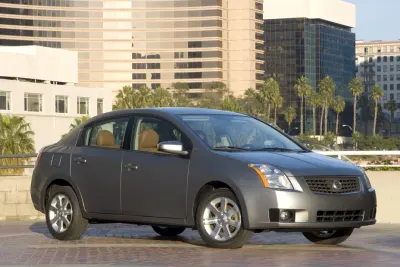
The EPA classed this Sentra as a mid-size car, because its 110 cubic feet of passenger and cargo volume just reached the threshold.

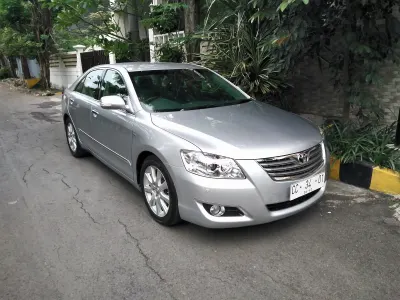
The XV40 Camry Hybrid's drag coefficient of 0.27 made it, at the time, the most aerodynamic car ever built in Australia.

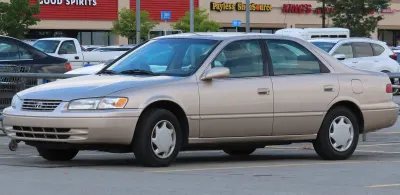
This Camry had an unlikely second life as a Saudi drift car: enthusiasts there use it for "tafheet" (Arab drifting), a practice so hard on the chassis that rear suspension components have failed and thrown a wheel entirely.

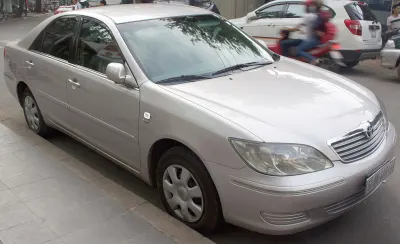
This Camry generation spawned a wagon twin sold as the Toyota Mark II Qualis — and in doing so broke a rule that had held for every Mark II before it: it's the only front-wheel-drive Mark II nameplate ever made.

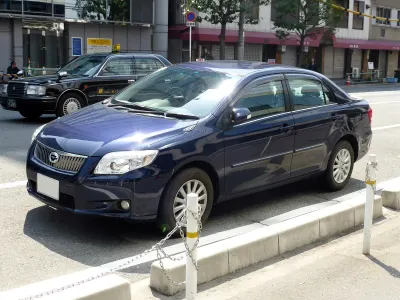
A humble Corolla Axio went racing in Japan's Super GT GT300 class with its engine moved to the middle of the car and a 3.5-litre V6 making over 300 PS in place of its usual four-cylinder.

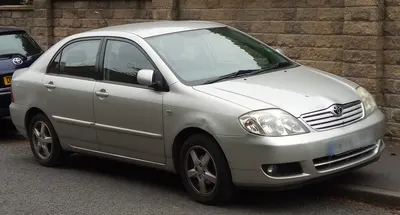
The XRS version of this Corolla borrowed its high-revving 2ZZ-GE engine straight from the Celica GT-S and the Lotus Elise — a Yamaha co-developed, 8,200-rpm-redline motor hiding in an economy sedan.

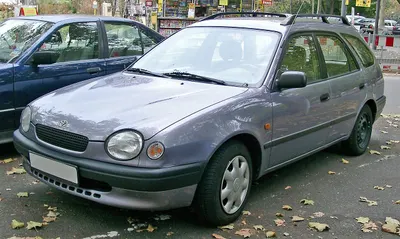
A cost-cutting fix backfired: Toyota's attempt to curb oil burn on the non-VVT-i engines instead gave this Corolla generation a flawed piston ring design across the board.

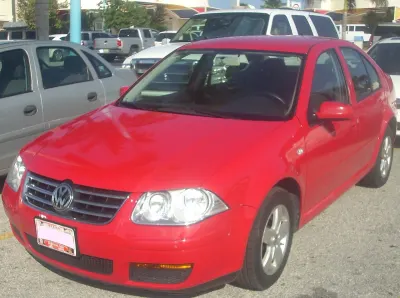
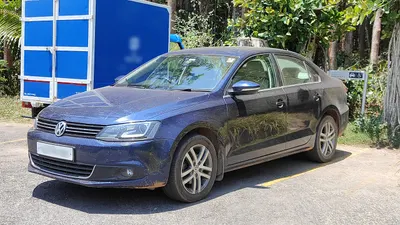
Sold worldwide as the Bora, this Jetta had a signature party trick: a "Whiptenna" roof antenna shaped and angled specifically to cut aerodynamic drag versus a standard mast.

This Jetta's multi-link rear suspension looks a lot like the Ford Focus's — because Volkswagen reportedly hired the Ford engineers who designed it.
Real Daily Drivers cards spotted on the street by Burbles collectors. Tap any card to flip it over, inspect the collector’s binder, or follow them.
VerifiedFIRST PRINTONLY ONE IN VANCOUVERPROEvery Accord coupe sold anywhere in the world during this generation came from one single factory: Honda's plant in Marysville, Ohio.
VerifiedFIRST · WORLDWIDEFIRST PRINT×2This Camry generation spawned a wagon twin sold as the Toyota Mark II Qualis — and in doing so broke a rule that had held for every Mark II before it: it's the only front-wheel-drive Mark II nameplate ever made.
VerifiedFIRST · WORLDWIDEFIRST PRINTONLY ONE IN VANCOUVERThe BK-generation Mazda 3 shared its front-drive platform with the Ford Focus and Volvo S40 under Ford's C1 program.
VerifiedFIRST · WORLDWIDEFIRST PRINTPROSold worldwide as the Bora, this Jetta had a signature party trick: a "Whiptenna" roof antenna shaped and angled specifically to cut aerodynamic drag versus a standard mast.
VerifiedFIRST PRINTPROA humble Corolla Axio went racing in Japan's Super GT GT300 class with its engine moved to the middle of the car and a 3.5-litre V6 making over 300 PS in place of its usual four-cylinder.