Performance Icons
Light, quick and built to be driven hard.
31 cards
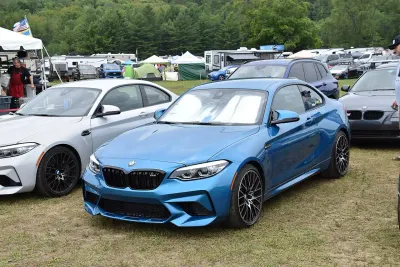
BMW's little M2 pulled safety-car duty somewhere unexpected: not Formula 1, but the 2016 MotoGP season.
The last-ever C7 Corvette wasn't a base Stingray — it was a black Z06 coupe, auctioned for charity in June 2019 months before the actual car was even assembled that November.
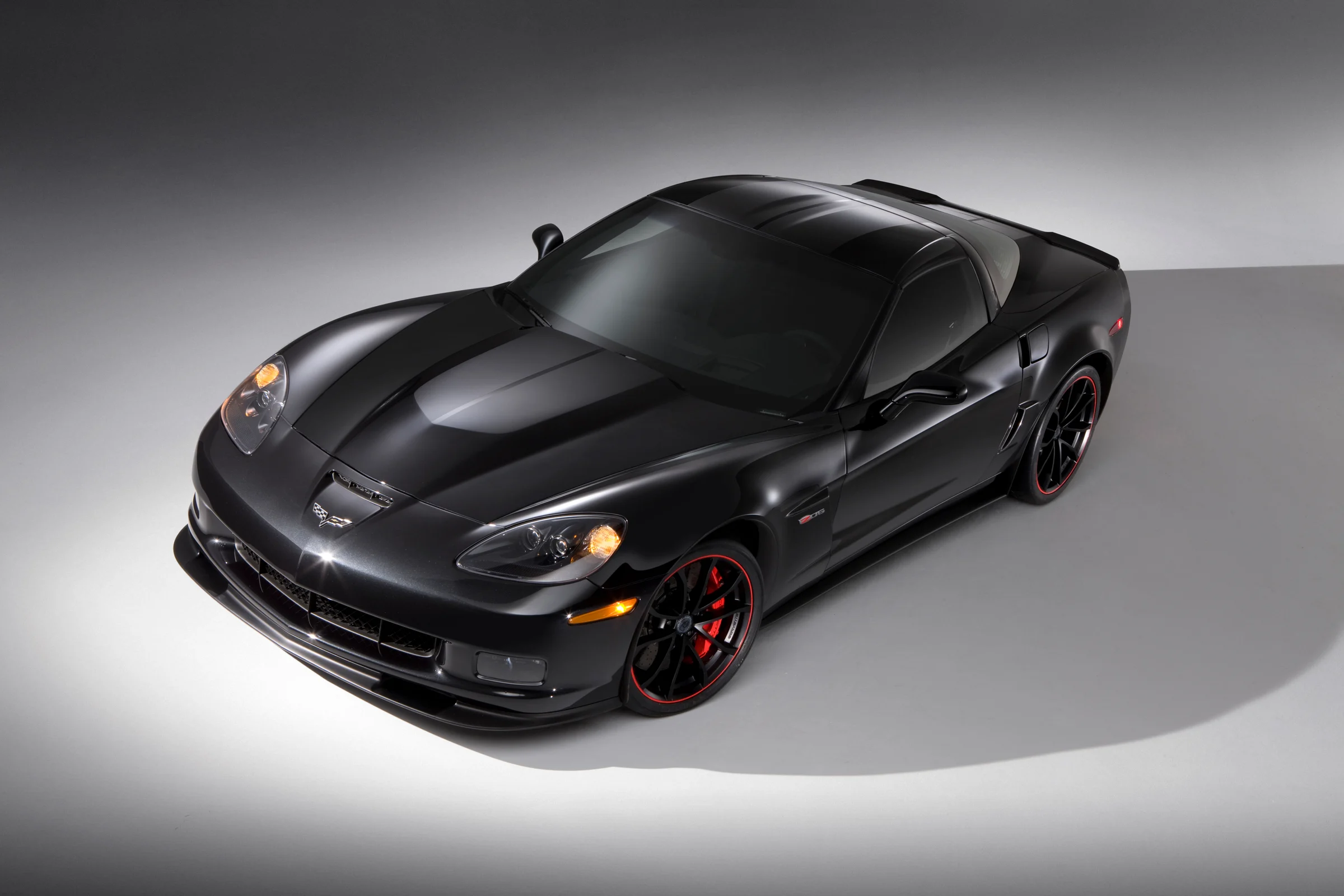
The Z06 paced both the 2006 Daytona 500 and the 2006 Indianapolis 500, the same year it went on sale.
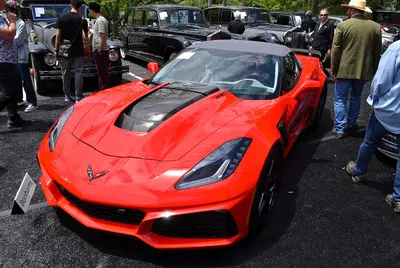
This ZR1's supercharger isn't just bigger for show — at 2.6 litres, it displaces 52% more than the Z06's, a big reason it out-muscles its sibling.
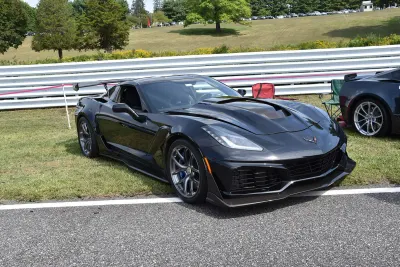
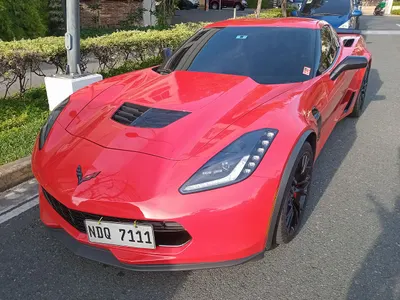
The C7 Corvette borrows literal space-age tech: Aerogel, a NASA-developed insulating material, lines the transmission tunnel to keep its heat out of the cabin.
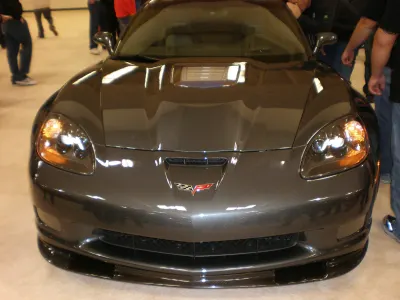
The C6 broke a four-decade habit — it’s the first Corvette generation to wear exposed headlights instead of hidden units since the original 1962 model.
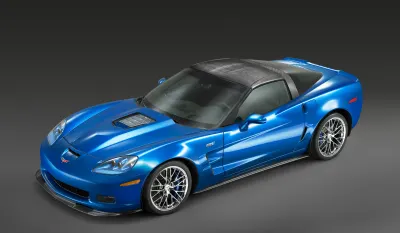
Chevrolet put a window in the hood of the ZR1 so owners could watch their own intercooler work.
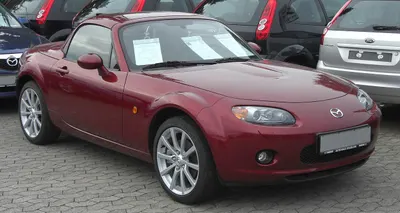
The NC Miata's folding hard top was the trick: it retracted into the trunk without stealing any cargo space, something folding hardtops of that era usually couldn't manage.
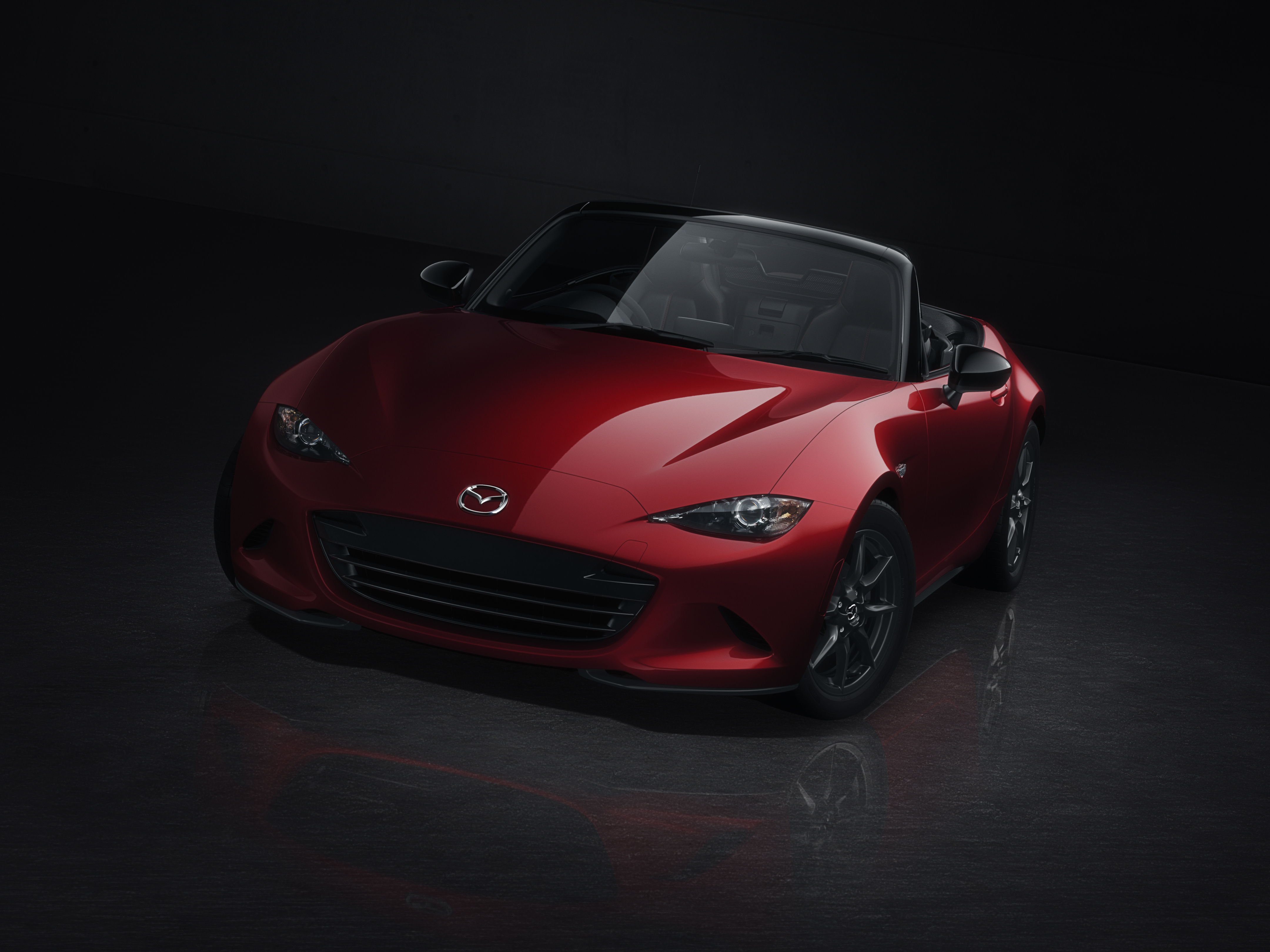
Mazda's planned Alfa Romeo platform-sharing deal was cancelled in 2014, so Fiat Chrysler built the 124 Spider on the MX-5's bones instead.
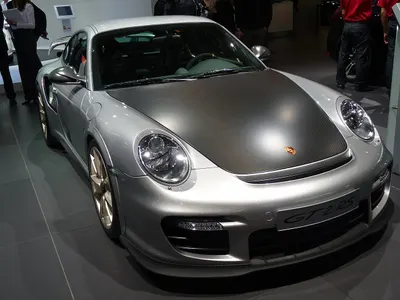
Porsche code-named the 997 GT2 RS project '727' — a direct dig at a Nissan GT-R Nürburgring lap time. The finished car reportedly beat it by nine seconds.

Porsche built 356 of these Speedsters, a number borrowed from the 1950s original, and offered two colours, one developed just for it.
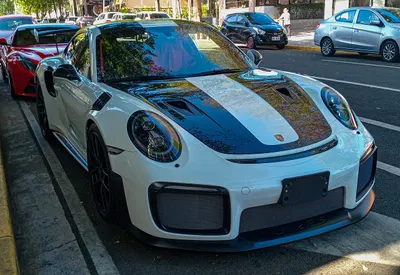
The 991 GT2 RS set the bar for Porsche itself: a 6:47.3 Nürburgring lap in September 2017, the fastest ever by a Porsche road car at the time.
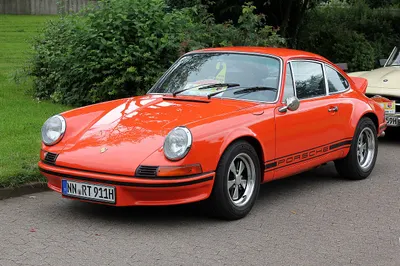
Porsche shaved weight everywhere it could on the 991 GT3 RS — right down to a roof panel made of magnesium instead of steel.
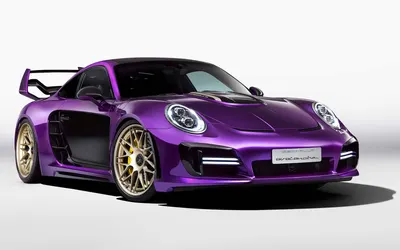
Extremely rare Gemballa tuner conversion with only a handful ever built. About 15 on North American roads today (estimate). Never sold new in North America. Unverified: about 25 built.
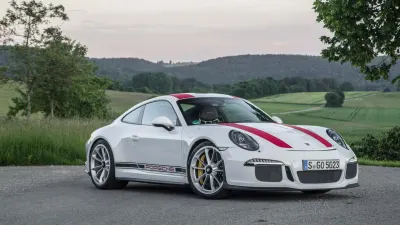
Porsche deleted the GT3 RS wing, cage and stereo to save 50 kg, then sold all 991 at a markup before most buyers ever drove one.
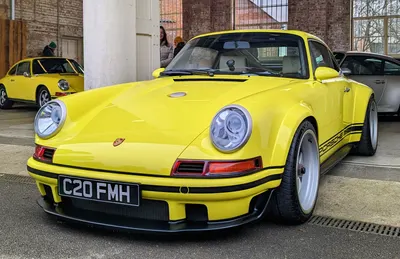
Hans Mezger signed off on the DLS head in his final engine project before his death in 2020.
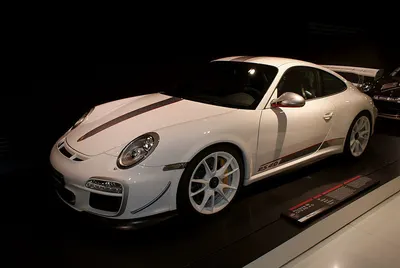
The 997.2 GT3 RS 4.0 carried the largest engine Porsche has ever offered in a street-legal 911: a 4.0-litre flat six, making it one of the most powerful naturally-aspirated six-cylinder engines in any production car of its day.
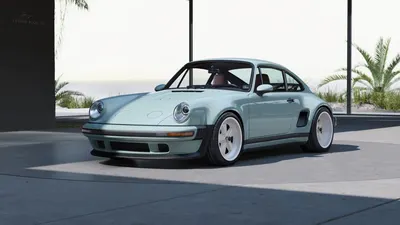
Singer founder Rob Dickinson was the frontman and guitarist of English rock band Catherine Wheel before he started rebuilding Porsches.
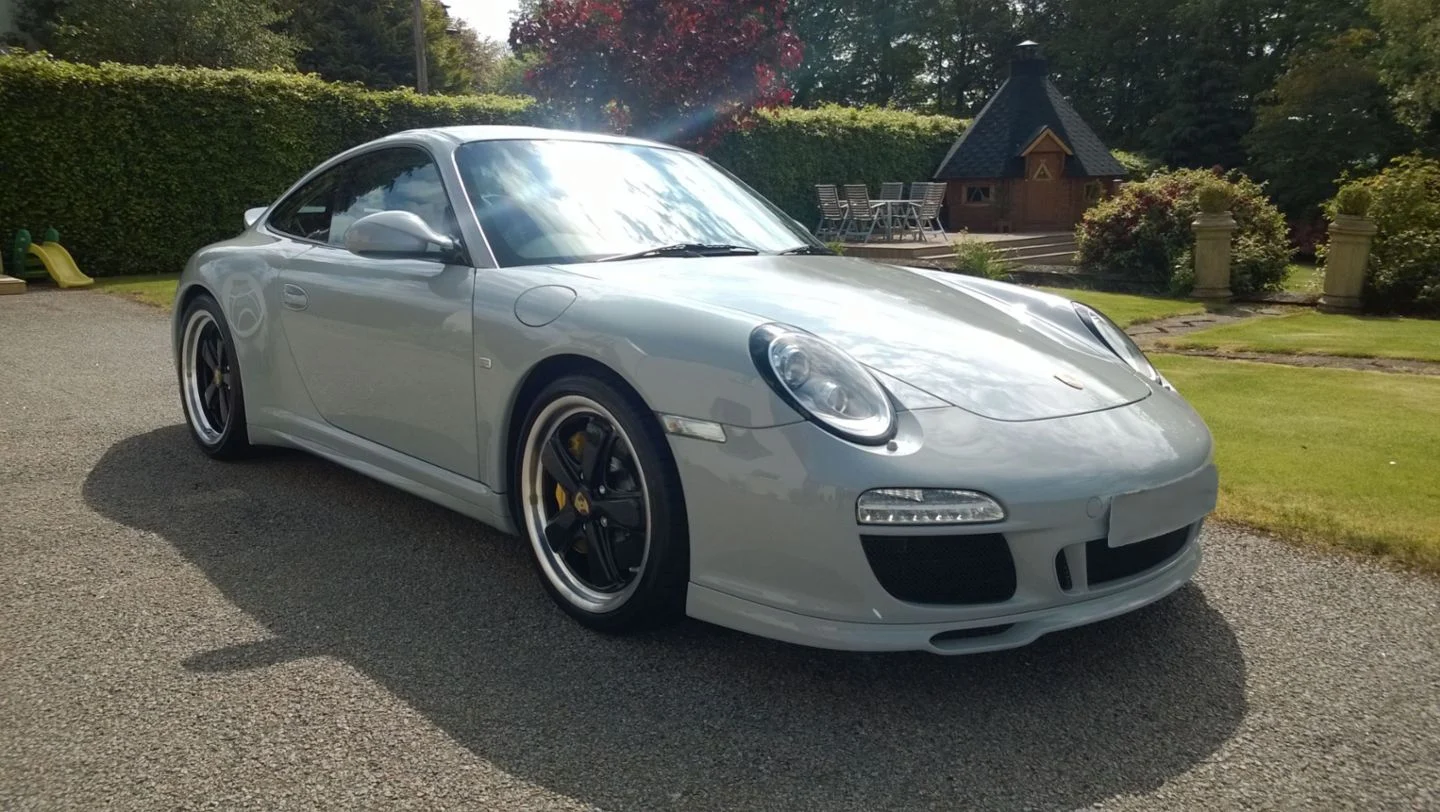
All 250 Sport Classics sold out in under 48 hours of the January 2010 order books opening, a ducktail and double-bubble roof away from new.
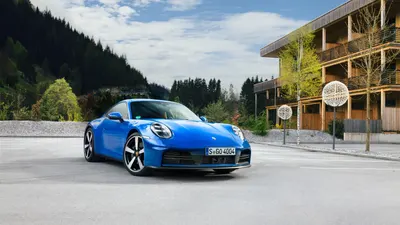
The 992 GT3 RS borrows a trick straight from Formula 1 — its rear wing has an active panel that opens and closes like an F1 car's DRS, controllable from a steering-wheel button.
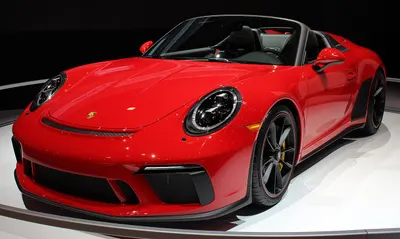
The very last 991 built, on 20 December 2019, rolled off the line as a Speedster, capping a run limited to 1,948 cars for 1948.
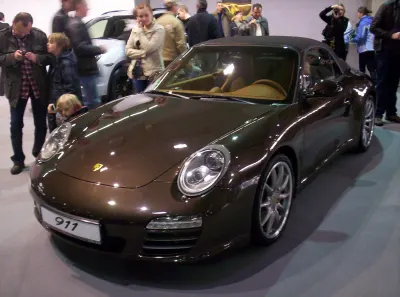
For the 997, Porsche flipped its usual process: the convertible was engineered first, on the logic that solving the cabriolet's chassis-stiffness problems would make the coupe stiffer still.
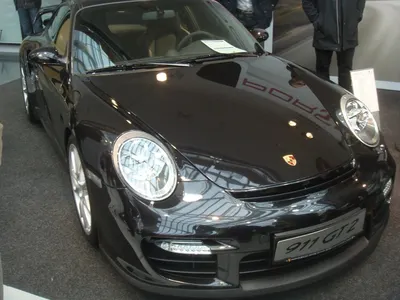
The GT2 RS's internal code, 727, was a dig at Nissan — it referenced a GT-R Nürburgring lap time that Porsche's own test driver then beat by nine seconds.
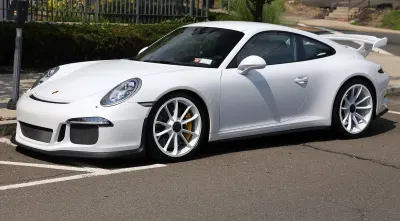
Porsche built exactly 991 examples of the 911 R — matching the car's own 991-generation chassis code, whether on purpose or as a very neat coincidence.
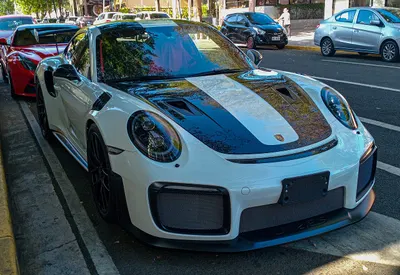
When Porsche unveiled this GT2 RS, its 700 PS twin-turbo flat-six made it the single most powerful 911 the company had ever built.
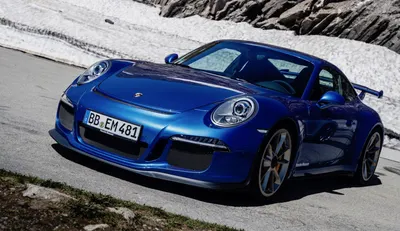
Every single 991 GT3 built in the model's first year had to be recalled and fitted with a brand-new engine — a supplier's bad batch of connecting-rod bolts put all 785 cars back on the truck.
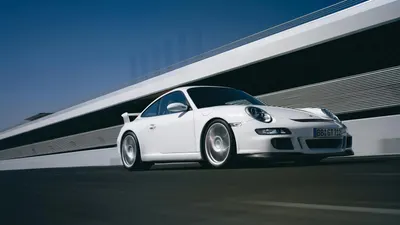
The 997-era GT3 went out on top: the 2011 GT3 RS 4.0 carried a 4.0-litre flat-six — at the time, the largest engine Porsche had ever put in a street-legal 911.
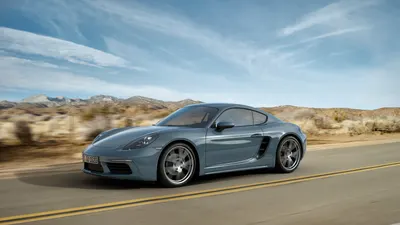
The 718 Cayman GT4's naturally aspirated flat-six quietly introduced a Porsche first: cylinder deactivation, a fuel-saving trick the brand had never used before, on its hardest-core sports car.
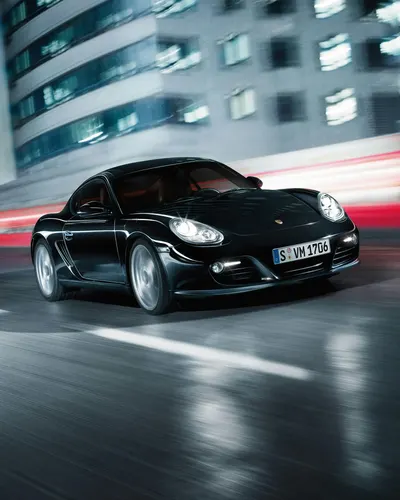
Porsche capped the 987 Cayman's engine power below the contemporary 911 to preserve the model hierarchy.
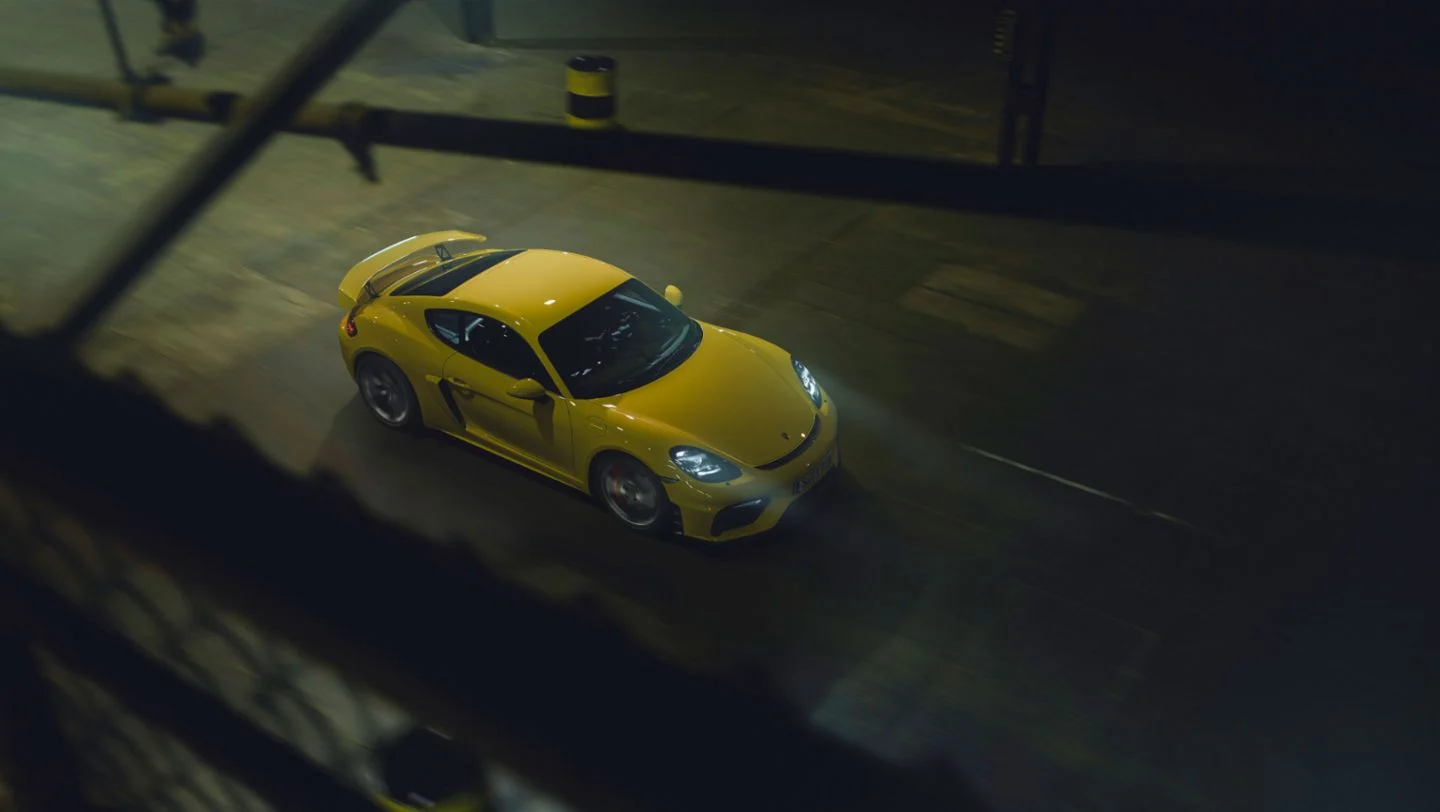
The GT4's engine can shut down four of its six cylinders in traffic, a trick never before fitted to a Porsche flat-six.
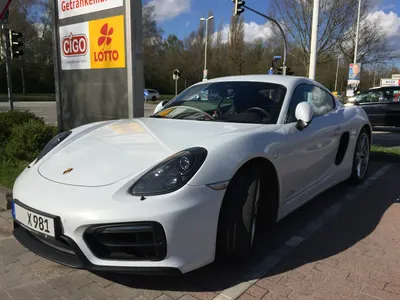
The 981 Cayman GT4 shoehorned in a 911 engine turned 180 degrees to fit the mid-engine layout.