Performance Icons
Light, quick and built to be driven hard.
19 cards
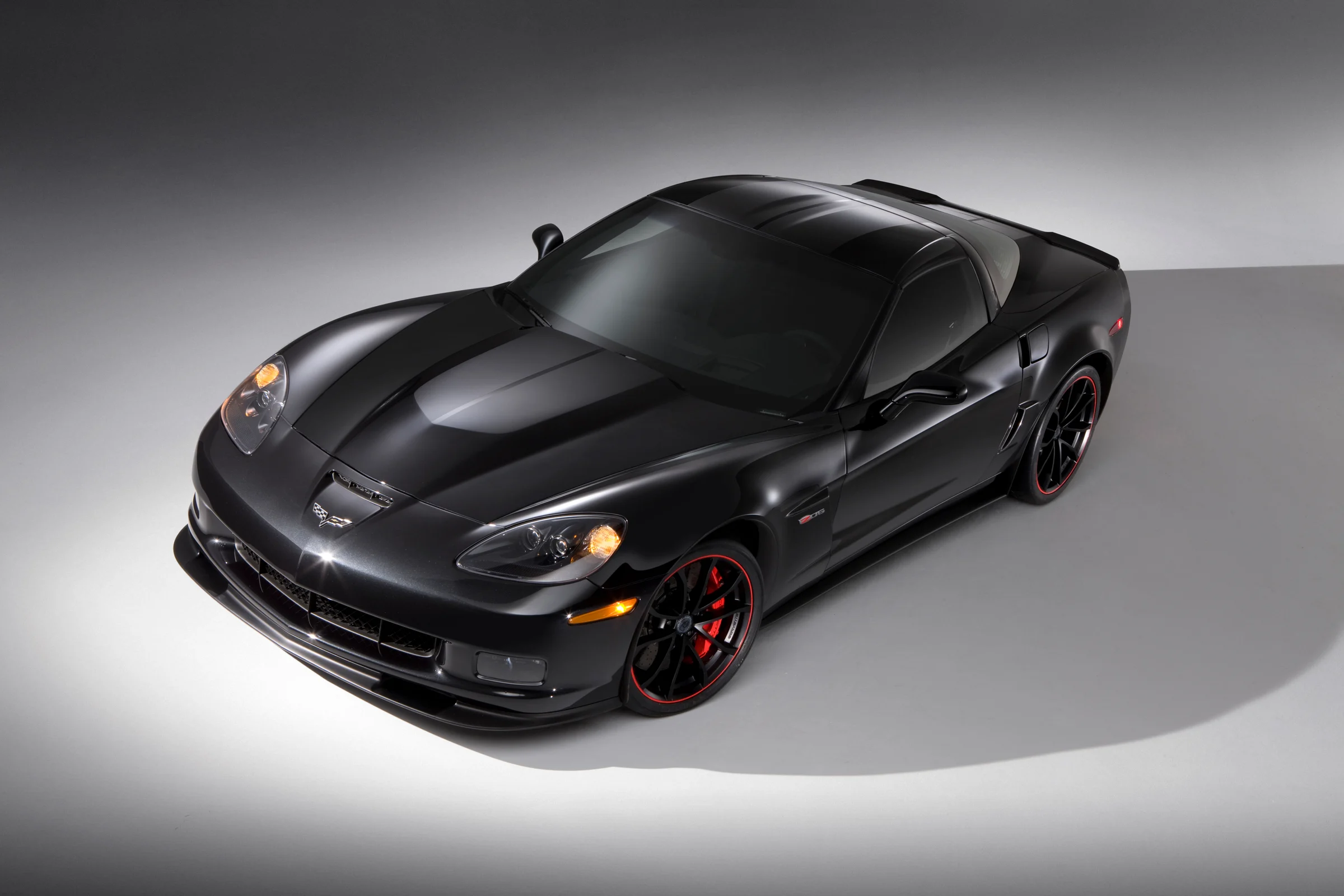
The Z06 paced both the 2006 Daytona 500 and the 2006 Indianapolis 500, the same year it went on sale.
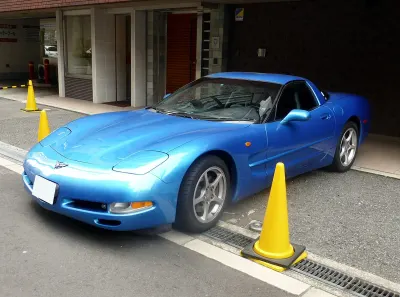
The C5 ended production on July 2, 2004 — making it, alongside the Lotus Esprit, the last car ever built with pop-up headlights.
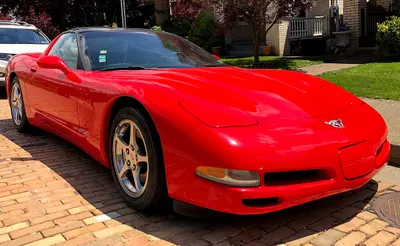
Chevrolet's weight-saving obsession on the C5 Z06 went all the way down to the radio: engineers fixed the rear antenna in place, permanently, rather than let it retract, just to shave a few more ounces.
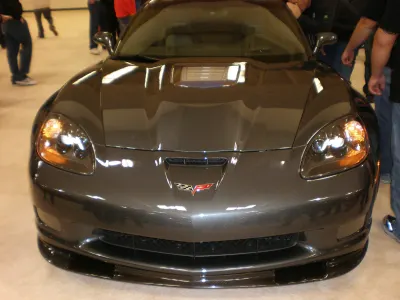
The C6 broke a four-decade habit — it’s the first Corvette generation to wear exposed headlights instead of hidden units since the original 1962 model.
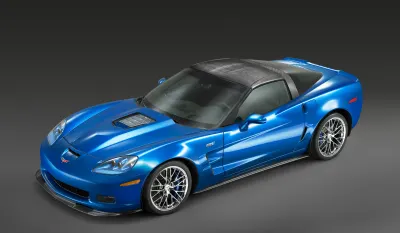
Chevrolet put a window in the hood of the ZR1 so owners could watch their own intercooler work.
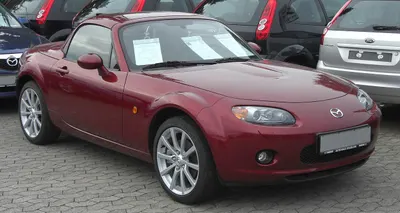
The NC Miata's folding hard top was the trick: it retracted into the trunk without stealing any cargo space, something folding hardtops of that era usually couldn't manage.
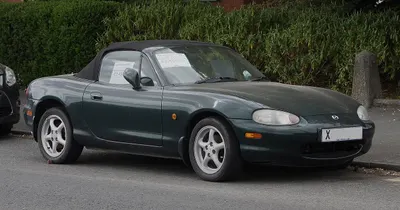
The 2004-2005 Mazdaspeed version of this generation is the only MX-5 Mazda ever turbocharged at the factory.
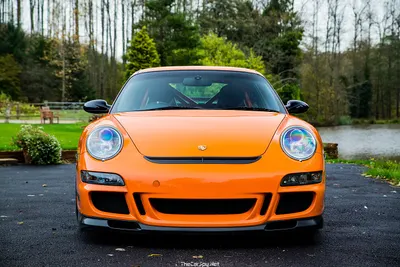
Wider bodywork usually means more weight, not here: this 997 GT3 RS, with its flared rear end and adjustable wing, is actually 44 pounds lighter than the standard GT3 it's based on.
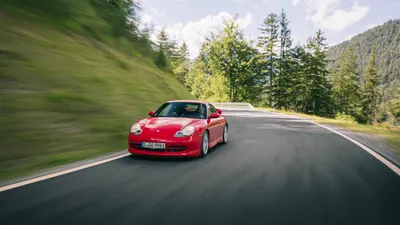
The first 911 GT3 didn't get a tuned Carrera engine — it got the 'Mezger' racing unit shared with the 962 Group C car and the 911 GT1, dropped into a road-legal 996.
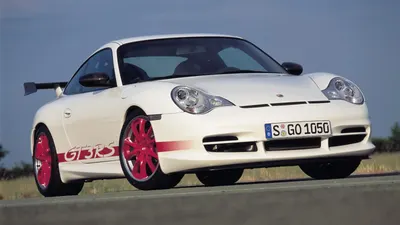
Porsche built only 140 right-hand-drive examples of this GT3 RS, and it was never sold new in the US or Canada at all.
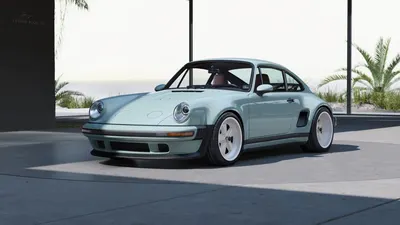
Singer founder Rob Dickinson was the frontman and guitarist of English rock band Catherine Wheel before he started rebuilding Porsches.
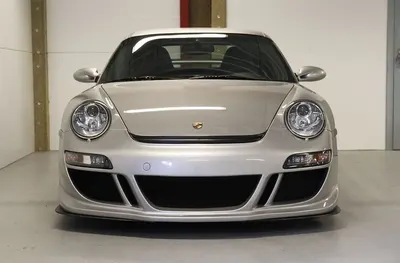
Despite adding a retractable rear wing and more hardware, the 997 Turbo actually weighed less than the 996 Turbo it replaced, thanks to aluminum used throughout the body.
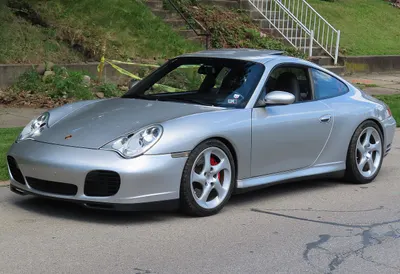
The 996 was the first 911 with a water-cooled engine, replacing air cooling to meet noise and emissions regulations.
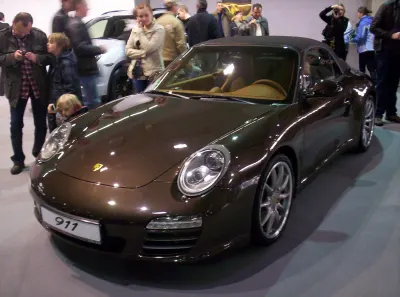
For the 997, Porsche flipped its usual process: the convertible was engineered first, on the logic that solving the cabriolet's chassis-stiffness problems would make the coupe stiffer still.
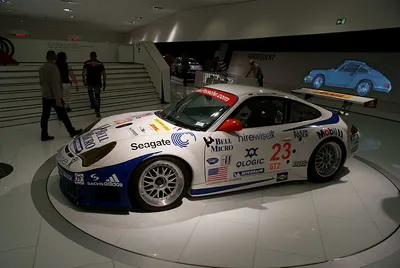
When testers strapped this GT3 to a skidpad in 2004, it pulled 1.03g — the second-highest lateral grip ever recorded by a street-legal car at the time.
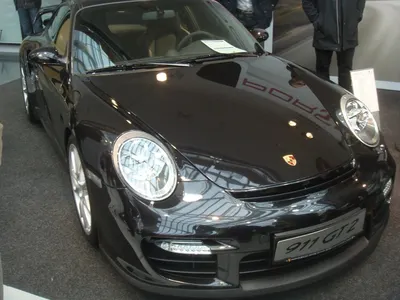
The GT2 RS's internal code, 727, was a dig at Nissan — it referenced a GT-R Nürburgring lap time that Porsche's own test driver then beat by nine seconds.
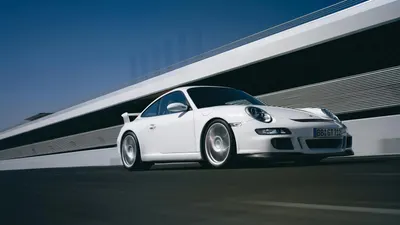
The 997-era GT3 went out on top: the 2011 GT3 RS 4.0 carried a 4.0-litre flat-six — at the time, the largest engine Porsche had ever put in a street-legal 911.
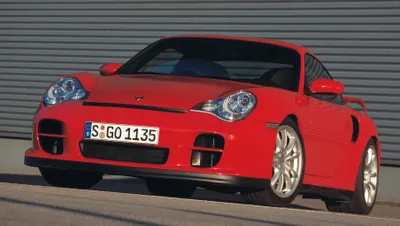
Unlike its predecessor, this 996-generation GT2 was developed primarily as a road car, built around a twin-turbo version of the GT3's 3.6-litre flat six.
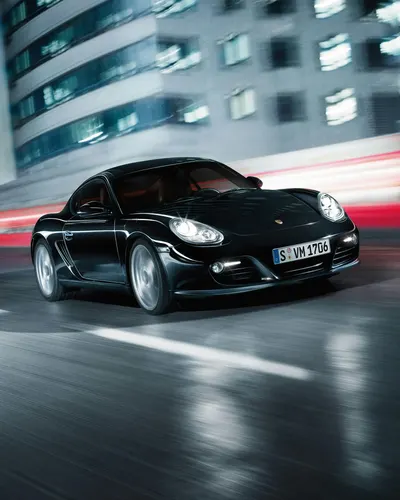
Porsche capped the 987 Cayman's engine power below the contemporary 911 to preserve the model hierarchy.