Volvo built 300 federalized 480 Turbos for Japan in 1989 after quietly shelving its own planned US launch of the car the year before.
Lead trim: 480 1.7 F3N naturally aspirated (108 hp) · up to 118 hp
Volvo 480480 · 1986–1995
- 0spots by members
- Unclaimednobody has spotted one yet
- 0sets it belongs to
Nobody in Burbles has spotted a Volvo 480 yet. See one on the street, point the app at it, and the first card is yours — with your @handle permanently credited on this page.
FactVolvo built 300 federalized 480 Turbos for Japan in 1989 after quietly shelving its own planned US launch of the car the year before.
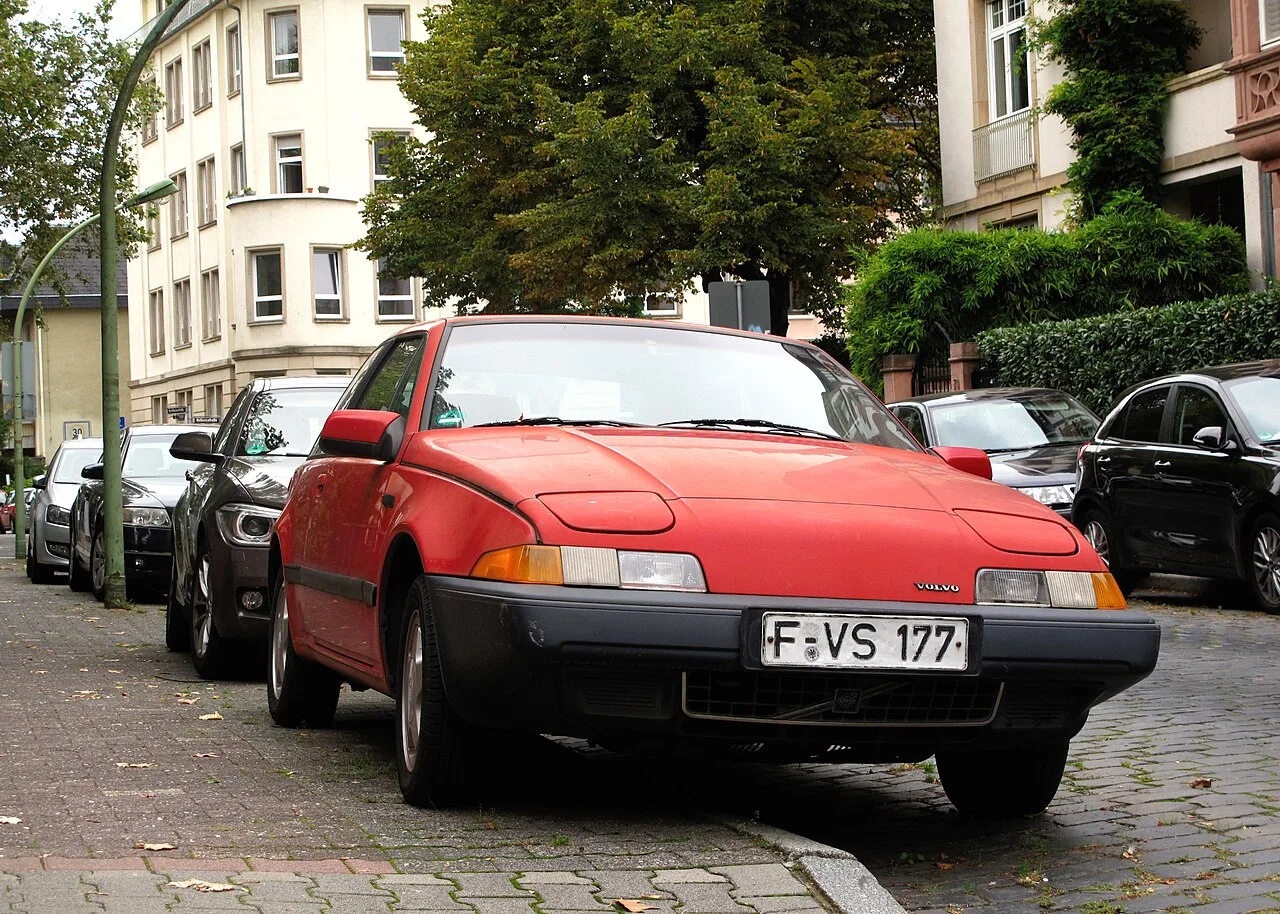
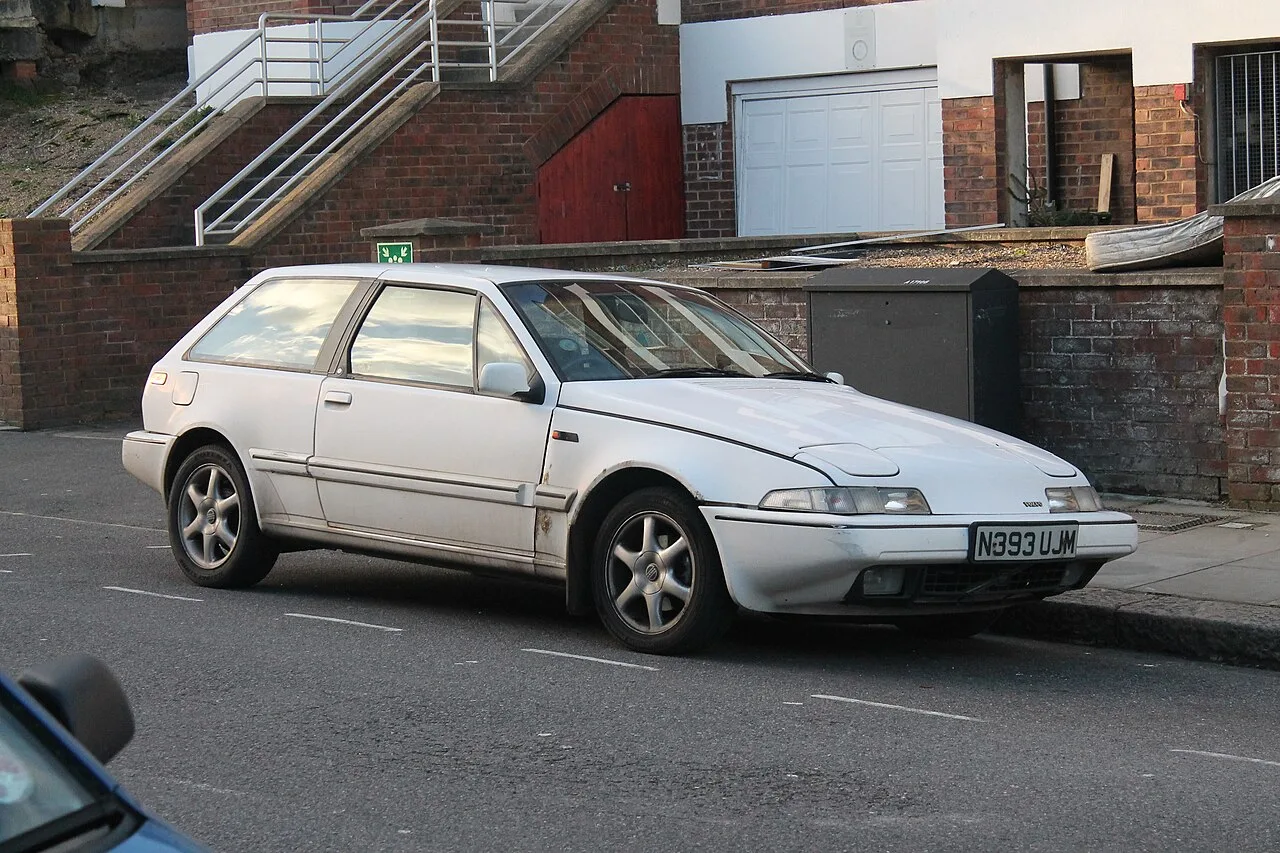
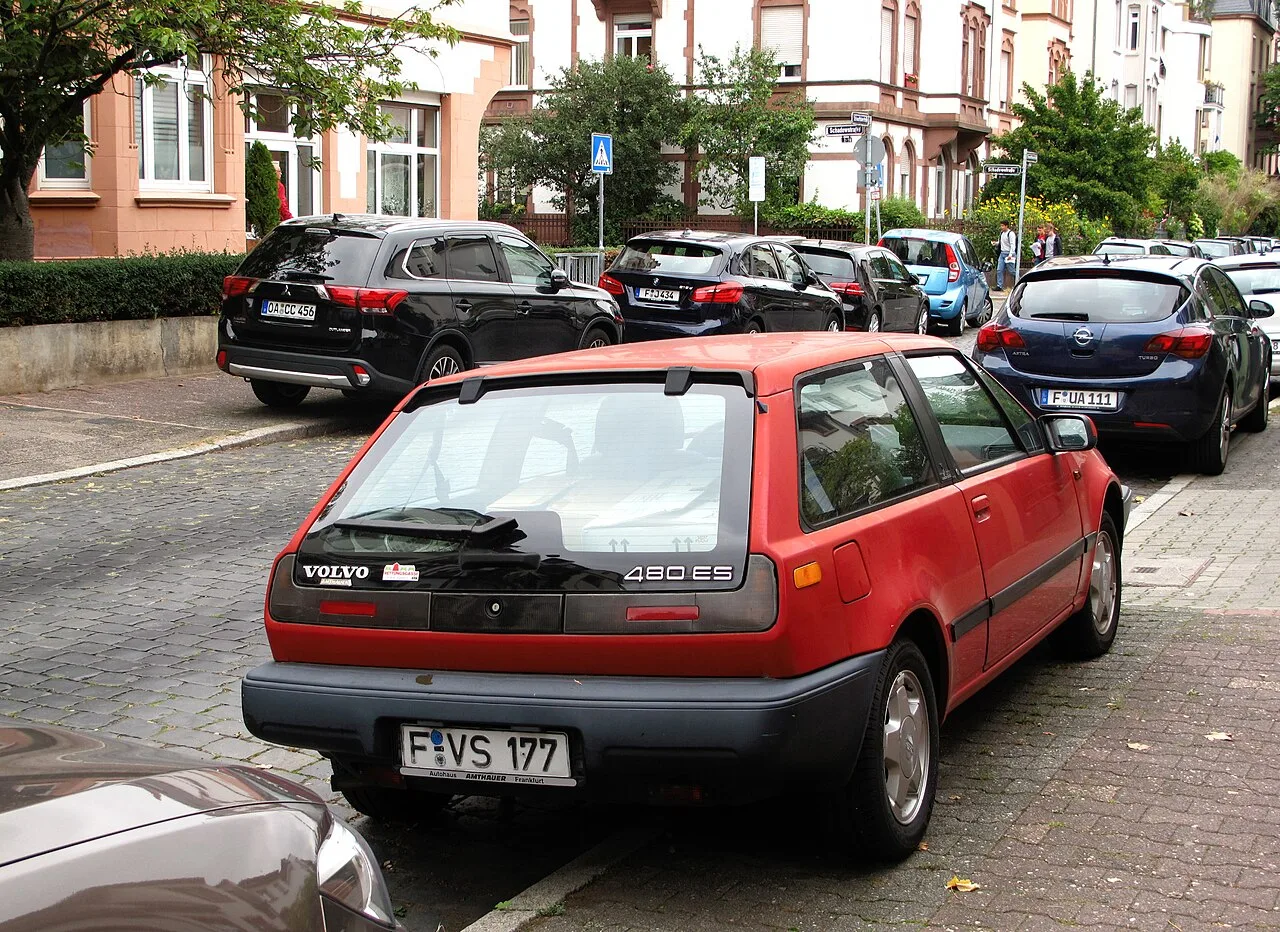
The Volvo 480 is a sporty compact three-door hatchback built at Born, Netherlands (the factory of DAF and later the Volvo 300 Series), from 1986 to 1995; it was Volvo's first front-wheel-drive car and the only Volvo with pop-up headlights, marketed as a coupé in Europe. It shares its platform with the 440/460 and took six years to develop, was shown at the March 1986 Geneva Motor Show and reached the UK on 11 June 1987 (22,421 sold there, the most of any country); composite panels saved weight and helped pedestrian safety, the bumpers met NHTSA 5 mph rules and the pop-up lamps met NHTSA minimum headlight height, but a planned 1987 US launch was postponed indefinitely in February 1988, though 300 federalized Turbos went to Japan in 1989 (295 left-hand-drive manuals) at 115 hp and 129 lb·ft, without bumper trim strips to stay under the 1.7 m tax class. It had a Lotus-developed rear axle, standard electronics such as daytime running lights, follow-me-home headlights and a fully electronic "Info Centre". The Turbo arrived in 1988 with a Garrett AiResearch turbocharger, raising the 1.7 from 109 to 120 PS (108 to 118 hp) and torque from 140 N·m (103 lb·ft) to 175 N·m (129 lb·ft); in 1991 catalytic converters were fitted to all models except certain export markets (the uncatalysed 1.7 became 106 hp and the Turbo 122 hp); an "S" entry trim came in 1992, and for 1993 a 2.0 engine of the same Renault F-Type architecture was added to fix the lack of torque of the 1.7 (110 hp at 5,400 rpm, 165 N·m at 3,500 rpm, top speed 191 km/h). Limited editions were the 1991 Paris Blue, the 1992 Two-Tone, the 1994 UK GT (250 cars) and the 1995 Celebration/Collection (480 each); production ended on 7 September 1995 with 76,375 built. The table's column headings do not line up with its values, so only the figures stated in the text (and the last, 2.0, column) are entered, the 1.7's years given as the launch year to the end of production because the page dates only the Turbo and the 2.0. Wheelbase 98.5 in, length 167.6 in, width 67.3 in, height 51.9 in.
Collectors Spotted in the Volvo 480 Lineage
No member has published a public street spot of the Volvo 480 yet — the First · Worldwide stamp is wide open.
Trims & Figures
4 published trims in the catalogue. A blank is a figure not recorded, not zero.
| Trim | Years | Engine | Power | Torque | 0–60 | Drive | Gearbox | MSRP |
|---|---|---|---|---|---|---|---|---|
| 480 1.7 F3N naturally aspirated (108 hp) | 1986–1995 | 1.7 L Inline-4 | 108 hp | 103 lb-ft | — | FWD | — | — |
| 480 2.0 F3R (1993–1995; 110 hp) | 1993–1995 | 2.0 L Inline-4 | 110 hp | 122 lb-ft | — | FWD | — | — |
| 480 Turbo 1.7 F3N (118 hp) | 1988–1995 | 1.7 L Inline-4 | 118 hp | 129 lb-ft | — | FWD | — | — |
| 480 Turbo 1.7 F3N, Japan market (1989; 115 hp) | 1989–1989 | 1.7 L Inline-4 | 115 hp | 129 lb-ft | — | FWD | — | — |
Owning one
We don’t estimate running costs for a car like this. What it costs depends on its condition, its specialist and how it is driven, and an average would mislead.
Owners’ builds
Nobody has claimed one yet.
Photographs
Rivals
Same body, same money, other badges — tap any card to flip.
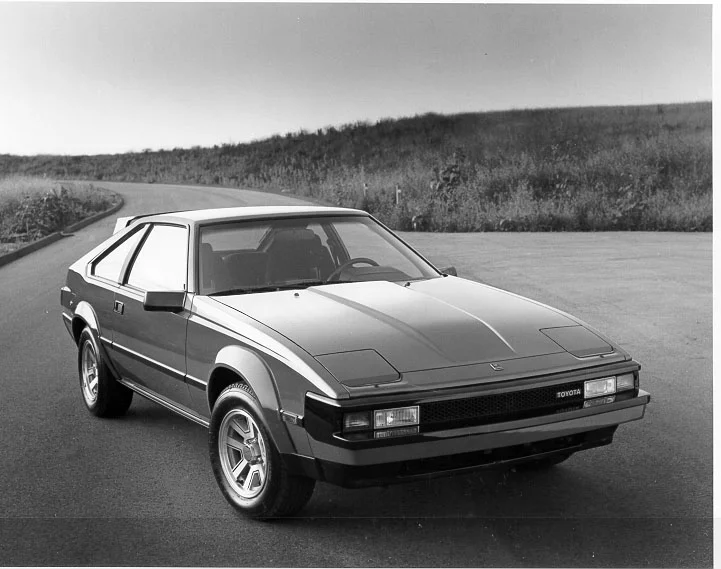
The Celica XX, Japan's name for the A60 Supra, introduced the world's first in-car navigation computer.
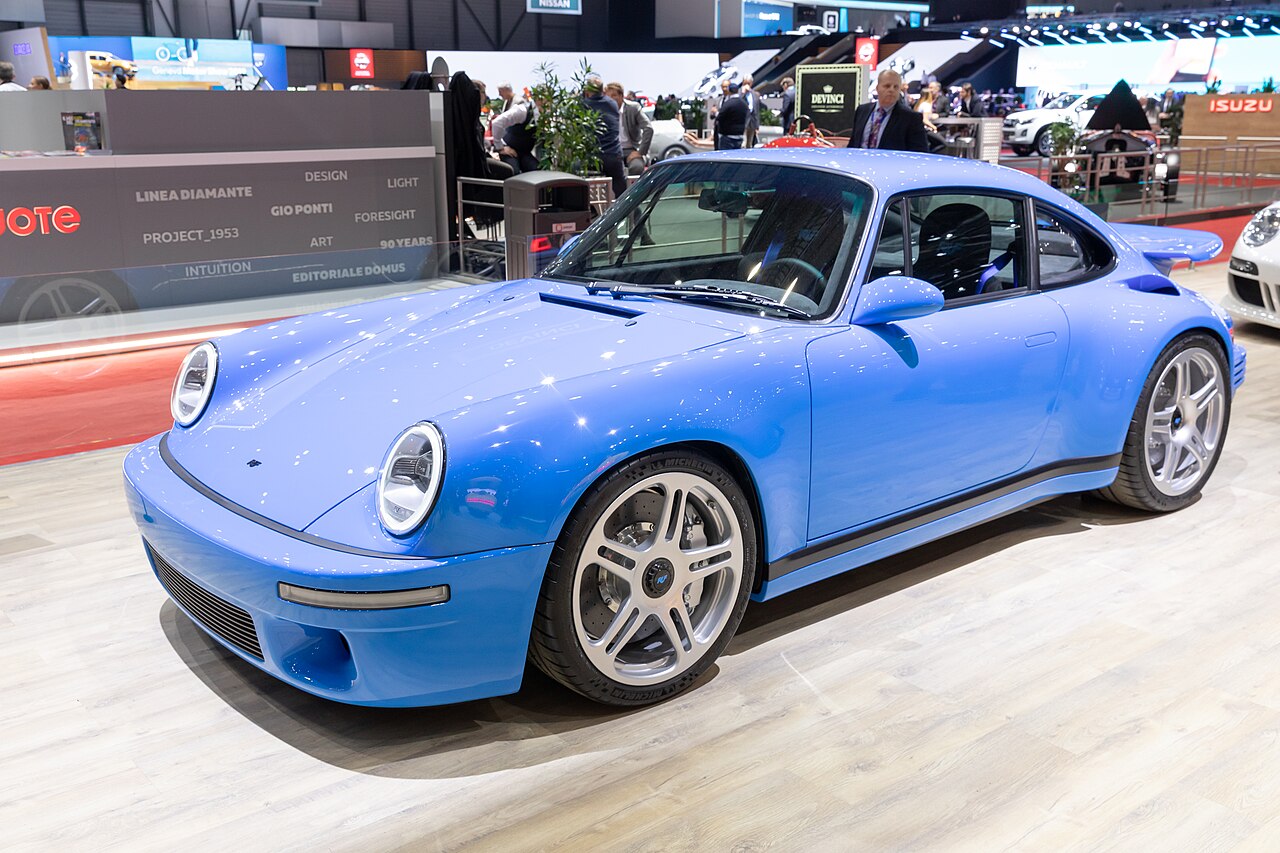
The CTR Anniversary looks like a 911 but Ruf built its carbon monocoque from scratch, no Porsche body underneath.
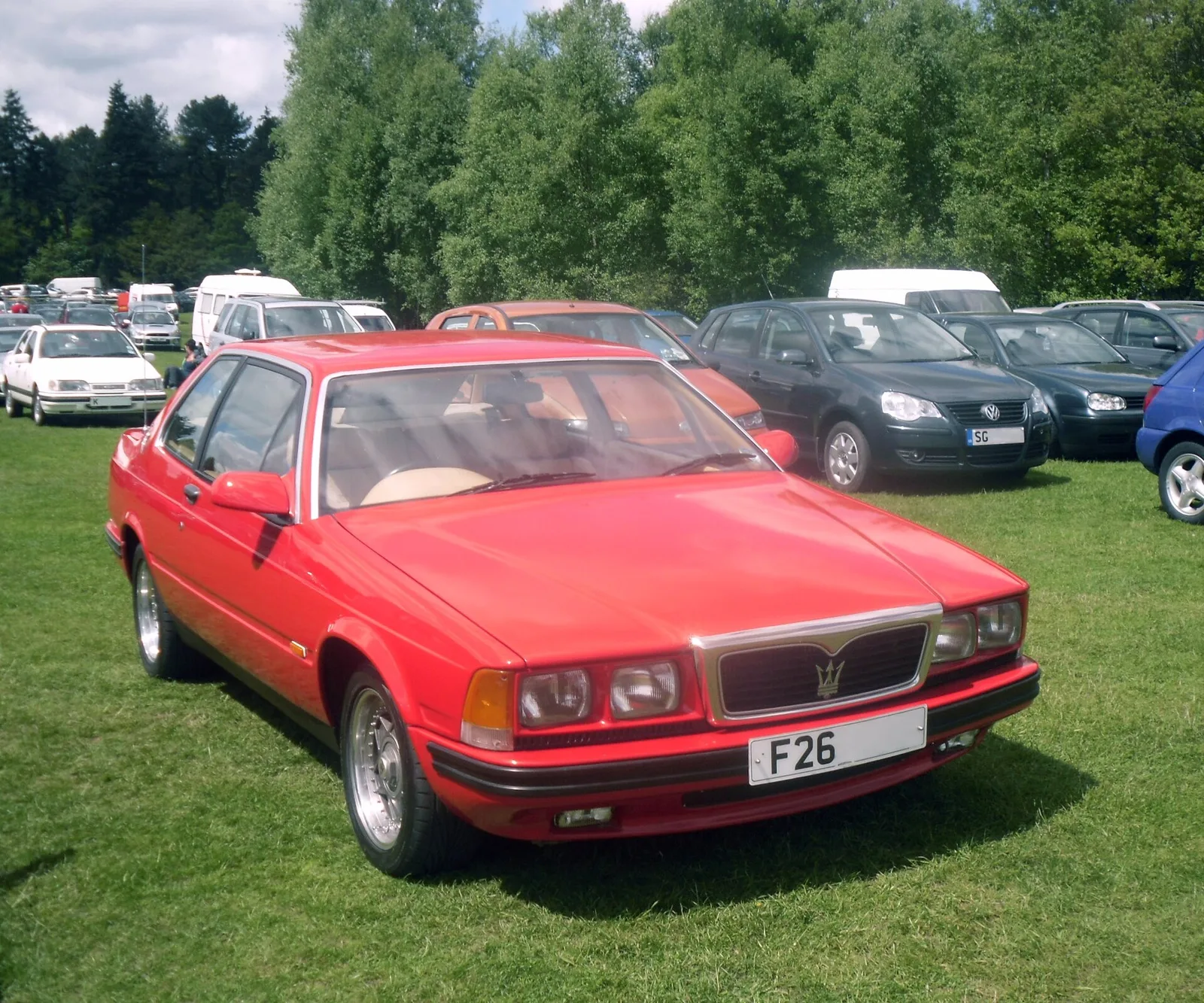
The 228's coupe styling hides a sedan underneath: Maserati stretched it onto the longer four-door Biturbo chassis to make room for its biggest V6, which is literally where the name comes from — 2-door, 2.8 litre.
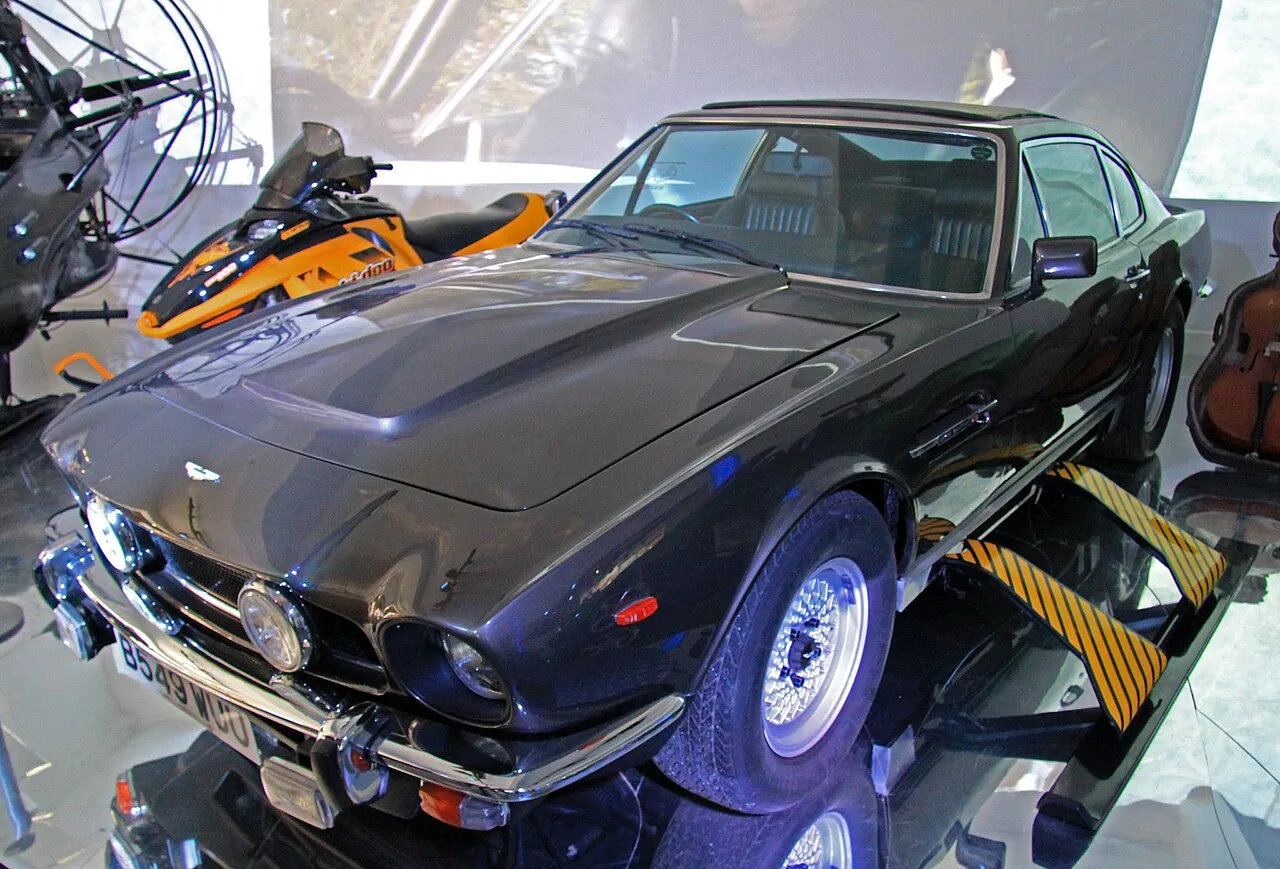
Switching to fuel injection let this V8 finally shed its trademark bonnet bulge — and only 405 of these flat-hooded Series 5 cars were built before the whole model retired in 1989.
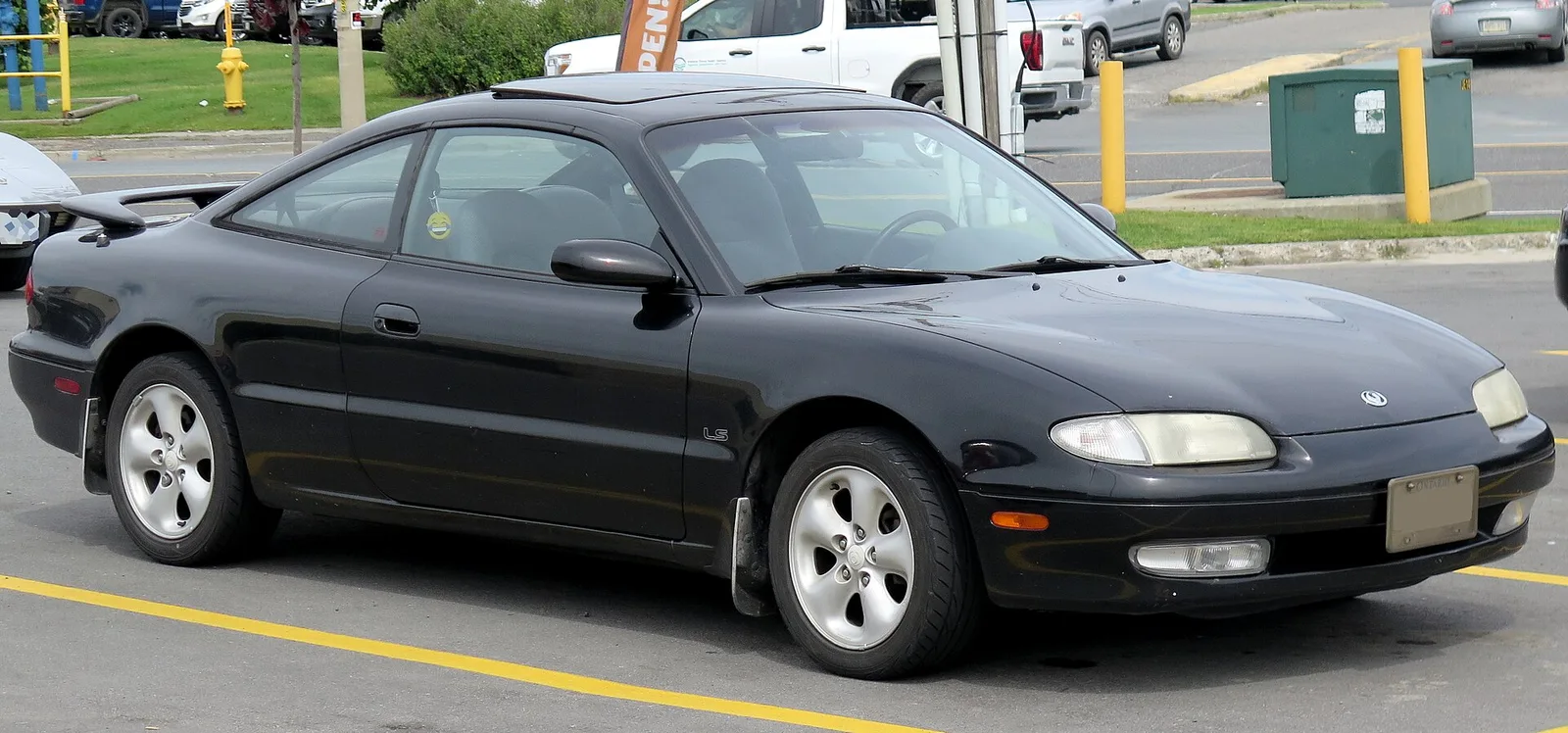
Japanese buyers got a secret weapon in their MX-6 — the JDM-only KL-ZE V6 made about 40 more horsepower than the engine sold in the exact same car in North America.
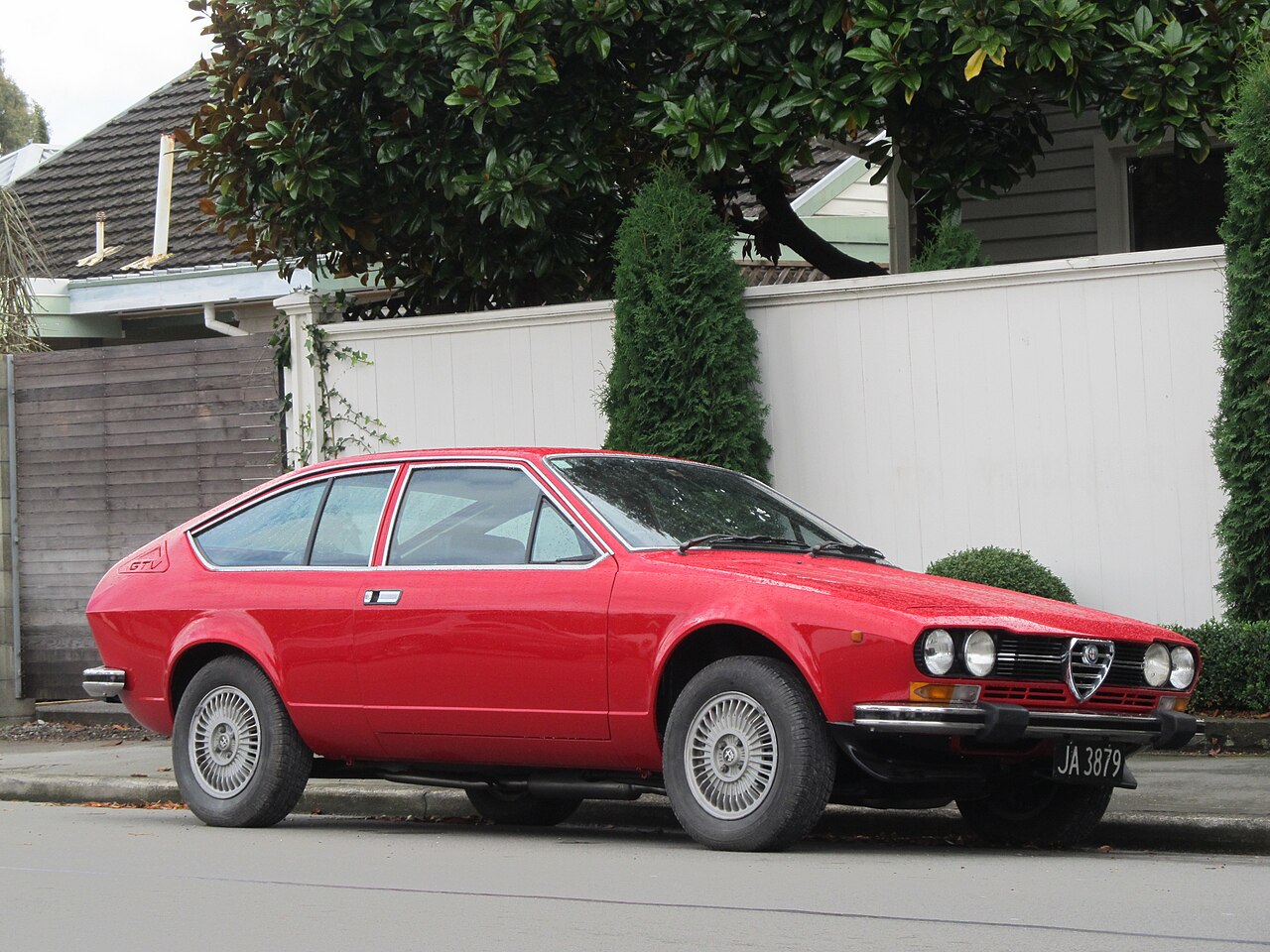
An American tuner, Callaway Cars, built twin-turbo conversions of the GTV6 that boosted its V6 by fifty percent to 230 hp — turning Alfa's grand tourer into something far quicker than the factory ever intended.
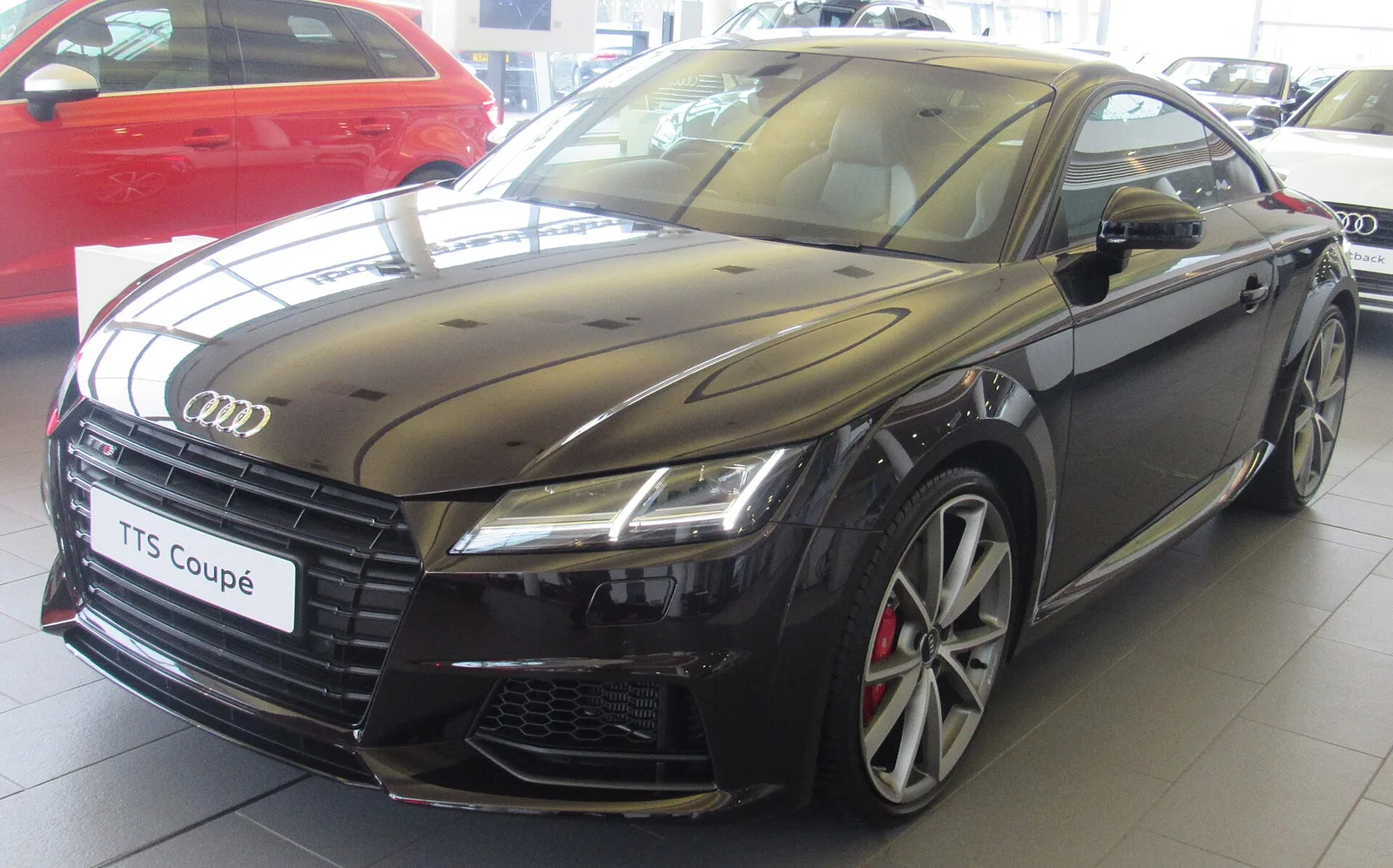
Audi TTS Coupe · TTS Coupe (2016–2023) · 2016–2023.
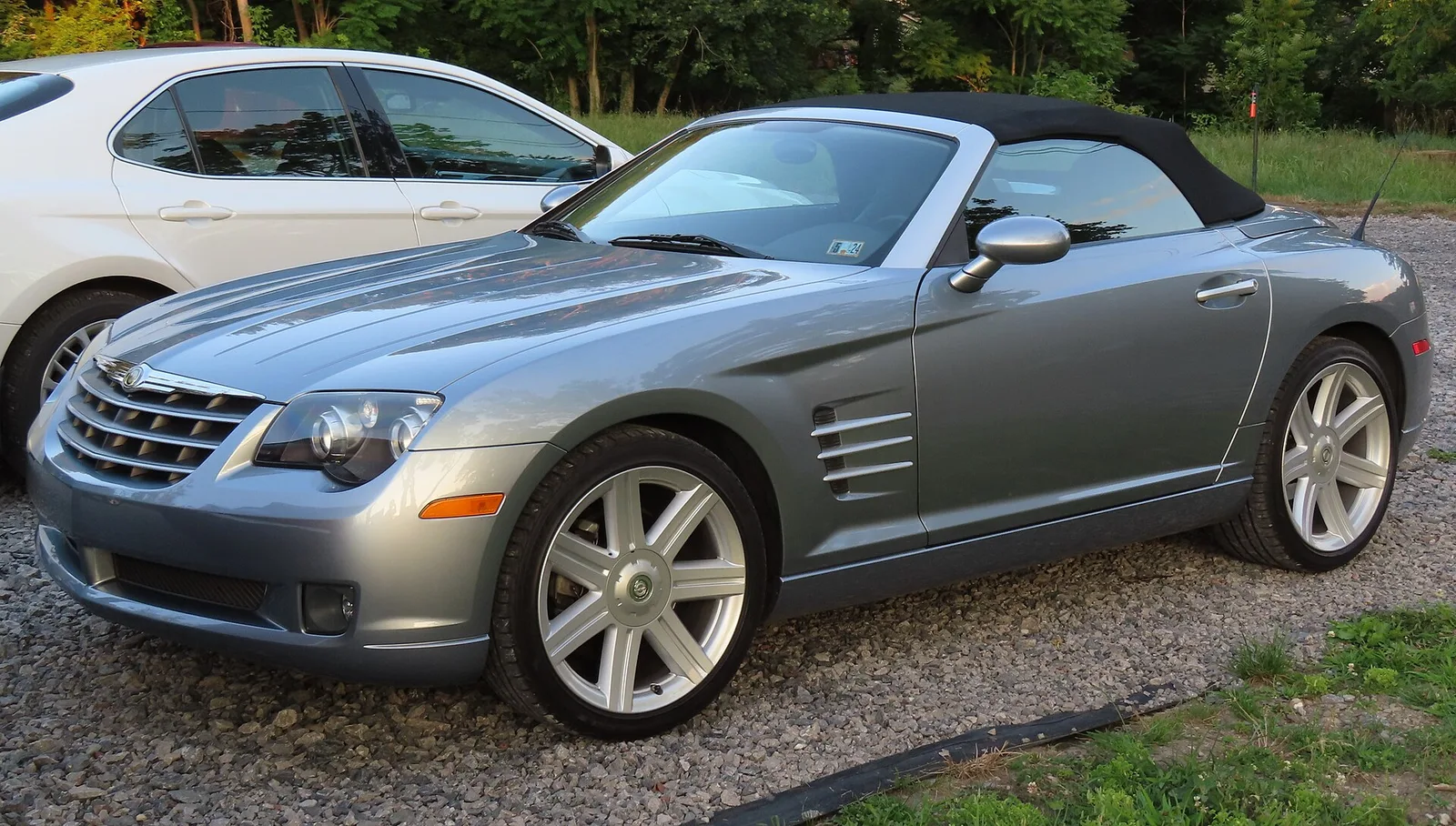
A product of the DaimlerChrysler merger, the Crossfire shares 80% of its parts with the Mercedes-Benz SLK — German bones under American badges.