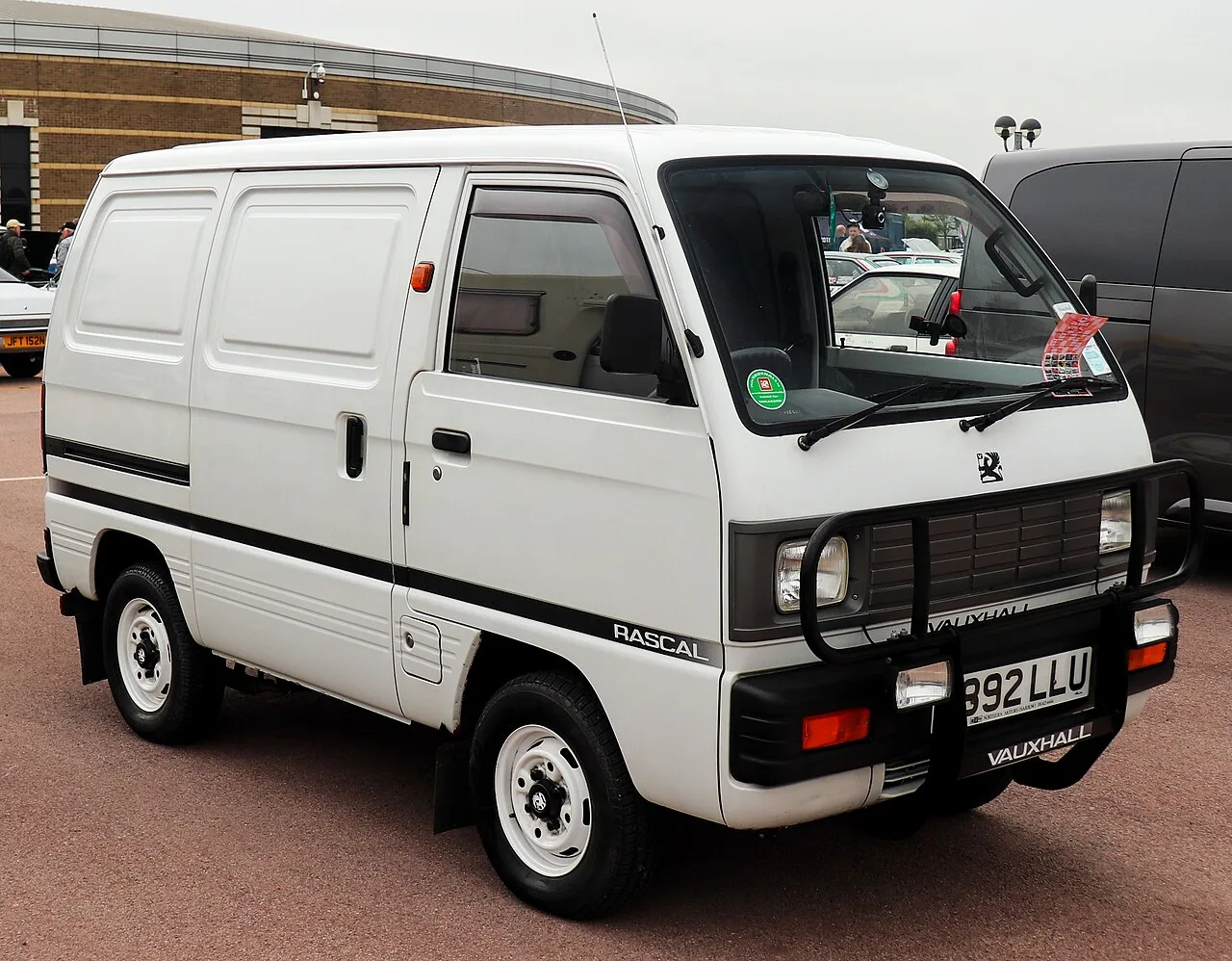
Built by GM and Suzuki side by side in Luton, this kei van later moved production to Japan, where the Suzuki twin outlived it.
Median 81 hp across 72 similar cars
Lead trim: Rascal 970 cc F10A four
Vauxhall Rascal / Bedford RascalRASCAL · 1986–1999
- 0spots by members
- Unclaimednobody has spotted one yet
- 0sets it belongs to
Nobody in Burbles has spotted a Vauxhall Rascal / Bedford Rascal yet. See one on the street, point the app at it, and the first card is yours — with your @handle permanently credited on this page.
FactBuilt by GM and Suzuki side by side in Luton, this kei van later moved production to Japan, where the Suzuki twin outlived it.
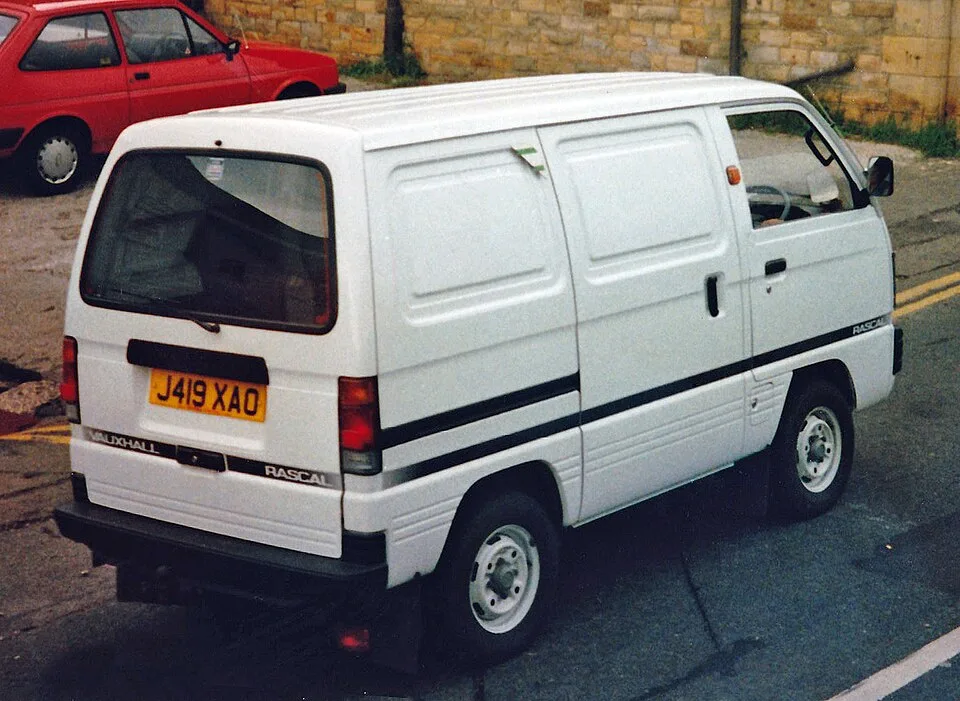
The Bedford Rascal (later Vauxhall Rascal), also built as the Suzuki Super Carry, is a kei truck and microvan developed as a joint venture between General Motors and Suzuki, sold under GM's British Bedford marque (rebadged the Vauxhall Rascal in 1990 as Bedford was retired), as the GME Rascal in continental European markets and as the Holden Scurry in Australia. The van was produced at the IBC Vehicles plant in Luton, England, adjacent to the main Vauxhall factory, and production moved to Japan in 1993, where it continued until 1999; the Suzuki-branded twin was made alongside it for markets where Bedford was less established. A small and economical van intended for many purposes, its strengths were its diminutive size and maximum payload of 550 kg for the van and 575 kg for the pickup; the principal visible difference between the Bedford and Suzuki versions is the front trim (the Super Carry has two separate plastic headlamp surrounds, the Rascal a single full-width one with "Bedford" moulded in the middle). Mainly sold as vans, pickup and camper versions were also made; it was succeeded by the Opel/Vauxhall Combo. The 970 cc F10A four-cylinder drives the rear wheels through a 4/5-speed manual, mid-front mounted.
Collectors Spotted in the Vauxhall Rascal Lineage
No member has published a public street spot of the Vauxhall Rascal yet — the First · Worldwide stamp is wide open.
Trims & Figures
One published trim in the catalogue. A blank is a figure not recorded, not zero.
| Trim | Years | Engine | Power | Torque | 0–60 | Drive | Gearbox | MSRP |
|---|---|---|---|---|---|---|---|---|
| Rascal 970 cc F10A four | 1986–1999 | 1.0 L Inline-4 | 44 hp | — | — | RWD | — | — |
Owning one
We don’t estimate running costs for a car like this. What it costs depends on its condition, its specialist and how it is driven, and an average would mislead.
Owners’ builds
Nobody has claimed one yet.
Photographs
Rivals
Same body, same money, other badges — tap any card to flip.
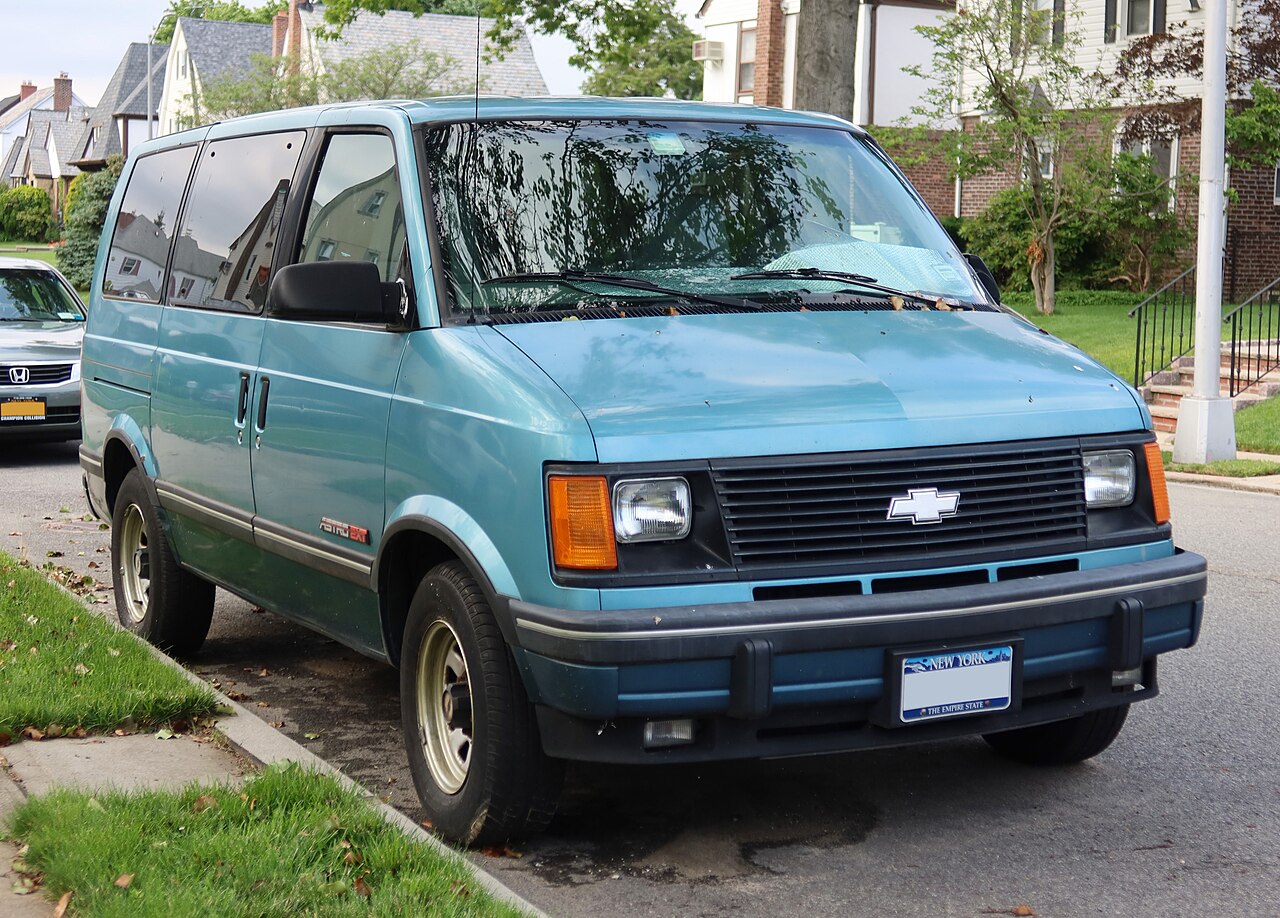
Chevy pitched the Astro as the anti-minivan, telling buyers life was too big for one, while it rode on a rear-wheel-drive truck frame.
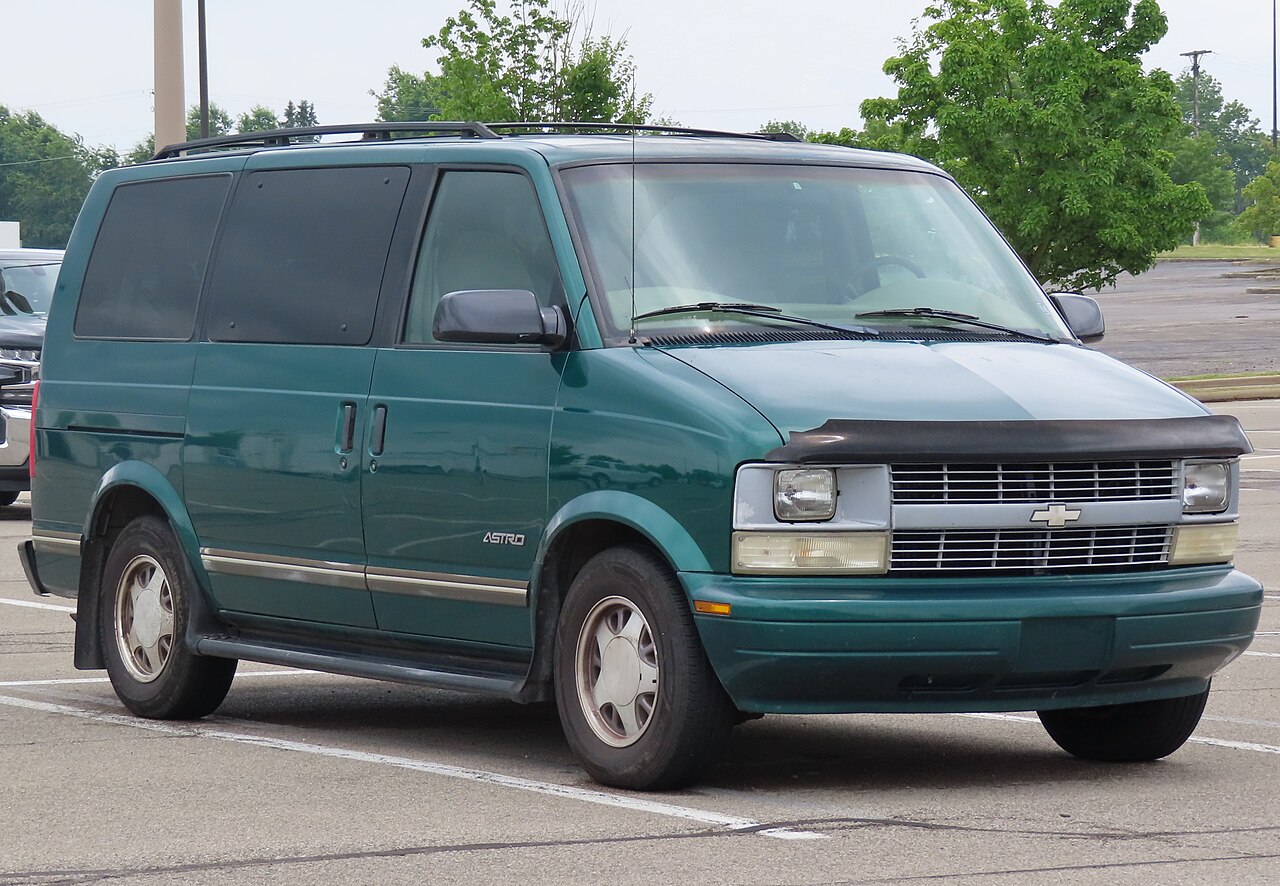
The IIHS rated the Astro Poor in a 1996 crash test, yet 2001–2004 Astros later had the lowest driver death rate of any US passenger vehicle.
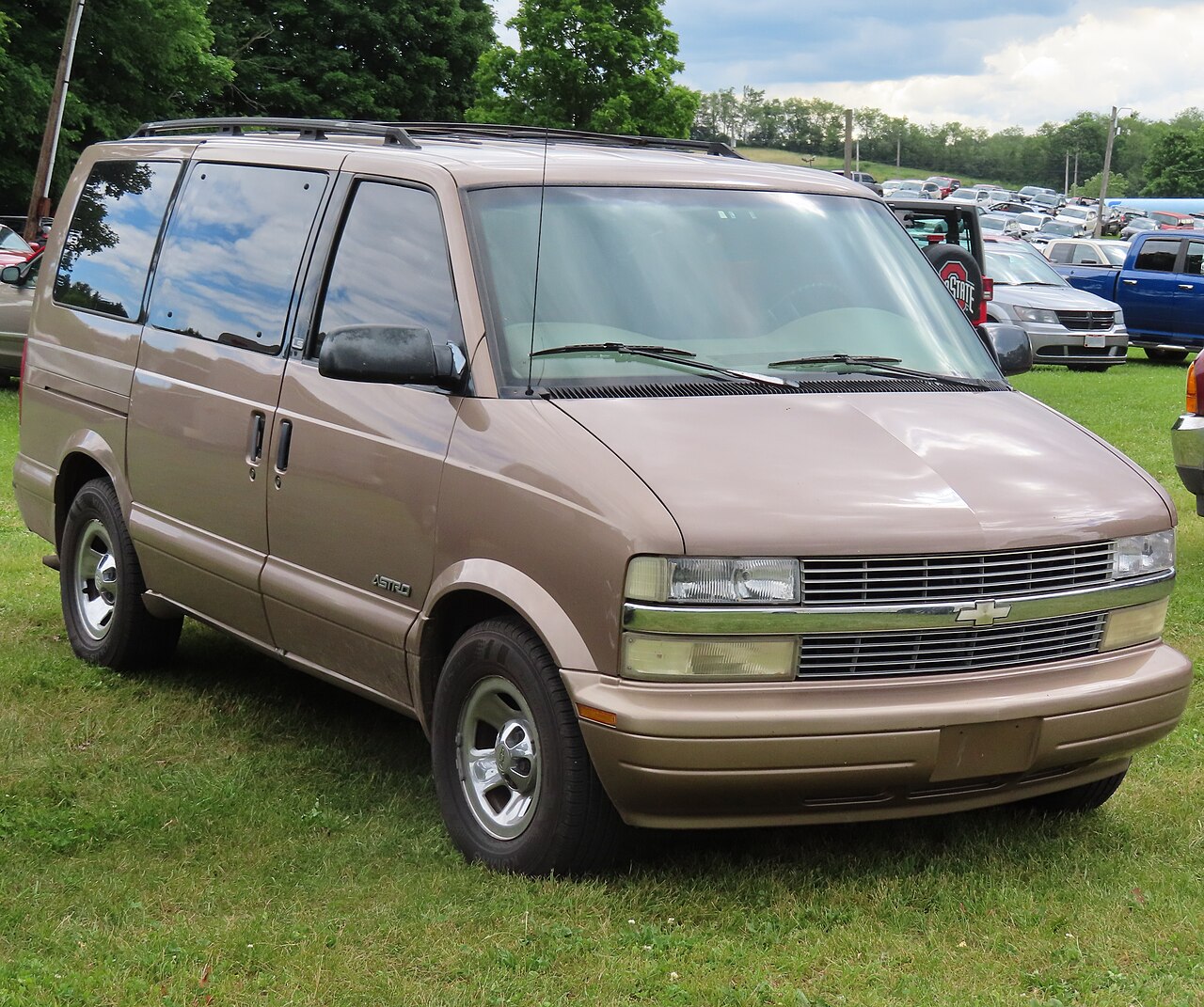
The boxy, unglamorous Astro quietly posted one of the best real-world safety records in America: IIHS found 2001-2004 models had the fewest driver deaths per million vehicles of any passenger vehicle on US roads.
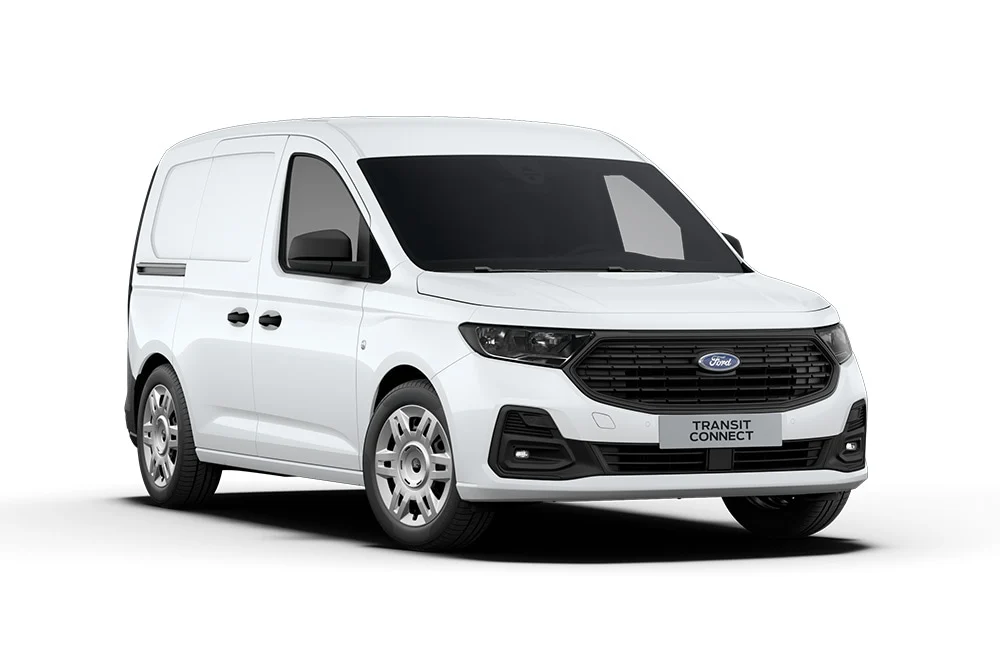
The third-generation Tourneo Connect, released in Europe in October 2021, is a rebadged fourth-generation Volkswagen Caddy, assembled by Volkswagen in Poland.
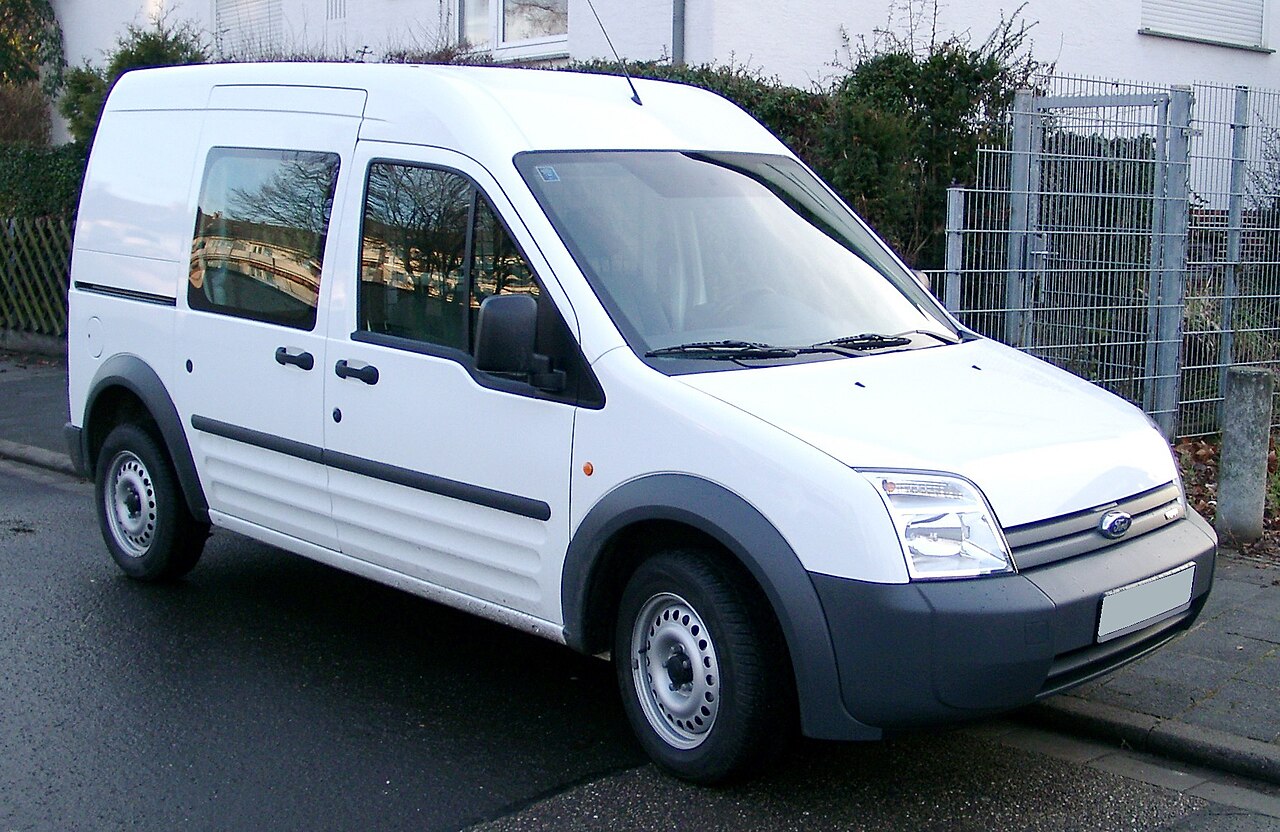
Ford beat the 25% "chicken tax" by importing the Transit Connect as a passenger van — rear windows and seats included, then stripped out and recycled once it landed in the US.
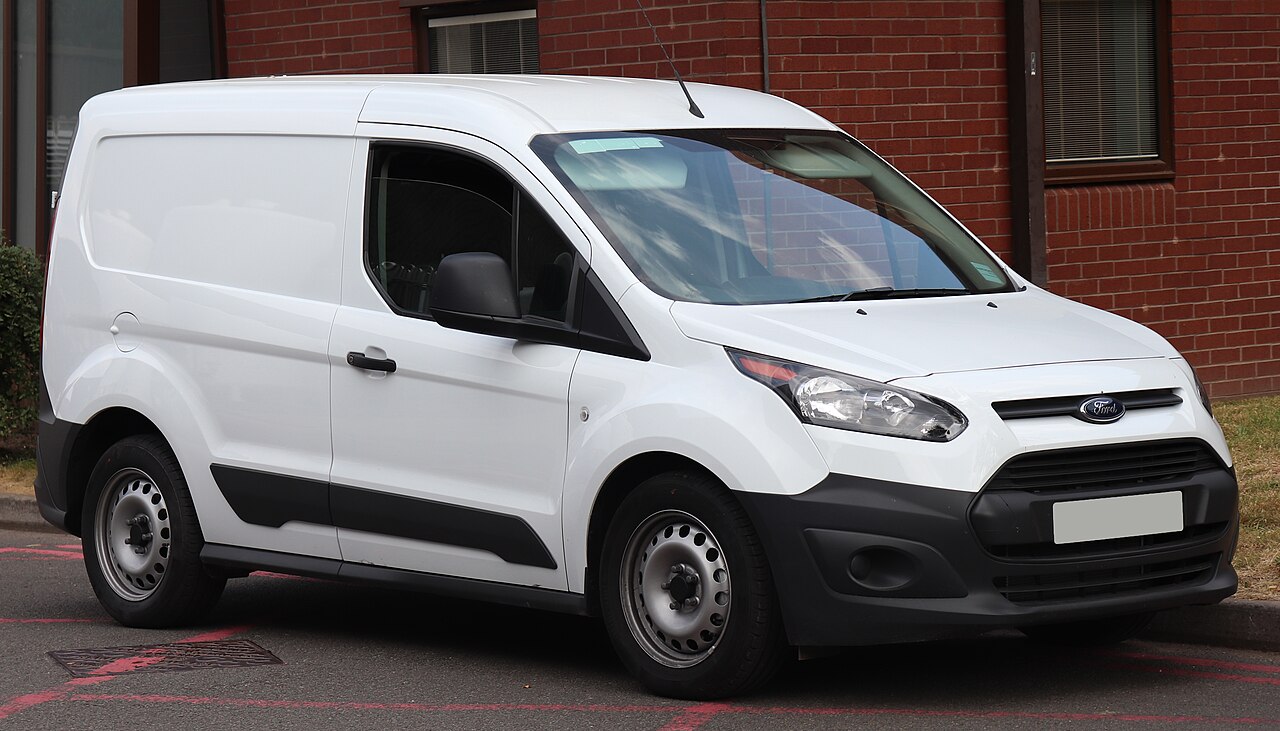
Ford spent years in federal court over the second-gen Transit Connect: in June 2019 the US won its appeal, and judges ruled the van was cargo-only — ending Ford's workaround for the 'chicken tax.'
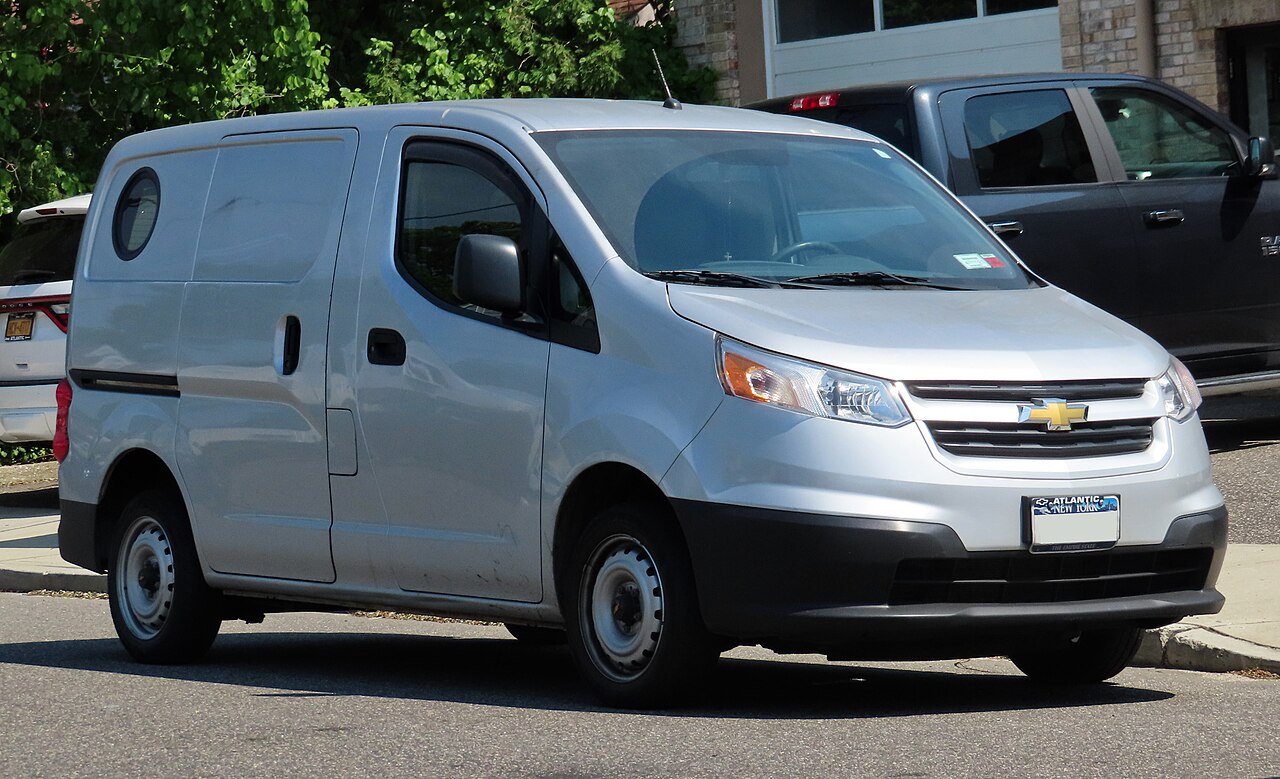
GM sold a rebadged Nissan NV200 as the Chevy City Express for four years, then killed it in 2018, citing weak sales and the fact that its parts weren't even compatible with GM's own parts catalog.
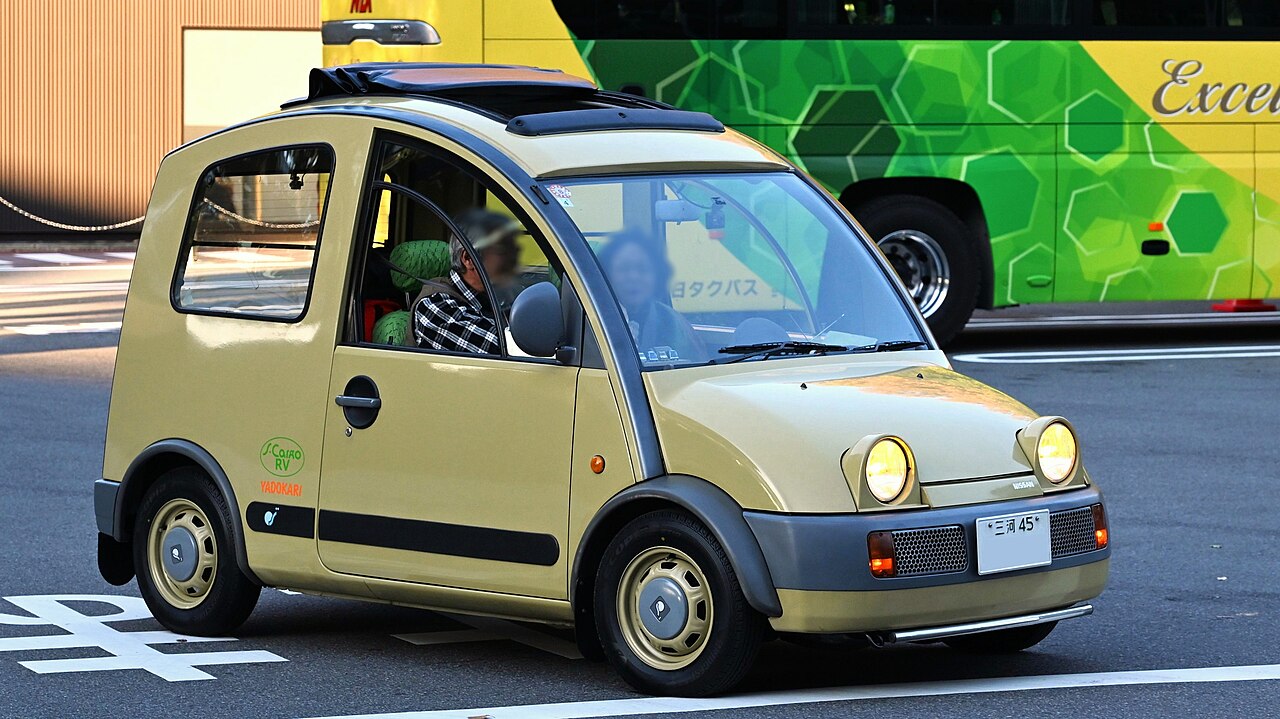
Its name is a pun: "S-Cargo" means "Small Cargo" but sounds just like escargot — French for snail, the shape the whole van was built to resemble.