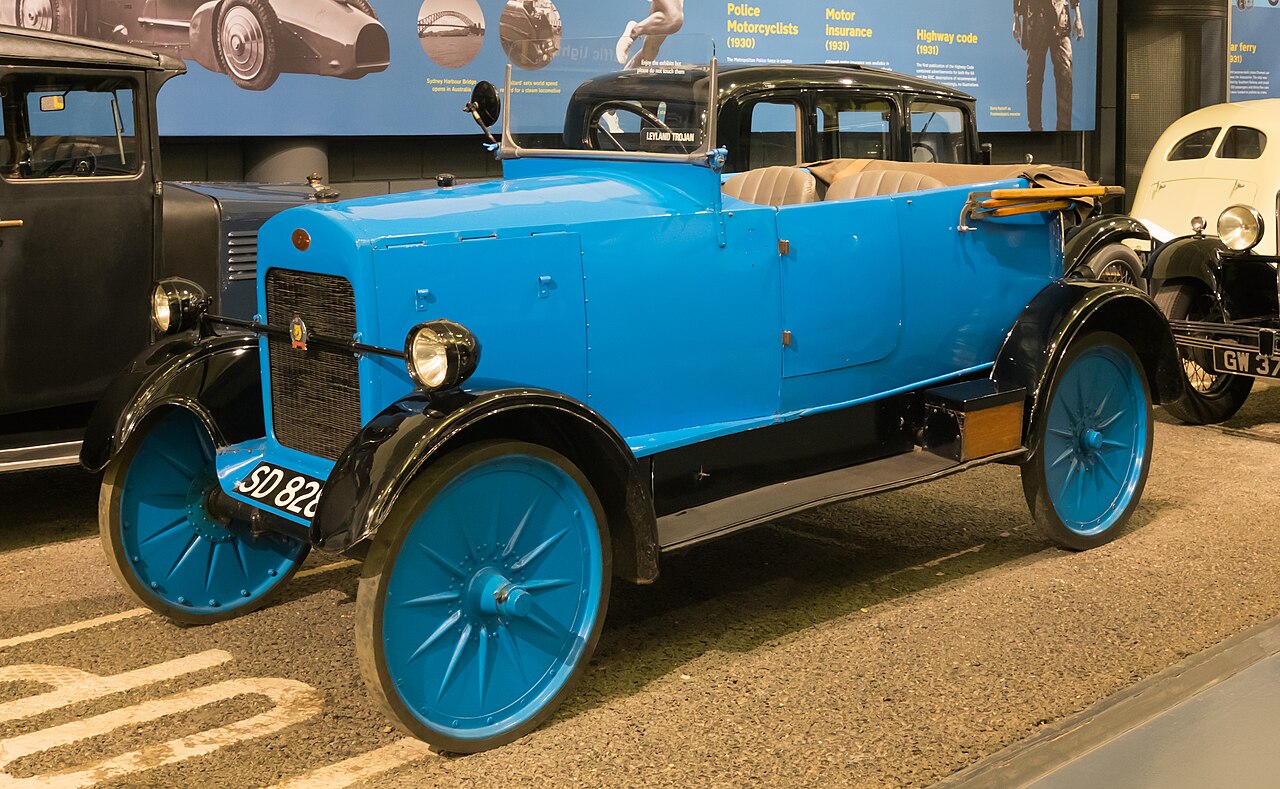
Trojan’s marketing for the Utility Car calculated that over 200 miles, walking would wear out more shoe leather and socks than it would cost to just drive the car - hence the slogan "Can you afford to walk?"
Lead trim: Utility Car 1.5 L engine (1920 revision)
Trojan Utility CarUtility Car · 1914–1928
- 0spots by members
- Unclaimednobody has spotted one yet
- 0sets it belongs to
Nobody in Burbles has spotted a Trojan Utility Car yet. See one on the street, point the app at it, and the first card is yours — with your @handle permanently credited on this page.
FactTrojan’s marketing for the Utility Car calculated that over 200 miles, walking would wear out more shoe leather and socks than it would cost to just drive the car - hence the slogan "Can you afford to walk?"
The Trojan Utility Car, designed by company founder Leslie Hounsfield (a 1913 prototype led to production from 1914), was deliberately unconventional: rather than a chassis, a punt-shaped tray housed the engine and transmission beneath the seats, with chain drive to solid-tyre wheels, and the whole car started by pulling a lever beside the driver. It launched at £230, undercutting to £125 by 1925 (matching the Model T Ford); Trojan's "Can you afford to walk?" advertising claimed 200 miles by Trojan cost less than the shoe leather to walk the same distance. The original 1,527 cc engine was replaced in 1920 by a smaller 1,488 cc unit (bringing the car into the sub-1.5-litre tax class) with pneumatic tyres offered as an option and a 5,000-mile guarantee; top speed was 38 mph, made famous by a major Brooke Bond tea delivery-van contract. Leyland built the cars under licence at its Kingston-upon-Thames works until 1928 (11,000 cars and 6,700 vans made in total). The page gives no wheelbase or body dimensions, so those are left unset here rather than estimated; the printed 38 mph top speed is also left out of specs, since the registry's 50 mph floor for that field rejects it — the number is real, just below what the schema accepts.
Collectors Spotted in the Trojan Utility Car Lineage
No member has published a public street spot of the Trojan Utility Car yet — the First · Worldwide stamp is wide open.
Trims & Figures
One published trim in the catalogue. A blank is a figure not recorded, not zero.
| Trim | Years | Engine | Power | Torque | 0–60 | Drive | Gearbox | MSRP |
|---|---|---|---|---|---|---|---|---|
| Utility Car 1.5 L engine (1920 revision) | 1920–1928 | 1.5 L | — | — | — | — | — | — |
Owning one
We don’t estimate running costs for a car like this. What it costs depends on its condition, its specialist and how it is driven, and an average would mislead.
Owners’ builds
Nobody has claimed one yet.
Photographs
Rivals
Same body, same money, other badges — tap any card to flip.
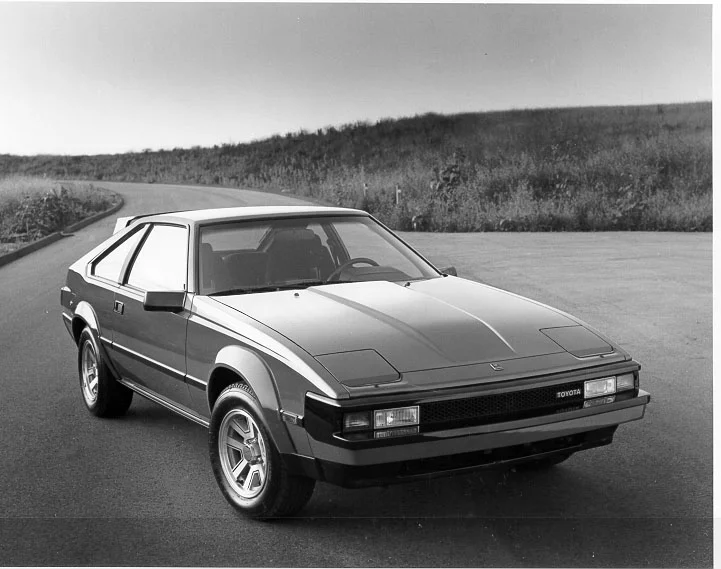
The Celica XX, Japan's name for the A60 Supra, introduced the world's first in-car navigation computer.
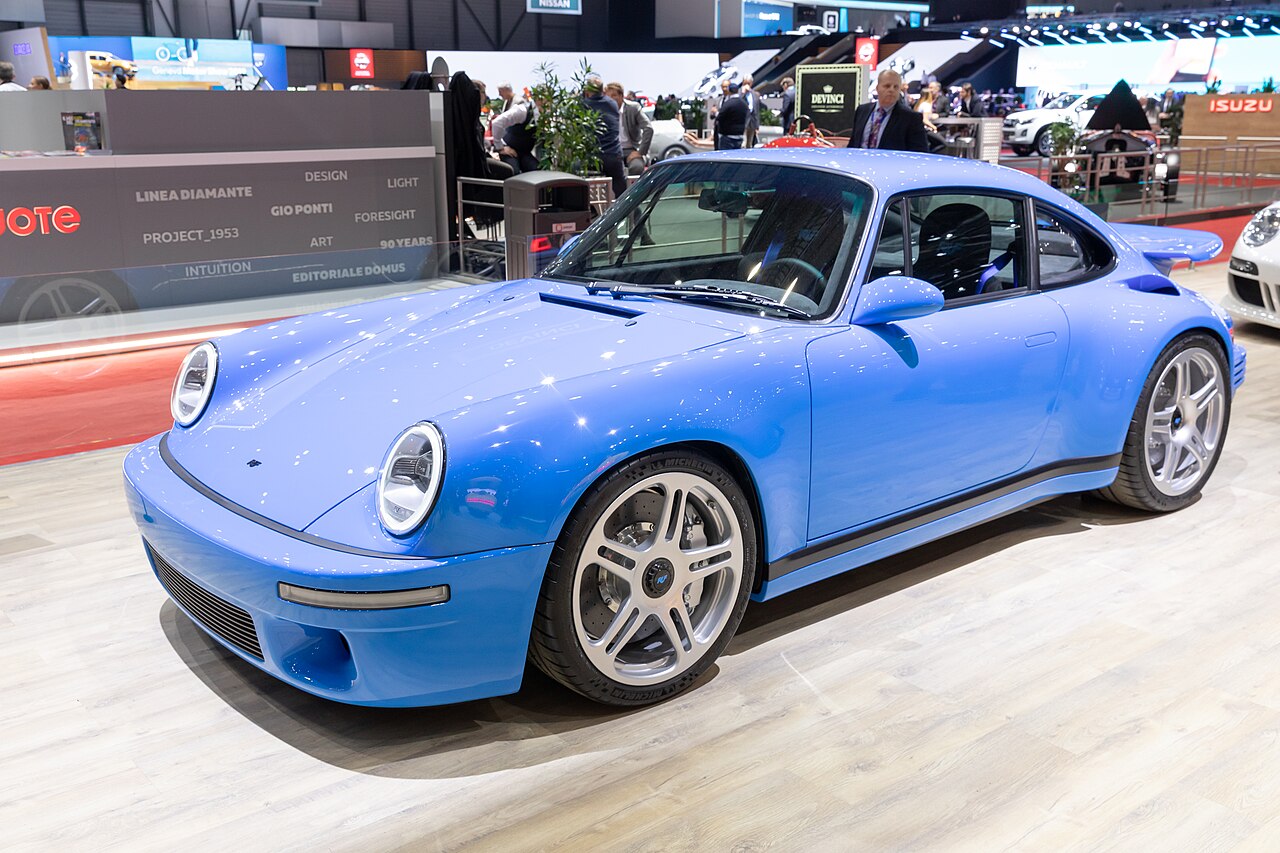
The CTR Anniversary looks like a 911 but Ruf built its carbon monocoque from scratch, no Porsche body underneath.
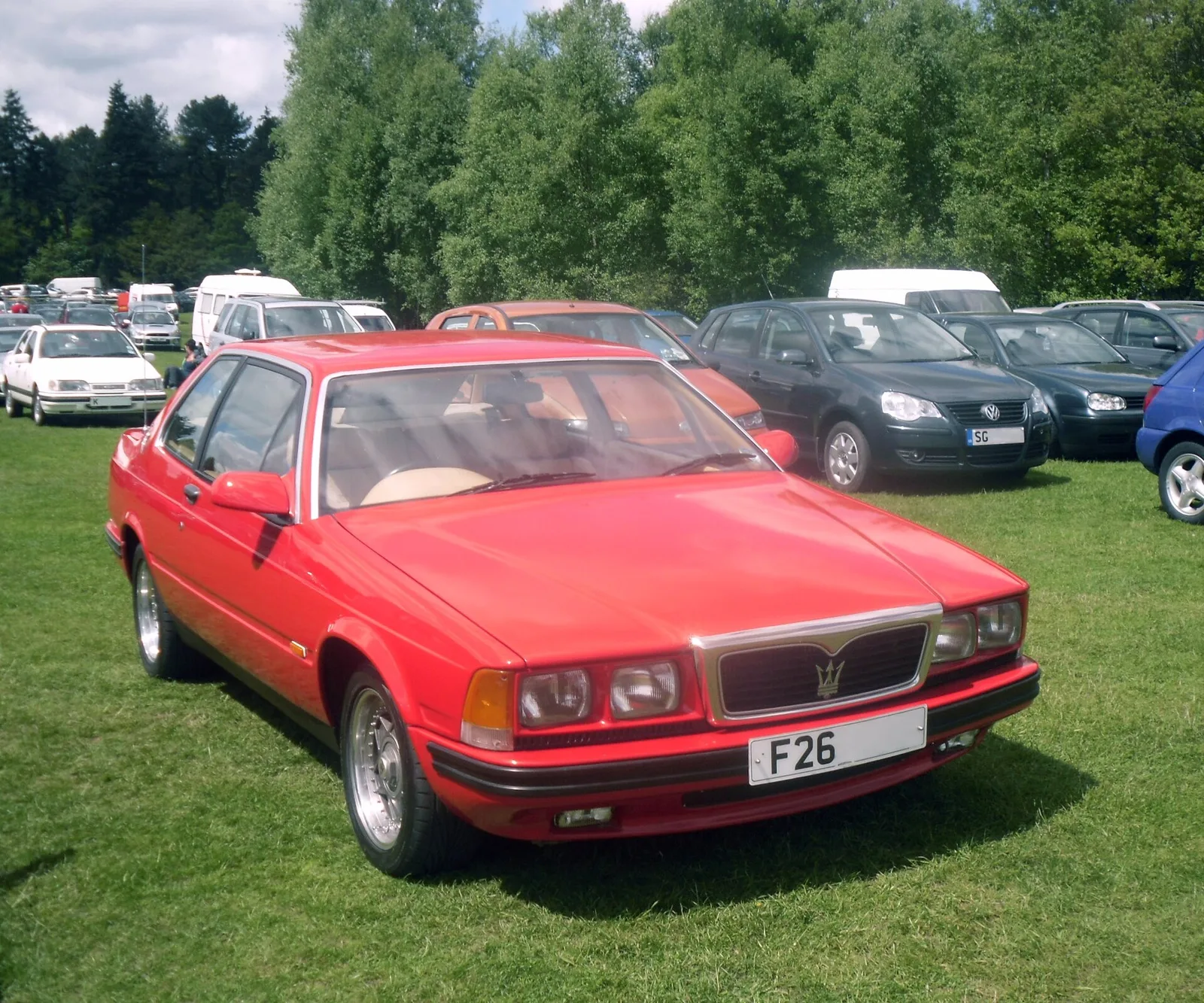
The 228's coupe styling hides a sedan underneath: Maserati stretched it onto the longer four-door Biturbo chassis to make room for its biggest V6, which is literally where the name comes from — 2-door, 2.8 litre.
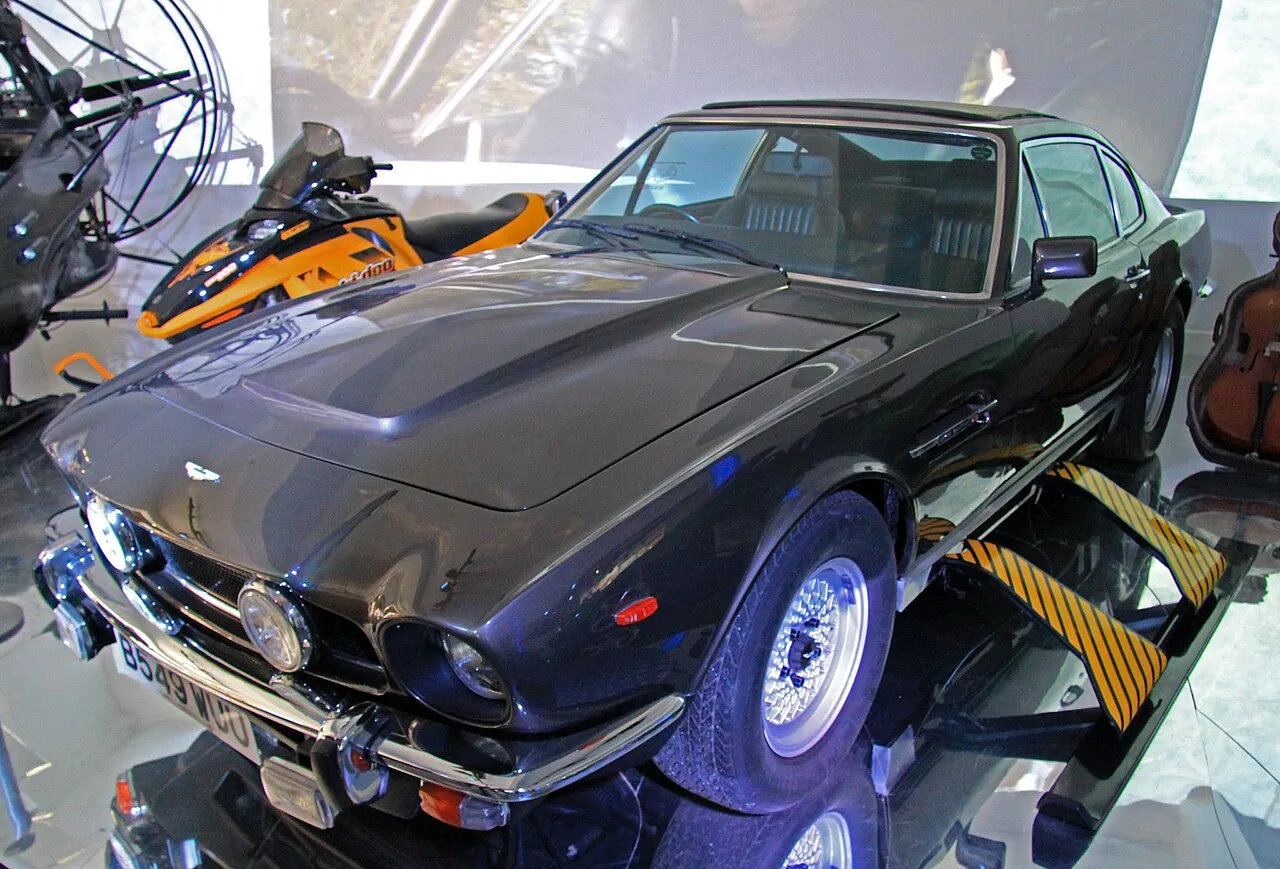
Switching to fuel injection let this V8 finally shed its trademark bonnet bulge — and only 405 of these flat-hooded Series 5 cars were built before the whole model retired in 1989.
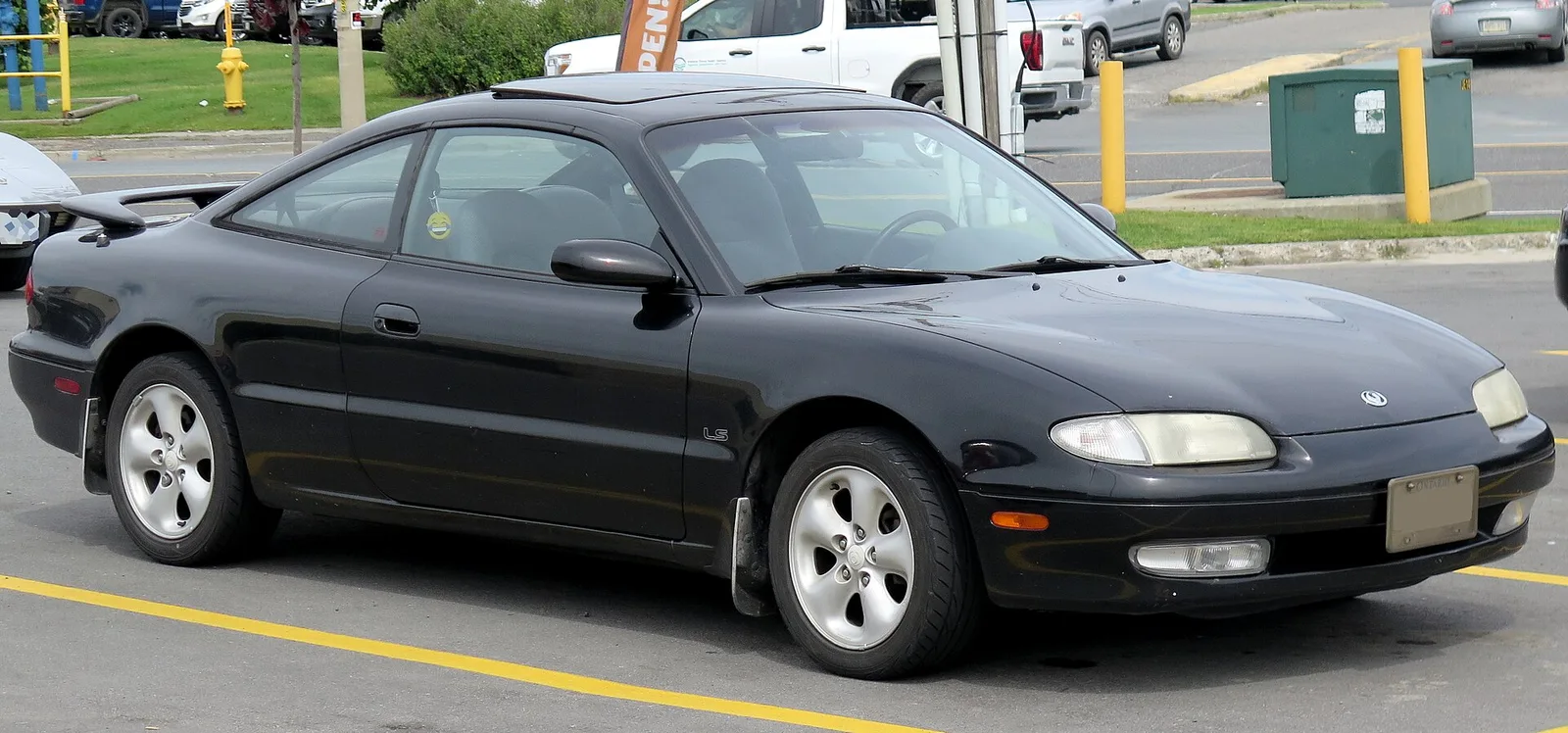
Japanese buyers got a secret weapon in their MX-6 — the JDM-only KL-ZE V6 made about 40 more horsepower than the engine sold in the exact same car in North America.
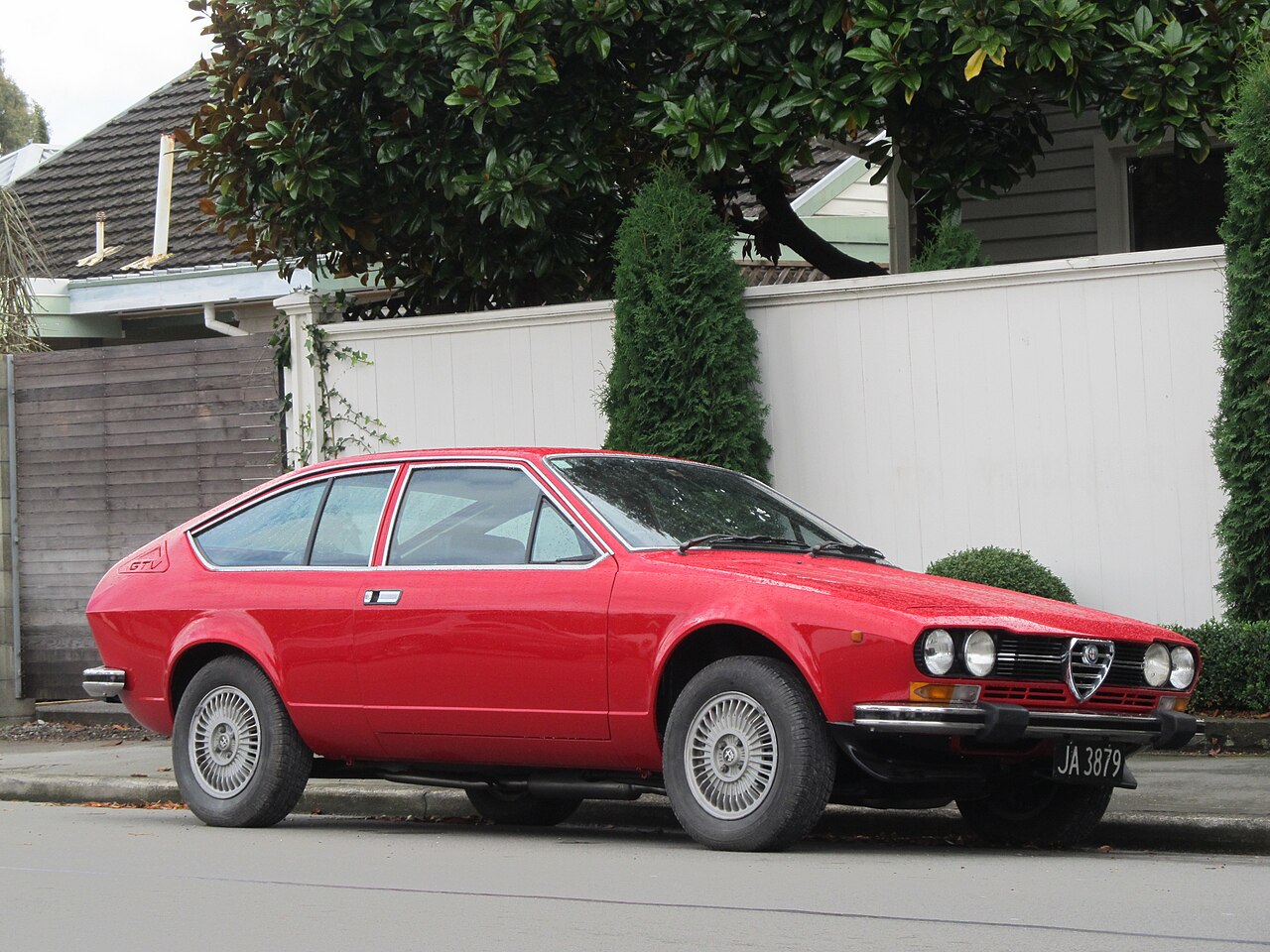
An American tuner, Callaway Cars, built twin-turbo conversions of the GTV6 that boosted its V6 by fifty percent to 230 hp — turning Alfa's grand tourer into something far quicker than the factory ever intended.
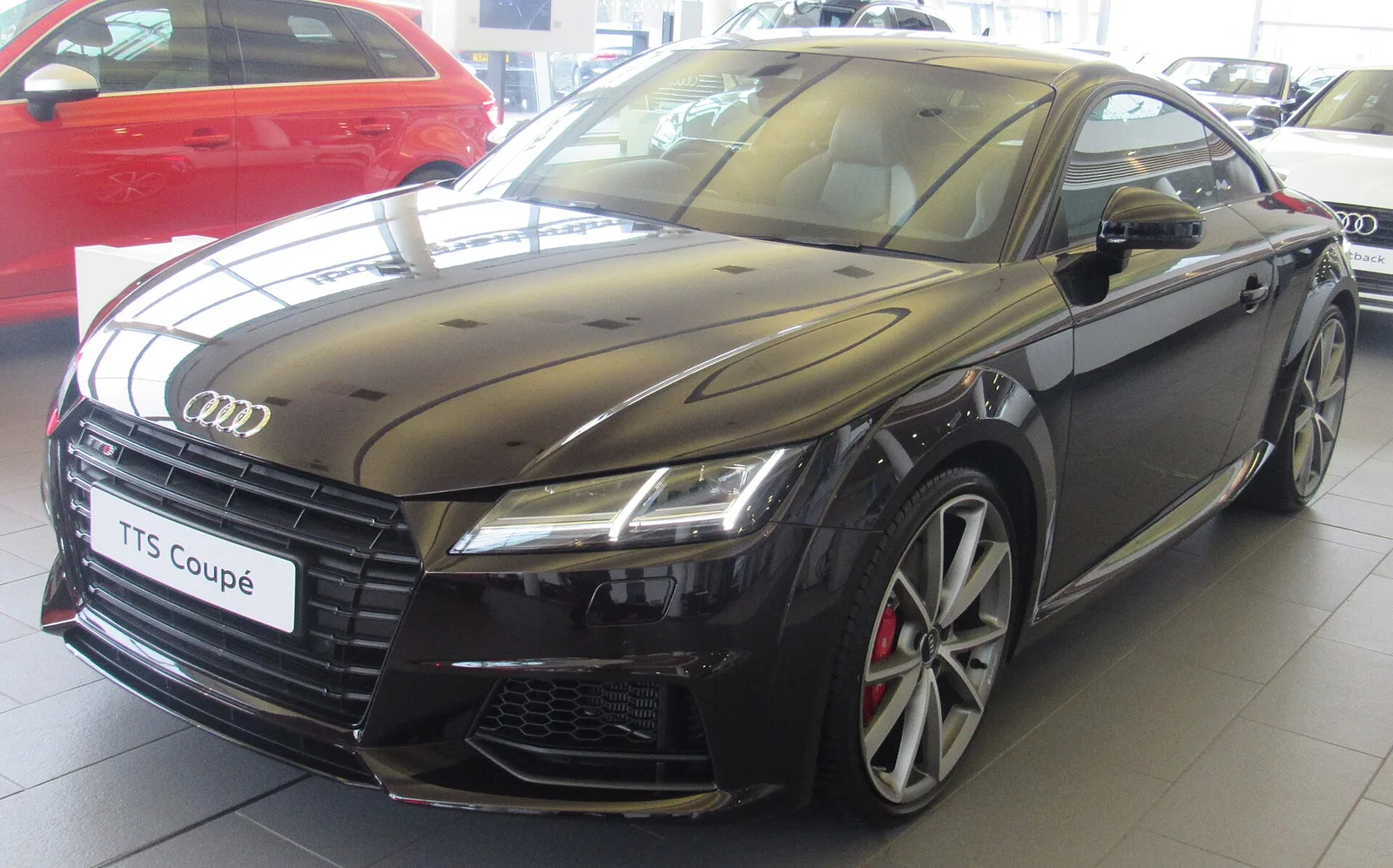
Audi TTS Coupe · TTS Coupe (2016–2023) · 2016–2023.
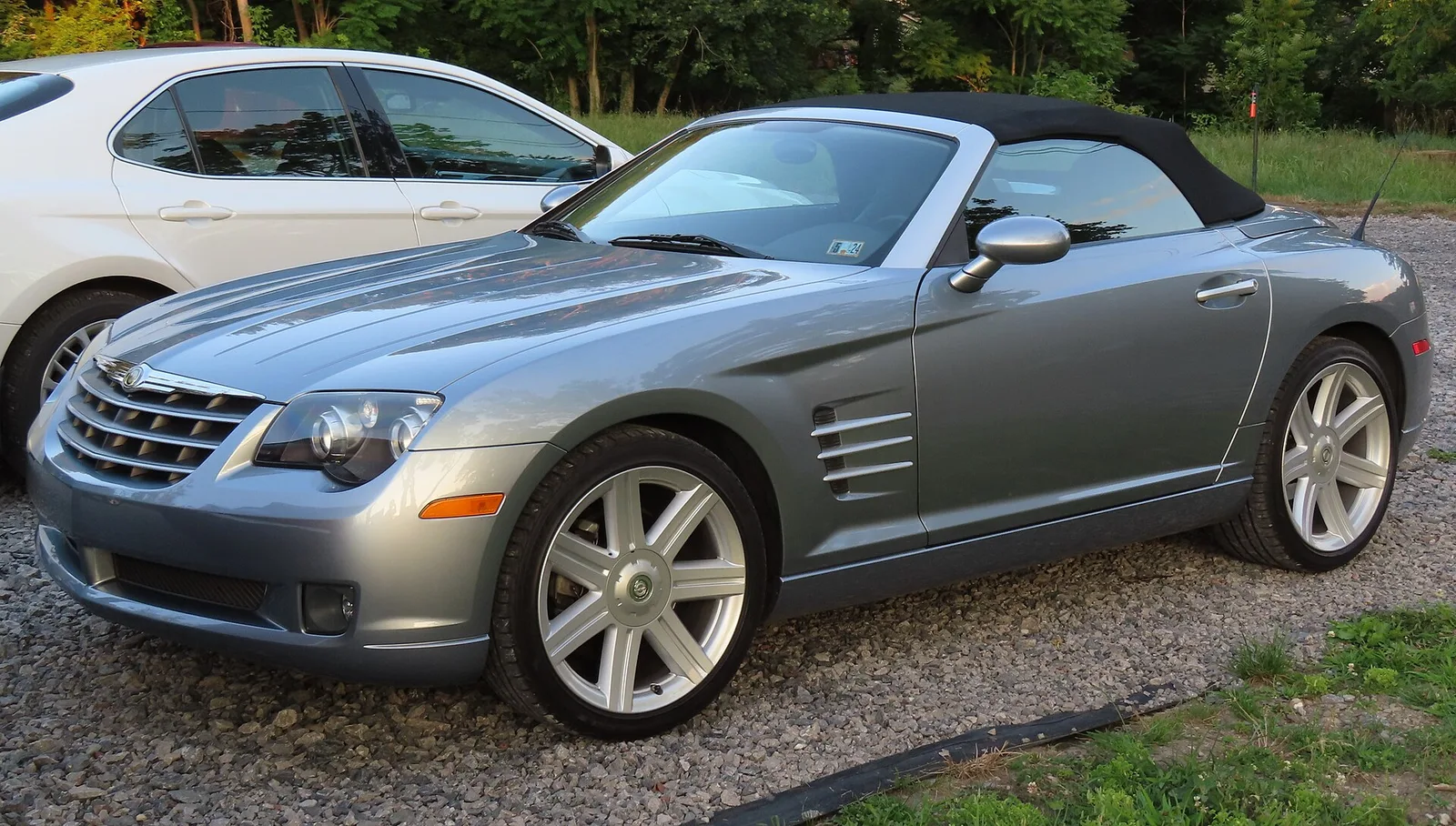
A product of the DaimlerChrysler merger, the Crossfire shares 80% of its parts with the Mercedes-Benz SLK — German bones under American badges.