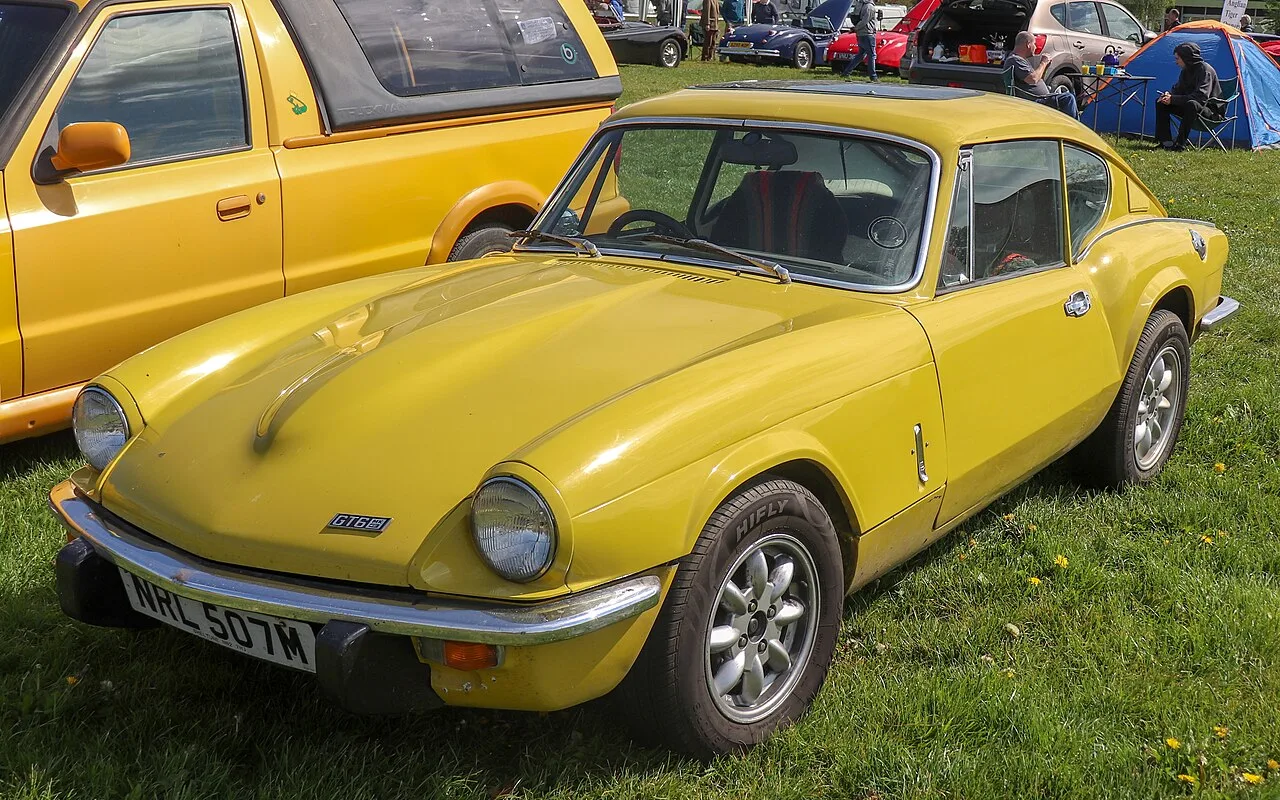
Owners called it the poor man's E-Type for its fastback shape, not its six-cylinder pace.
Median 180 hp across 179 similar cars
Lead trim: GT6 Mk I 2.0 six (95 hp) · up to 104 hp
Triumph GT6 Mk I–III1966–1973
- 0spots by members
- Unclaimednobody has spotted one yet
- 0sets it belongs to
Nobody in Burbles has spotted a Triumph GT6 Mk I–III yet. See one on the street, point the app at it, and the first card is yours — with your @handle permanently credited on this page.
FactOwners called it the poor man's E-Type for its fastback shape, not its six-cylinder pace.
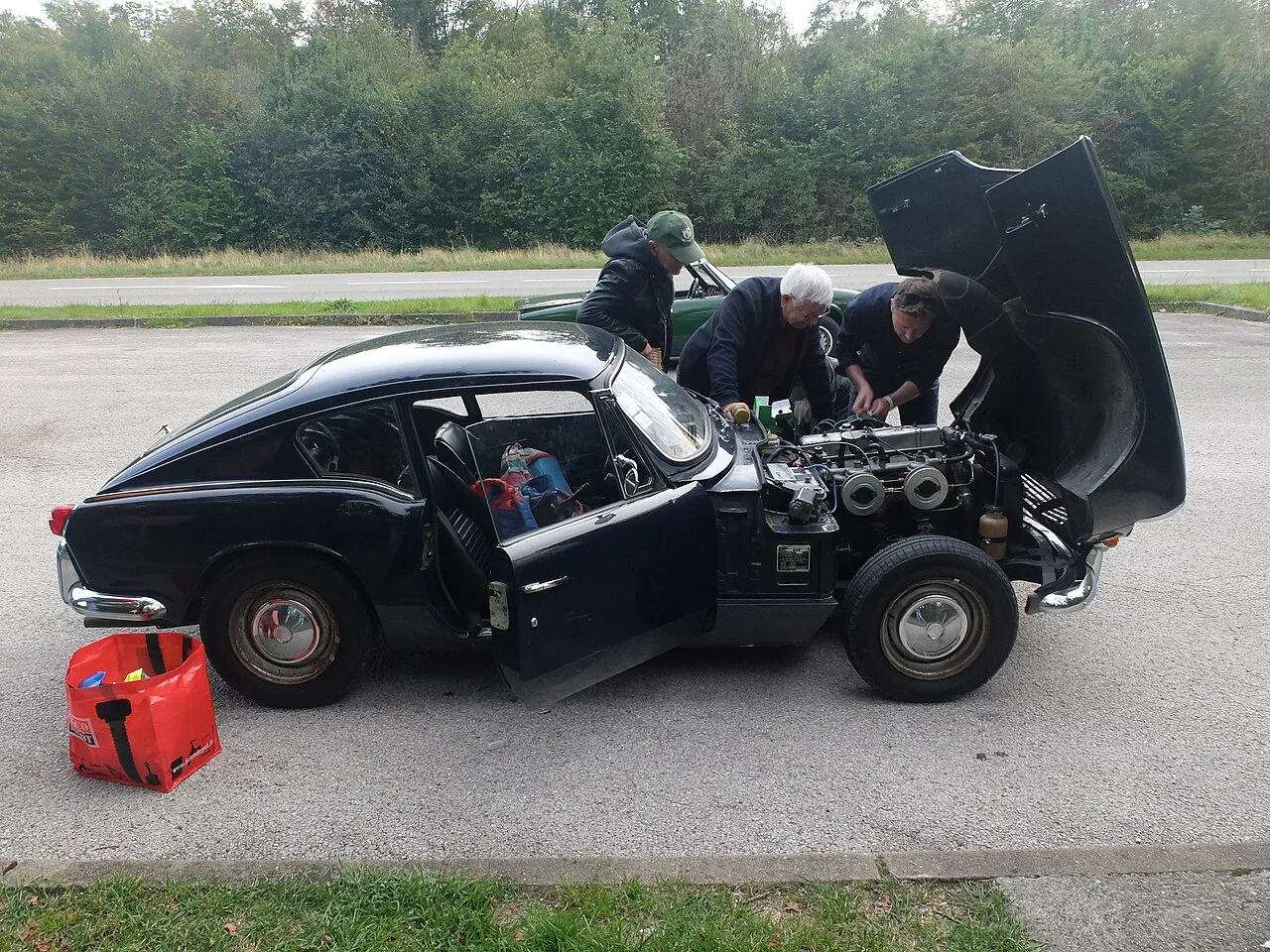
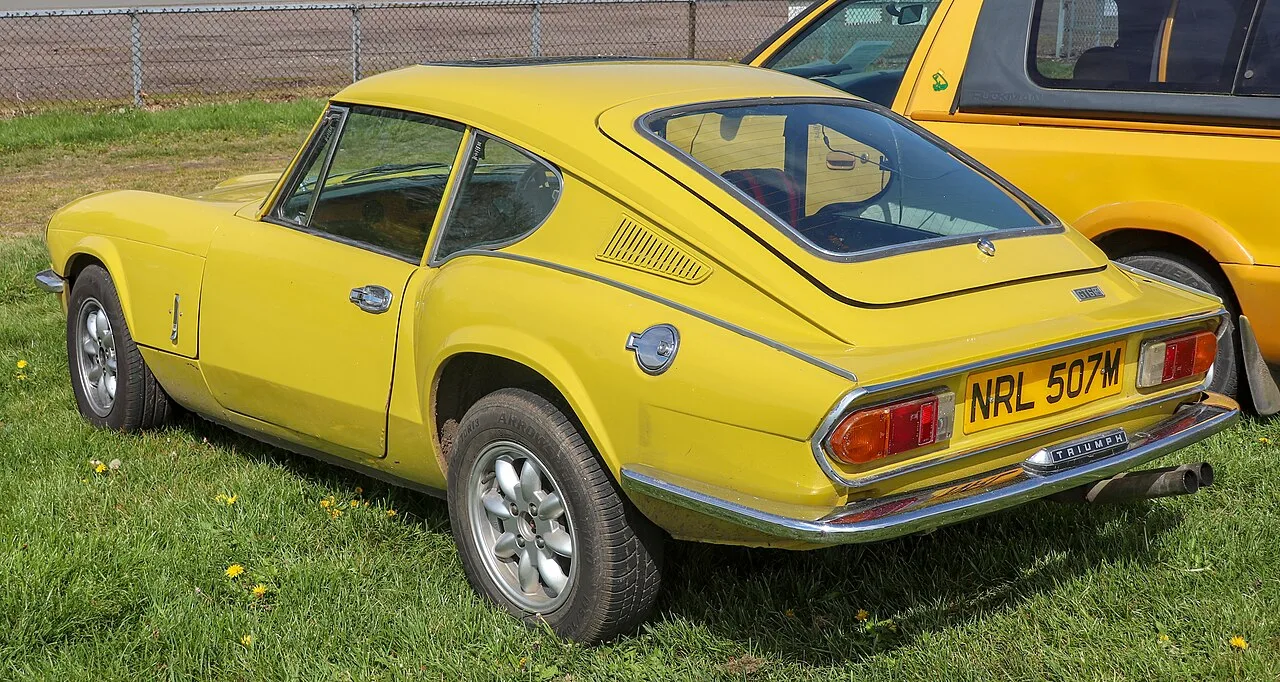
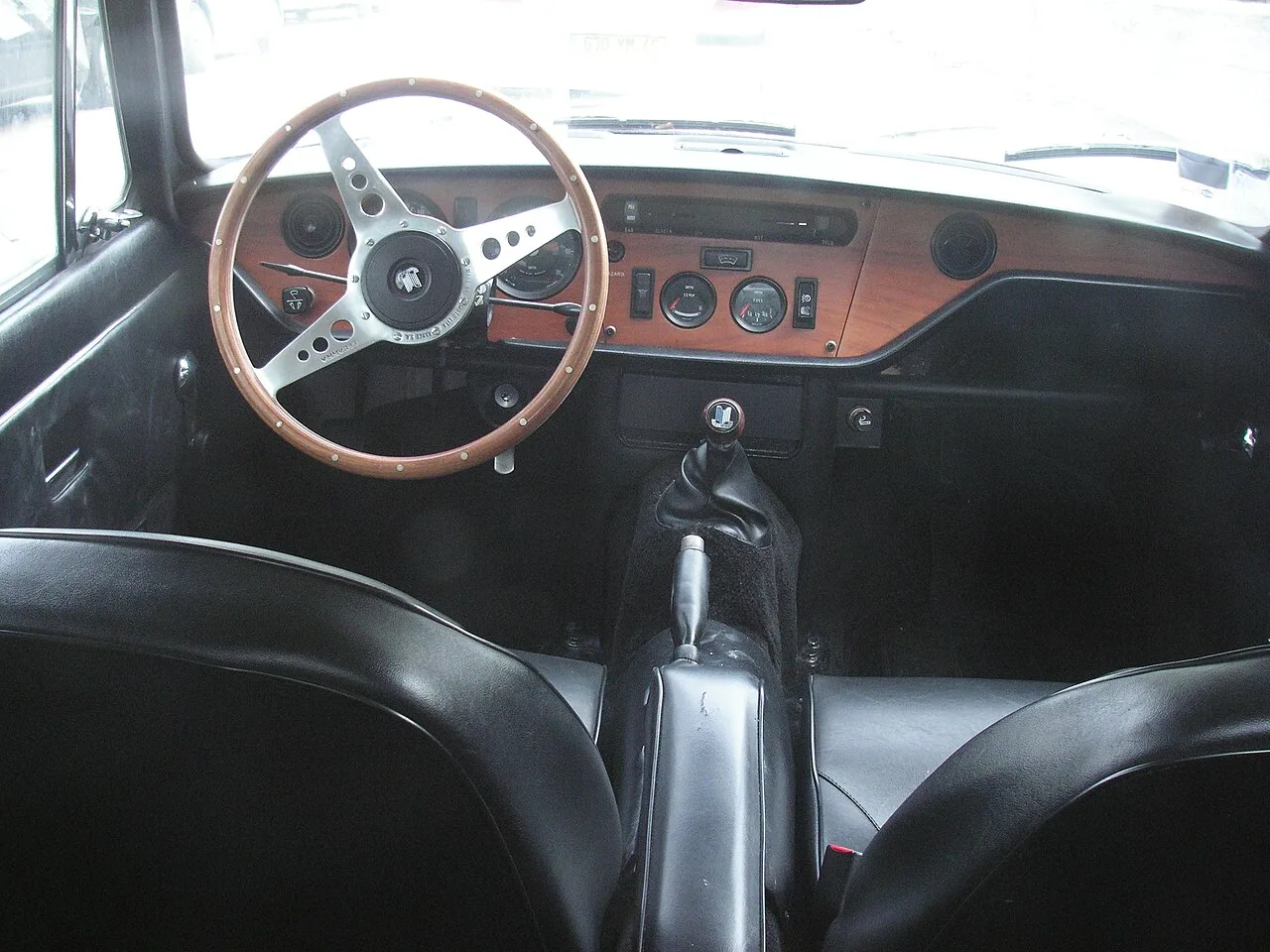
The Triumph GT6 is a six-cylinder sports coupé built by Standard-Triumph on the Spitfire, produced from 1966 to 1973 (40,926 built). Giovanni Michelotti was commissioned in early 1963 to design a GT version of the Spitfire 4, but the heavier bodyshell left the Spitfire's 1,147 cc engine with poor performance, so the fastback design was adopted with the 2.0-litre (1,996 cc) Triumph inline-six from the Vitesse 2-litre. The new body earned it the nickname "poor man's E-Type": a sleek fastback with an opening rear hatch, a bonnet with a power bulge, a wooden dashboard with a full complement of instruments and carpets and heater as standard; it was really a two-seater, with a small extra rear seat optional. The Mark I (July 1966–September 1968, 15,818) had 95 hp at 5000 rpm and 117 lb·ft at 3000 rpm, weighed 1,904 lb unladen, reached 106 mph and 0–60 mph in just under 12 seconds, a little better than the MGB GT, with the Vitesse 2-litre's all-synchro gearbox and optional Laycock de Normanville overdrive; the swing-axle rear suspension inherited from the Spitfire was criticised. The Mark II (July 1968–December 1970, 12,066; GT6+ in the US) had the uprated Vitesse Mk II engine with 104 hp, a new cylinder head, camshaft and manifolds, improved rear suspension, 107 mph and 0–60 in 10 seconds. The Mark III (October 1970–December 1973, 13,042) had similar power and torque but better aerodynamics for 112 mph and 0–60 mph in 10.1 seconds, comfortably ahead of the MGB GT (about 105 mph and 13 seconds).
Collectors Spotted in the Triumph GT6 Lineage
No member has published a public street spot of the Triumph GT6 yet — the First · Worldwide stamp is wide open.
Trims & Figures
3 published trims in the catalogue. A blank is a figure not recorded, not zero.
| Trim | Years | Engine | Power | Torque | 0–60 | Drive | Gearbox | MSRP |
|---|---|---|---|---|---|---|---|---|
| GT6 Mk I 2.0 six (95 hp) | 1966–1968 | 2.0 L Inline-6 | 95 hp | 117 lb-ft | — | RWD | — | — |
| GT6 Mk II 2.0 six (104 hp) | 1968–1970 | 2.0 L Inline-6 | 104 hp | — | 10.0 s | RWD | — | — |
| GT6 Mk III 2.0 six | 1970–1973 | 2.0 L Inline-6 | 104 hp | 117 lb-ft | 10.1 s | RWD | — | — |
Owning one
We don’t estimate running costs for a car like this. What it costs depends on its condition, its specialist and how it is driven, and an average would mislead.
Owners’ builds
Nobody has claimed one yet.
Photographs
Rivals
Same body, same money, other badges — tap any card to flip.
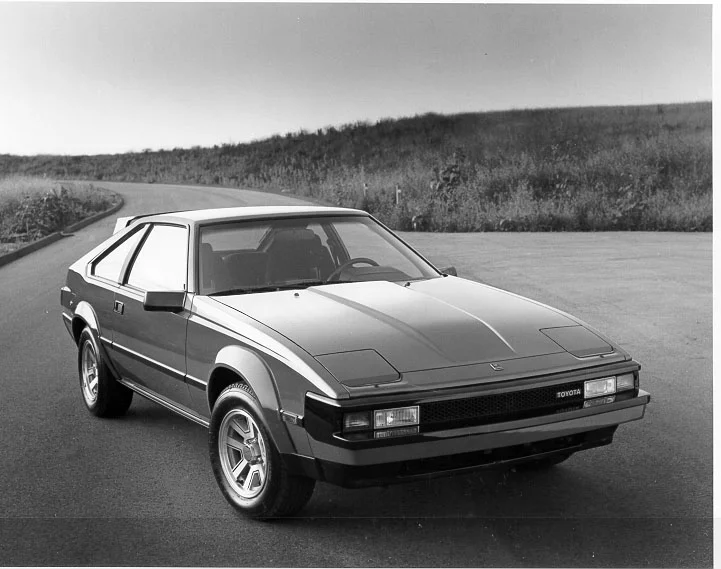
The Celica XX, Japan's name for the A60 Supra, introduced the world's first in-car navigation computer.
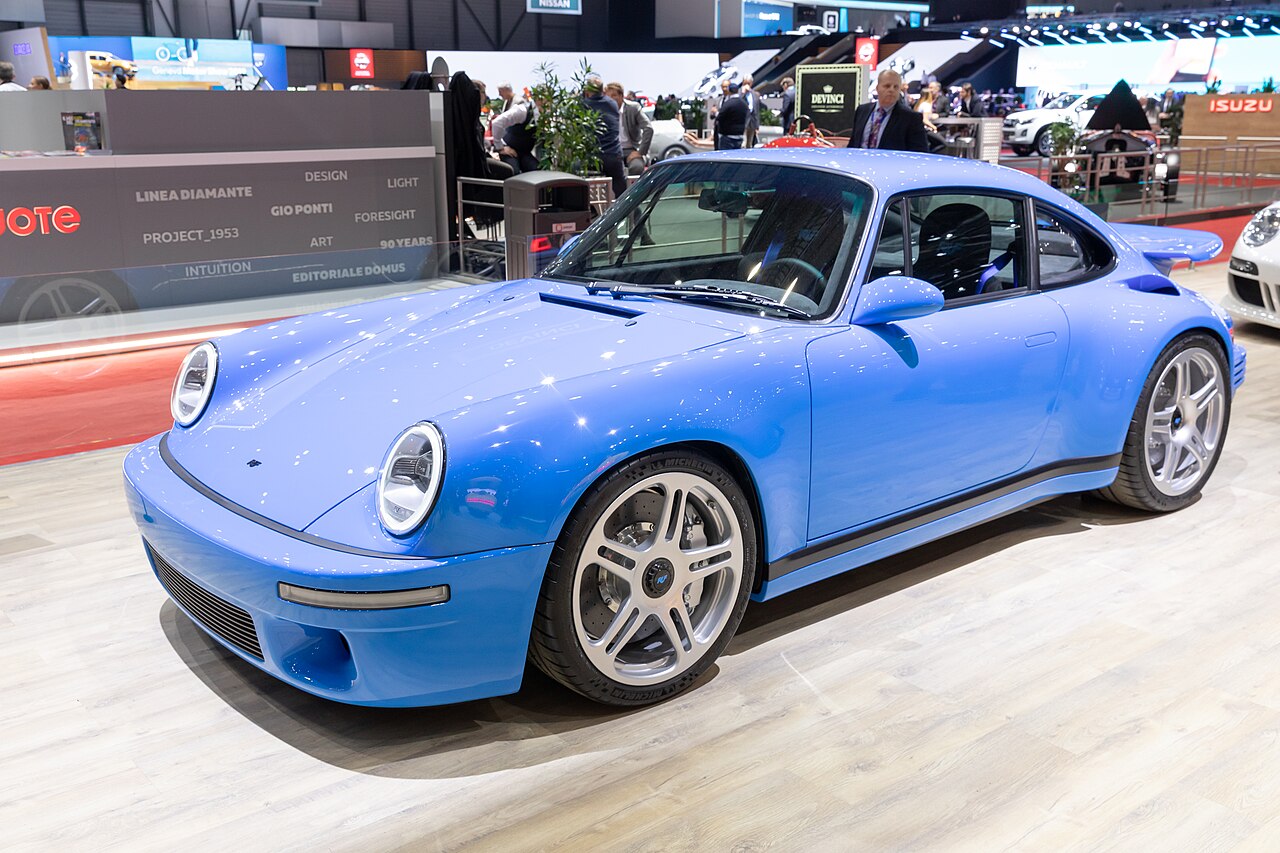
The CTR Anniversary looks like a 911 but Ruf built its carbon monocoque from scratch, no Porsche body underneath.
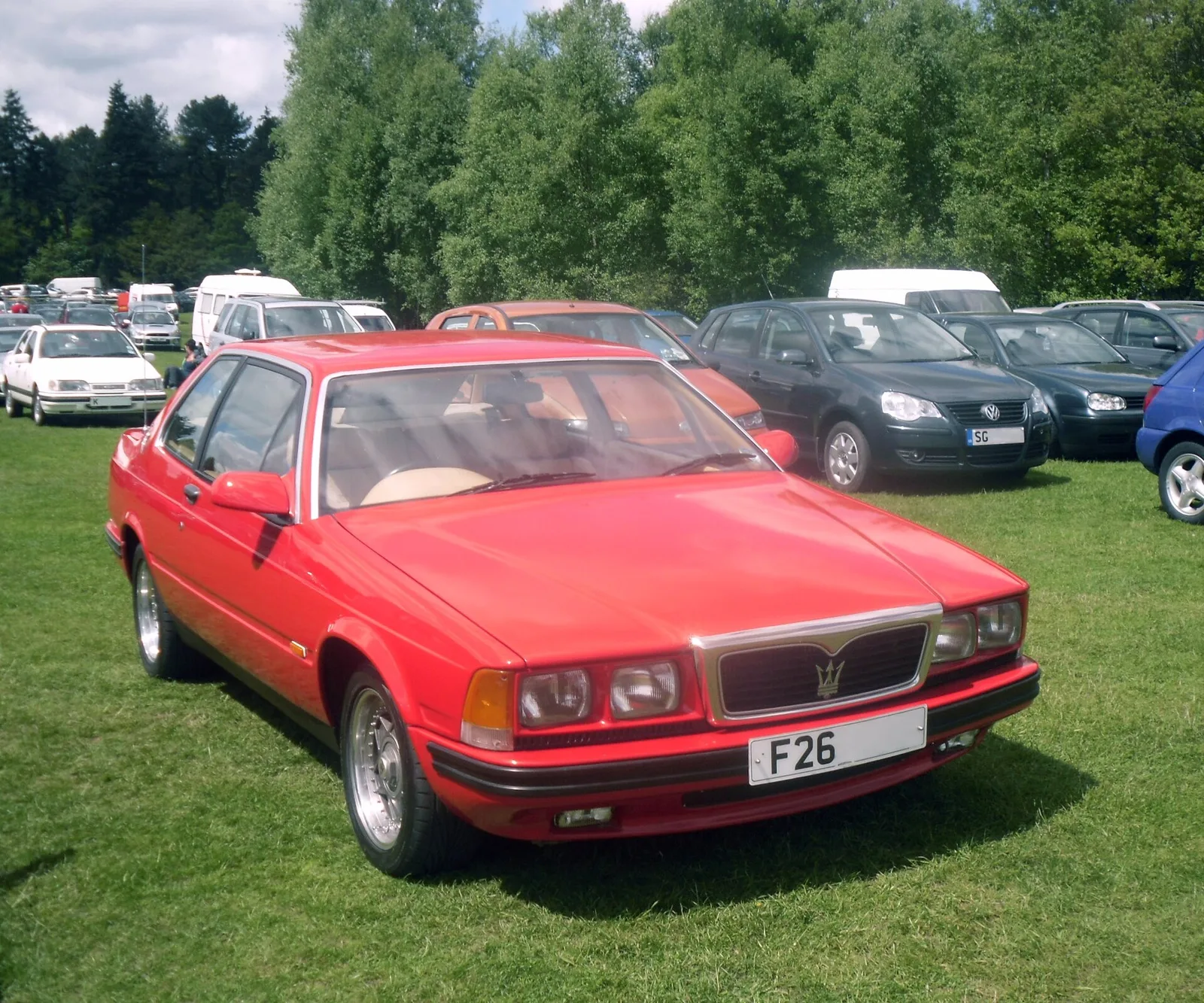
The 228's coupe styling hides a sedan underneath: Maserati stretched it onto the longer four-door Biturbo chassis to make room for its biggest V6, which is literally where the name comes from — 2-door, 2.8 litre.
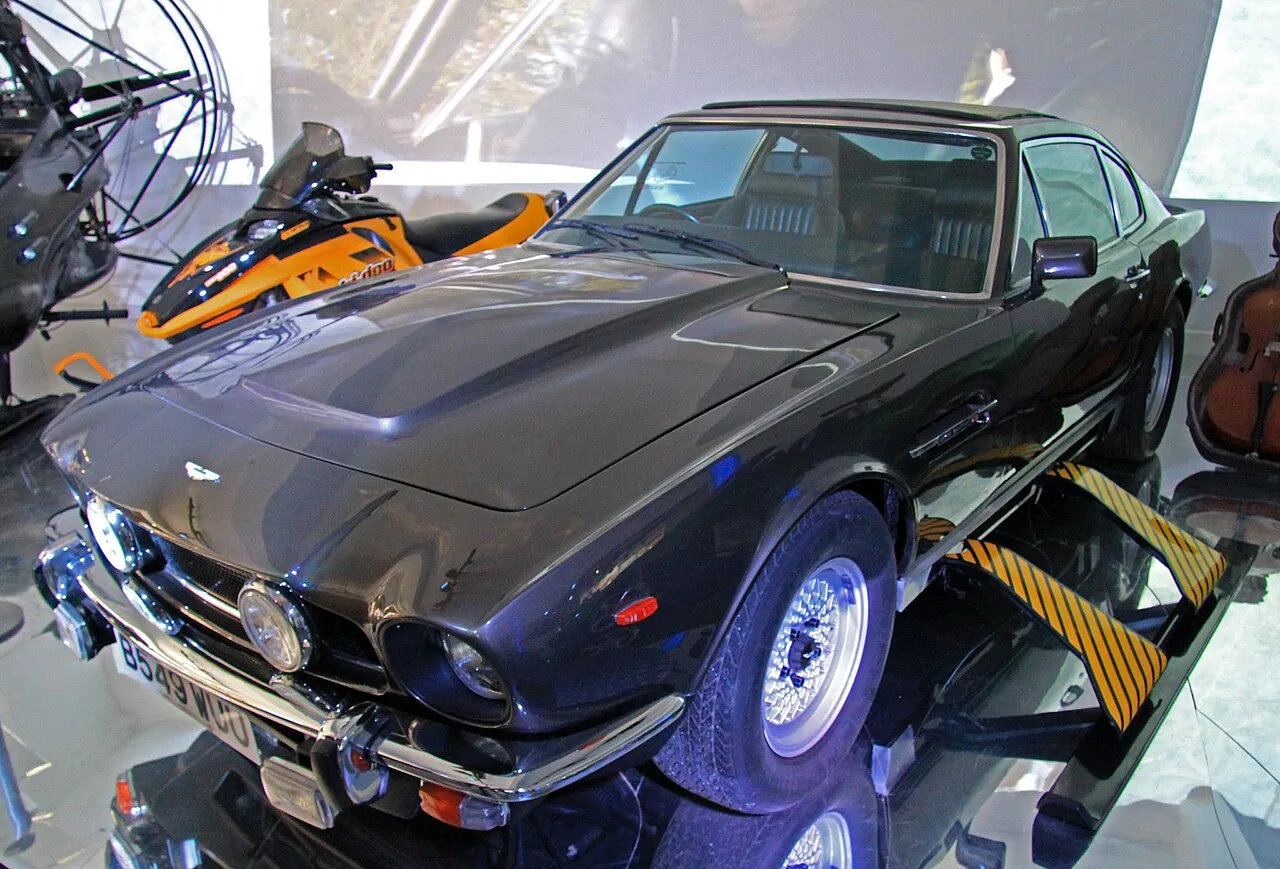
Switching to fuel injection let this V8 finally shed its trademark bonnet bulge — and only 405 of these flat-hooded Series 5 cars were built before the whole model retired in 1989.
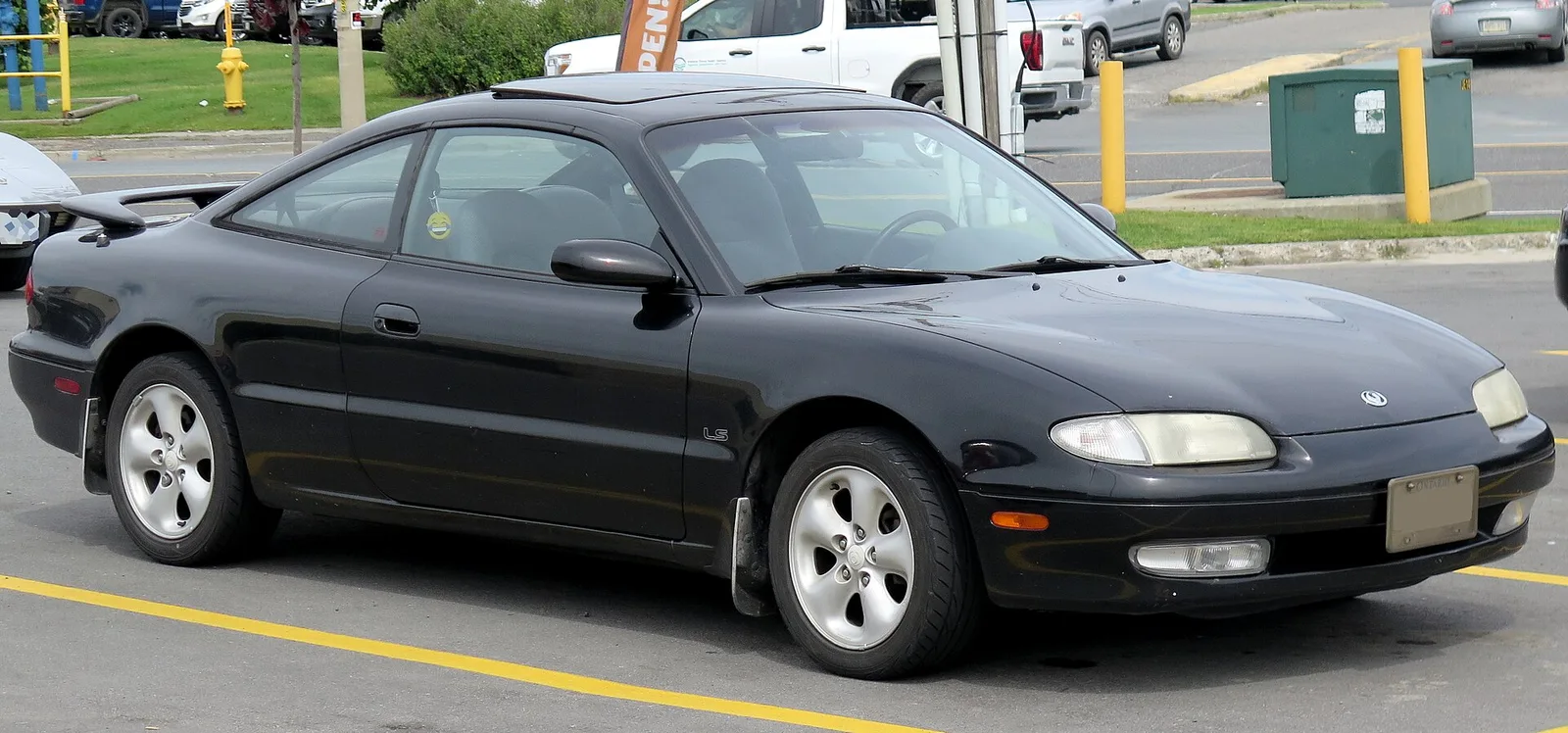
Japanese buyers got a secret weapon in their MX-6 — the JDM-only KL-ZE V6 made about 40 more horsepower than the engine sold in the exact same car in North America.
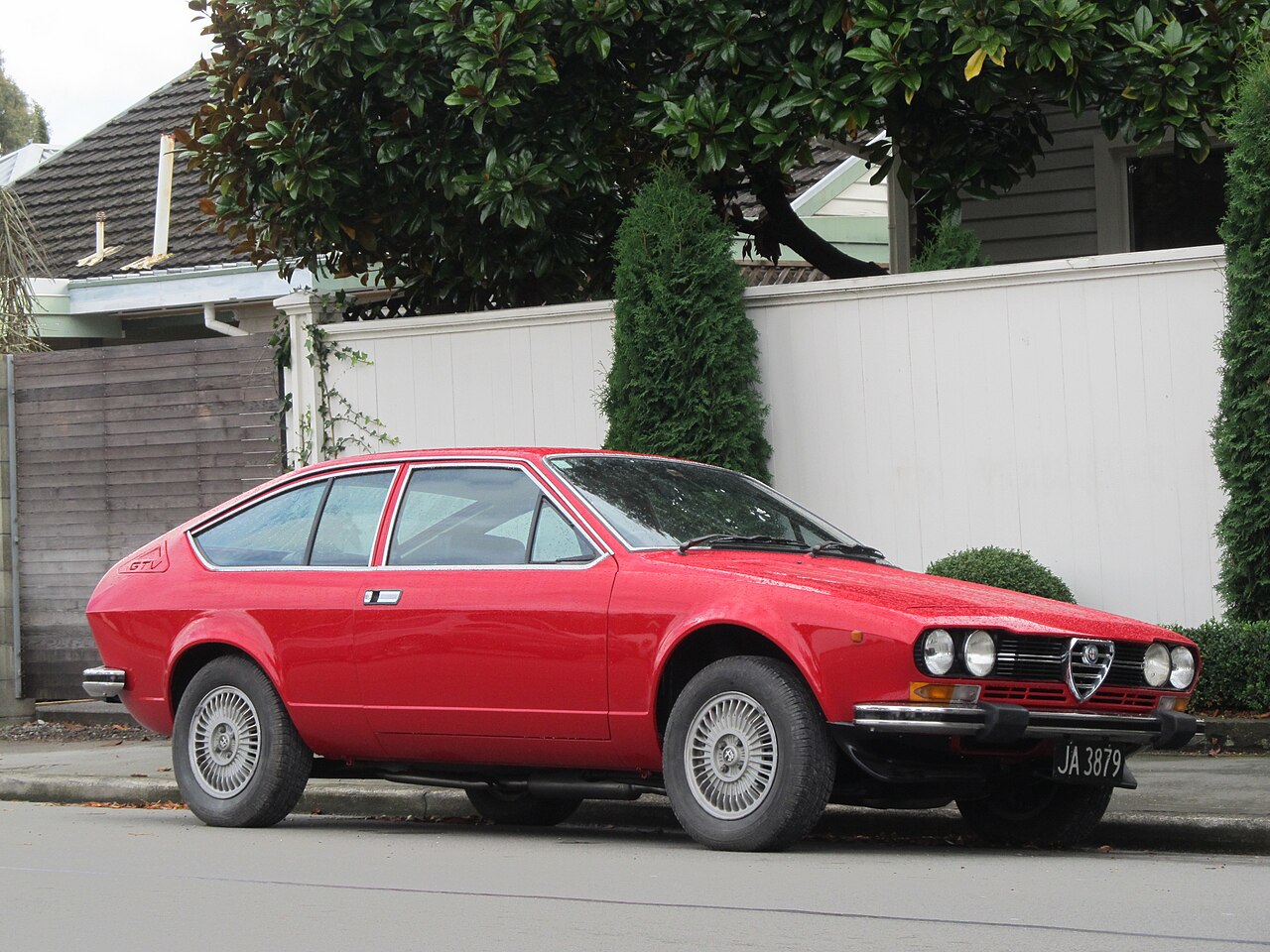
An American tuner, Callaway Cars, built twin-turbo conversions of the GTV6 that boosted its V6 by fifty percent to 230 hp — turning Alfa's grand tourer into something far quicker than the factory ever intended.
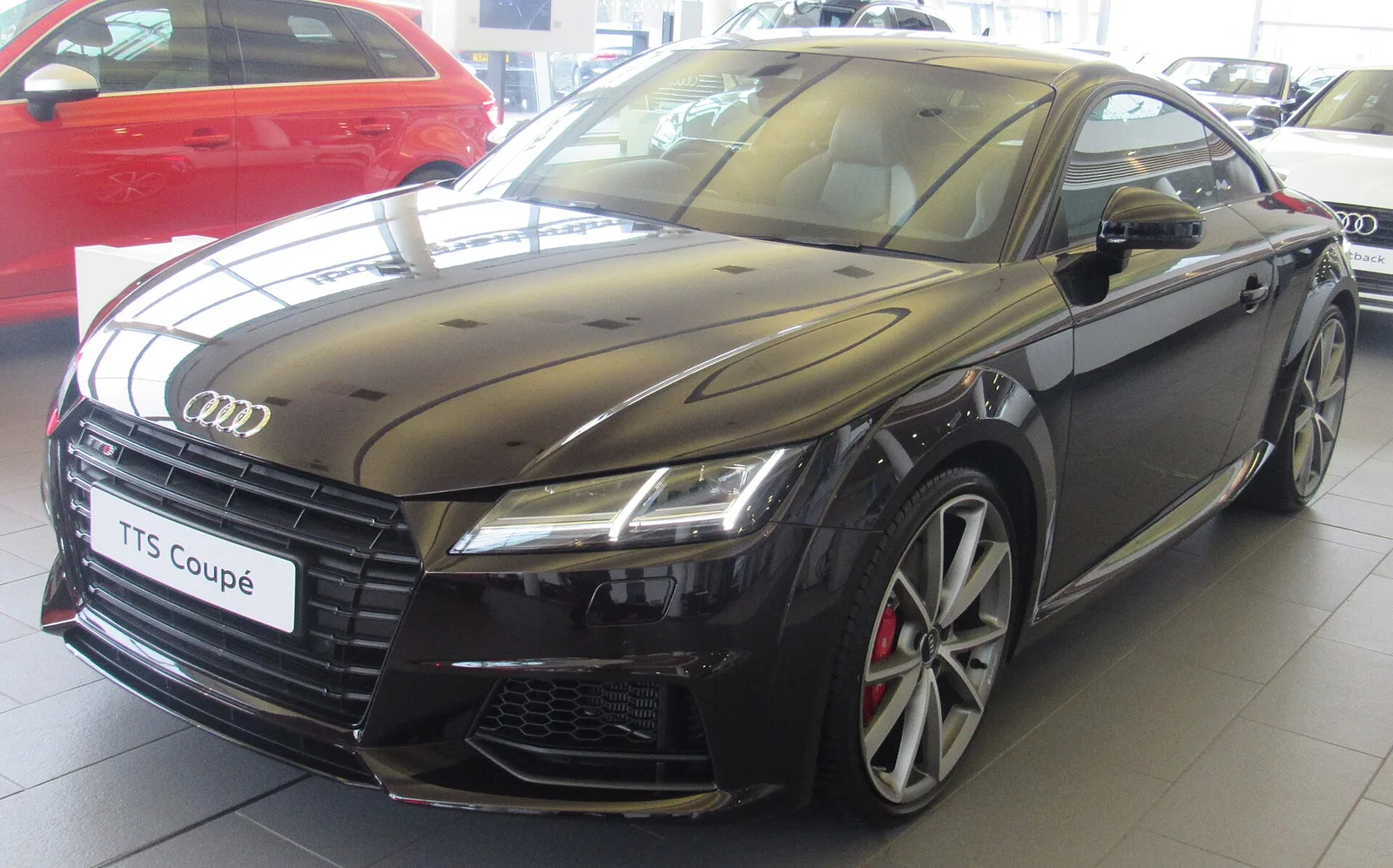
Audi TTS Coupe · TTS Coupe (2016–2023) · 2016–2023.
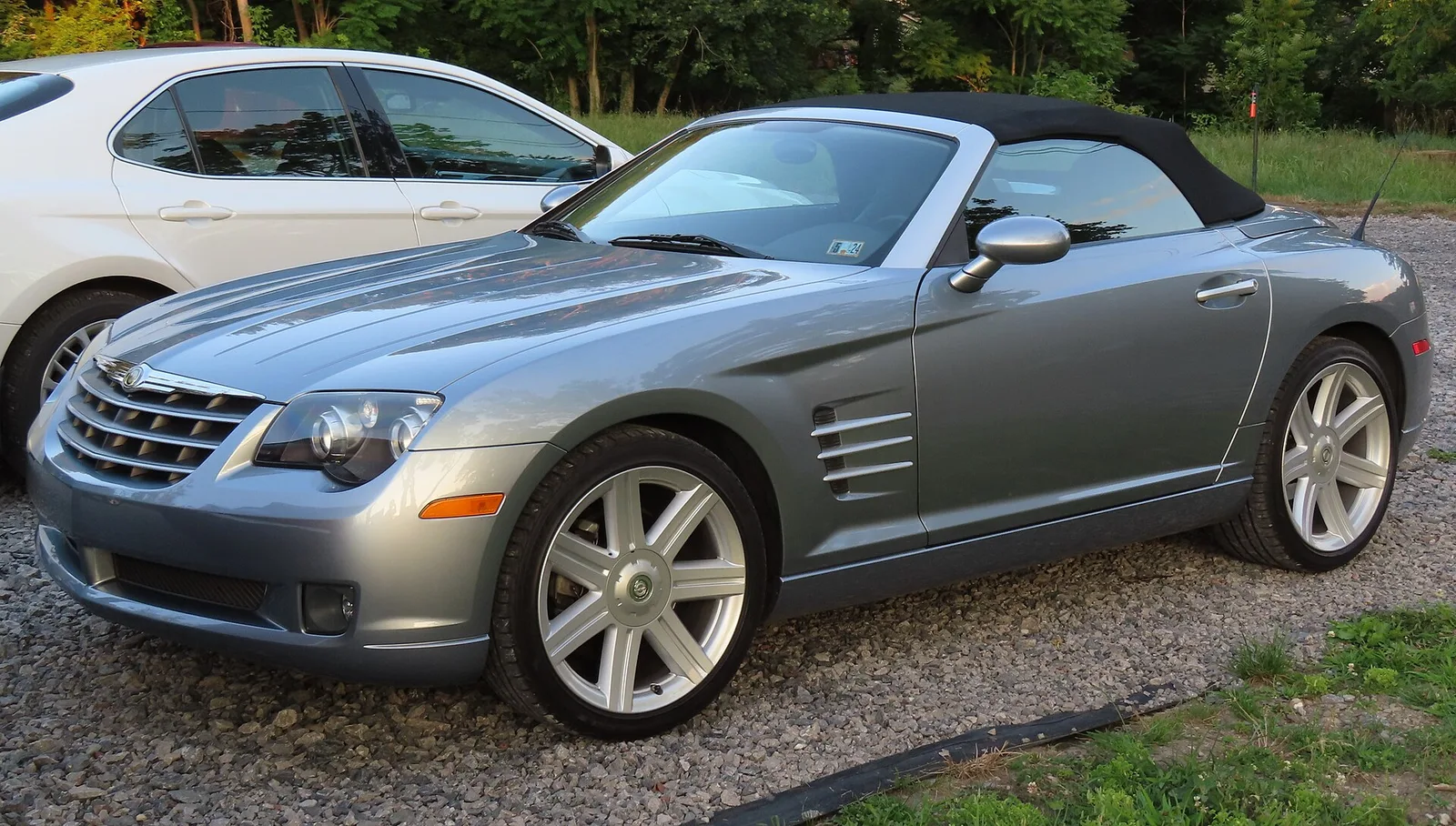
A product of the DaimlerChrysler merger, the Crossfire shares 80% of its parts with the Mercedes-Benz SLK — German bones under American badges.