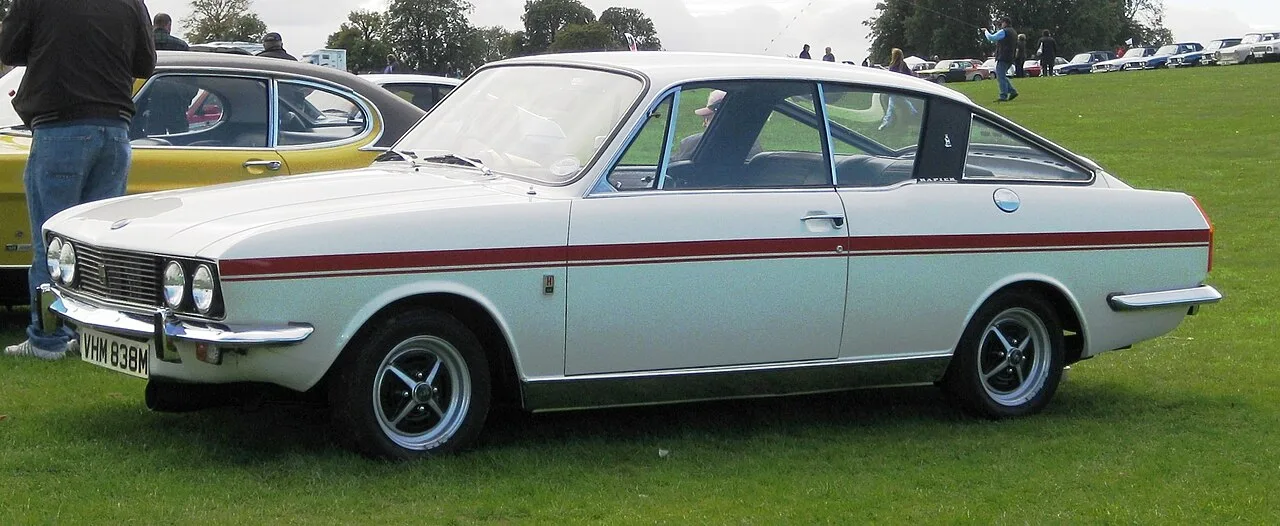
Rootes tilted the Fastback Rapier's engine to the right — purely so the bonnet line could sit lower, a styling trick shared across the whole Arrow range.
Median 166 hp across 199 similar cars
Lead trim: 1,725 cc OHV twin-Stromberg (88 hp) · up to 110 hp
Sunbeam Rapier Fastback1967–1976
- 0spots by members
- Unclaimednobody has spotted one yet
- 0sets it belongs to
Nobody in Burbles has spotted a Sunbeam Rapier Fastback yet. See one on the street, point the app at it, and the first card is yours — with your @handle permanently credited on this page.
FactRootes tilted the Fastback Rapier's engine to the right — purely so the bonnet line could sit lower, a styling trick shared across the whole Arrow range.
By 1967 Rootes' "Arrow" range was ready, and as well as the Hillman Hunter it included a new generation of Sunbeam Rapiers with fastback coupé bodies and a sporty image, designed by Roy Axe; like the earlier Series I to Series V models it was a two-door pillarless hardtop. The Arrow Rapier, or Fastback, launched in October 1967, was a four-seat coupé based on the chassis of the Hillman Hunter Estate and used the Rootes four-cylinder, five-bearing 1,725 cc engine, tilted slightly to the right to enable a lower bonnet line, which with twin Stromberg 150CD carburettors produced 88 hp at 5200 rpm. Overdrive was standard with the manual gearbox, with Borg-Warner automatic optional, and the Rapier H120, introduced in October 1968 with a boot-lid spoiler and black front grille, shared its Holbay-tuned 110 hp engine with twin Weber carburettors with the Hillman Hunter GLS. The Fastback continued almost unchanged until 1976, and 46,204 were built including the Alpine and H120 versions.
Collectors Spotted in the Sunbeam Rapier Lineage
No member has published a public street spot of the Sunbeam Rapier yet — the First · Worldwide stamp is wide open.
Trims & Figures
2 published trims in the catalogue. A blank is a figure not recorded, not zero.
| Trim | Years | Engine | Power | Torque | 0–60 | Drive | Gearbox | MSRP |
|---|---|---|---|---|---|---|---|---|
| 1,725 cc OHV twin-Stromberg (88 hp) | 1967–1976 | 1.7 L Inline-4 | 88 hp | — | — | — | — | — |
| H120 1,725 cc Holbay twin-Weber (110 hp) | 1968–1976 | 1.7 L Inline-4 | 110 hp | — | — | — | — | — |
Owning one
We don’t estimate running costs for a car like this. What it costs depends on its condition, its specialist and how it is driven, and an average would mislead.
Owners’ builds
Nobody has claimed one yet.
Photographs
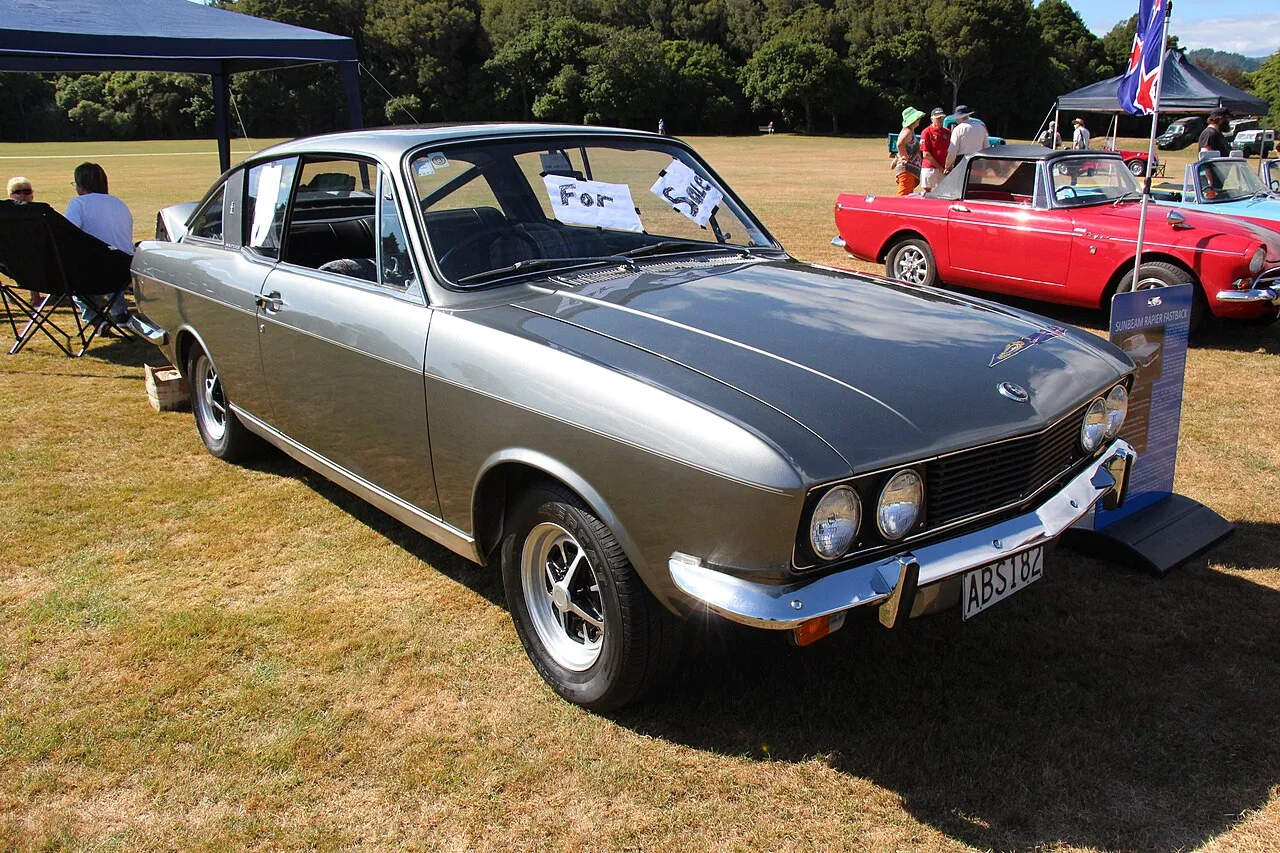
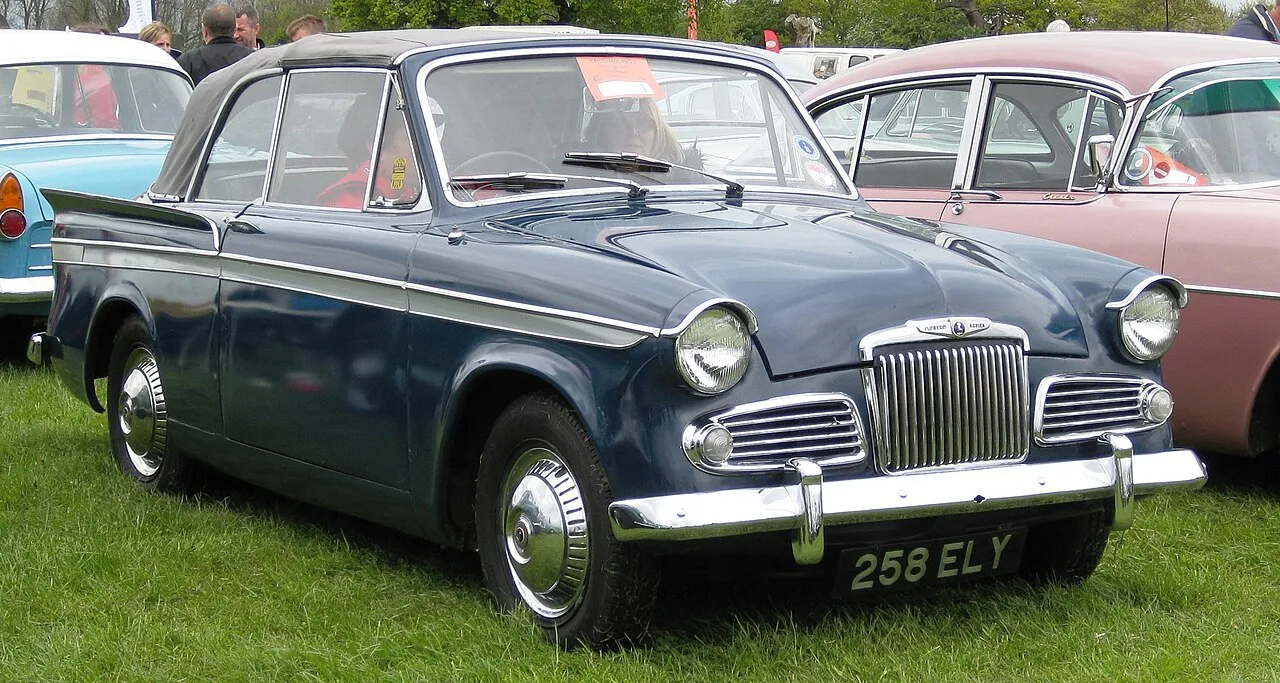
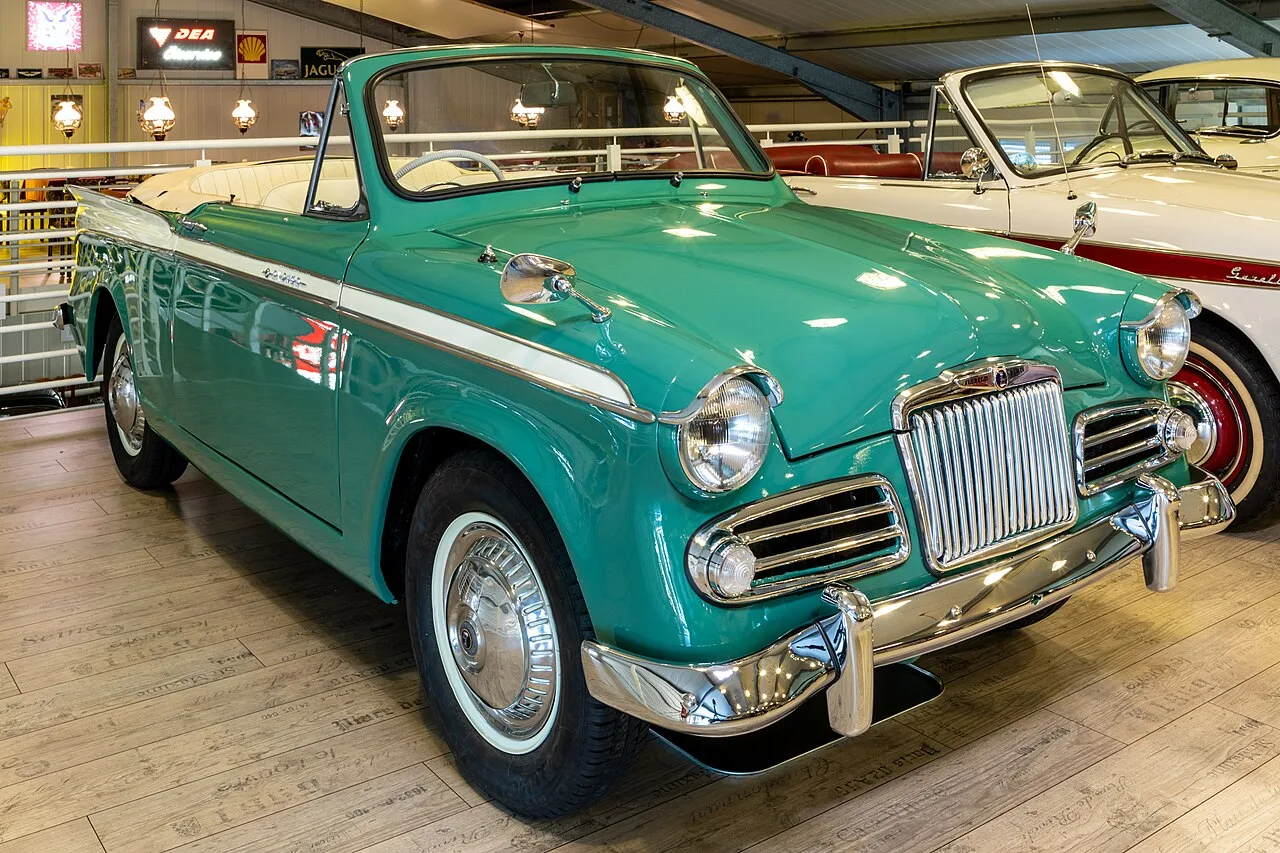
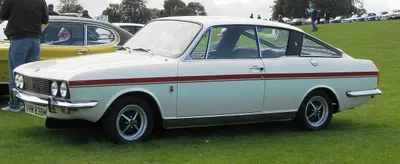
Rootes tilted the Fastback Rapier's engine to the right — purely so the bonnet line could sit lower, a styling trick shared across the whole Arrow range.
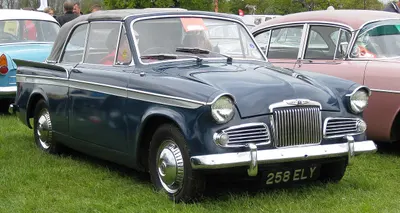
The most improved Rapier was also the one nobody bought — just 3,759 Series Vs were built before it was dropped in 1967, making it the rarest of the whole Series run.
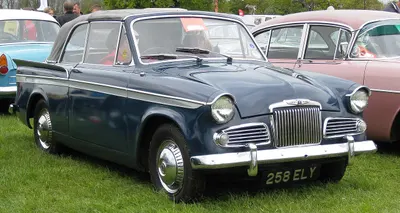
The real new 'Series IV' Rapier never came out as a Rapier at all — Rootes redirected that design into the Humber Sceptre, and reworked the old car to wear the Series IV badge instead.
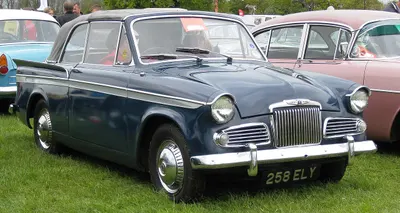
The Series IIIA looked and felt identical to the Rapier it replaced — every change under the skin was aimed purely at durability, not difference.
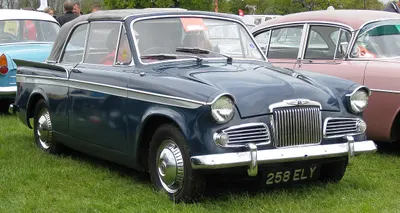
Rootes slimmed the windscreen pillars and dropped the scuttle line on the Series III Rapier for a 20% bigger windscreen — the subtlest change nobody noticed.
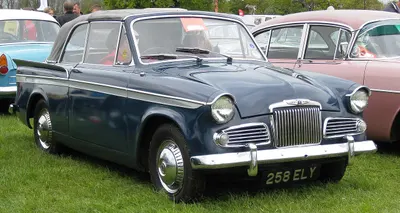
Rootes launched the Rapier Series II by flying nine cars out to Monte Carlo so the press could try them right as the 1958 rally wrapped up.
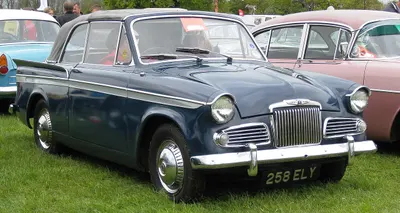
Building a single Series I Rapier took three cities: Pressed Steel built the shell, Thrupp & Maberly in London painted and trimmed it, then it shipped again to Coventry just to get its engine.
Rivals
Same body, same money, other badges — tap any card to flip.
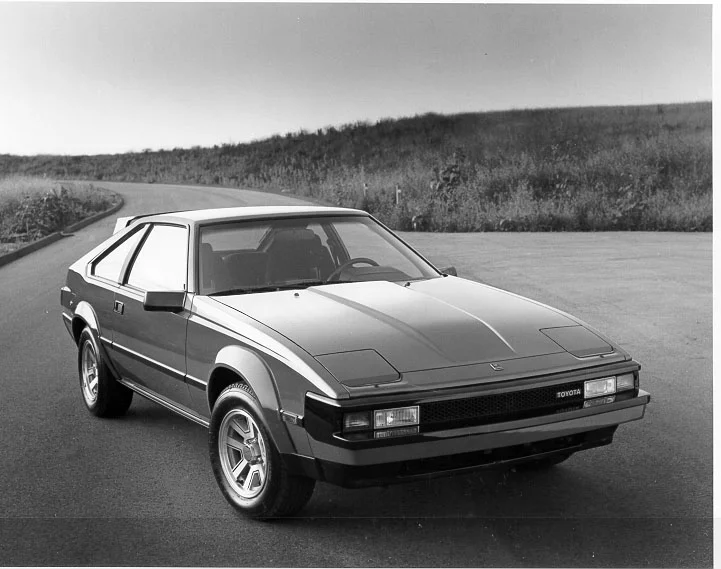
The Celica XX, Japan's name for the A60 Supra, introduced the world's first in-car navigation computer.
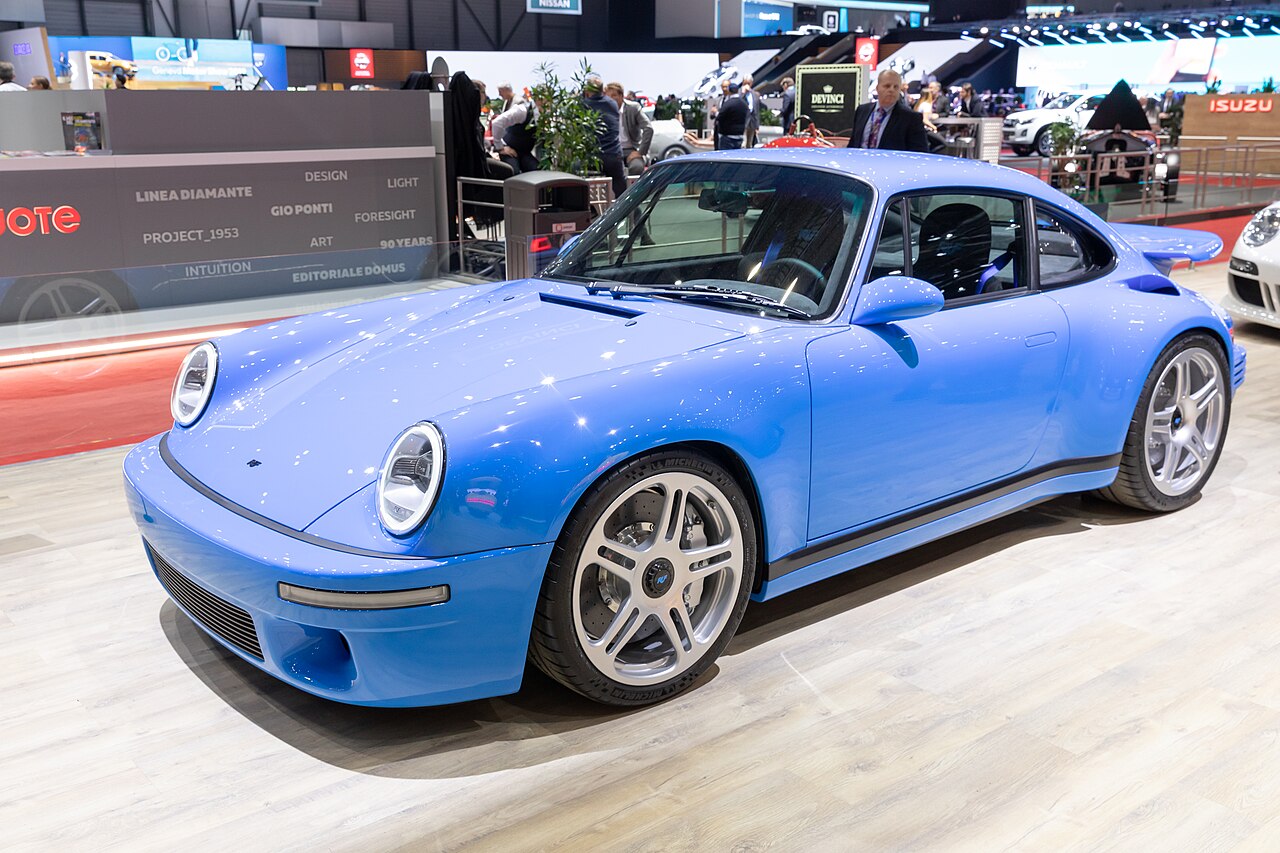
The CTR Anniversary looks like a 911 but Ruf built its carbon monocoque from scratch, no Porsche body underneath.
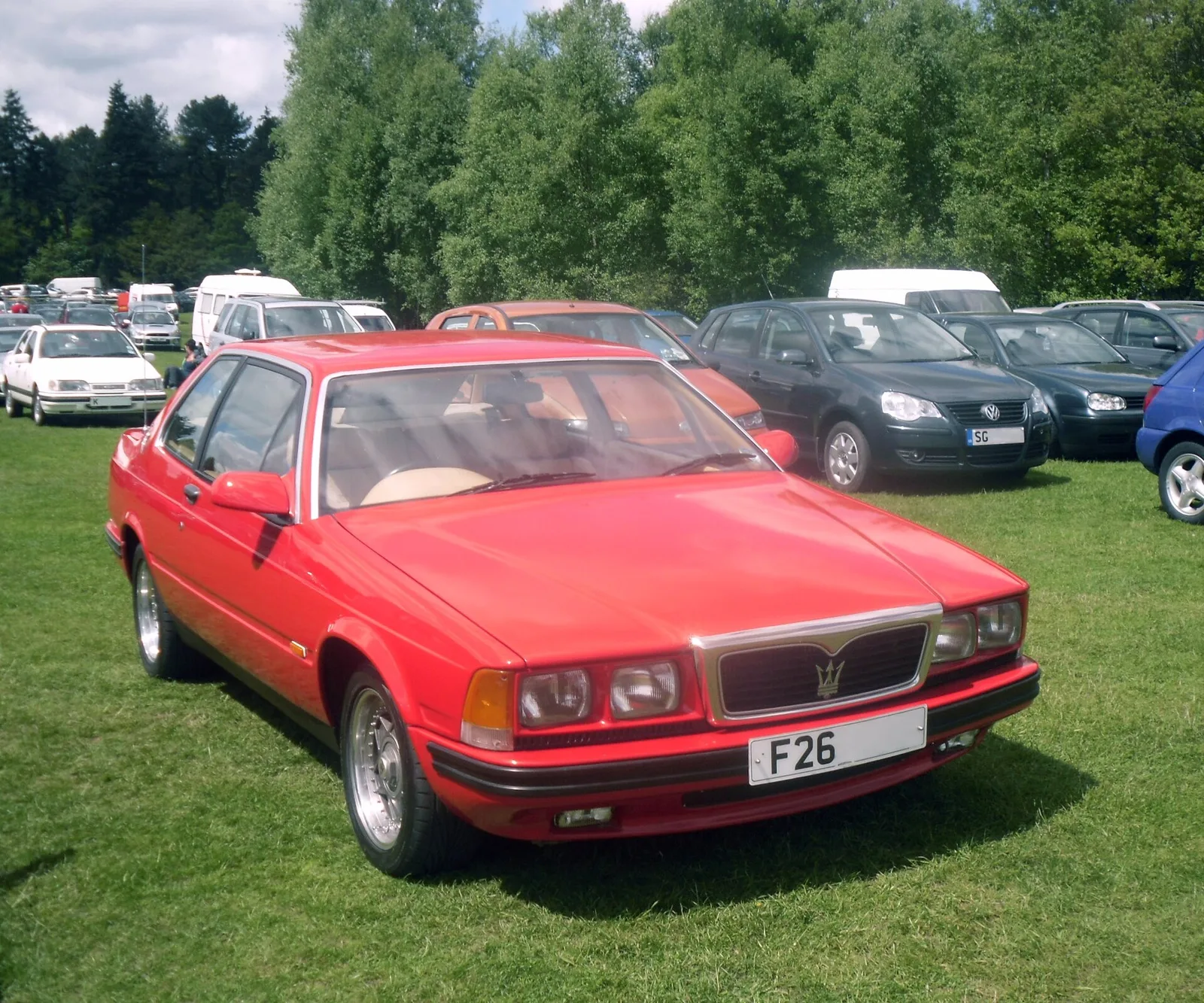
The 228's coupe styling hides a sedan underneath: Maserati stretched it onto the longer four-door Biturbo chassis to make room for its biggest V6, which is literally where the name comes from — 2-door, 2.8 litre.
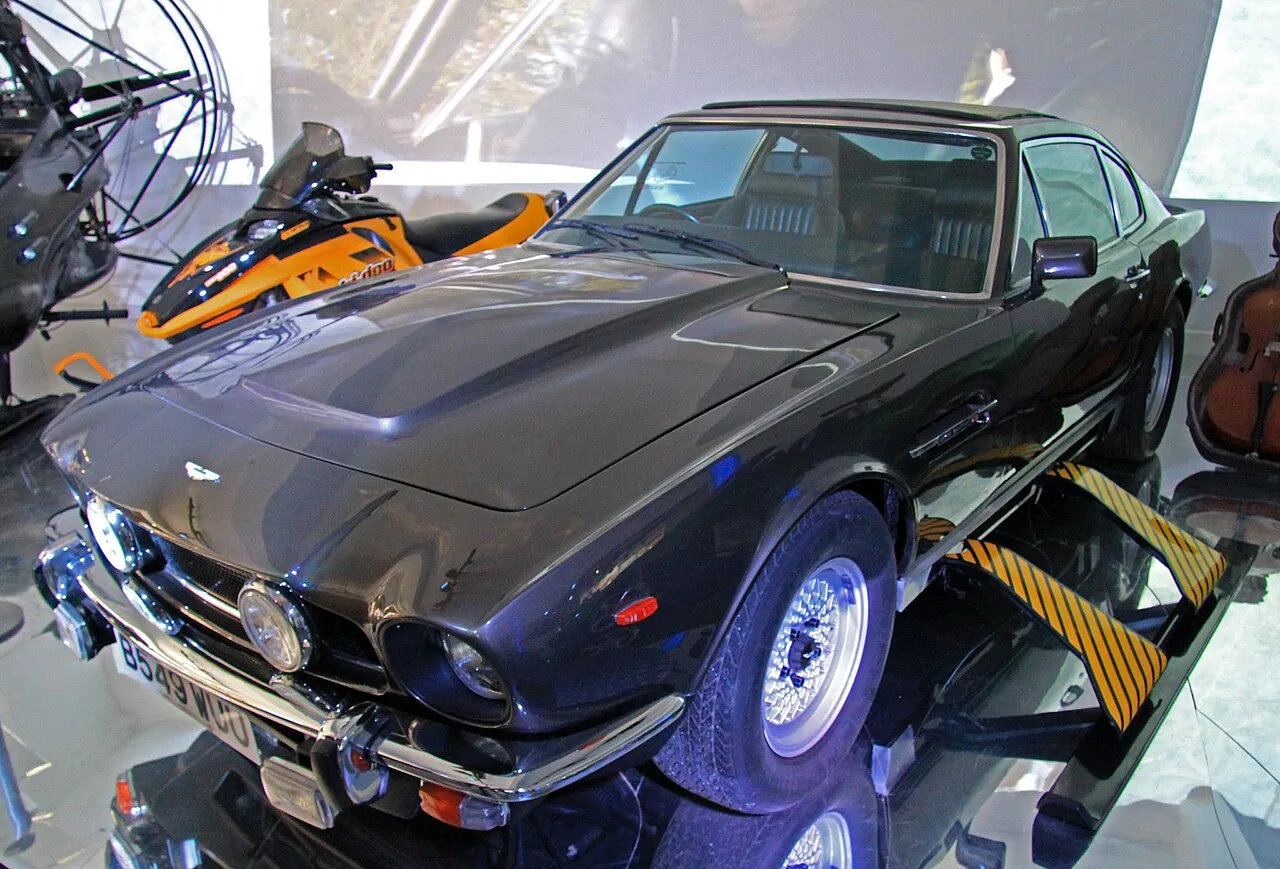
Switching to fuel injection let this V8 finally shed its trademark bonnet bulge — and only 405 of these flat-hooded Series 5 cars were built before the whole model retired in 1989.
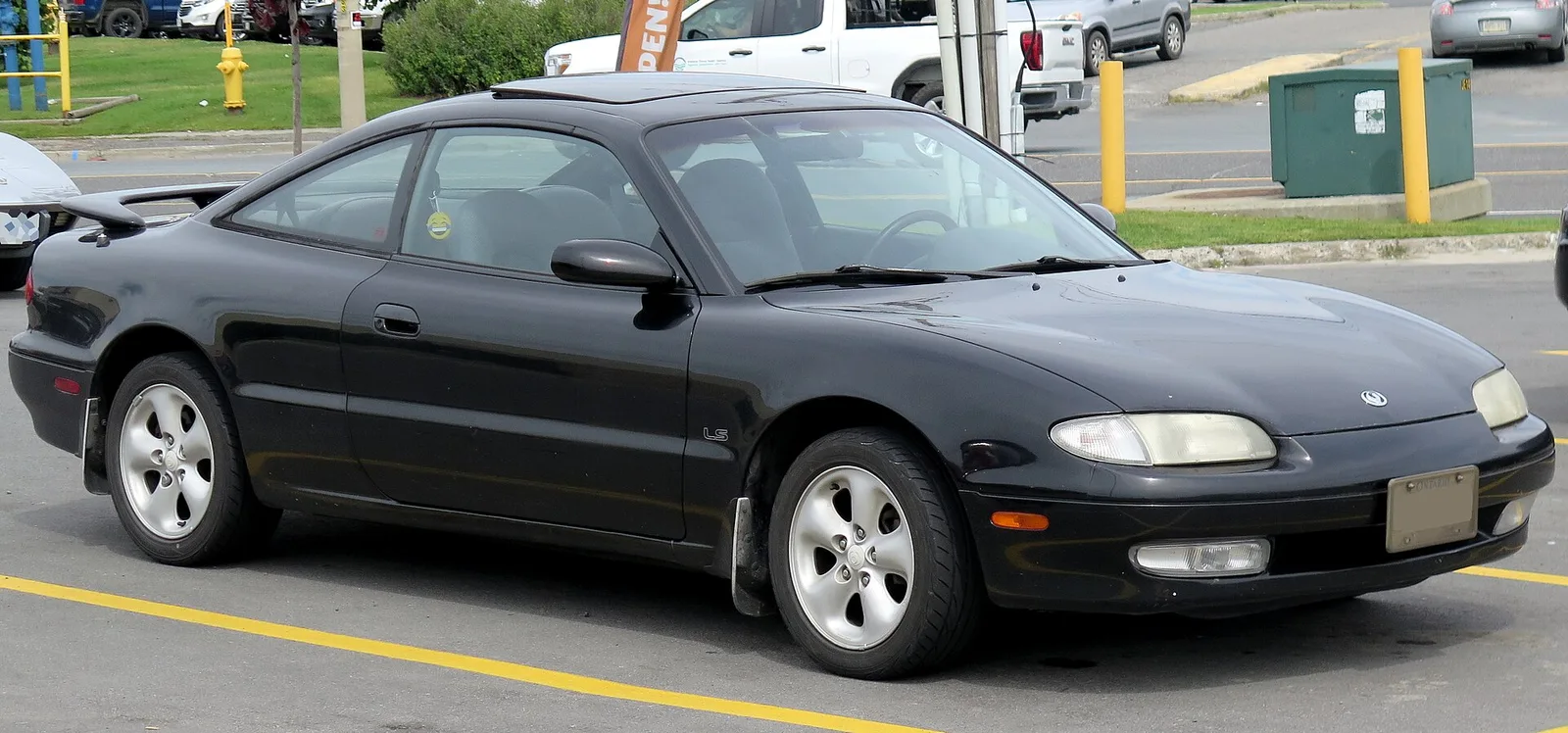
Japanese buyers got a secret weapon in their MX-6 — the JDM-only KL-ZE V6 made about 40 more horsepower than the engine sold in the exact same car in North America.
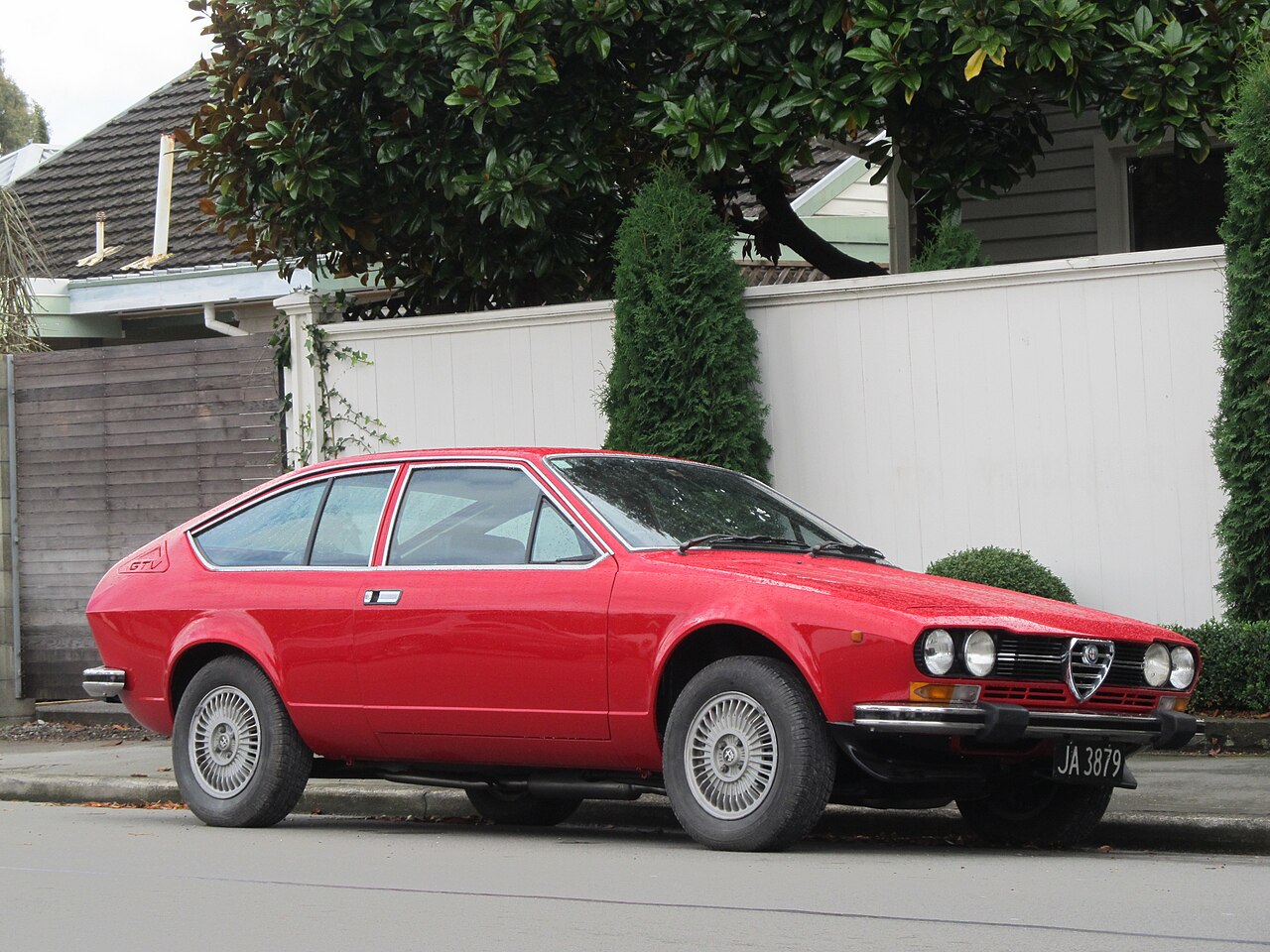
An American tuner, Callaway Cars, built twin-turbo conversions of the GTV6 that boosted its V6 by fifty percent to 230 hp — turning Alfa's grand tourer into something far quicker than the factory ever intended.
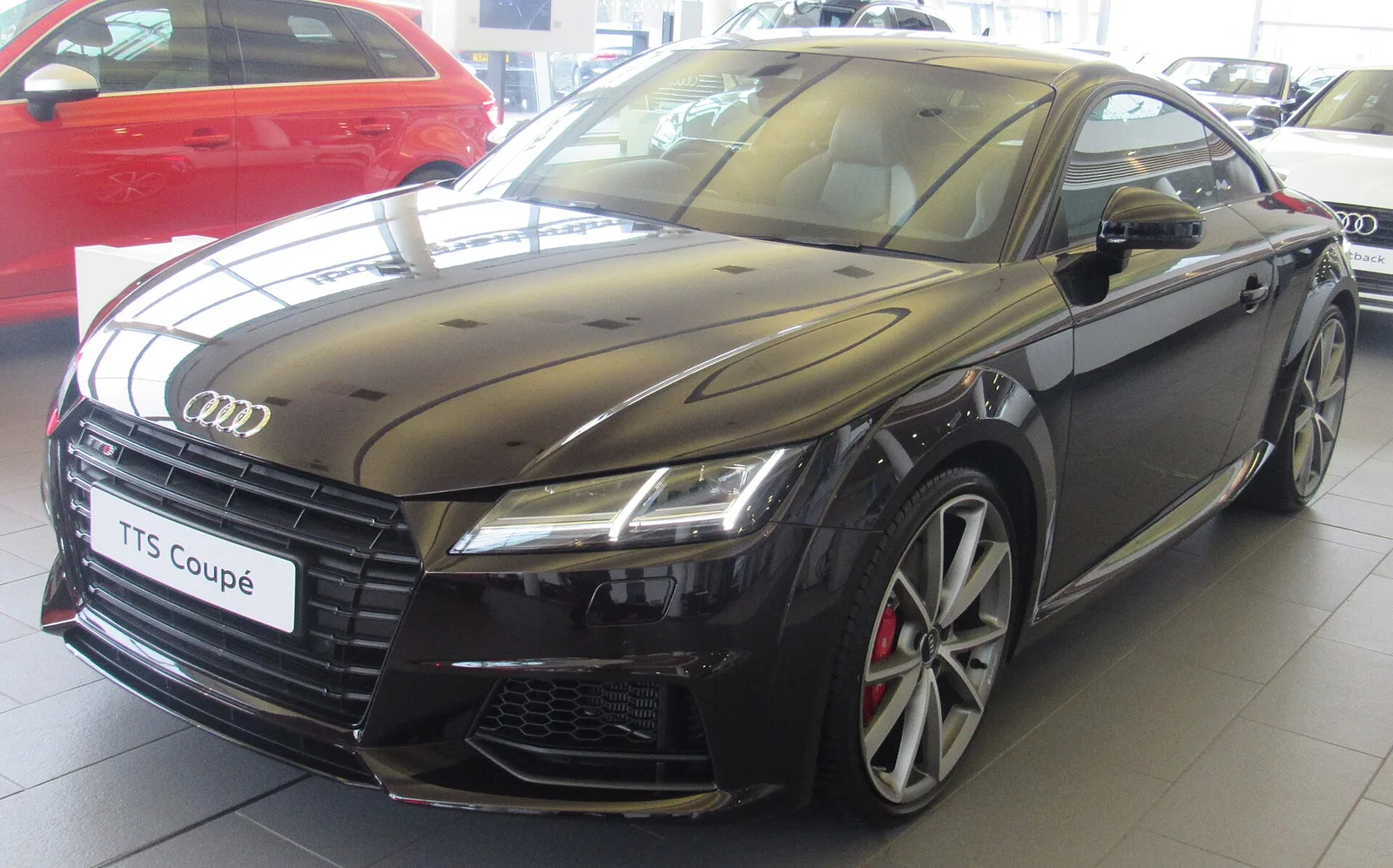
Audi TTS Coupe · TTS Coupe (2016–2023) · 2016–2023.
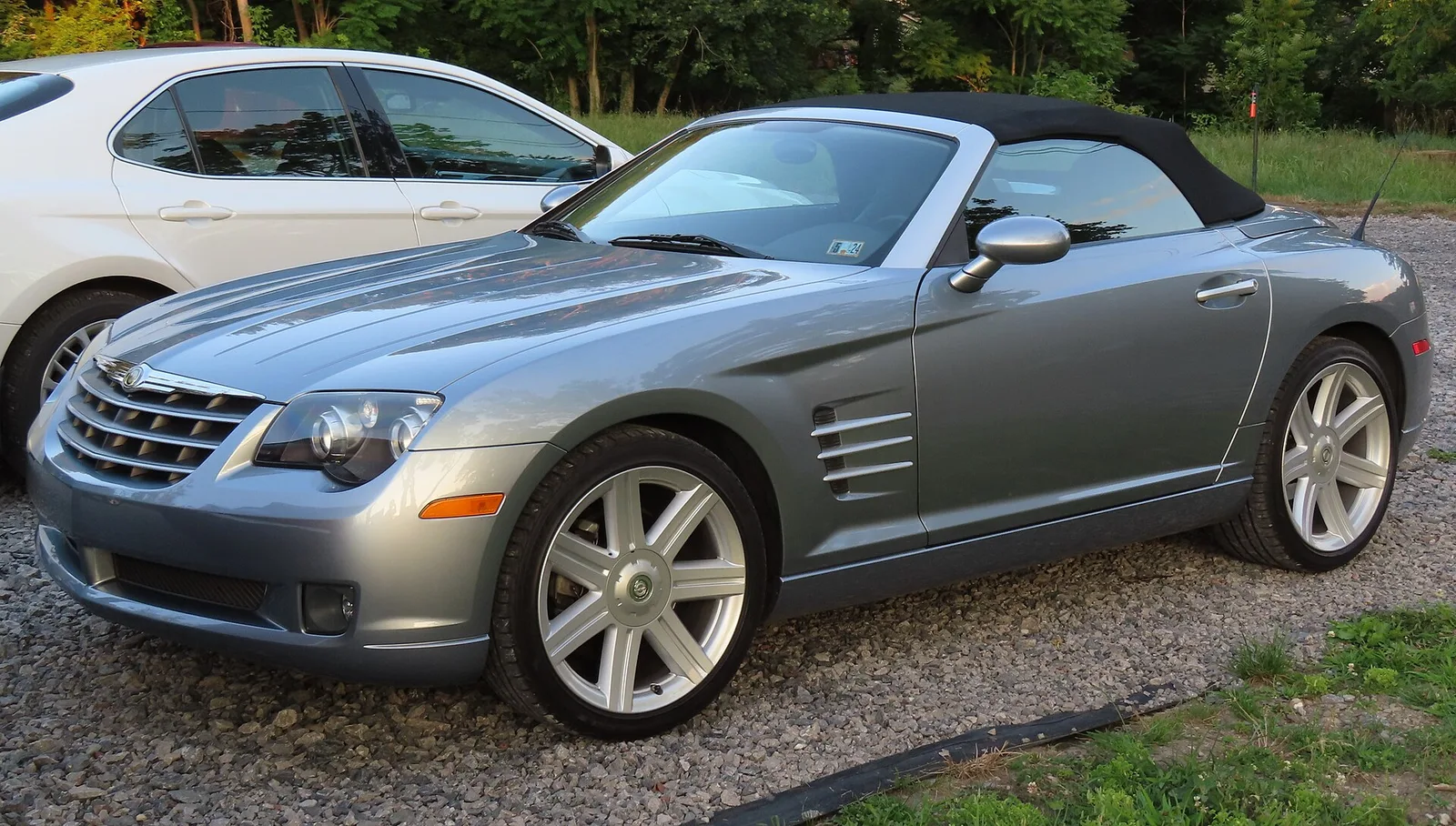
A product of the DaimlerChrysler merger, the Crossfire shares 80% of its parts with the Mercedes-Benz SLK — German bones under American badges.