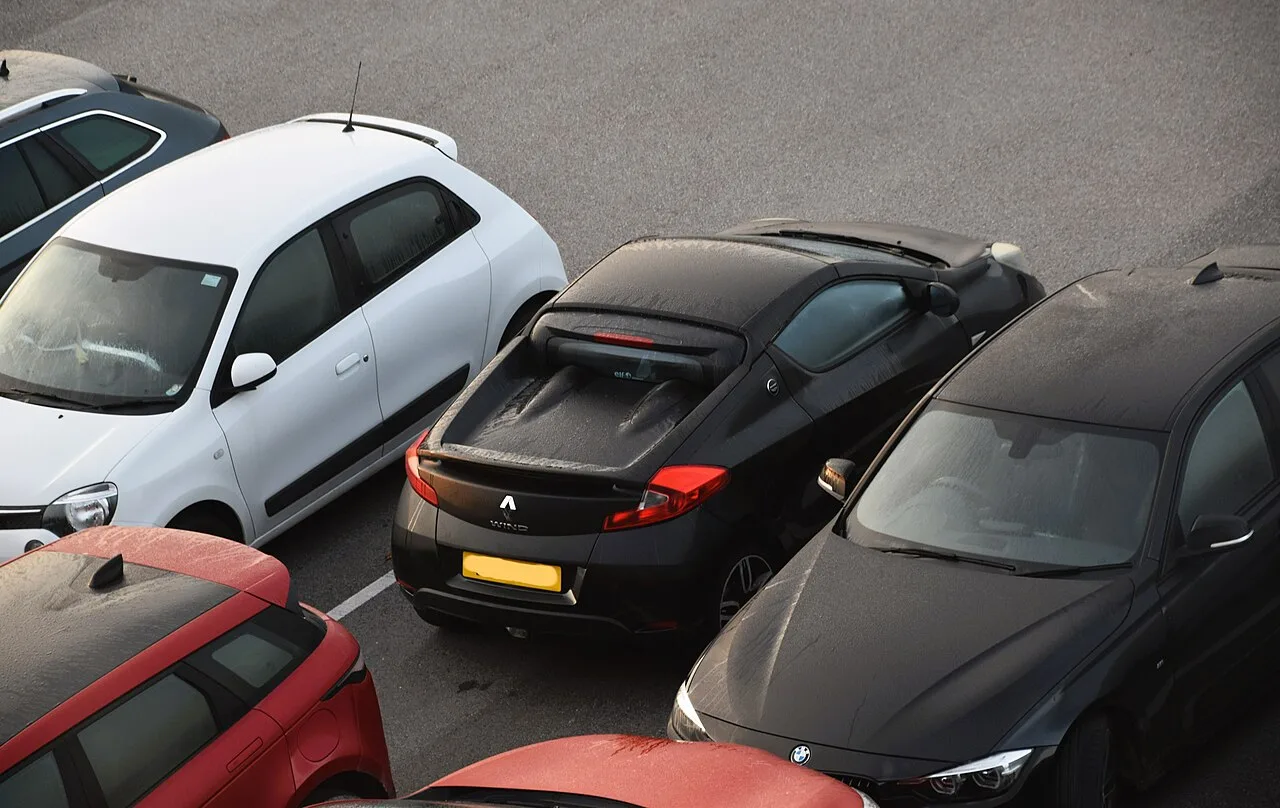
The Wind's single-piece folding roof runs on technology Renault licensed from Ferrari's 575 Superamerica — budget roadster, supercar hardware.
Median 325 hp across 14 similar cars
Lead trim: Wind 1.2 TCE turbo (100 PS) · up to 133 hp
Renault Wind2010–2013
- 0spots by members
- Unclaimednobody has spotted one yet
- 0sets it belongs to
Nobody in Burbles has spotted a Renault Wind yet. See one on the street, point the app at it, and the first card is yours — with your @handle permanently credited on this page.
FactThe Wind's single-piece folding roof runs on technology Renault licensed from Ferrari's 575 Superamerica — budget roadster, supercar hardware.
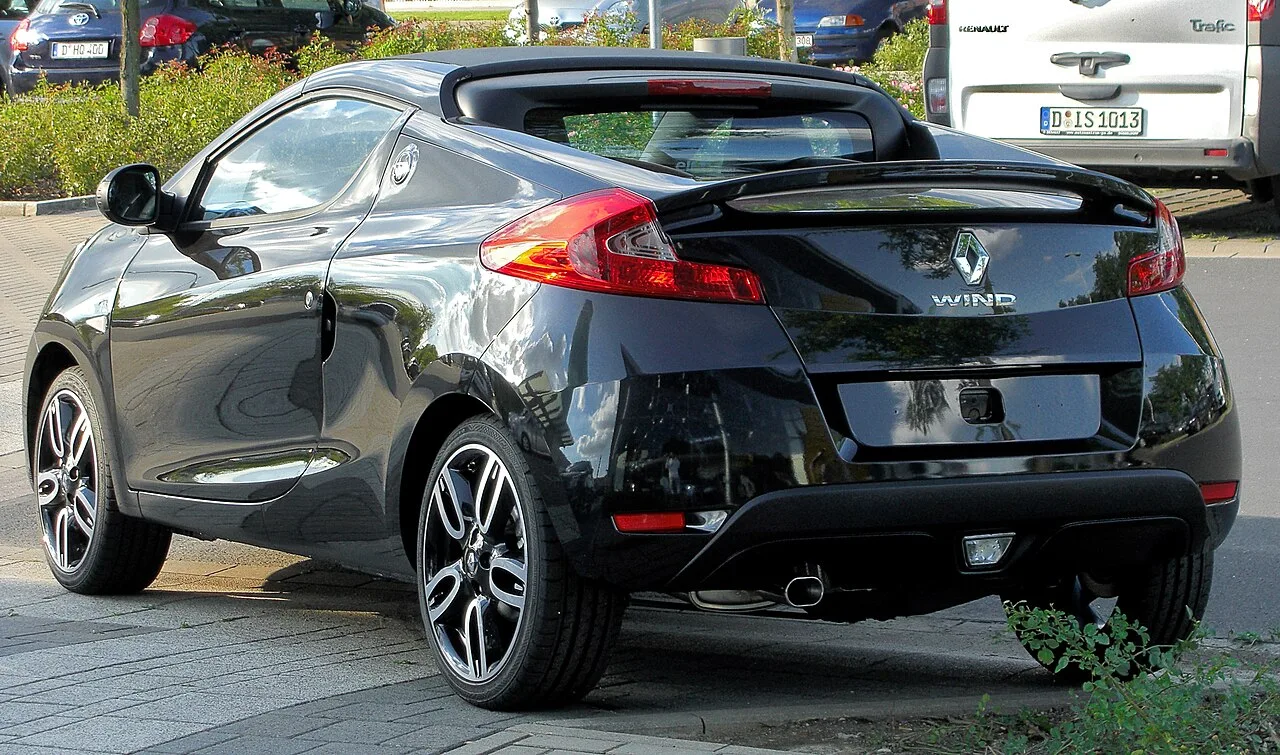
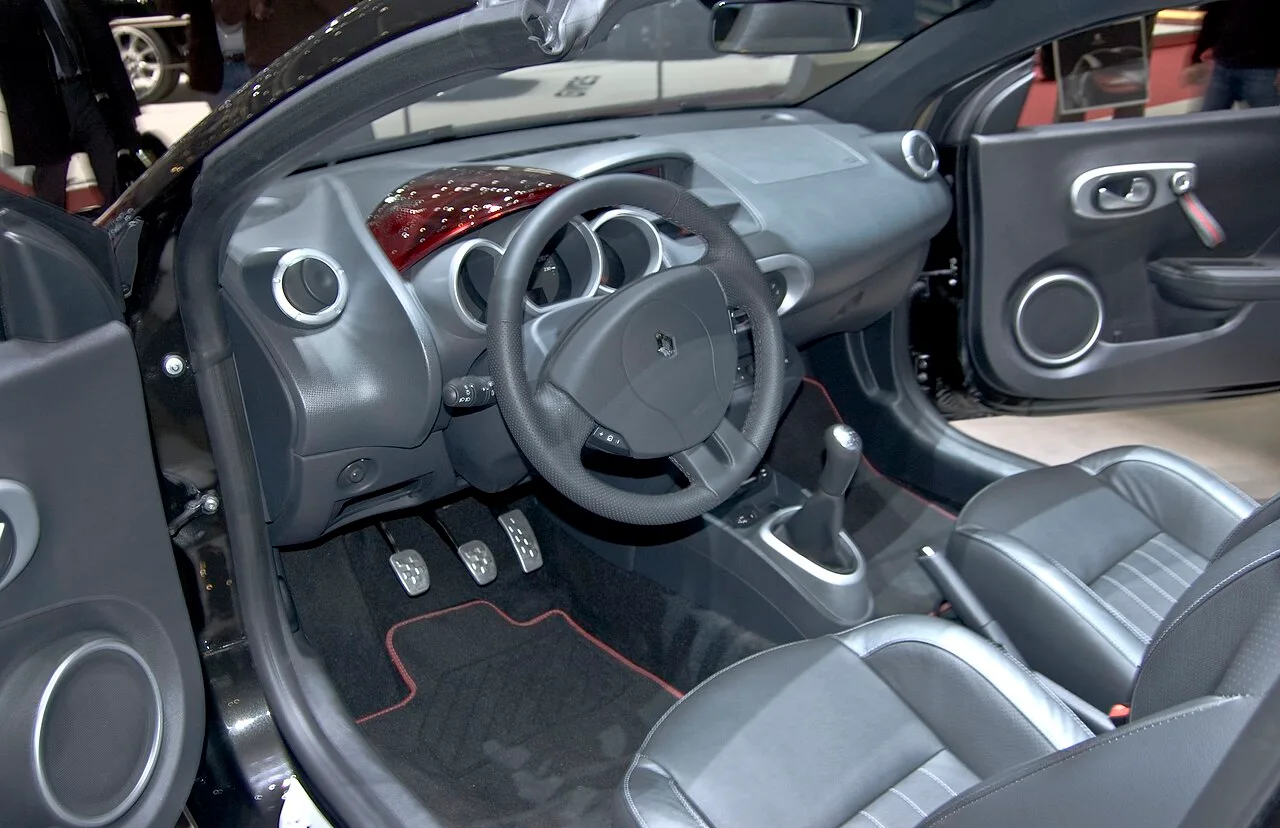
The Renault Wind is a convertible manufactured and marketed by Renault from 2010 to 2013, a two-seater roadster with a front-engine, front-wheel-drive layout built at Novo Mesto, Slovenia. It was originally presented as a 2+1 roadster concept at the 2004 Paris Motor Show, powered by an inline-four with 136 bhp; on 2 February 2010 Renault announced the Wind would enter production and presented the production model, now seating two, at the 2010 Geneva Motor Show. The concept's design evoked the performance Clio and Mégane, while the production model is heavily based on the Twingo (sharing the Clio II platform), evident in its overall size and stance, its windscreen wiper mechanism and its semi-circular door handles. In February 2012 Renault retired the Wind, along with the Espace, Kangoo Multix, Modus and Laguna lines, in the United Kingdom; in mainland Europe it remained available through June 2013. It is equipped with a straight-four petrol engine: either the 1.2-litre TCE turbocharged unit producing 100 bhp (100 PS) or a 1.6-litre naturally aspirated unit producing 133 bhp (135 PS), shared with the Twingo Renault Sport, with a 5-speed manual transmission; a Wind Gordini version was also offered.
Collectors Spotted in the Renault Wind Lineage
No member has published a public street spot of the Renault Wind yet — the First · Worldwide stamp is wide open.
Trims & Figures
2 published trims in the catalogue. A blank is a figure not recorded, not zero.
| Trim | Years | Engine | Power | Torque | 0–60 | Drive | Gearbox | MSRP |
|---|---|---|---|---|---|---|---|---|
| Wind 1.2 TCE turbo (100 PS) | 2010–2013 | 1.2 L Inline-4 | 100 hp | 112 lb-ft | — | FWD | — | — |
| Wind 1.6 (135 PS) | 2010–2013 | 1.6 L Inline-4 | 133 hp | 118 lb-ft | — | FWD | — | — |
Owning one
We don’t estimate running costs for a car like this. What it costs depends on its condition, its specialist and how it is driven, and an average would mislead.
Owners’ builds
Nobody has claimed one yet.
Photographs
Rivals
Same body, same money, other badges — tap any card to flip.
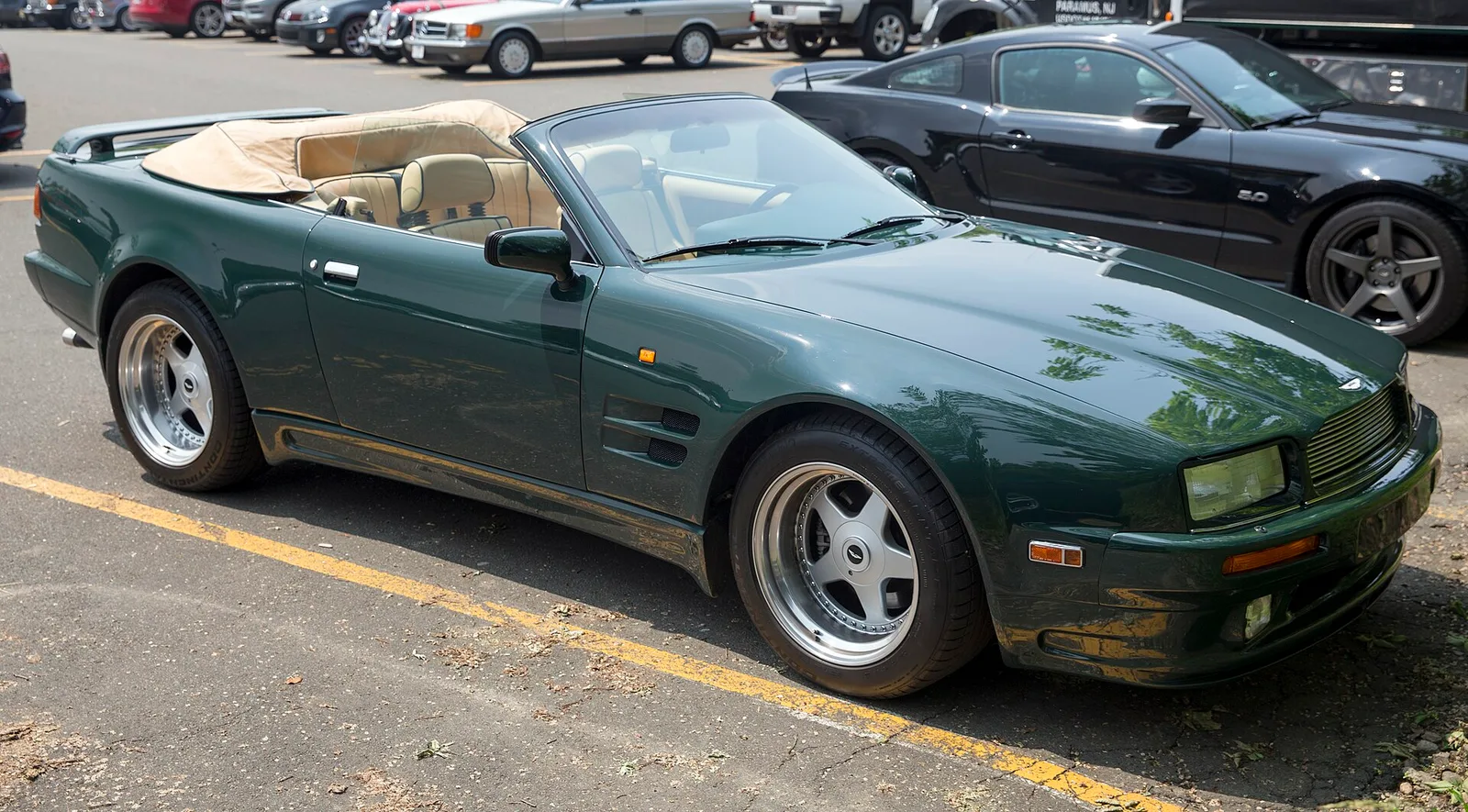
This was the year the Virage's automatic finally got a fourth gear — Aston swapped in a four-speed automatic to replace the original three-speed unit for the 1993 model year.
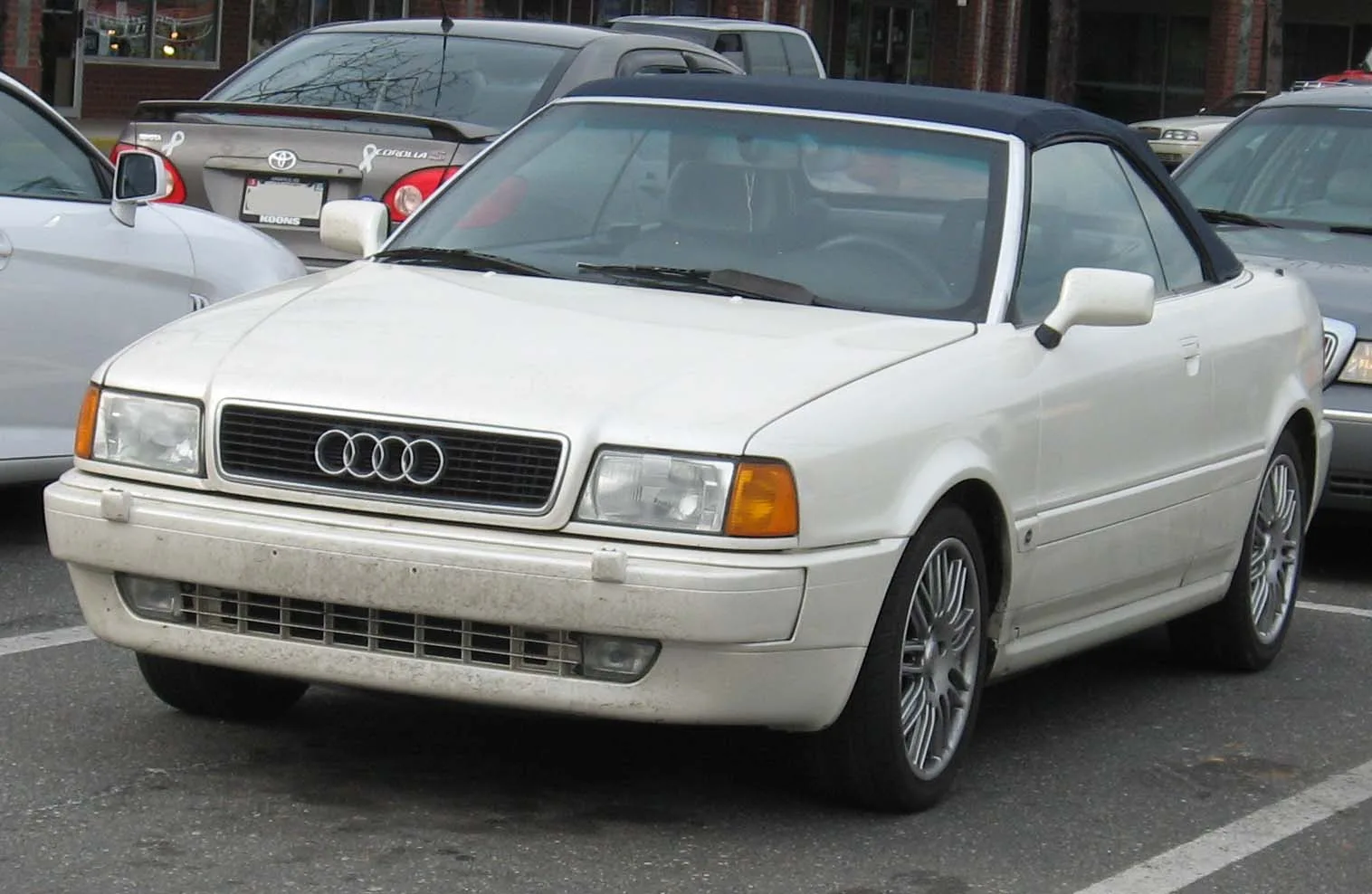
Audi's first drop-top since 1959 barely made a dent stateside: the V6 Cabriolet sold just 5,445 units across its entire five-year run in the US market.
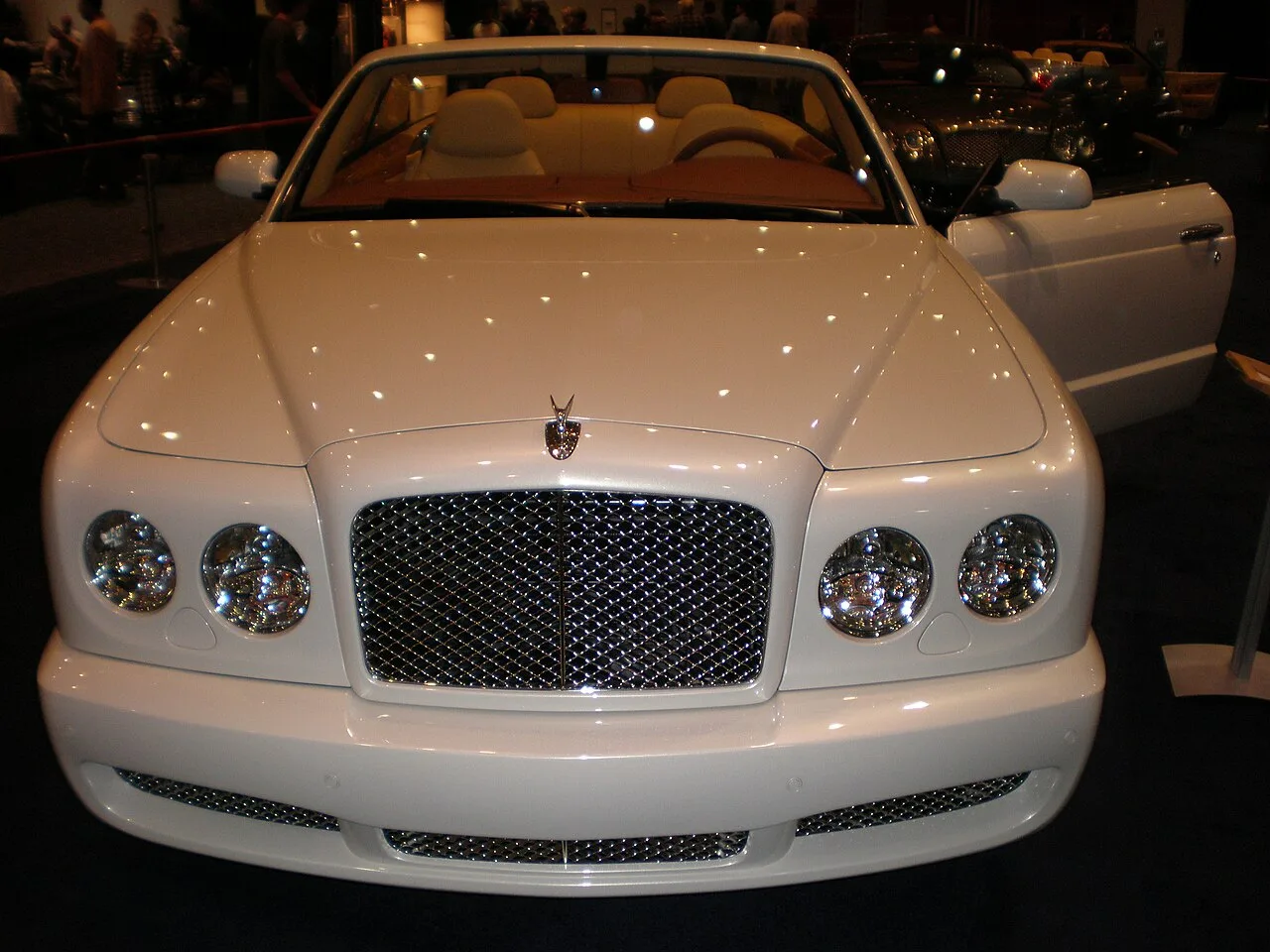
This Azure's V8 exists because of a corporate grudge: when VW won the fight for Bentley, BMW threatened to cut off engine supply — forcing VW to rebuild the 6.75-litre V8 itself, twin-turbos and all.
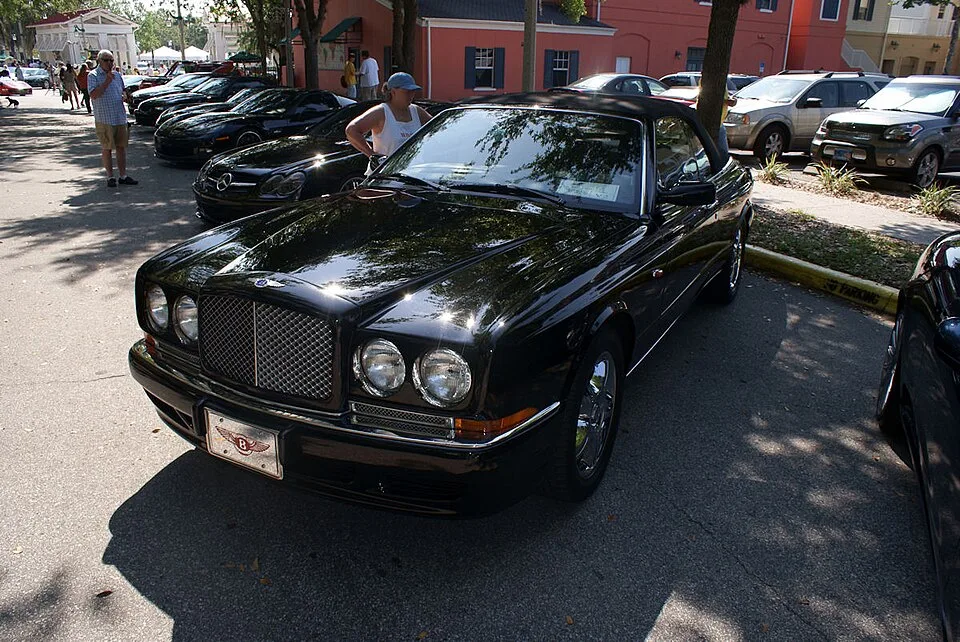
Bentley never even considered a roll-bar for the Azure's convertible top — they just reinforced the chassis instead and let the design stay pure.
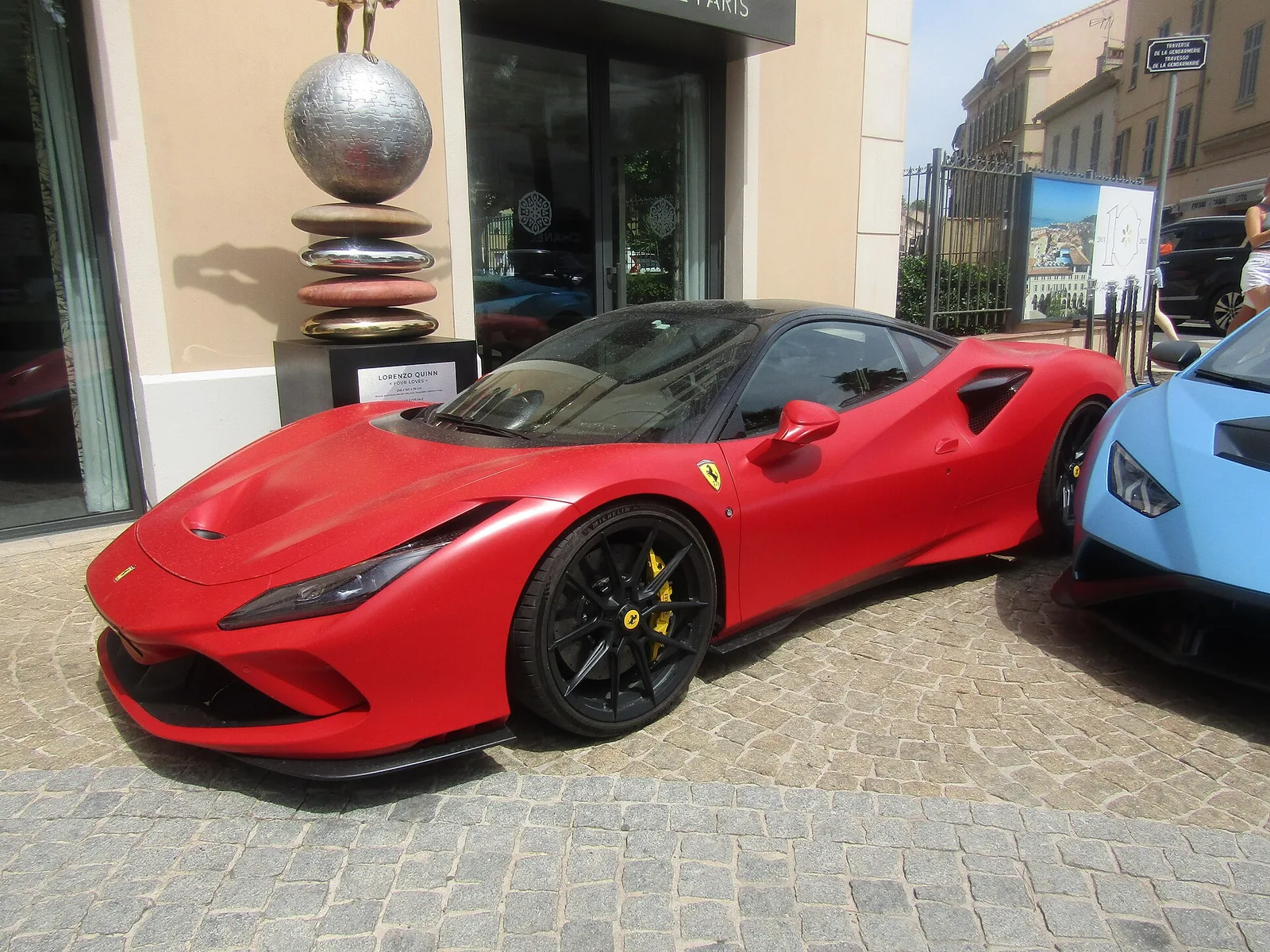
The F8 Spider's folding hardtop raises or lowers in just 14 seconds, and you can do it on the move, at up to 28 mph.
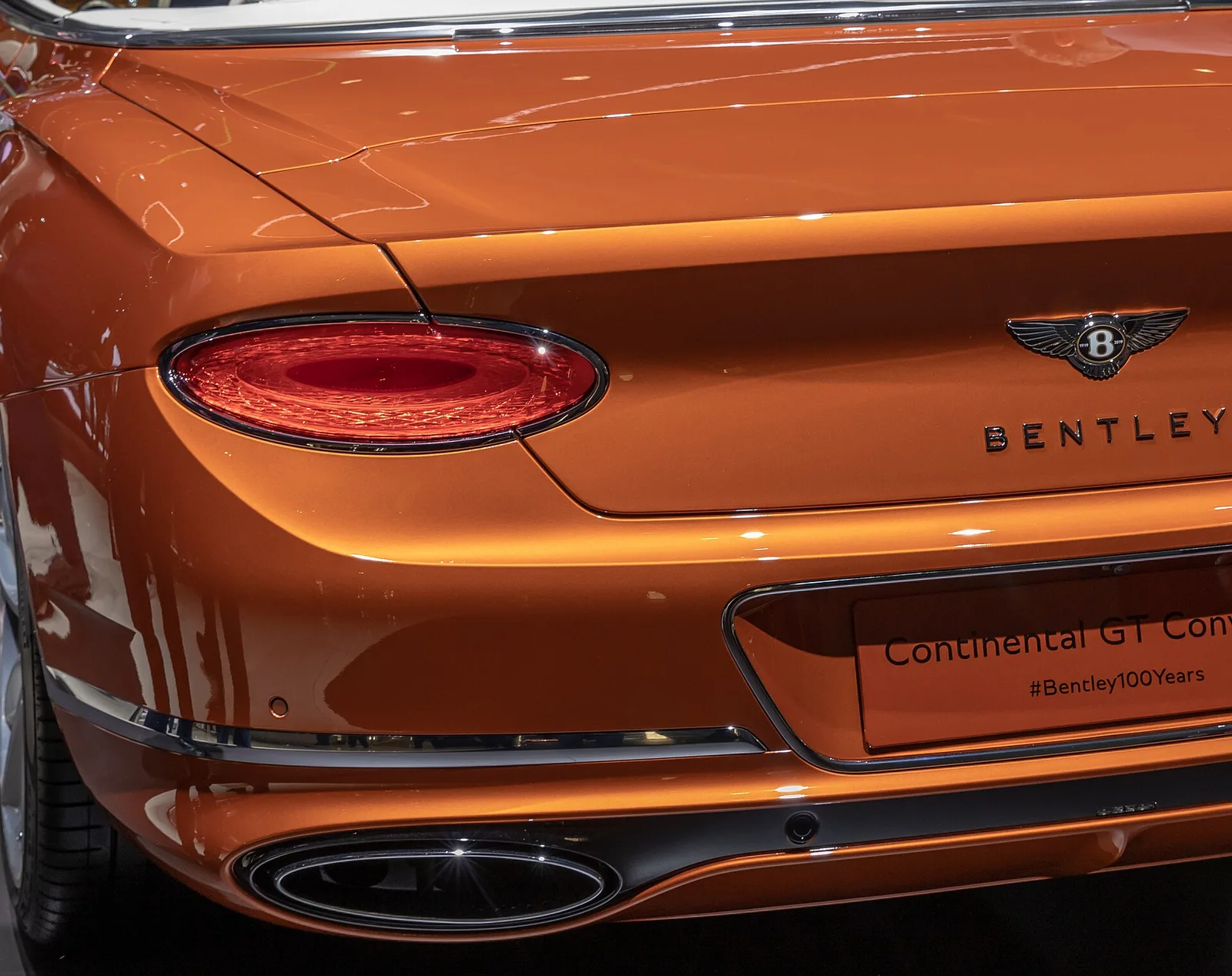
Bentley hid a charging nook for iPads between the rear seats of the Continental GT Convertible — a 2015 update that quietly conceded the future was tablets, not just wood veneer.
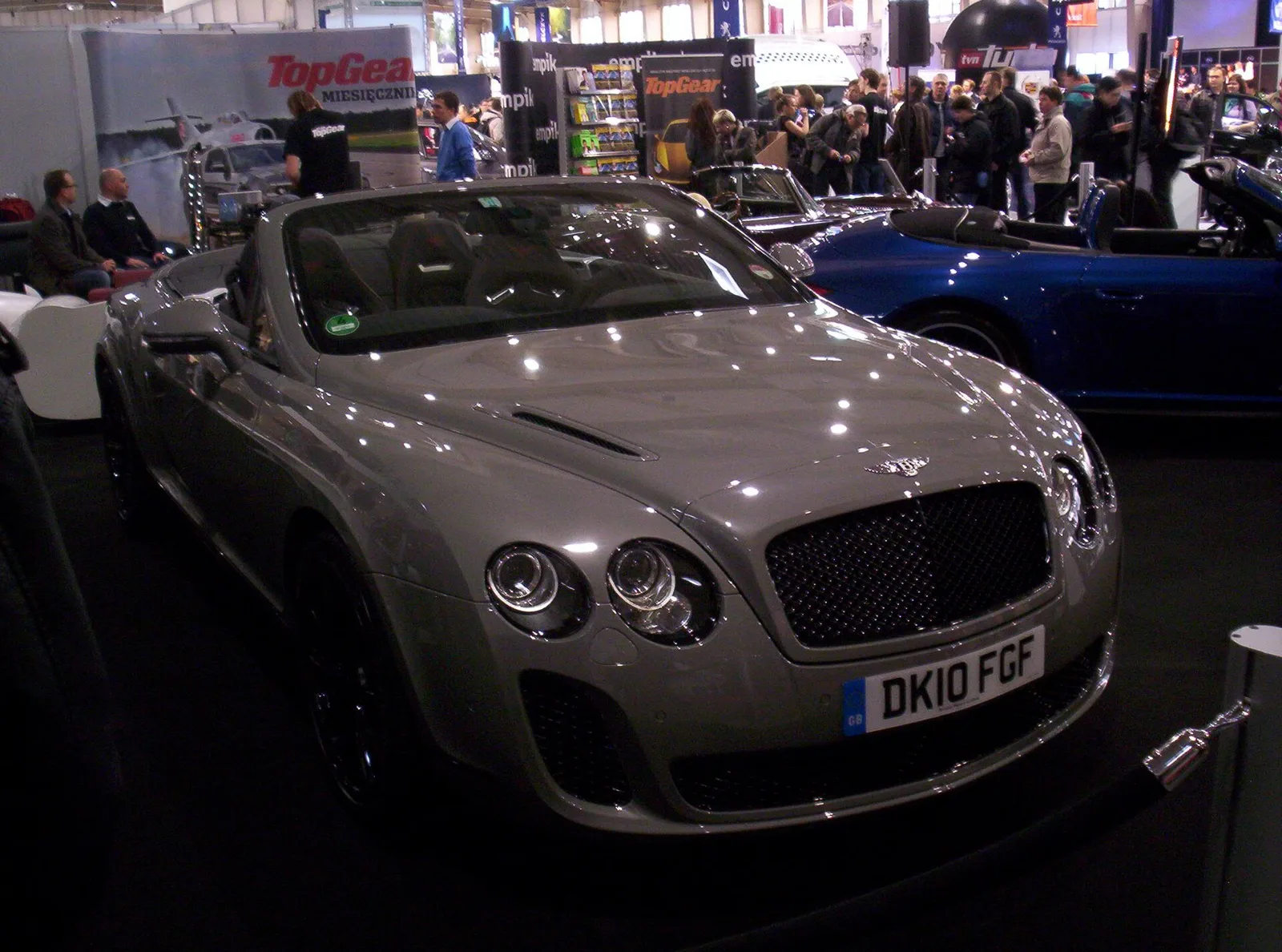
Bentley built just 710 of these second-generation Supersports worldwide, coupe and convertible combined — one of the rarest W12 Bentleys ever made.
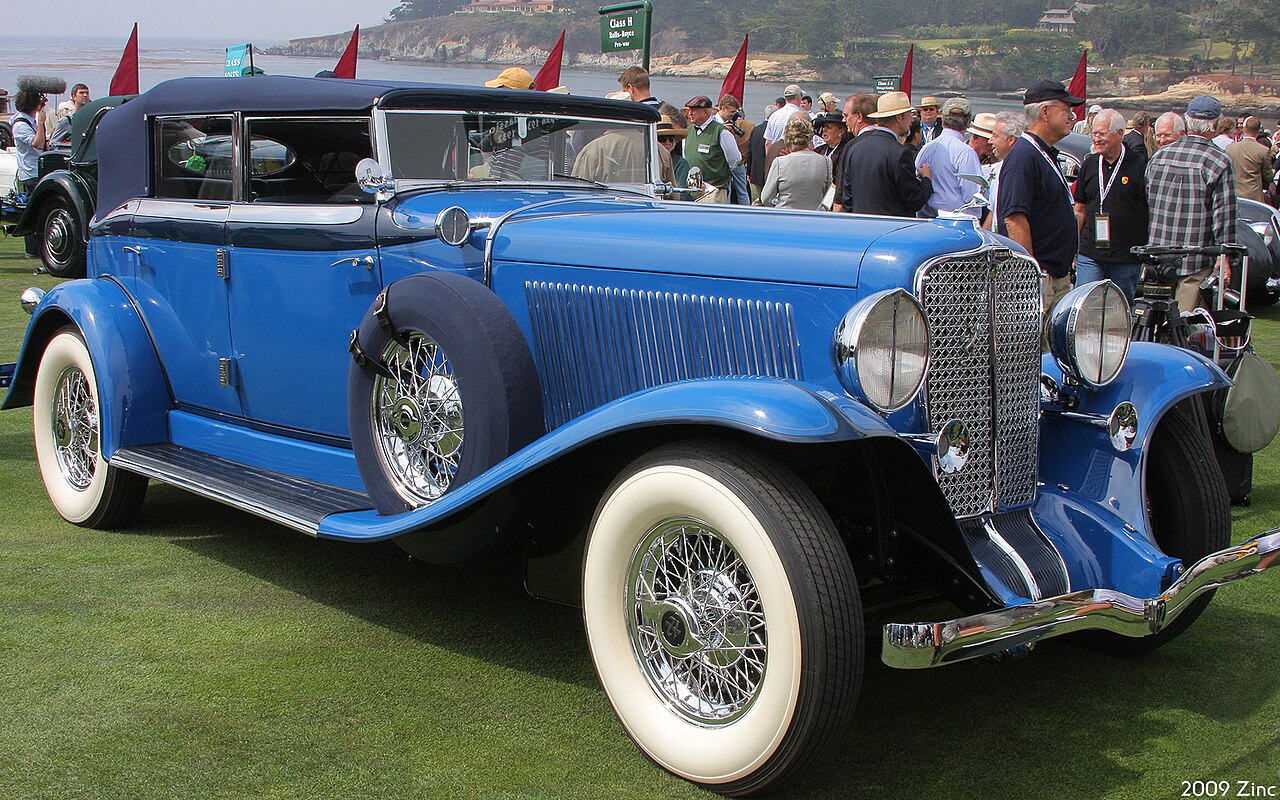
The Auburn Twelve's V12 outlived the car by decades — its engine design became the basis for American LaFrance fire truck powerplants that stayed in service into the 1950s.