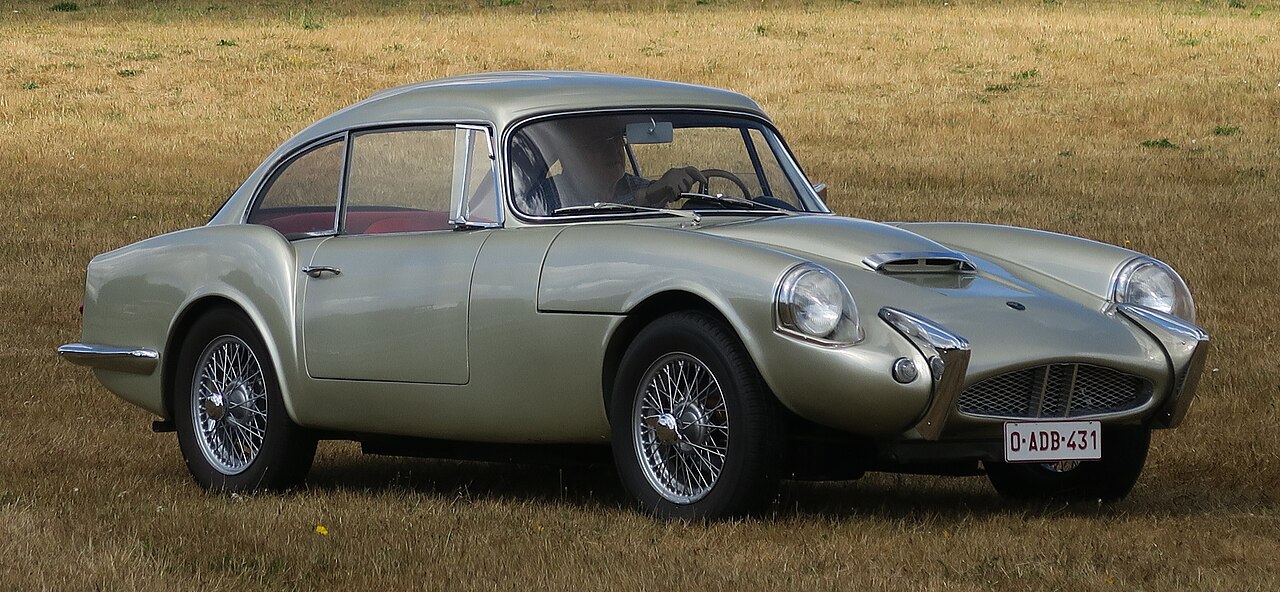
This quintessentially British sports car exists because an Israeli car-company boss spotted a fibreglass body at the 1960 London Racing Car Show and brought the idea home to Reliant.
Median 49 hp across 9 similar cars
Lead trim: Sabre 1.7 Ford OHV four (73 bhp) · up to 109 hp
Reliant Sabre and Sabre Six1961–1964
- 0spots by members
- Unclaimednobody has spotted one yet
- 0sets it belongs to
Nobody in Burbles has spotted a Reliant Sabre and Sabre Six yet. See one on the street, point the app at it, and the first card is yours — with your @handle permanently credited on this page.
FactThis quintessentially British sports car exists because an Israeli car-company boss spotted a fibreglass body at the 1960 London Racing Car Show and brought the idea home to Reliant.
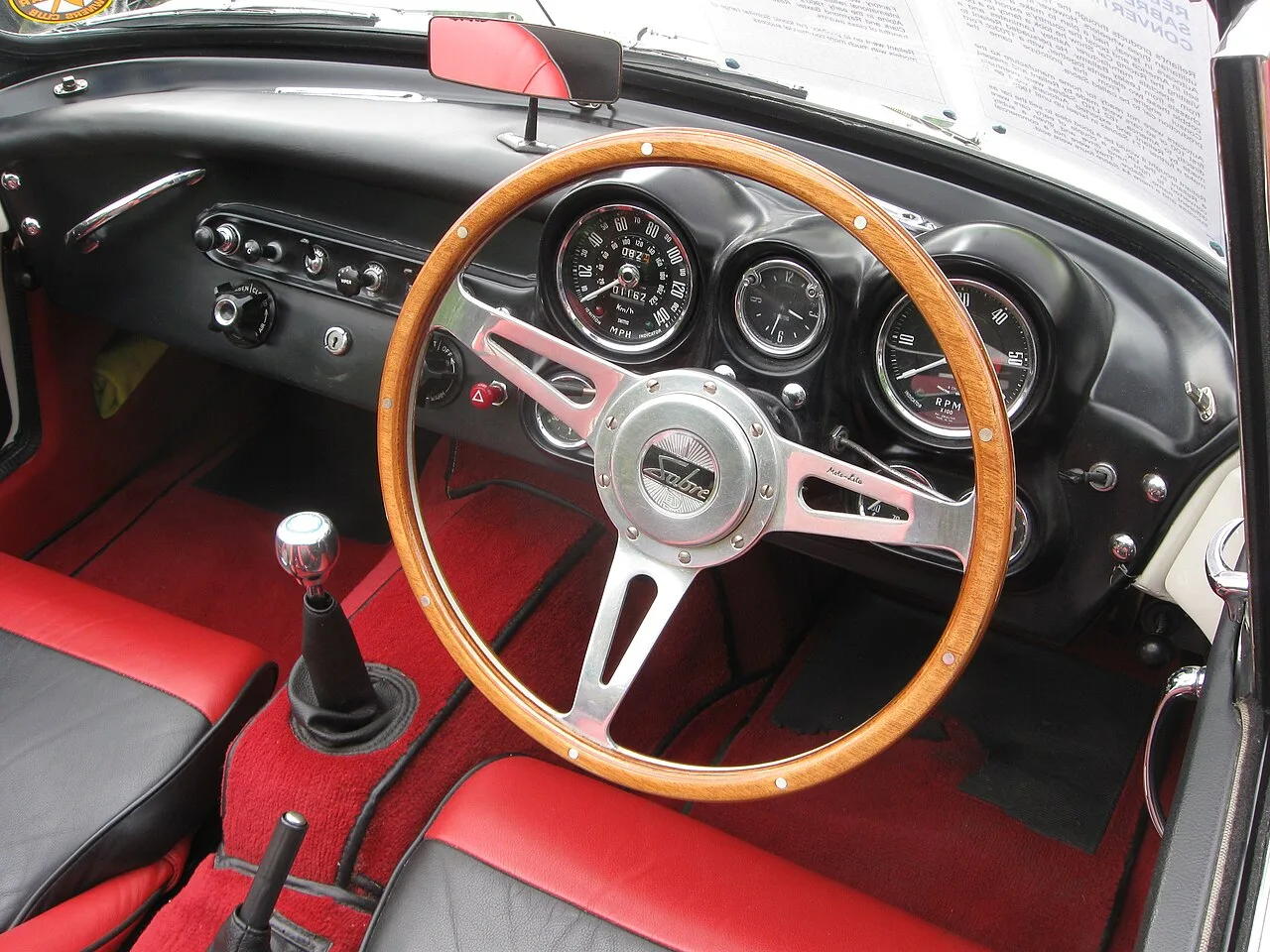
The Reliant Sabre (also "Sabre Four") and the Sabre Six were small two-seater sports cars produced by Reliant between 1961 and 1964, developed with the Israeli company Autocars (the Sabra), after Autocars managing director Itzhak Shubinsky saw the Ashley 1172 fibreglass body and a Leslie Ballamy-designed chassis at the 1960 London Racing Car Show; Reliant's David Page redesigned the chassis and Eddie Pepall the bodyshell to meet US requirements, and Reliant sold a right-hand-drive version for the UK as the Sabre. Launched in 1961 as a two-door convertible, front-engined and rear-drive, with four-cylinder OHV Ford Consul (later "Zephyr 4") engines of 1,703 cc, front disc brakes, rack-and-pinion steering, a ZF all-synchro gearbox and an unusual leading-arm front suspension, 73 bhp giving at least 90 mph. Coupés were introduced in June 1962 and total production reached 208. At Earls Court in October 1962 the Sabre was shown with a redesigned "less bizarre" front end and a six-cylinder Super Sabre SE2 prototype, which became the Sabre Six with a 109 bhp Ford six of 2,553 cc; all but the first 17 Sabre Sixes had more conventional suspension from the Triumph TR4, and of 77 built 75 were coupés and two convertibles. The Sabre was succeeded by the Scimitar.
Collectors Spotted in the Reliant Sabre Lineage
No member has published a public street spot of the Reliant Sabre yet — the First · Worldwide stamp is wide open.
Trims & Figures
2 published trims in the catalogue. A blank is a figure not recorded, not zero.
| Trim | Years | Engine | Power | Torque | 0–60 | Drive | Gearbox | MSRP |
|---|---|---|---|---|---|---|---|---|
| Sabre 1.7 Ford OHV four (73 bhp) | 1961–1964 | 1.7 L Inline-4 | 73 hp | — | — | RWD | — | — |
| Sabre Six 2.6 Ford six (109 bhp) | 1962–1964 | 2.6 L Inline-6 | 109 hp | — | — | RWD | — | — |
Owning one
We don’t estimate running costs for a car like this. What it costs depends on its condition, its specialist and how it is driven, and an average would mislead.
Owners’ builds
Nobody has claimed one yet.
Photographs
Rivals
Same body, same money, other badges — tap any card to flip.
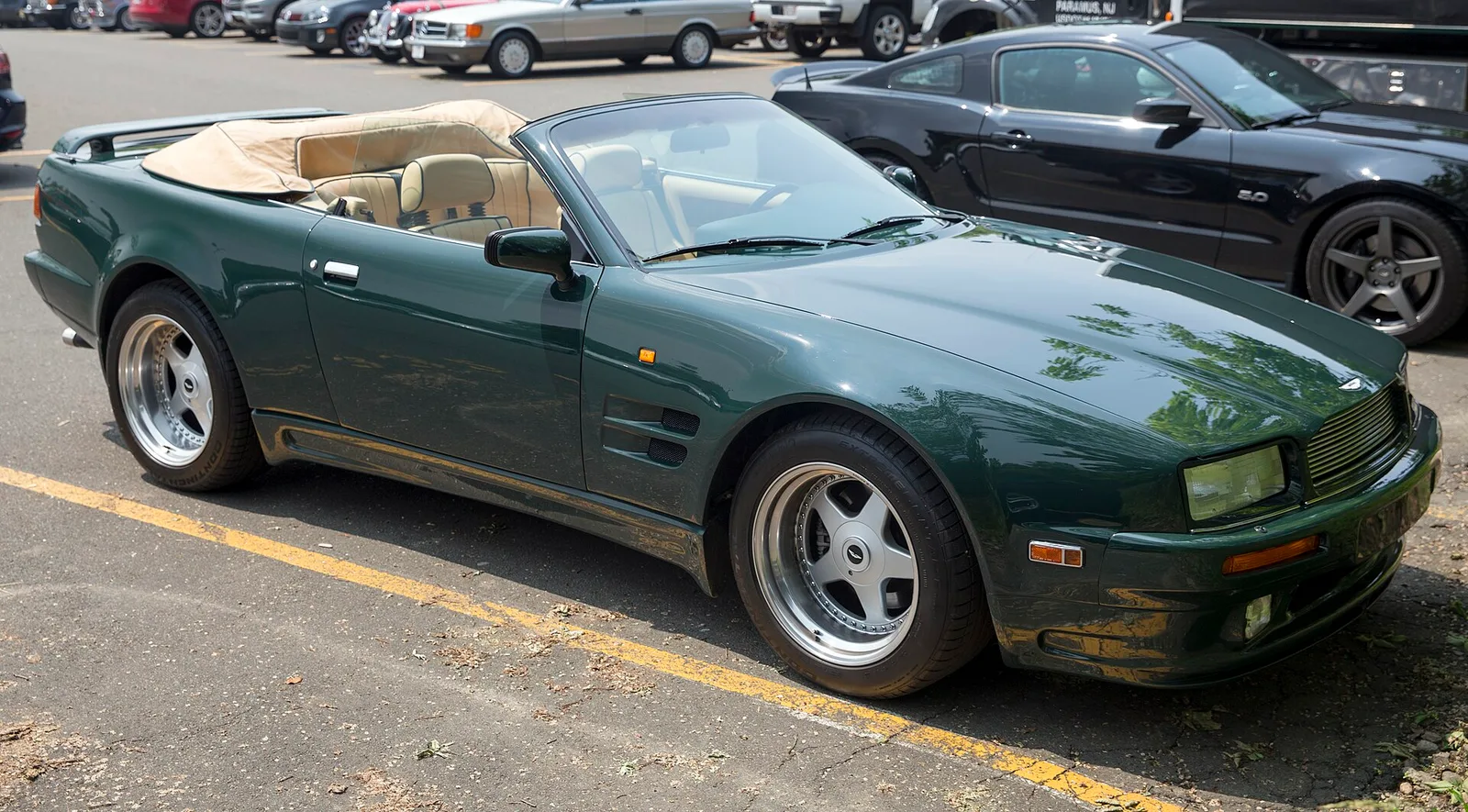
This was the year the Virage's automatic finally got a fourth gear — Aston swapped in a four-speed automatic to replace the original three-speed unit for the 1993 model year.
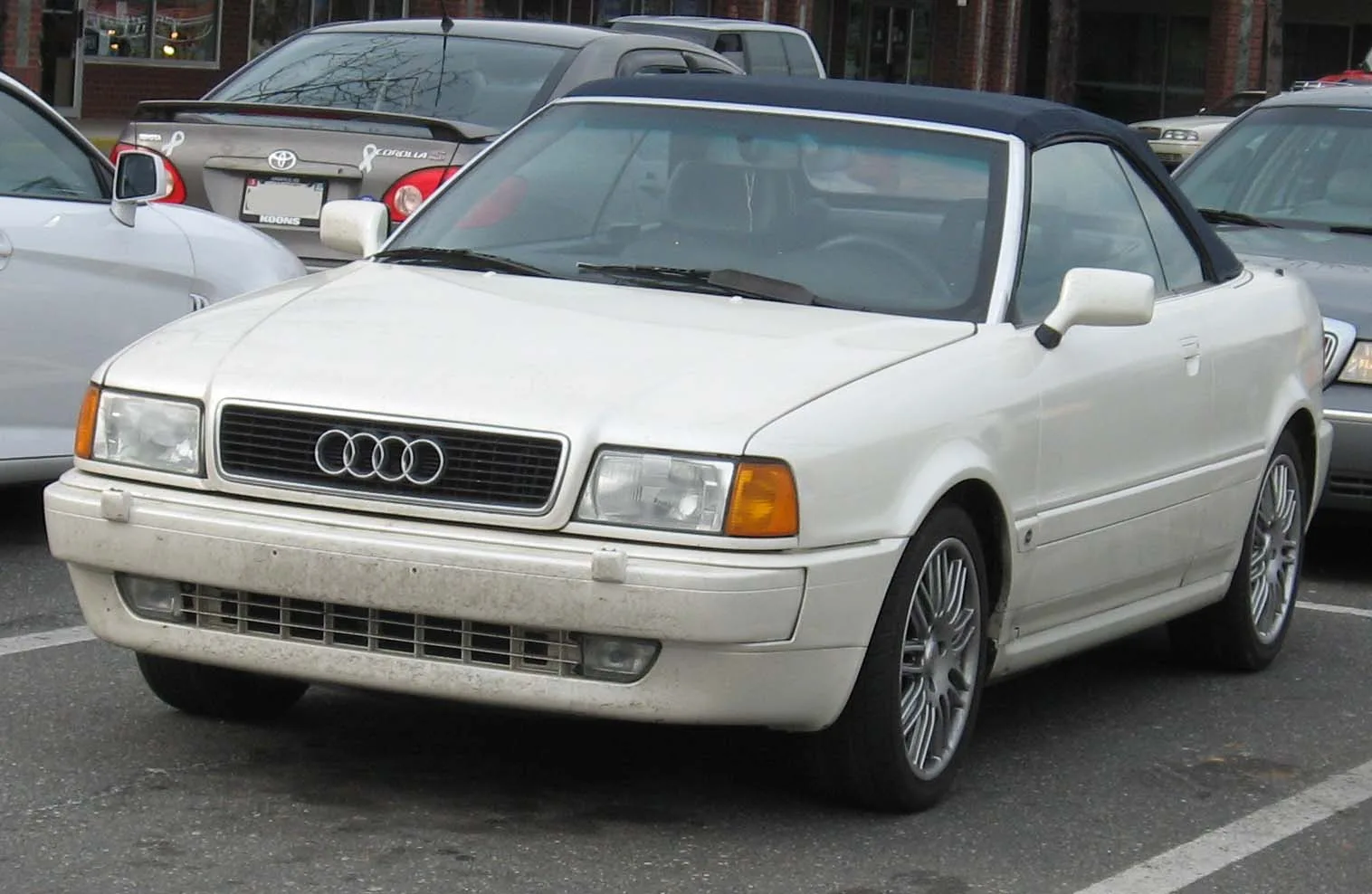
Audi's first drop-top since 1959 barely made a dent stateside: the V6 Cabriolet sold just 5,445 units across its entire five-year run in the US market.
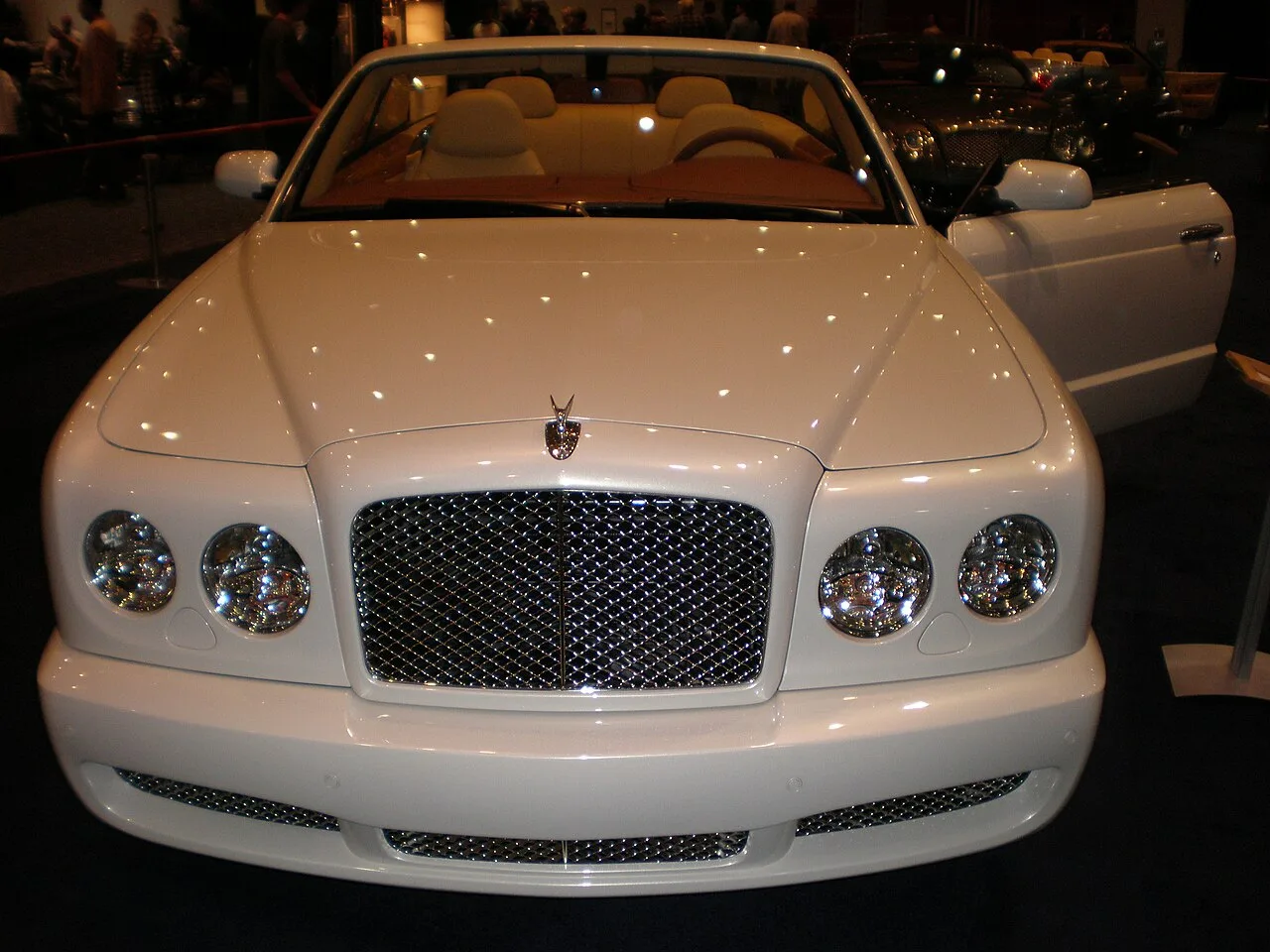
This Azure's V8 exists because of a corporate grudge: when VW won the fight for Bentley, BMW threatened to cut off engine supply — forcing VW to rebuild the 6.75-litre V8 itself, twin-turbos and all.
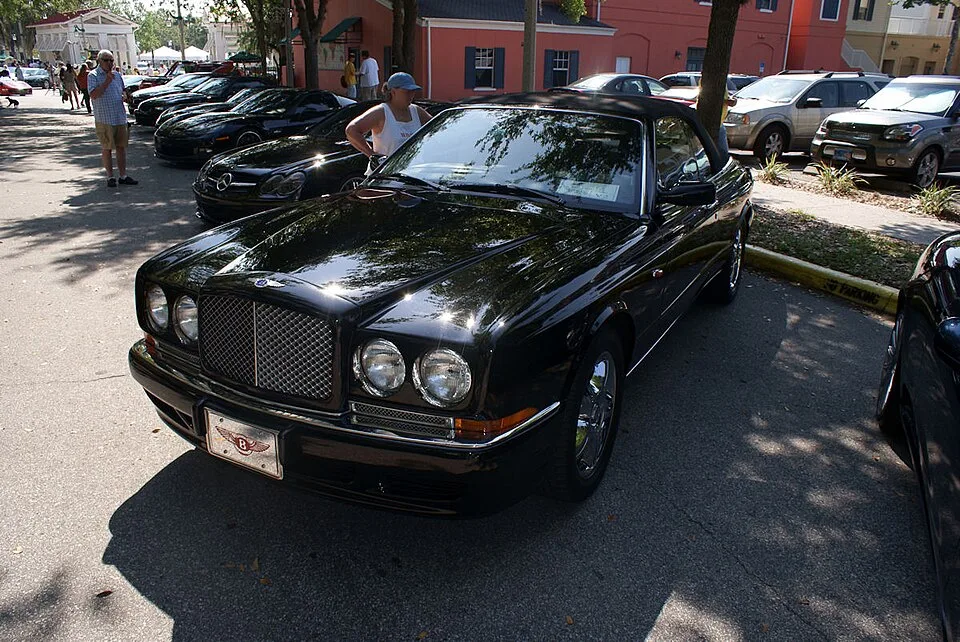
Bentley never even considered a roll-bar for the Azure's convertible top — they just reinforced the chassis instead and let the design stay pure.
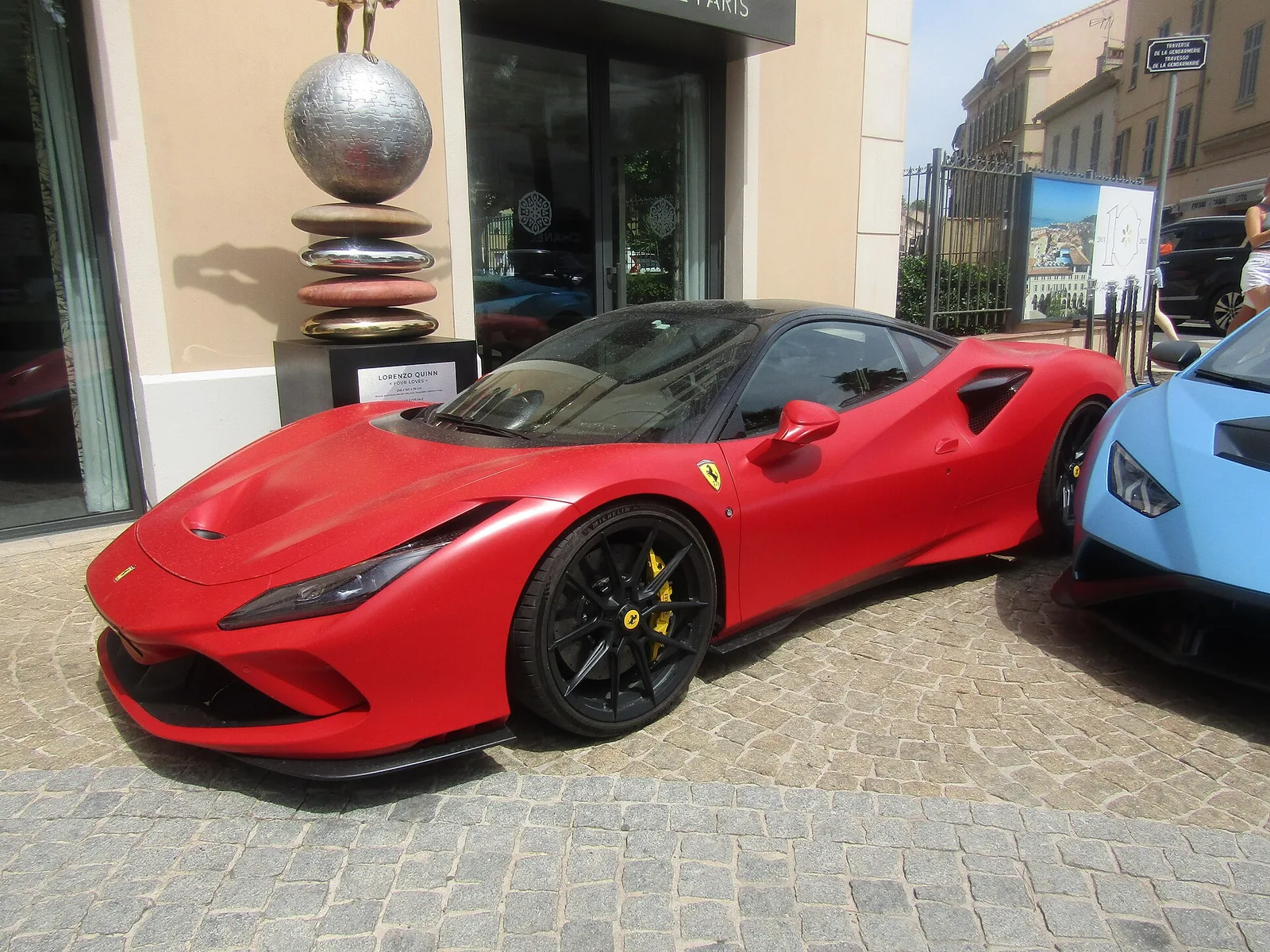
The F8 Spider's folding hardtop raises or lowers in just 14 seconds, and you can do it on the move, at up to 28 mph.
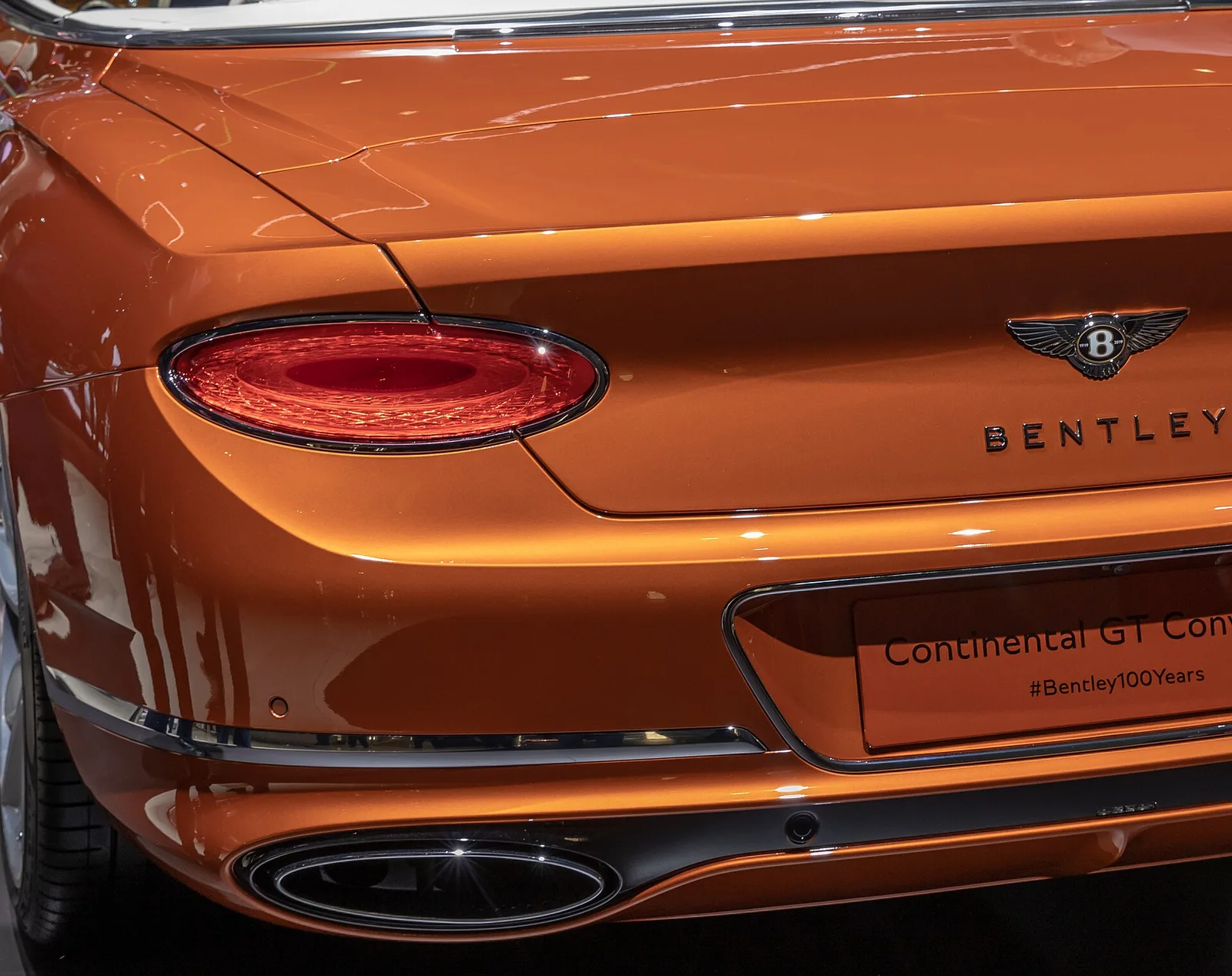
Bentley hid a charging nook for iPads between the rear seats of the Continental GT Convertible — a 2015 update that quietly conceded the future was tablets, not just wood veneer.
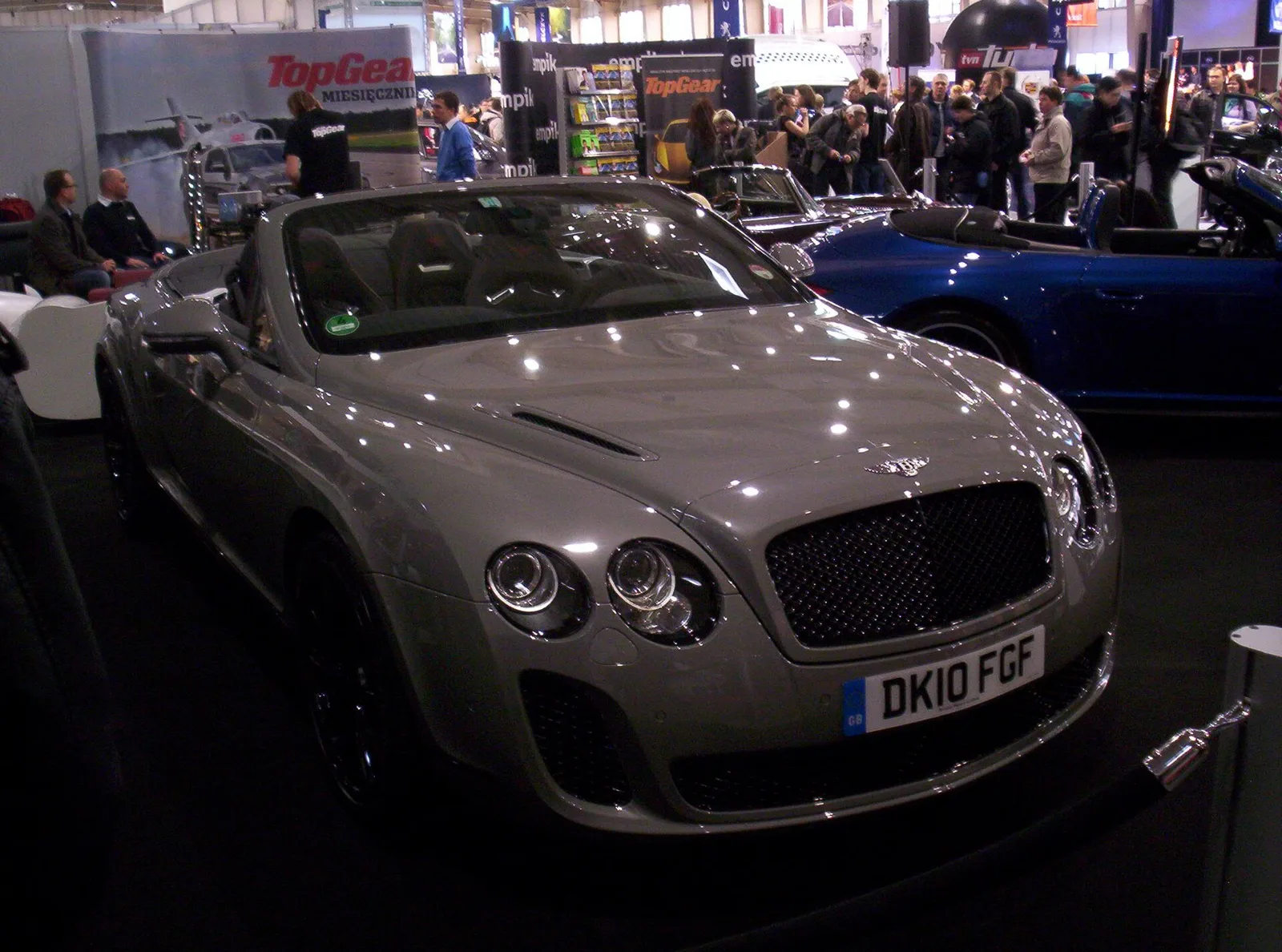
Bentley built just 710 of these second-generation Supersports worldwide, coupe and convertible combined — one of the rarest W12 Bentleys ever made.
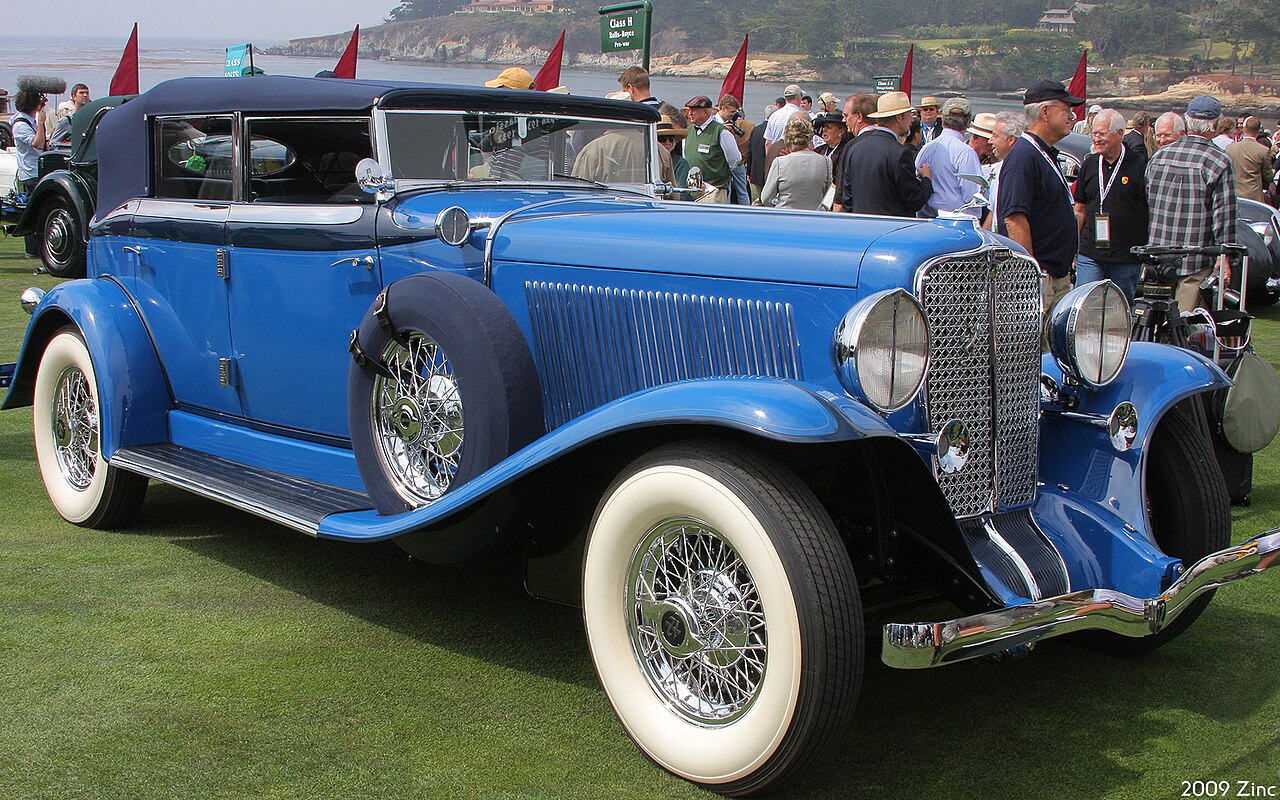
The Auburn Twelve's V12 outlived the car by decades — its engine design became the basis for American LaFrance fire truck powerplants that stayed in service into the 1950s.