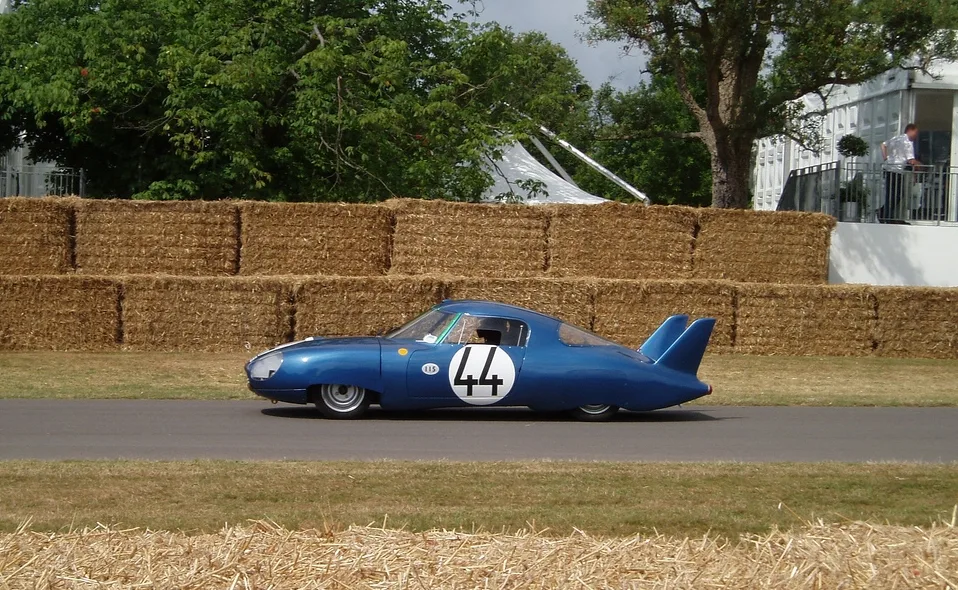
Charles Deutsch's road car descended from a Le Mans racer that won its class in 1962, its fiberglass body built by the same firm, Chappe et Gessalin.
Lead trim: CD GT 848 cc boxer twin (50 hp, 1963–1965) · up to 60 hp
Panhard CD GT and CD RallyeCD · 1963–1965
- 0spots by members
- Unclaimednobody has spotted one yet
- 0sets it belongs to
Nobody in Burbles has spotted a Panhard CD GT and CD Rallye yet. See one on the street, point the app at it, and the first card is yours — with your @handle permanently credited on this page.
FactCharles Deutsch's road car descended from a Le Mans racer that won its class in 1962, its fiberglass body built by the same firm, Chappe et Gessalin.
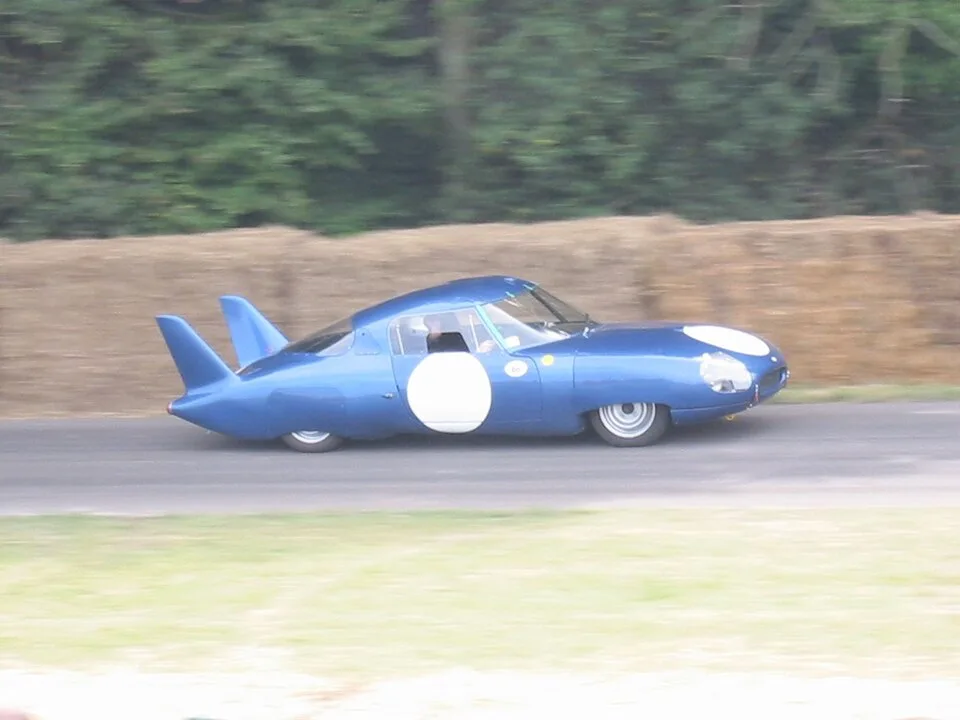
The Panhard CD is a car designed by Charles Deutsch and built by Panhard from 1963 to 1965 (July 1963 to July 1965 per the model table), the production version of the CD Dyna that raced at Le Mans in June 1962 (five CD Dynas were built, one prototype in hand-hammered steel and four in glass-reinforced plastic by Chappe et Gessalin; number 53 finished 16th overall and won its class and the "Indice de Performance"). The production coupé inherited the distinctive tapering rear and "double-bubble" roof, with a lightweight fibreglass body on a steel backbone chassis, an 848 cc air-cooled ohv boxer twin of 50 hp in the CD GT (60 hp in the 1964 CD Rallye) and a 4-speed manual transaxle. Deutsch also produced the supercharged LM64 (78 hp, effective displacement 1187 cc under the forced-induction factor, ZF 5-speed) for Le Mans 1964. It was a Grand Tourer with wheelbase 2,250 mm (88.6 in), length 4,060 mm (159.8 in), width 1,600 mm (63.0 in), height 1,185 mm (46.7 in) and kerb weight 580 kg (1,279 lb), succeeding the Dyna Junior and preceding the Panhard 24.
Collectors Spotted in the Panhard CD Lineage
No member has published a public street spot of the Panhard CD yet — the First · Worldwide stamp is wide open.
Trims & Figures
2 published trims in the catalogue. A blank is a figure not recorded, not zero.
| Trim | Years | Engine | Power | Torque | 0–60 | Drive | Gearbox | MSRP |
|---|---|---|---|---|---|---|---|---|
| CD GT 848 cc boxer twin (50 hp, 1963–1965) | 1963–1965 | 0.8 L Flat-2 | 50 hp | 55 lb-ft | — | FWD | — | — |
| CD Rallye 848 cc boxer twin (60 hp, 1964) | 1964–1964 | 0.8 L Flat-2 | 60 hp | — | — | FWD | — | — |
Owning one
We don’t estimate running costs for a car like this. What it costs depends on its condition, its specialist and how it is driven, and an average would mislead.
Owners’ builds
Nobody has claimed one yet.
Photographs
Rivals
Same body, same money, other badges — tap any card to flip.
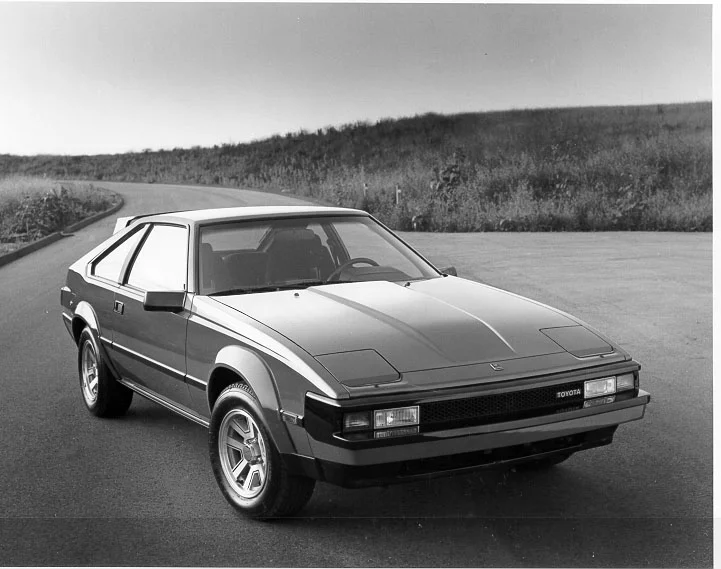
The Celica XX, Japan's name for the A60 Supra, introduced the world's first in-car navigation computer.
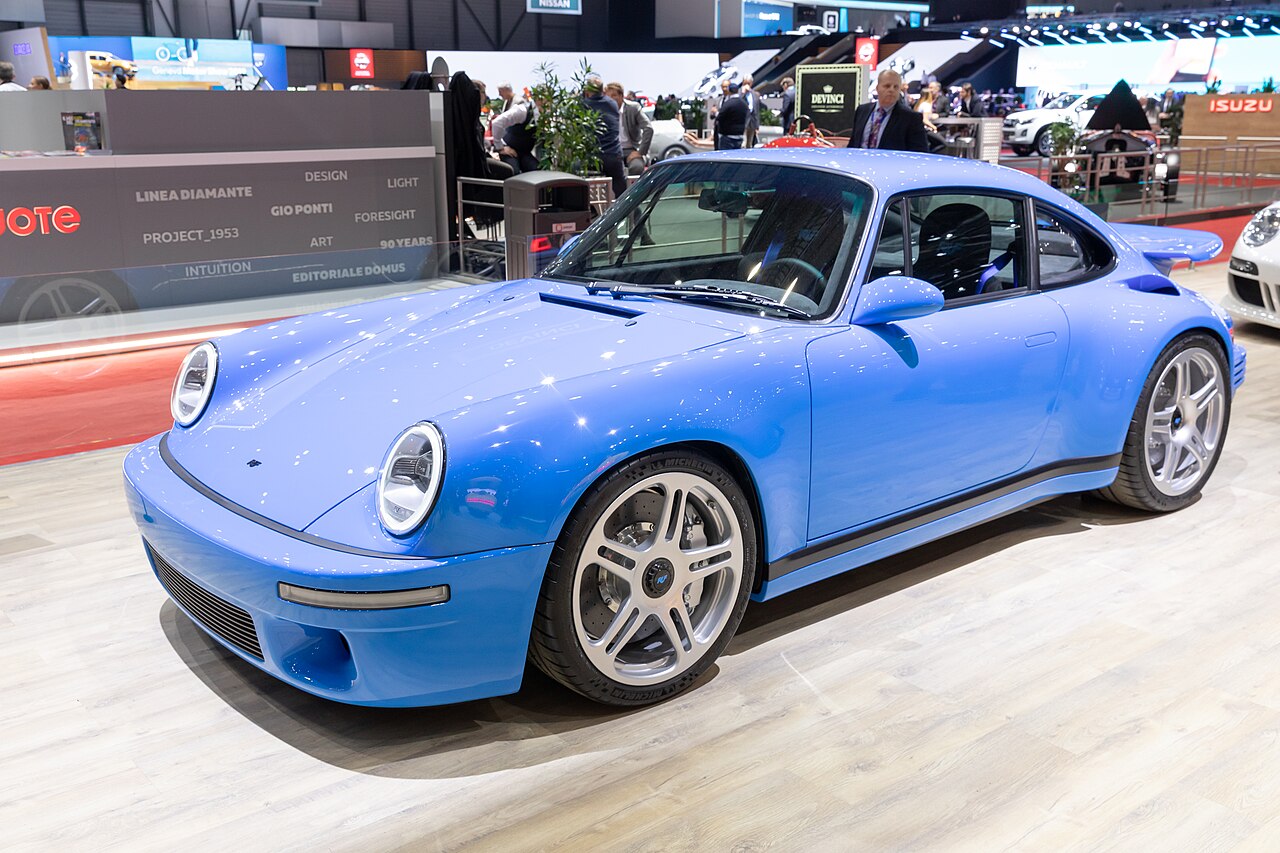
The CTR Anniversary looks like a 911 but Ruf built its carbon monocoque from scratch, no Porsche body underneath.
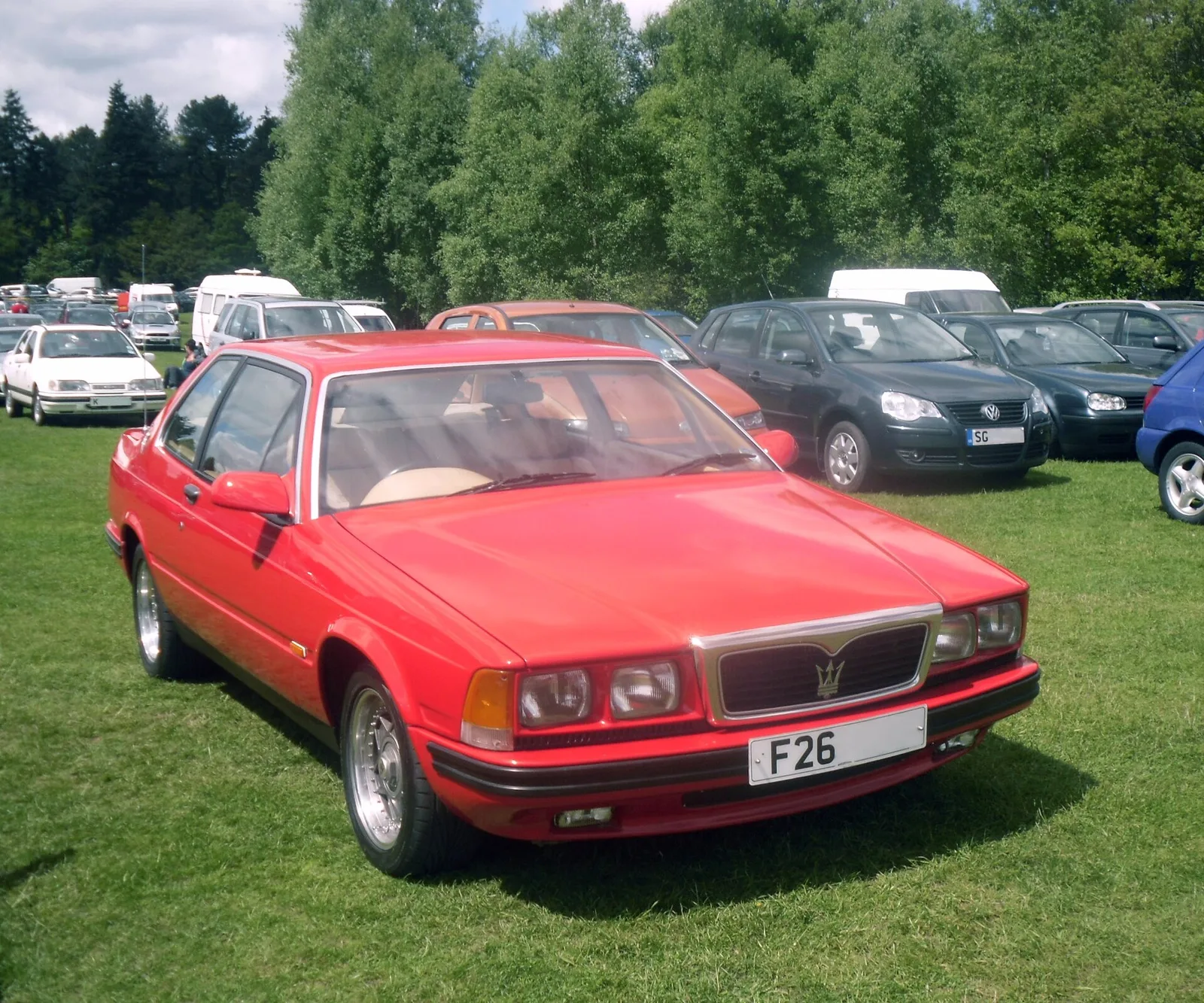
The 228's coupe styling hides a sedan underneath: Maserati stretched it onto the longer four-door Biturbo chassis to make room for its biggest V6, which is literally where the name comes from — 2-door, 2.8 litre.
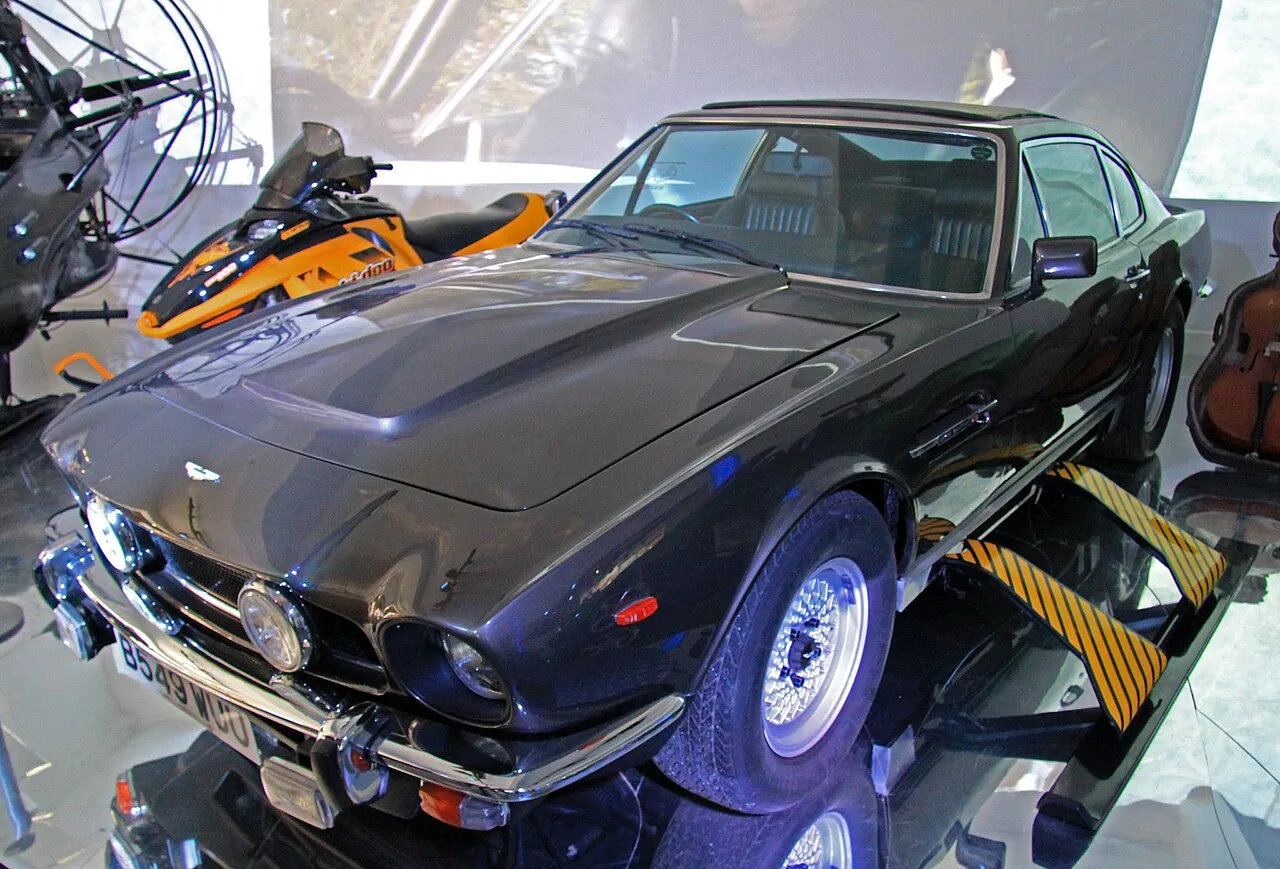
Switching to fuel injection let this V8 finally shed its trademark bonnet bulge — and only 405 of these flat-hooded Series 5 cars were built before the whole model retired in 1989.
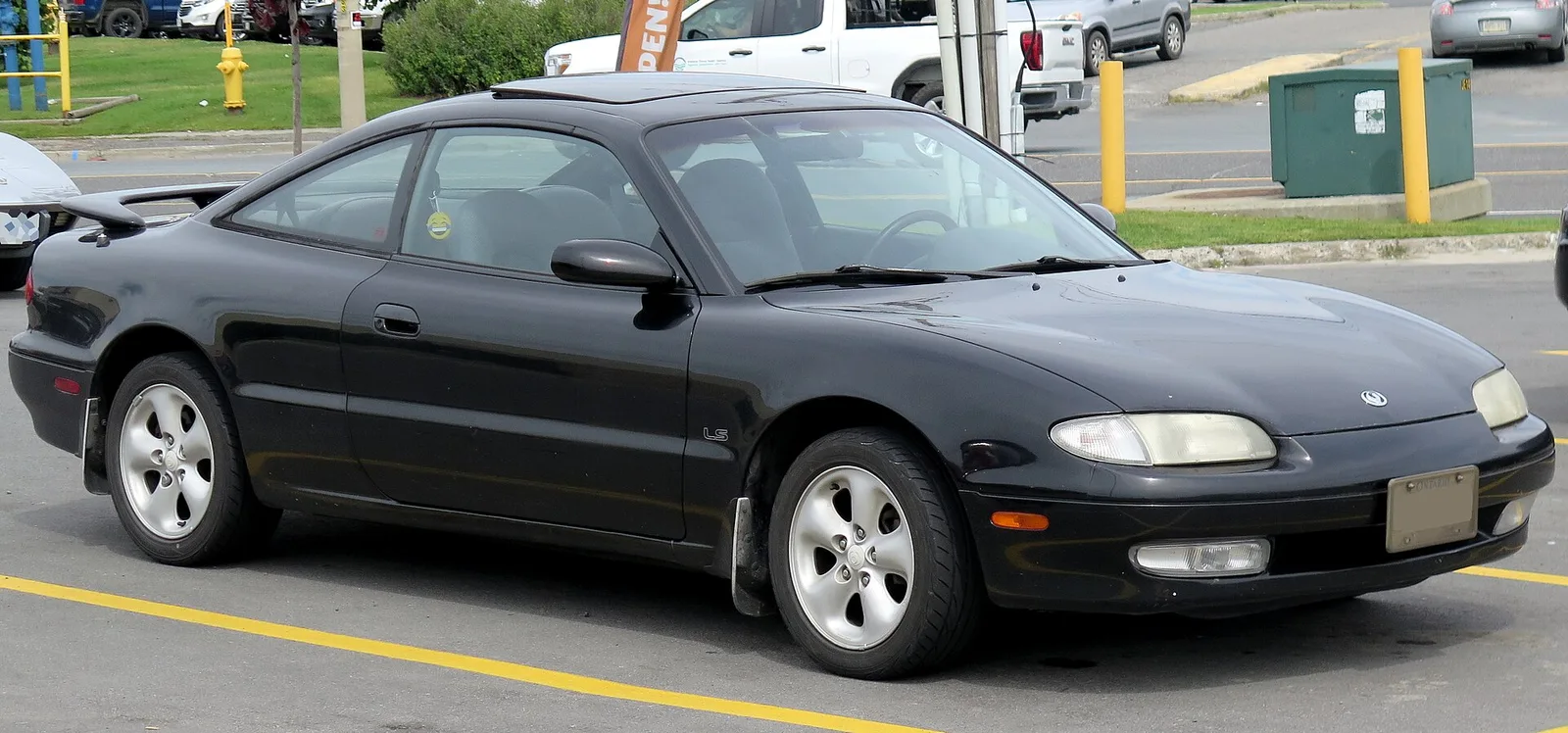
Japanese buyers got a secret weapon in their MX-6 — the JDM-only KL-ZE V6 made about 40 more horsepower than the engine sold in the exact same car in North America.
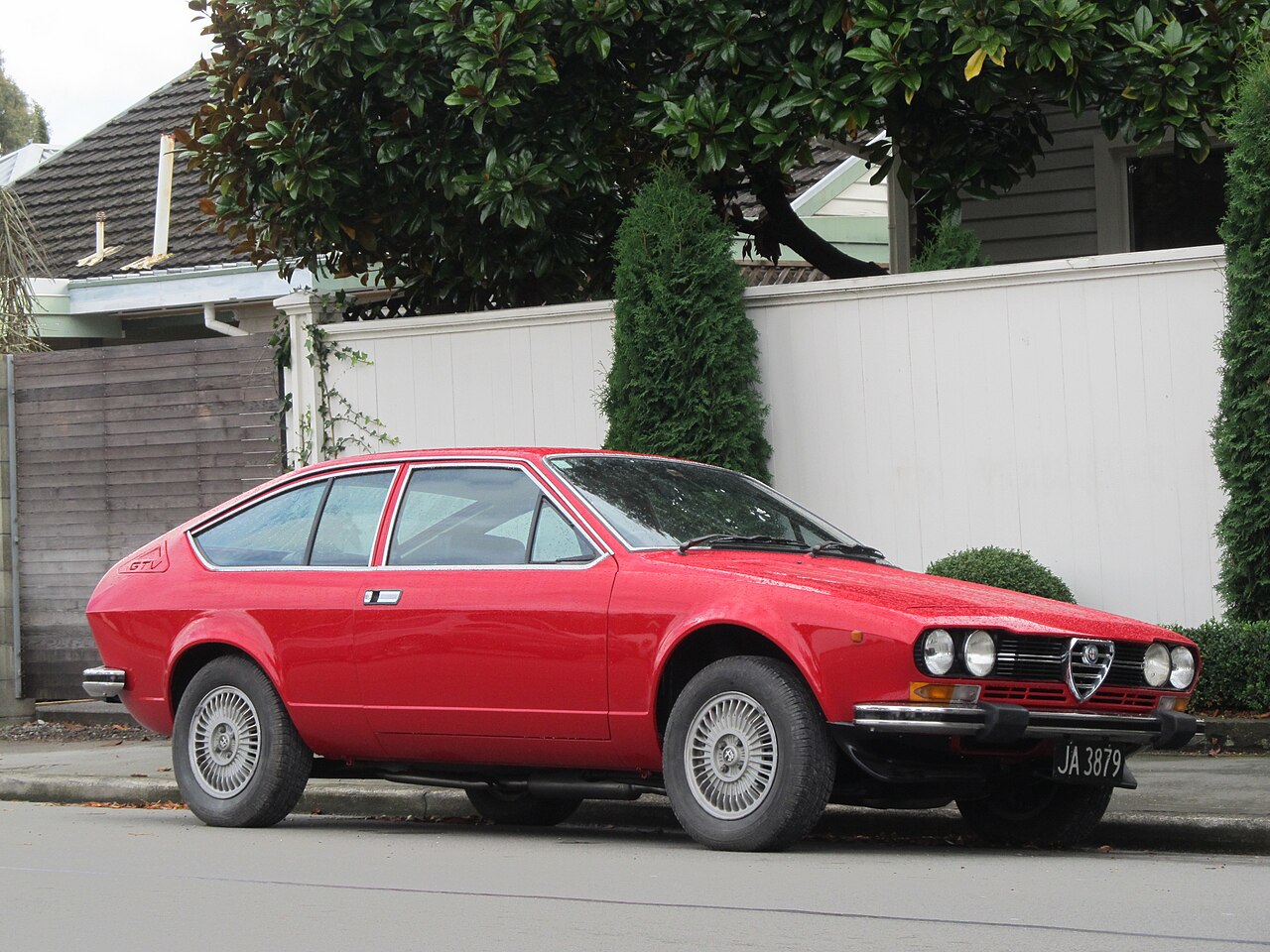
An American tuner, Callaway Cars, built twin-turbo conversions of the GTV6 that boosted its V6 by fifty percent to 230 hp — turning Alfa's grand tourer into something far quicker than the factory ever intended.
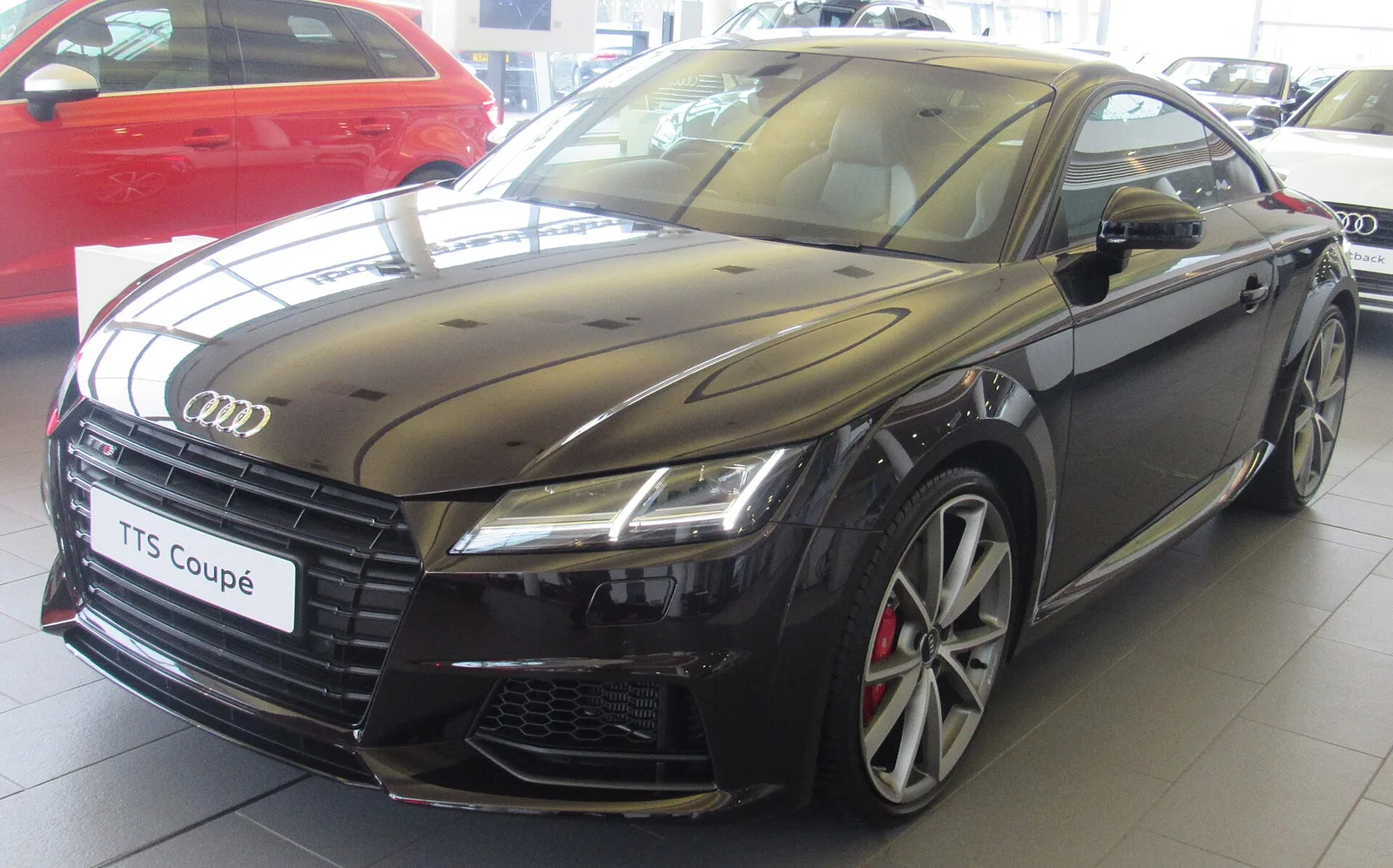
Audi TTS Coupe · TTS Coupe (2016–2023) · 2016–2023.
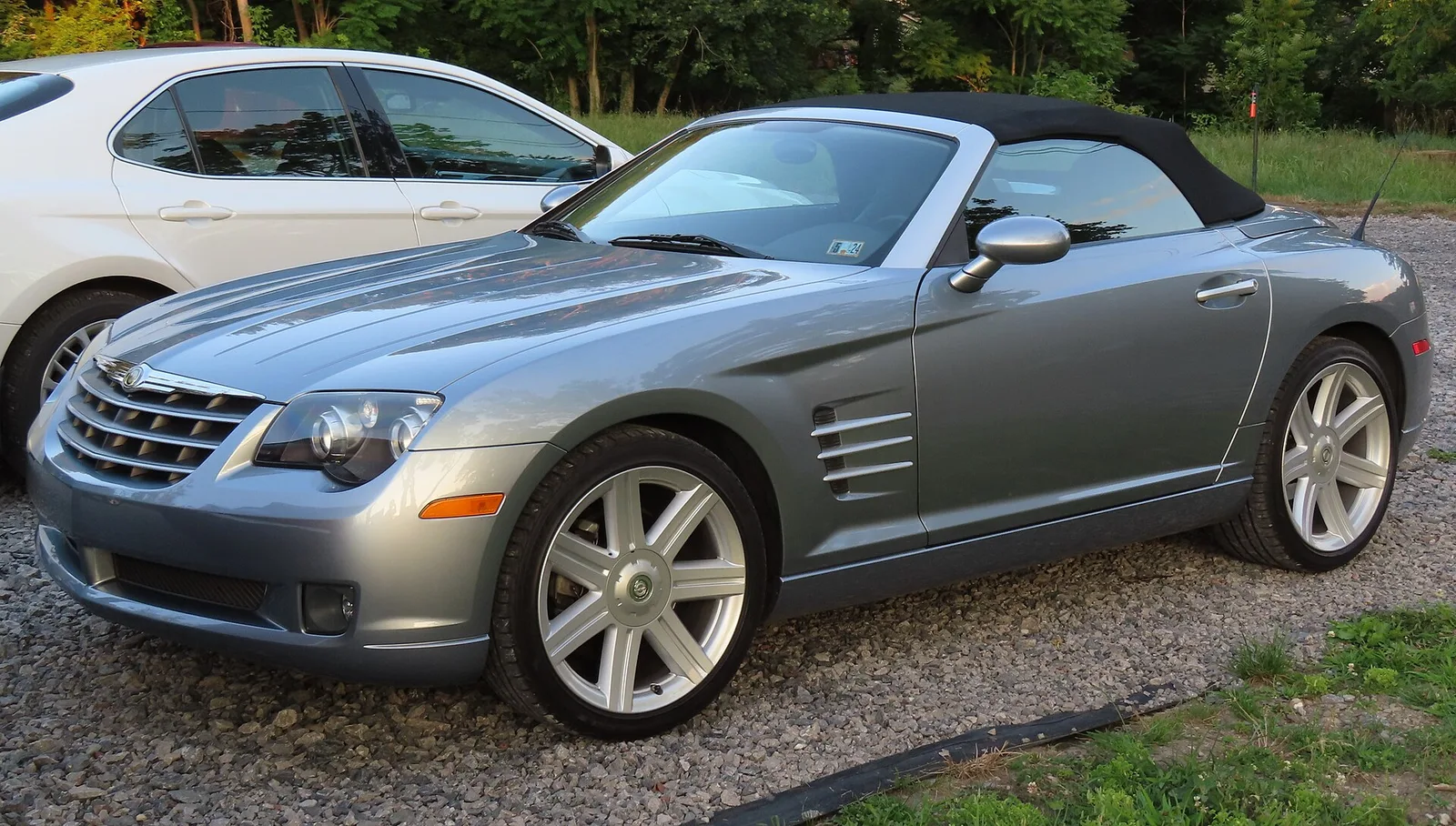
A product of the DaimlerChrysler merger, the Crossfire shares 80% of its parts with the Mercedes-Benz SLK — German bones under American badges.