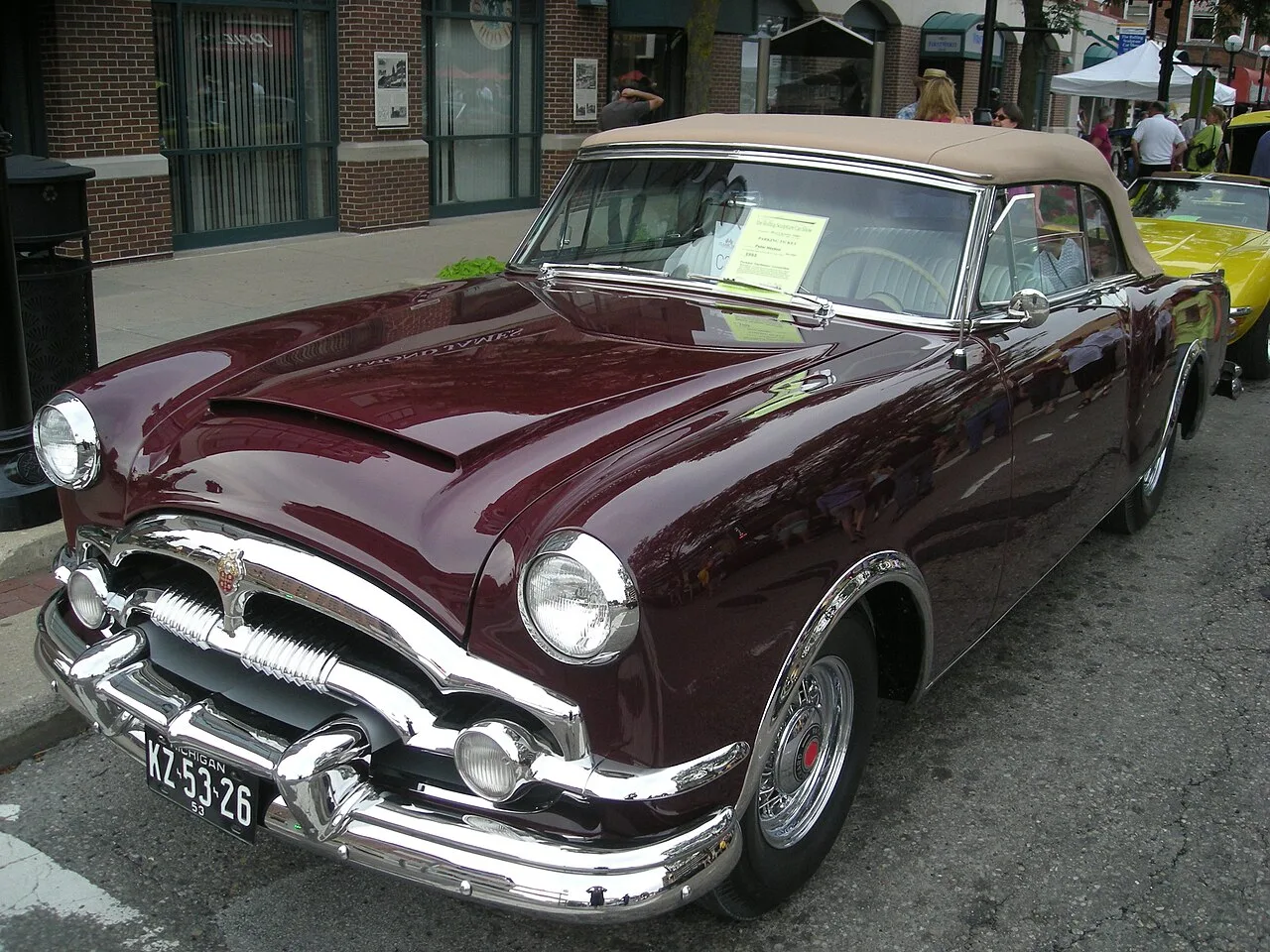
Packard's flagship 1953 Caribbean came in just four advertised colors — anyone wanting Ivory or Black had to special-order it.
Lead trim: Caribbean 327 cu in 4-bbl L-head straight-eight (185 bhp, 1953) · up to 212 hp
Packard Caribbean1953–1954
- 0spots by members
- Unclaimednobody has spotted one yet
- 0sets it belongs to
Nobody in Burbles has spotted a Packard Caribbean yet. See one on the street, point the app at it, and the first card is yours — with your @handle permanently credited on this page.
FactPackard's flagship 1953 Caribbean came in just four advertised colors — anyone wanting Ivory or Black had to special-order it.
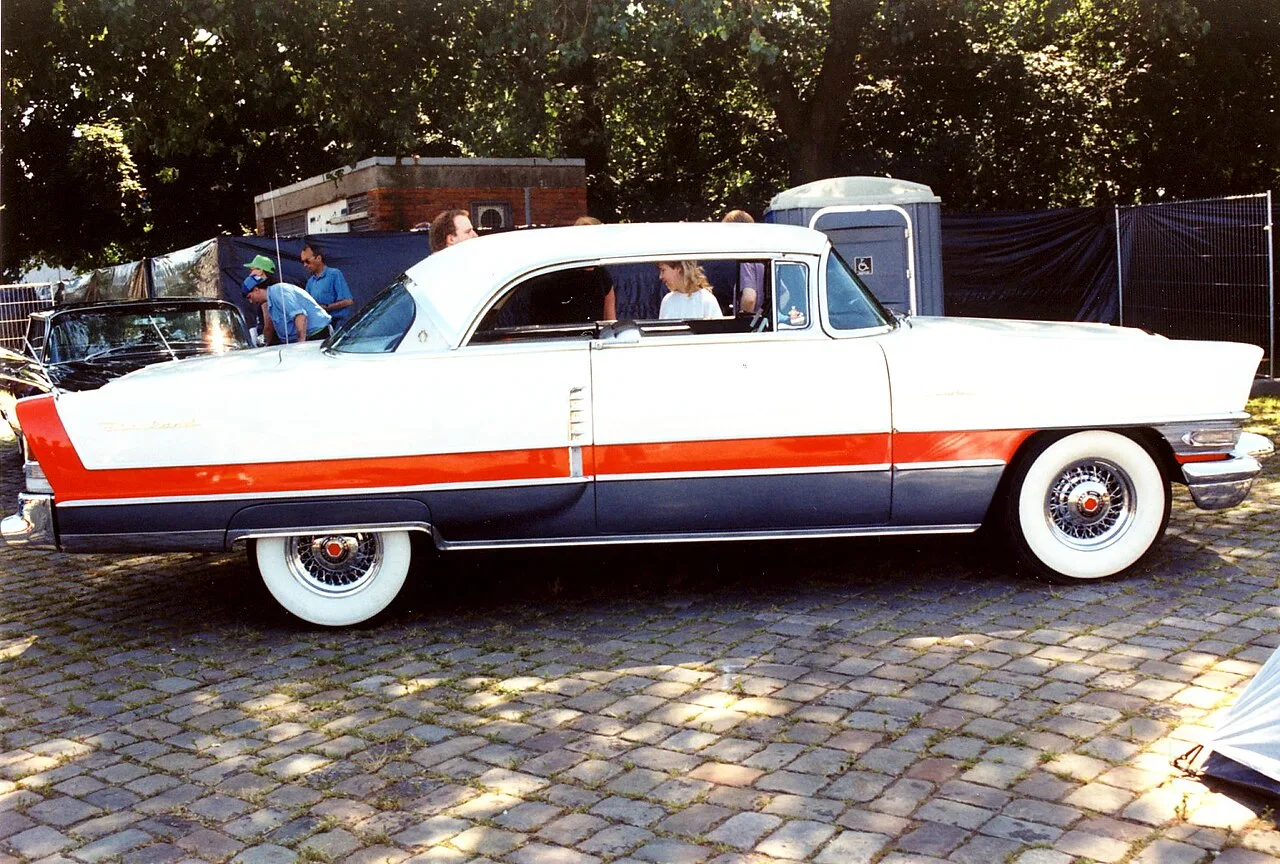
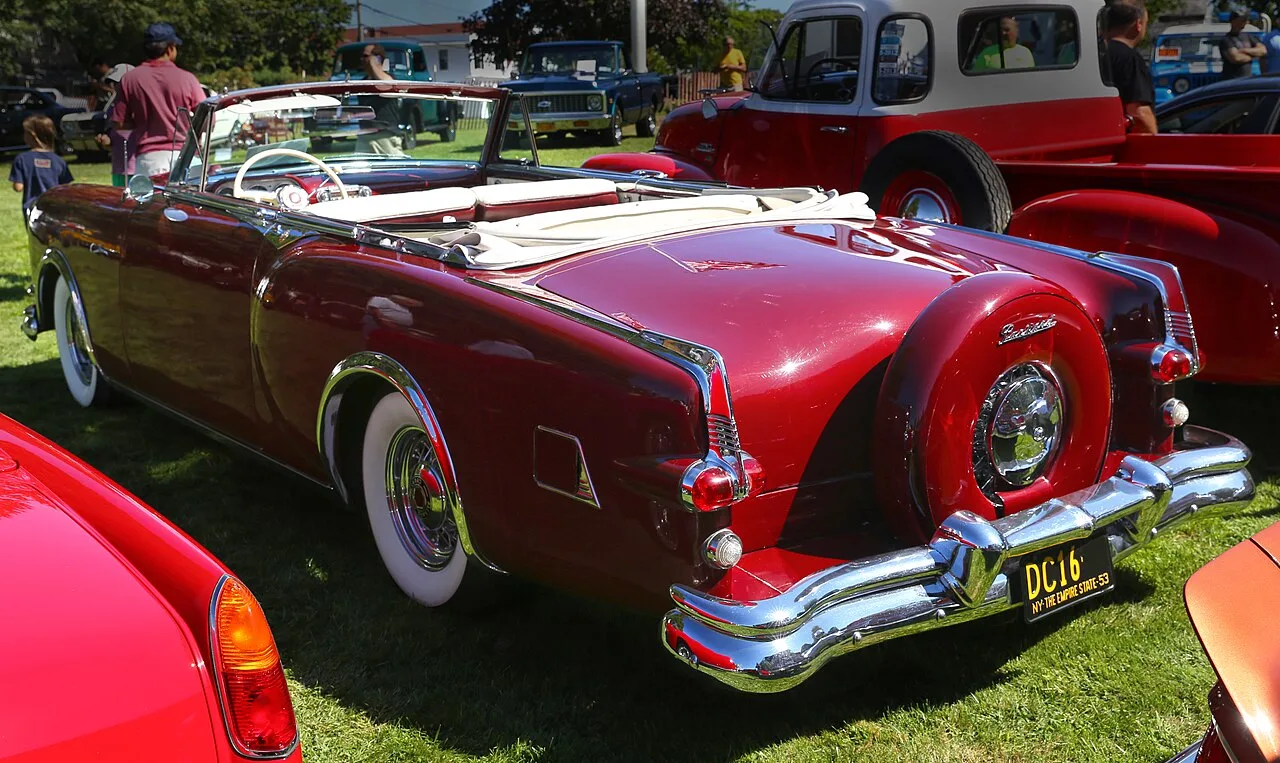
The Packard Caribbean was Packard's halo car, needed to give a modern glow to a marque perceived as stodgy; styling derived from the 1952 Pan American show car, introduced for 1953 as Packard's sportiest car, based on the Cavalier convertible with custom touches and bodies modified by Mitchell-Bentley of Ionia, Michigan. The 1953 had a full cutout rear wheel housing, a continental spare, a broad low hood scoop and a leather interior with heater, power windows, power seat, power steering and Easamatic brakes standard (Ultramatic was a $199 option); 750 were built at US$5,210 against the Cadillac Eldorado and Chrysler Imperial convertible. In 1954 it became a senior Packard related to the Pacific hardtop, with heavier finned headlight housings, the 359 cubic inch (5,880 cc) engine, the last flat-head straight eight introduced in 1924, 400 built (its rarest year) at US$6,100. The infobox gives a 122 in wheelbase and 218.5 in length for 1953–1954, width 77.8 in and height 62.3 in.
Collectors Spotted in the Packard Caribbean Lineage
No member has published a public street spot of the Packard Caribbean yet — the First · Worldwide stamp is wide open.
Trims & Figures
2 published trims in the catalogue. A blank is a figure not recorded, not zero.
| Trim | Years | Engine | Power | Torque | 0–60 | Drive | Gearbox | MSRP |
|---|---|---|---|---|---|---|---|---|
| Caribbean 327 cu in 4-bbl L-head straight-eight (185 bhp, 1953) | 1953–1953 | 5.4 L Inline-8 | 185 hp | — | — | — | — | — |
| Caribbean 359 cu in 4-bbl L-head straight-eight (212 bhp, 1954) | 1954–1954 | 5.9 L Inline-8 | 212 hp | 330 lb-ft | — | — | — | — |
Owning one
We don’t estimate running costs for a car like this. What it costs depends on its condition, its specialist and how it is driven, and an average would mislead.
Owners’ builds
Nobody has claimed one yet.
Photographs
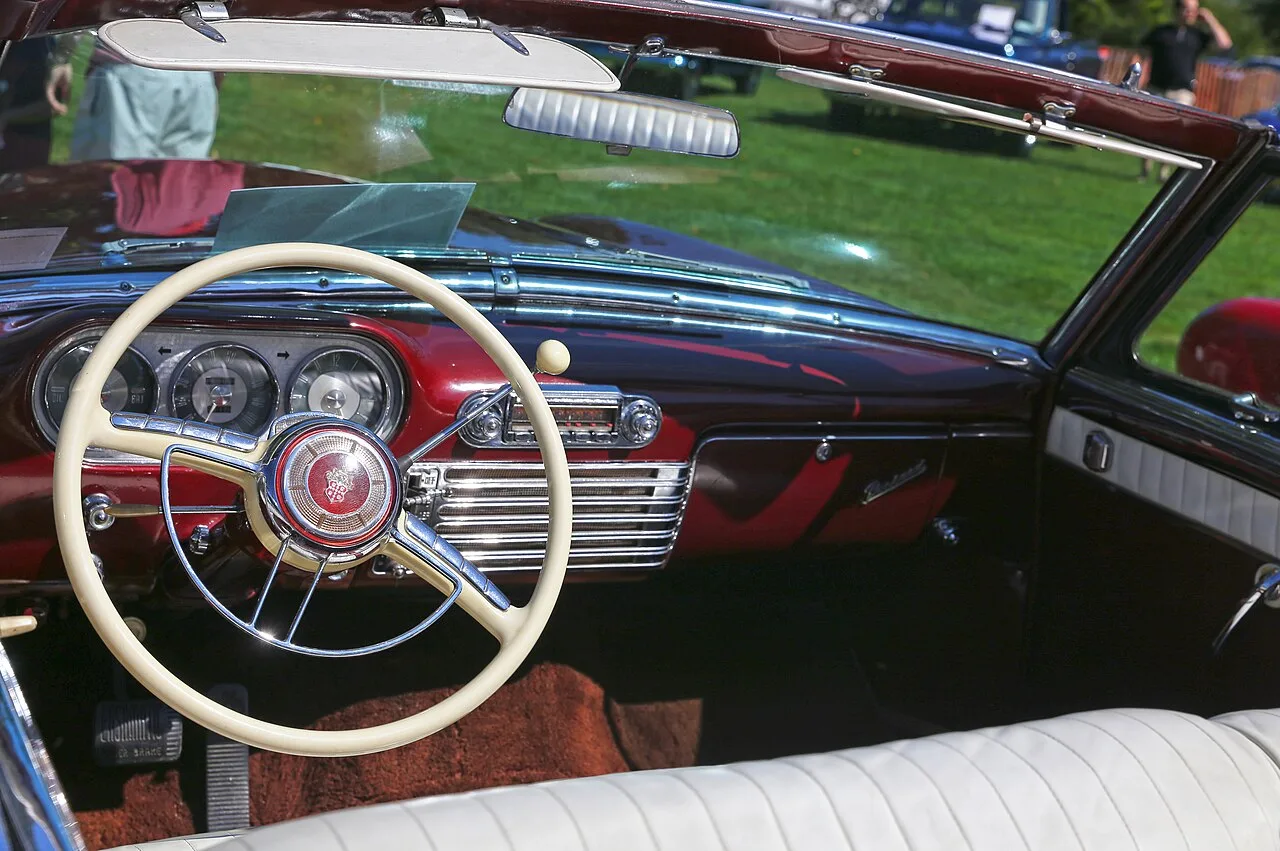
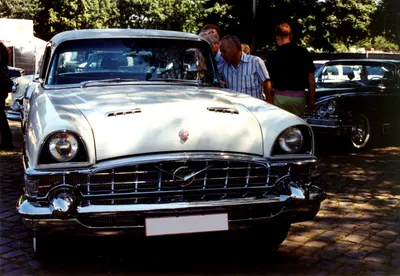
The 1956 Caribbean's seats were reversible — cloth on one side, leather on the other, with removable covers — so owners could flip them with the season or just clean them easier.
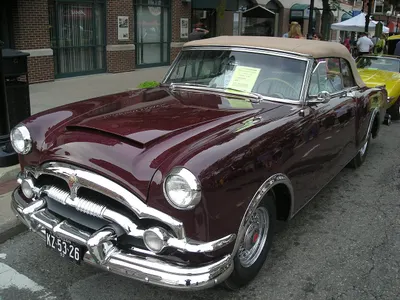
Packard's flagship 1953 Caribbean came in just four advertised colors — anyone wanting Ivory or Black had to special-order it.
Rivals
Same body, same money, other badges — tap any card to flip.
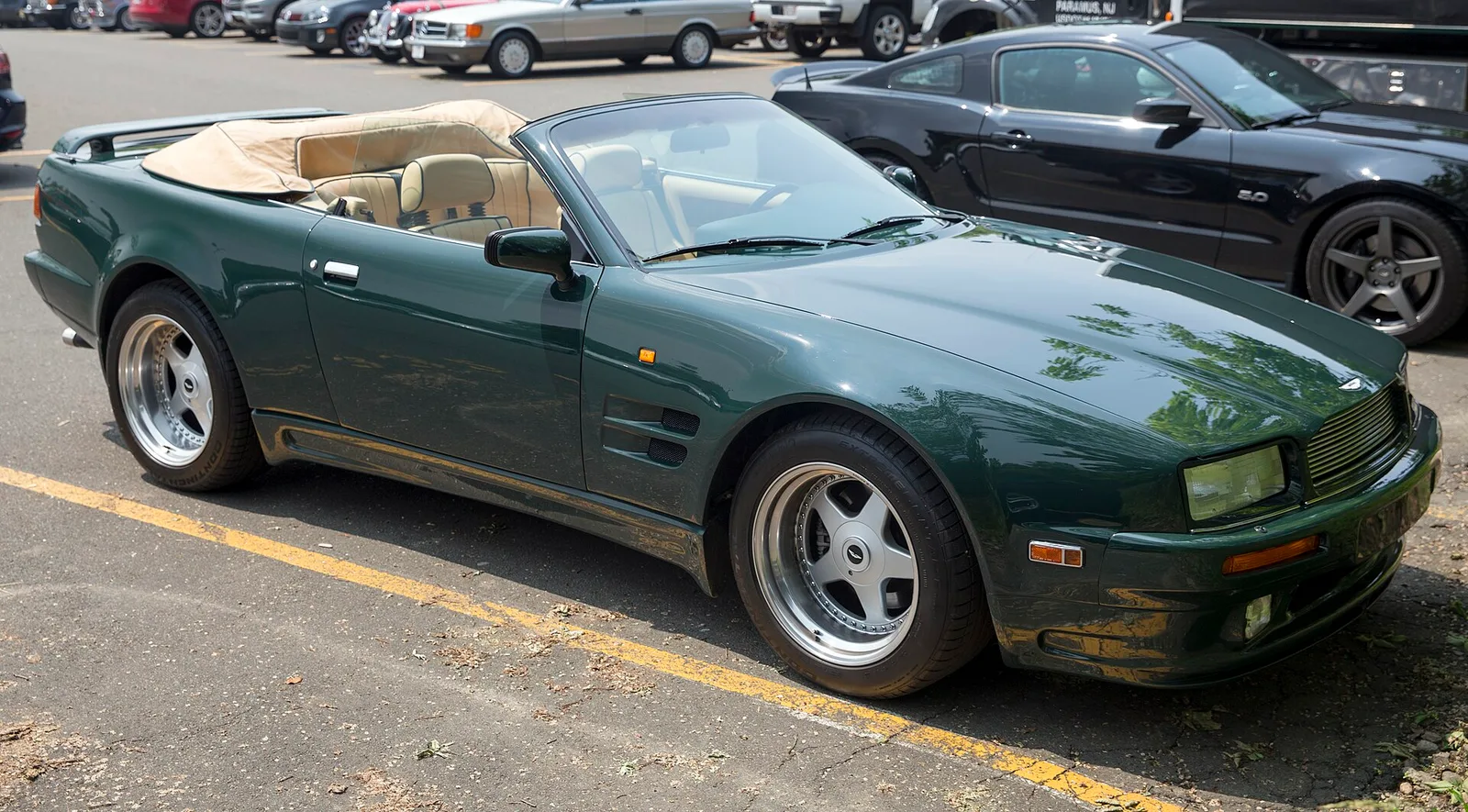
This was the year the Virage's automatic finally got a fourth gear — Aston swapped in a four-speed automatic to replace the original three-speed unit for the 1993 model year.
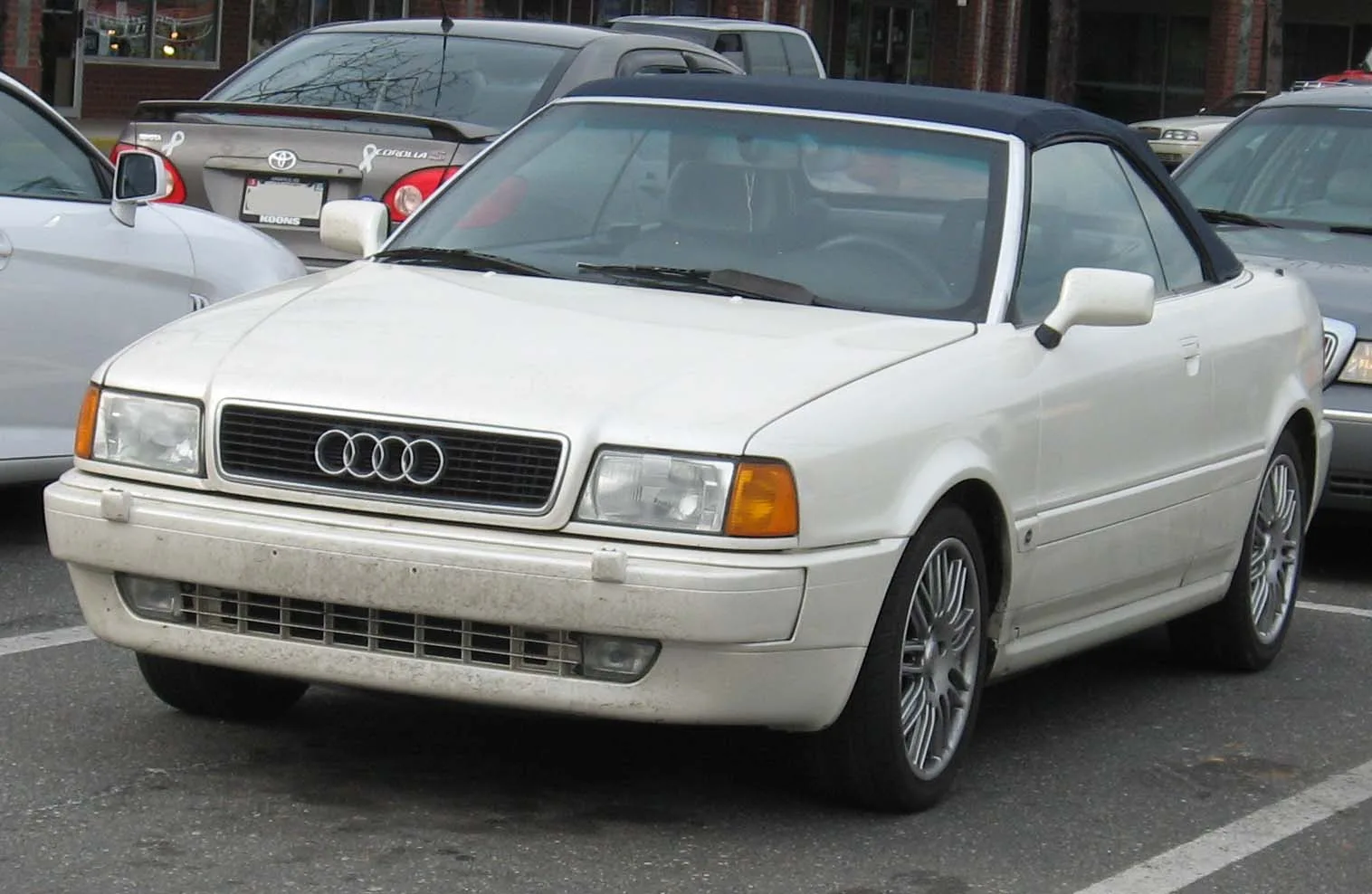
Audi's first drop-top since 1959 barely made a dent stateside: the V6 Cabriolet sold just 5,445 units across its entire five-year run in the US market.
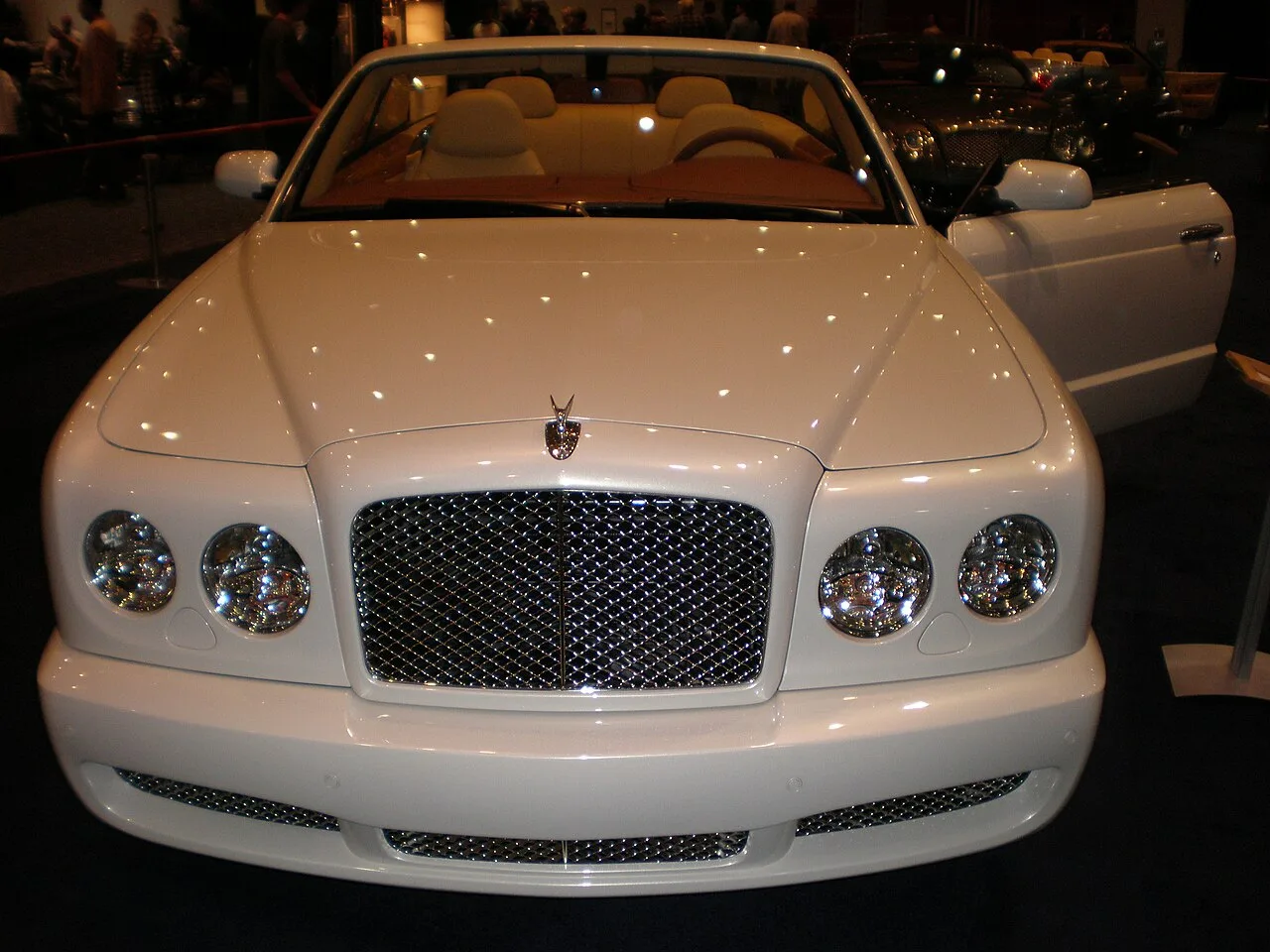
This Azure's V8 exists because of a corporate grudge: when VW won the fight for Bentley, BMW threatened to cut off engine supply — forcing VW to rebuild the 6.75-litre V8 itself, twin-turbos and all.
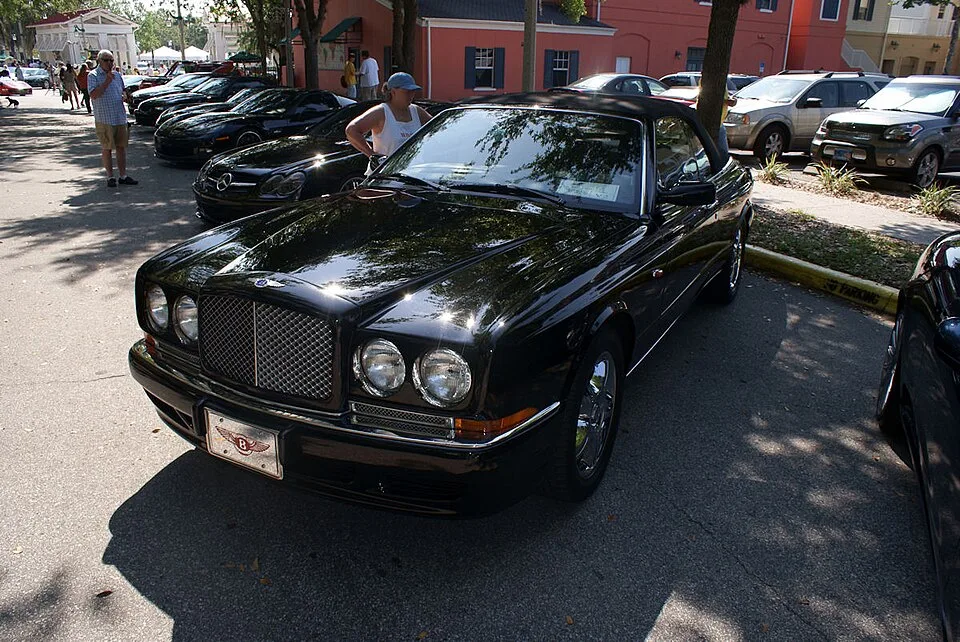
Bentley never even considered a roll-bar for the Azure's convertible top — they just reinforced the chassis instead and let the design stay pure.
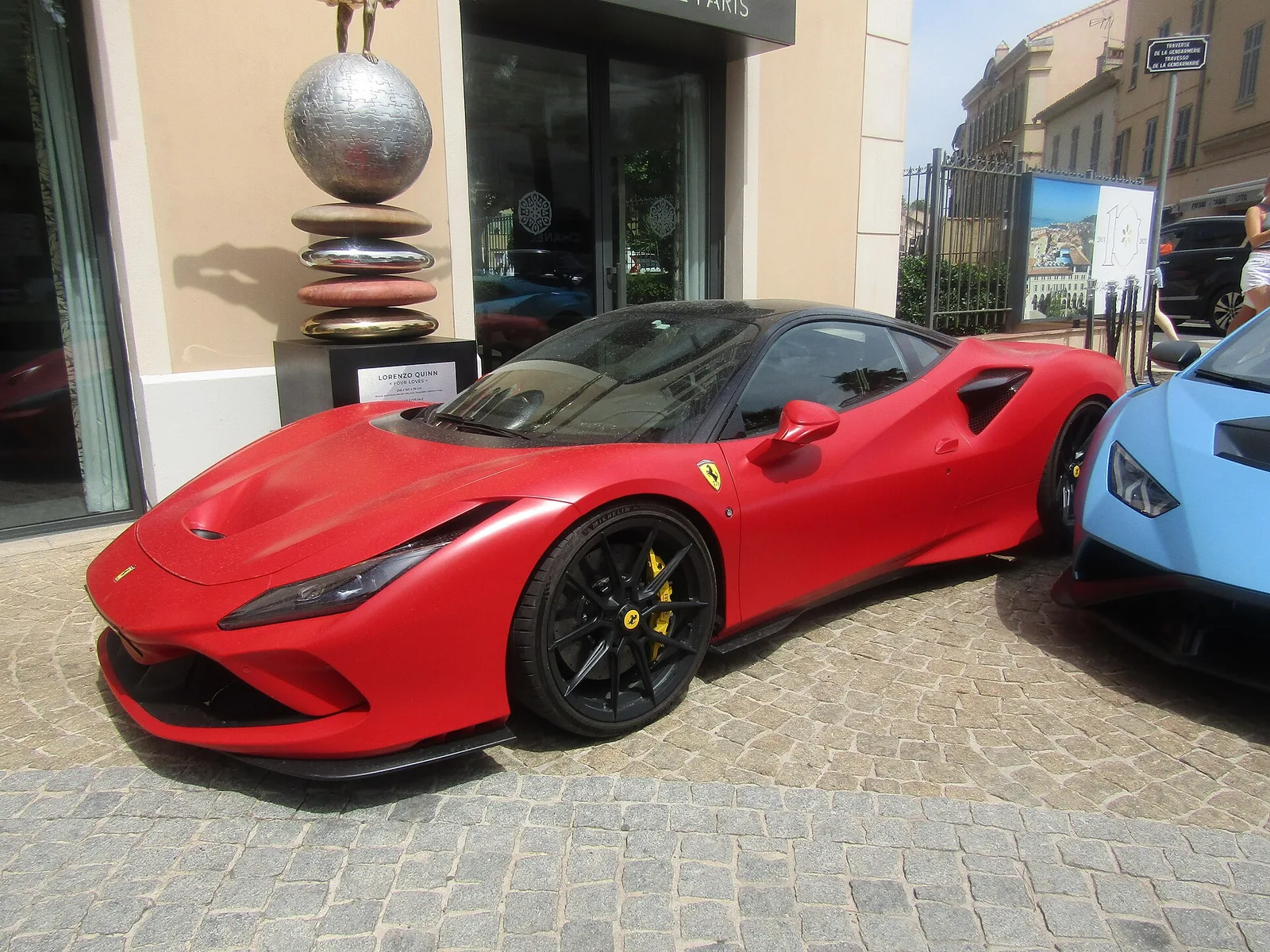
The F8 Spider's folding hardtop raises or lowers in just 14 seconds, and you can do it on the move, at up to 28 mph.
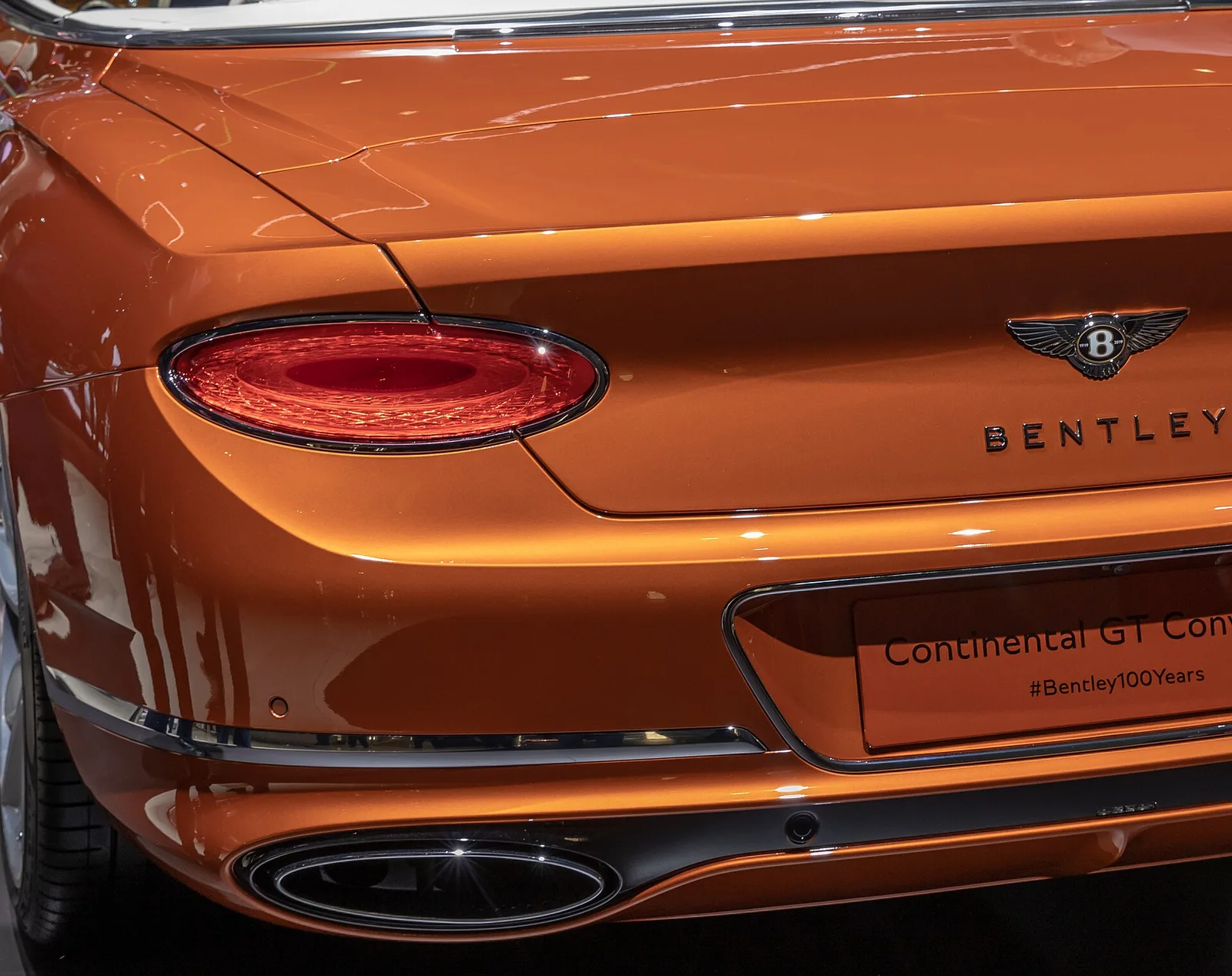
Bentley hid a charging nook for iPads between the rear seats of the Continental GT Convertible — a 2015 update that quietly conceded the future was tablets, not just wood veneer.
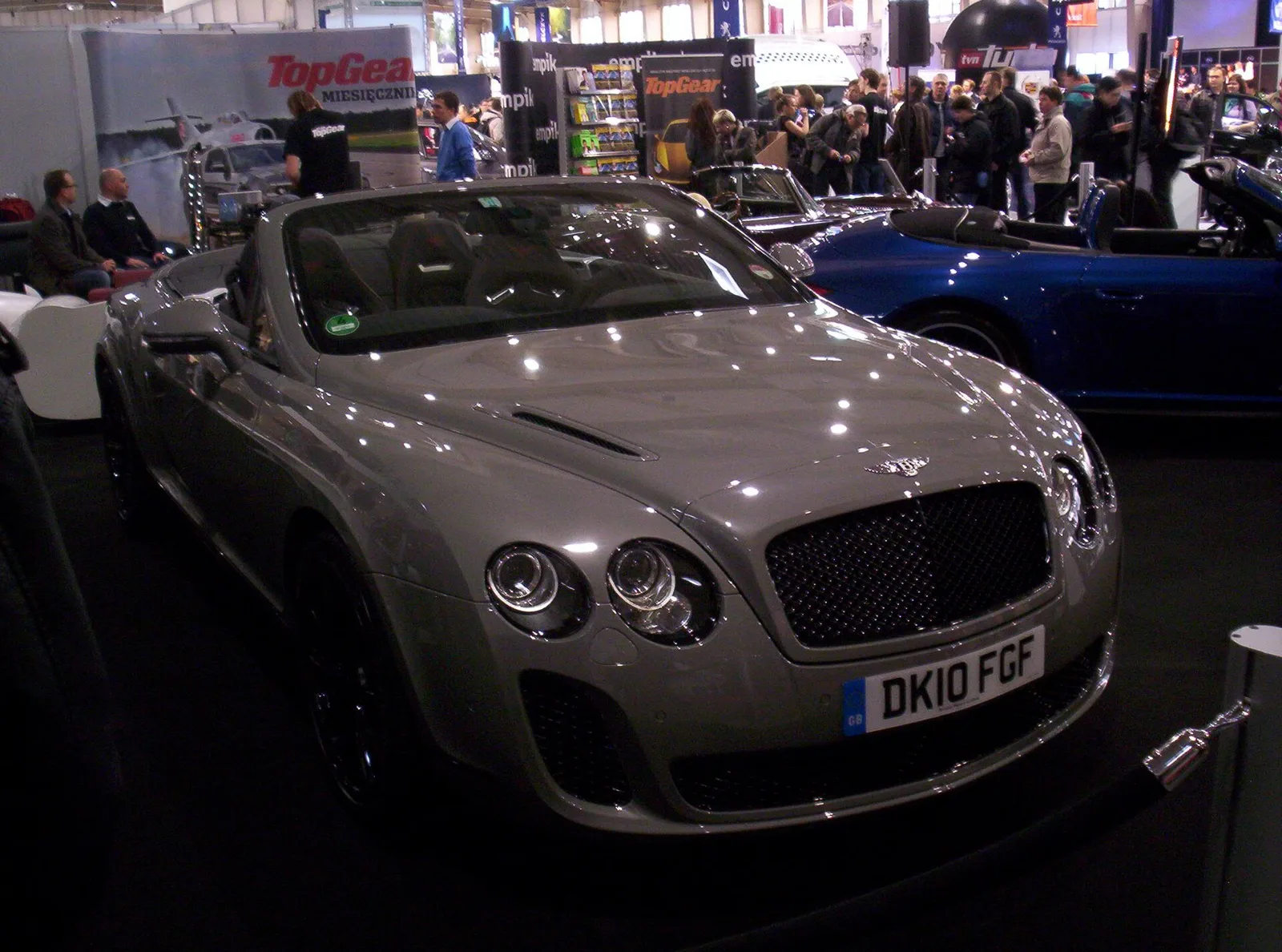
Bentley built just 710 of these second-generation Supersports worldwide, coupe and convertible combined — one of the rarest W12 Bentleys ever made.
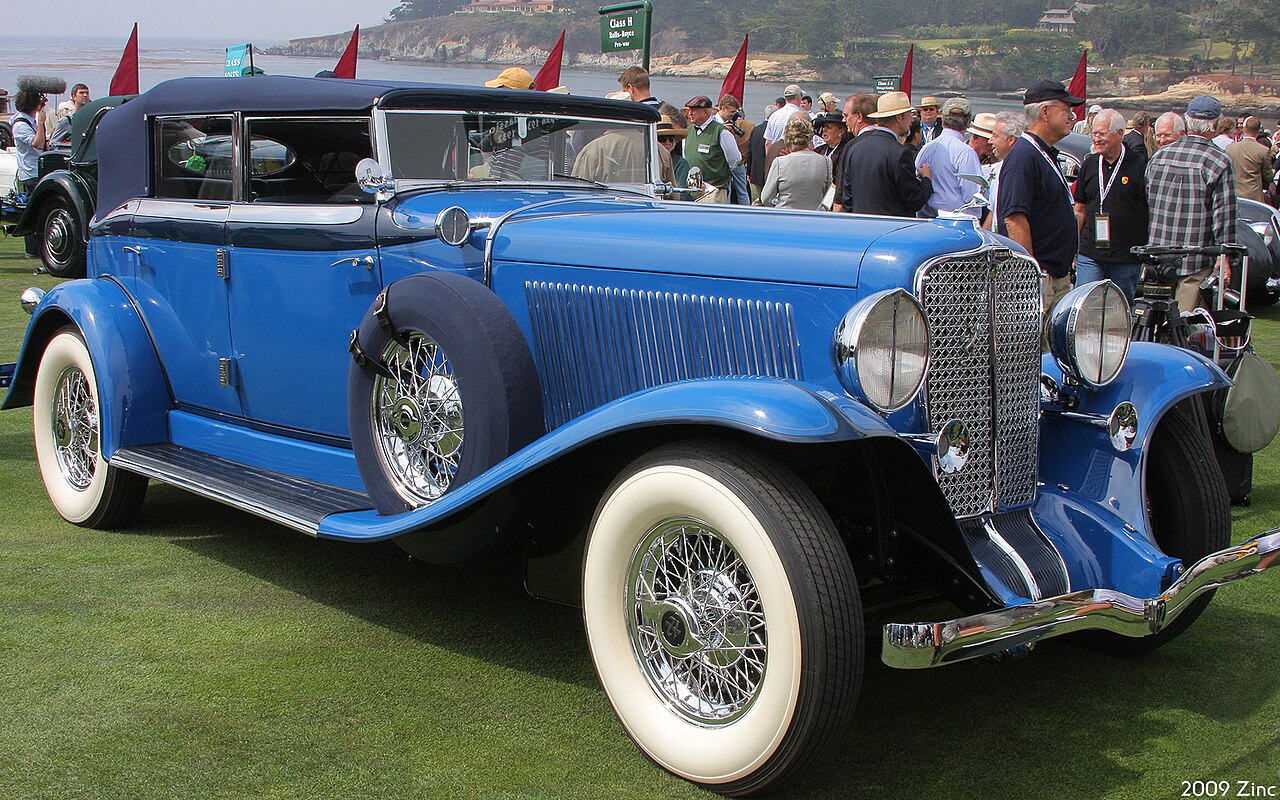
The Auburn Twelve's V12 outlived the car by decades — its engine design became the basis for American LaFrance fire truck powerplants that stayed in service into the 1950s.