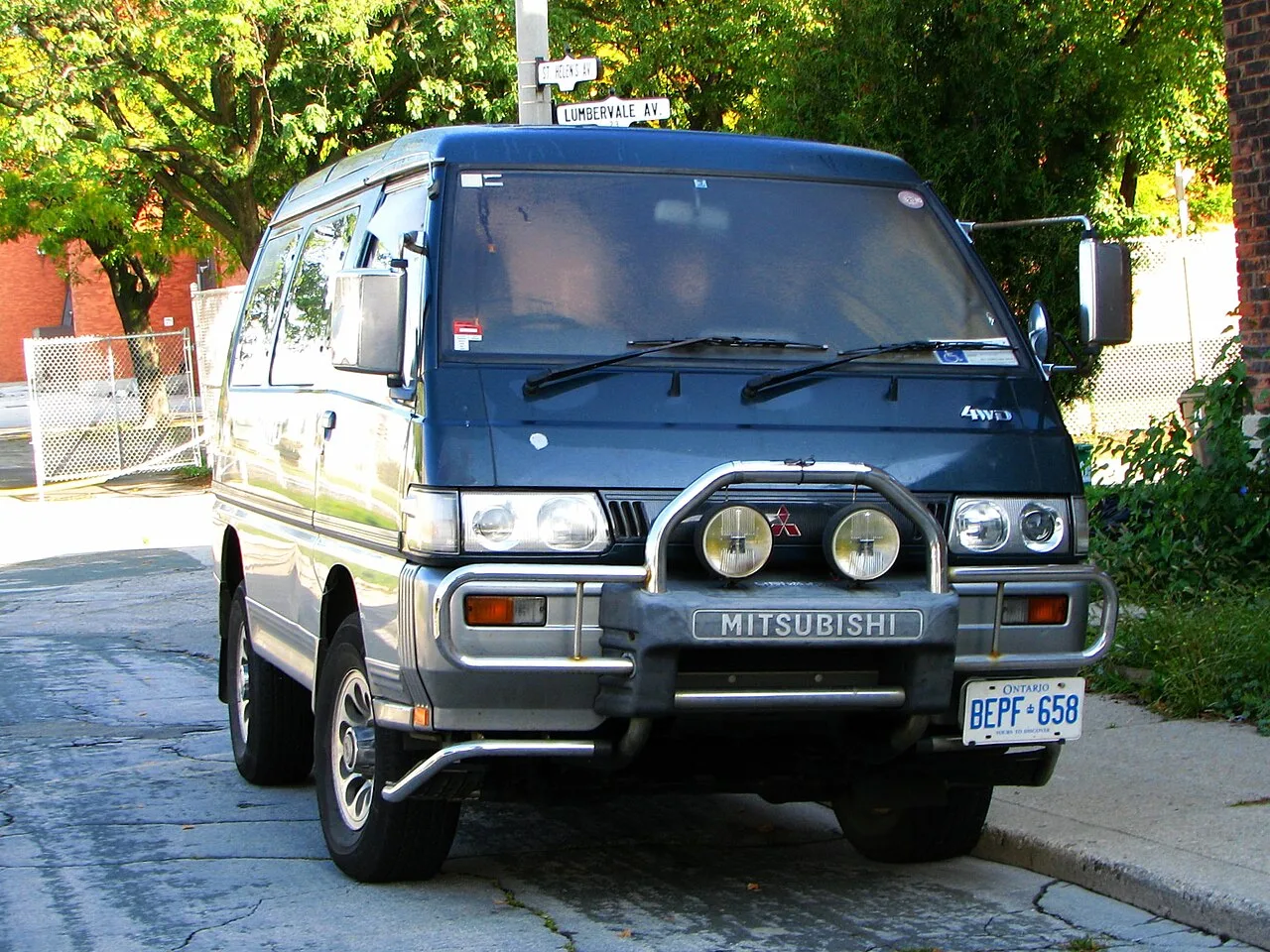
VerifiedFIRST PRINTNIGHTMitsubishi gave the Delica Star Wagon full-time four-wheel drive and a locking centre differential borrowed from Mitsubishi's Pajero SUV parts bin.

Mitsubishi built the Delica's 4WD version on a modified Pajero chassis, a first for any Japanese van.
Median 66 hp across 46 similar cars
Lead trim: 4G33 1.4 L Saturn (80 PS) · up to 99 hp
Nobody in Burbles has spotted a Mitsubishi Delica L300 second generation yet. See one on the street, point the app at it, and the first card is yours — with your @handle permanently credited on this page.
FactMitsubishi built the Delica's 4WD version on a modified Pajero chassis, a first for any Japanese van.
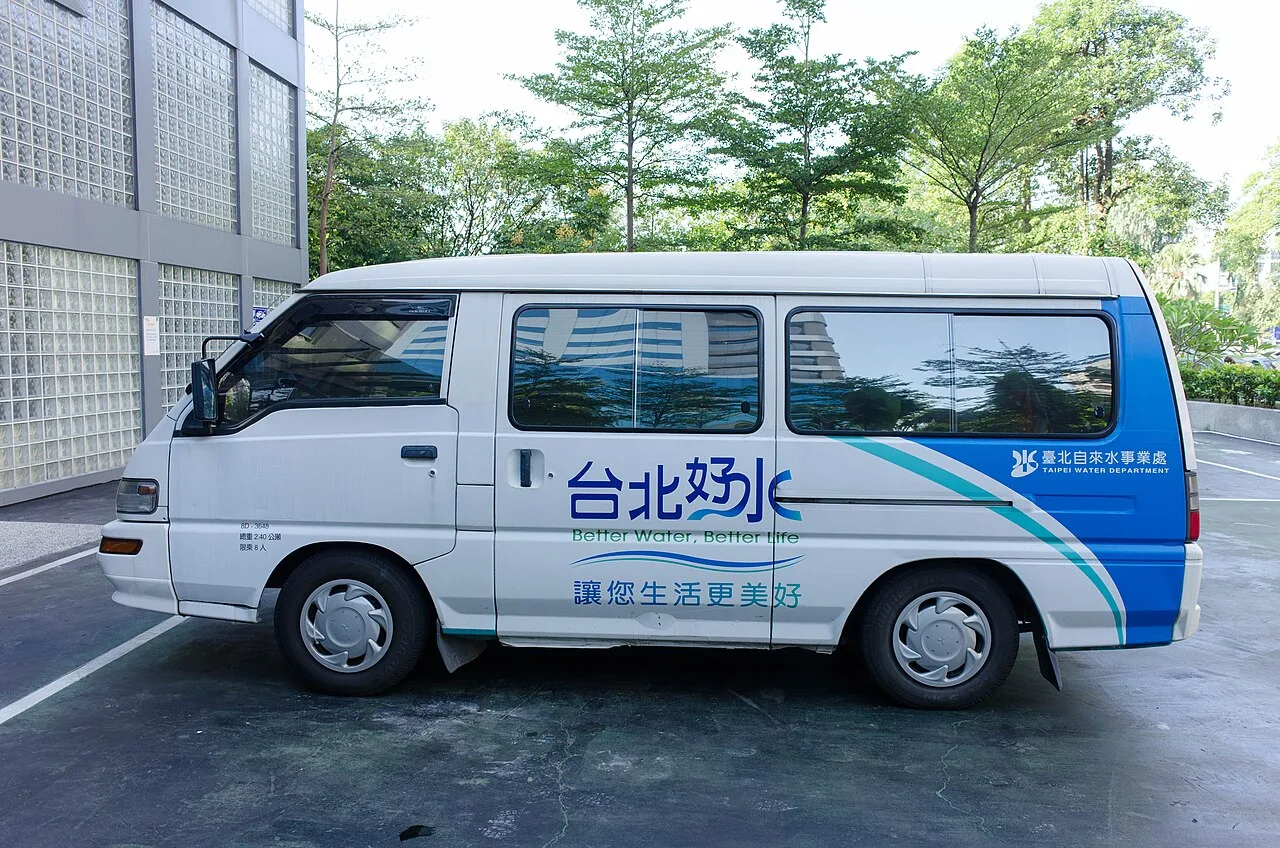
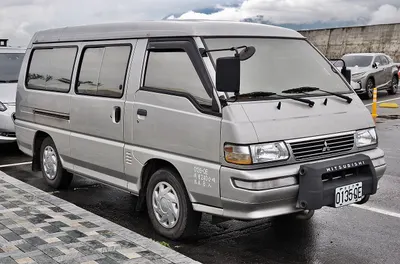
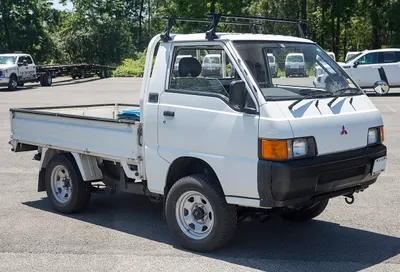
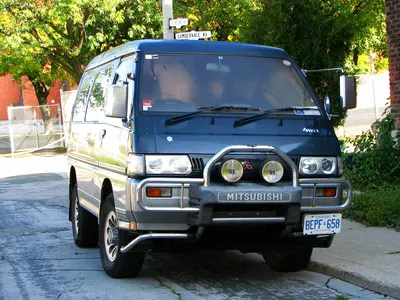
Replaced the original in June 1979 with an all-new design that reached the 1,690 mm maximum width for Japanese "compact" vehicles, with independent front wishbones, a rear leaf spring, sliding side doors and a one-piece gas-strut tailgate; ten variants from pickup to eight-seat passenger vans. A four-wheel-drive version arrived in October 1982 (a first in the Japanese van market) on a modified Pajero chassis. Engines were all four-cylinder Mitsubishi units: the 1,439 cc 80 PS Saturn 4G33 and 1.6 L 4G32, a 100 PS 1.8 L Sirius 4G62 from May 1980, a 2.0 L 4G63B optional on 4WD from November 1983, and the 2.3 L 4D55 diesel from October 1982, replaced by the 2.5 L 4D56 in 1986. Sold as the L300 (Chrysler/Mitsubishi L300 Express in Australia from April 1980) and licensed as the Hyundai Porter; the separate-cab truck kept being built until 1994, the van until 1986 and, in Indonesia and the Philippines, far longer. The third-generation Star Wagon that followed is in the catalogue as the P35W.
Real Mitsubishi Delica cards spotted on the street by Burbles collectors. Tap any card to flip it over, inspect the collector’s binder, or follow them.
VerifiedFIRST PRINTNIGHTMitsubishi gave the Delica Star Wagon full-time four-wheel drive and a locking centre differential borrowed from Mitsubishi's Pajero SUV parts bin.
3 published trims in the catalogue. A blank is a figure not recorded, not zero.
| Trim | Years | Engine | Power | Torque | 0–60 | Drive | Gearbox | MSRP |
|---|---|---|---|---|---|---|---|---|
| 4D55 2.3 L Astron diesel (from October 1982) | 1982–1986 | 2.3 L Inline-4 | 65 hp | 101 lb-ft | — | — | — | — |
| 4G33 1.4 L Saturn (80 PS) | 1979–1986 | 1.4 L Inline-4 | 79 hp | — | — | — | — | — |
| 4G62 1.8 L Sirius (100 PS, from May 1980) | 1980–1986 | 1.8 L Inline-4 | 99 hp | 108 lb-ft | — | — | — | — |
We don’t estimate running costs for a car like this. What it costs depends on its condition, its specialist and how it is driven, and an average would mislead.
Nobody has claimed one yet.
No notes tagged with the Mitsubishi Delica L300 second generation yet.


The D:5 Delica looks like a tall brick, and the numbers back it up: its drag coefficient of 0.42 is far worse than rivals like the Toyota Alphard's 0.33.

Unlike every Delica before it, this generation dropped the commercial truck body entirely — it was passenger-only, rebranded Space Gear, and never offered as a work van.

Mitsubishi gave the Delica Star Wagon full-time four-wheel drive and a locking centre differential borrowed from Mitsubishi's Pajero SUV parts bin.

Mitsubishi built the Delica's 4WD version on a modified Pajero chassis, a first for any Japanese van.

This Delica sold so well in Indonesia that the word Colt became the generic local term for minibus, and a Greek company copied its design outright as the Record GS2000.
Same body, same money, other badges — tap any card to flip.

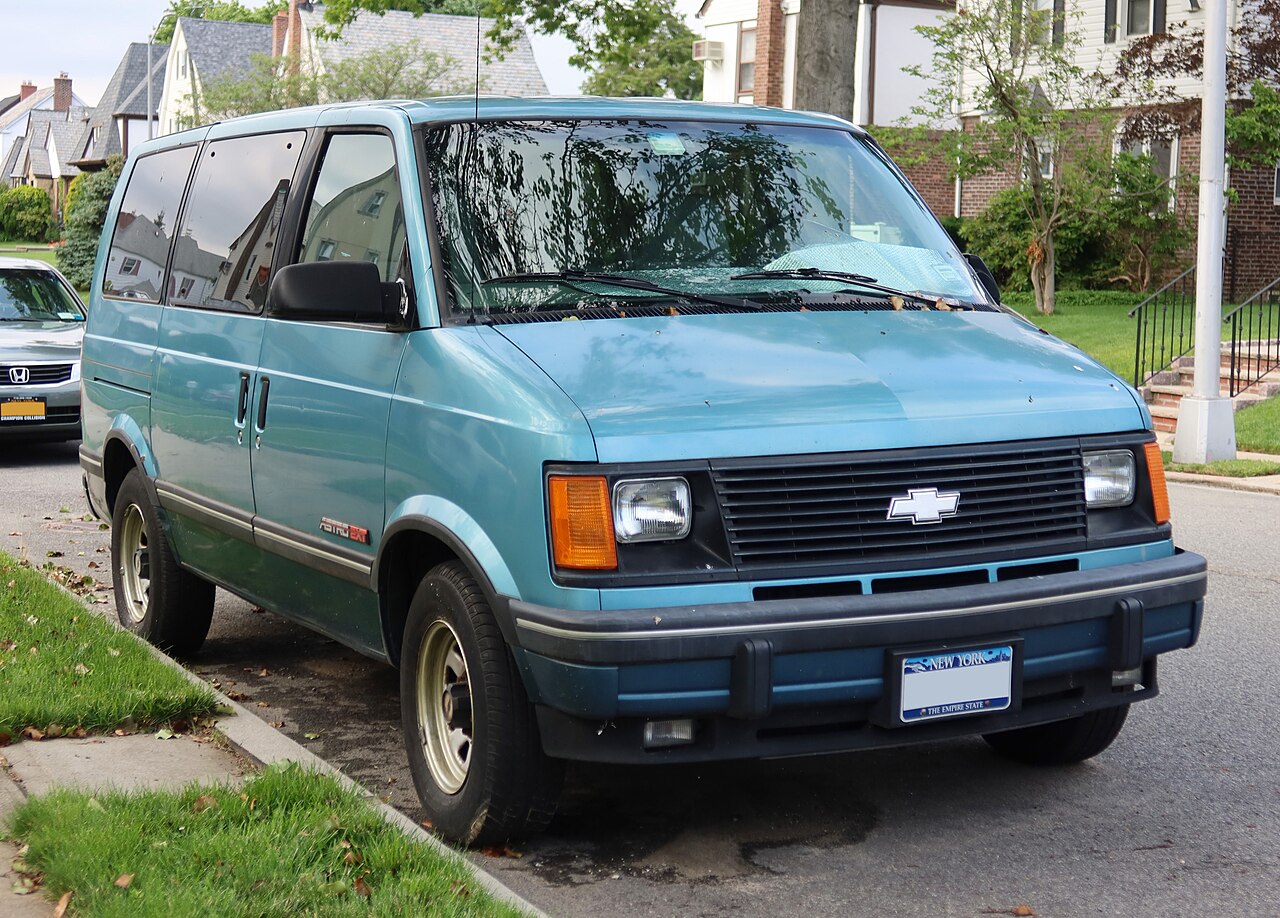
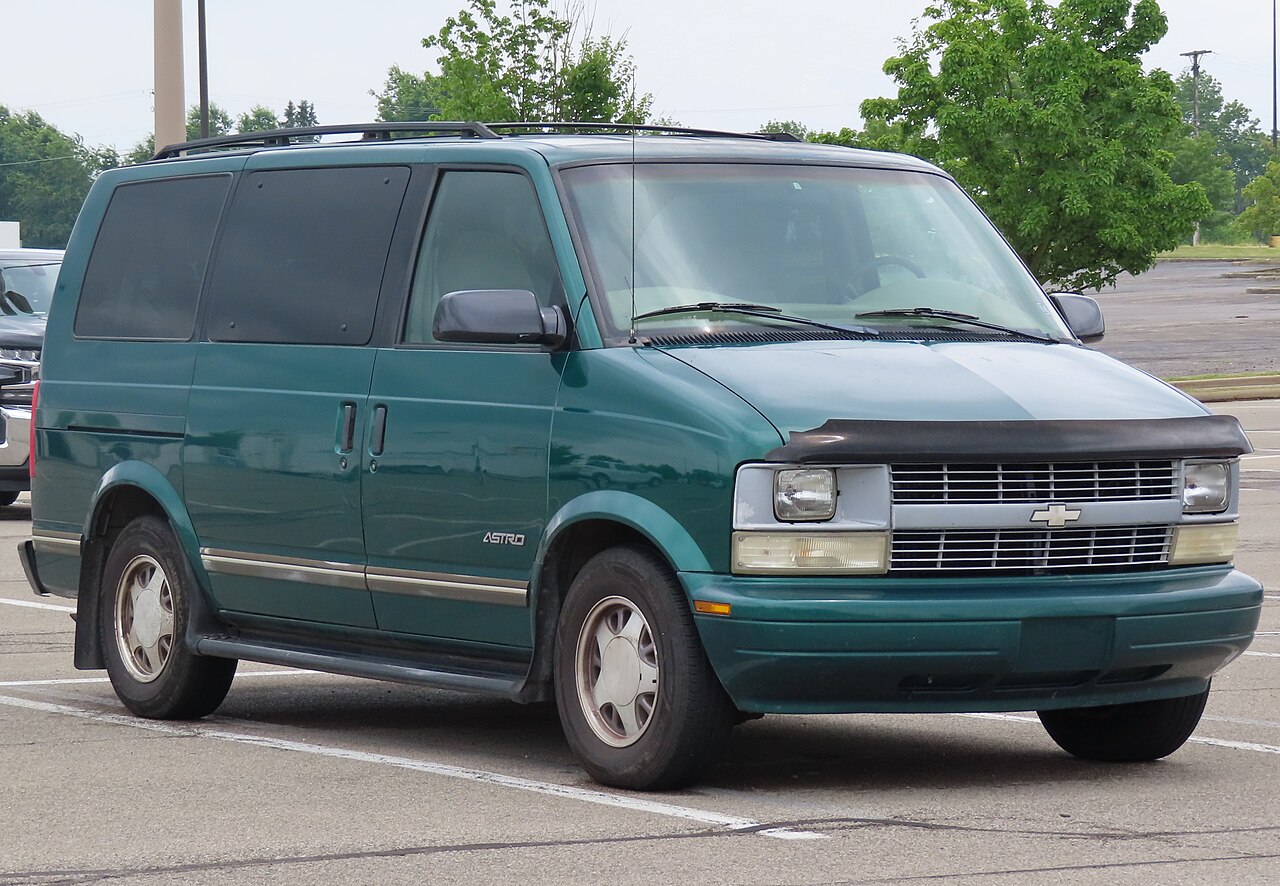
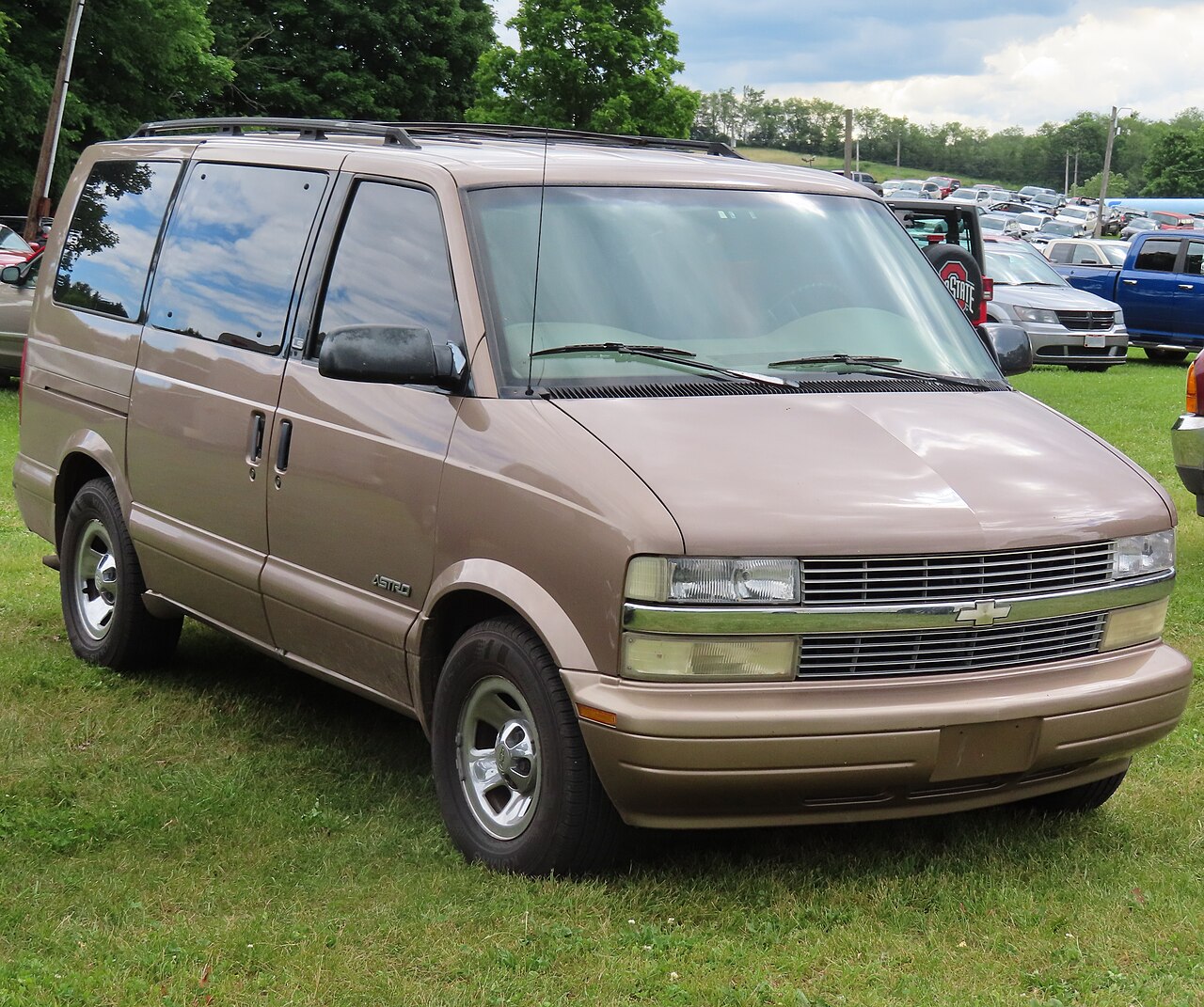
Chevy pitched the Astro as the anti-minivan, telling buyers life was too big for one, while it rode on a rear-wheel-drive truck frame.

The IIHS rated the Astro Poor in a 1996 crash test, yet 2001–2004 Astros later had the lowest driver death rate of any US passenger vehicle.

The boxy, unglamorous Astro quietly posted one of the best real-world safety records in America: IIHS found 2001-2004 models had the fewest driver deaths per million vehicles of any passenger vehicle on US roads.

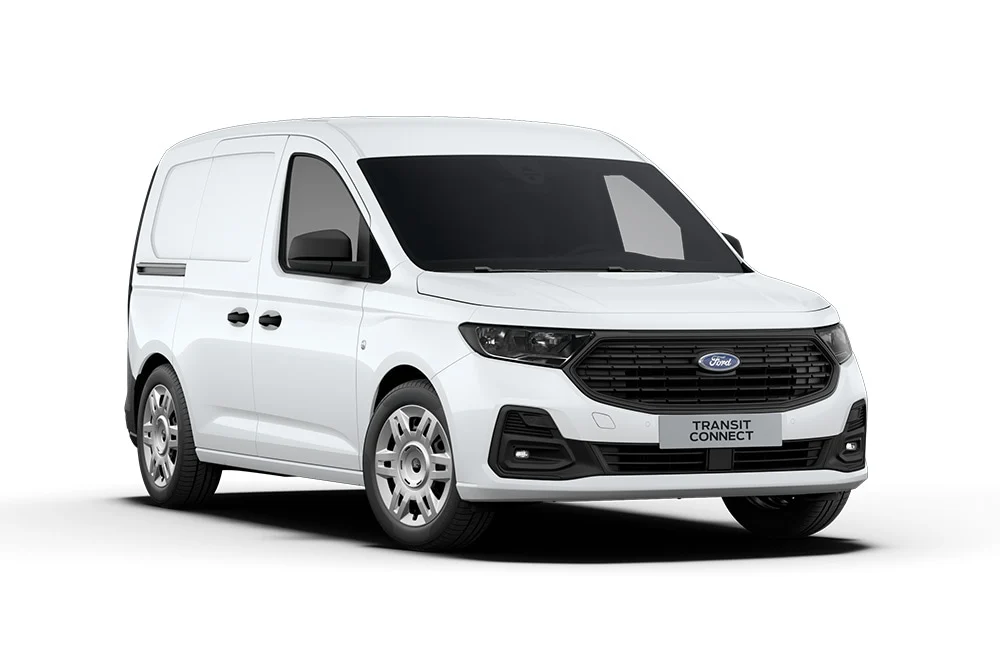
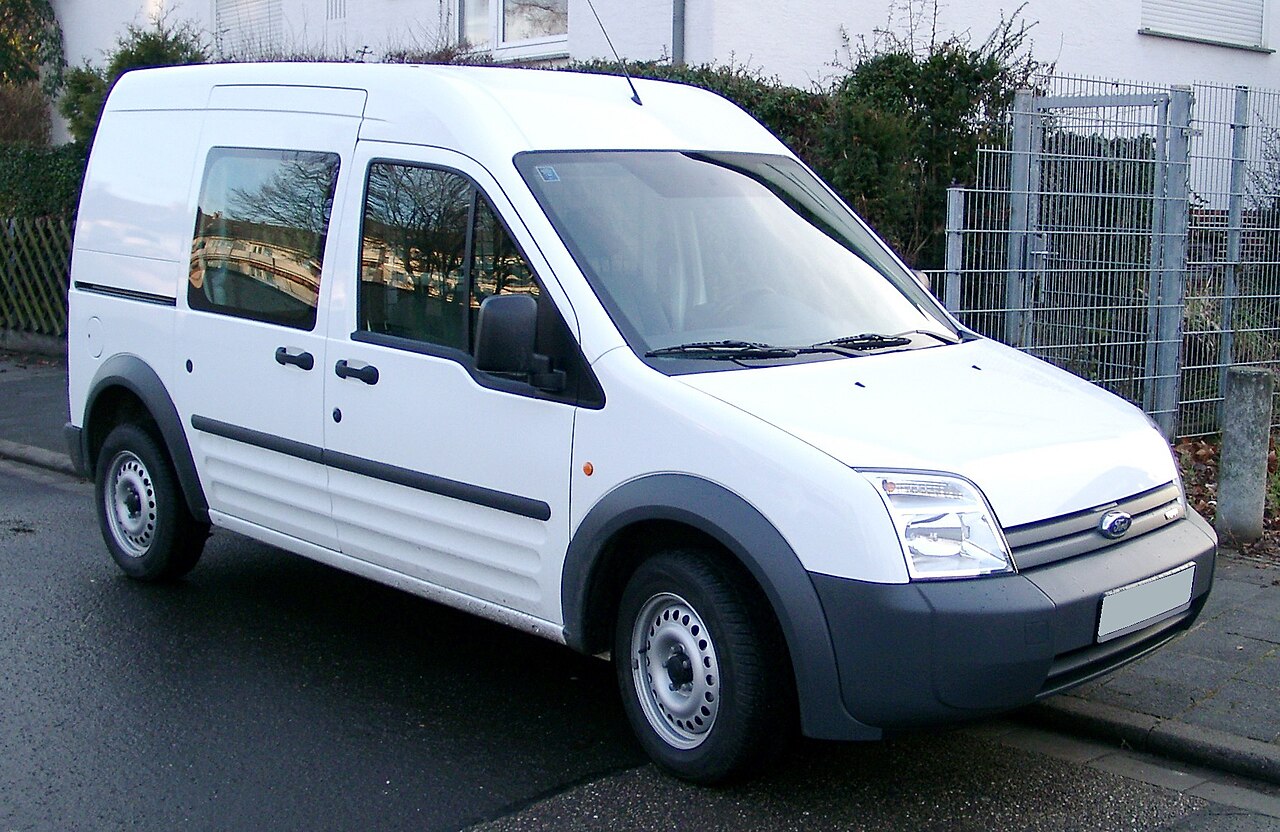
The third-generation Tourneo Connect, released in Europe in October 2021, is a rebadged fourth-generation Volkswagen Caddy, assembled by Volkswagen in Poland.

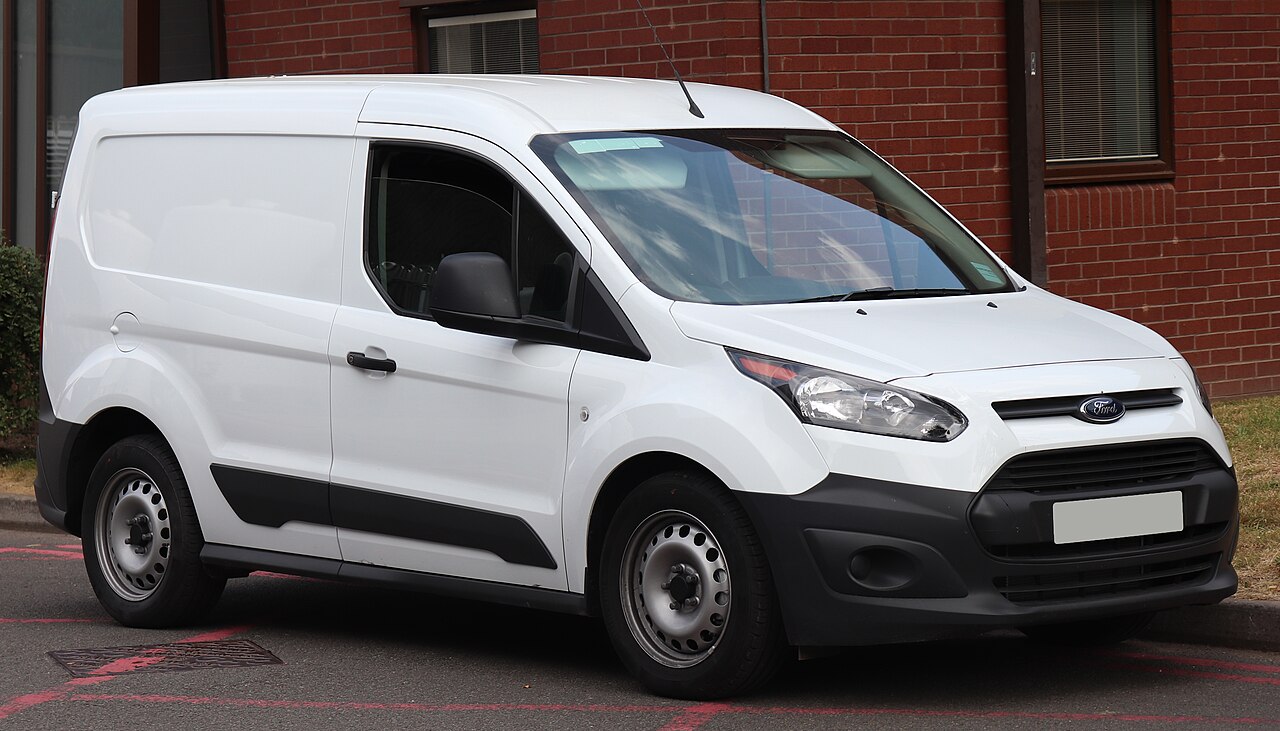
Ford beat the 25% "chicken tax" by importing the Transit Connect as a passenger van — rear windows and seats included, then stripped out and recycled once it landed in the US.

Ford spent years in federal court over the second-gen Transit Connect: in June 2019 the US won its appeal, and judges ruled the van was cargo-only — ending Ford's workaround for the 'chicken tax.'

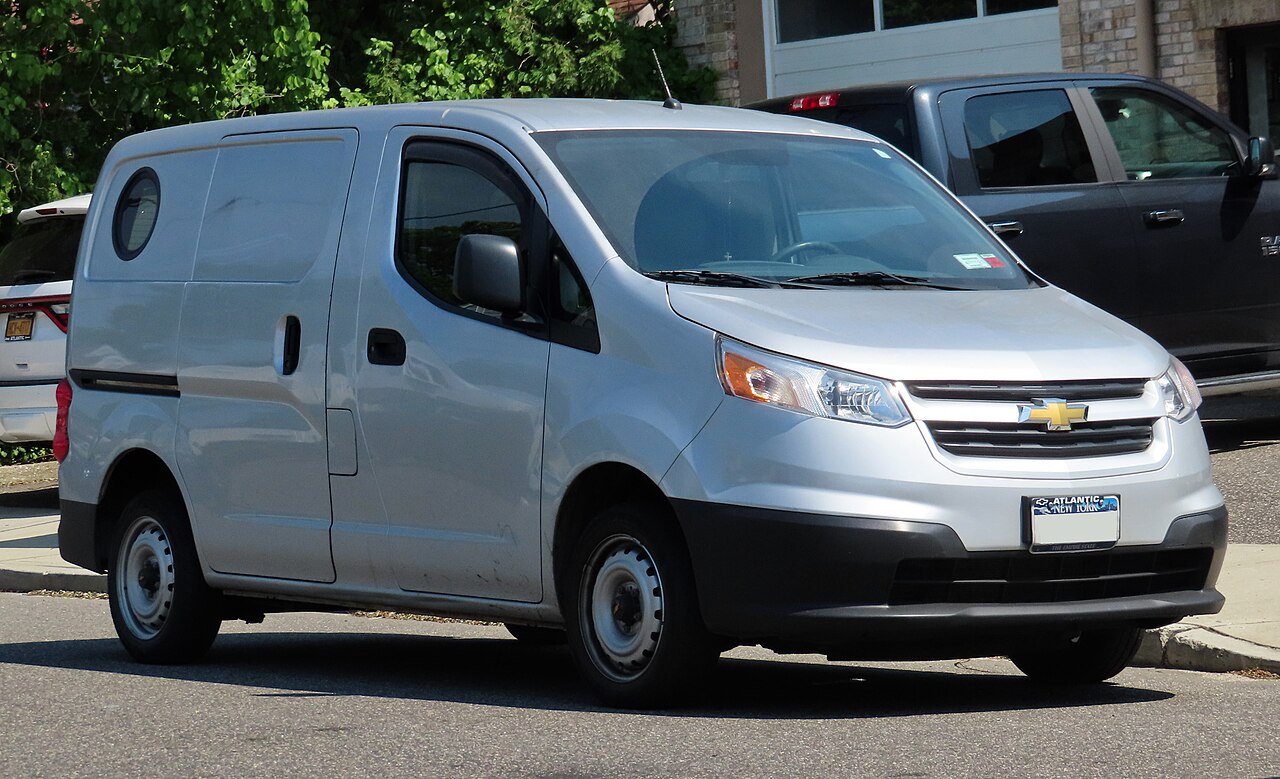
GM sold a rebadged Nissan NV200 as the Chevy City Express for four years, then killed it in 2018, citing weak sales and the fact that its parts weren't even compatible with GM's own parts catalog.

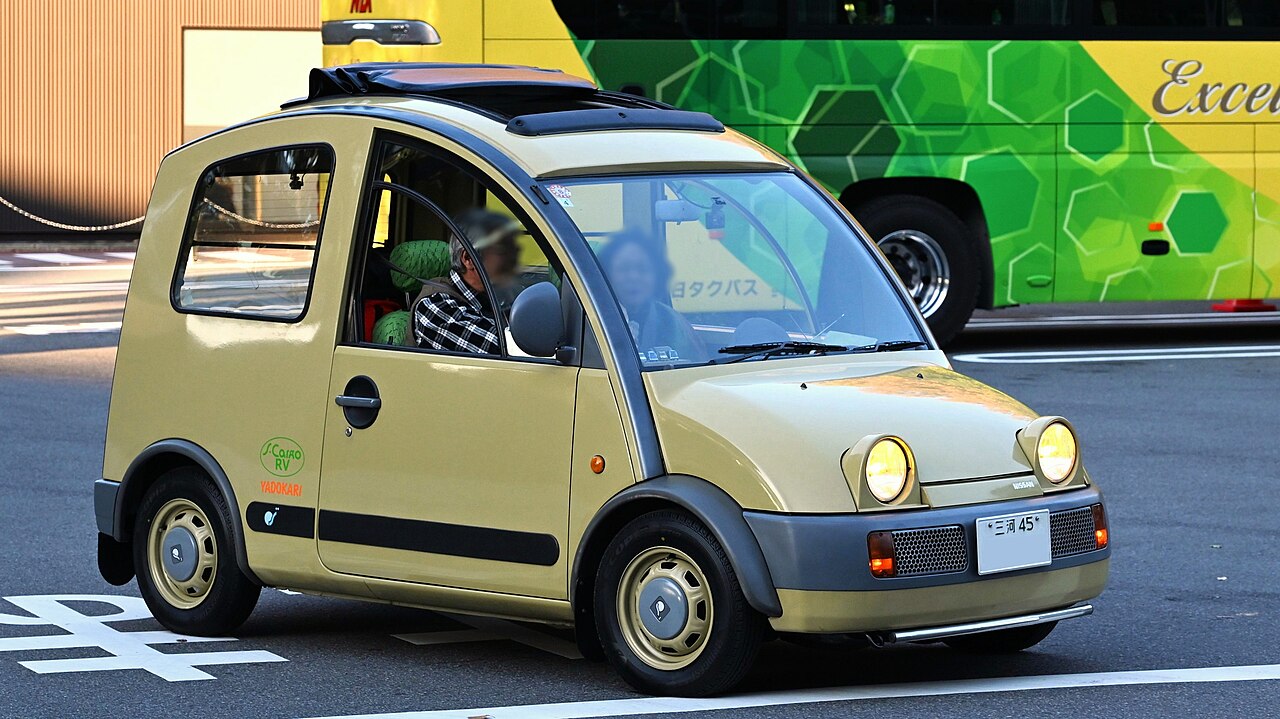
Its name is a pun: "S-Cargo" means "Small Cargo" but sounds just like escargot — French for snail, the shape the whole van was built to resemble.