A modified, single-seat racer built from this platform — Project EXF, chasing MG's own historic land-speed records — hit 217mph at Bonneville in 1997.
Lead trim: 1.6 (16K4F) · up to 157 hp
MG F / TF1995–2002
- 0spots by members
- Unclaimednobody has spotted one yet
- 0sets it belongs to
Nobody in Burbles has spotted a MG F / TF yet. See one on the street, point the app at it, and the first card is yours — with your @handle permanently credited on this page.
FactA modified, single-seat racer built from this platform — Project EXF, chasing MG's own historic land-speed records — hit 217mph at Bonneville in 1997.
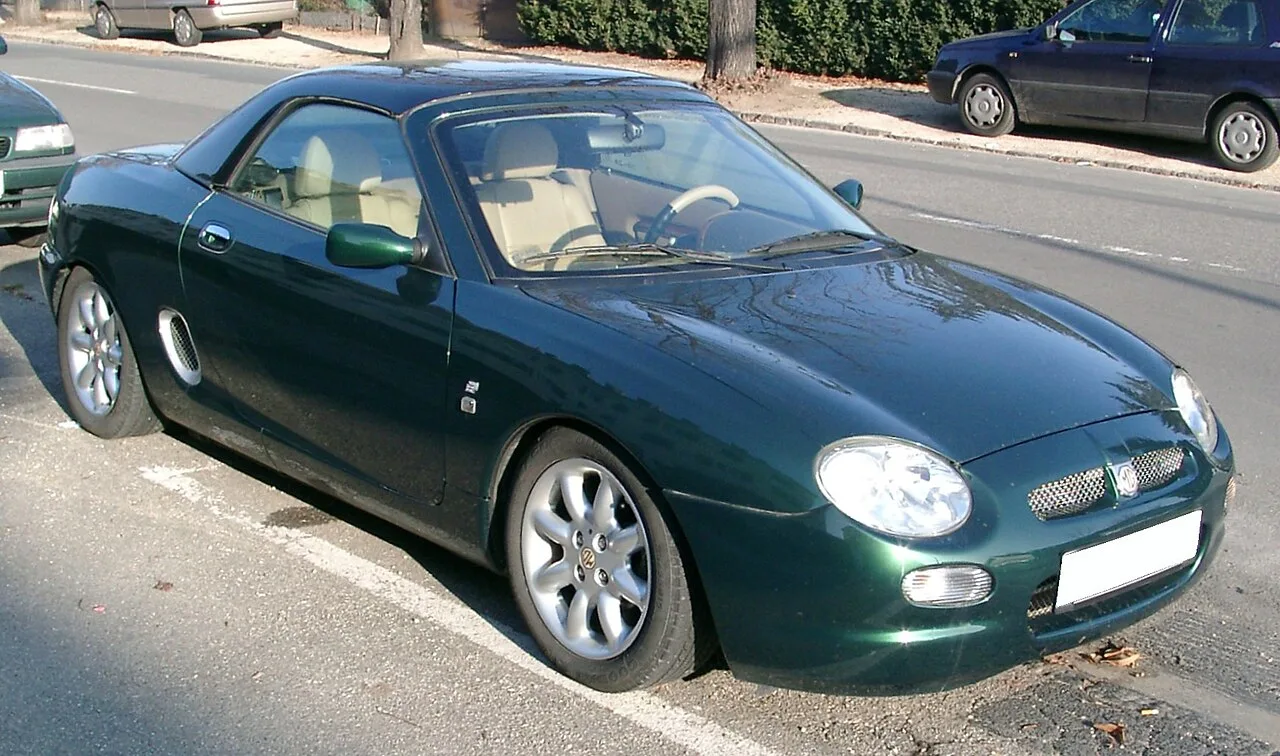
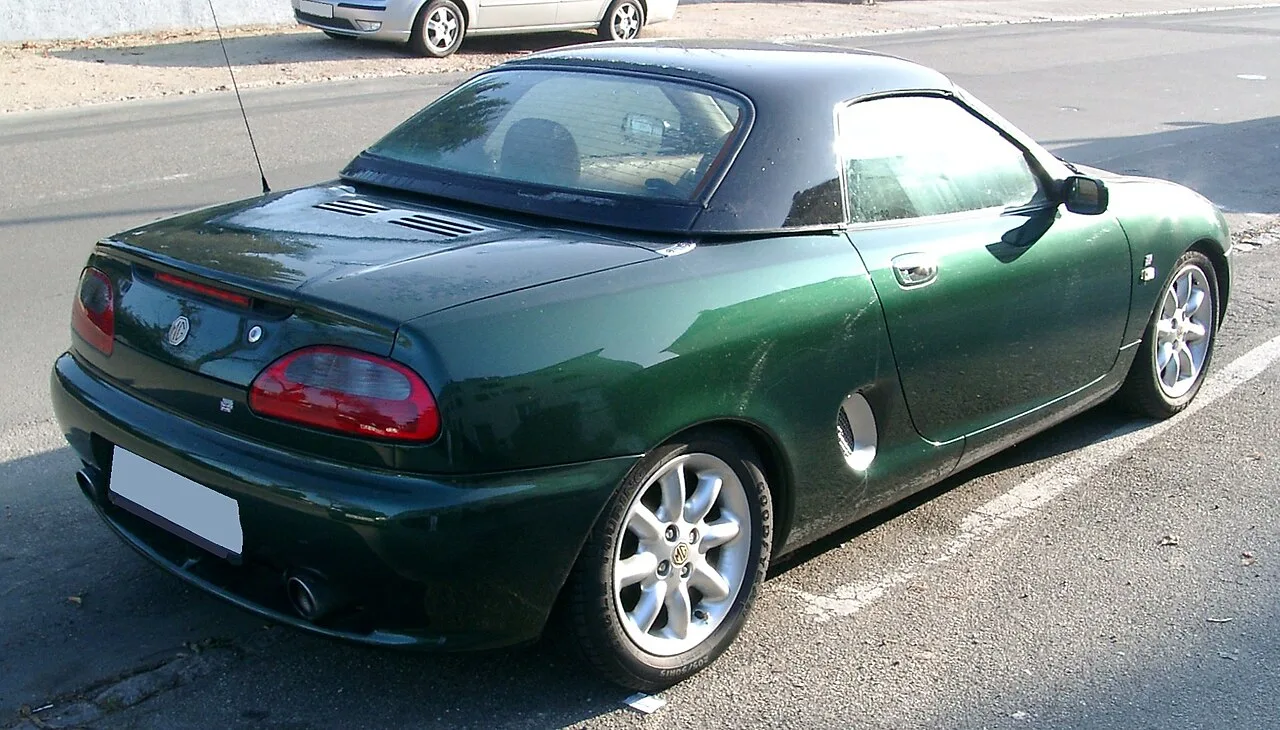
The first new MG designed since the MGB, a two-seat, transverse mid-engined, rear-wheel-drive roadster unveiled on 8 March 1995 and on sale from September that year, the third car launched after BMW's takeover of Rover Group. It arrived with a 1.8-litre K-Series 16-valve engine of 120 PS, joined several months later by the 145 PS VVC (Variable Valve Control) version. Steve Harper of MGA Developments produced the initial design concept in January 1991, inspired by the Jaguar XJR-15 and the Ferrari 250LM, and Rover's in-house team under Gerry McGovern refined it; the suspension is Hydragas, with interconnected fluid and gas displacers. A mild facelift in autumn 1999 brought a revised interior, new alloys and a base 1.6-litre model, and in 2001 came the 160 PS Trophy 160 and a CVT automatic called the Steptronic. It remained Britain's best-selling convertible, and 77,269 were built plus 799 Limited versions.
Collectors Spotted in the MG F / TF Lineage
No member has published a public street spot of the MG F / TF yet — the First · Worldwide stamp is wide open.
Trims & Figures
4 published trims in the catalogue. A blank is a figure not recorded, not zero.
| Trim | Years | Engine | Power | Torque | 0–60 | Drive | Gearbox | MSRP |
|---|---|---|---|---|---|---|---|---|
| 1.6 (16K4F) | 1999–2002 | 1.6 L Inline-4 | 110 hp | 107 lb-ft | 9.0 s | RWD | — | — |
| 1.8 (18K4F) | 1995–2002 | 1.8 L Inline-4 | 120 hp | 122 lb-ft | 8.5 s | RWD | — | — |
| 1.8 VVC (18K4K) | 1995–2002 | 1.8 L Inline-4 | 145 hp | 128 lb-ft | 7.0 s | RWD | — | — |
| Trophy 160 (1.8 VVC) | 2001–2002 | 1.8 L Inline-4 | 157 hp | 128 lb-ft | 6.9 s | RWD | — | — |
Owning one
We don’t estimate running costs for a car like this. What it costs depends on its condition, its specialist and how it is driven, and an average would mislead.
Owners’ builds
Nobody has claimed one yet.
Photographs
When Nanjing Automobile revived the TF years after MG Rover collapsed, it sold the barely-changed 2002 design for more than a brand-new Mazda MX-5 — and buyers noticed.
A modified, single-seat racer built from this platform — Project EXF, chasing MG's own historic land-speed records — hit 217mph at Bonneville in 1997.
Rivals
Same body, same money, other badges — tap any card to flip.
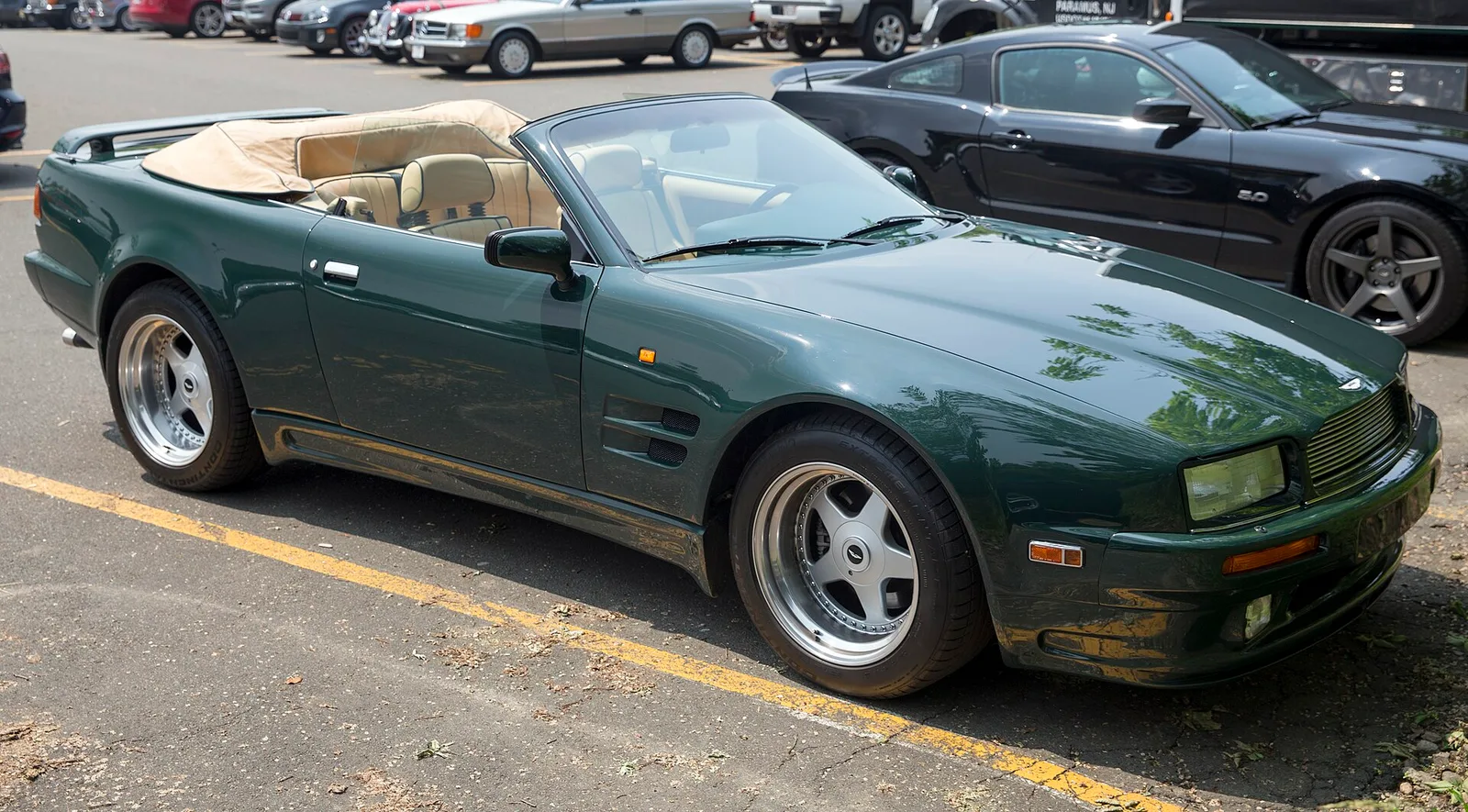
This was the year the Virage's automatic finally got a fourth gear — Aston swapped in a four-speed automatic to replace the original three-speed unit for the 1993 model year.
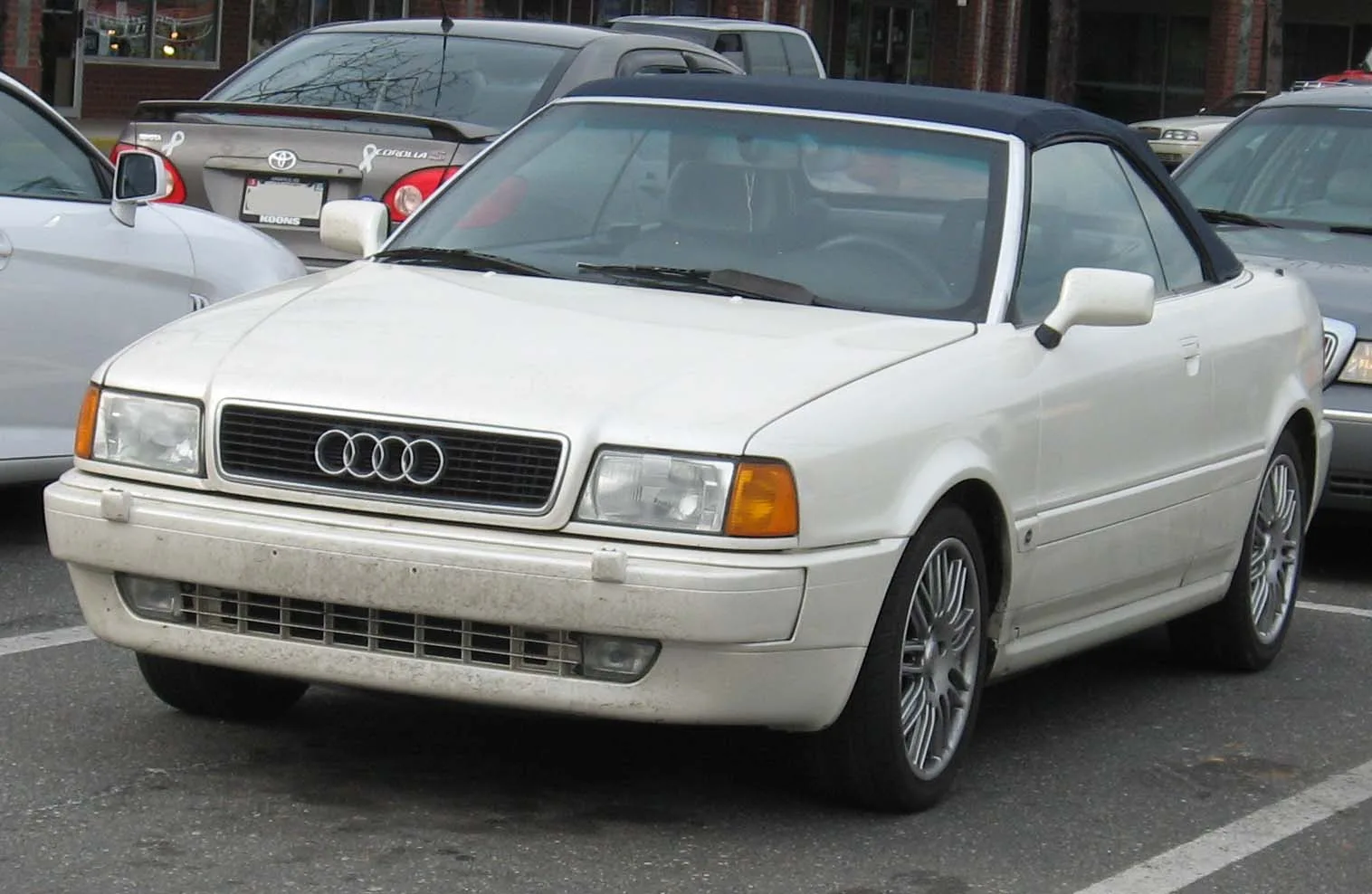
Audi's first drop-top since 1959 barely made a dent stateside: the V6 Cabriolet sold just 5,445 units across its entire five-year run in the US market.
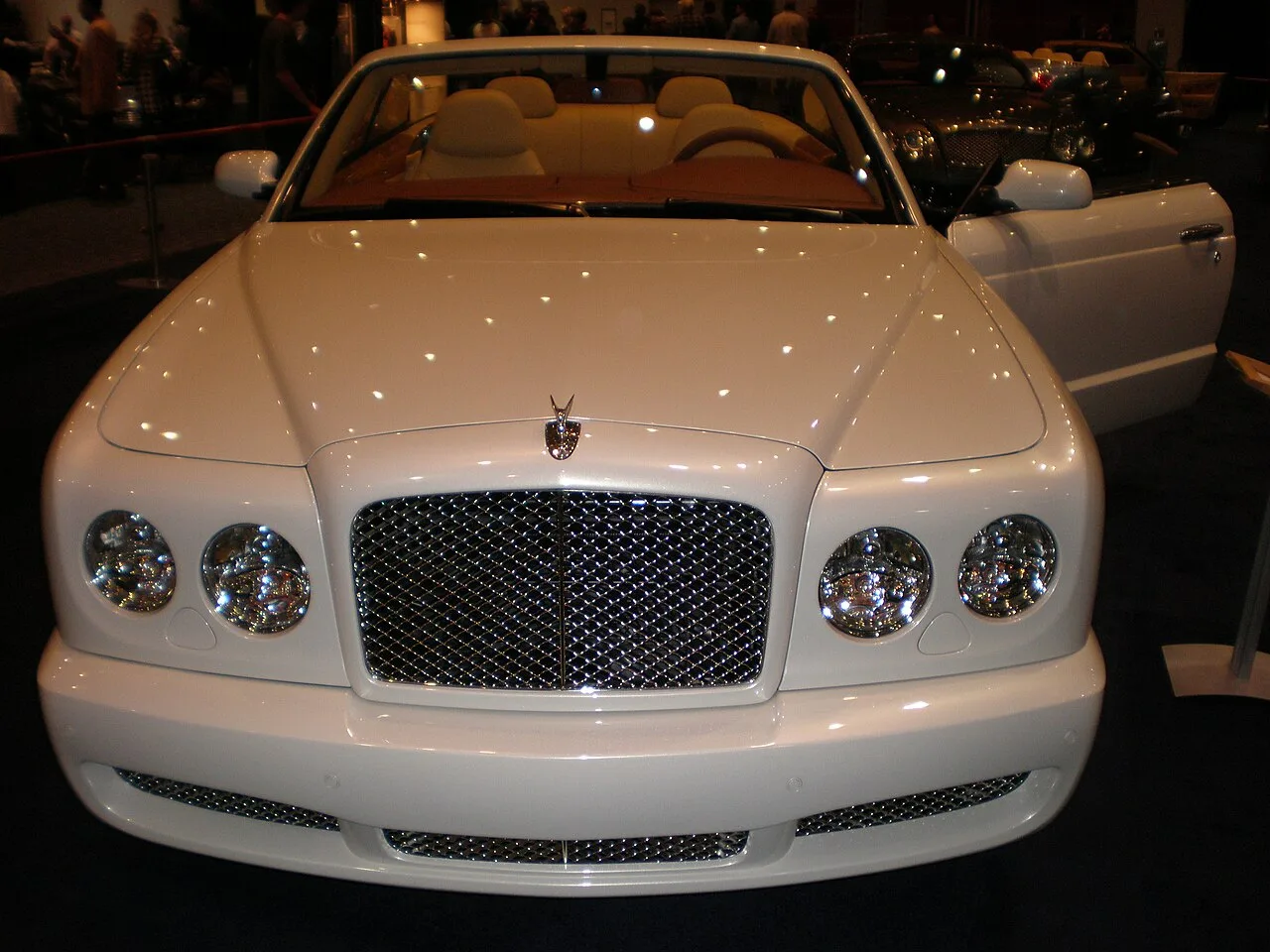
This Azure's V8 exists because of a corporate grudge: when VW won the fight for Bentley, BMW threatened to cut off engine supply — forcing VW to rebuild the 6.75-litre V8 itself, twin-turbos and all.
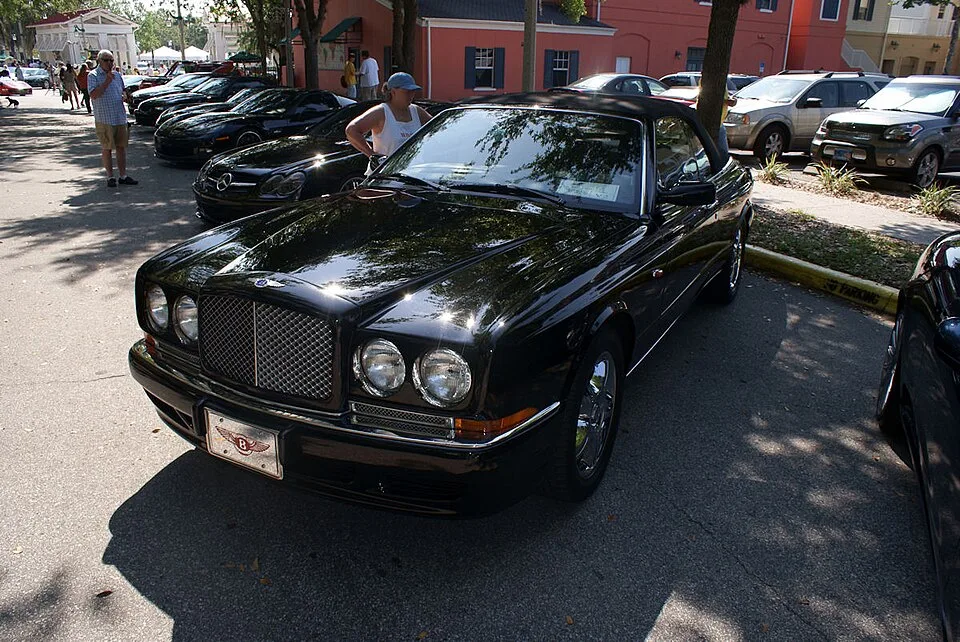
Bentley never even considered a roll-bar for the Azure's convertible top — they just reinforced the chassis instead and let the design stay pure.
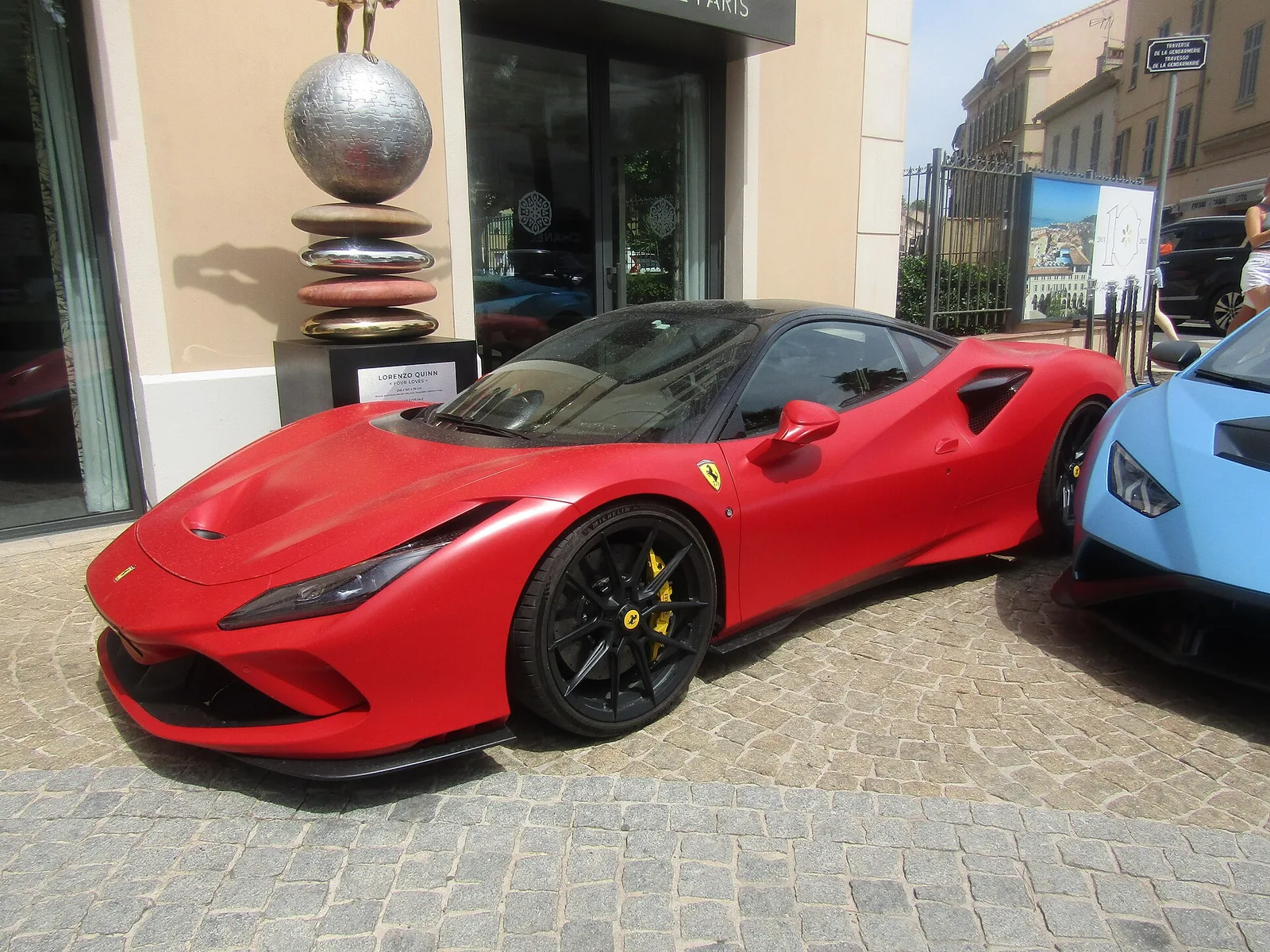
The F8 Spider's folding hardtop raises or lowers in just 14 seconds, and you can do it on the move, at up to 28 mph.
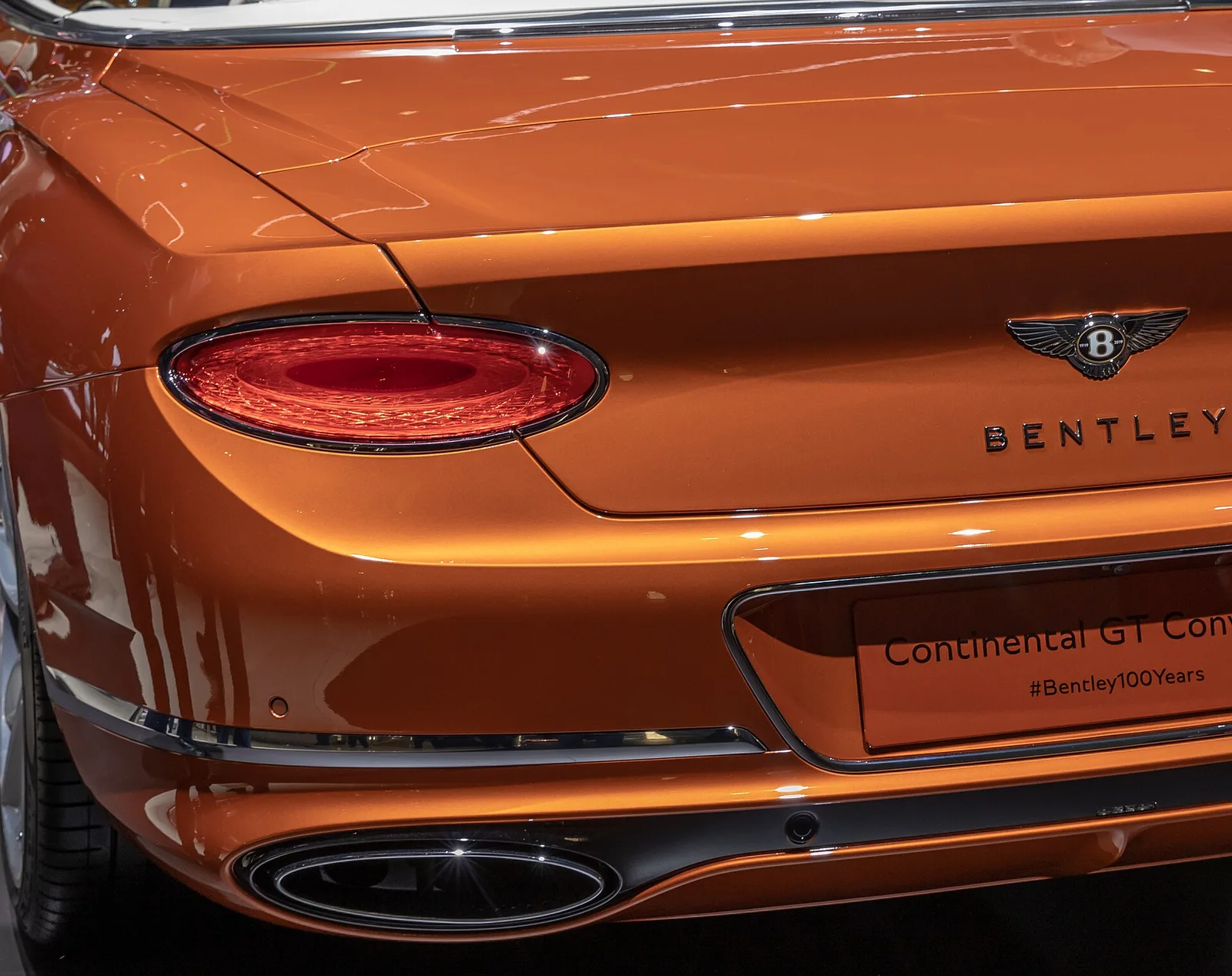
Bentley hid a charging nook for iPads between the rear seats of the Continental GT Convertible — a 2015 update that quietly conceded the future was tablets, not just wood veneer.
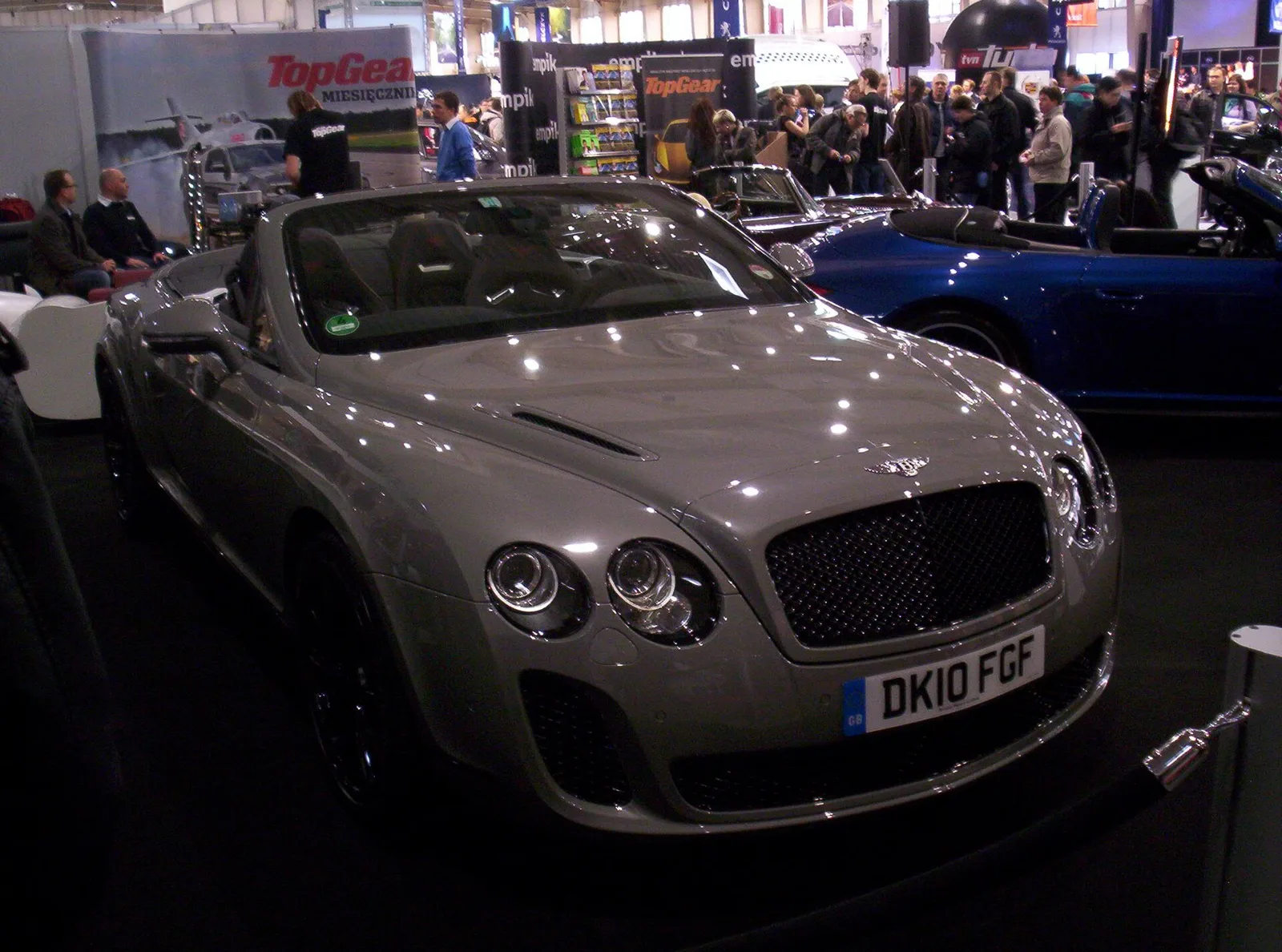
Bentley built just 710 of these second-generation Supersports worldwide, coupe and convertible combined — one of the rarest W12 Bentleys ever made.
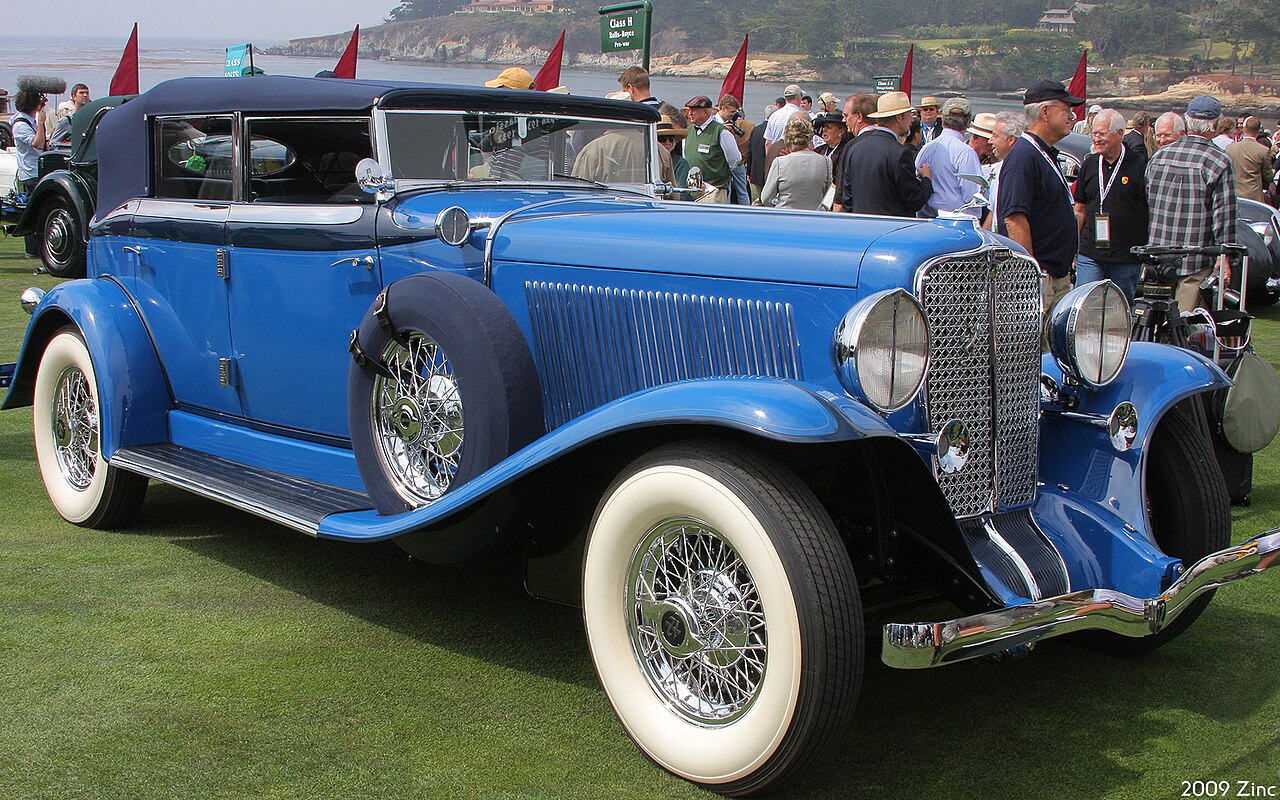
The Auburn Twelve's V12 outlived the car by decades — its engine design became the basis for American LaFrance fire truck powerplants that stayed in service into the 1950s.