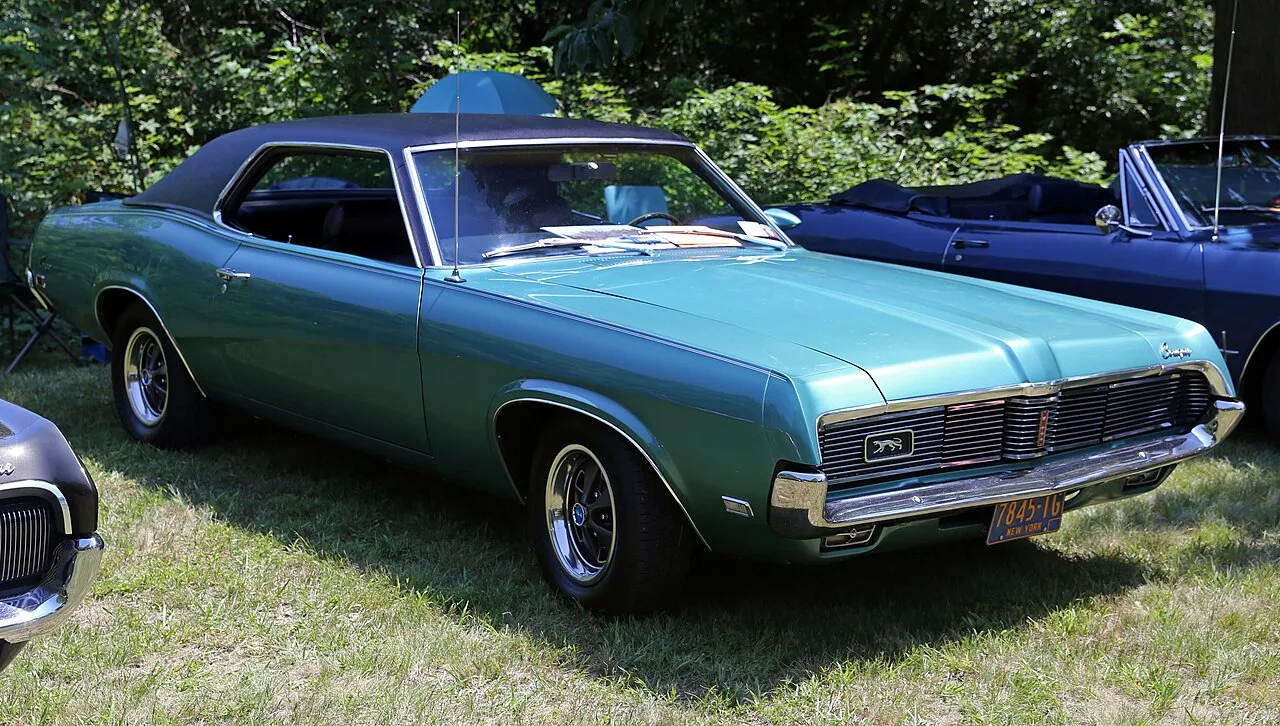
In its debut year, the Cougar won the 1967 Motor Trend Car of the Year award — the only time any Mercury-badged car would ever take that honor.
Lead trim: Cougar 289 cu in V8 two-barrel (200 hp, 1967–1968) · up to 335 hp
Mercury Cougar1967–1970
- 0spots by members
- Unclaimednobody has spotted one yet
- 0sets it belongs to
Nobody in Burbles has spotted a Mercury Cougar yet. See one on the street, point the app at it, and the first card is yours — with your @handle permanently credited on this page.
FactIn its debut year, the Cougar won the 1967 Motor Trend Car of the Year award — the only time any Mercury-badged car would ever take that honor.
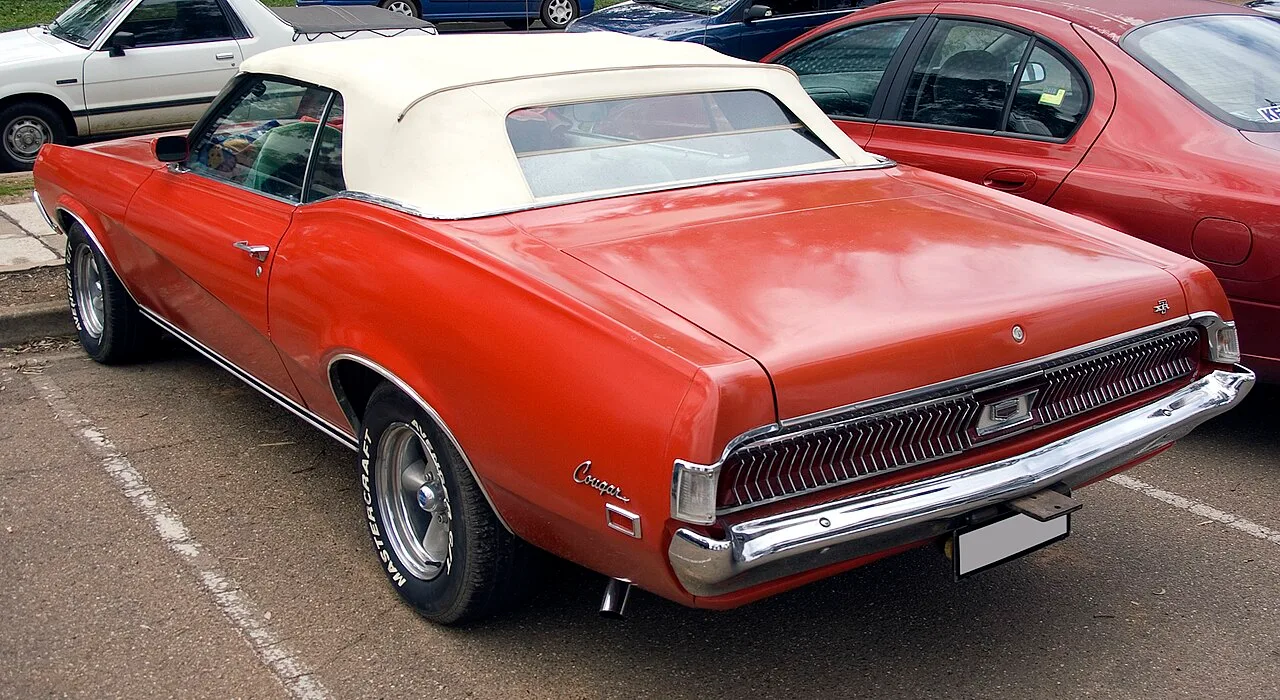
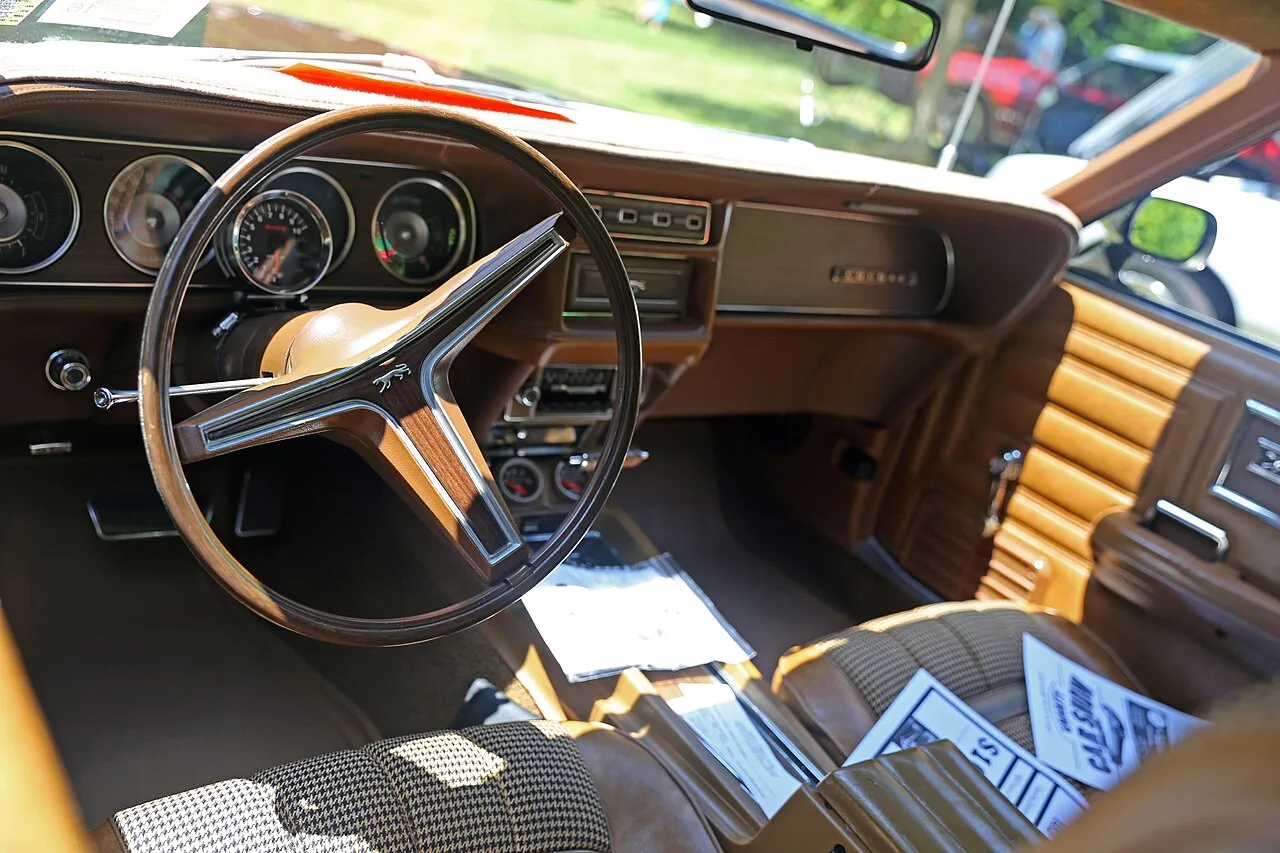
The Mercury Cougar is a series of automobiles sold by Mercury from 1967 to 2002, a pony car in 1967–1973. The first generation (1967–1970, internally T-7) was released by Lincoln-Mercury on September 30, 1966 and, far exceeding sales projections, accounted for nearly 40% of the 1967 sales of the entire Lincoln-Mercury division; it received the 1967 Motor Trend Car of the Year award, the only Mercury-brand vehicle to do so. It shared its chassis with the 1967 Ford Mustang but with the wheelbase extended 3 in to 111 in, initially only as a two-door hardtop (a convertible from 1969), priced $284 more than the equivalent Mustang at $2,854 (a fully optioned XR-7 was $4,500, matching the base price of the Ford Thunderbird); length 190.3 in (1967), 193.8 in (1969) and 196.1 in (1970). The lineup was exclusively V8s: a 289 cu in (4.7 L) with a two-barrel 200 hp or a four-barrel 225 hp and a 390 cu in (6.4 L) "Marauder" V8 at 320 hp (GT). During 1968 the 289 was temporarily substituted with the 302 cu in (4.9 L) designed for the new federal emissions standards (210 hp two-barrel, standard on the XR-7, or 230 hp four-barrel), and a two-barrel "Marauder 390P" rated 280 hp was introduced for non-GT Cougars. For 1969 the 289 was dropped: a two-barrel 351 Windsor became standard (250 hp, or 290 hp four-barrel), the 390 was offered solely as a 320 hp four-barrel, and the 428 Cobra Jet was the largest engine at 335 hp with or without Ram Air; for 1970 the two-barrel 351 stayed the base and the four-barrel was replaced by the all-new 351 Cleveland rated 300 hp, the 390 dropped and the 428 Cobra Jet and Boss 302 remaining as performance options. The first-generation Cougar was offered in an unnamed Standard trim and the XR-7 trim (introduced in early 1967); it was the first Lincoln-Mercury vehicle with hidden headlamps.
Collectors Spotted in the Mercury Cougar Lineage
No member has published a public street spot of the Mercury Cougar yet — the First · Worldwide stamp is wide open.
Trims & Figures
9 published trims in the catalogue. A blank is a figure not recorded, not zero.
| Trim | Years | Engine | Power | Torque | 0–60 | Drive | Gearbox | MSRP |
|---|---|---|---|---|---|---|---|---|
| Cougar 289 cu in V8 four-barrel (225 hp, 1967–1968) | 1967–1968 | 4.7 L V8 | 225 hp | 305 lb-ft | — | RWD | — | — |
| Cougar 289 cu in V8 two-barrel (200 hp, 1967–1968) | 1967–1968 | 4.7 L V8 | 200 hp | 285 lb-ft | — | RWD | — | — |
| Cougar 302 cu in V8 four-barrel (230 hp, 1968) | 1968–1968 | 4.9 L V8 | 230 hp | 300 lb-ft | — | RWD | — | — |
| Cougar 302 cu in V8 two-barrel (210 hp, 1968) | 1968–1968 | 4.9 L V8 | 210 hp | 300 lb-ft | — | RWD | — | — |
| Cougar 351 Cleveland V8 (300 hp, 1970) | 1970–1970 | 5.8 L V8 | 300 hp | 380 lb-ft | — | RWD | — | — |
| Cougar 351 Windsor V8 four-barrel (290 hp, 1969) | 1969–1969 | 5.8 L V8 | 290 hp | 385 lb-ft | — | RWD | — | — |
| Cougar 351 Windsor V8 two-barrel (250 hp, 1969) | 1969–1969 | 5.8 L V8 | 250 hp | 355 lb-ft | — | RWD | — | — |
| Cougar 428 Cobra Jet V8 (335 hp, 1969–1970) | 1969–1970 | 7.0 L V8 | 335 hp | 440 lb-ft | — | RWD | — | — |
| Cougar Marauder 390P two-barrel V8 (280 hp, 1968) | 1968–1968 | 6.4 L V8 | 280 hp | 427 lb-ft | — | RWD | — | — |
Owning one
We don’t estimate running costs for a car like this. What it costs depends on its condition, its specialist and how it is driven, and an average would mislead.
Owners’ builds
Nobody has claimed one yet.
Photographs
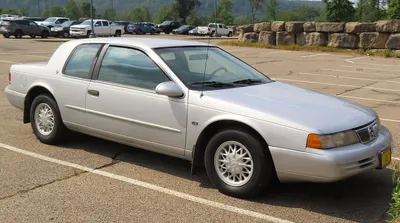
This Cougar was never meant to be a Cougar — it started life as the next Ford Probe, and only got rebadged to Mercury after Ford pulled the plug on the Probe nameplate.
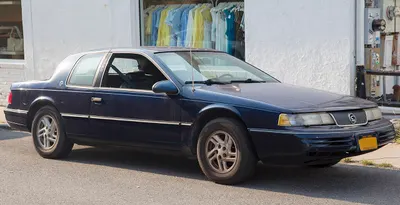
Redesigned for 1989, the Cougar's wheelbase grew nine inches to 113 — longer than the Mercedes-Benz 560SEC it was secretly benchmarked against.
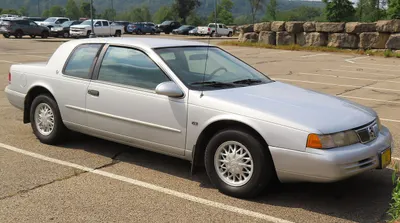
This Cougar was a genuine milestone for Ford: the first Ford vehicle ever developed using computer-aided design, helping slash its drag coefficient from a boxy 0.50 to a sleek 0.40.
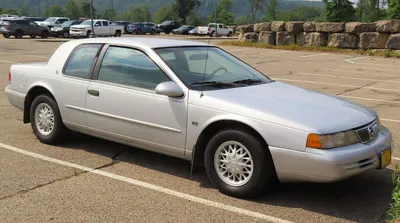
This Cougar XR-7 was so close to its Thunderbird cousin that only the grille, taillamps, trunklid and exposed headlamps told them apart.
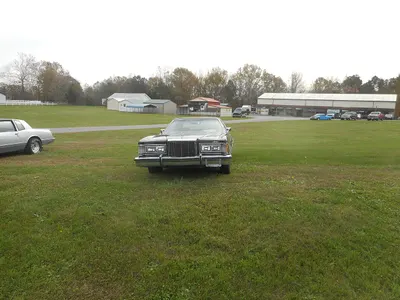
The Cougar's signature "cat's head" emblem debuted right here in 1977 — a badge the model line would keep using for the next 25 years.
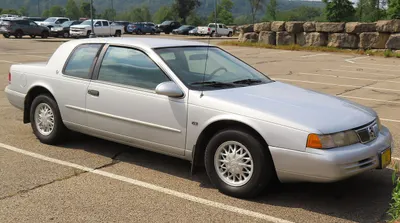
Moving upmarket for 1974, the Cougar XR-7 abandoned its unibody for a Torino-based body-on-frame chassis — the only time any Cougar was built that way.
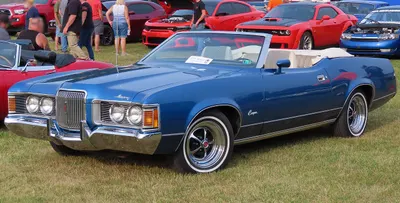
The last Cougar convertible from this run, a light blue/white '73 XR-7, was the final convertible Ford Motor Company built for over a decade.
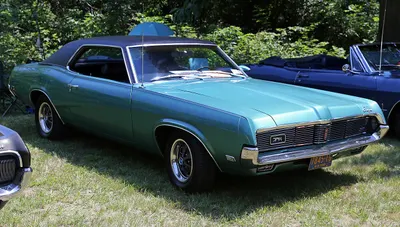
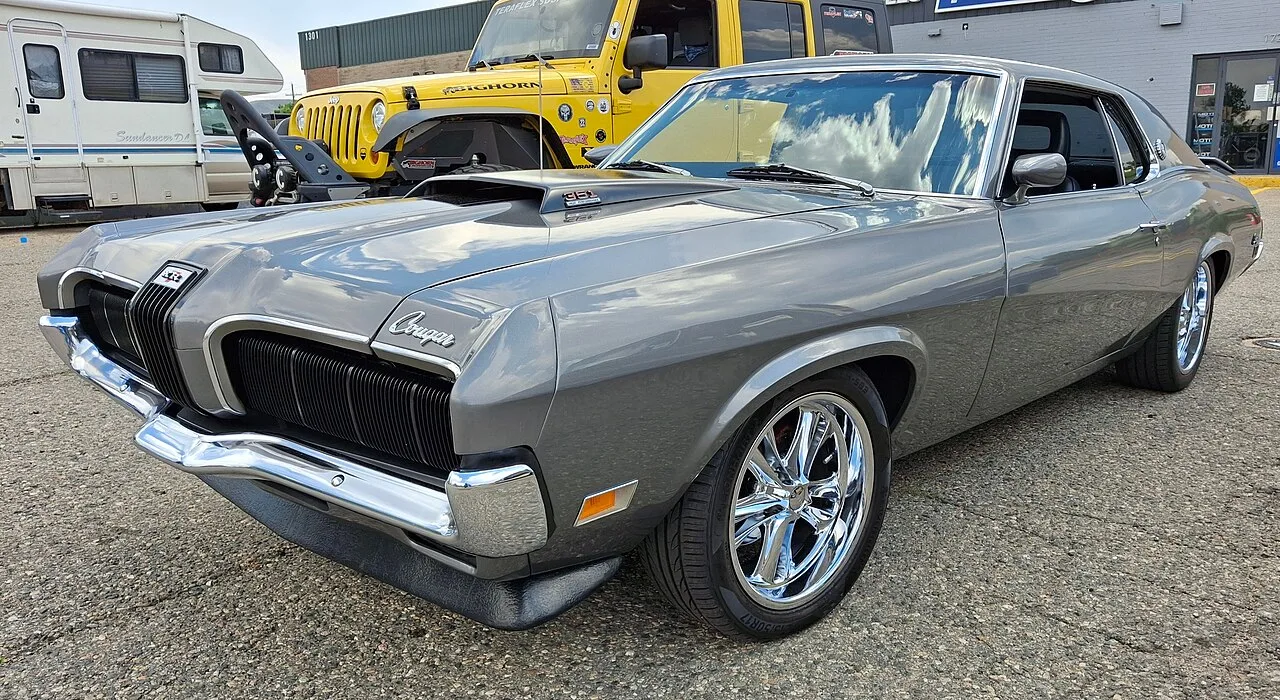
Want a Boss 302 in your Cougar? You had to buy the Eliminator — Mercury made the engine exclusive to that one trim.
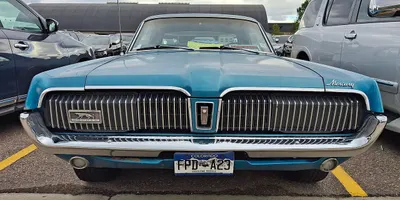
Mercury's GT-E launched with a 427 V8 bolted only to an automatic — the 428 Cobra Jet that replaced it mid-year was the only GT-E engine ever offered with a manual, and just 37 of the 394 GT-Es built got that combination.
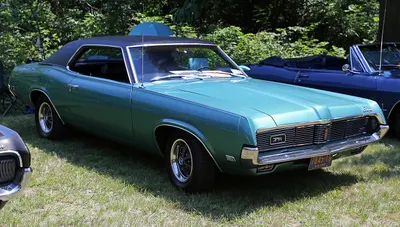
In its debut year, the Cougar won the 1967 Motor Trend Car of the Year award — the only time any Mercury-badged car would ever take that honor.
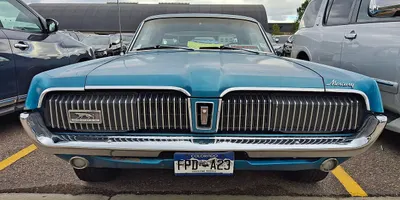
For 1968, Mercury handed a Cougar performance package to Carroll Shelby's own shop to build — the XR7-G, just 619 made, the only time Shelby's name touched a Mercury.
Rivals
Same body, same money, other badges — tap any card to flip.
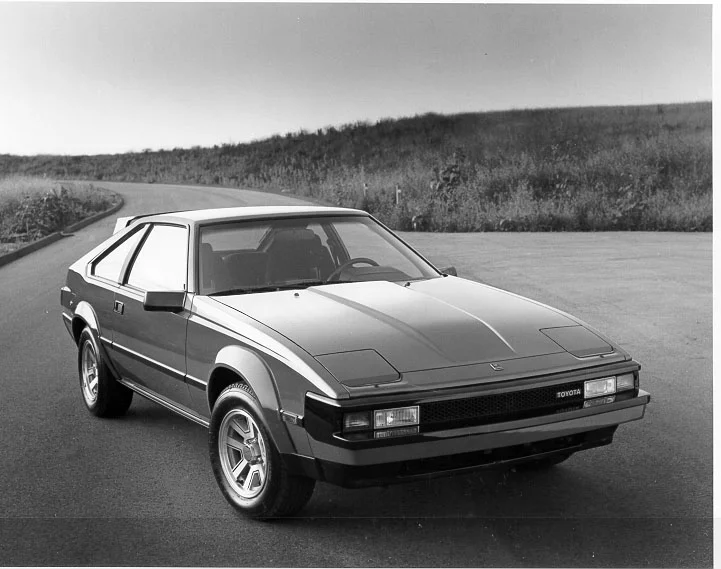
The Celica XX, Japan's name for the A60 Supra, introduced the world's first in-car navigation computer.
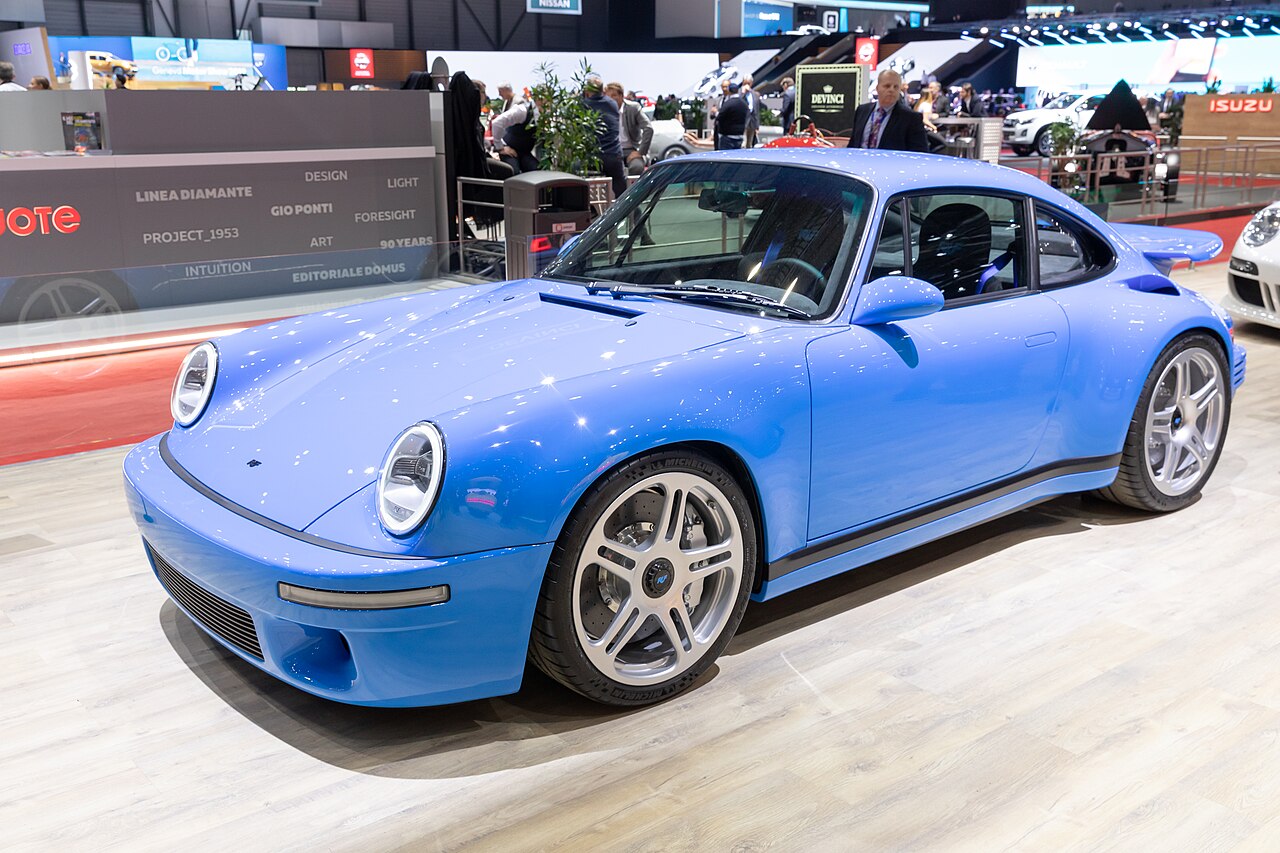
The CTR Anniversary looks like a 911 but Ruf built its carbon monocoque from scratch, no Porsche body underneath.
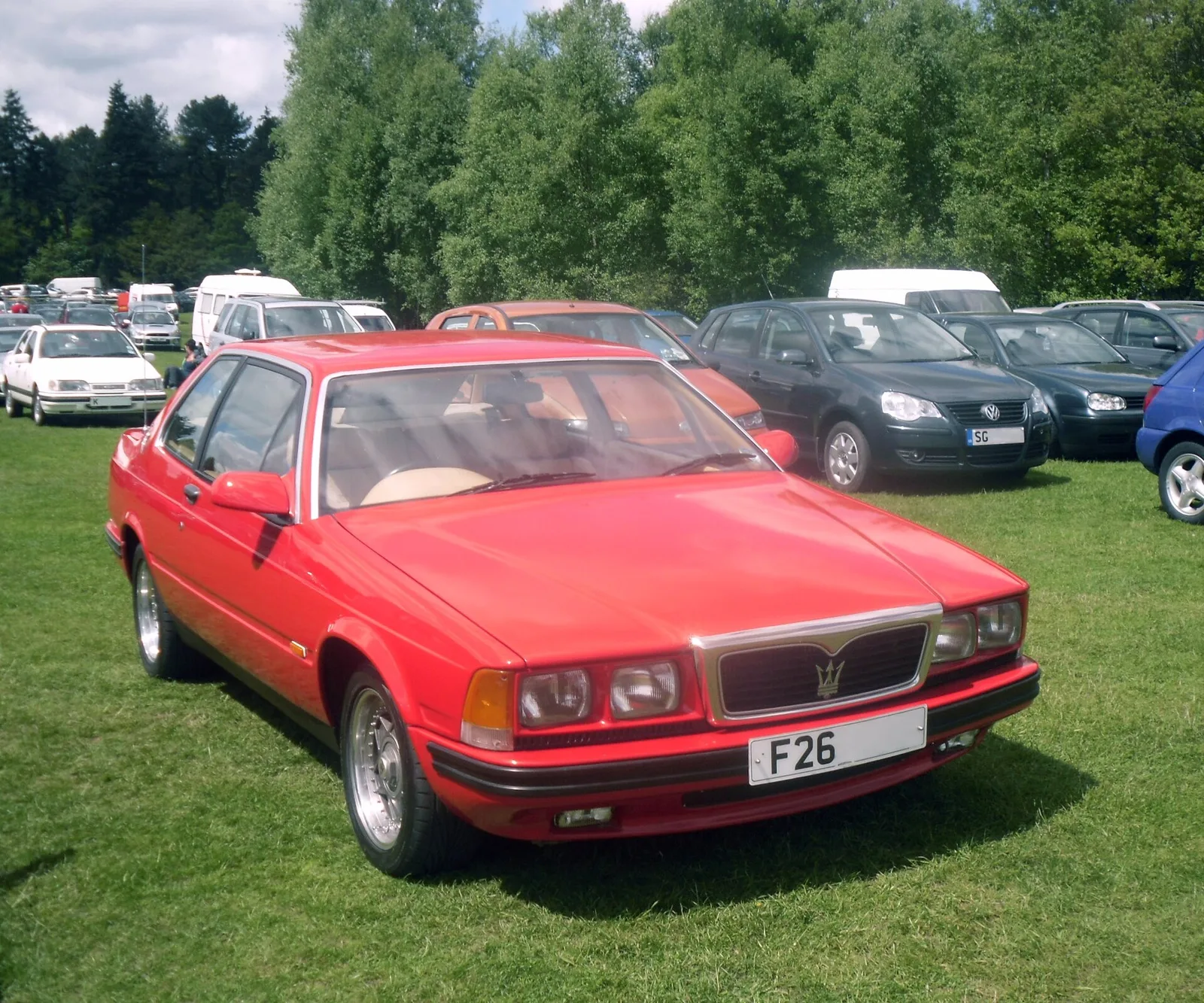
The 228's coupe styling hides a sedan underneath: Maserati stretched it onto the longer four-door Biturbo chassis to make room for its biggest V6, which is literally where the name comes from — 2-door, 2.8 litre.
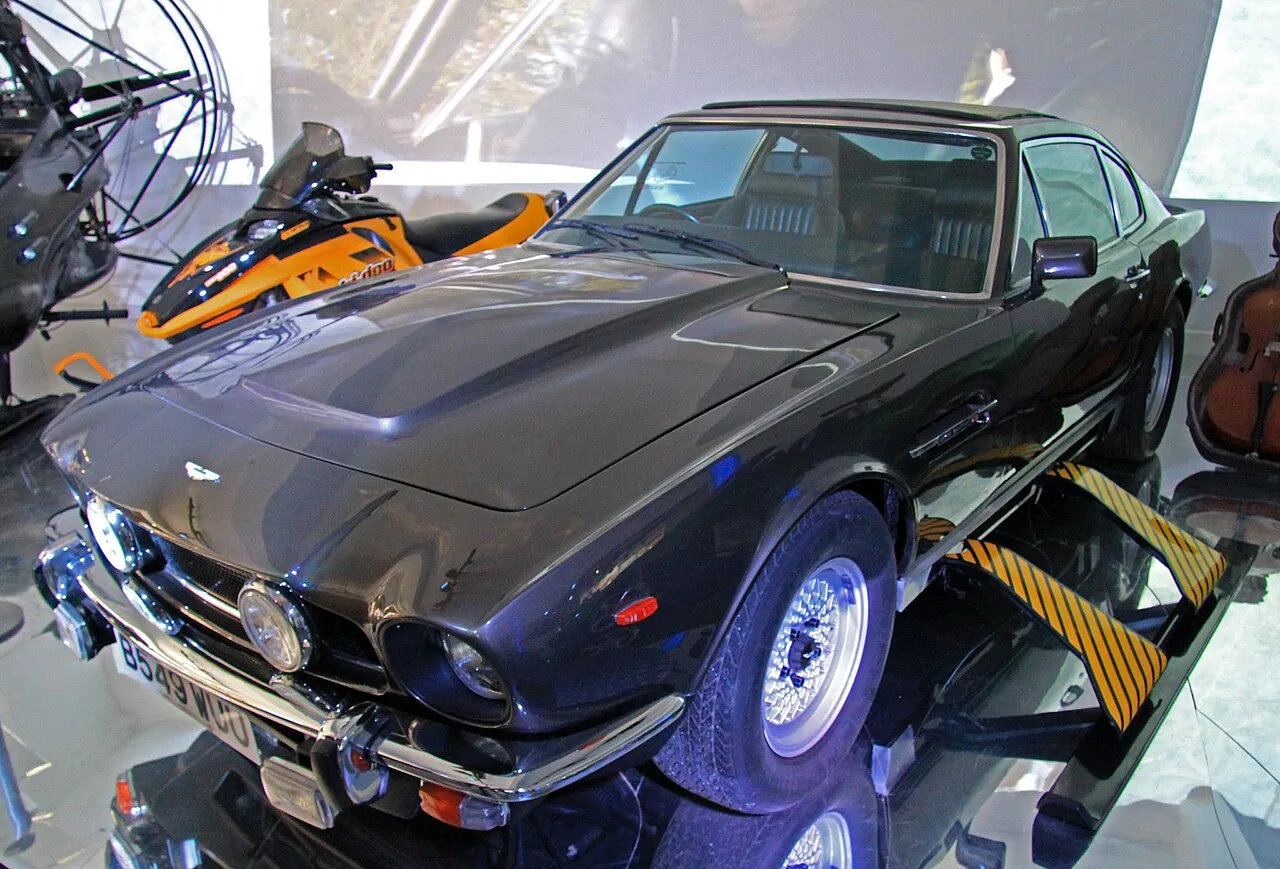
Switching to fuel injection let this V8 finally shed its trademark bonnet bulge — and only 405 of these flat-hooded Series 5 cars were built before the whole model retired in 1989.
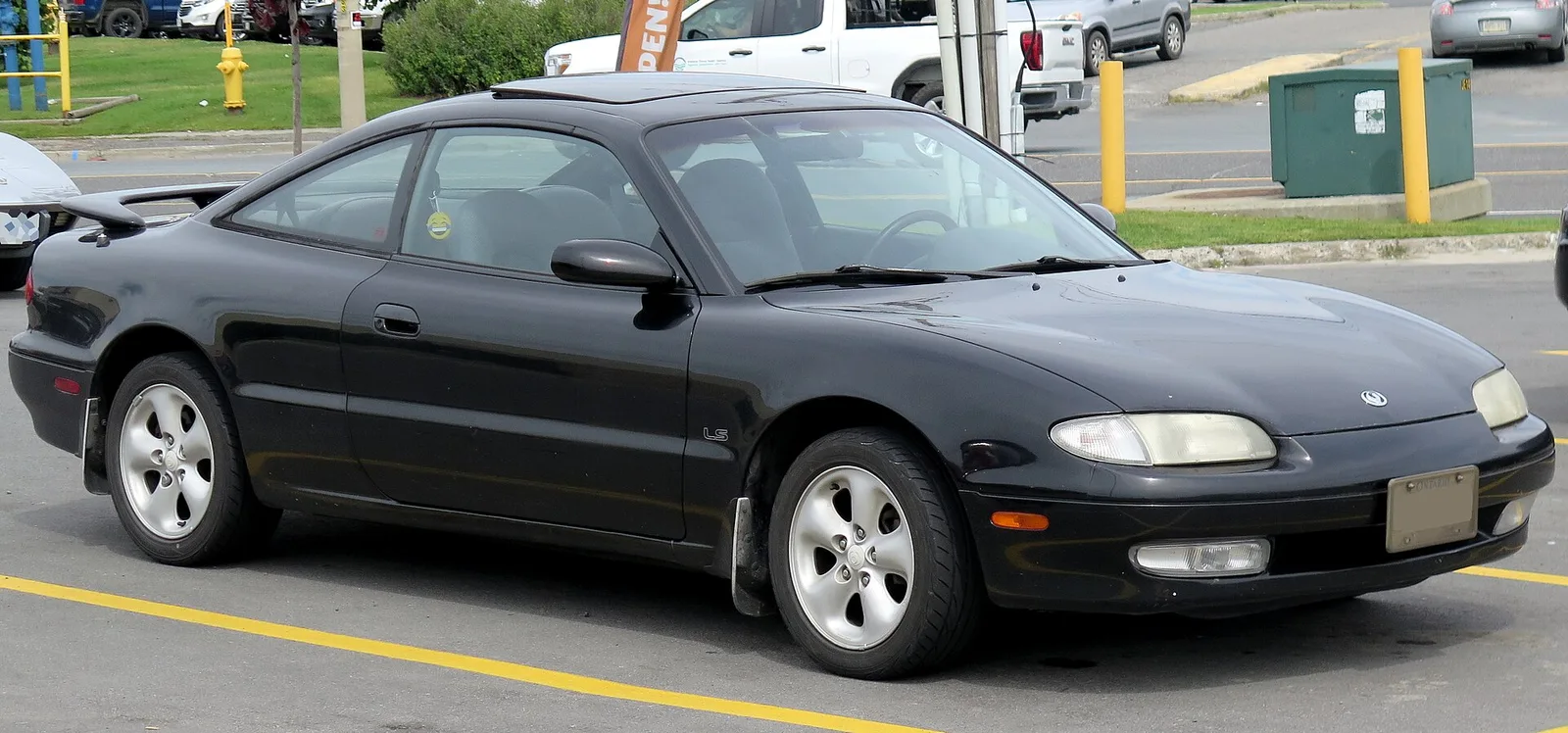
Japanese buyers got a secret weapon in their MX-6 — the JDM-only KL-ZE V6 made about 40 more horsepower than the engine sold in the exact same car in North America.
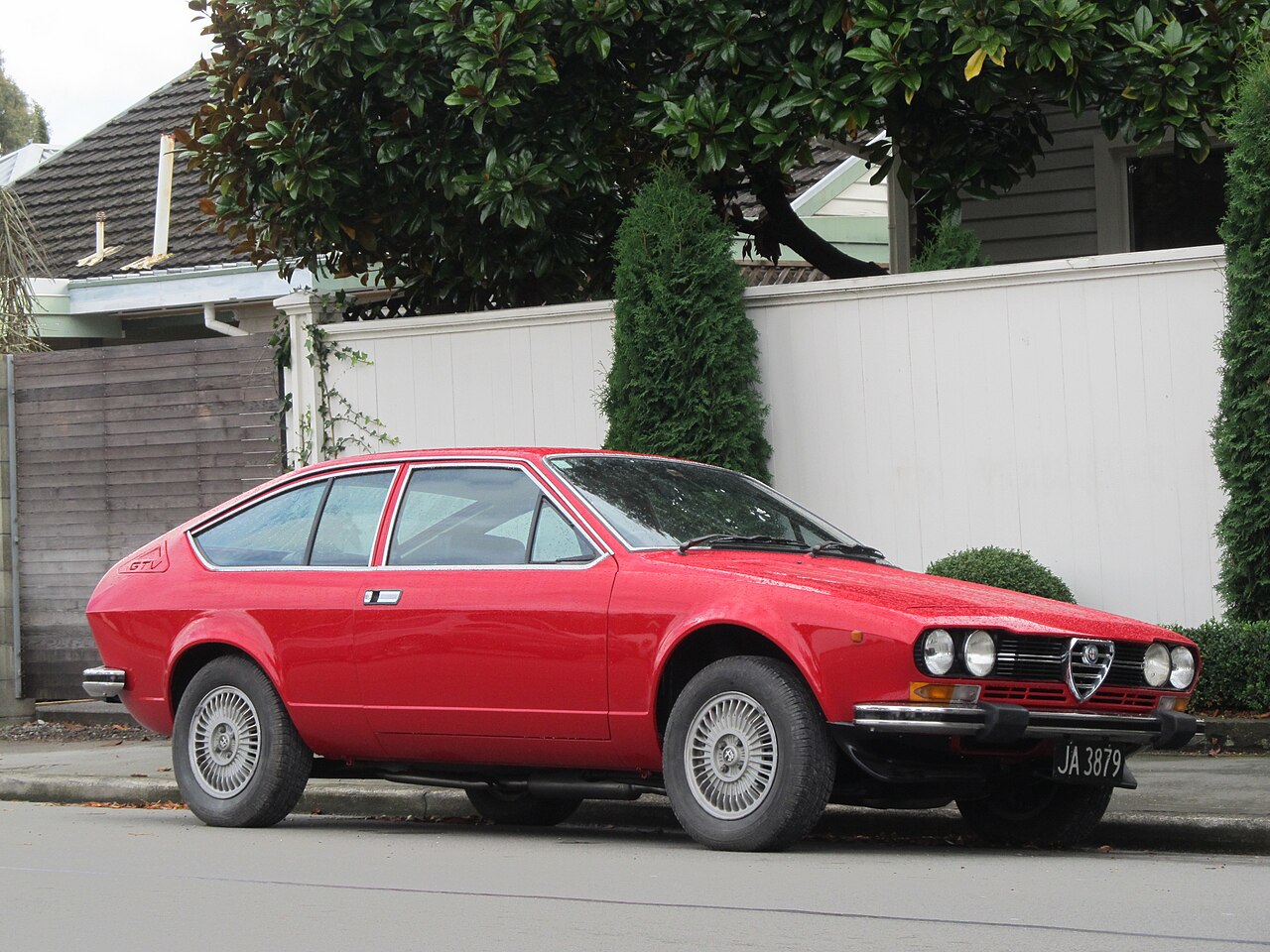
An American tuner, Callaway Cars, built twin-turbo conversions of the GTV6 that boosted its V6 by fifty percent to 230 hp — turning Alfa's grand tourer into something far quicker than the factory ever intended.
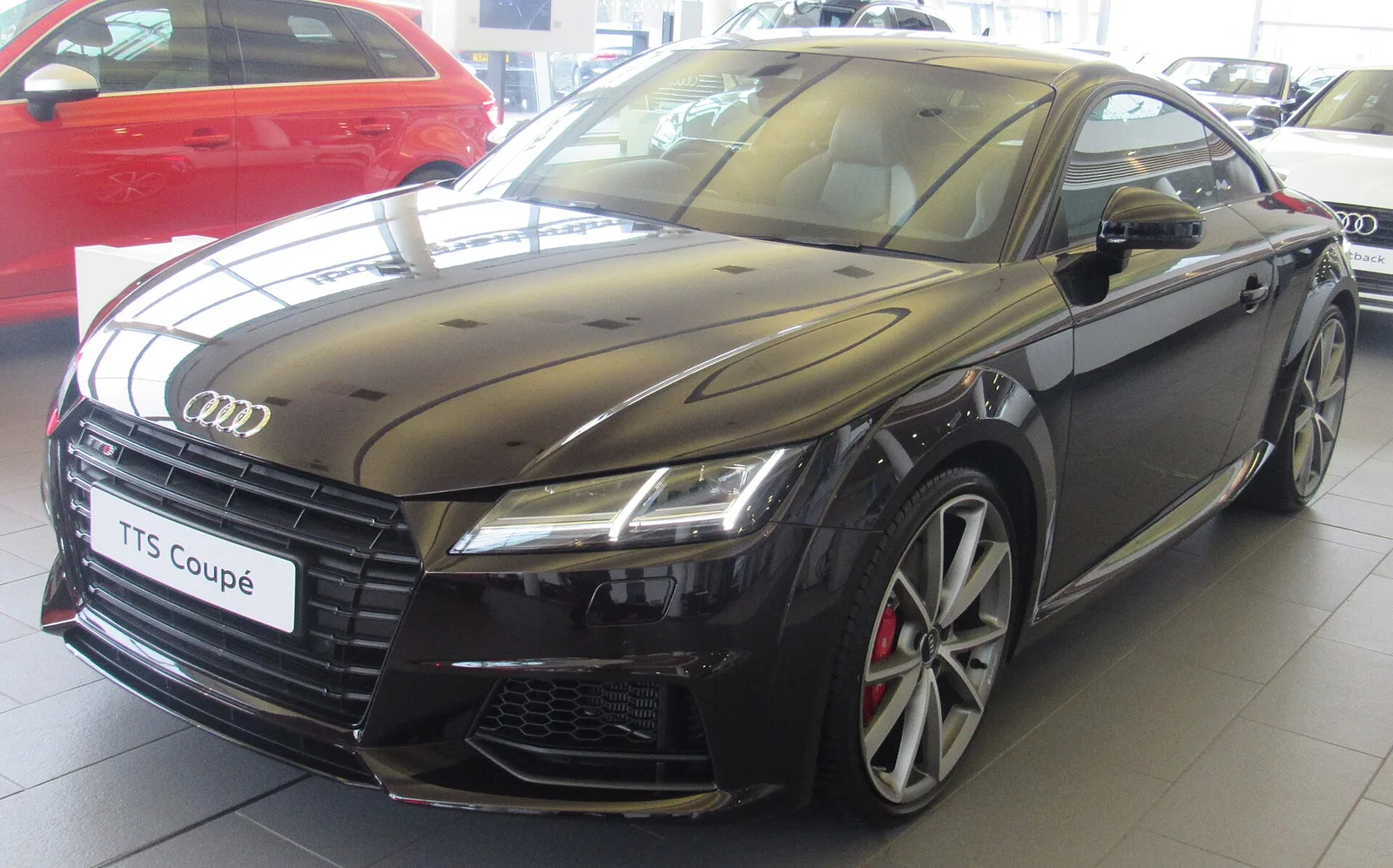
Audi TTS Coupe · TTS Coupe (2016–2023) · 2016–2023.
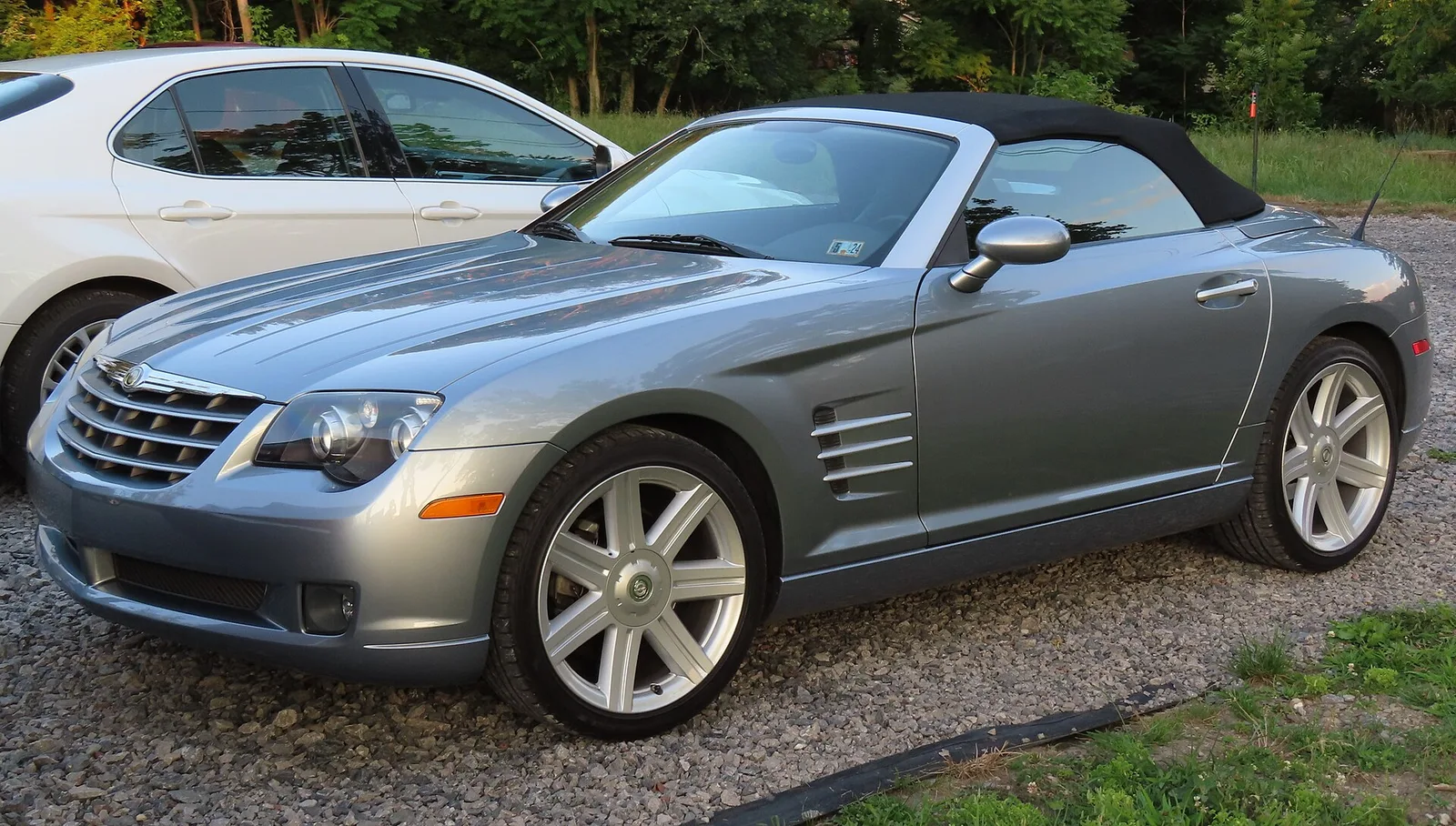
A product of the DaimlerChrysler merger, the Crossfire shares 80% of its parts with the Mercedes-Benz SLK — German bones under American badges.